|

On Wednesday, Sep 6th 2017, our sun unleashed two massive solar flares, the second of which was the most powerful we’ve seen in more than a decade. The burst of radiation was so intense, it caused high-frequency radio blackouts across the daytime side of Earth that lasted for about an hour.

Solar flares are giant explosions on the surface of the sun that occur when twisted magnetic field lines suddenly snap and release massive amounts of energy.

Space weather scientists classify flares based on their intensity, with X-class flares being the most powerful. These explosions can release as much energy as a billion hydrogen bombs.

The KP index jumped up to 9 with possible Aurora sightings at a latitude of 48.1°or lower, including the following countries:

North America:
San Francisco (CA, USA) Las Vegas (NV, USA) Albuquerque (NM, USA) Dallas (TX, USA) Jackson (MS, USA) Atlanta (GA, USA)

Europe:
Paris (France) Munich (Germany) Vienna (Austria) Bratislava (Slovakia) Kiev (Ukraine)

Asia:
Astana (Kazakhstan) Novosibirsk (Russia)

Southern Hemisphere:
Perth (Australia) Sydney (Australia) Auckland (New Zealand)

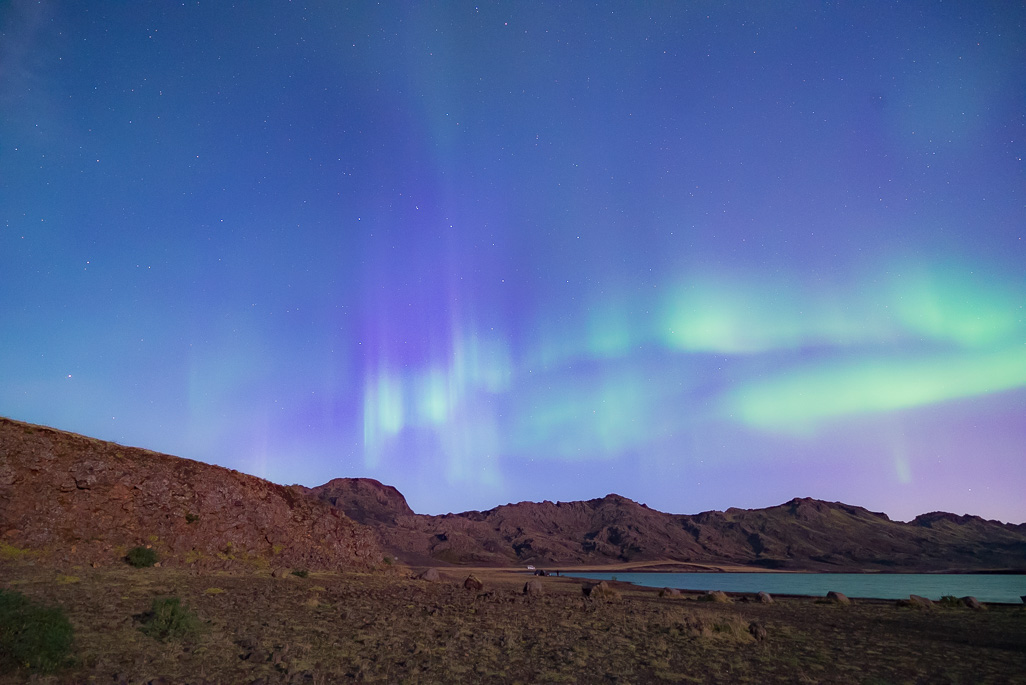
However, the Aurora display over Iceland caused by this solar flares was quiet decent, like you see in those two pictures.

What happened?

Scientists estimate that Iceland has been at a to high latitude for observing the Aurora caused by this X-class flare.

It is a common misunderstanding that we need a high KPI for strong displays over Iceland, since the KP index only indicates the latitude of possible sightings, but not it´s strength.

From our experience, a KP of 4-5 raises chances to see beautiful, fast dancing Auroras.

Let´s keep on hunting!
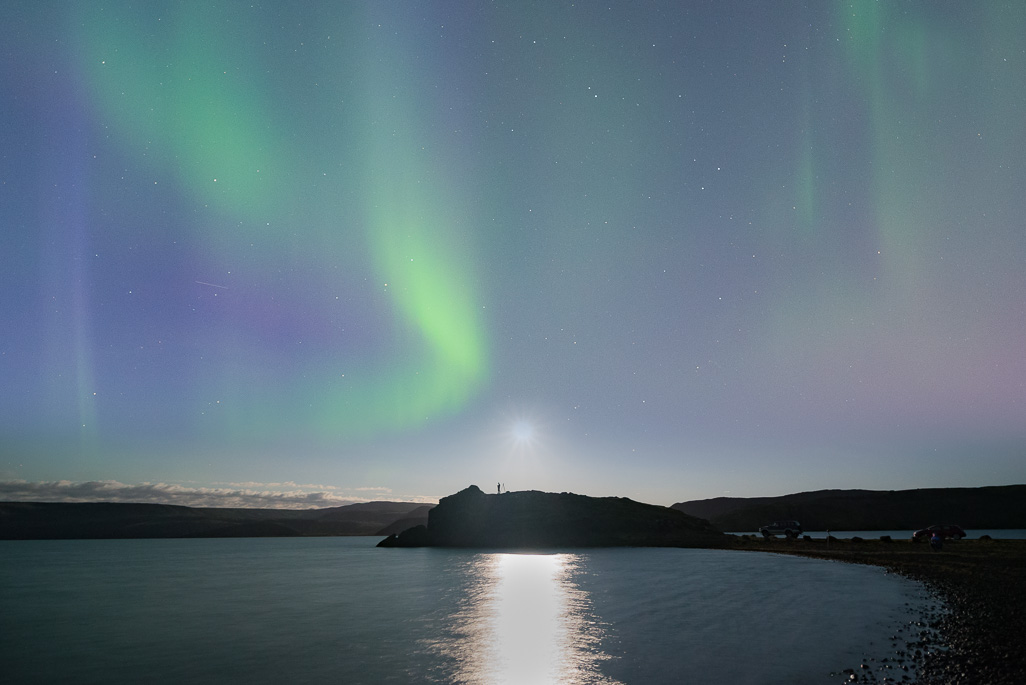
 

Kleifarvatn

Are you ready for your own Aurora Adventure?

Book your tour here!

Can´t catch the Northern Lights? Visit us at our Northern Lights Center – where the lights are always on display!

Aurora Reykjavik - The Northern Light Center

Full Moon and Northern Lights: Will a Full Moon Ruin Your Aurora Experience?

Does a full moon affect the Northern Lights? Aurora experts explain how moonlight, cloud cover, and aurora strength really impact your viewing experience.

ICELAND’S BEST GEOTHERMAL LAGOONS: WHICH ONE SHOULD YOU VISIT?

Iceland's Geothermal Baths Explained Which One Should You Choose? Tips For Your Visit Iceland is a land of fire and ice, where glaciers meet volcanoes, and geothermal energy bubbles just beneath the surface. Among its most irresistible attractions are its geothermal...

BLUE LAGOON VS. SKY LAGOON: WHICH ICELANDIC SPA SHOULD YOU CHOOSE?

Iceland is famous for geothermal bathing, and two world-class spa experiences attract visitors from all over the globe. In this post, we’ll compare the iconic Blue Lagoon with the newer but hugely popular Sky Lagoon: two unforgettable ways to unwind in Iceland’s soothing geothermal waters.

GOLDEN CIRCLE VS SOUTH COAST: ICELAND’S ULTIMATE DAY TOUR SHOWDOWN

Iceland is a land of staggering beauty, and two of its most iconic sightseeing routes offer very different ways to experience it: the Golden Circle and the South Coast. Waterfalls, hot springs, black beaches, glaciers and majestic landscapes, whether you’re planning a short trip or deciding which guided tour to book, this post will help you choose the perfect adventure.

HOW TO CHOOSE THE BEST NORTHERN LIGHTS TOUR IN ICELAND

The Northern Lights are unpredictable, and choosing the right tour can make the difference between a glowing success and a chilly disappointment. In this post, we break down everything you should consider before booking — from group size and guide expertise to weather forecasts, photography support, and refund policies — so you can pick the tour that truly fits your needs.

Driving Yourself to See the Northern Lights: Safe Routes, Tips, and Mistakes to Avoid (Iceland 2026 Guide)

Is It Safe to Drive to See the Northern Lights? The simple answer: Yes — but only if you prepare well.
Every winter, thousands of visitors in Iceland choose a self-drive northern lights chase. It gives you freedom, flexibility, and the magic of experiencing the aurora in complete silence.
But Iceland’s winter roads can be snowy, windy, icy, and unpredictable, so planning is essential. This guide walks you through safe driving routes, real local tips, what NOT to do, and how to increase your chances of seeing the lights.

We keep you updated! Follow us on our social media channels.