|

On Wednesday, Sep 6th 2017, our sun unleashed two massive solar flares, the second of which was the most powerful we’ve seen in more than a decade. The burst of radiation was so intense, it caused high-frequency radio blackouts across the daytime side of Earth that lasted for about an hour.

Solar flares are giant explosions on the surface of the sun that occur when twisted magnetic field lines suddenly snap and release massive amounts of energy.

Space weather scientists classify flares based on their intensity, with X-class flares being the most powerful. These explosions can release as much energy as a billion hydrogen bombs.

The KP index jumped up to 9 with possible Aurora sightings at a latitude of 48.1°or lower, including the following countries:

North America:
San Francisco (CA, USA) Las Vegas (NV, USA) Albuquerque (NM, USA) Dallas (TX, USA) Jackson (MS, USA) Atlanta (GA, USA)

Europe:
Paris (France) Munich (Germany) Vienna (Austria) Bratislava (Slovakia) Kiev (Ukraine)

Asia:
Astana (Kazakhstan) Novosibirsk (Russia)

Southern Hemisphere:
Perth (Australia) Sydney (Australia) Auckland (New Zealand)

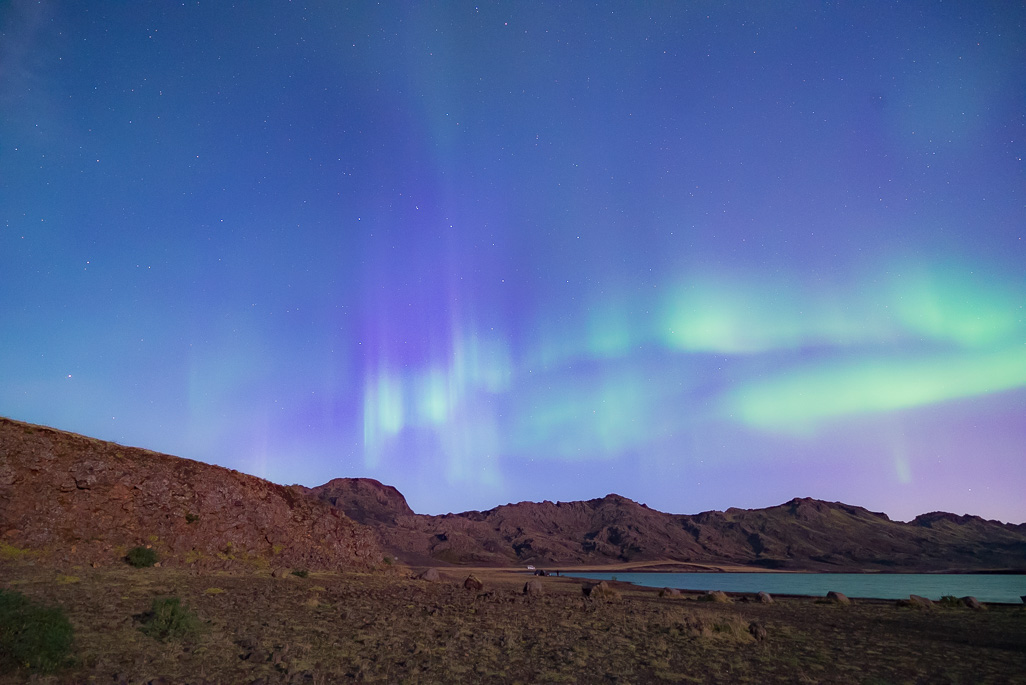
However, the Aurora display over Iceland caused by this solar flares was quiet decent, like you see in those two pictures.

What happened?

Scientists estimate that Iceland has been at a to high latitude for observing the Aurora caused by this X-class flare.

It is a common misunderstanding that we need a high KPI for strong displays over Iceland, since the KP index only indicates the latitude of possible sightings, but not it´s strength.

From our experience, a KP of 4-5 raises chances to see beautiful, fast dancing Auroras.

Let´s keep on hunting!
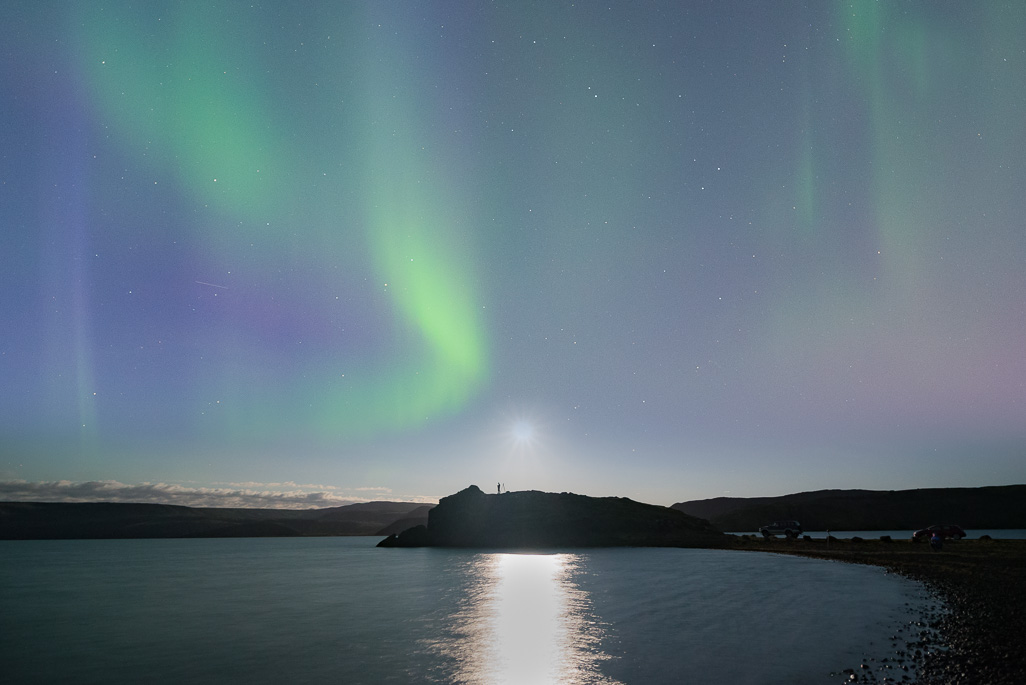
 

Kleifarvatn

Are you ready for your own Aurora Adventure?

Book your tour here!

Can´t catch the Northern Lights? Visit us at our Northern Lights Center – where the lights are always on display!

Aurora Reykjavik - The Northern Light Center

ICELAND IN MARCH: WEATHER, NORTHERN LIGHTS & BEST THINGS TO DO

Planning a trip to Iceland in March? Well thought! March is one of the best times to visit if you want winter landscapes, increasing daylight, and excellent Northern Lights conditions without peak-season crowds. If you’re wondering about Iceland March weather, aurora chances, and what to pack, this complete Iceland in March travel guide covers everything you need to know.

AURORE BOREALI DA REYKJAVÍK: CONSIGLI E TRUCCHI PER PIANIFICARE LA TUA CACCIA ALL’AURORA BOREALE

Vedere l’aurora boreale è una di quelle esperienze da lista dei desideri che l’Islanda rende indimenticabili. Con la giusta pianificazione, un abbigliamento caldo e confortevole e un pizzico di fortuna da Madre Natura, puoi ammirare il cielo notturno danzare in verde, viola e rosa proprio sopra di te. Che tu desideri una guida esperta o preferisca un’avventura in autonomia, ecco come pianificare il tuo viaggio a Reykjavík alla scoperta dell’aurora boreale come un professionista.

IL MITO DEL “SOLE DI MEZZANOTTE”: PUOI VEDERE L’AURORA IN ISLANDA IN ESTATE?

In inverno, le lunghe notti creano condizioni perfette per osservare l'aurora boreale. In estate, la stagione del sole di mezzanotte, il paesaggio è immerso in una luce quasi costante. Questo cambiamento drastico porta molti visitatori a porsi ogni anno la stessa domanda: è possibile vedere l'aurora boreale in Islanda durante l’estate?

VISITARE L’ISLANDA A FEBBRAIO: TUTTO QUELLO CHE DEVI SAPERE

Febbraio è uno dei mesi più gratificanti per pianificare un viaggio in Islanda. Ben inserito nel cuore dell’inverno, offre un mix affascinante di giornate lunghe per visitare i luoghi d’interesse e notti prolungate per osservare l’aurora boreale, insieme a tradizioni culturali uniche che non si possono vivere in nessun altro periodo dell’anno. In questa guida spieghiamo perché febbraio è un mese speciale per visitare l’Islanda, cosa aspettarsi dalla natura e dalla cultura, e come sfruttare al meglio la propria avventura invernale.

REYKJAVÍK IN CROCIERA: SFRUTTA AL MEGLIO LE TUE 4–8 ORE DI SOSTA A REYKJAVÍK

Passi dalla capitale islandese per solo poche ore? Il layout compatto di Reykjavík permette di godersi tantissime attività senza sentirsi di fretta, soprattutto se la tua nave attracca al Porto Vecchio di Reykjavík. La maggior parte delle attrazioni elencate qui si trova raggruppata nella zona di Grandi (Porto Vecchio), a breve distanza l’una dall’altra, perfetto quando il tempo è limitato.

ECLISSI SOLARE TOTALE 2026 IN ISLANDA – TUTTO QUELLO CHE DEVI SAPERE

Mercoledì 12 agosto 2026, l’Islanda assisterà a uno degli eventi naturali più straordinari: un'eclissi solare totale. Per un breve istante, la Luna passerà davanti al Sole, trasformando un pomeriggio estivo in un crepuscolo ultraterreno. Si tratta di un evento raro in Islanda, che non si ripeterà per generazioni, rendendolo un motivo davvero speciale per visitare il paese.

We keep you updated! Follow us on our social media channels.