
Northern Lights Diary
Follow us on our Northern Lights trips!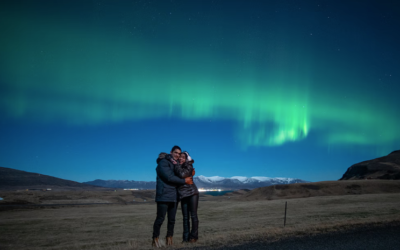
The 25 Best Places To See The Northern Lights In Iceland
As a lifelong Northern Lights enthusiast and founder of Aurora Reykjavík, I’ve spent countless nights chasing the auroras across Iceland. Each experience feels like the first—an awe-inspiring dance of color and light against the vast Icelandic skies. In this guide, I’ll share my 25 favorite spots to witness this natural wonder, from remote highlands to coastal gems. Whether you’re a first-time visitor or a seasoned aurora hunter, these locations offer something truly magical. Let me take you on a journey to the best places in Iceland to see the Northern Lights. – Grétar Jónsson
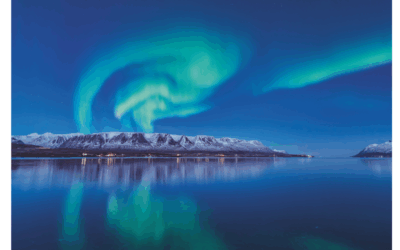
Northern Lights in Iceland in March & April: Why Spring Is an Underrated Aurora Season
Most travelers assume winter is the only serious northern lights season in Iceland.
In reality, March and early April can be one of the smartest times to hunt the aurora.
You still have dark nights long enough for aurora viewing, travel conditions are often easier than in deep winter, and the weeks around the spring equinox are statistically favorable for geomagnetic activity.
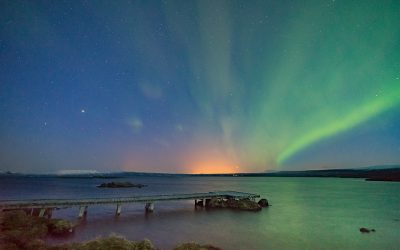
ICELAND IN APRIL: WEATHER, NORTHERN LIGHTS & BEST THINGS TO DO
April in Iceland is a month of transition. Winter begins to loosen its grip, daylight stretches dramatically, and the country starts to awaken for spring. For travellers, this means fewer crowds, powerful waterfalls fed by melting snow, and one final chance to see the northern lights before the season ends.
If you are considering visiting Iceland in April, here is everything you need to know – from weather conditions and Easter traditions to why this is still a great time to chase the aurora.
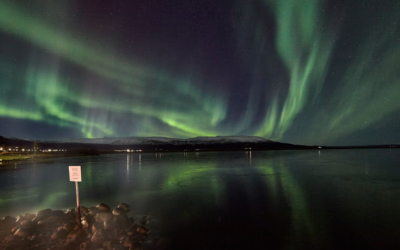
EASTER IN ICELAND: TRADITIONS, OPENING HOURS & WHAT TO DO IN REYKJAVÍK
Easter is one of the most beautiful times to visit Iceland. Winter still lingers in the landscape, daylight is rapidly returning, and Reykjavík comes alive with locals enjoying the first real feeling of spring. Here is everything visitors need to know about spending Easter in Iceland — plus the best ways to enjoy Reykjavík during the holiday weekend.
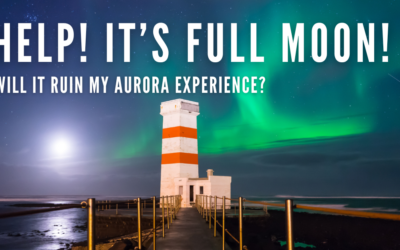
Full Moon and Northern Lights: Will a Full Moon Ruin Your Aurora Experience?
Does a full moon affect the Northern Lights? Aurora experts explain how moonlight, cloud cover, and aurora strength really impact your viewing experience.

ICELAND IN MARCH: WEATHER, NORTHERN LIGHTS & BEST THINGS TO DO
Planning a trip to Iceland in March? Well thought! March is one of the best times to visit if you want winter landscapes, increasing daylight, and excellent Northern Lights conditions without peak-season crowds. If you’re wondering about Iceland March weather, aurora chances, and what to pack, this complete Iceland in March travel guide covers everything you need to know.
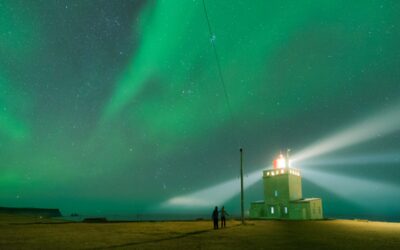
NORTHERN LIGHTS TRIP FROM REYKJAVÍK: TIPS & TRICKS TO PLAN YOUR NORTHERN LIGHTS HUNT
Seeing the Northern Lights is one of those bucket-list experiences that Iceland makes unforgettable. With the right planning, cozy gear, and a little luck from Mother Nature, you can witness the night sky dance in green, purple, and pink right above you. Whether you want expert guidance or prefer a self-guided adventure, here’s how to plan your Reykjavík Northern Lights trip like a pro.
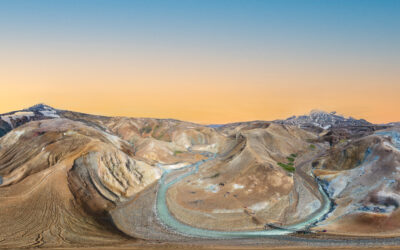
THE “MIDNIGHT SUN” MYTH: CAN YOU SEE THE AURORA IN ICELAND IN THE SUMMER?
In winter, long nights create perfect conditions for Northern Lights viewing. In summer, the season of the midnight sun, the landscape is bathed in near-constant daylight. This dramatic shift leads many visitors to ask the same question every year: Can you see the Northern Lights in Iceland during summer?
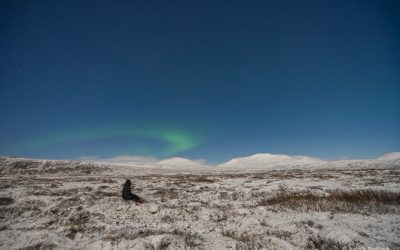
VISITING ICELAND IN FEBRUARY: EVERYTHING YOU NEED TO KNOW
February is one of the most rewarding months to plan your trip to Iceland. Nestled well into winter, it brings a compelling mix of extended daylight for sightseeing and long nights for aurora hunting, along with unique cultural traditions you won’t experience at any other time of year. In this guide, we explain why February is a standout month to visit Iceland, what to expect from nature and culture, and how to make the most of your winter adventure.
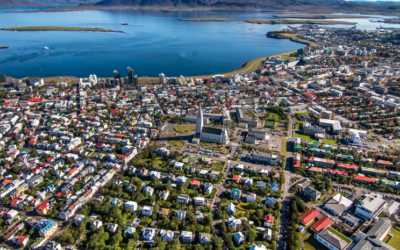
REYKJAVÍK BY CRUISE: MAKE THE MOST OF YOUR 4–8 HOURS STOP
Touching down in Iceland’s capital for just a few hours? Reykjavík’s compact layout means you can pack in a ton of fun without feeling rushed, especially if your ship docks at the Reykjavík Old Harbour. Most of the attractions below are clustered in the Grandi (Old Harbour) area, within walking distance of each other, perfect when time is tight.