LIVE AURORA FORECAST
Checking tonight’s Northern Lights forecast for Iceland?
This page tracks live Kp index, cloud cover, solar activity, moon phase, and darkness hours for Reykjavík and the surrounding area — updated daily by our aurora guides, with two live cameras so you can watch the sky right now. Scroll down for tonight’s outlook, our step-by-step chase guide, and real-time data straight from NOAA.
Watch the sky over Iceland right now, streaming year-round from two locations — the only Iceland aurora forecast with a live camera built in.
See nothing but darkness? Come back once the sun has set.
FIND AURORA TOURS
CHASING THE NORTHERN LIGHTS - A STEP BY STEP GUIDE FOR YOUR AURORA HUNT
提前计划
Maximise your chances of witnessing the Northern Lights by following our expert tips!
Two factors matter most when you plan your trip
-
The 27-day KP forecast: The 27-day KP forecast is based on the Sun’s rotation. Since the Sun turns once every 27 days, active regions can reappear and give a rough idea of aurora chances weeks ahead.
-
The moon phases: A bright full moon can wash out faint auroras, but it can also create magical photo opportunities by lighting up Iceland’s landscapes. Learn more about auroras and the moon phases here.
The Sun rotates roughly every 27 days, so active regions can reappear — giving a rough sense of aurora chances weeks ahead. Bars show forecast Kp; the line shows moon illumination, since a bright moon can wash out fainter displays.
Source: NOAA Space Weather Prediction Center, 27-day outlook. Moon phase calculated locally.
足够黑暗的环境
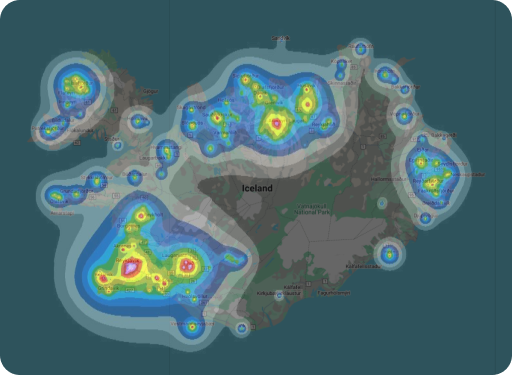
清澈的天空
极光狩猎小贴士:如果您能看到星星,或许也能看到极光!
查看云层状况,寻找清澈的天空。使用时间滑块看看不同时间的云层变化,地图上的白色或浅色区域就是最佳观赏地点。
地图颜色说明:
🟢 绿色 – 所有云层(综合)
🔵 蓝色 – 低层云
🔴 红色 – 中层云
🟠 橙色 – 高层云(仍可能透过它们看到极光)
Loading…
选择安全的地点
监测太阳活动
要看到极光,了解太阳活动非常重要,因为它直接影响极光的出现。极光指数(Kp index)从0到9,反映了地球磁场的扰动程度。如果极光指数在0到2之间,说明地磁活动较弱,看到极光的可能性不大。Kp为2到3时,极光的几率中等,可能会看到。Kp为4到6时,极光的机会很大,而且通常非常壮观。Kp在7到9之间则代表极强的活动,极光会更加明亮和广泛,虽然这种情况比较罕见。为了提高看到极光的机会,最好定期查看实时数据,了解最新的地磁活动信息。

Image updated in real-time, courtesy of NOAA's Space Weather Prediction Center.
实时极光预报
CURRENT SOLAR ACTIVITY
Image updated in real-time, courtesy of NOAA's Space Weather Prediction Center.
当前极光指数
三天极光指数
CURRENT BZ VALUE
UNDERSTANDING THE AURORA FORECAST
Auroral Activity (Kp Index)
The Kp index measures global geomagnetic activity on a scale from 0 to 9. The higher the number, the stronger the potential aurora.
Good for aurora hunting: Kp2 or higher usually means visible lights in most of Iceland.
Bz (North–South Magnetic Field)
The Bz component tells us the direction of the interplanetary magnetic field. When Bz is negative (–2 nT or lower), it opens a “door” in Earth’s magnetic field, allowing solar particles to enter and create auroras.
Ideal: –3 nT or below.
Bt (Total Magnetic Field Strength)
Bt shows the strength of the magnetic field carried by the solar wind. Stronger Bt (above 6 nT) increases auroral intensity when Bz is southward.
Ideal: Bt ≥ 6 nT combined with Bz ≤ –2 nT.
Solar Wind Speed
The solar wind is a stream of charged particles flowing from the Sun. Faster winds deliver more energy into Earth’s atmosphere.
Good chances: speeds above 400 km/s often produce bright, fast-moving auroras.
Combine all these indicators with clear skies and darkness for the best viewing conditions.
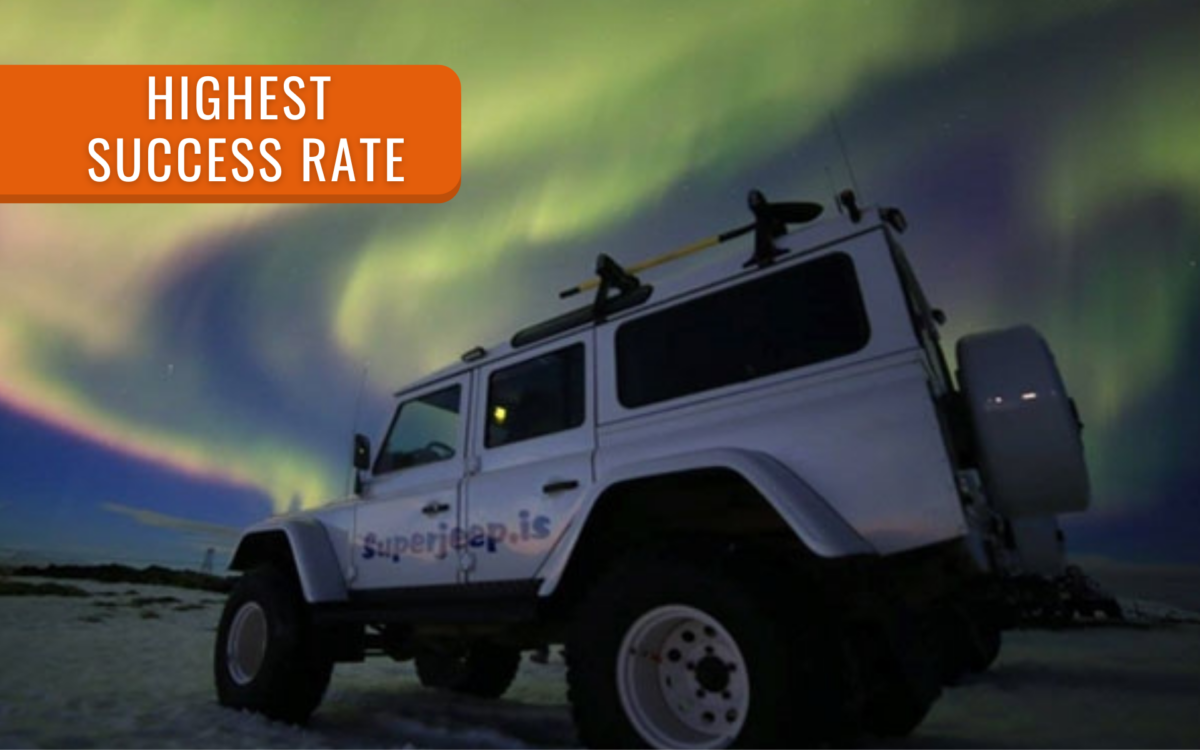
超级吉普车极光之旅
4.9
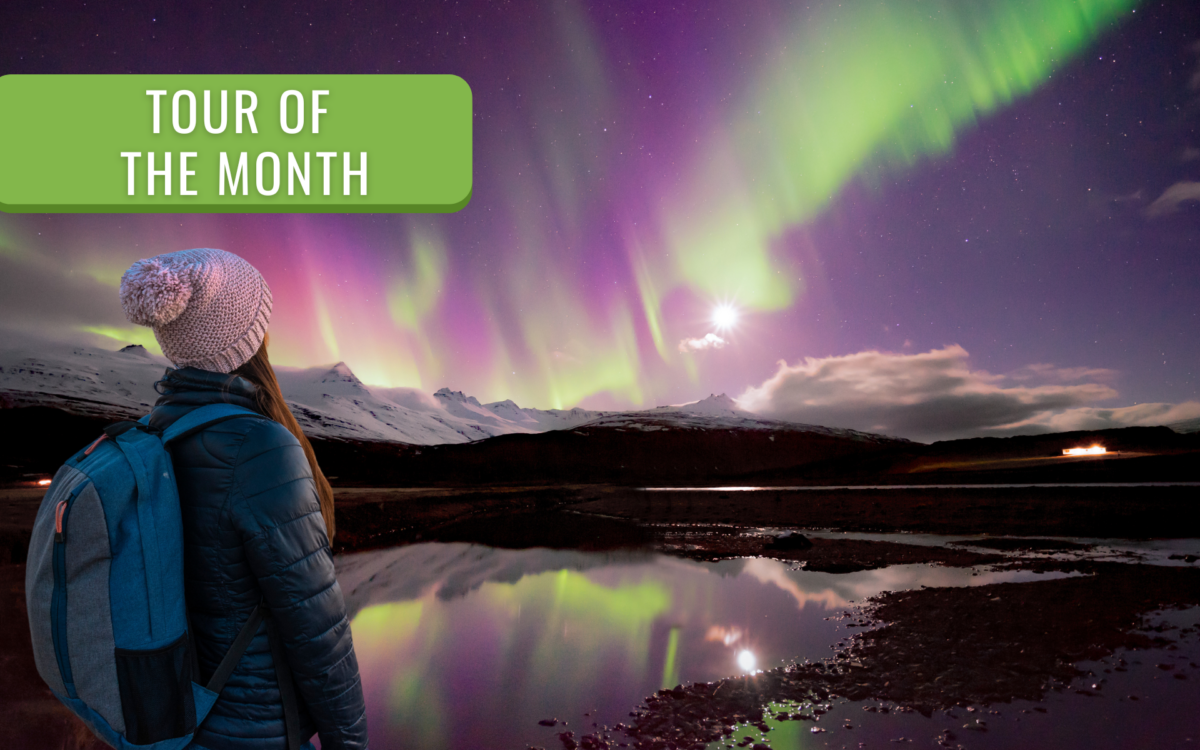
Chase the Northern Lights with the experts with our Superjeep tour. Small group experience, wilderness-ready vehicles, refreshments and free photos with the northern lights. Join the northern lights superjeep tour with the highest success rate in Iceland - including admission to Aurora Reykjavík.
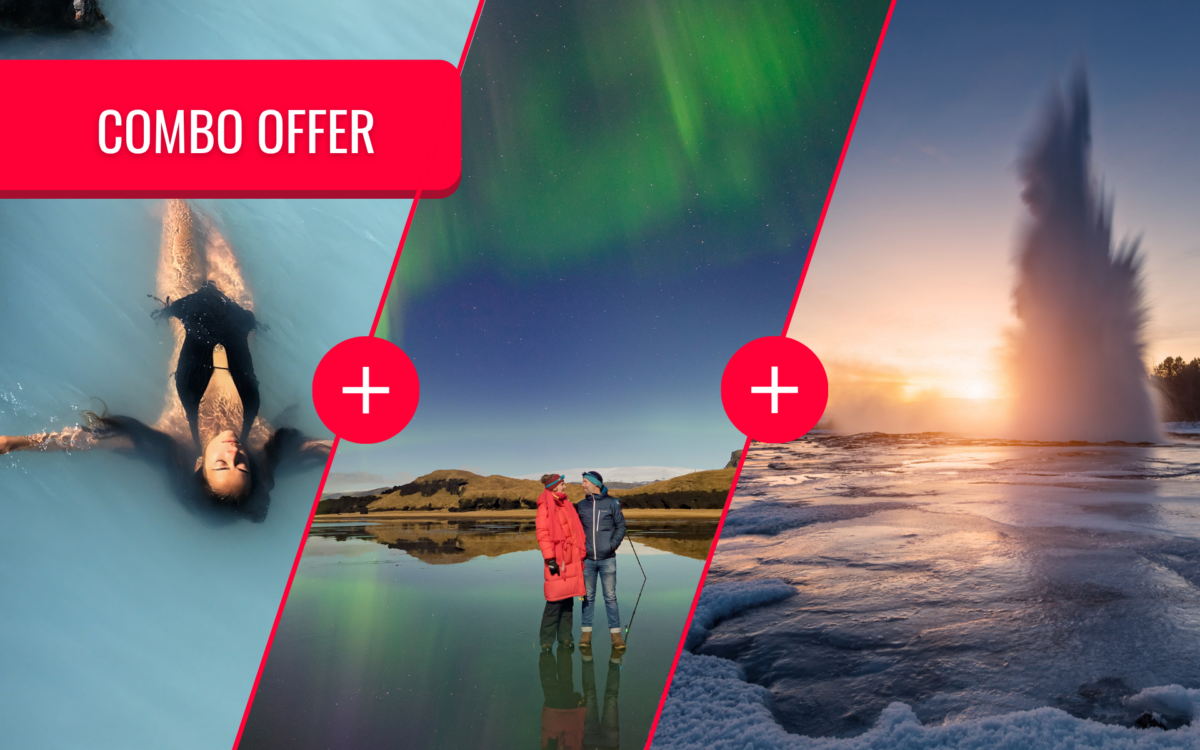
SPECIAL OFFER: GOLDEN CIRCLE, BLUE LAGOON & NORTHERN LIGHTS
4.9
Explore Iceland’s iconic Golden Circle, relax in soothing milk waters at the Blue Lagoon, and chase the Northern Lights. The perfect small group combo tour for Iceland’s best attractions - all in one adventure-packed day!
N. 1 NORTHERN LIGHTS MINIBUS TOUR
4.9
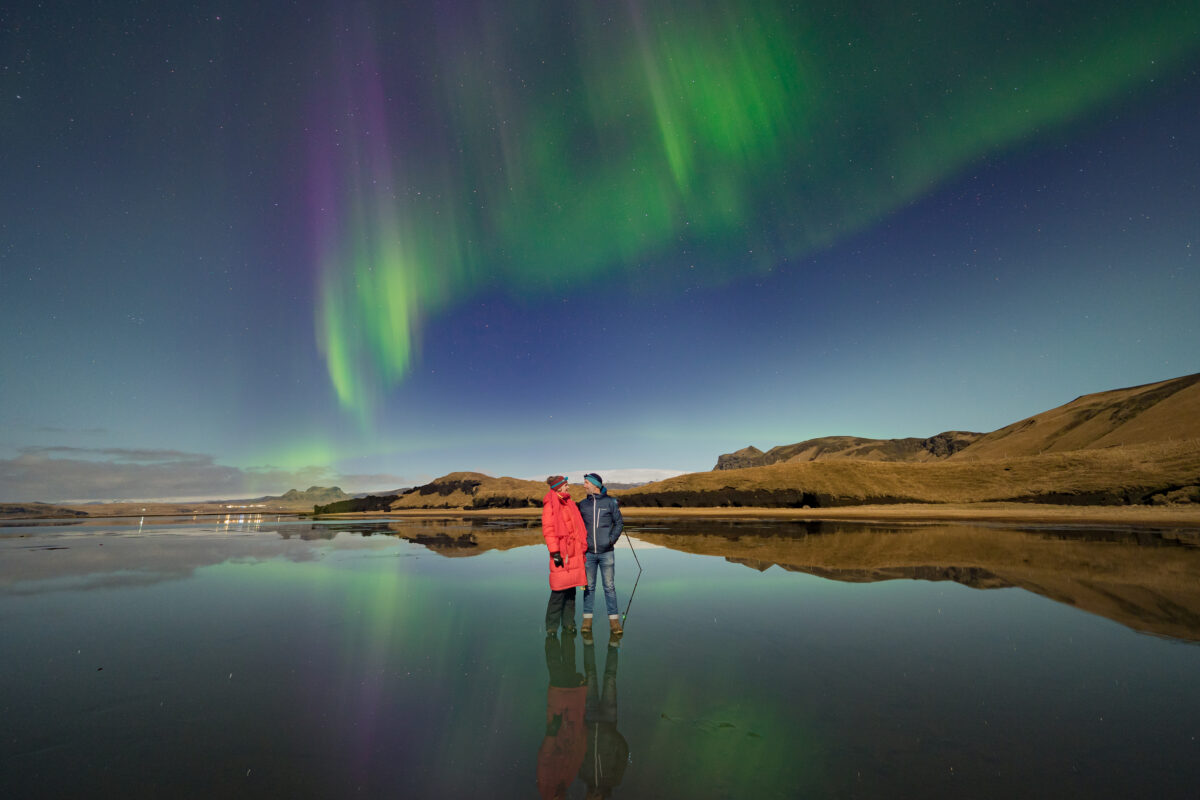
Join the highest rated northern lights minibus tour in Iceland and maximise your chances of success. Expert Aurora guide, free retry and complimentary photos with the northern lights - all included!
PRIVATE NORTHERN LIGHTS TOUR WITH PROFESSIONAL PHOTOS
4.9
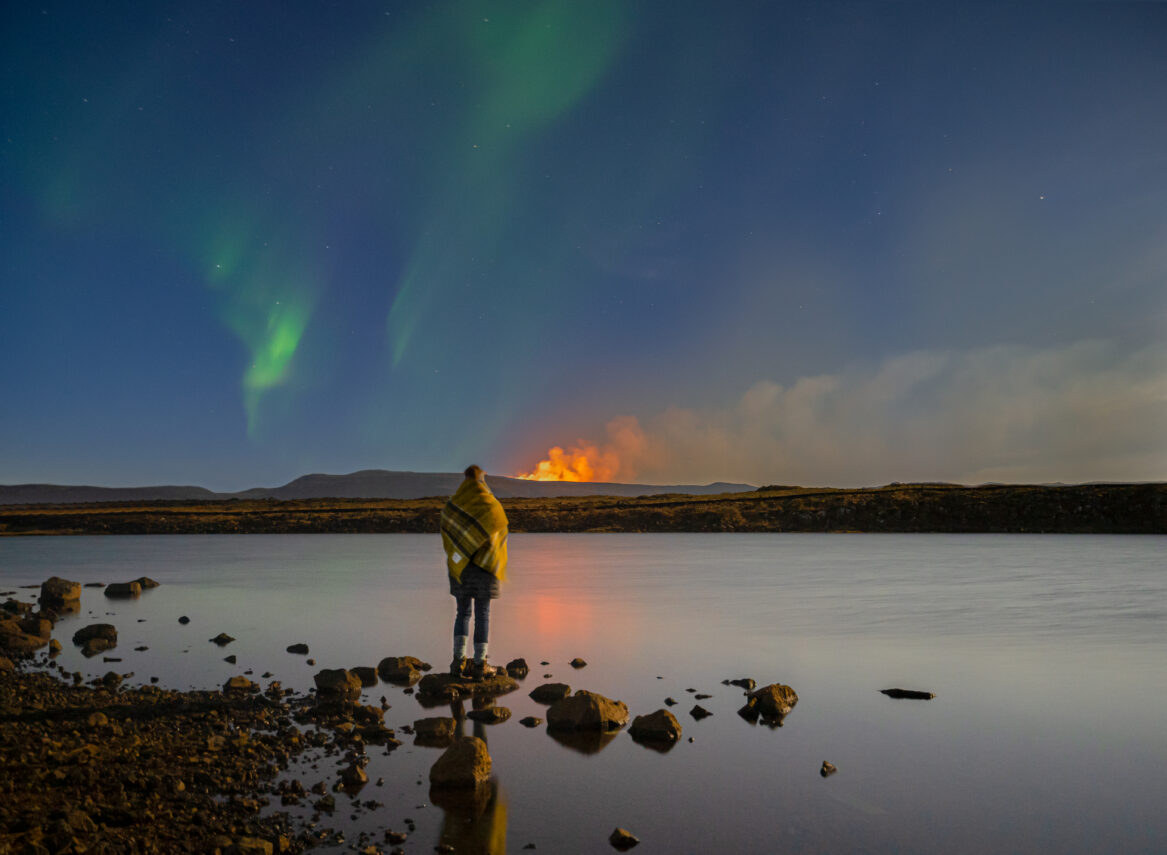
Witness the Northern Lights with this exclusive northern lights private tour! Hunt the Aurora with your private guide, a northern lights photographer. Enjoy premium transportation, flexible itinerary and free professional photos under the northern lights. A truly unforgettable experience awaits!
NORTHERN LIGHTS PRIVATE TOUR FOR SMALL GROUPS
4.8
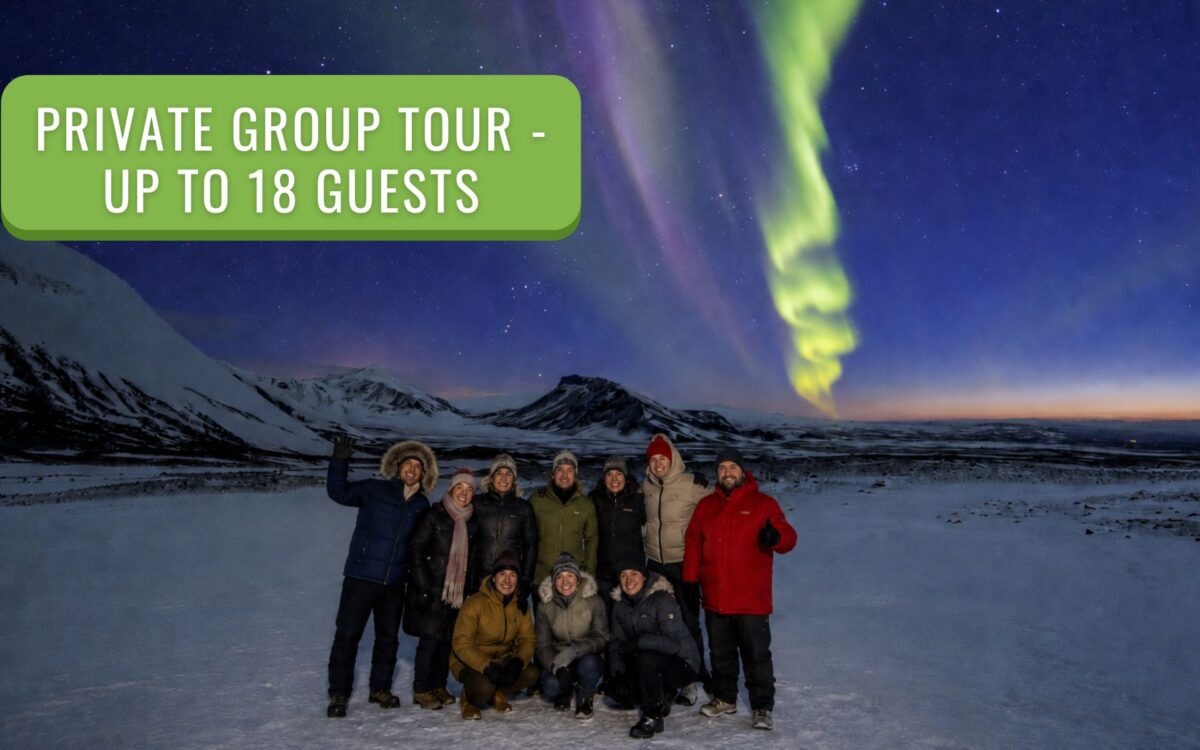
Chase the Northern Lights with a private guide! This private minibus adventure for up to 18 people is ideal for small groups. A less crowded, more personal northern lights experience, including northern lights photos and refreshments.
NORTHERN LIGHTS PRIVATE TOUR FOR GROUPS
4.7
Live your unique Aurora adventure with your group, with a private northern lights tour! This exclusive experience is designed for large groups, up to 52 passengers. Professional guidance, free photos and refreshments are included in this northern lights hunt away from the crowds.
为什么极光预报会有变化?
还有其他极光数据来源我应该关注的吗?
极光指数有多准确?
在冰岛观赏极光的最佳月份是什么时候?
极光指数的高低在观赏极光方面有什么区别?
夏天能看到极光吗?
有哪些推荐的极光预报应用程式APP?
- My Aurora Forecast – 实时极光地图、27天预报和可自定义的提醒功能。非常适合初学者和经验丰富的极光追逐者。
- Aurora Alerts – Northern Lights – 实时提醒、云层覆盖图和极光指数读数。非常适合需要即时通知的你。
- Hello Aurora – 社区分享的目击信息、预报和实时条件。非常适合社交互动体验。
- Northern Eye Aurora Forecast – 详细的太阳风数据、极光指数和实时太阳活动更新。最适合科学爱好者。
- Aurora Forecast & Alerts – 按小时预报、云层地图和可自定义的通知。简单易用,便于快速获取更新。