Interpretare le previsioni
Il servizio meteorologico islandese monitora attività solare e copertura nuvolosa, fornendo quindi informazioni sulla probabilità di osservare un’aurora boreale.
Utilizzate il cursore nella parte inferiore del grafico per selezionare data e ora.
Tenete a mente che le previsioni cambiano velocemente e divengono più affidabili dalle 18 in poi, in prossimità della fascia oraria in cui l’aurora si verifica statisticamente con maggiore frequenza.
Non è comunque mai possibile garantire se e quando il fenomeno sarà visibile.
Nuvole
Regola d’oro: cielo coperto = niente aurora boreale
Esistono varie tipologie di nubi, ciascuna con un diverso impatto sulla visibilità dell’aurora.
Scegliete la tipologia di nuvole selezionando la scheda relativa nella parte alta del grafico.
Le nuvole alte non sono generalmente un ostacolo consistente in Islanda. Concentratevi sulle nuvole medie e basse, e cercate sulla mappa aree di assente o ridotta copertura nuvolosa, bianche o in colori tenui.
Attività solare
La scala da 0 a 9 sul lato destro della pagina descrive in modo semplice la probabilità di osservare un’aurora.
0-2: bassa attività, quasi assente. Aurora molto flebile, facile da confondere con una nuvola.
2-3: attività moderata, buone possibilità di vedere l’aurora. Si tratta della previsione più frequente. Vale la pena uscire!
4-6: evviva! Tempesta solare in arrivo, non perdete l’occasione di assistere a uno spettacolo unico!
7-9: estremamente rara, l’aurora potrebbe essere visibile a latitudini inusuali, persino in Europa continentale!
Osservatorio Geomagnetico Leirvogur
L’osservatorio geomagnetico Leirvogur rileva il livello del disturbo geomagnetico sopra l’Islanda. Un andamento ondulato delle linee nel grafico indica la presenza di venti solari che perturbano il campo geomagnetico, evento normalmente seguito da attività aurorale.
Fate clic sull’immagine per osservare la rilevazione in tempo reale.

Previsioni meteo spaziale – Space Weather Prediction Center
Unitevi a un tour dell’aurora!
Per un’esperienza davvero indimenticabile, scegliete un tour guidato. Quest’opzione vi permetterà di risparmiare tempo e fatica: la vostra guida saprà leggere e interpretare le previsioni meteo e dell’aurora al meglio, e condividerete l’avventura con altri viaggiatori come voi appassionati del fenomeno. Nel corso degli anni abbiamo stretto rapporti di collaborazione con svariati operatori rinomati nel settore per professionalità e qualità dell’offerta. Ecco le nostre raccomandazioni.
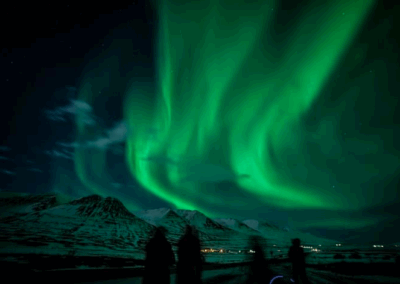
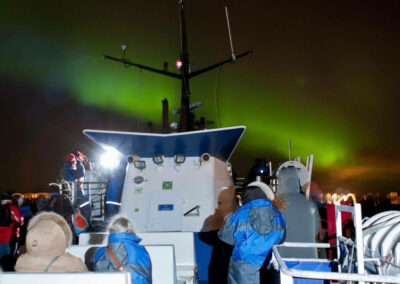


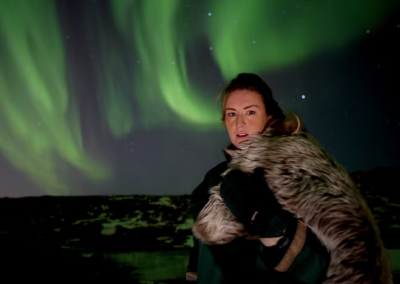




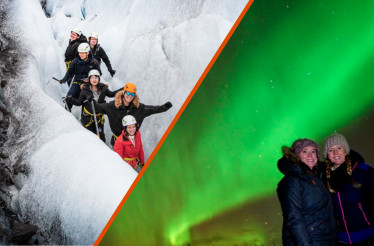
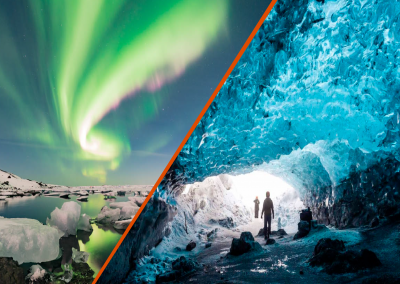
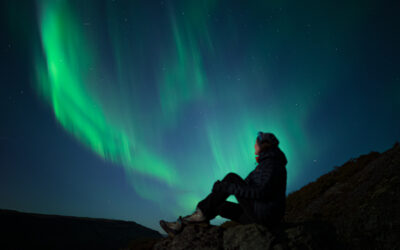
10 Eventos del Cieclo Nocturno que no te puedes perder en 2025
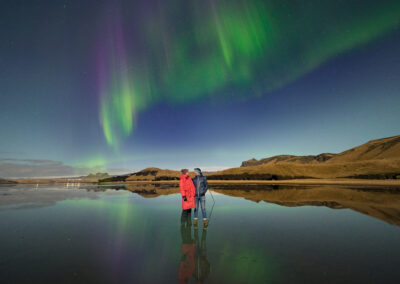
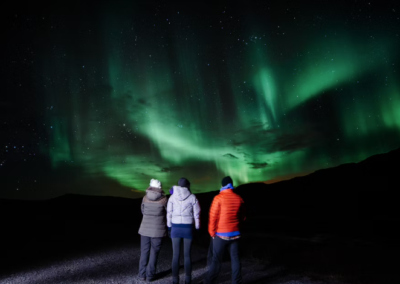
10 Eventos del Cielo Nocturno que No Puedes Perderte en 2025. Desde un eclipse solar parcial hasta impresionantes alineaciones planetarias y los anillos desaparecidos de Saturno, 2025 será un año repleto de maravillas celestiales que ningún amante de las estrellas debería perderse. Como especialistas en Auroras y cielos nocturnos en...
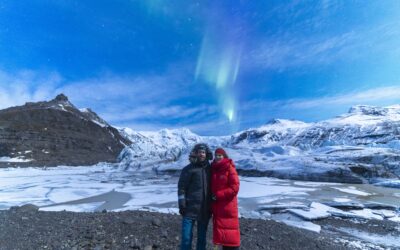
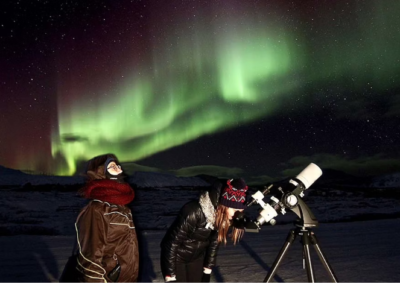
LA GUÍA DEFINITIVA PARA VER LAS AURORAS BOREALES EN ISLANDIA EN 2025
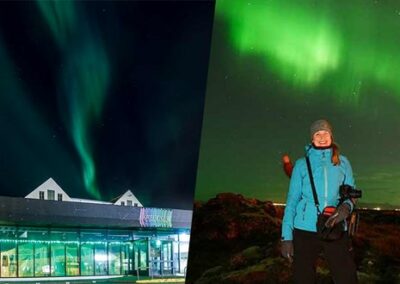
¿Estás planeando ver las auroras boreales en Islandia? Esta guía definitiva cubre todo lo que necesitas saber: el mejor momento y los mejores lugares para verlas, cómo aumentar tus posibilidades, qué llevar y cómo capturar impresionantes fotos de auroras. ¡Desde tours guiados hasta viajes en coche por tu cuenta, te tenemos cubierto para hacer de tu caza de auroras un éxito!
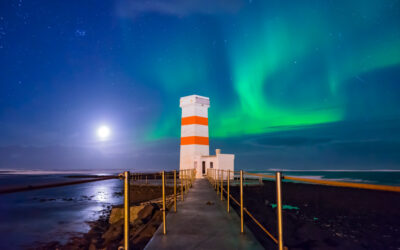
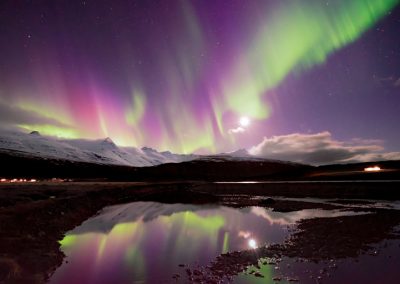
¡Ayuda! ¡Hay Luna Llena! ¿Arruinará mi experiencia de auroras boreales?
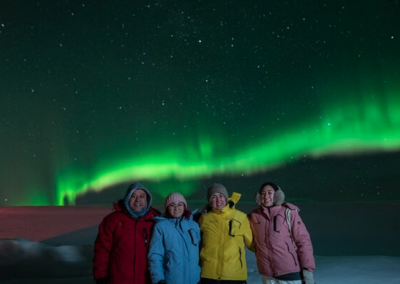
¿Crees que la luna llena arruinará tus posibilidades de ver las auroras boreales? ¡Reconsidéralo! Descubre por qué las noches iluminadas por la luna pueden mejorar la experiencia de las auroras, desde paisajes mágicos hasta impresionantes consejos fotográficos. Aprende cómo sacar el máximo provecho a tu búsqueda de auroras, incluso bajo una luna brillante.
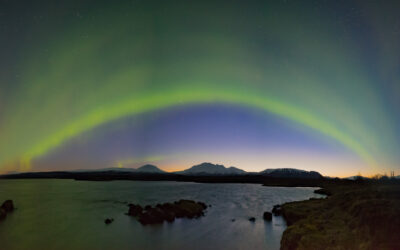
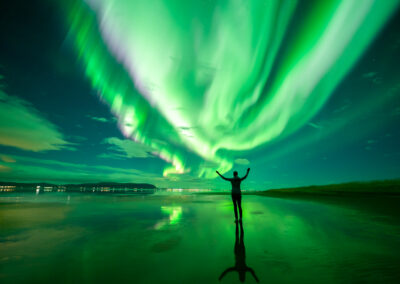
¿Cuáles son los principales tipos de auroras boreales?
A pesar de su belleza cautivadora, no todas las auroras son iguales. Vienen en diversas formas, cada una con sus propias características y encanto único.
Esta guía profundiza en los principales tipos de Auroras Boreales, explica la ciencia detrás de sus diferencias y ofrece consejos para maximizar tus posibilidades de verlas en su forma más espectacular.
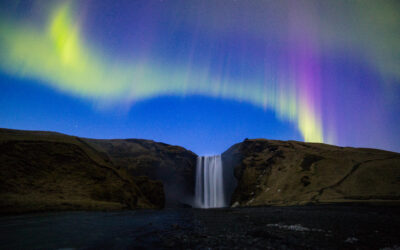
¿Las Auroras Boreales ocurren todas las noches?
Las Auroras Boreales, o aurora boreal, son un fenómeno natural impresionante que ocurre todas las noches. Sin embargo, su visibilidad depende de factores clave como la actividad solar, el clima y la ubicación. Descubre cuándo, dónde y cómo maximizar tus posibilidades de ver la aurora, con consejos de expertos y herramientas en tiempo real. ¡Ya sea que estés en Islandia o en cualquier otro lugar cercano al óvalo auroral, esta guía te preparará para una aventura inolvidable de Auroras Boreales!

¿Cuánto tiempo duran las auroras boreales?
Las exhibiciones de las auroras boreales son tan impredecibles como impresionantes. Algunas noches, iluminan todo el cielo durante horas, mientras que otras veces, pueden aparecer solo unos minutos, a veces con un resplandor más suave. Sin embargo, con más frecuencia, las auroras se presentan en oleadas de intensidad conocidas como Subtormentas.
Vamos a sumergirnos en la ciencia, horarios y algunos de los aspectos más emocionantes para ayudarte a entender qué determina la duración de un espectáculo de auroras, y tal vez darte una mejor oportunidad de presenciar uno de los mayores espectáculos de la naturaleza.
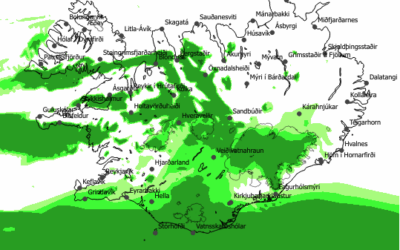
Cómo leer un pronóstico de auroras: Tu guía completa para no perderte las auroras boreales.
Ver la aurora no es solo cuestión de suerte; es una combinación de estar en el lugar adecuado en el momento justo y entender la ciencia detrás del pronóstico de las auroras.
Esta guía va más allá de lo básico, explicando cada elemento clave de un pronóstico de auroras para que puedas maximizar tus posibilidades de experimentar este increíble fenómeno natural por ti mismo.
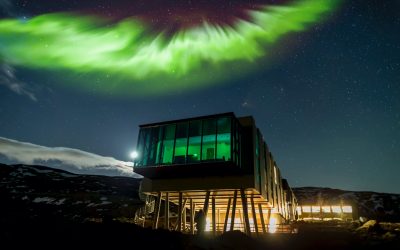
LOS 10 MEJORES ALOJAMIENTOS PARA VER LAS AURORAS BOREALES EN ISLANDIA EN 2025
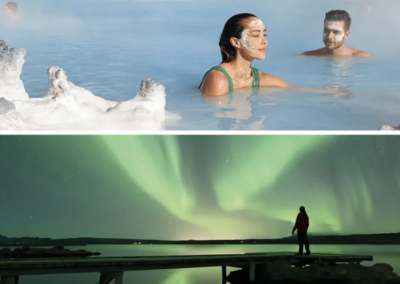
Ver las auroras boreales danzar en el cielo islandés es el sueño de todo viajero. Aunque este fenómeno se puede observar en cualquier parte del país, la contaminación lumínica a veces arruina la vista.
Al optar por una estancia en el campo con todo el confort para ver las auroras boreales, maximizarás tus posibilidades de éxito, ¡literalmente a tu puerta!
Aquí están nuestros 10 alojamientos favoritos en el campo para ver las auroras boreales en 2025.
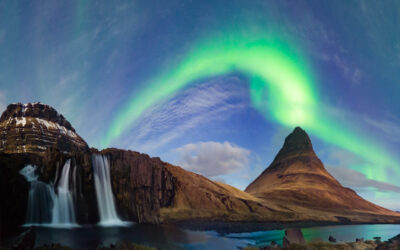
¿Se pueden ver las auroras boreales a simple vista?
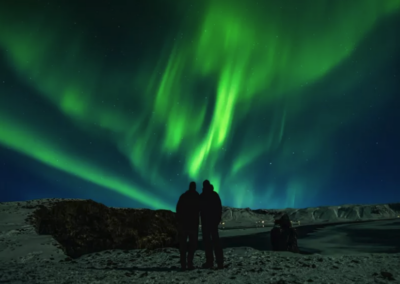
¡Sí, definitivamente puedes ver las auroras boreales a simple vista, bajo las condiciones adecuadas! Aunque las cámaras suelen captar más detalles e intensidad que nuestros ojos, una aurora fuerte combinada con cielos oscuros y clima despejado puede crear un espectáculo inolvidable visible para cualquiera que mire al cielo. En esta guía, compartiremos consejos para maximizar tus posibilidades de experimentar la magia en persona, ¡sin necesidad de equipo especial!
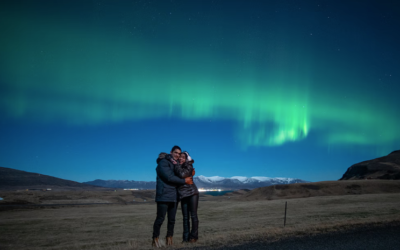
Los 25 mejores lugares para ver las auroras boreales en Islandia
Como entusiasta de las auroras boreales de toda la vida y fundador de Aurora Reykjavík, he pasado incontables noches persiguiendo las auroras por toda Islandia. Cada experiencia se siente como la primera: una danza impresionante de colores y luces contra los vastos cielos islandeses. En esta guía, compartiré mis 25 lugares favoritos para presenciar este fenómeno natural, desde remotas tierras altas hasta joyas costeras. Ya seas un nuevo visitante o un cazador experimentado de auroras, estos lugares ofrecen algo verdaderamente mágico. Déjame llevarte en un viaje a los mejores lugares de Islandia para ver las auroras boreales. – Grétar Jónsson
 ES
ES  EN_US
EN_US  IT
IT  DE
DE  IS
IS  FR
FR  ZH
ZH