Interpretare le previsioni
Il servizio meteorologico islandese monitora attività solare e copertura nuvolosa, fornendo quindi informazioni sulla probabilità di osservare un’aurora boreale.
Utilizzate il cursore nella parte inferiore del grafico per selezionare data e ora.
Tenete a mente che le previsioni cambiano velocemente e divengono più affidabili dalle 18 in poi, in prossimità della fascia oraria in cui l’aurora si verifica statisticamente con maggiore frequenza.
Non è comunque mai possibile garantire se e quando il fenomeno sarà visibile.
Nuvole
Regola d’oro: cielo coperto = niente aurora boreale
Esistono varie tipologie di nubi, ciascuna con un diverso impatto sulla visibilità dell’aurora.
Scegliete la tipologia di nuvole selezionando la scheda relativa nella parte alta del grafico.
Le nuvole alte non sono generalmente un ostacolo consistente in Islanda. Concentratevi sulle nuvole medie e basse, e cercate sulla mappa aree di assente o ridotta copertura nuvolosa, bianche o in colori tenui.
Attività solare
La scala da 0 a 9 sul lato destro della pagina descrive in modo semplice la probabilità di osservare un’aurora.
0-2: bassa attività, quasi assente. Aurora molto flebile, facile da confondere con una nuvola.
2-3: attività moderata, buone possibilità di vedere l’aurora. Si tratta della previsione più frequente. Vale la pena uscire!
4-6: evviva! Tempesta solare in arrivo, non perdete l’occasione di assistere a uno spettacolo unico!
7-9: estremamente rara, l’aurora potrebbe essere visibile a latitudini inusuali, persino in Europa continentale!
Osservatorio Geomagnetico Leirvogur
L’osservatorio geomagnetico Leirvogur rileva il livello del disturbo geomagnetico sopra l’Islanda. Un andamento ondulato delle linee nel grafico indica la presenza di venti solari che perturbano il campo geomagnetico, evento normalmente seguito da attività aurorale.
Fate clic sull’immagine per osservare la rilevazione in tempo reale.

Previsioni meteo spaziale – Space Weather Prediction Center
Unitevi a un tour dell’aurora!
Per un’esperienza davvero indimenticabile, scegliete un tour guidato. Quest’opzione vi permetterà di risparmiare tempo e fatica: la vostra guida saprà leggere e interpretare le previsioni meteo e dell’aurora al meglio, e condividerete l’avventura con altri viaggiatori come voi appassionati del fenomeno. Nel corso degli anni abbiamo stretto rapporti di collaborazione con svariati operatori rinomati nel settore per professionalità e qualità dell’offerta. Ecco le nostre raccomandazioni.
No se encontraron resultados
La página solicitada no pudo encontrarse. Trate de perfeccionar su búsqueda o utilice la navegación para localizar la entrada.
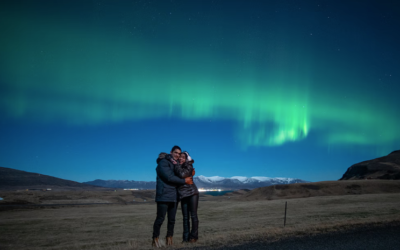
Los 25 mejores lugares para ver las auroras boreales en Islandia
As a lifelong Northern Lights enthusiast and founder of Aurora Reykjavík, I’ve spent countless nights chasing the auroras across Iceland. Each experience feels like the first—an awe-inspiring dance of color and light against the vast Icelandic skies. In this guide, I’ll share my 25 favorite spots to witness this natural wonder, from remote highlands to coastal gems. Whether you’re a first-time visitor or a seasoned aurora hunter, these locations offer something truly magical. Let me take you on a journey to the best places in Iceland to see the Northern Lights. – Grétar Jónsson
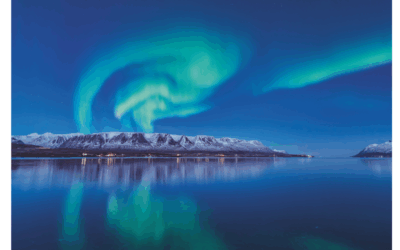
Northern Lights in Iceland in March & April: Why Spring Is an Underrated Aurora Season
Most travelers assume winter is the only serious northern lights season in Iceland.
In reality, March and early April can be one of the smartest times to hunt the aurora.
You still have dark nights long enough for aurora viewing, travel conditions are often easier than in deep winter, and the weeks around the spring equinox are statistically favorable for geomagnetic activity.
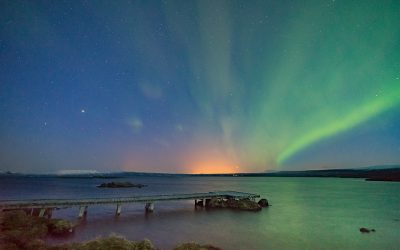
ISLANDIA EN ABRIL: CLIMA, AURORAS BOREALES Y LAS MEJORES COSAS PARA HACER
Abril en Islandia es es un mes de transción. El invierno comienza a ceder, los días se alargan considerablemente, y el país empieza a despertar para la primavera. Para los viajeros, esto significa menos gente, cascadas impresionantes alimentadas por el deshielo y una última oportunidad para ver la aurora boreal antes de que termine la temporada.
If you are considering visiting Iceland in April, here is everything you need to know – from weather conditions and Easter traditions to why this is still a great time to chase the aurora.
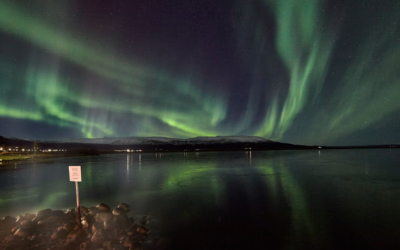
EASTER IN ICELAND: TRADITIONS, OPENING HOURS & WHAT TO DO IN REYKJAVÍK
Easter is one of the most beautiful times to visit Iceland. Winter still lingers in the landscape, daylight is rapidly returning, and Reykjavík comes alive with locals enjoying the first real feeling of spring. Here is everything visitors need to know about spending Easter in Iceland — plus the best ways to enjoy Reykjavík during the holiday weekend.
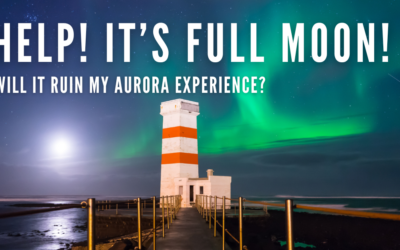
Full Moon and Northern Lights: Will a Full Moon Ruin Your Aurora Experience?
Does a full moon affect the Northern Lights? Aurora experts explain how moonlight, cloud cover, and aurora strength really impact your viewing experience.
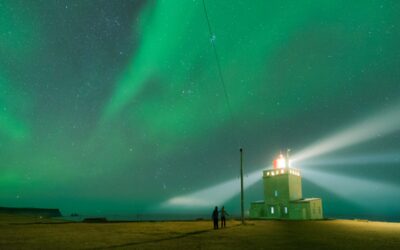
NORTHERN LIGHTS TRIP FROM REYKJAVÍK: TIPS & TRICKS TO PLAN YOUR NORTHERN LIGHTS HUNT
Seeing the Northern Lights is one of those bucket-list experiences that Iceland makes unforgettable. With the right planning, cozy gear, and a little luck from Mother Nature, you can witness the night sky dance in green, purple, and pink right above you. Whether you want expert guidance or prefer a self-guided adventure, here’s how to plan your Reykjavík Northern Lights trip like a pro.
THE “MIDNIGHT SUN” MYTH: CAN YOU SEE THE AURORA IN ICELAND IN THE SUMMER?
In winter, long nights create perfect conditions for Northern Lights viewing. In summer, the season of the midnight sun, the landscape is bathed in near-constant daylight. This dramatic shift leads many visitors to ask the same question every year: Can you see the Northern Lights in Iceland during summer?
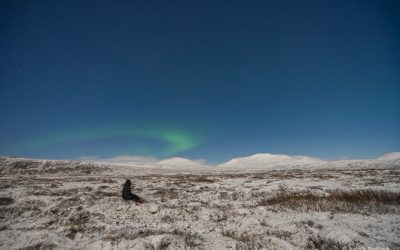
VISITAR ISLANDIA EN FEBRERO: TODO LO QUE NECESITAS SABER
February is one of the most rewarding months to plan your trip to Iceland. Nestled well into winter, it brings a compelling mix of extended daylight for sightseeing and long nights for aurora hunting, along with unique cultural traditions you won’t experience at any other time of year. In this guide, we explain why February is a standout month to visit Iceland, what to expect from nature and culture, and how to make the most of your winter adventure.

ICELAND IN WINTER TRAVEL GUIDE: ROADS, CLOTHING, DAYLIGHT & NORTHERN LIGHTS
Winter in Iceland is a season of extremes: dramatic landscapes, long nights, and the possibility of witnessing one of nature’s most spectacular phenomena. While unforgettable, winter travel also requires preparation. This guide covers winter road conditions, what to wear, limited daylight, and how to improve your chances of seeing the Northern Lights.

THE BEST TIME TO SEE THE NORTHERN LIGHTS IN ICELAND (MONTH-BY-MONTH GUIDE)
There is no single perfect moment, but there is a clearly defined aurora season, and each part of it offers something different. In this guide, we’ll walk you through the best months to see the Northern Lights, explain common myths, and help you choose the season that fits your travel style best.