Los mejores 25 lugares para ver la Aurora Boreal en Islandia
As photographers and northern lights chasers from Aurora Reykjavík, we’ve spent countless nights under Iceland’s incredible skies. With years of experience, we know the best places to catch the auroras. And how to have fun while doing it!
Whether you’re heading out for a solo adventure or joining a tour, we’re here to share our favorite spots to watch the northern lights. Spoiler alert: there’s no single “best place” to see them because the lights can pop up anywhere!
That said, some spots are more scenic or easier to reach than others, so we’re breaking down 25 de nuestras mejores opciones.
Let’s dive into our favorite northern lights locations and throw in some safety tips to keep you warm and cozy on your adventure. And hey, if you’re not up for the DIY route, we’ve got you covered with guided tours. Because sometimes it’s nice to just sit back and enjoy the show.
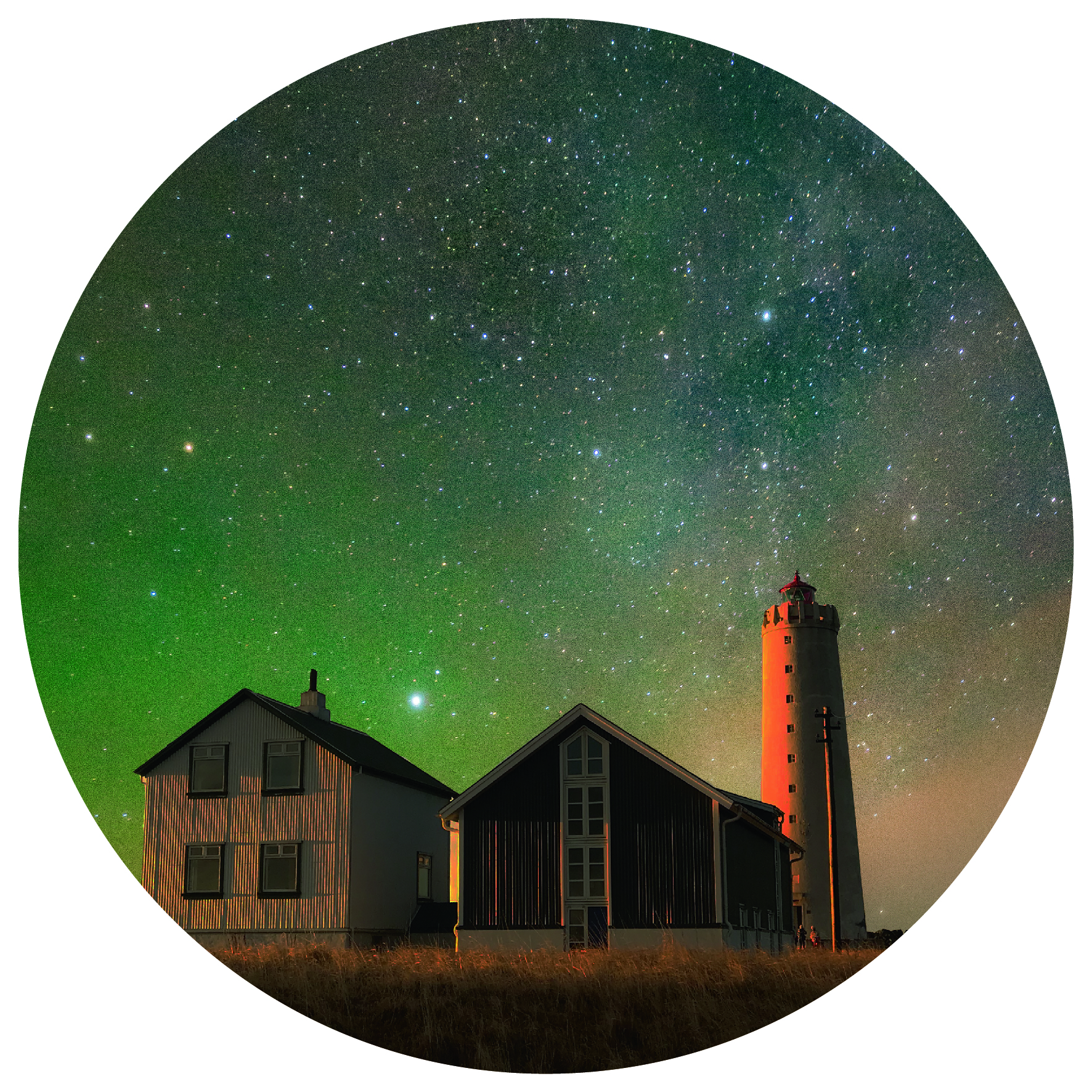
1. Grótta Lighthouse: One step outside of Reykjavik!
Aquí, si observas el faro, automáticamente estarás mirando hacia el norte. Esta es la dirección desde donde suelen aparecer las luces.
Consejos profesionales
- Arrive Early for Best Positioning: Grótta is popular, especially during aurora season. Arriving early lets you secure the best spots, particularly if you want to include the iconic Grótta lighthouse as a foreground element. This helps frame the Northern Lights beautifully, adding structure to your composition.
- Tide Awareness: Check the tide schedule before heading out. Grótta is surrounded by water, and at high tide, some of the pathways can be inaccessible. Don’t get stuck on the island!
- Settings for Northern Lights: Use a tripod and set your exposure between 5-20 seconds, depending on aurora intensity. A wide-angle lens is ideal, allowing you to capture both the lights and the expansive coastal landscape. Also, keep your ISO between 1600-3200, adjusting for the aurora’s brightness and the surrounding darkness.
- Foreground Interest with the Lighthouse: Including Grótta lighthouse in your shot adds a sense of place and scale, creating a captivating focal point against the dancing lights. Use the lighthouse to frame your photo or as a silhouette to emphasize the vibrant sky.
- Captura Reflejos en los Charcos: Si la marea está baja, busca charcos poco profundos a lo largo de la playa que puedan reflejar las auroras. Estos reflejos añaden una capa de profundidad e interés visual, haciendo que las luces parezcan aún más mágicas.
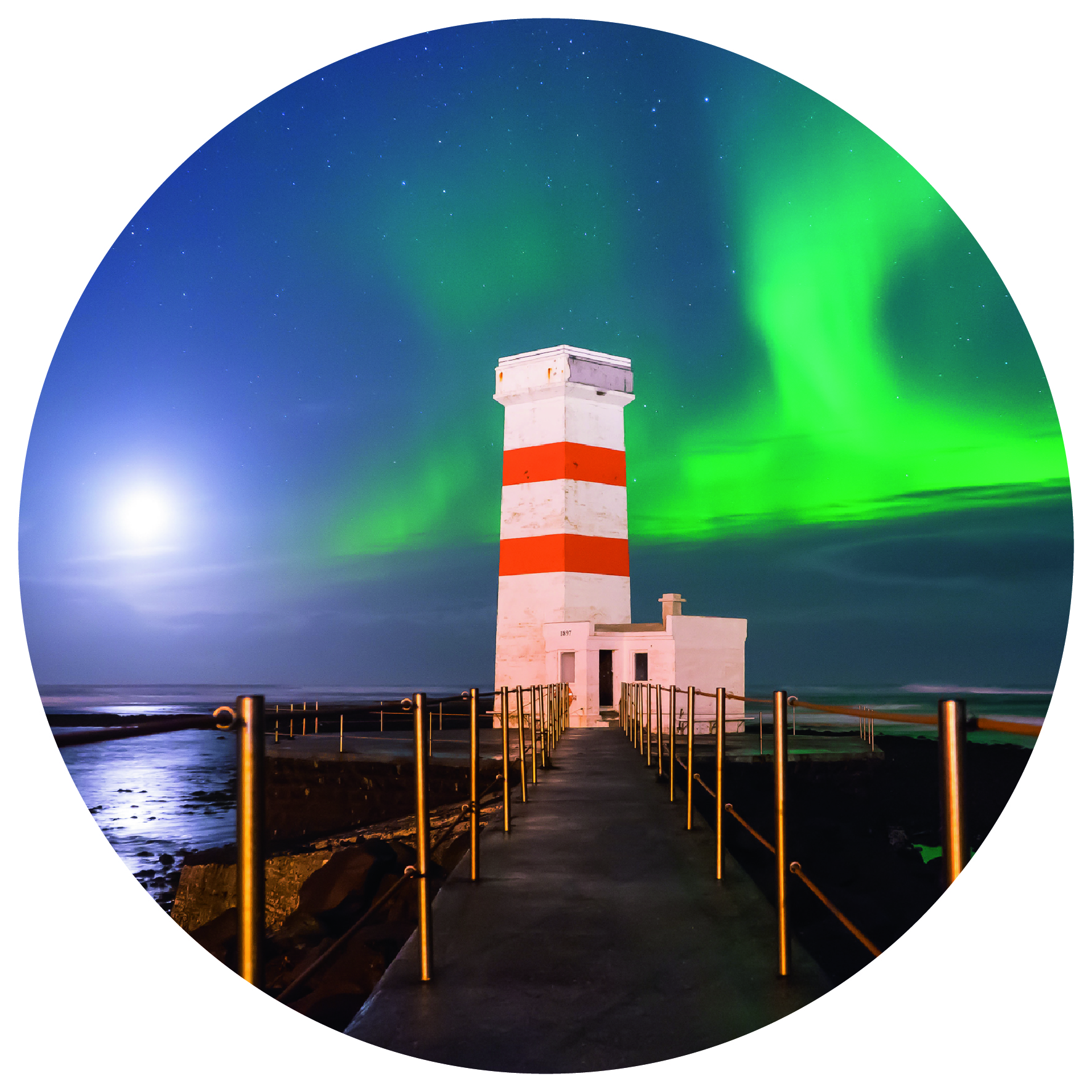
2. Garður Lighthouse: As far as you can go!

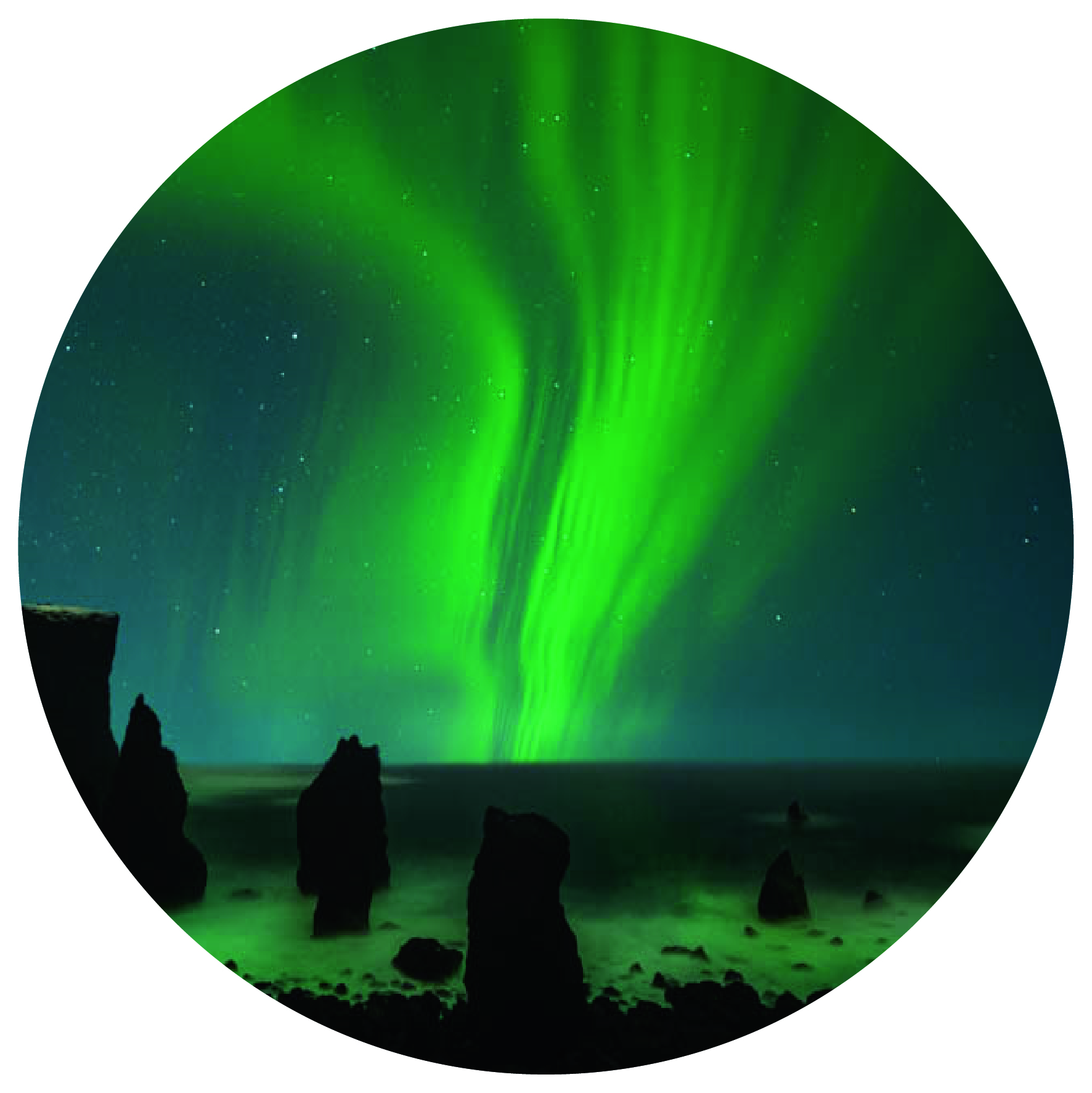
Acantilados de Reykjanesviti: ¡La naturaleza en su estado más puro!
El edificio está rodeado de acantilados escarpados, paisajes volcánicos y fuentes termales geotérmicas. Justo en la costa, impresionantes pilas de mar se elevan desde el océano, añadiendo un elemento impactante a la escena. En este lugar único, se pueden encontrar vistas despejadas sobre el Atlántico Norte, perfectas para los entusiastas de las auroras boreales. Las auroras danzando sobre el faro, con las pilas de mar como siluetas contra el cielo vibrante, crean una experiencia hipnótica e inolvidable. Reykjanesviti es, sin duda, un destino ideal para aquellos que buscan un lugar pintoresco y apartado para presenciar la magia de las auroras boreales.
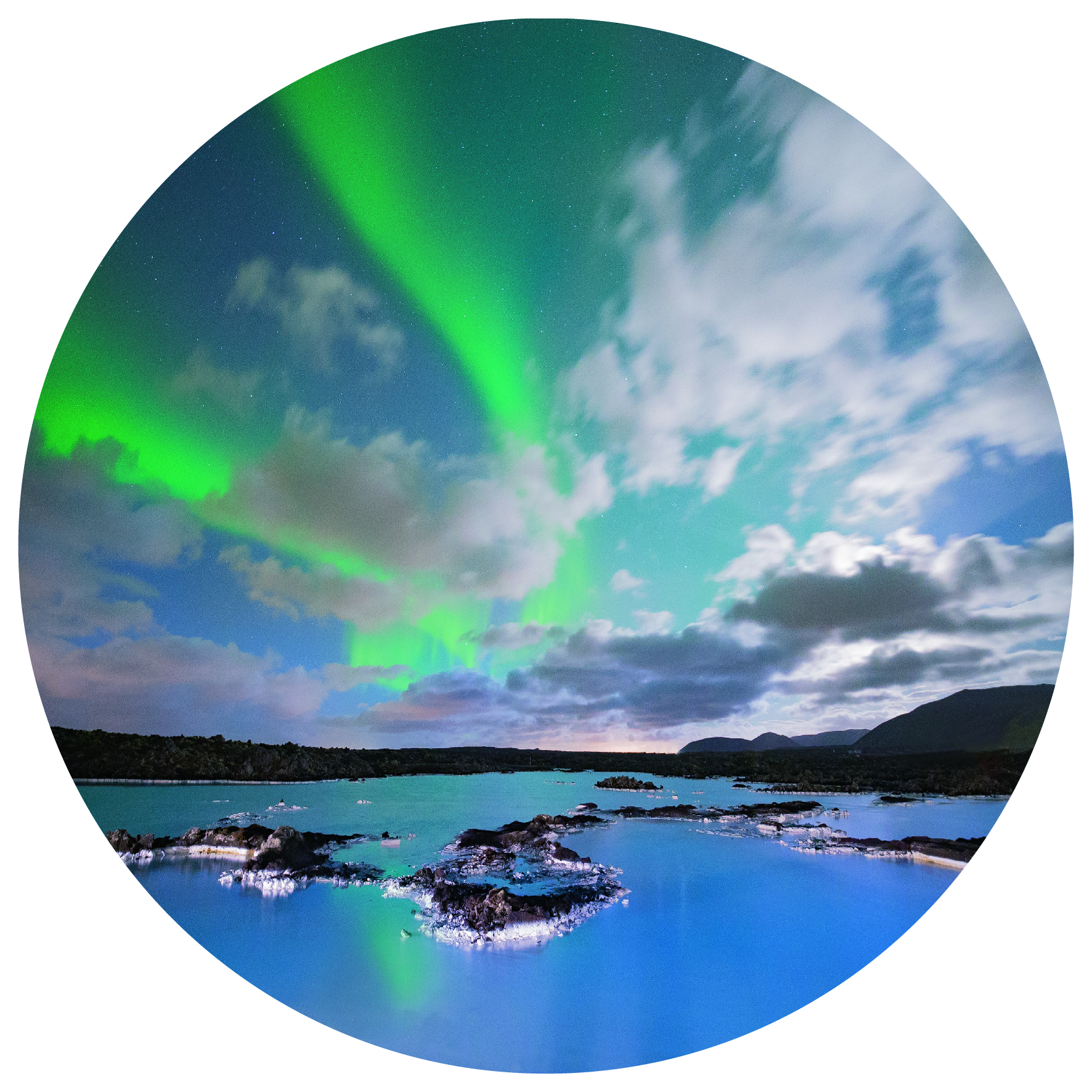
4. Blue Lagoon: ¡Combina comodidad y belleza!
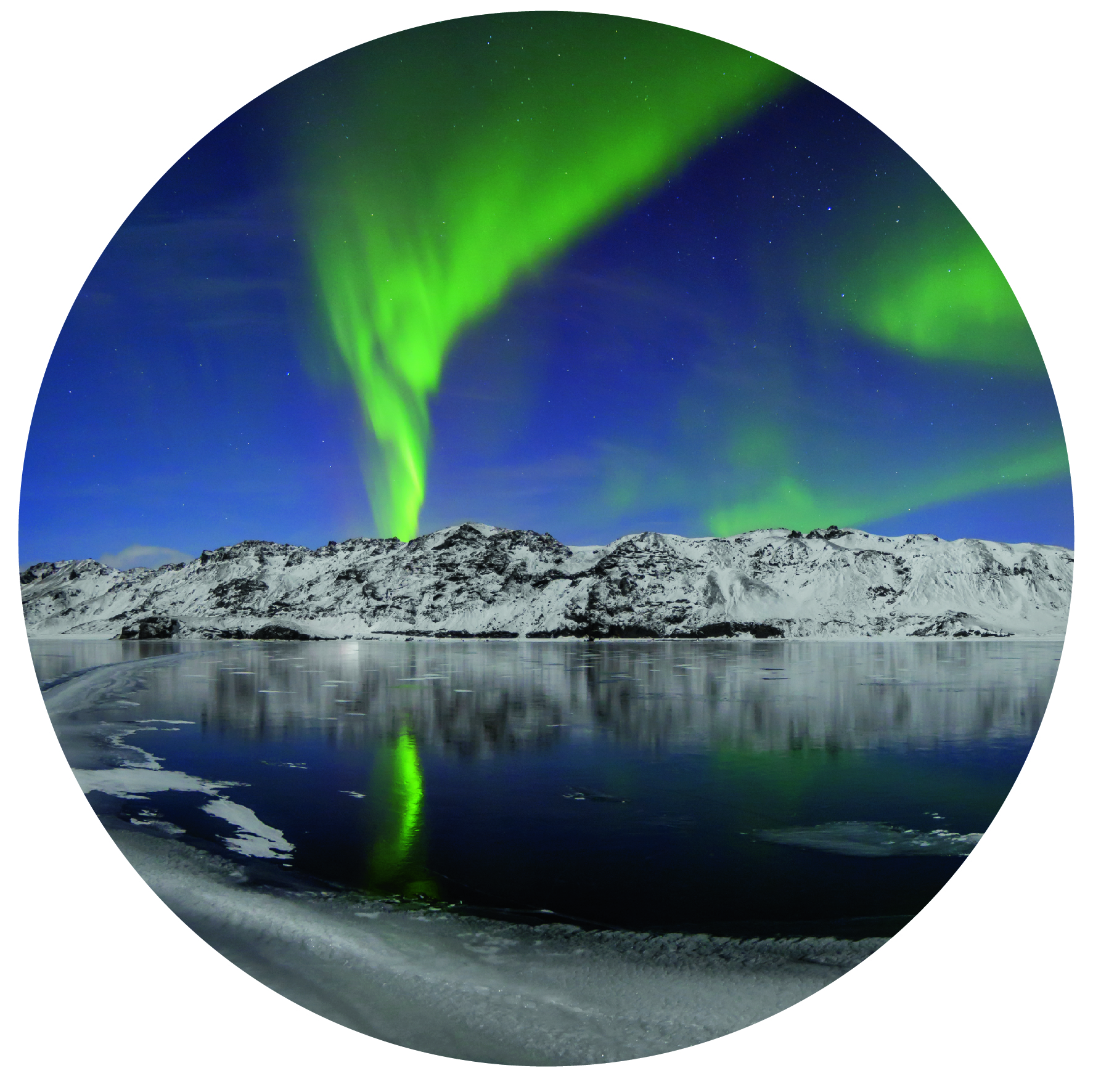
5. Lago Kleifarvatn: ¡Deja que la calma te inspire!
A lo largo de la carretera hay varios aparcamientos pequeños con diferentes puntos de vista.
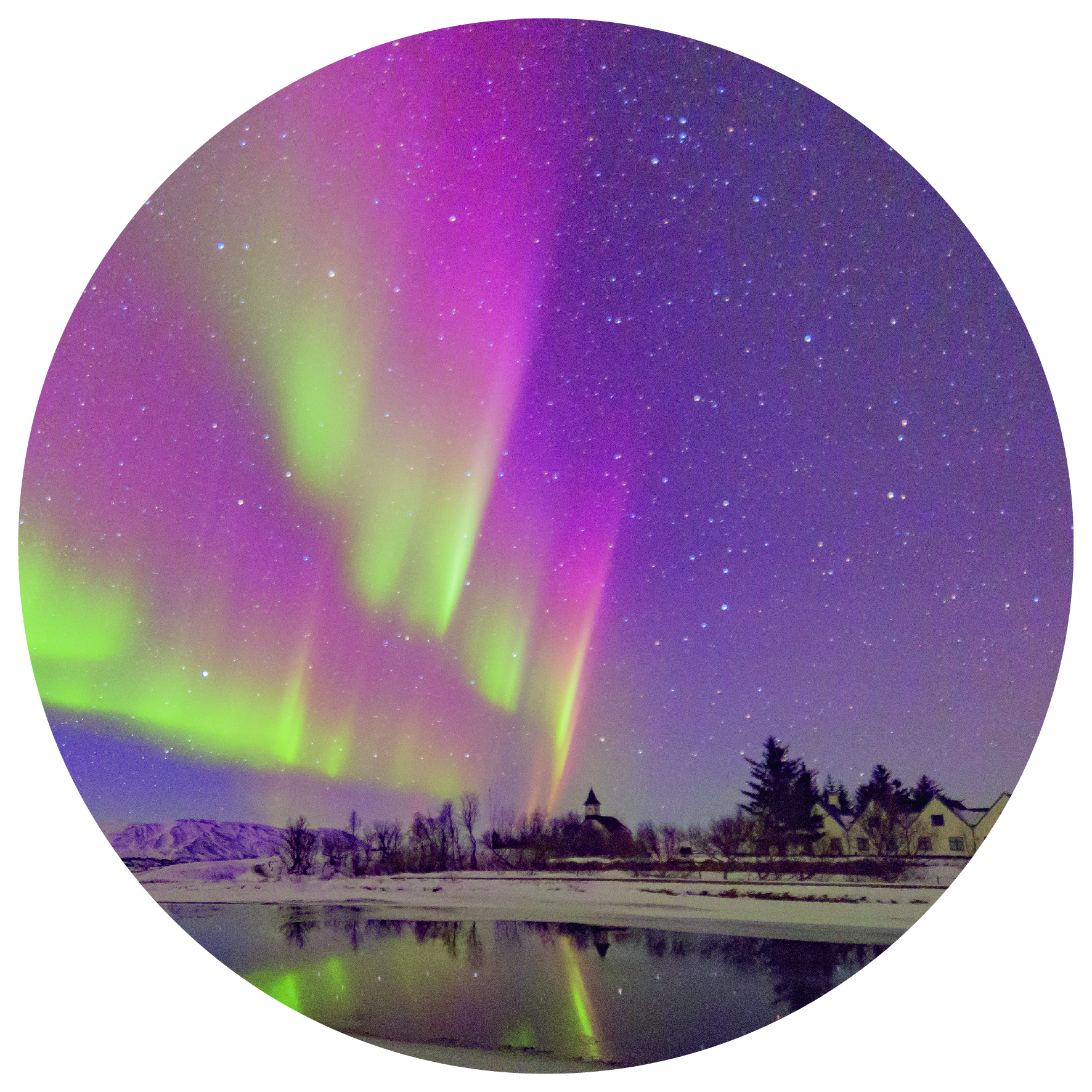
6. Þingvellir National Park: See the lights between the continents!
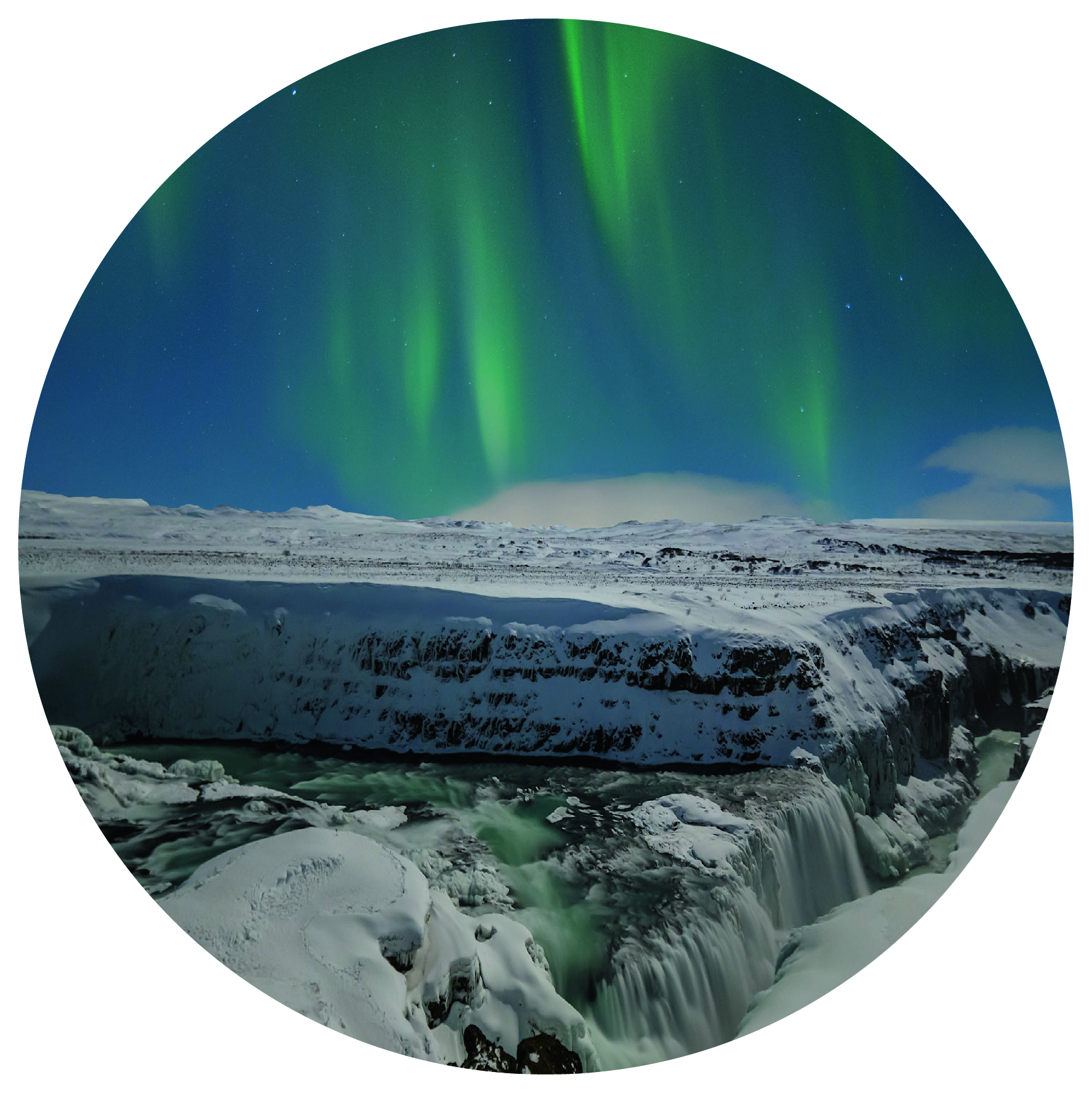
7. Cascada Gullfoss: ¡Una verdadera aventura!
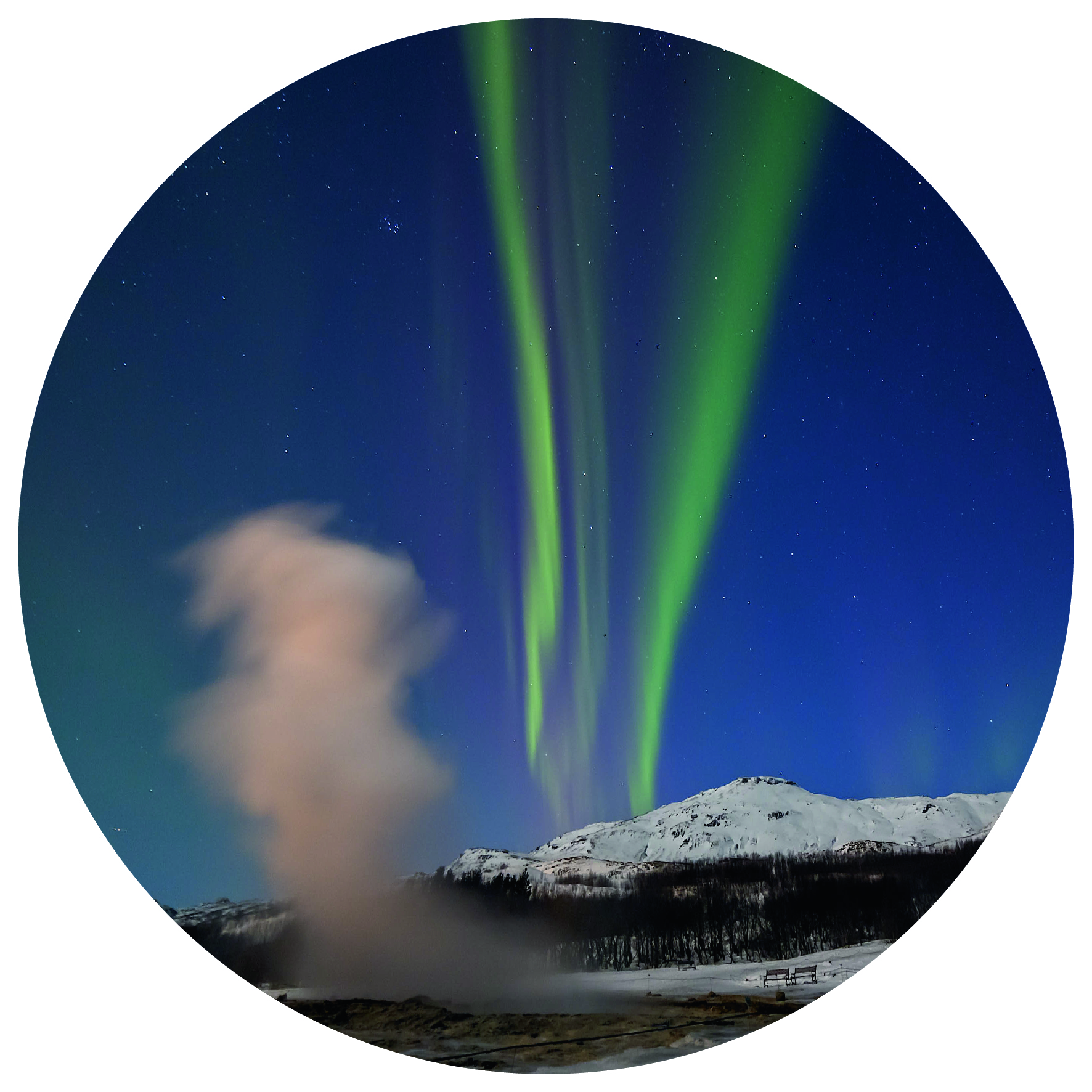
8. Área geotérmica Geysir: ¡Doble sorpresa, doble diversión!
Aquí tienes algunos consejos para aprovechar al máximo tu visita:
- La ubicación es clave: Llega temprano para explorar los mejores ángulos. Párate un poco fuera del centro para evitar que te salpique cuando Strokkur entre en erupción, y elige un lugar que te ofrezca una buena vista del paisaje circundante para añadir profundidad a tus fotos.
- Conoce el momento adecuado: Strokkur entra en erupción aproximadamente cada 5-10 minutos, así que mantén tu cámara lista. Usa una velocidad de obturación rápida para congelar el momento explosivo o ralentízala para un efecto más suave y nebuloso, especialmente en condiciones de poca luz.
- Capturing Northern Lights: If you’re photographing the auroras, a tripod is essential. Set your exposure between 5-15 seconds, depending on the light intensity, and adjust your ISO to capture enough detail without too much noise.
- Considera el Primer Plano: Las piscinas alrededor de Strokkur reflejan maravillosamente las auroras boreales. Intenta posicionar el géiser como tu punto focal y utiliza los reflejos como un elemento añadido, o enfócate en las aguas termales burbujeantes para lograr un efecto atmosférico.
- Geysir isn’t just about capturing the perfect photo; it’s about embracing the moment, the anticipation of the eruption, and the dance of light and water. With a bit of patience and creativity, you’ll walk away with images that capture the soul of Iceland.
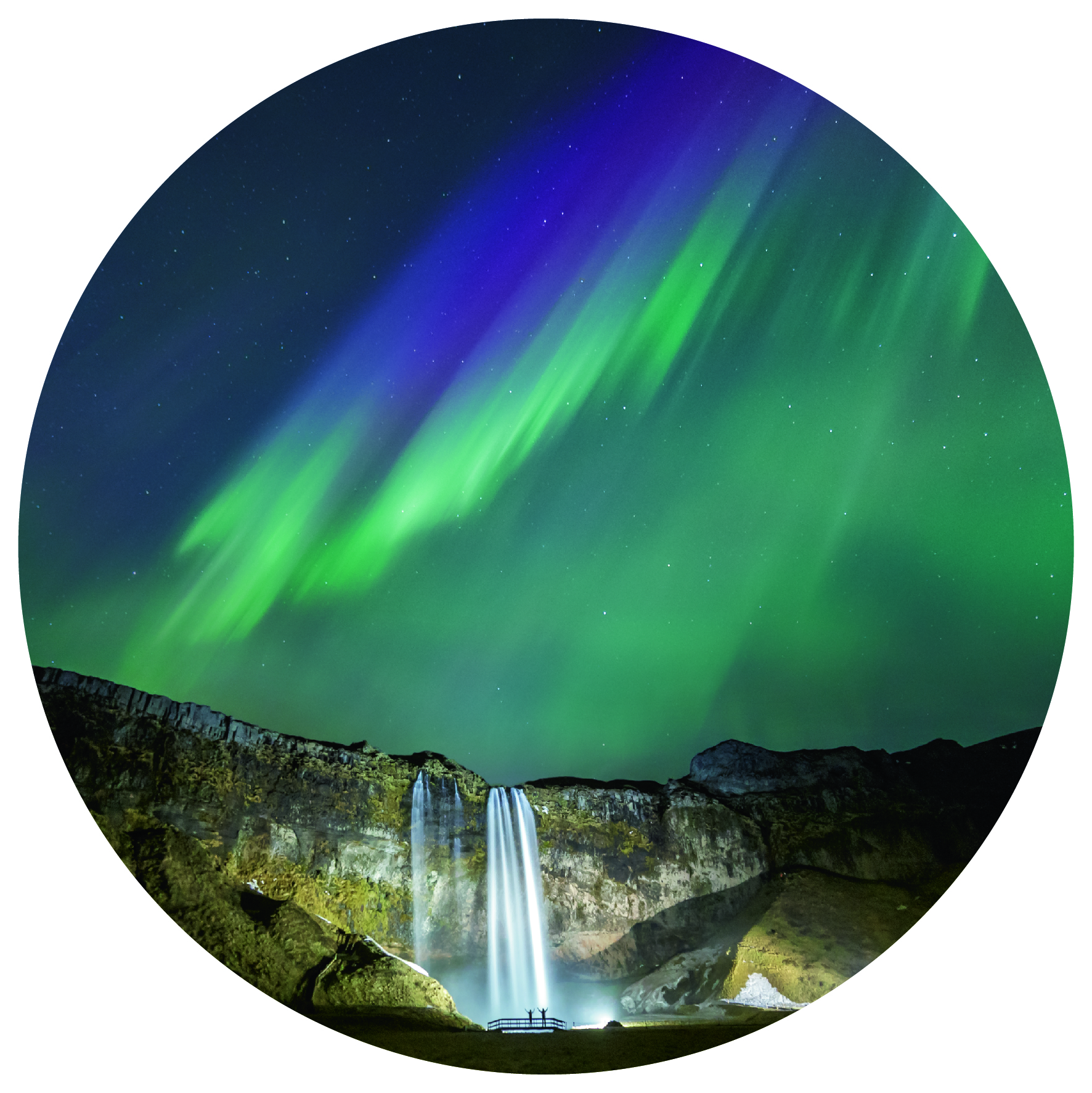
9. Cascada Seljalandsfoss: ¡Captura la magia de Islandia!
Consejos profesionales:
- Timing with Solar Activity: Seljalandsfoss faces west, which means you’ll need strong solar activity to catch the Northern Lights in the right spot.
- Finding the Best Angle: One of the most magical shots is from behind the waterfall, but it can get slippery and wet, especially at night. It’s better to walk a bit further away along the road, to get the full waterfall, but also leave enough space for the sky.
- Elementos en Primer Plano: La niebla generada por la cascada añade un efecto etéreo y mágico a tus fotos. Experimenta con composiciones que incluyan el agua en primer plano y las auroras como telón de fondo. Este efecto en capas puede dar lugar a una imagen realmente impactante.
- Protect Your Gear: Be prepared for the spray—it can fog up your lens and make for a slippery walk behind the falls. Bring lens cloths and protective covers, especially if you’re trying for shots from behind.
- Juega con la Luz: Prueba a incluir una fuente de luz suave, como un frontal o una linterna de baja intensidad, para iluminar sutilmente partes del primer plano. Esto añadirá profundidad a tu foto, resaltando detalles en las rocas y el agua sin eclipsar la luz natural de las auroras. Seljalandsfoss está iluminada por la noche, lo que puede complicar los primeros planos, a menos que combines imágenes con diferentes tiempos de exposición.
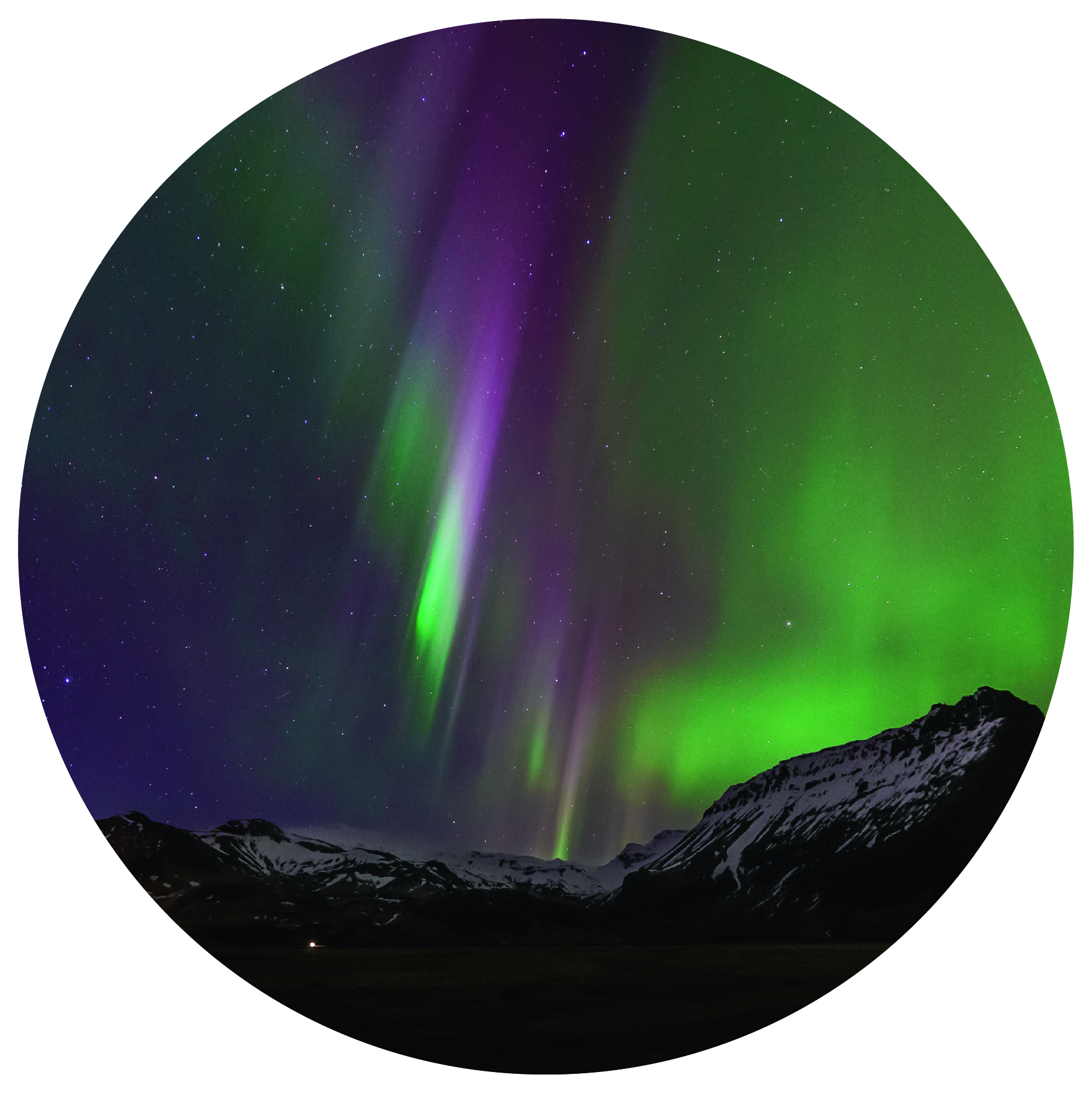
10. Eyjafjallajökull Volcano: The best that Iceland has to offers!
Aquí van algunos consejos para capturar su magia:
- Check Aurora and Weather Forecasts: The glacier sits at high elevation and can often be shrouded in clouds or mist. For aurora photography, you’ll need clear skies and moderate to high solar activity for the Northern Lights to be visible over the glacier.
- Find a Vantage Point: Eyjafjallajökull is vast, so finding a spot with an open view is essential. Look for higher ground nearby or fields in the surrounding area for a perspective that lets you capture both the glacier and the night sky. A wide-angle lens is ideal here to include both the expansive landscape and the auroras.
- Adjust for Darkness: The glacier and surrounding terrain can be quite dark at night. Use a tripod and set a long exposure—around 10-25 seconds—to capture detail in the glacier and sky. Keep your ISO between 1600-3200 and experiment with aperture settings to balance sharpness and light.
- Include Foreground Elements: If possible, incorporate some foreground elements like the rolling hills or even local landmarks such as the Þórsmörk valley, adding depth to your composition. The layers of land, glacier, and auroras create a powerful visual story.
- Be Prepared for Harsh Conditions: Iceland’s weather can be extreme around Eyjafjallajökull, especially at night. Bring protective covers for your gear and warm clothing for yourself. Strong winds and icy conditions can be common here, so be prepared to adapt quickly.
- Timing with Moonlight: If the Northern Lights are strong and the moon is out, the moonlight can illuminate Eyjafjallajökull, creating a striking contrast with the vibrant auroras above. This added light can bring out the glacier’s textures and add a subtle glow to the landscape.
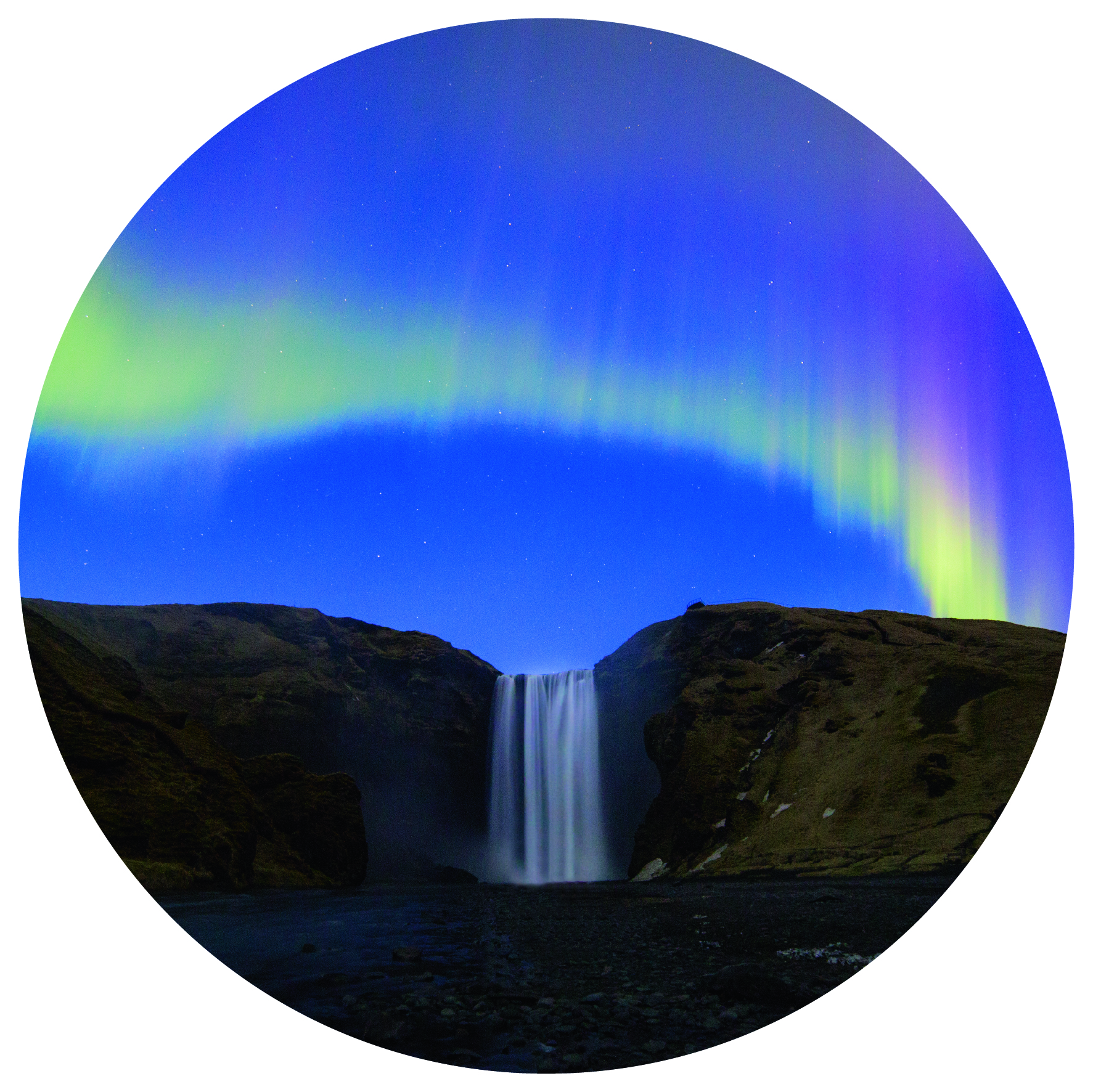
11. Skógafoss Waterfall: Pure Icelandic beauty!
Consejos profesionales:
- Captura la aurora enmarcada por la cascada para una combinación impresionante de fenómenos naturales.
- Usa un lente gran angular para capturar toda la magnitud de la cascada y el cielo sobre ella.
- Considera fotografiar desde la base de la cascada para obtener un primer plano dramático.
- La niebla de la cascada puede crear tomas interesantes con exposiciones largas, donde las luces se reflejan en el rocío.
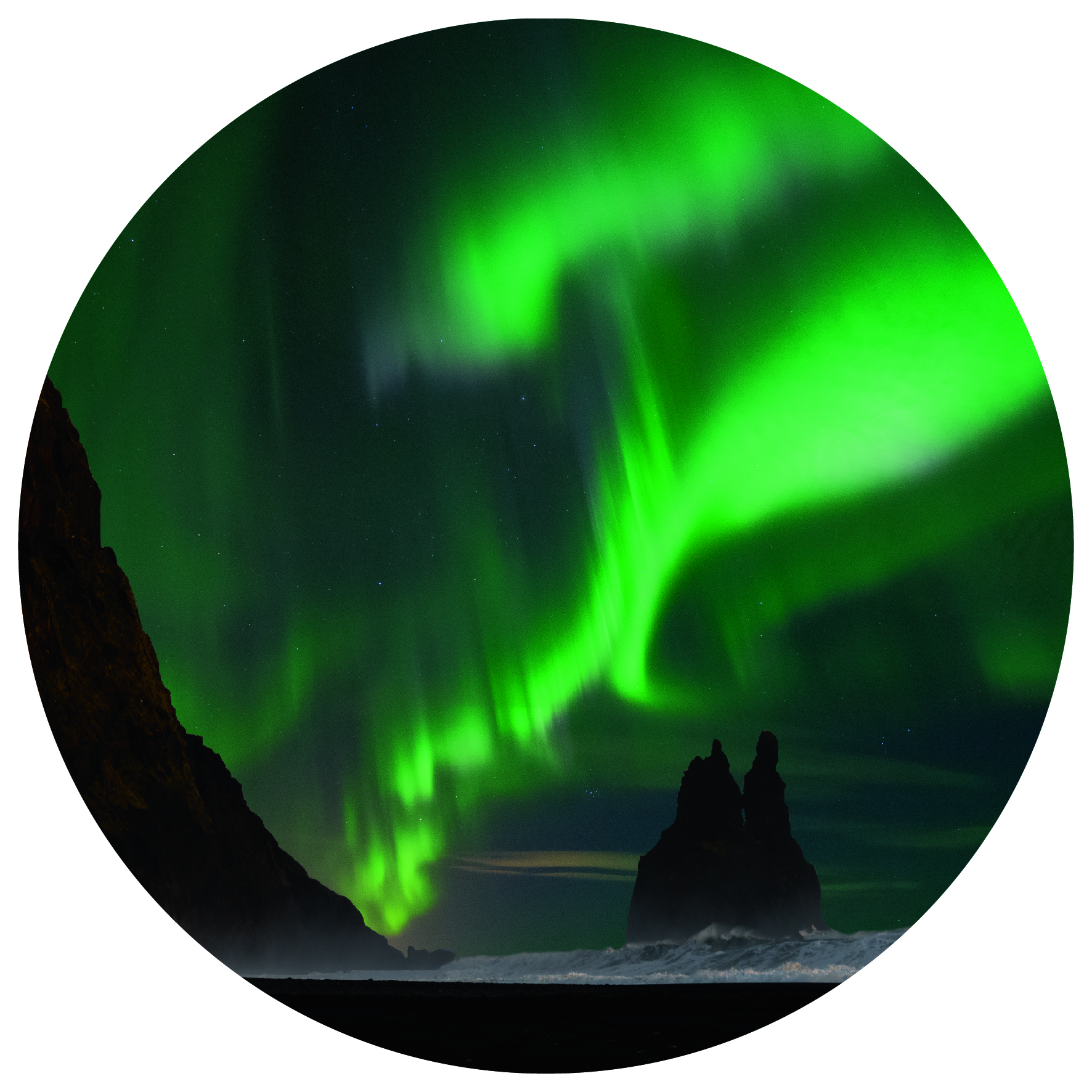
12. Playa Reynisfjara: ¡Añade algo de emoción a tu búsqueda de auroras!
Consejos fotográficos:
- Utiliza las columnas de basalto como elementos en primer plano para enmarcar la aurora.
- Captura los reflejos de la aurora en la arena negra mojada después de que la marea haya retrocedido.
- Un trípode robusto es esencial para contrarrestar los fuertes vientos costeros durante las exposiciones largas.
Accesibilidad:
Reynisfjara es accesible durante todo el año, pero siempre se debe tener precaución, ya que pueden ocurrir olas sorpresivas. Mantente al menos a 30 metros de la línea de agua.
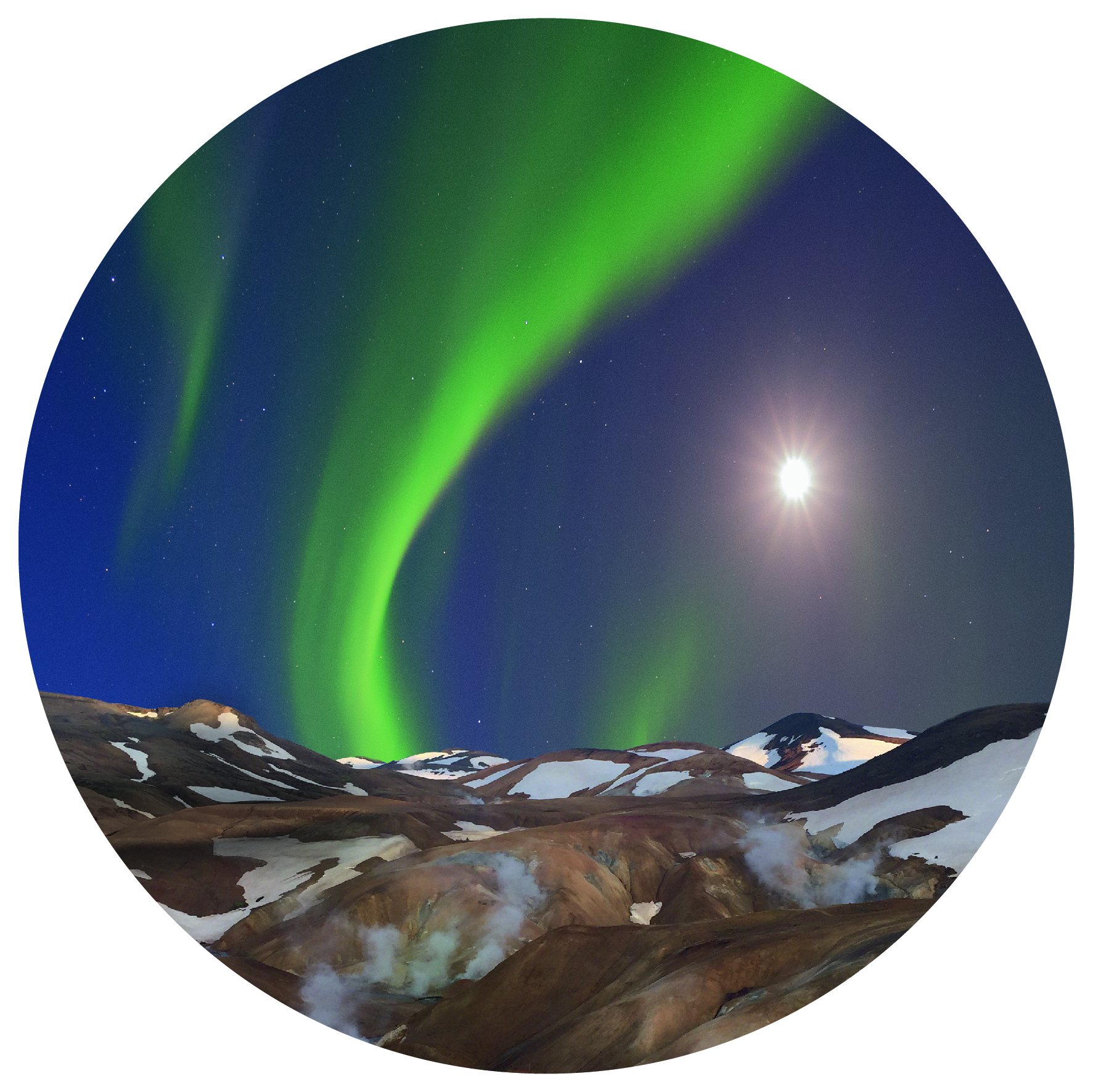
13. Kerlingarfjöll: Auroras and steam, the perfect combination!
Consejos profesionales:
- Captura el contraste entre la aurora brillante y los respiraderos geotérmicos humeantes.
- Un lente gran angular te ayudará a incluir el dramático paisaje y el cielo.
- Planifica tu visita para principios de otoño o finales de primavera, cuando las carreteras de las tierras altas son transitables.
Accesibilidad:
Kerlingarfjöll is typically accessible from late June to early September. Roads may require a 4×4 vehicle.
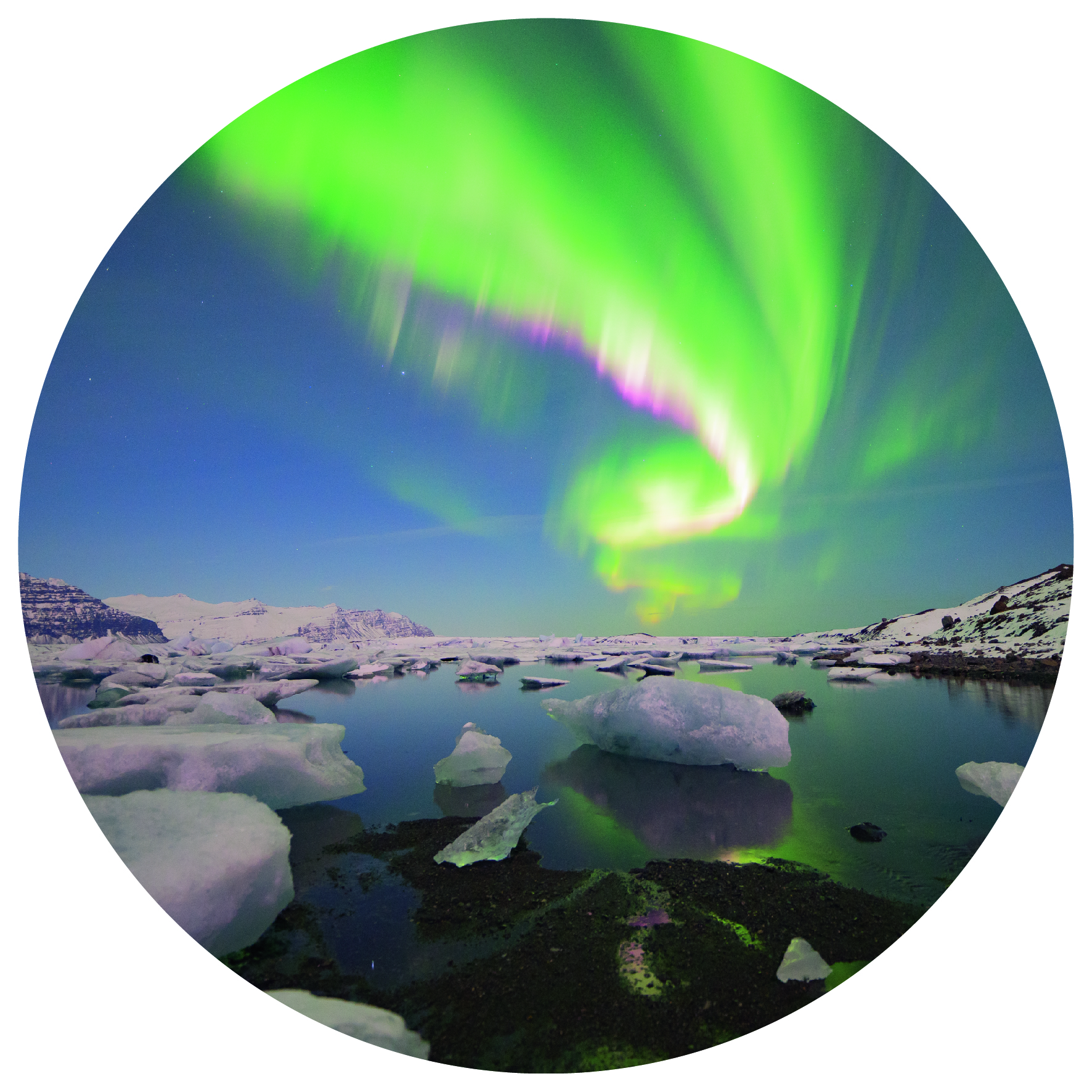
14. Jökulsárlón Glacier Lagoon: We put the ice in Iceland!
Consejos fotográficos:
- Captura las luces del norte mientras se reflejan en las tranquilas aguas de la laguna para lograr un impresionante efecto espejo.
- Usa los icebergs flotantes como elementos en primer plano para añadir escala y dramatismo a tus fotos.
- Para obtener una perspectiva única, fotografía desde varios puntos a lo largo de la orilla para capturar diferentes ángulos de la aurora y el hielo.
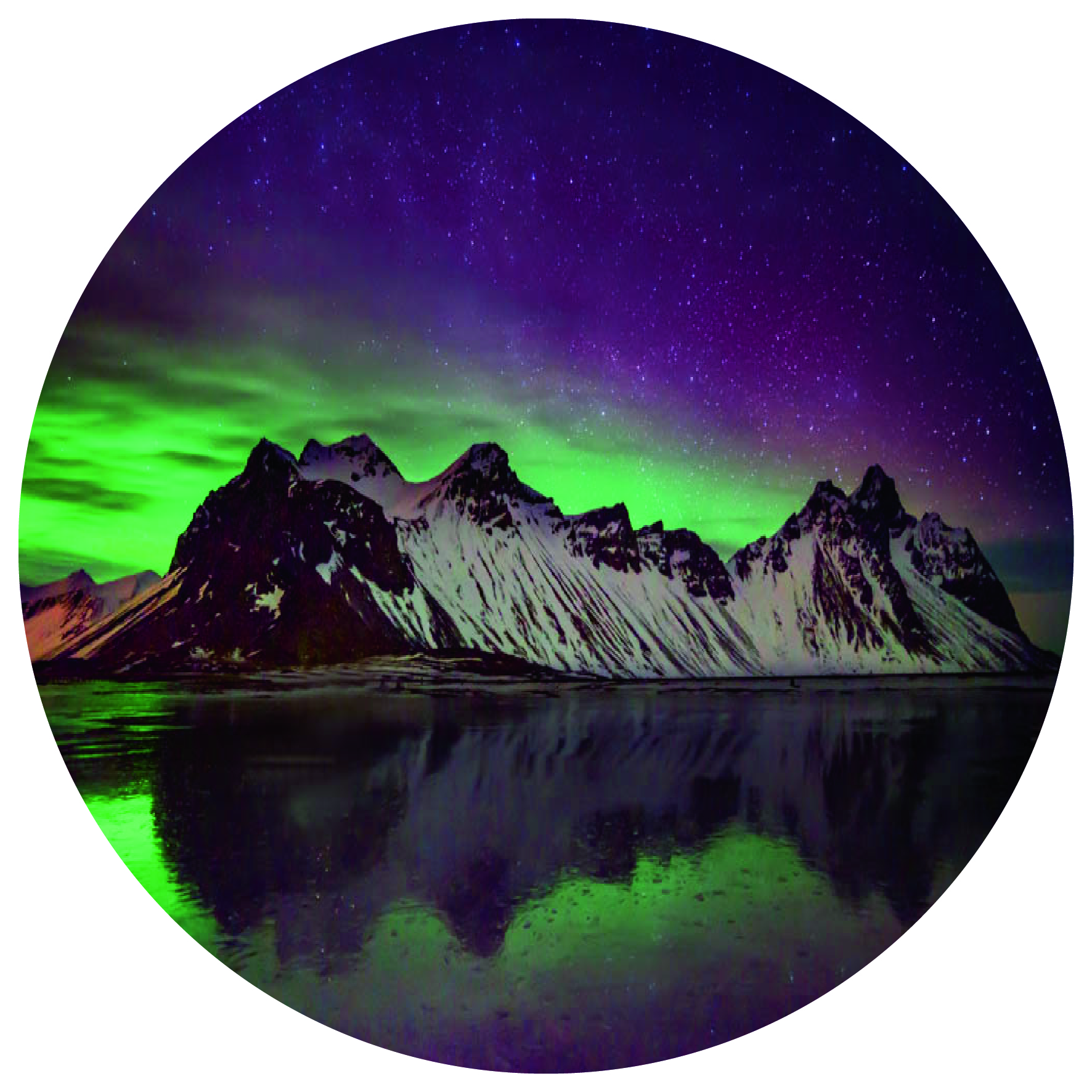
15. Vestrahorn: ¡Captura el muro de luz!
Consejos fotográficos:
- Usa las dunas de arena negra y los charcos de marea poco profundos en el primer plano para crear impresionantes reflejos de la aurora y los picos de Vestrahorn.
- Un lente gran angular es esencial para capturar tanto las luces del norte como las montañas imponentes en una sola toma.
- Para obtener resultados dramáticos, dispara durante la marea baja cuando los reflejos en la arena mojada sean más pronunciados.
- Ten en cuenta los vientos costeros, especialmente en invierno, y vístete con ropa abrigada mientras esperas a que aparezcan las luces.
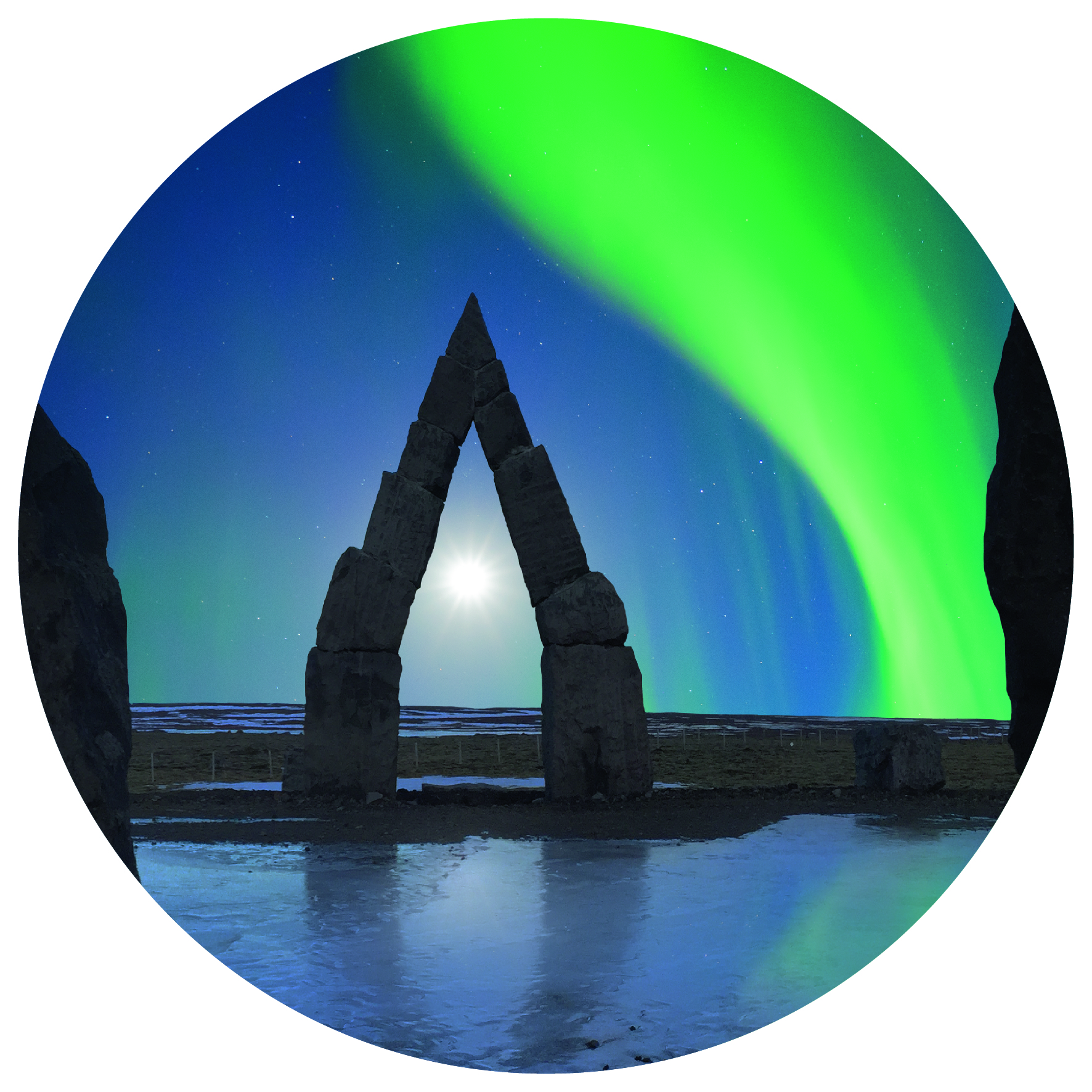
16. Arctic Henge: ¡lo más al norte posible!
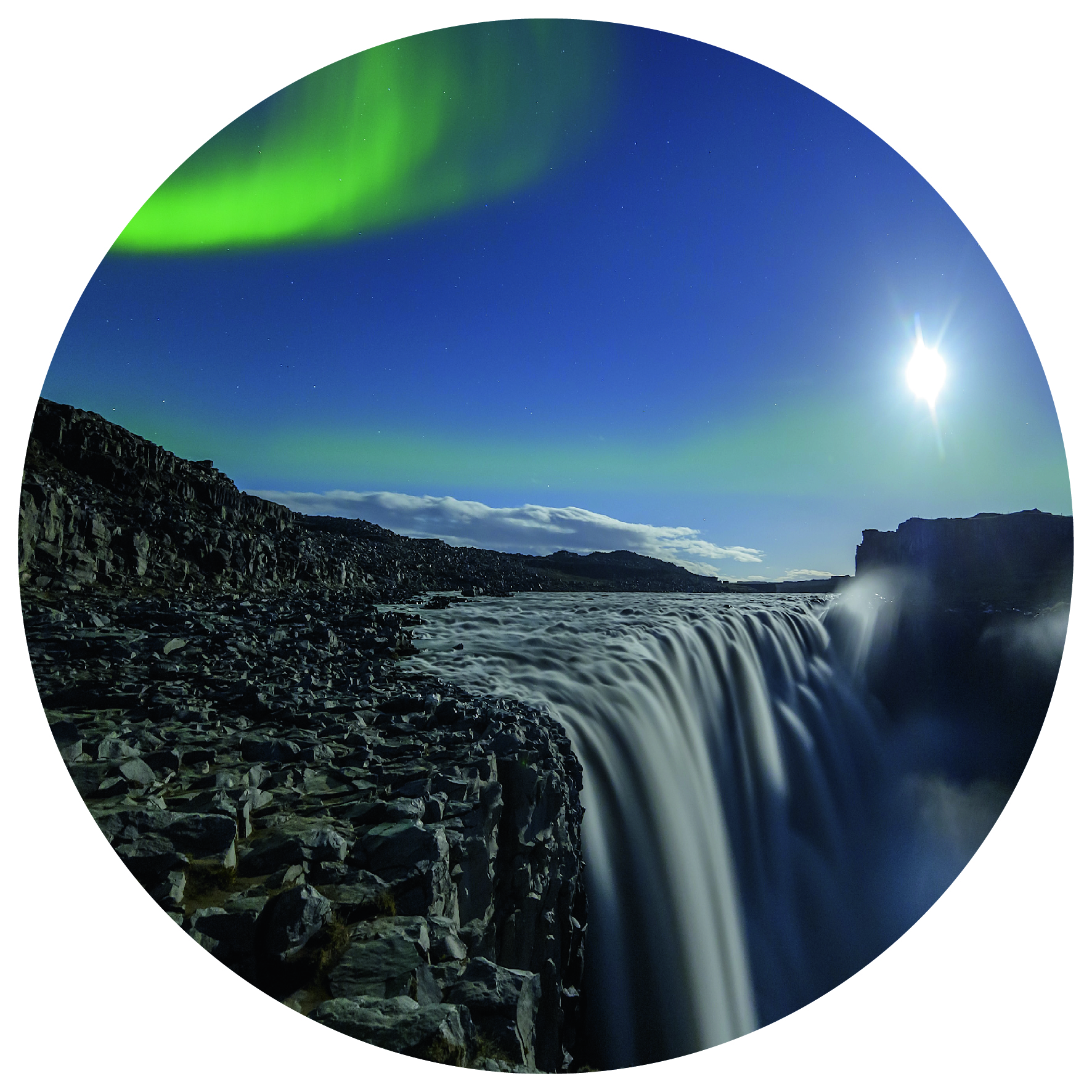
17. Cascada Dettifoss: ¡Aprovecha la oportunidad cuando puedas!
Consejos profesionales:
- Colócate a una distancia adecuada para capturar toda la cascada bajo la aurora.
- Long exposures will soften the water’s movement while emphasizing the aurora’s brightness.
- Utiliza equipo a prueba de agua para proteger tu equipo de la niebla y el rocío.
Accesibilidad:
Dettifoss suele ser accesible en los meses de verano. Durante el invierno, las carreteras a menudo están cerradas debido a la nieve y el hielo.
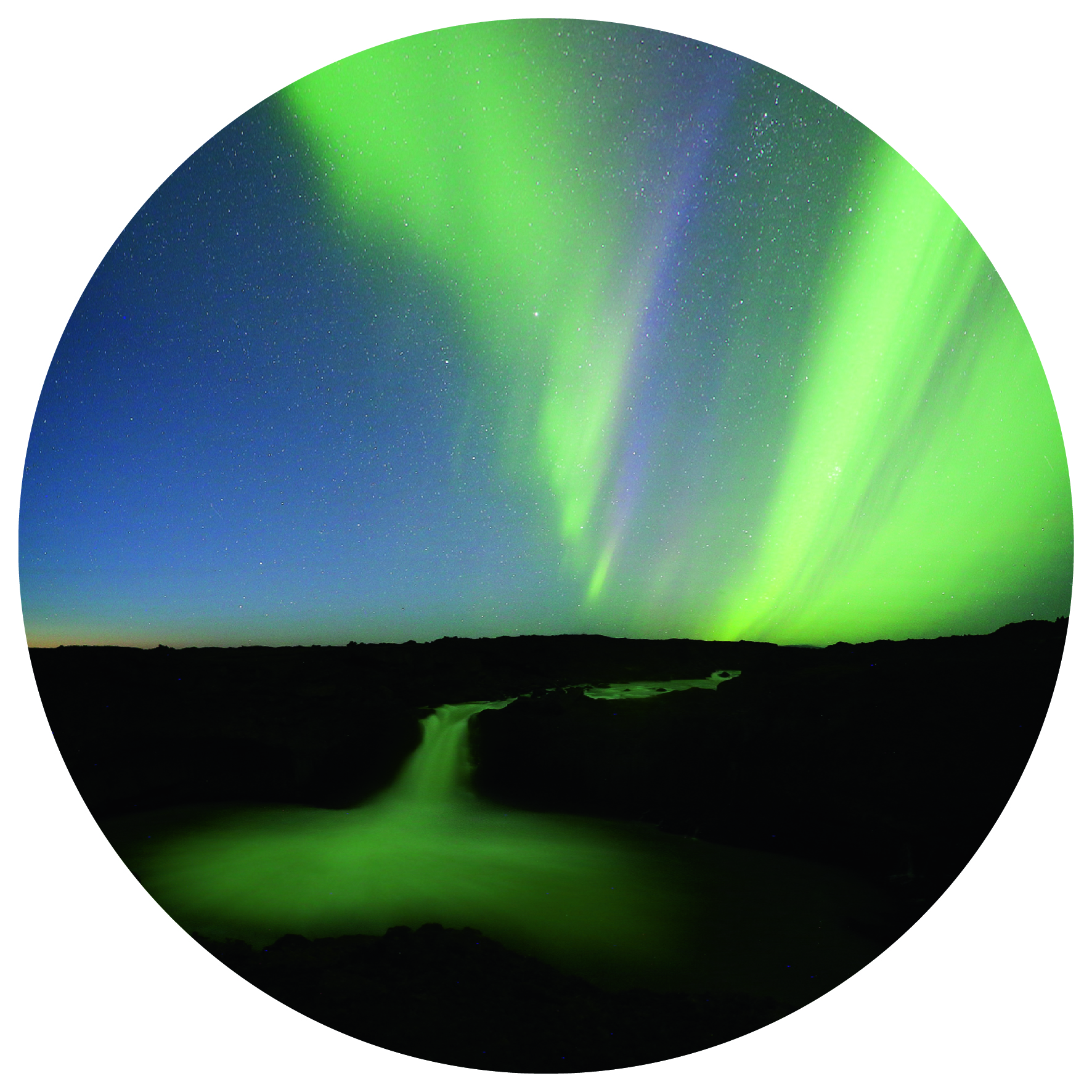
18. Cascada Aldeyjarfoss: ¡El esfuerzo merece la pena!
Consejos fotográficos:
- Enmarca la cascada con las columnas basálticas y la aurora para una composición dinámica.
- Shoot long exposures to blur the water’s motion while keeping the aurora crisp.
- Usa crampones para navegar de manera segura por los senderos resbaladizos durante el otoño o principios del invierno.
Accesibilidad:
Es mejor visitarla en verano o en otoño, antes de que la nieve pesada bloquee el acceso. Se recomienda un vehículo 4×4.
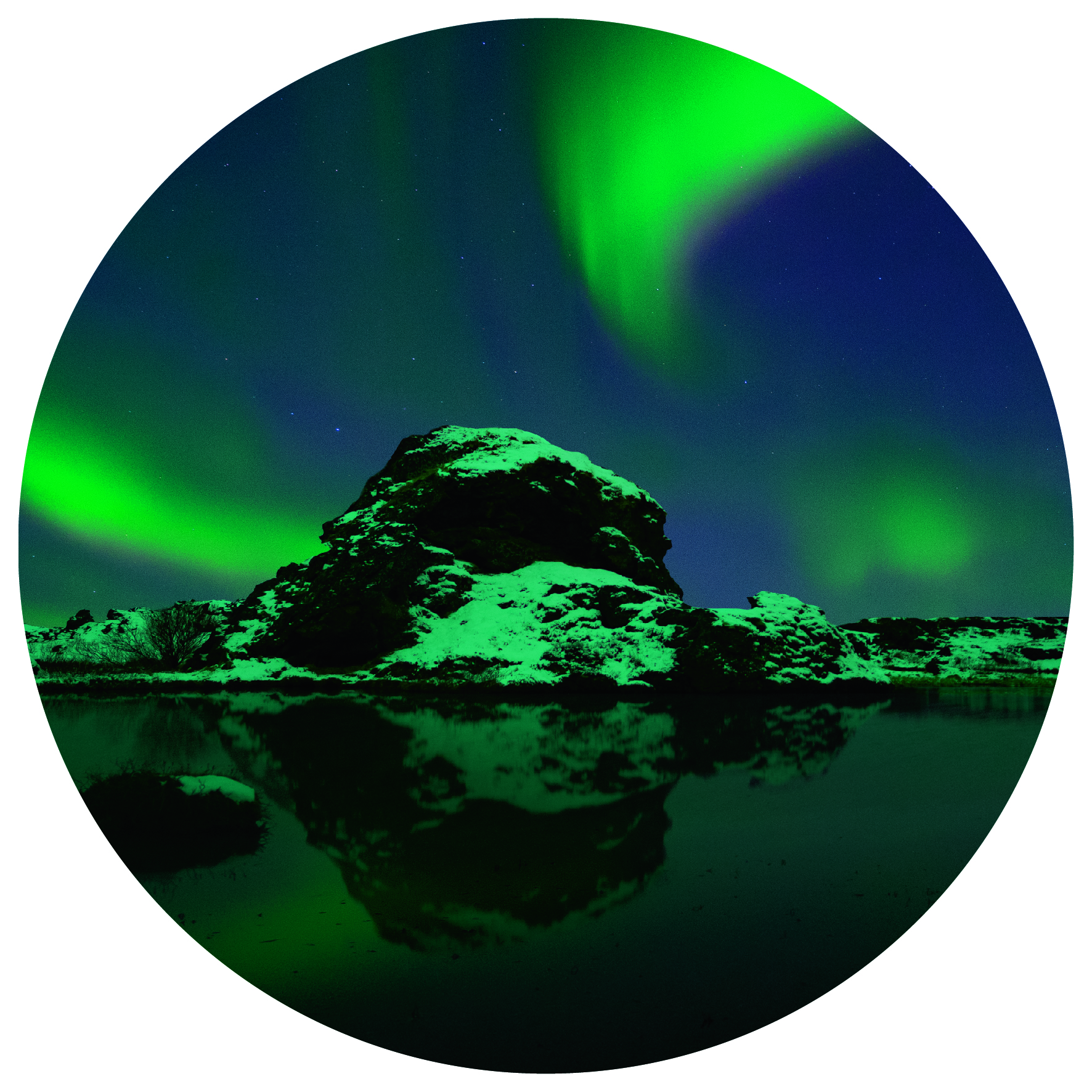
19. Lake Mývatn: See it to believe it!
Consejos fotográficos:
- Focus on reflections in the lake’s still surface for a dramatic effect.
- Usa los pseudocráteres o las formaciones de lava como elementos en primer plano.
- Explora el área durante el día para encontrar el punto de vista perfecto y vistas sin obstáculos.
Accesibilidad:
Lake Mývatn is accessible year-round, but icy roads in winter may require caution.
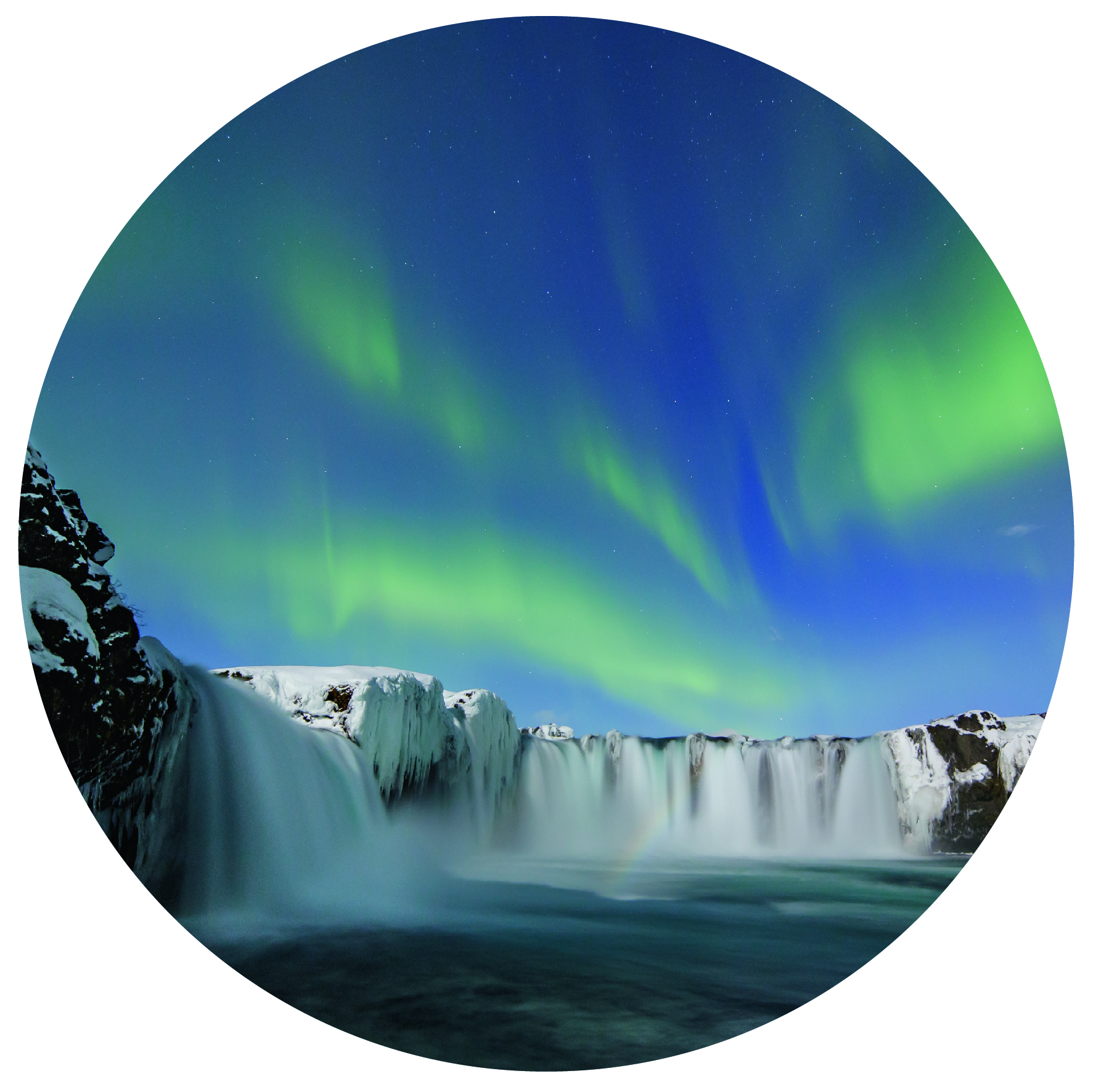
20. Goðafoss Waterfall: Get close to Valhalla!
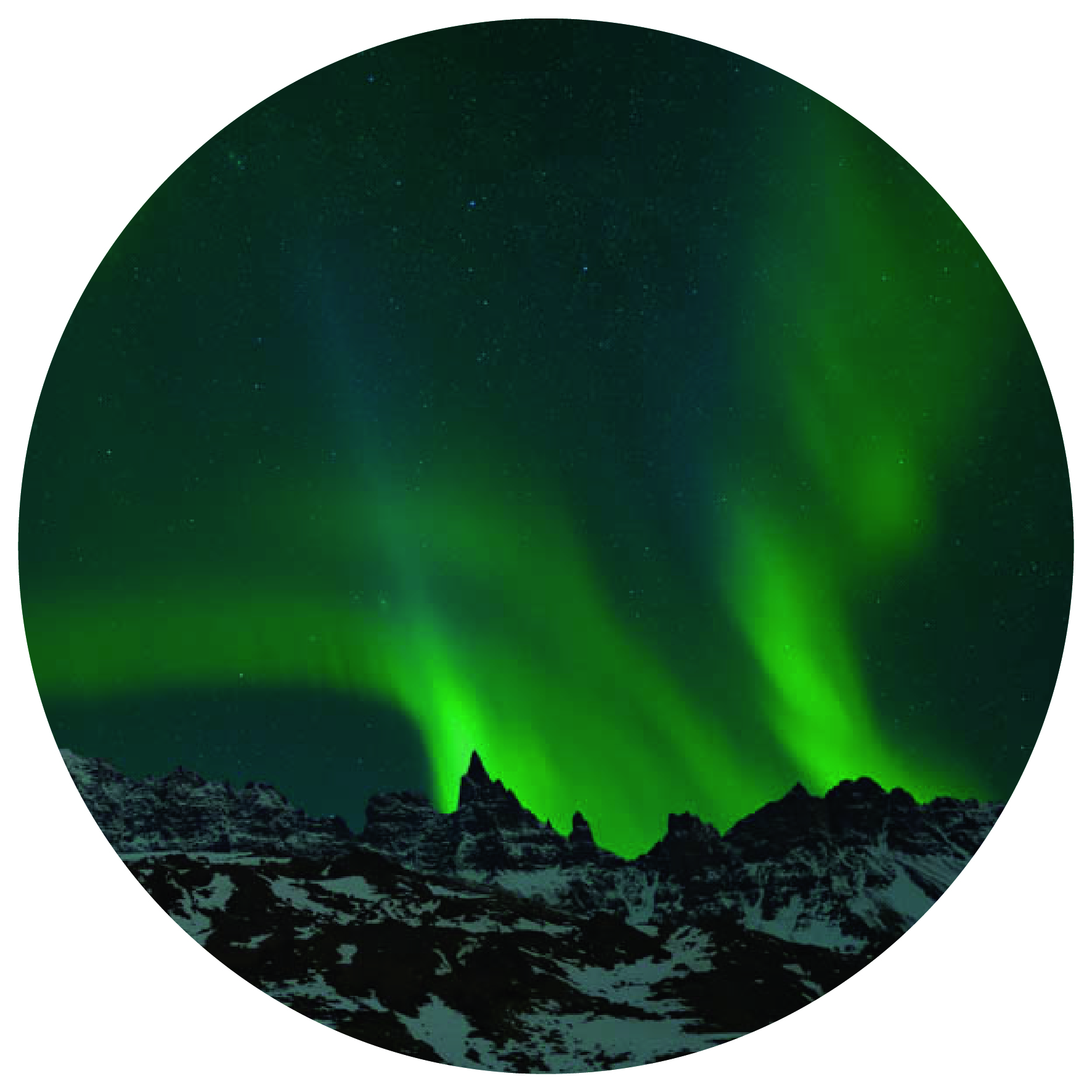
21. Pico Hraundrangar: ¡Déjate llevar por la magia de Islandia!
Consejos profesionales:
- Usa el pico como el elemento central, creando un punto focal dramático.
- Incluye elementos en el primer plano, como rocas cubiertas de nieve o vegetación, para agregar profundidad.
- Experimenta con exposiciones largas para capturar el movimiento de la aurora y las estrellas circundantes.
Accesibilidad:
Hraundrangar es accesible durante todo el año, pero las condiciones invernales pueden requerir una navegación cuidadosa por carreteras heladas.
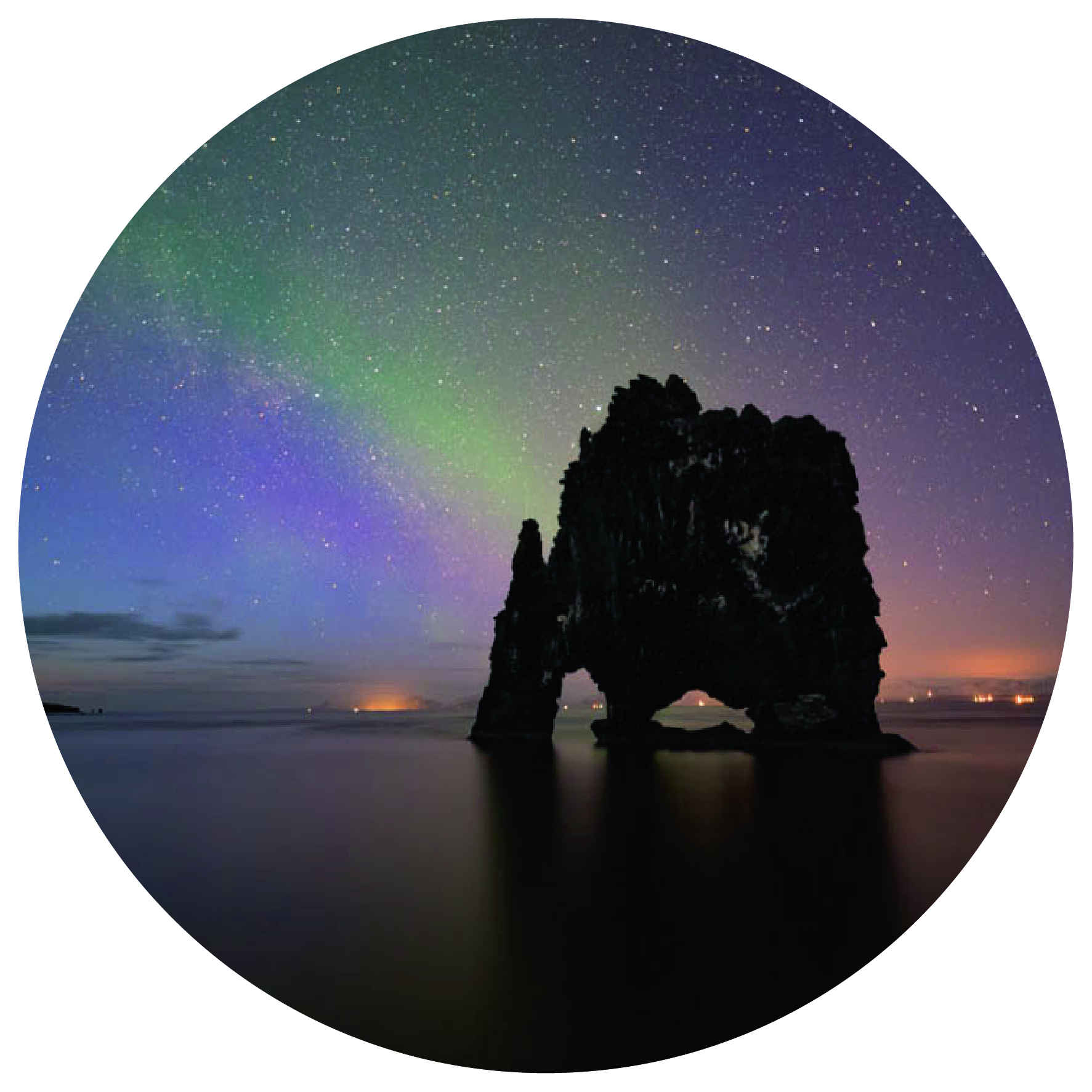
22. Hvítserkur: Are you ready to face the Troll?
Consejos fotográficos:
- Capture Hvítserkur’s reflection in the shallow water during low tide.
- Usa un lente gran angular para enmarcar la aurora y la formación rocosa juntos.
- Las exposiciones largas realzarán la aurora y crearán texturas suaves en el agua.
Accesibilidad:
Accesible durante todo el año, pero las carreteras heladas en invierno requieren precaución y un vehículo 4×4.
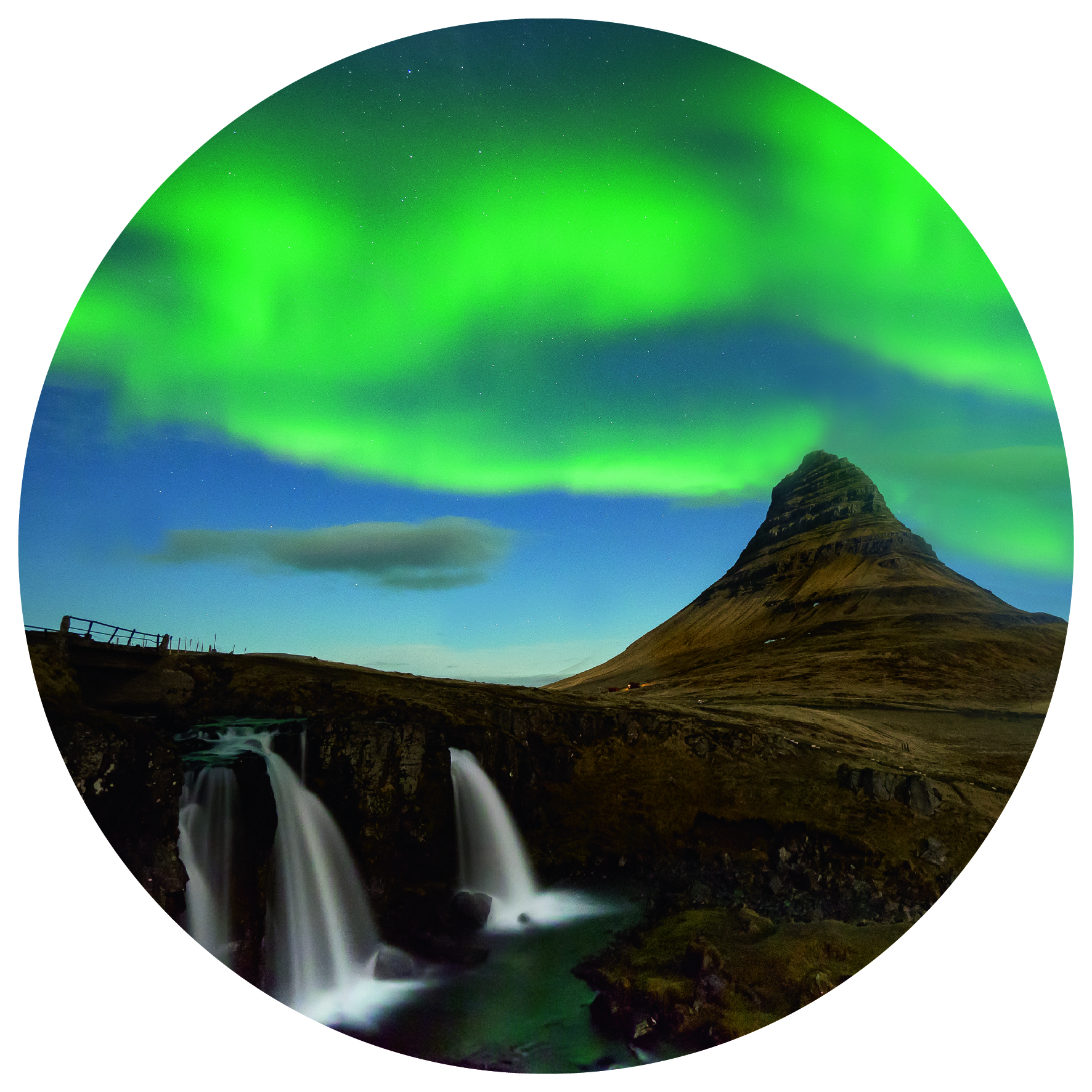
23. Kirkjufell: ¡Su popularidad está bien ganada!
Consejos fotográficos:
- Usa Kirkjufell como el punto focal, con la cascada Kirkjufellsfoss en primer plano.
- Enmarca la escena de manera que la aurora parezca irradiar desde la cima de la montaña.
- Llega temprano para asegurarte un buen lugar, ya que esta ubicación es popular entre los fotógrafos.
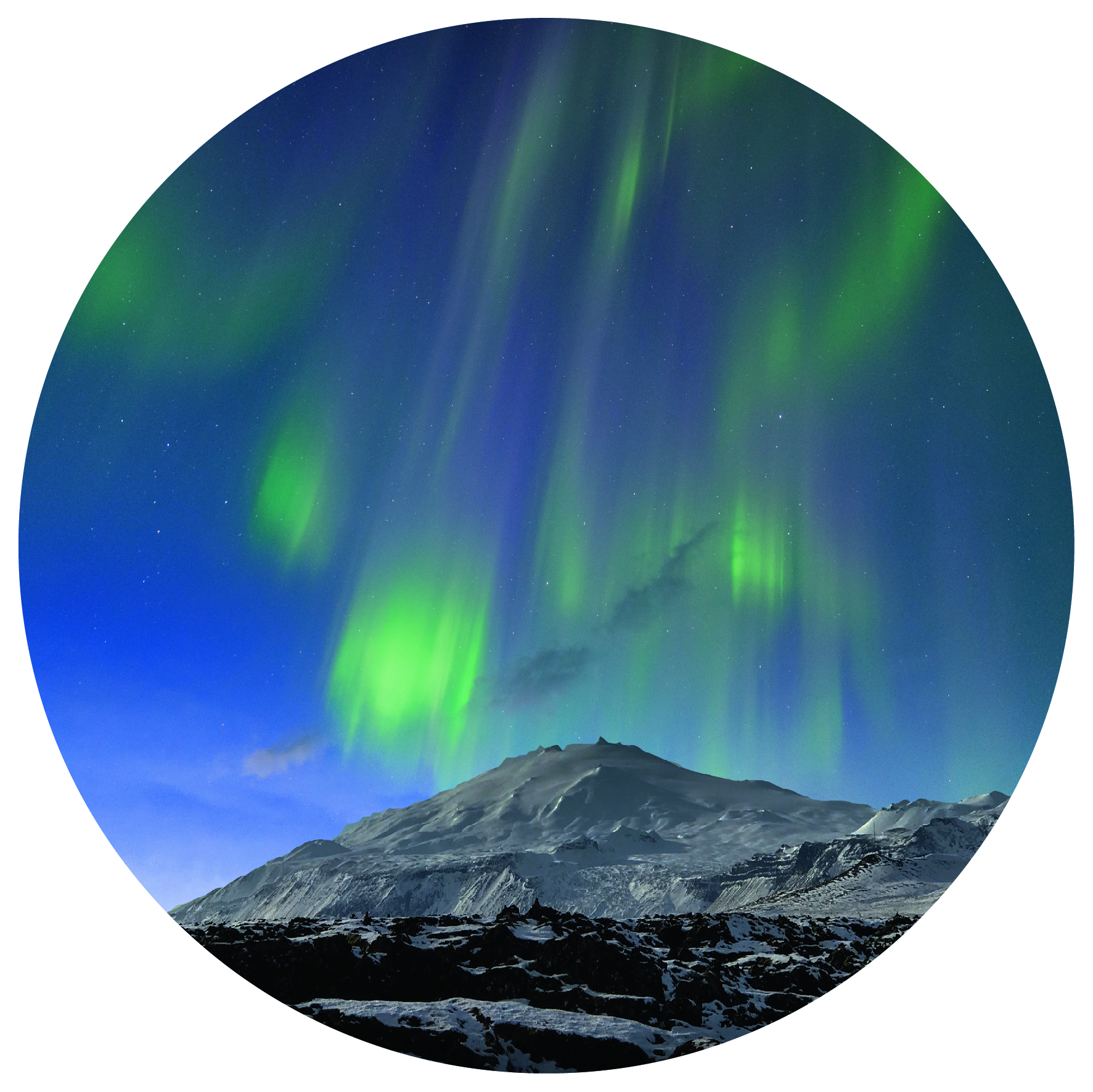
24. Snæfellsjökull: See the glacier come to life!
Consejos fotográficos:
- Incluye el glaciar en tu composición para resaltar sus cualidades reflectantes.
- Usa un lente gran angular para capturar la aurora sobre el glaciar.
- Ajusta el balance de blancos para resaltar los tonos naturales del glaciar y la aurora.
Accesibilidad:
Snæfellsjökull is accessible year-round, but higher elevations may require a 4×4 vehicle in winter.
25. Búðir: A little bit of everything!
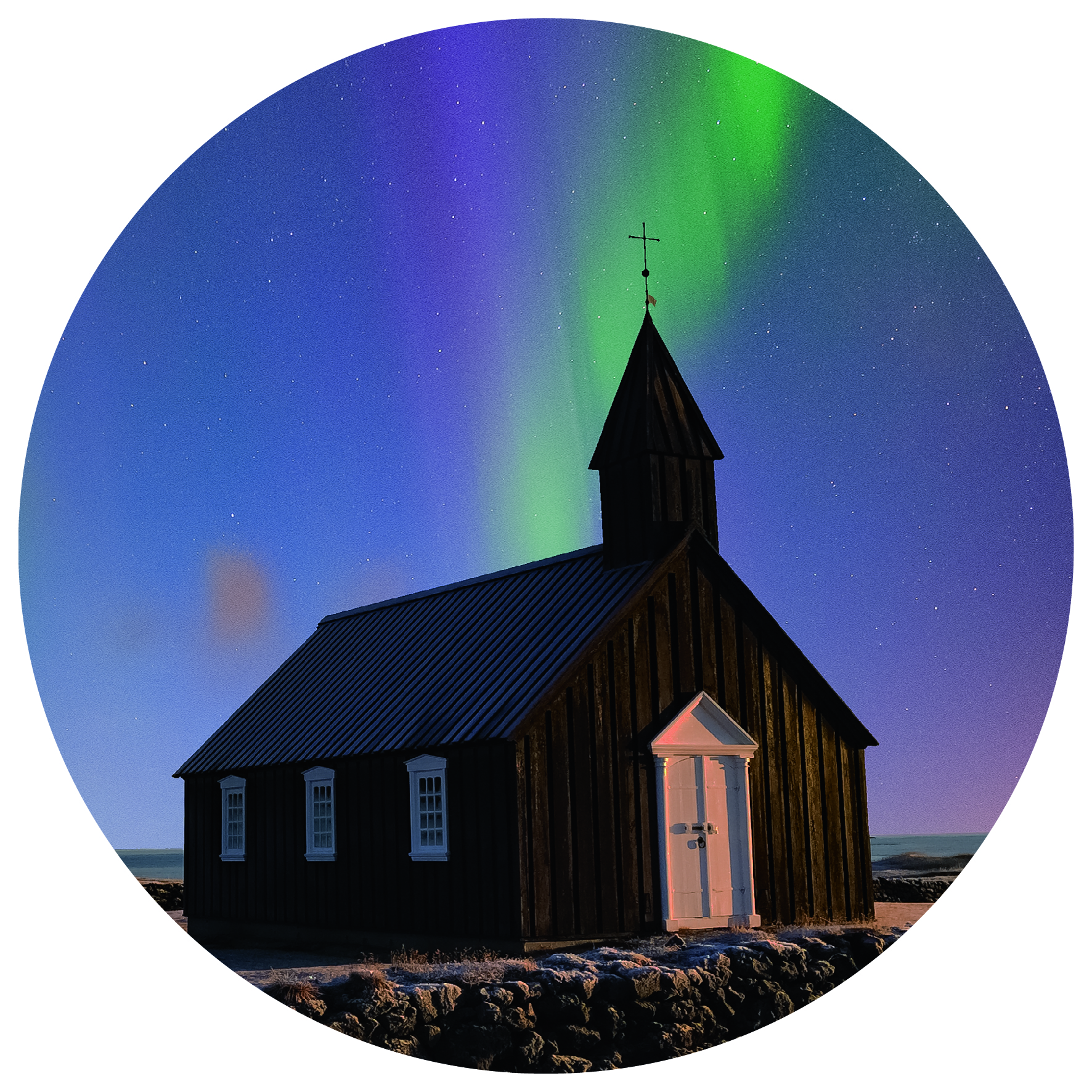
Consejos profesionales:
- Capture the Northern Lights dancing over the iconic Búðir church for a striking contrast between the lights and the simple, yet stunning, black church.
- Usa los campos de lava circundantes o el glaciar en el fondo como elementos interesantes del primer plano para agregar profundidad y dramatismo a tus fotos.
- Un lente gran angular es esencial para capturar tanto el cielo expansivo como la silueta de la iglesia y las montañas.
- Las tomas de larga exposición ayudarán a capturar el movimiento de la aurora, manteniendo nítidos la iglesia y el paisaje.
Mantente a salvo mientras cazas Auroras Boreales
Perseguir la aurora puede llevarte a lugares remotos y a menudo helados. Aquí tienes algunos consejos de seguridad esenciales:
- Revisa el pronóstico del tiempo: Siempre consulta las condiciones meteorológicas locales en sitios como Vedur.is o https://aurorareykjavik.is/aurora-forecast/ para evitar tormentas repentinas o vientos peligrosos.
- Utiliza recursos de viaje seguros: Visita SafeTravel.is para obtener actualizaciones sobre las condiciones de las carreteras, advertencias meteorológicas e información de emergencia. Su aplicación es una excelente herramienta para tener en tu teléfono.
- Drive Safely: Roads in Iceland can be slippery and unpredictable, especially in winter. Use a 4×4 vehicle with winter tires, and avoid off-road driving.
- Mantente visible: Usa ropa reflectante y lleva una linterna o lámpara frontal cuando camines en áreas oscuras.
- Empaca lo esencial: Lleva un teléfono completamente cargado, bebidas calientes, bocadillos y un botiquín de primeros auxilios. Las baterías extra para tu cámara y linterna también son imprescindibles en condiciones frías.
- Viaja con otros: Si es posible, busca la aurora en grupo o únete a un tour guiado para mayor seguridad y conocimientos expertos. Consulta nuestros tours aquí:
Check out our Northern Lights Locations map and find the best viewing spots:
No se encontraron resultados
La página solicitada no pudo encontrarse. Trate de perfeccionar su búsqueda o utilice la navegación para localizar la entrada.
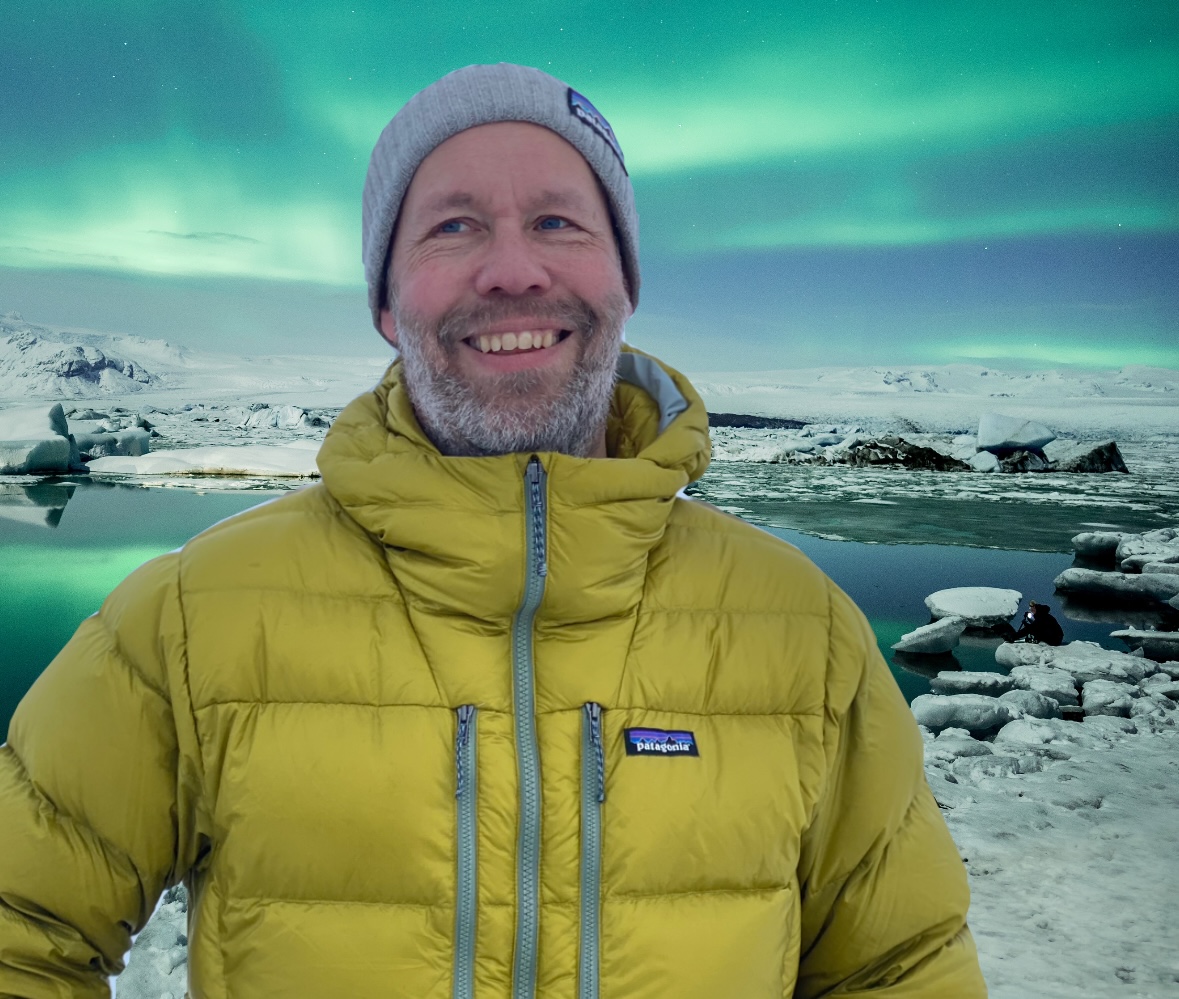
Grétar Jónsson
Founder of Aurora Reykjavík and one of Iceland’s best-known Northern Lights experts
Grétar has spent decades studying, photographing, and explaining the aurora borealis in Iceland and is a frequent advisor to travelers, guides, and media seeking accurate Northern Lights information.