Les 25 meilleurs endroits pour voir les aurores boréales en Islande
As photographers and northern lights chasers from Aurora Reykjavík, we’ve spent countless nights under Iceland’s incredible skies. With years of experience, we know the best places to catch the auroras. And how to have fun while doing it!
Whether you’re heading out for a solo adventure or joining a tour, we’re here to share our favorite spots to watch the northern lights. Spoiler alert: there’s no single “best place” to see them because the lights can pop up anywhere!
That said, some spots are more scenic or easier to reach than others, so we’re breaking down 25 of our top picks.
Let’s dive into our favorite northern lights locations and throw in some safety tips to keep you warm and cozy on your adventure. And hey, if you’re not up for the DIY route, we’ve got you covered with guided tours. Because sometimes it’s nice to just sit back and enjoy the show.
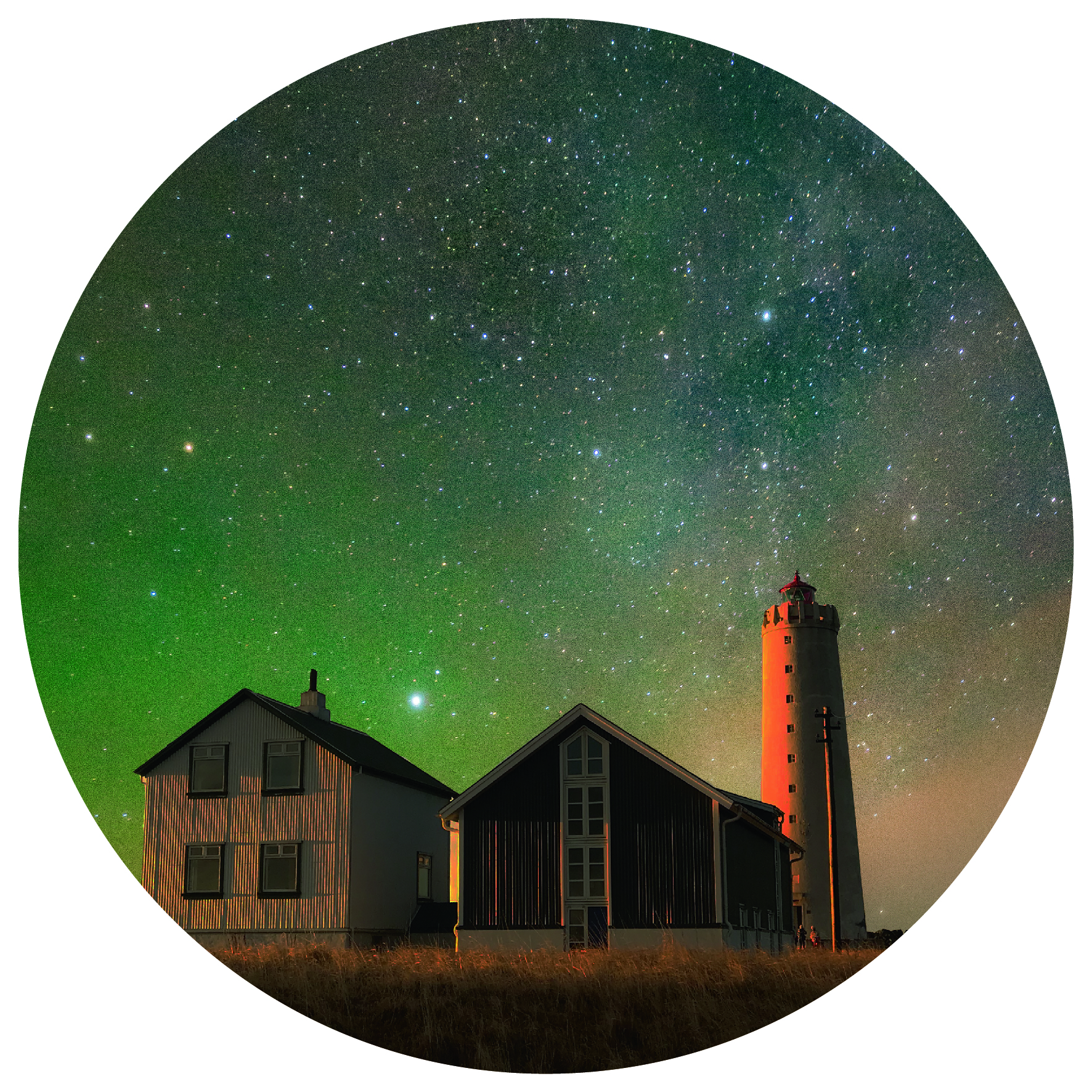
1. Grótta Lighthouse: One step outside of Reykjavik!
Here, you will automatically face North if you observe the lighthouse. This is the direction where the lights usually occur from.
Pro Tips
- Arrive Early for Best Positioning: Grótta is popular, especially during aurora season. Arriving early lets you secure the best spots, particularly if you want to include the iconic Grótta lighthouse as a foreground element. This helps frame the Northern Lights beautifully, adding structure to your composition.
- Tide Awareness: Check the tide schedule before heading out. Grótta is surrounded by water, and at high tide, some of the pathways can be inaccessible. Don’t get stuck on the island!
- Settings for Northern Lights: Use a tripod and set your exposure between 5-20 seconds, depending on aurora intensity. A wide-angle lens is ideal, allowing you to capture both the lights and the expansive coastal landscape. Also, keep your ISO between 1600-3200, adjusting for the aurora’s brightness and the surrounding darkness.
- Foreground Interest with the Lighthouse: Including Grótta lighthouse in your shot adds a sense of place and scale, creating a captivating focal point against the dancing lights. Use the lighthouse to frame your photo or as a silhouette to emphasize the vibrant sky.
- Capturez les reflets dans les piscines : Si la marée est basse, recherchez des piscines peu profondes le long de la plage qui peuvent refléter les aurores boréales. Ces reflets ajoutent de la profondeur et un intérêt visuel, rendant les lumières encore plus magiques.
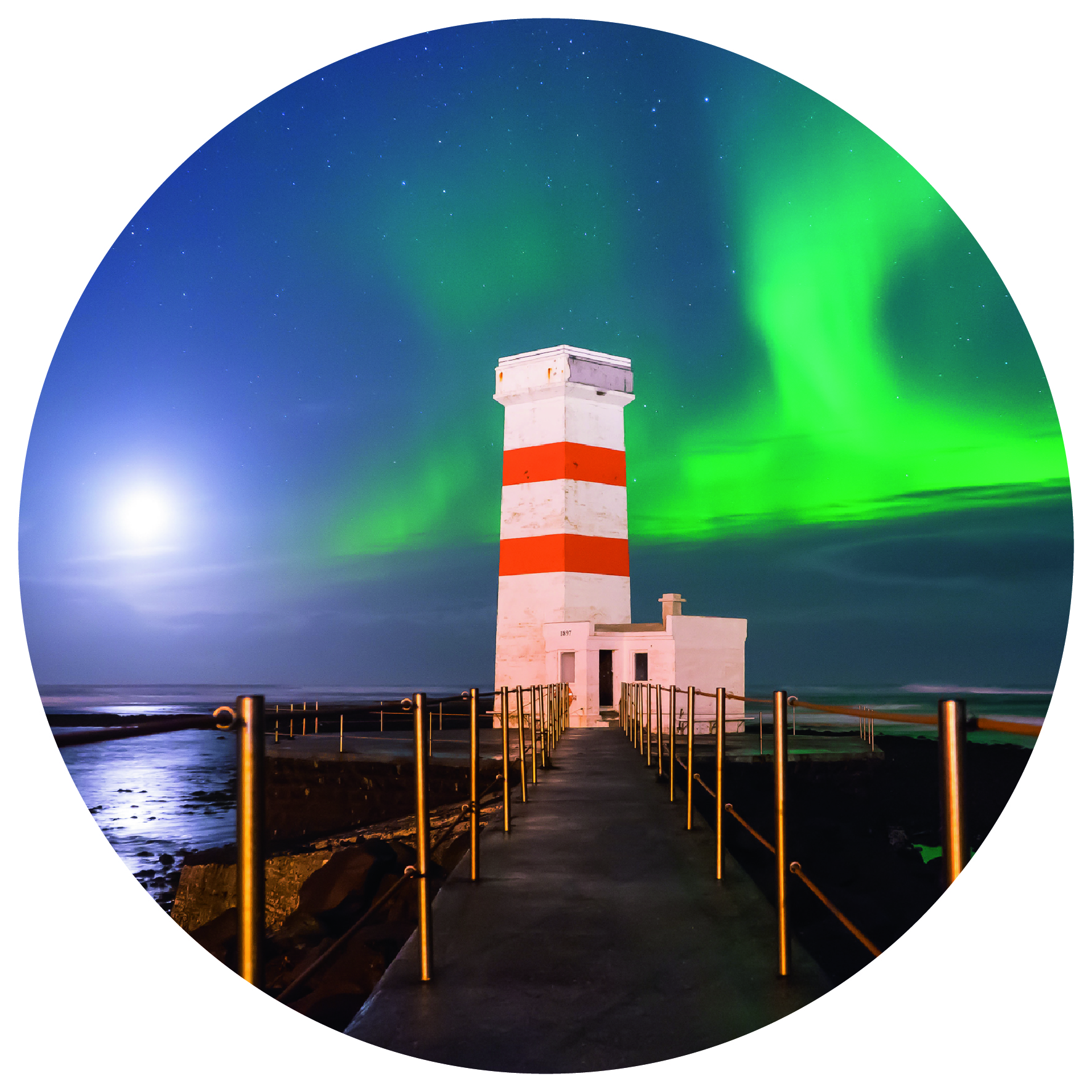
2. Garður Lighthouse: As far as you can go!

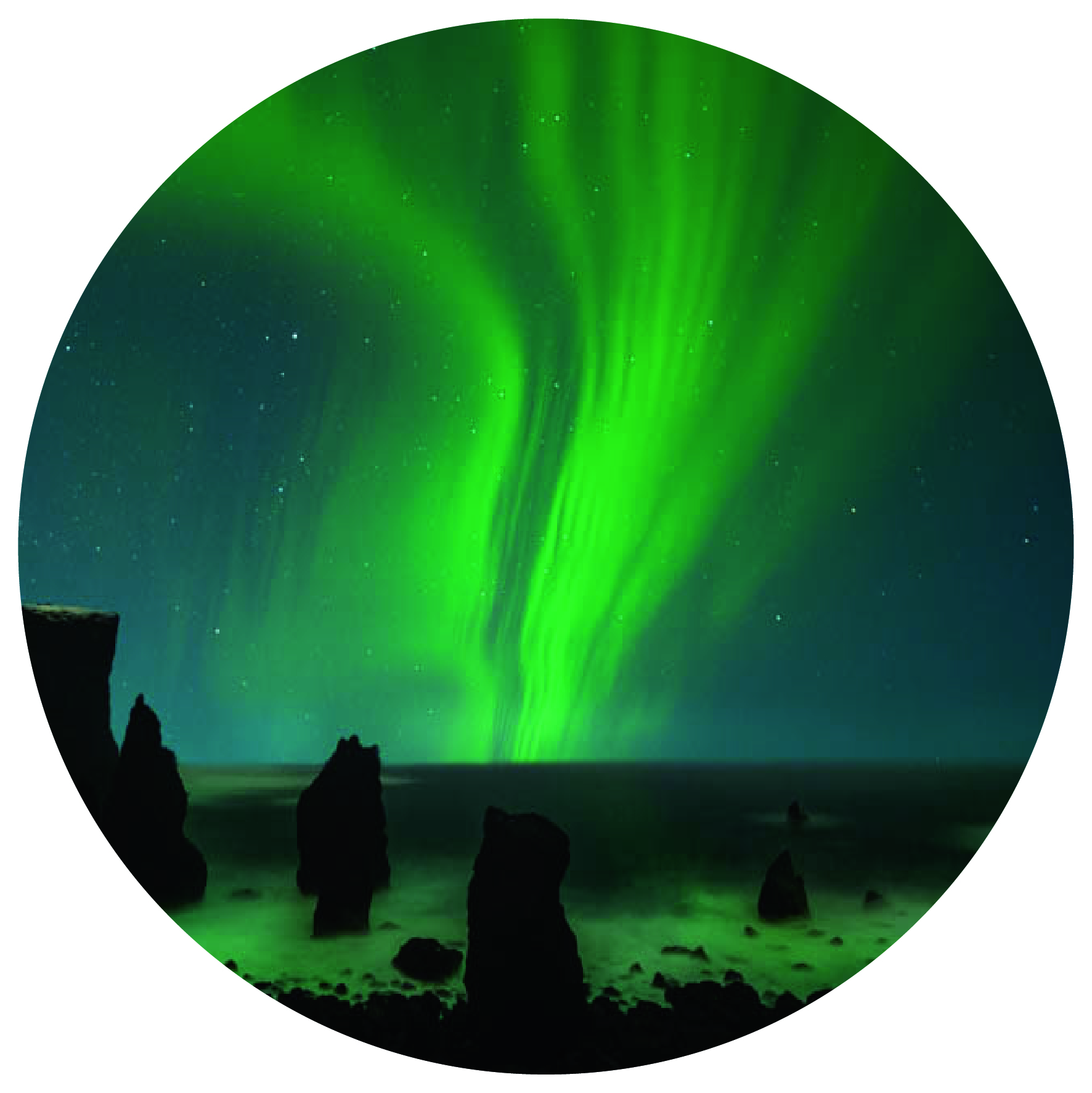
3. Les falaises de Reykjanesviti : la nature à l'état brut !
The building is surrounded by rugged cliffs, volcanic landscapes, and geothermal hot springs. Just offshore, dramatic sea stacks rise from the ocean, adding a striking element to the scene. At this unique spot, can be found unobstructed views over the North Atlantic, perfect for Northern Lights enthusiasts. The auroras dancing over the lighthouse, with the sea stacks silhouetted against the vibrant sky, create a mesmerizing and unforgettable experience. Reykjanesviti is truly an ideal destination for those seeking a scenic and secluded spot to witness the magic of the Northern Lights.
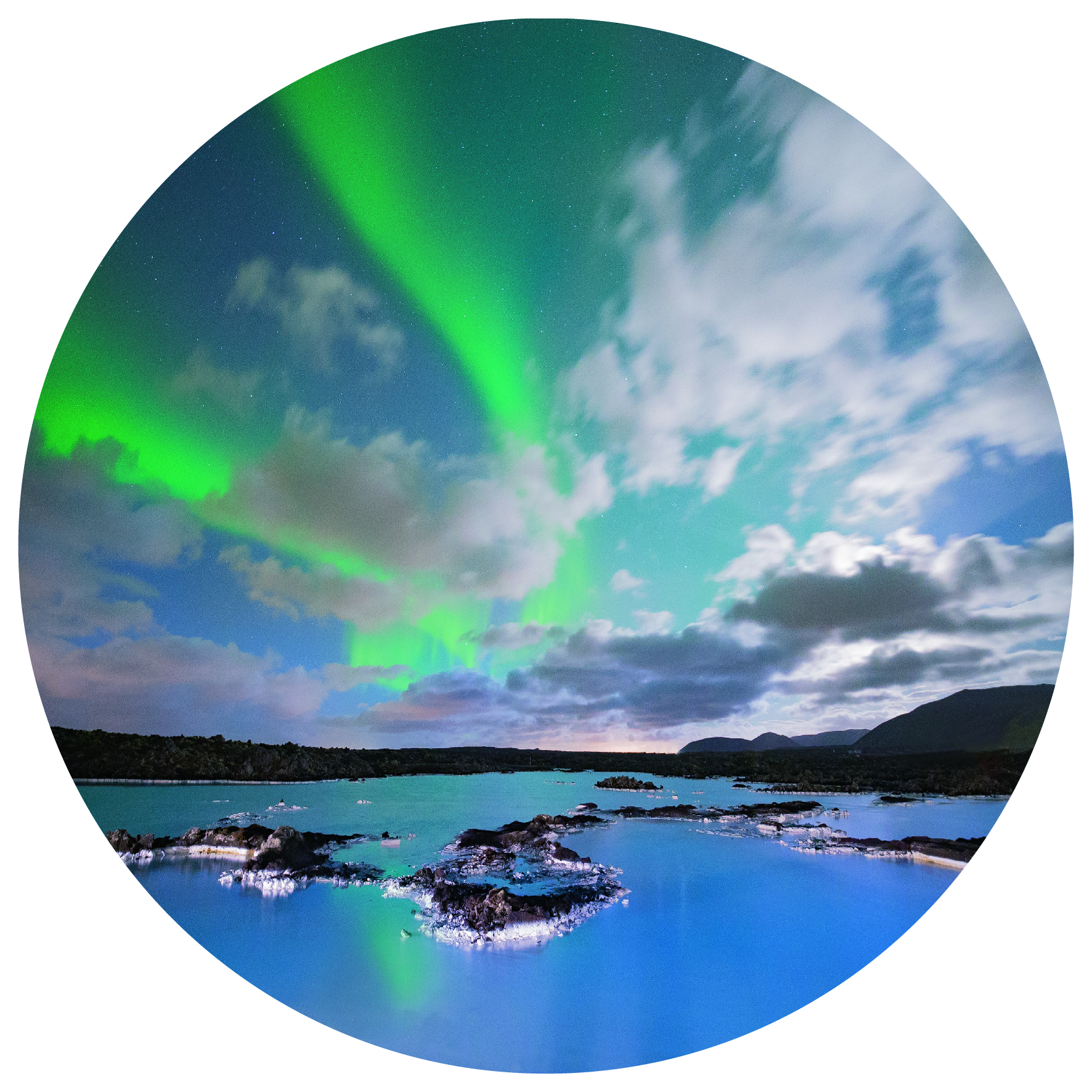
4. Lagon bleu : Alliez confort et beauté !
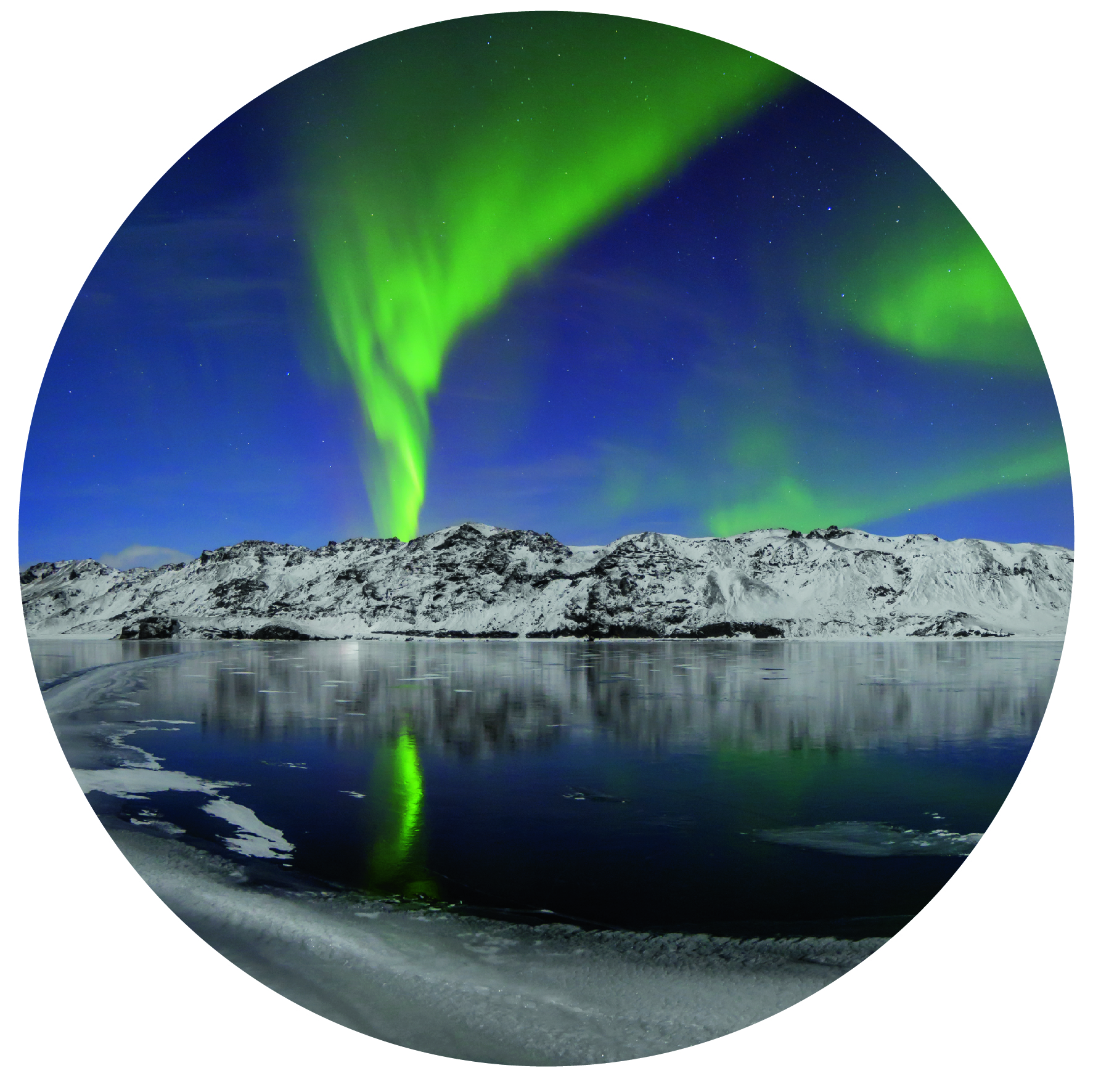
Lac Kleifarvatn : laissez-vous inspirer par le calme !
There are several small parking lots along the road, with different view points.
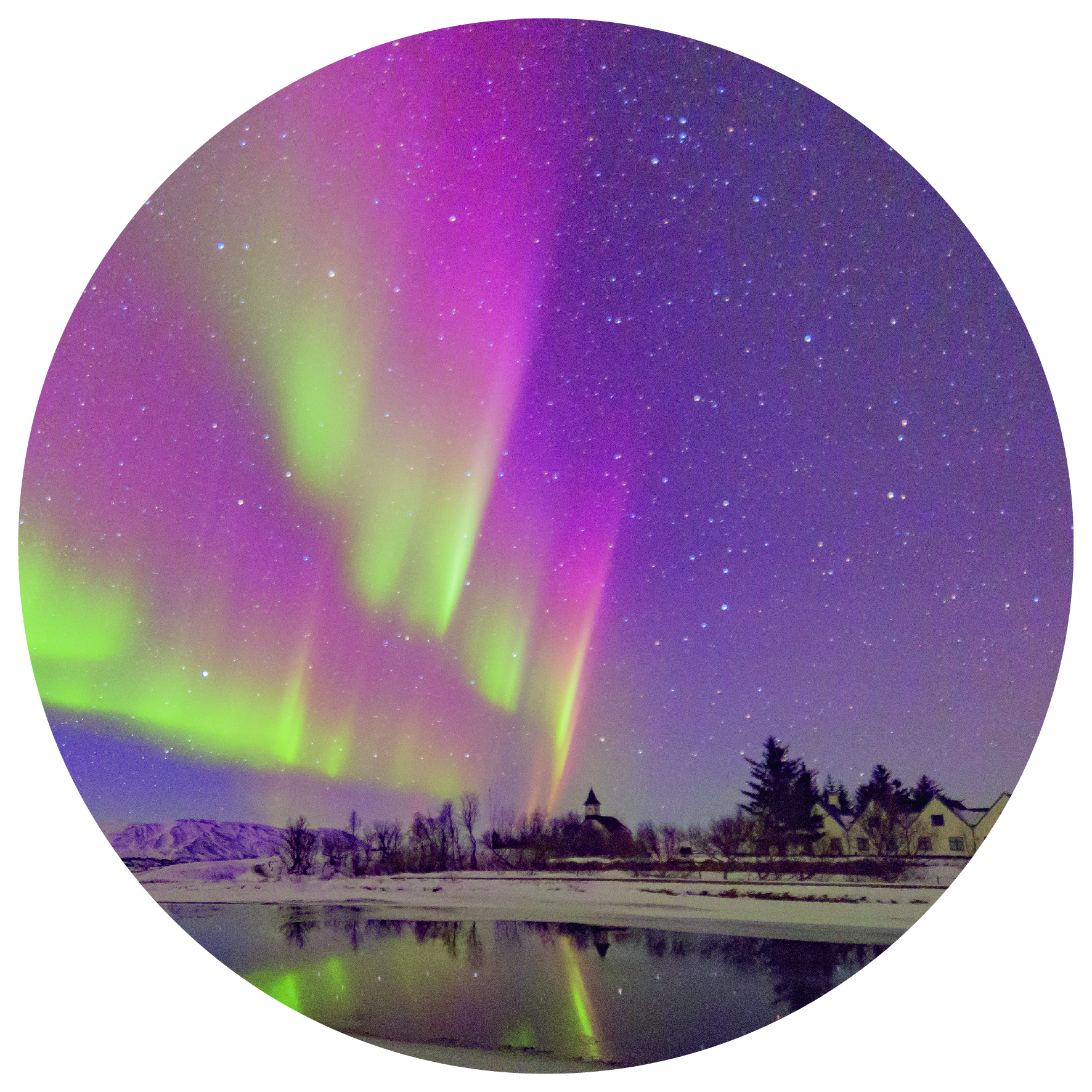
6. Þingvellir National Park: See the lights between the continents!
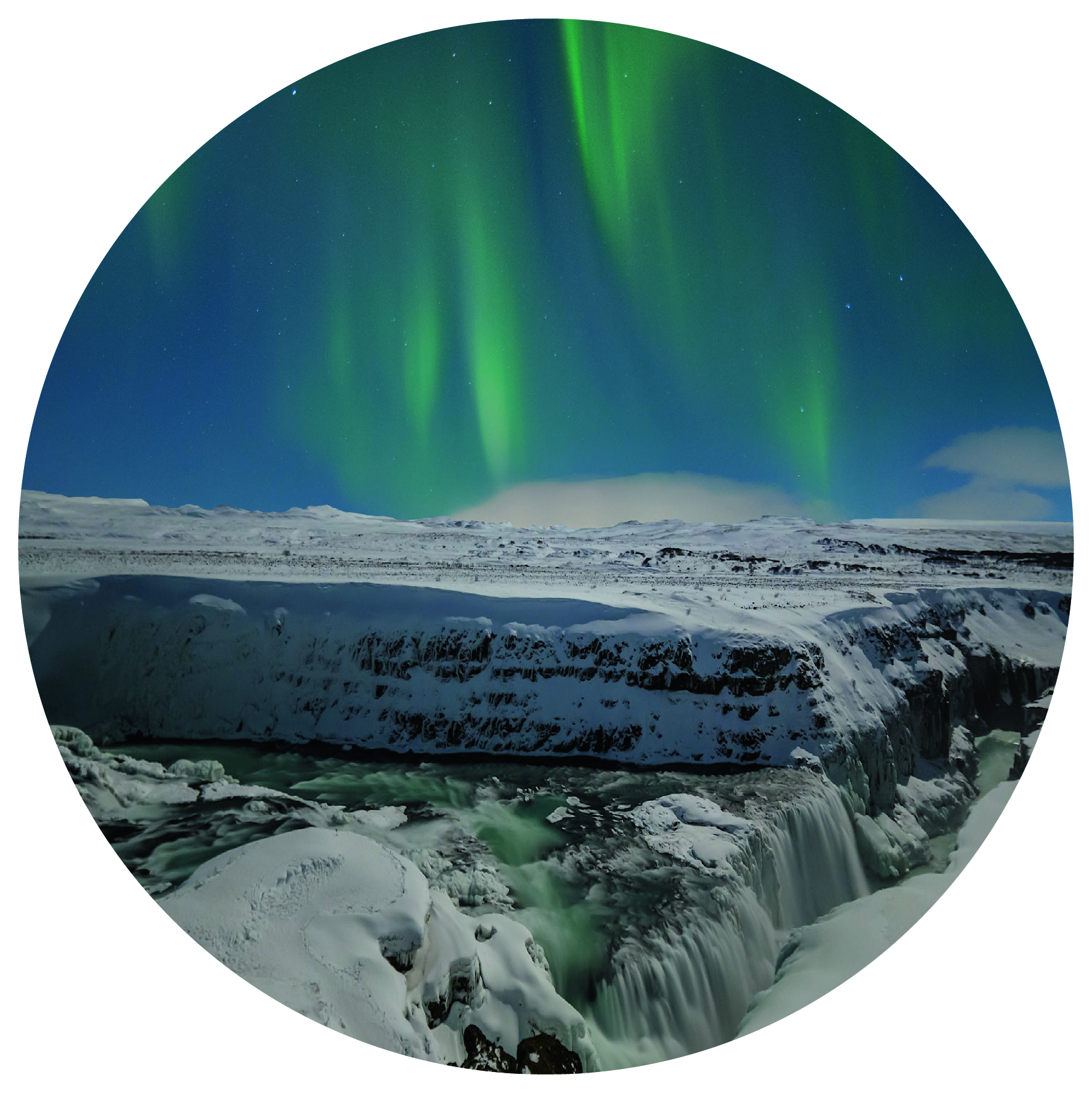
7. Cascade de Gullfoss : Une véritable aventure !
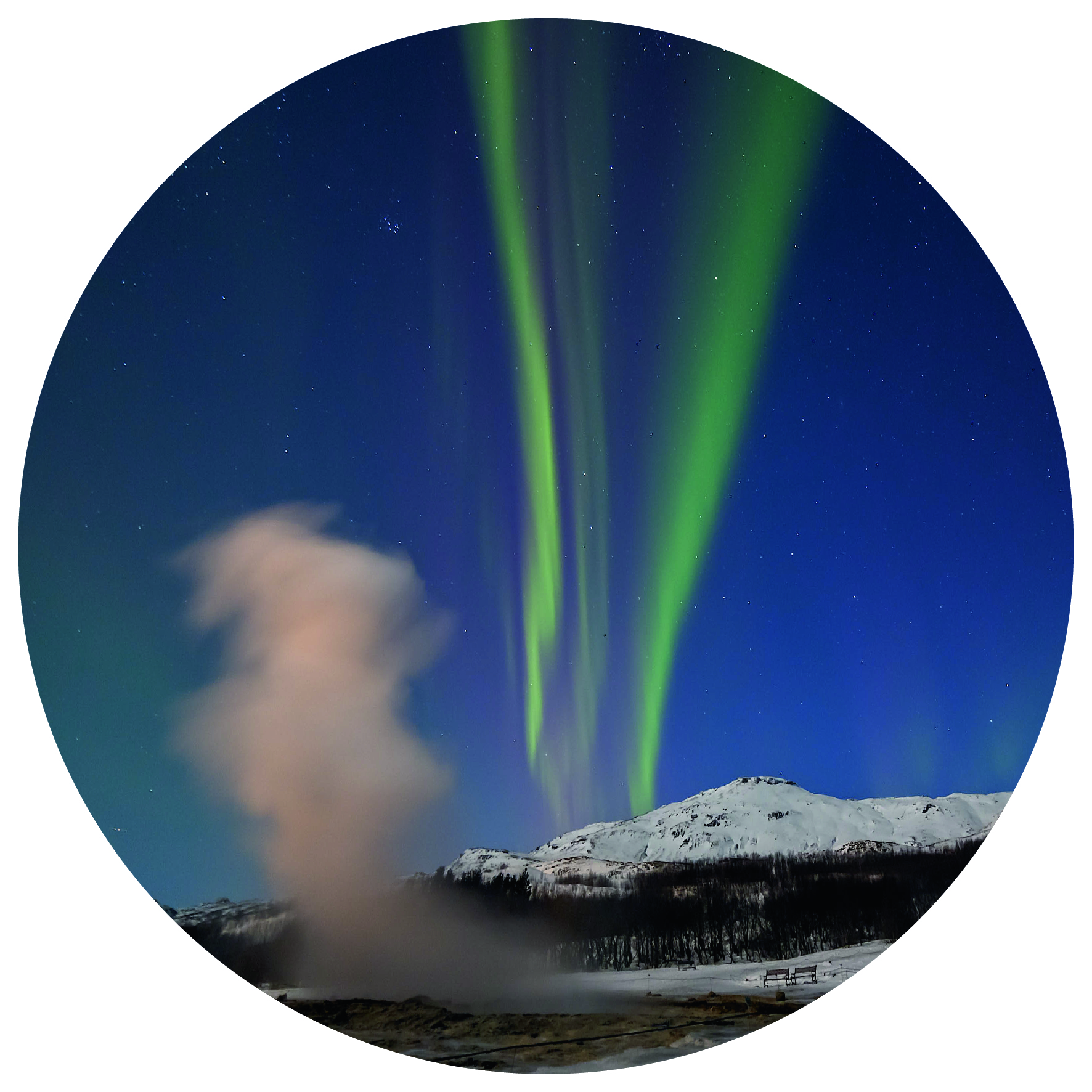
8. Zone géothermique de Geysir : Doublez la surprise, doublez le plaisir !
Voici quelques conseils pour profiter au maximum de votre visite :
- Le positionnement est essentiel : Arrivez tôt pour repérer les meilleurs angles. Placez-vous légèrement hors du centre pour éviter les éclaboussures lors de l'éruption du Strokkur, et choisissez un endroit offrant une bonne vue sur le paysage environnant pour plus de profondeur dans vos prises de vue.
- Connaissez le timing : Le Strokkur entre en éruption environ toutes les 5 à 10 minutes, alors préparez votre appareil photo. Utilisez une vitesse d'obturation rapide pour figer l'instant explosif ou ralentissez-le pour un effet plus doux et brumeux, surtout en basse lumière.
- Capturing Northern Lights: If you’re photographing the auroras, a tripod is essential. Set your exposure between 5-15 seconds, depending on the light intensity, and adjust your ISO to capture enough detail without too much noise.
- Considérez le premier plan : Les bassins autour de Strokkur reflètent magnifiquement les aurores boréales. Placez le geyser comme point focal et utilisez ses reflets comme un élément supplémentaire, ou concentrez-vous sur les sources chaudes bouillonnantes pour un effet d'ambiance.
- Geysir isn’t just about capturing the perfect photo; it’s about embracing the moment, the anticipation of the eruption, and the dance of light and water. With a bit of patience and creativity, you’ll walk away with images that capture the soul of Iceland.
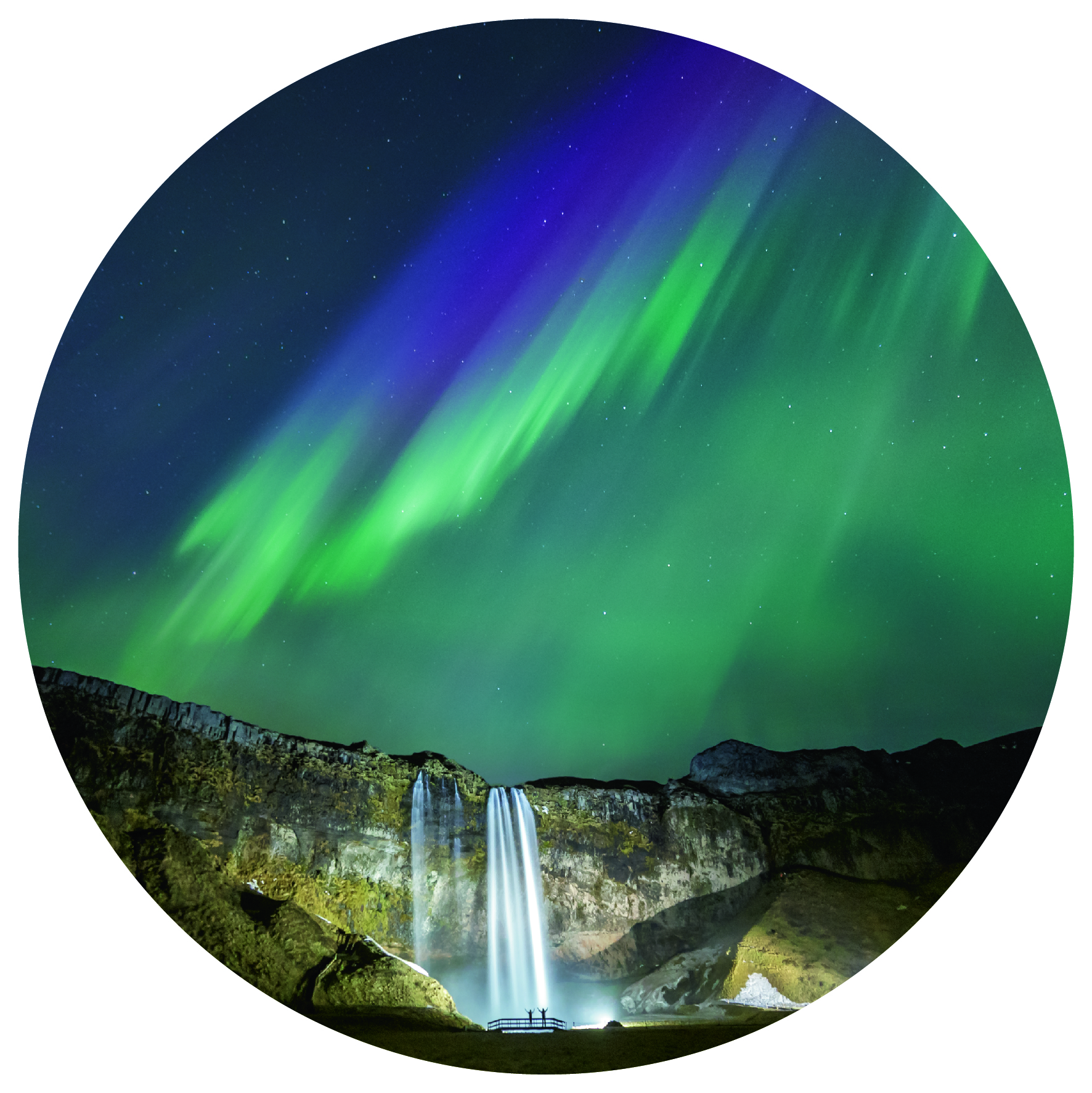
9. Chute de Seljalandsfoss : Capturez la magie de l'Islande !
Conseils de pro :
- Timing with Solar Activity: Seljalandsfoss faces west, which means you’ll need strong solar activity to catch the Northern Lights in the right spot.
- Finding the Best Angle: One of the most magical shots is from behind the waterfall, but it can get slippery and wet, especially at night. It’s better to walk a bit further away along the road, to get the full waterfall, but also leave enough space for the sky.
- Éléments de premier plan : Les embruns des chutes d'eau confèrent à vos photos un bel aspect brumeux. Expérimentez des compositions avec l'eau au premier plan et les aurores boréales en arrière-plan. Cet effet de superposition crée une image véritablement dynamique.
- Protect Your Gear: Be prepared for the spray—it can fog up your lens and make for a slippery walk behind the falls. Bring lens cloths and protective covers, especially if you’re trying for shots from behind.
- Soyez créatif avec la lumière : Essayez d'utiliser une source de lumière douce, comme une lampe frontale ou une lampe de poche à faible puissance, pour éclairer délicatement certaines parties du premier plan. Cela peut ajouter de la profondeur à votre photo, en mettant en valeur les détails des rochers et de l'eau sans masquer la lumière naturelle des aurores boréales. Seljalandsfoss est illuminée la nuit, ce qui complique les gros plans, à moins de superposer des images avec des temps d'exposition différents.
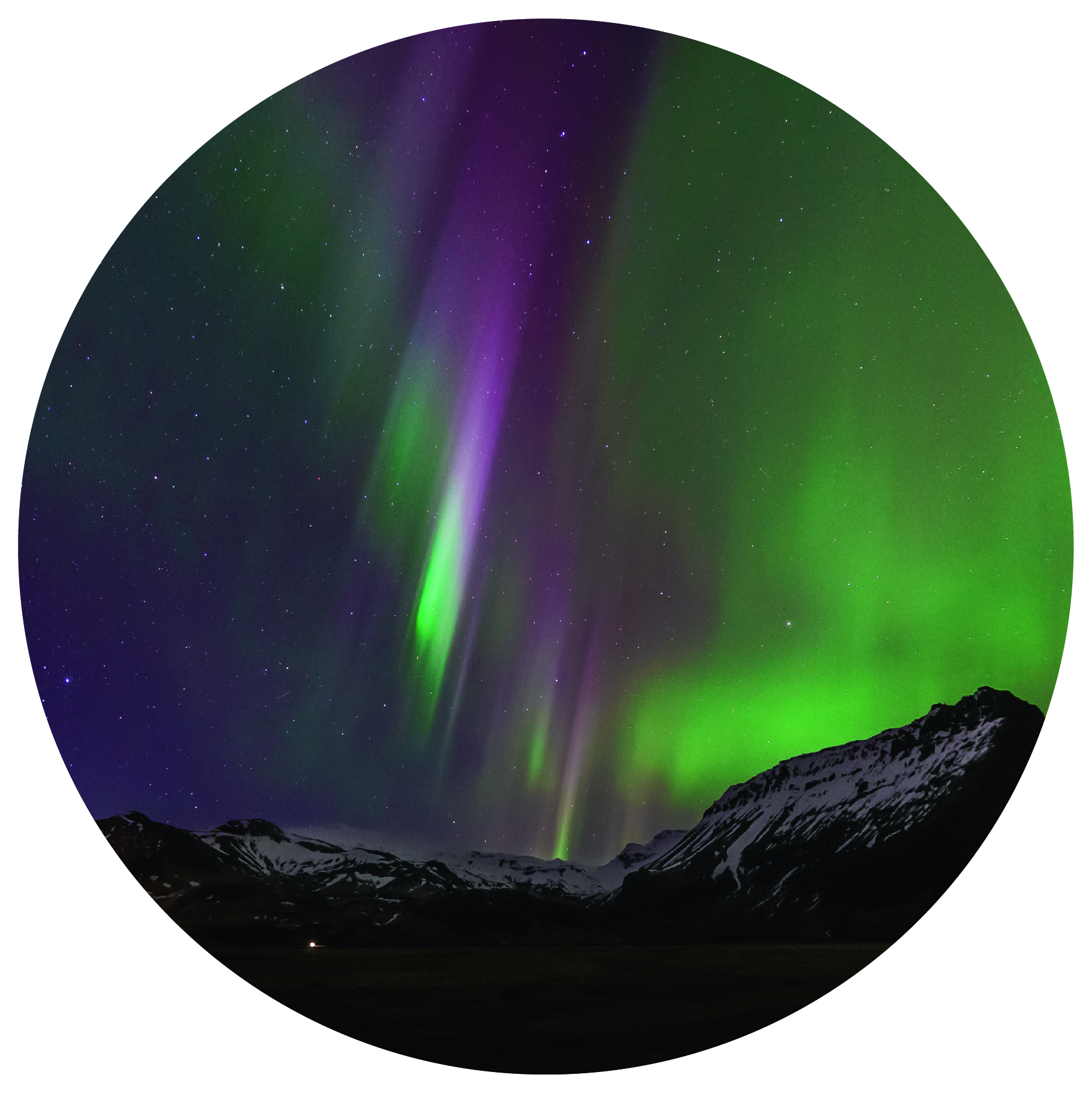
10. Eyjafjallajökull Volcano: The best that Iceland has to offers!
Voici quelques conseils pour capturer sa magie :
- Check Aurora and Weather Forecasts: The glacier sits at high elevation and can often be shrouded in clouds or mist. For aurora photography, you’ll need clear skies and moderate to high solar activity for the Northern Lights to be visible over the glacier.
- Find a Vantage Point: Eyjafjallajökull is vast, so finding a spot with an open view is essential. Look for higher ground nearby or fields in the surrounding area for a perspective that lets you capture both the glacier and the night sky. A wide-angle lens is ideal here to include both the expansive landscape and the auroras.
- Adjust for Darkness: The glacier and surrounding terrain can be quite dark at night. Use a tripod and set a long exposure—around 10-25 seconds—to capture detail in the glacier and sky. Keep your ISO between 1600-3200 and experiment with aperture settings to balance sharpness and light.
- Include Foreground Elements: If possible, incorporate some foreground elements like the rolling hills or even local landmarks such as the Þórsmörk valley, adding depth to your composition. The layers of land, glacier, and auroras create a powerful visual story.
- Be Prepared for Harsh Conditions: Iceland’s weather can be extreme around Eyjafjallajökull, especially at night. Bring protective covers for your gear and warm clothing for yourself. Strong winds and icy conditions can be common here, so be prepared to adapt quickly.
- Timing with Moonlight: If the Northern Lights are strong and the moon is out, the moonlight can illuminate Eyjafjallajökull, creating a striking contrast with the vibrant auroras above. This added light can bring out the glacier’s textures and add a subtle glow to the landscape.
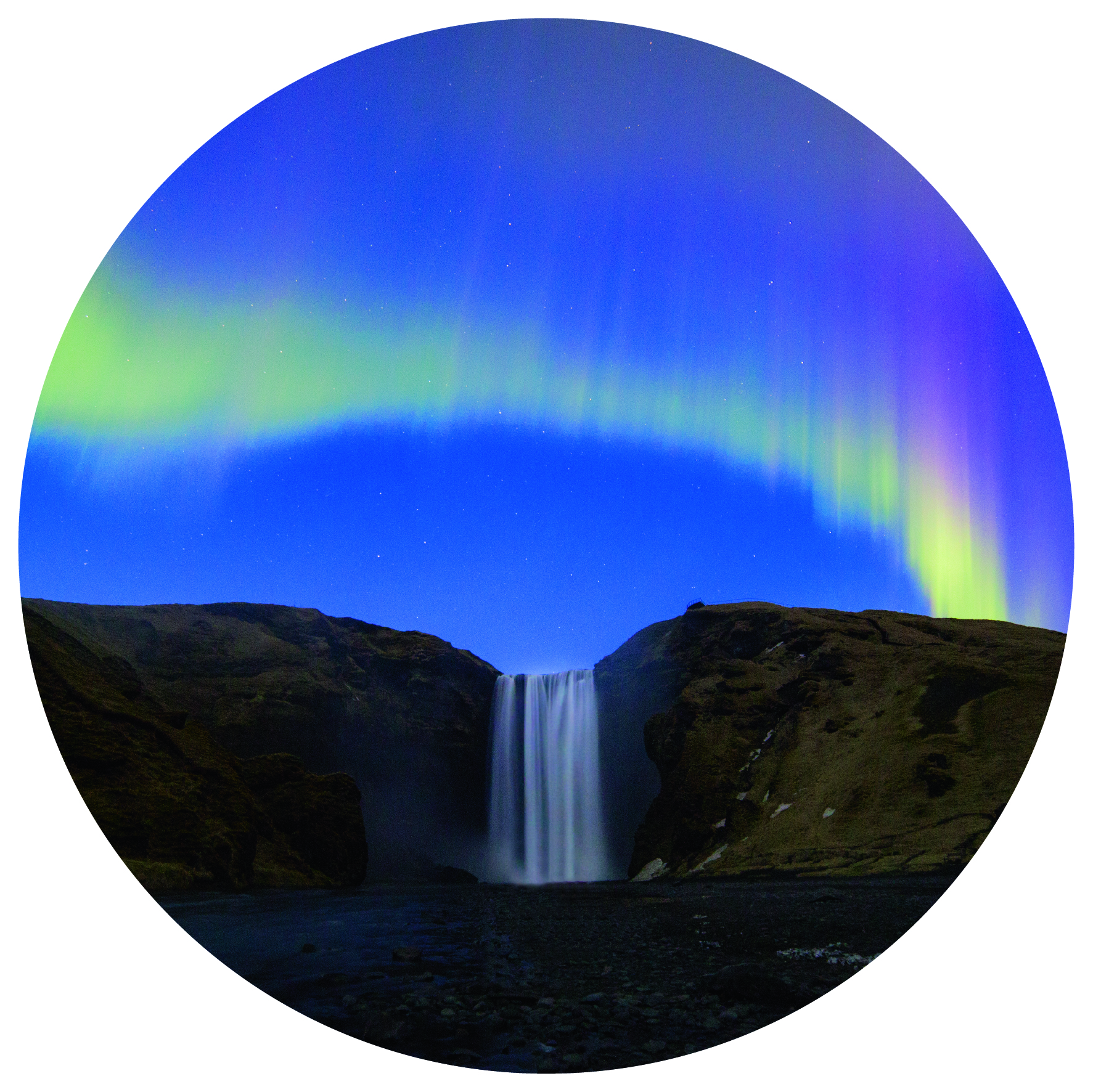
11. Skógafoss Waterfall: Pure Icelandic beauty!
Conseils de pro :
- Capturez l'aurore encadrée par la cascade pour une combinaison impressionnante de phénomènes naturels.
- Utilisez un objectif grand angle pour capturer toute la grandeur des chutes et du ciel au-dessus.
- Envisagez de photographier depuis la base de la cascade pour obtenir un premier plan spectaculaire.
- La brume de la cascade peut donner lieu à des prises de vue intéressantes à longue exposition, où les lumières se reflètent sur les embruns.
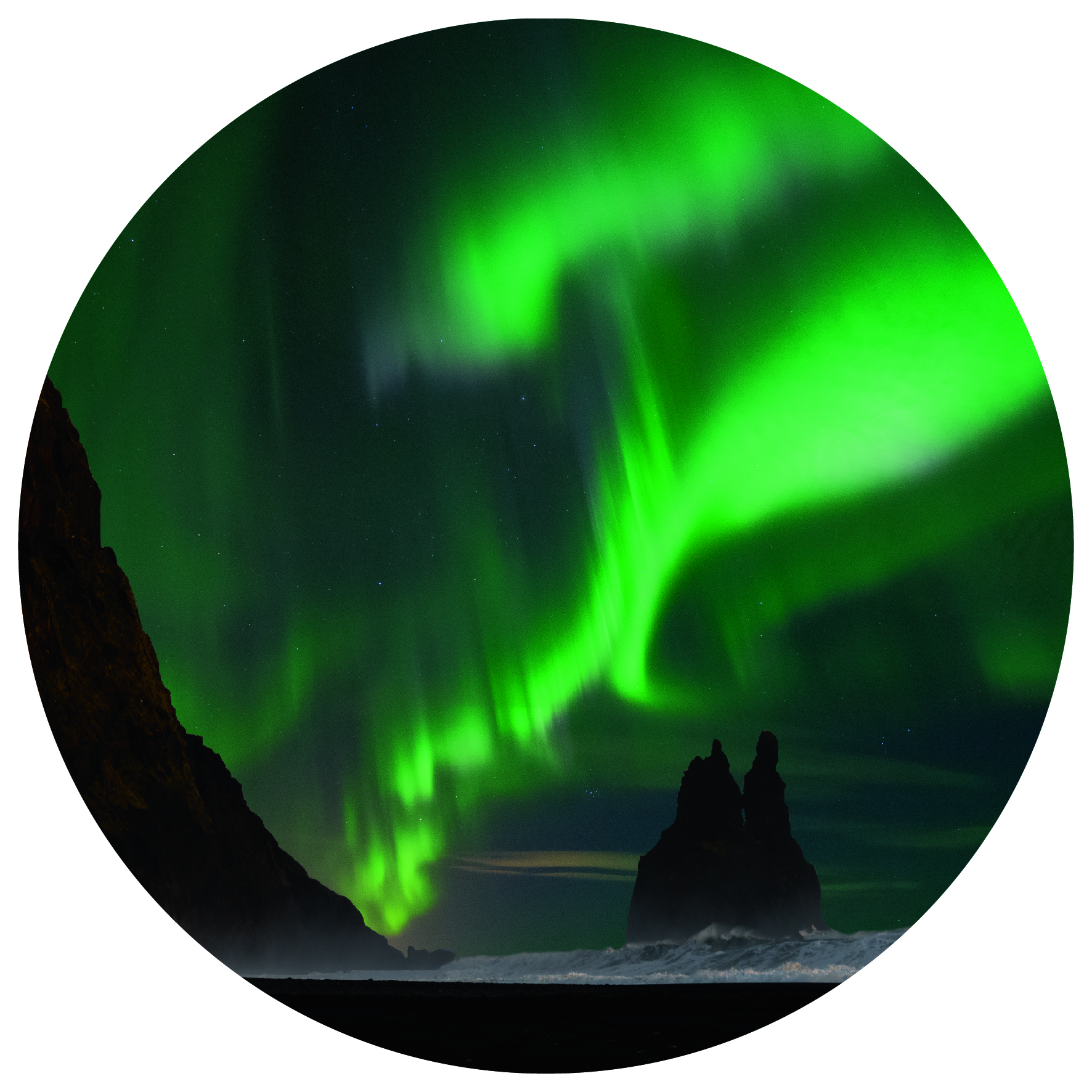
12. Plage de Reynisfjara : ajoutez du frisson à votre chasse aux aurores boréales !
Conseils de photographie :
- Utilisez les colonnes de basalte comme éléments de premier plan pour encadrer l’aurore.
- Capturez les reflets des aurores boréales sur le sable noir humide après le retrait de la marée.
- Un trépied robuste est essentiel pour lutter contre les forts vents côtiers lors de longues expositions.
Accessibilité:
Reynisfjara est accessible toute l'année, mais soyez toujours prudent car des vagues en baskets peuvent se former. Restez à au moins 30 mètres de la ligne de flottaison.
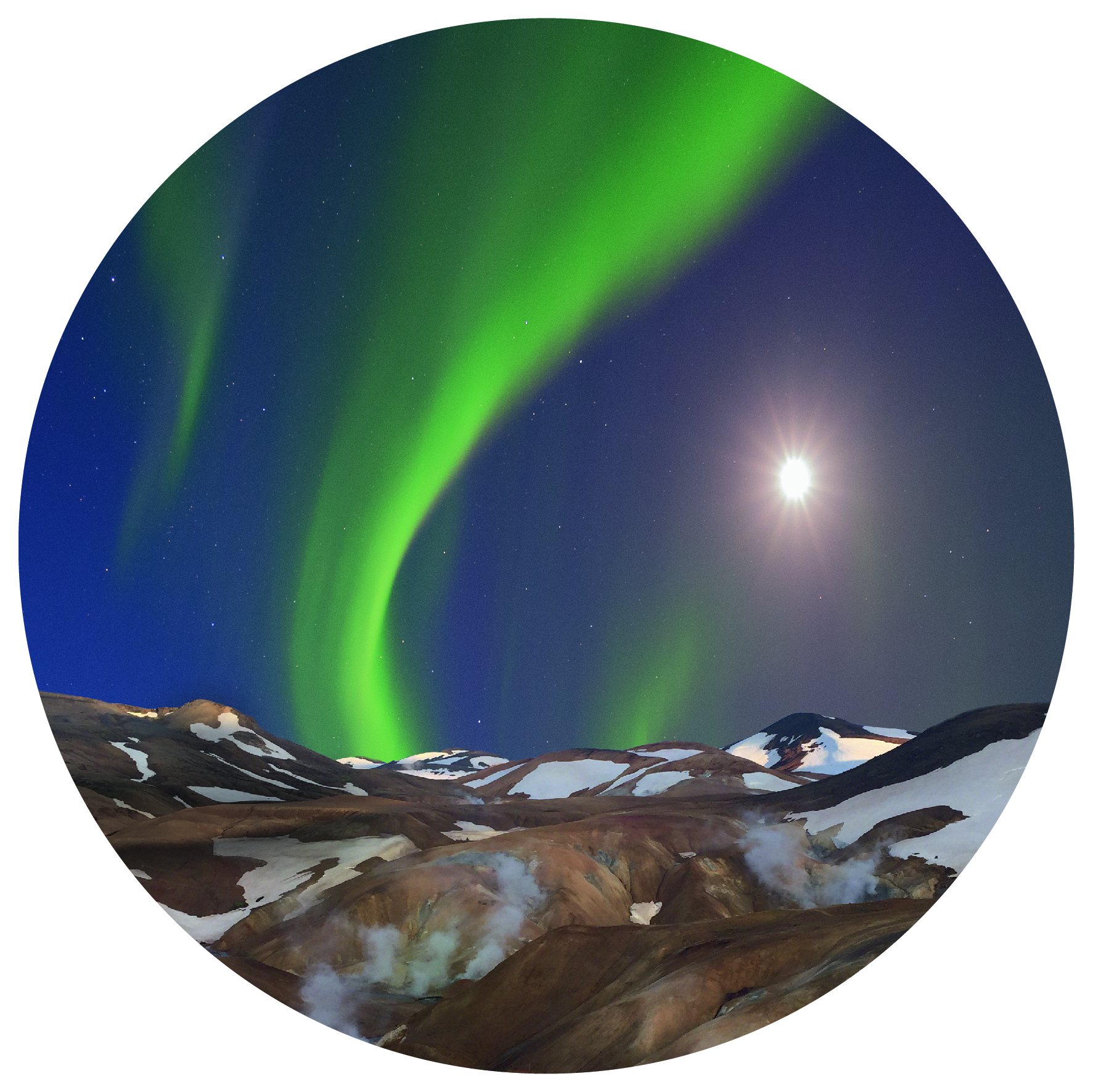
13. Kerlingarfjöll: Auroras and steam, the perfect combination!
Conseils de pro :
- Capturez le contraste entre l’aurore boréale et les cheminées géothermiques fumantes.
- Un objectif grand angle vous aidera à inclure le paysage et le ciel spectaculaires.
- Prévoyez votre visite au début de l’automne ou à la fin du printemps, lorsque les routes des hautes terres sont praticables.
Accessibilité:
Kerlingarfjöll is typically accessible from late June to early September. Roads may require a 4×4 vehicle.
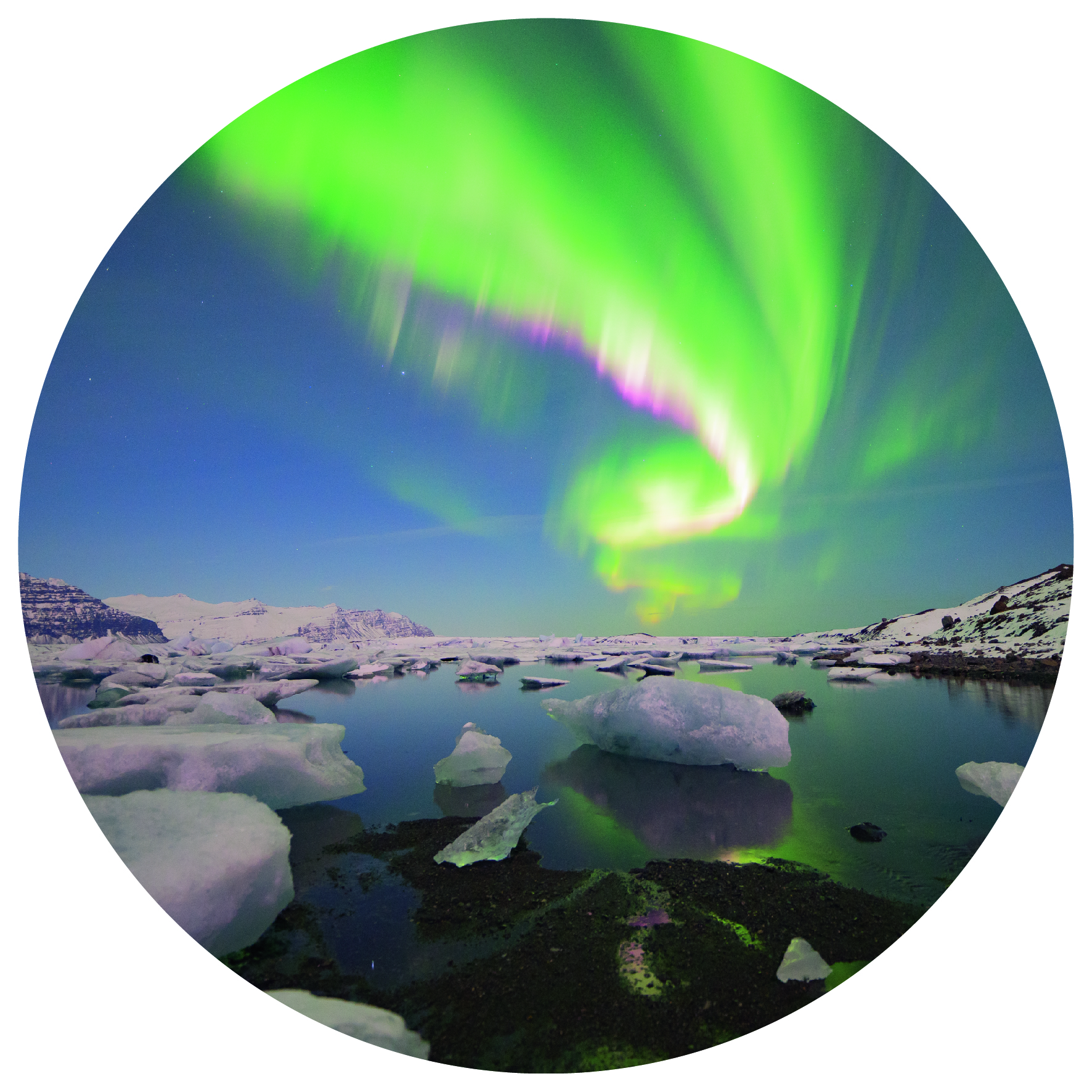
14. Jökulsárlón Glacier Lagoon: We put the ice in Iceland!
Conseils de photographie :
- Capturez les aurores boréales alors qu'elles se reflètent sur les eaux calmes du lagon pour un effet miroir époustouflant.
- Utilisez les icebergs flottants comme éléments de premier plan pour ajouter de l’échelle et du drame à vos prises de vue.
- Pour une perspective unique, photographiez depuis différents endroits le long du rivage pour obtenir différents angles de l'aurore et de la glace.
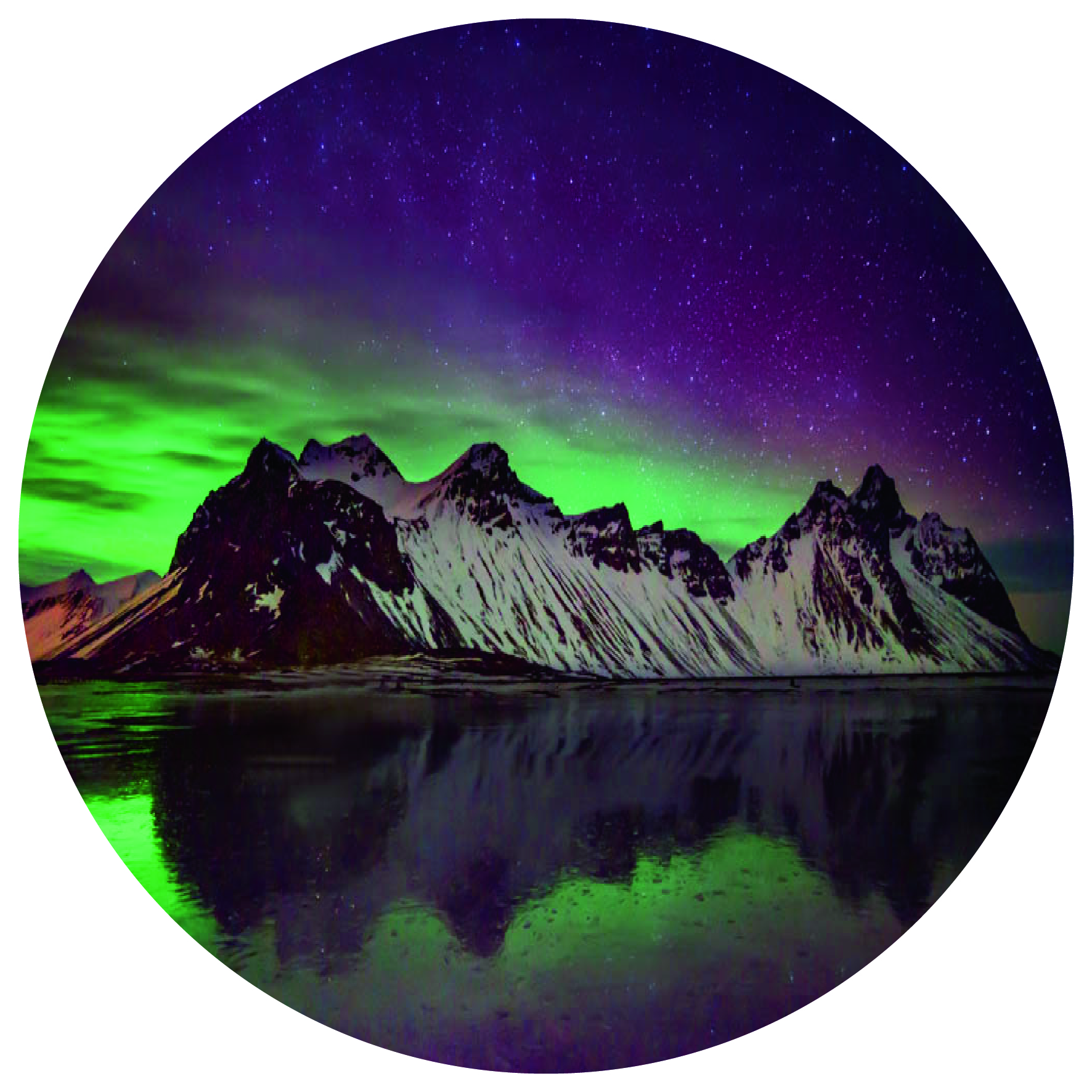
15. Vestrahorn : Capturez le mur de lumière !
Conseils de photographie :
- Utilisez les dunes de sable noir et les bassins de marée peu profonds au premier plan pour créer de superbes reflets de l'aurore et des sommets du Vestrahorn.
- Un objectif grand angle est essentiel pour capturer à la fois les aurores boréales et les montagnes imposantes en une seule prise de vue.
- Pour des résultats spectaculaires, photographiez à marée basse lorsque les reflets sur le sable mouillé sont plus prononcés.
- Soyez attentif aux vents côtiers, surtout en hiver, et habillez-vous chaudement lorsque vous attendez l’apparition des lumières.
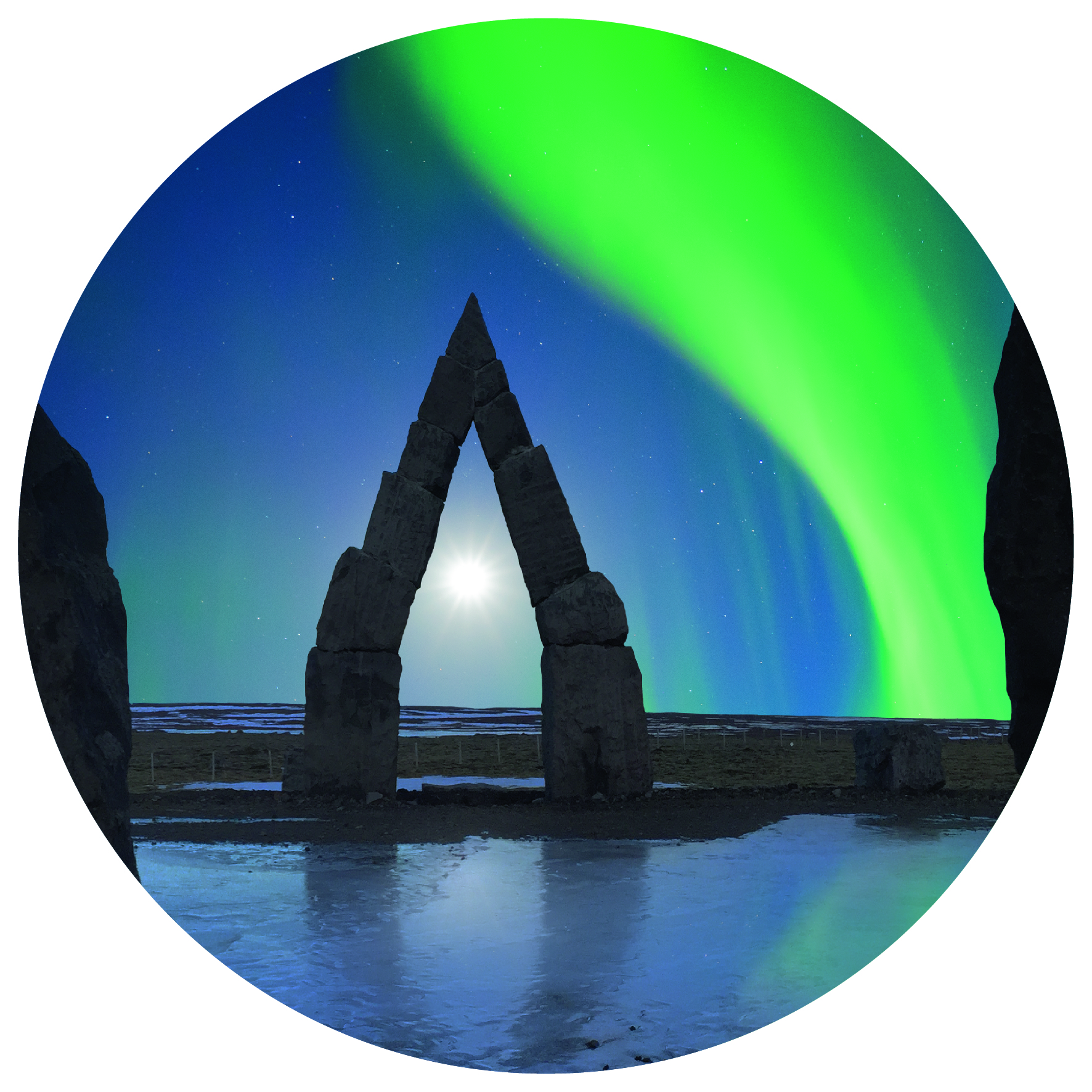
16. Arctic Henge : le plus au nord possible !
17. Chute de Dettifoss : Profitez-en quand vous le pouvez !
Conseils de pro :
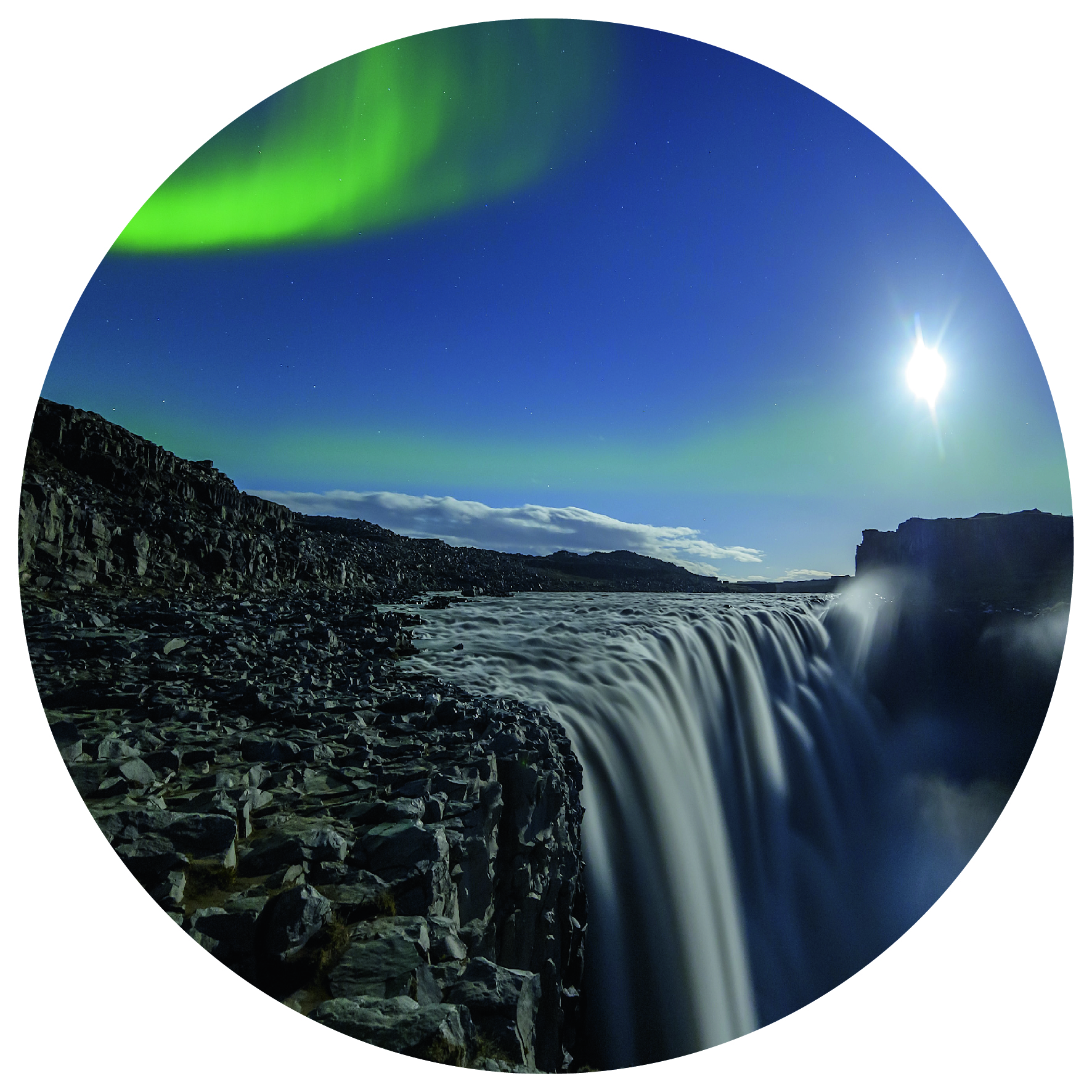
- Positionnez-vous à distance pour capturer toute la cascade sous l'aurore.
- Long exposures will soften the water’s movement while emphasizing the aurora’s brightness.
- Utilisez un équipement imperméable pour protéger votre équipement de la brume et des projections.
Accessibilité:
Dettifoss est généralement accessible en été. En hiver, les routes sont souvent fermées à cause de la neige et du verglas.
18. Chute d'Aldeyarfoss : L'effort en vaut la peine !
Conseils de photographie :
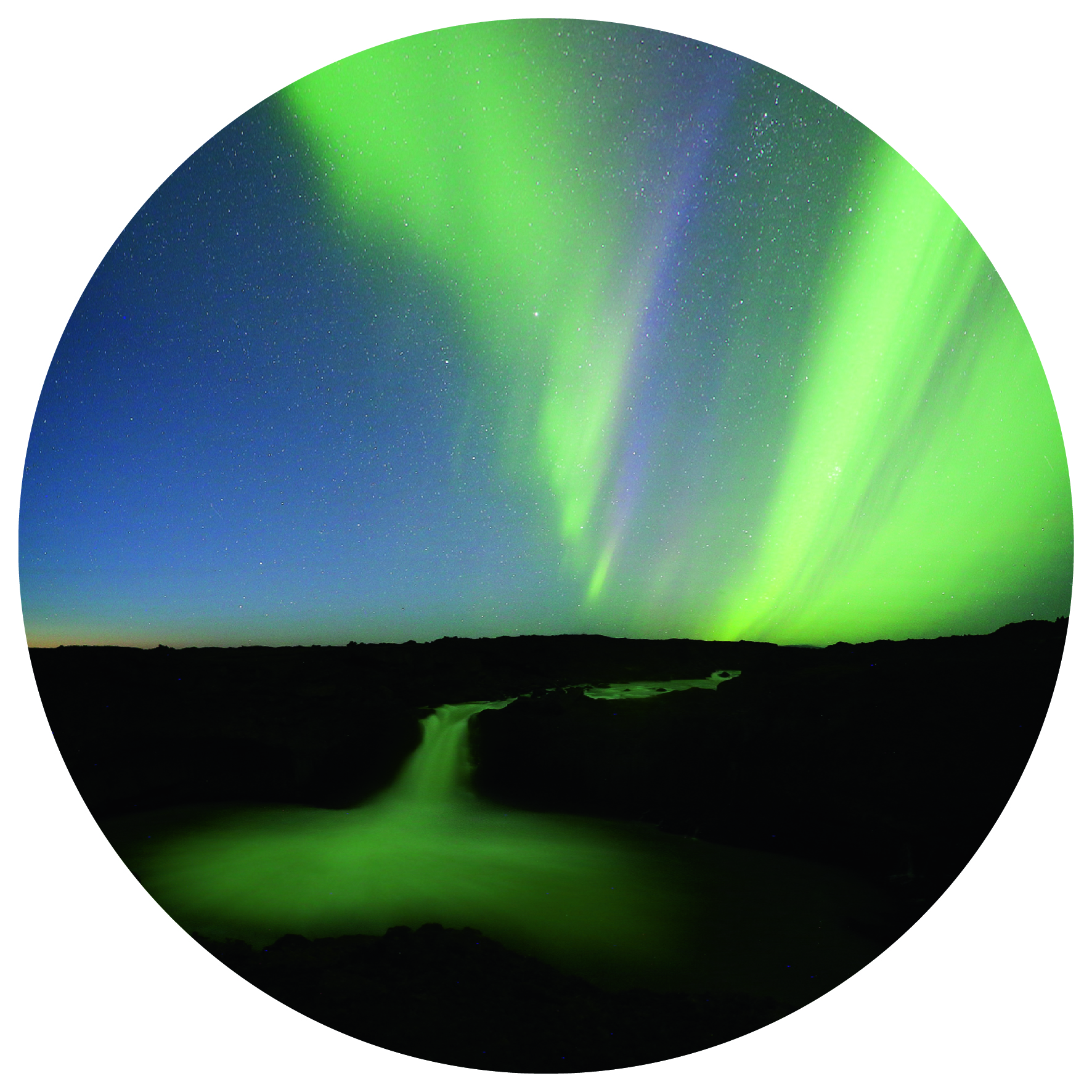
- Encadrez la cascade avec les colonnes de basalte et l'aurore pour une composition dynamique.
- Shoot long exposures to blur the water’s motion while keeping the aurora crisp.
- Portez des crampons pour parcourir les sentiers glacés en toute sécurité pendant l’automne ou le début de l’hiver.
Accessibilité:
À visiter de préférence en été ou en automne, avant que les fortes chutes de neige ne bloquent l'accès. Un véhicule 4×4 est recommandé.
19. Lake Mývatn: See it to believe it!
Conseils de photographie :
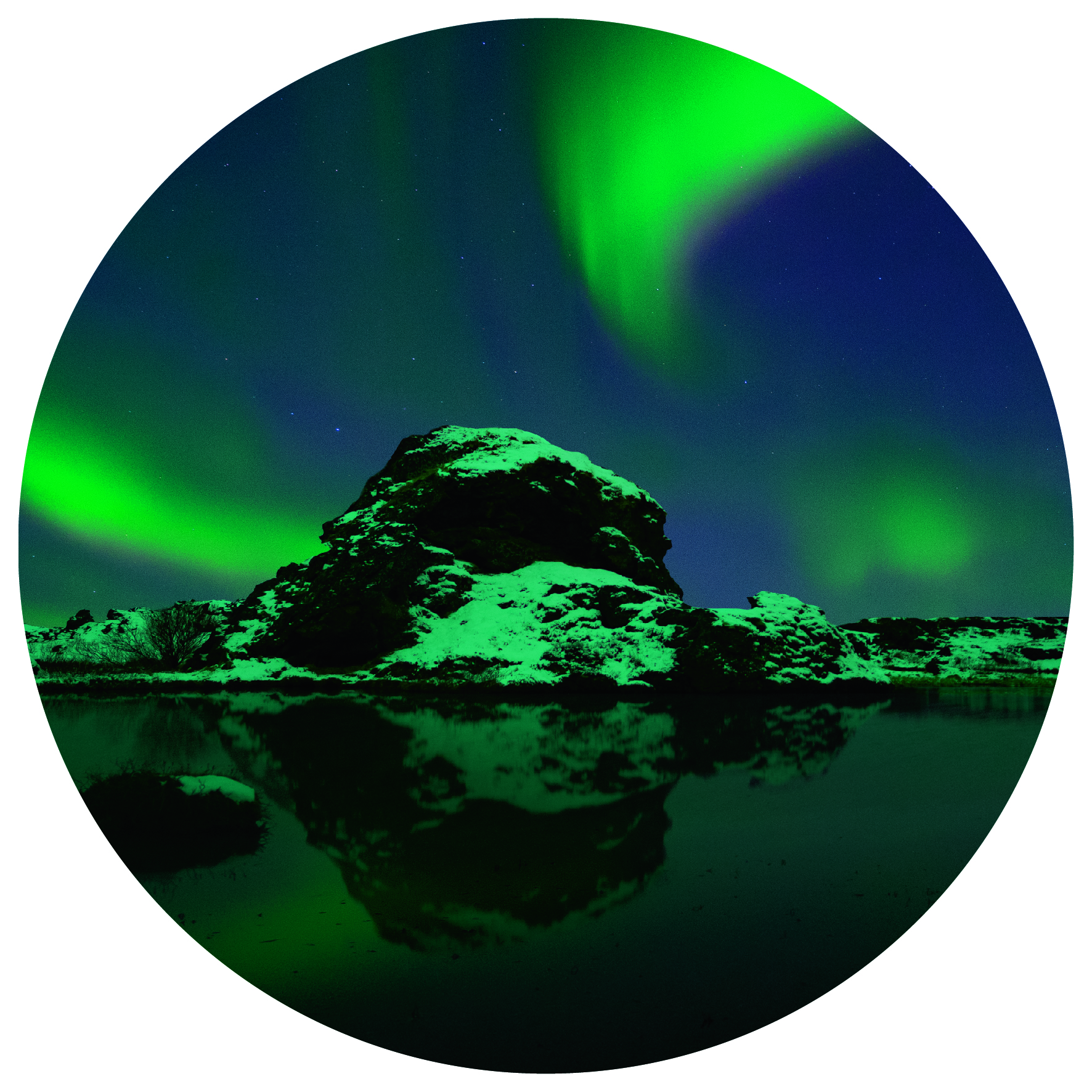
- Focus on reflections in the lake’s still surface for a dramatic effect.
- Utilisez les pseudo-cratères ou les formations de lave comme éléments de premier plan.
- Repérez les emplacements pendant la journée pour trouver le point de vue idéal pour une vue dégagée.
Accessibilité:
Lake Mývatn is accessible year-round, but icy roads in winter may require caution.
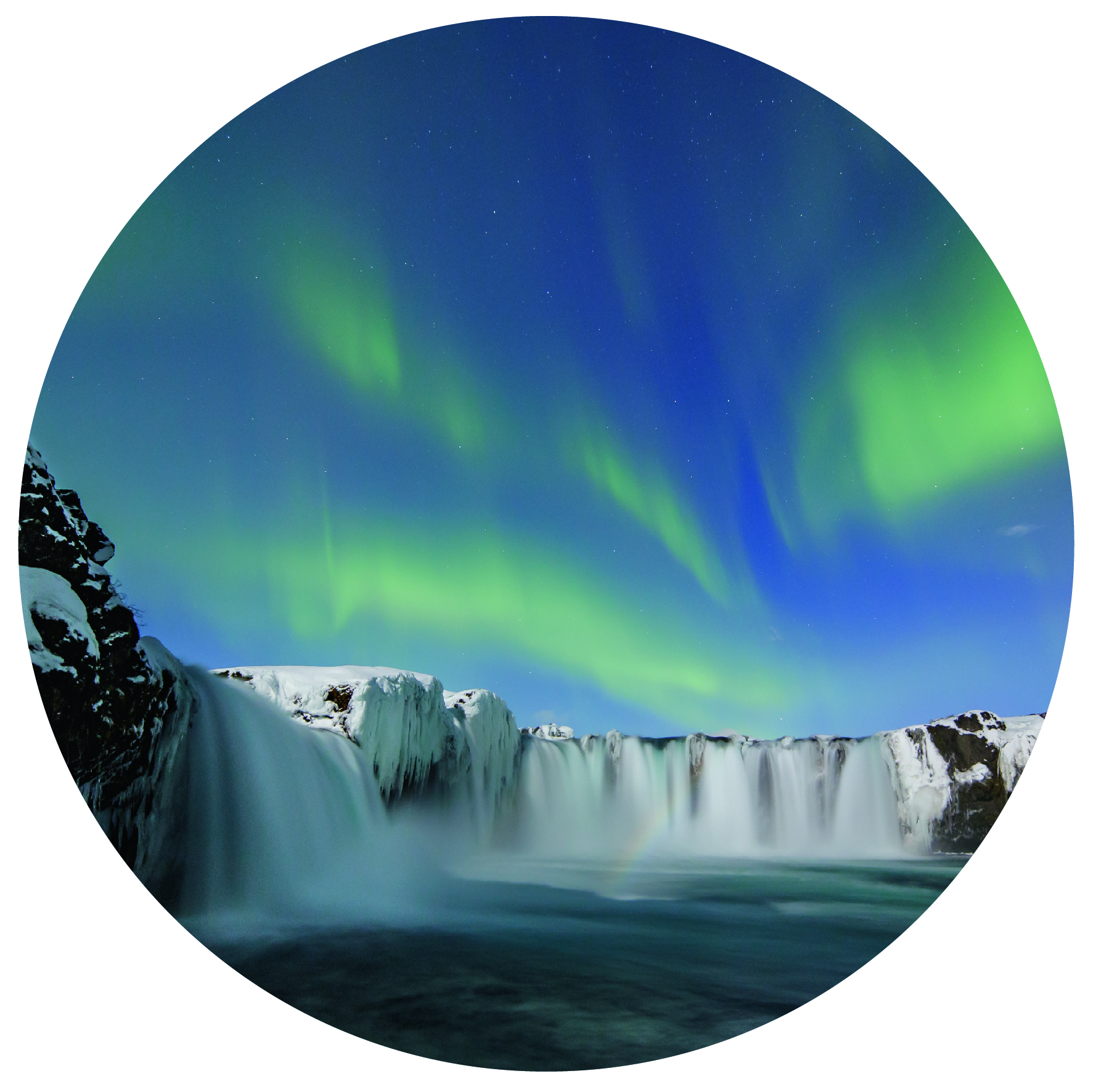
20. Goðafoss Waterfall: Get close to Valhalla!
21. Pic Hraundrangar : Laissez-vous emporter par la magie de l’Islande !
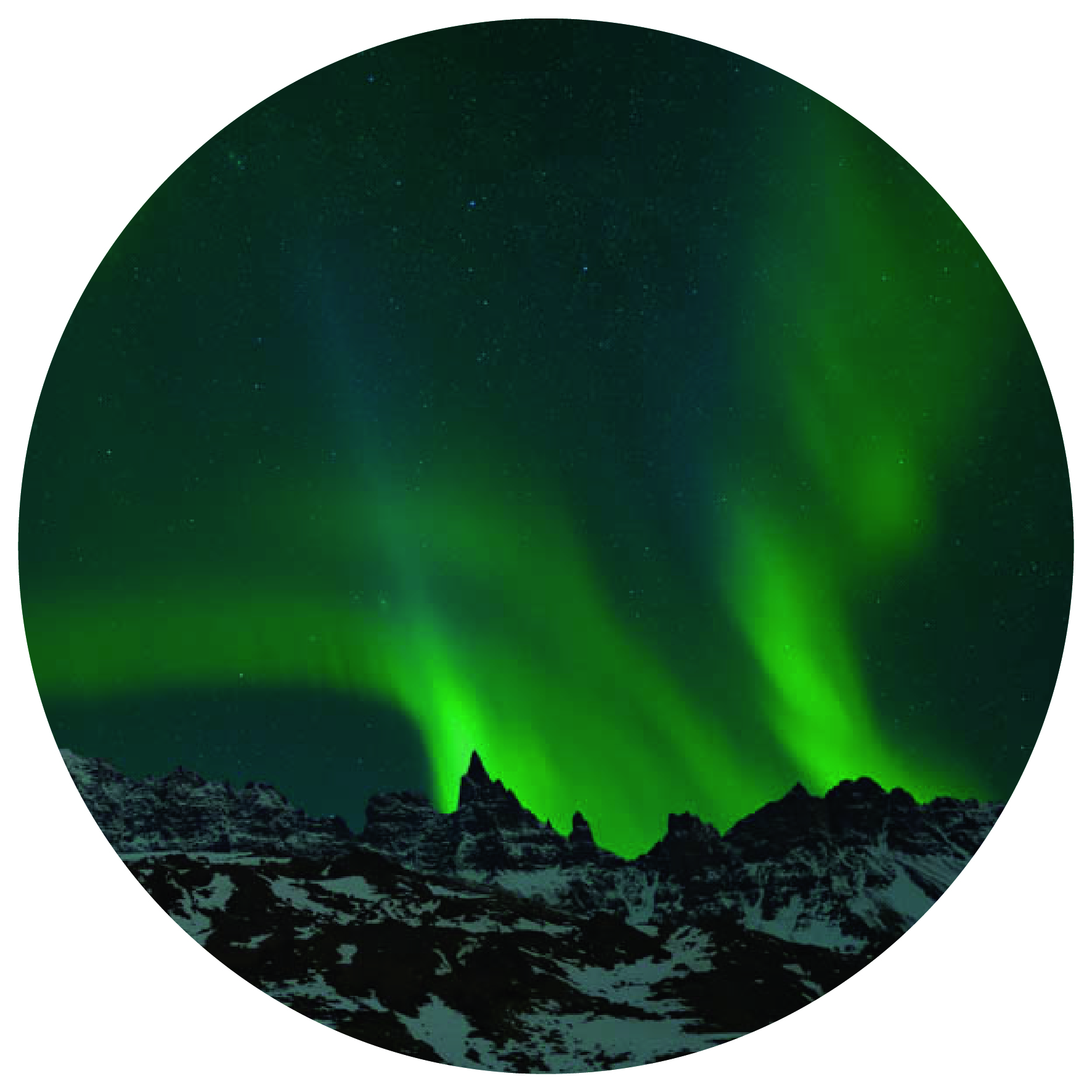
Conseils de pro :
- Utilisez le pic comme élément central, créant ainsi un point focal spectaculaire.
- Incluez des éléments de premier plan tels que des rochers recouverts de neige ou de la végétation pour ajouter de la profondeur.
- Expérimentez avec des expositions plus longues pour capturer le mouvement des aurores et des étoiles environnantes.
Accessibilité:
Hraundrangar est accessible toute l'année, mais les conditions hivernales peuvent nécessiter une navigation prudente sur les routes glacées.
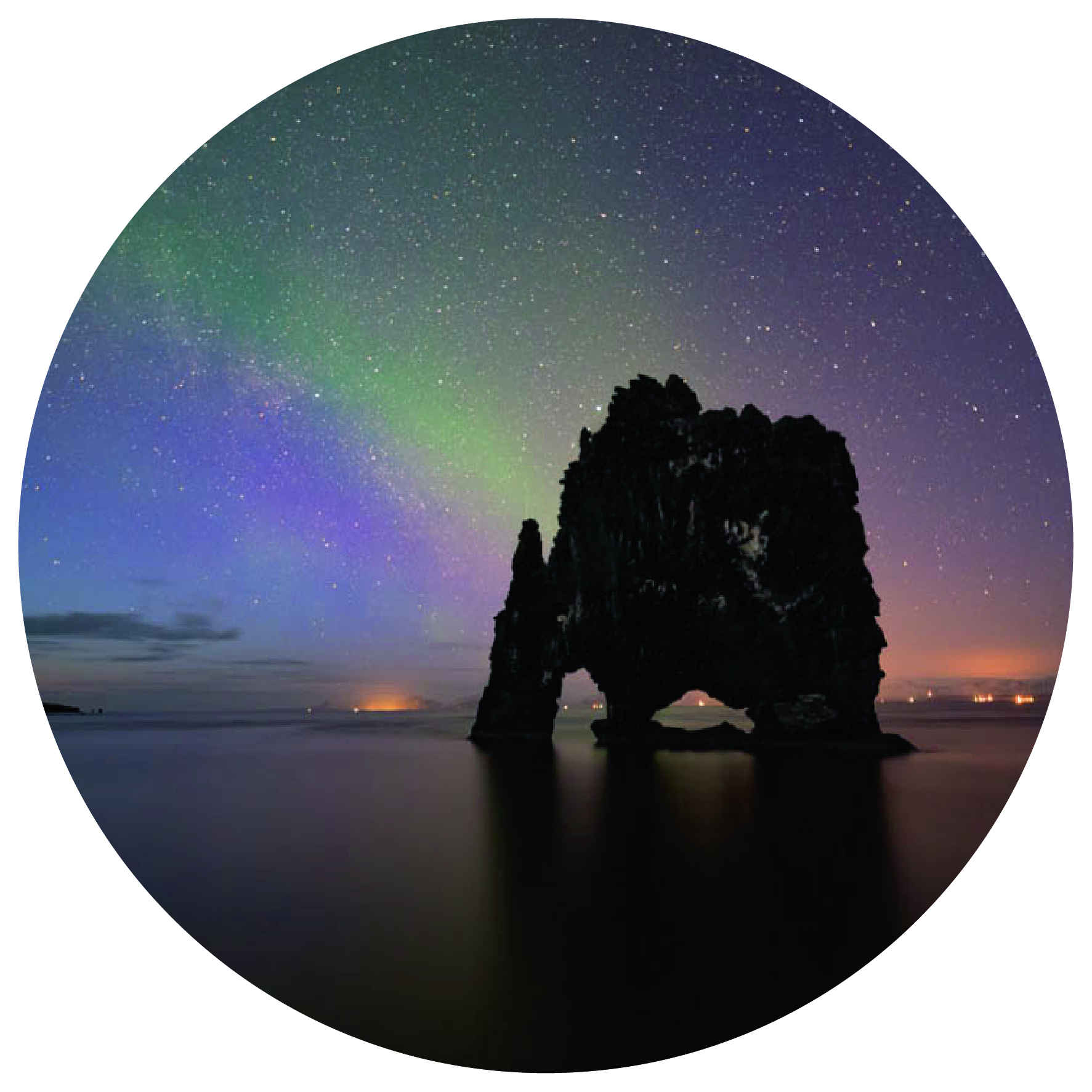
22. Hvítserkur: Are you ready to face the Troll?
Conseils de photographie :
- Capture Hvítserkur’s reflection in the shallow water during low tide.
- Utilisez un objectif grand angle pour cadrer l’aurore et le stack marin ensemble.
- De longues expositions amélioreront l’aurore et créeront des textures d’eau douces.
Accessibilité:
Accessible toute l'année, mais les routes glacées en hiver nécessitent de la prudence et un véhicule 4×4.
23. Kirkjufell : La popularité est bien méritée !
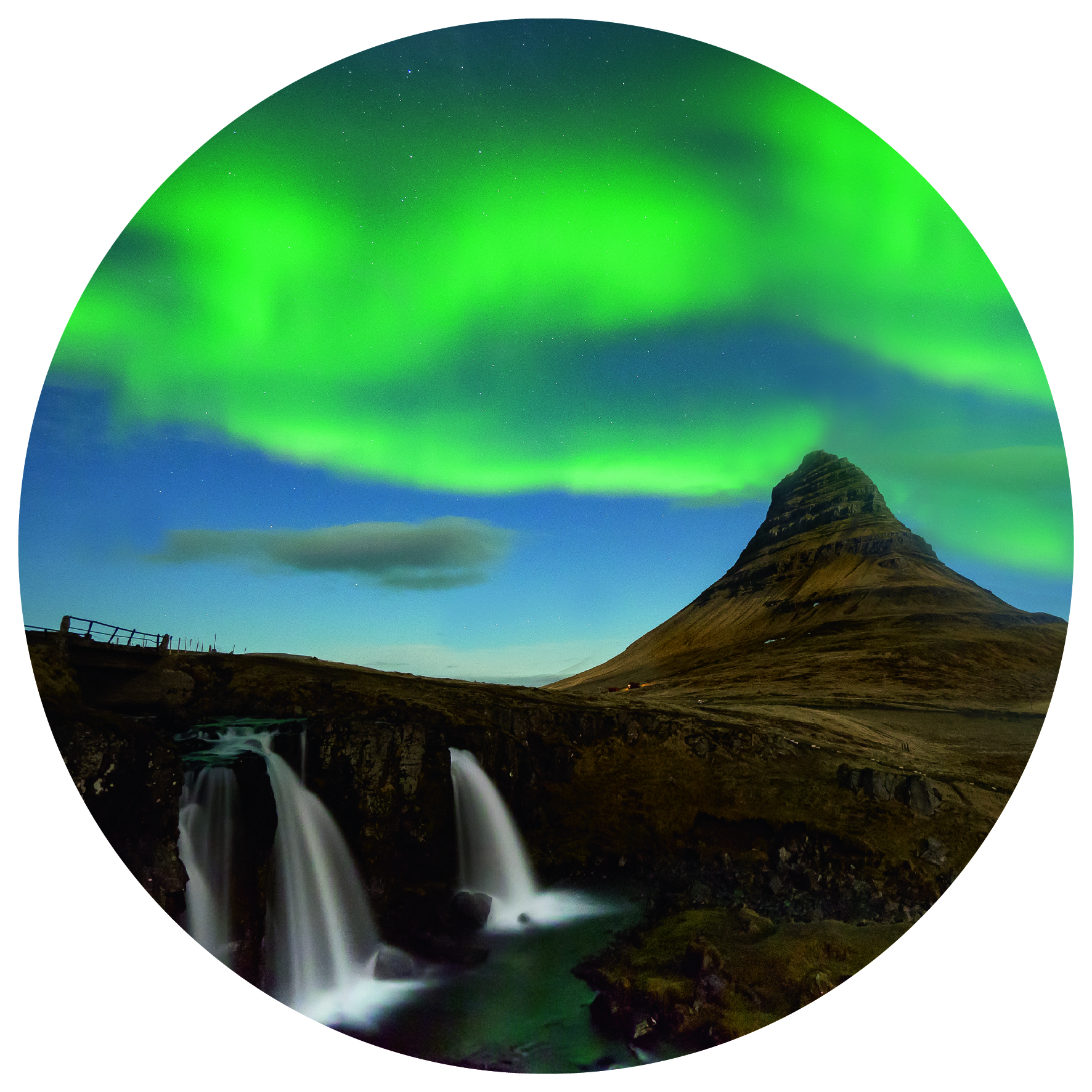
Conseils de photographie :
- Utilisez Kirkjufell comme point focal, avec la chute de Kirkjufellsfoss au premier plan.
- Cadrez la scène de manière à ce que l’aurore semble rayonner depuis le sommet de la montagne.
- Arrivez tôt pour vous assurer une bonne place, car cet endroit est populaire auprès des photographes.
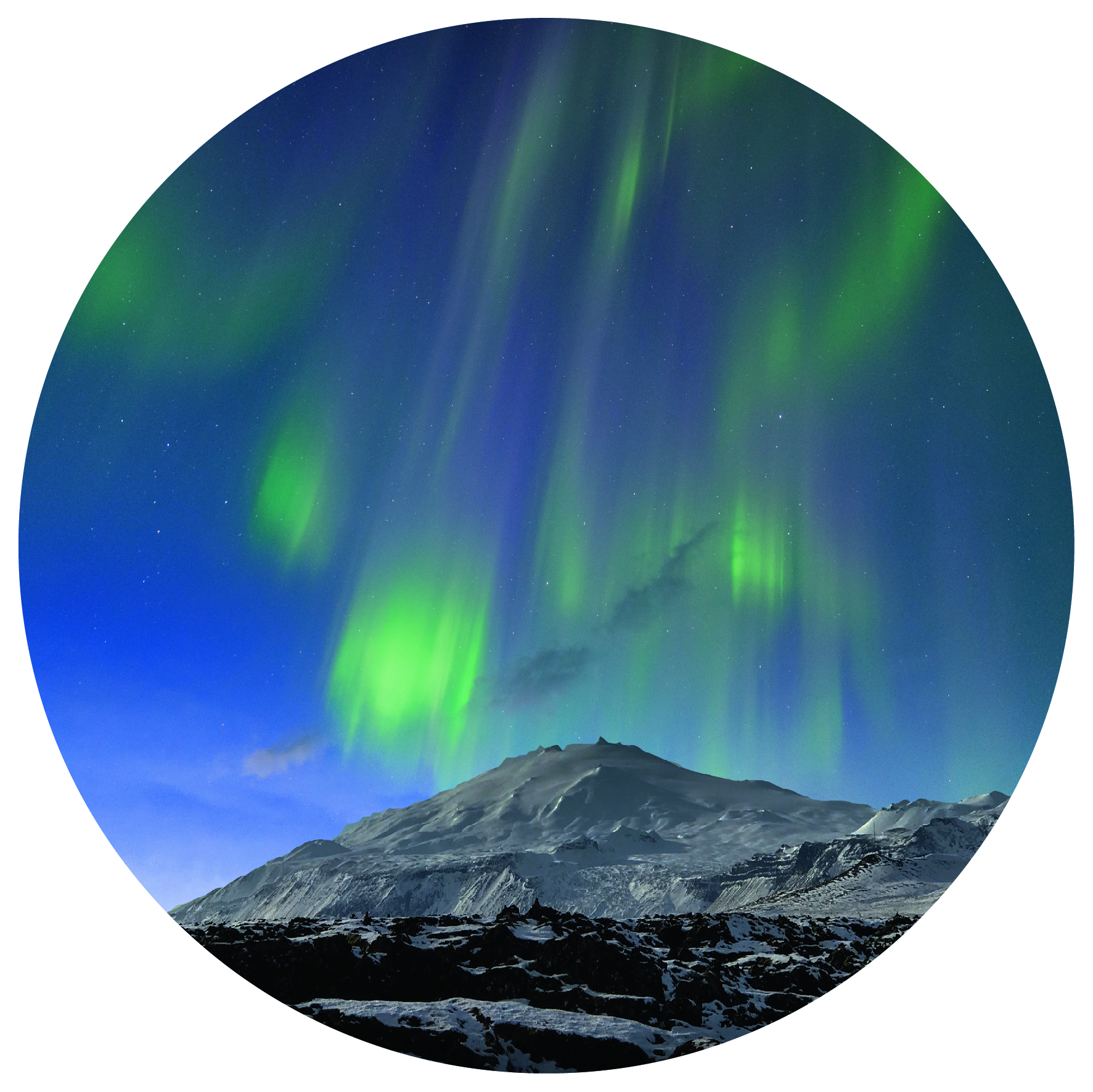
24. Snæfellsjökull: See the glacier come to life!
Conseils de photographie :
- Incluez le glacier dans votre composition pour mettre en valeur ses qualités réfléchissantes.
- Utilisez un objectif grand angle pour capturer l’aurore qui balaie le glacier.
- Ajustez la balance des blancs pour faire ressortir les teintes naturelles du glacier et de l’aurore.
Accessibilité:
Snæfellsjökull is accessible year-round, but higher elevations may require a 4×4 vehicle in winter.
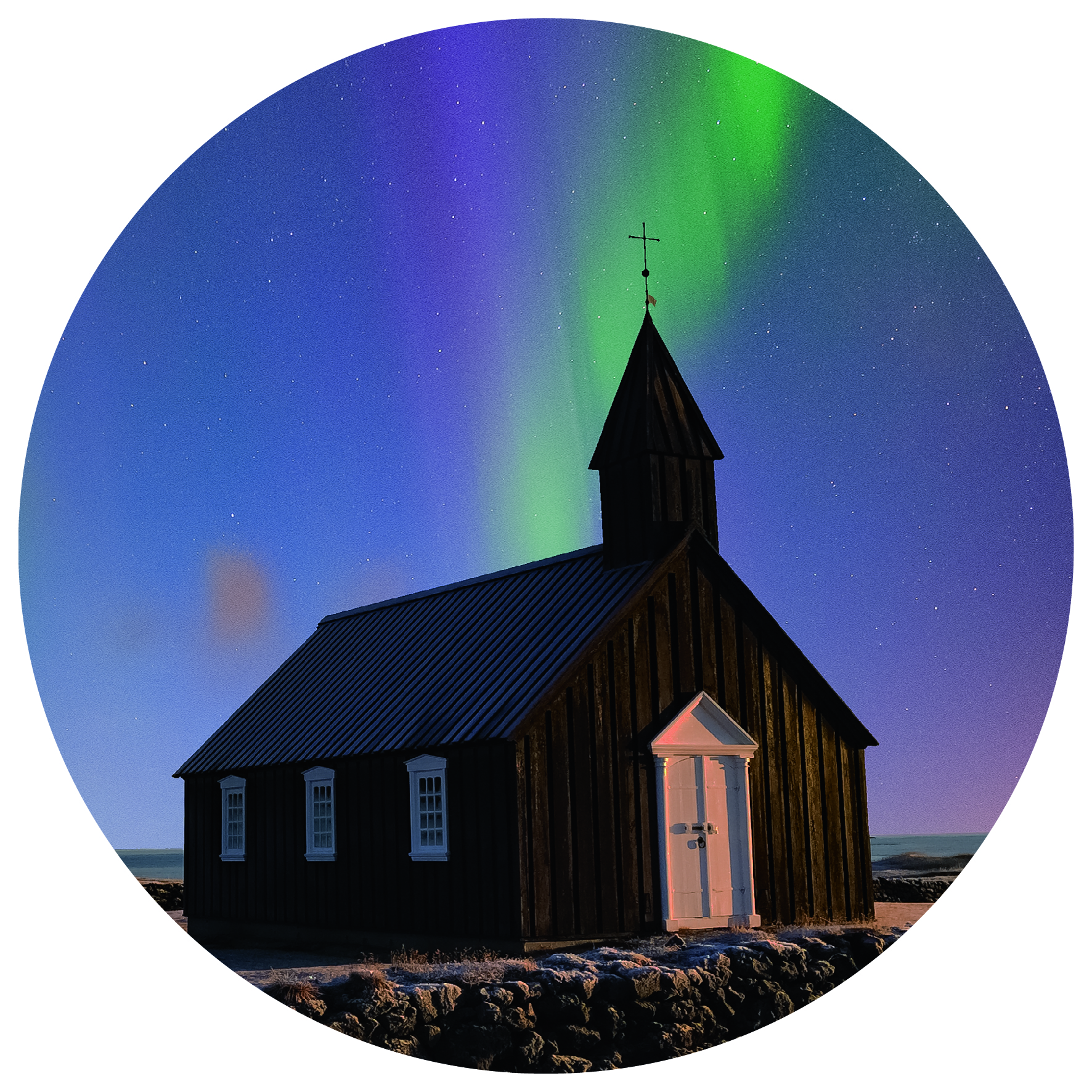
25. Búðir: A little bit of everything!
Conseils de pro :
- Capture the Northern Lights dancing over the iconic Búðir church for a striking contrast between the lights and the simple, yet stunning, black church.
- Utilisez les champs de lave environnants ou le glacier en arrière-plan comme éléments de premier plan intéressants pour ajouter de la profondeur et du drame à vos photos.
- Un objectif grand angle est essentiel pour capturer à la fois le ciel panoramique et la silhouette de l'église et des montagnes.
- Les prises de vue à longue exposition aideront à capturer le mouvement de l'aurore, tout en gardant l'église et le paysage nets.
Rester en sécurité lors de la chasse aux aurores boréales
La chasse aux aurores boréales peut vous mener dans des endroits reculés et souvent gelés. Voici quelques conseils de sécurité essentiels :
- Consultez les prévisions météorologiques : consultez toujours les conditions météorologiques locales sur des sites comme Vedur.is ou https://aurorareykjavik.is/aurora-forecast/ pour éviter les tempêtes soudaines ou les vents dangereux.
- Utilisez les ressources pour voyager en toute sécurité : consultez SafeTravel.is pour obtenir des informations actualisées sur l'état des routes, les alertes météo et les informations d'urgence. Leur application est un outil précieux à avoir sur votre téléphone.
- Drive Safely: Roads in Iceland can be slippery and unpredictable, especially in winter. Use a 4×4 vehicle with winter tires, and avoid off-road driving.
- Restez visible : portez des vêtements réfléchissants et apportez une lampe de poche ou une lampe frontale lorsque vous marchez dans des zones sombres.
- L'essentiel du sac : Emportez un téléphone chargé, des boissons chaudes, des en-cas et une trousse de premiers secours. Des piles supplémentaires pour votre appareil photo et votre lampe de poche sont également indispensables par temps froid.
- Voyagez à plusieurs : Si possible, partez à la chasse aux aurores boréales en groupe ou participez à une visite guidée pour plus de sécurité et d'expertise. Consultez nos visites ici :
Consultez notre carte des emplacements des aurores boréales et trouvez les meilleurs points d'observation :
Aucun résultat
La page demandée est introuvable. Essayez d'affiner votre recherche ou utilisez le panneau de navigation ci-dessus pour localiser l'article.
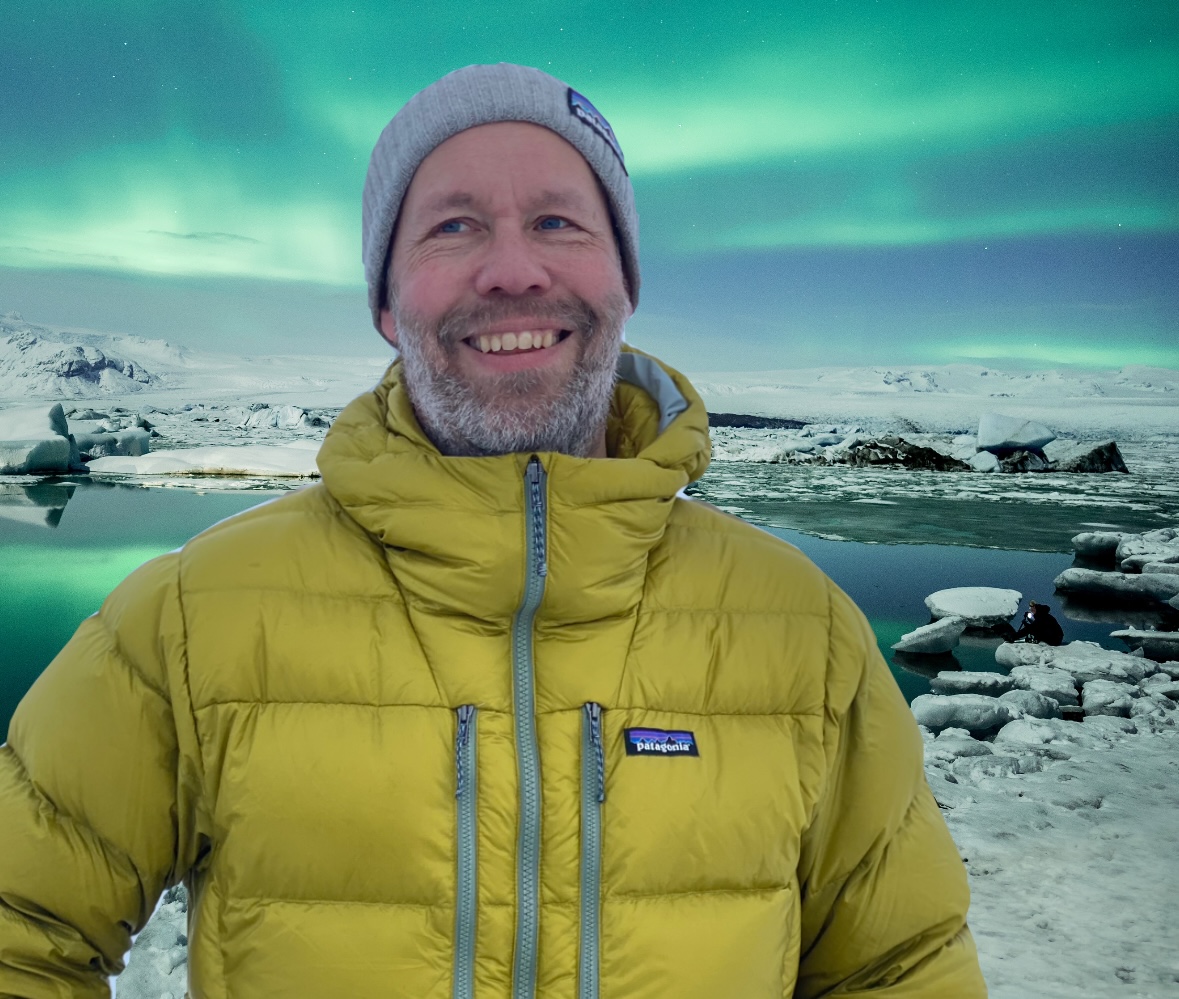
Grétar Jónsson
Founder of Aurora Reykjavík and one of Iceland’s best-known Northern Lights experts
Grétar has spent decades studying, photographing, and explaining the aurora borealis in Iceland and is a frequent advisor to travelers, guides, and media seeking accurate Northern Lights information.