
EASTER IN ICELAND: TRADITIONS, OPENING HOURS & WHAT TO DO IN REYKJAVÍK
If you’re visiting Iceland during Easter, you might be wondering:
- Are attractions open?
- What traditions should you expect?
- What can you do in Reykjavík during the holidays?
- Can you still see the Northern Lights?
Here is everything visitors need to know about spending Easter in Iceland, plus the best ways to enjoy Reykjavík during the holiday weekend.
Luna llena en el Parque Nacional Thingvellir, Islandia
What Is Easter Like in Iceland?
Easter is an important national holiday in Iceland. Many locals take time off work, travel around the country, or spend the long weekend with family.
Unlike Christmas, Easter in Iceland feels relaxed and outdoorsy. You’ll notice:
- Families heading to summer houses
- Cafés filled with locals enjoying longer daylight
- Snow-covered mountains still framing the city
- A mix of winter atmosphere and early spring energy
One thing you’ll see everywhere? Icelandic Easter eggs.
These large chocolate eggs are filled with candy and include a traditional Icelandic proverb inside: a beloved custom for both children and adults.
For visitors, Easter offers a wonderful balance: winter scenery without midwinter darkness.
Public Holidays & Opening Hours During Easter
This is the most important thing travelers should understand.
Several official public holidays take place during Easter:
- Maundy Thursday
- Good Friday
- Easter Sunday
- Easter Monday
On these days:
- Many shops close or operate limited hours
- Some restaurants open later than usual
- Supermarkets may have reduced opening times
However, Reykjavík does not shut down.
Museums, tours, and major attractions typically remain open, especially those designed for international visitors.
Pro Tip: Always plan a few indoor activities during Easter in case of wind, snow, or changing weather.
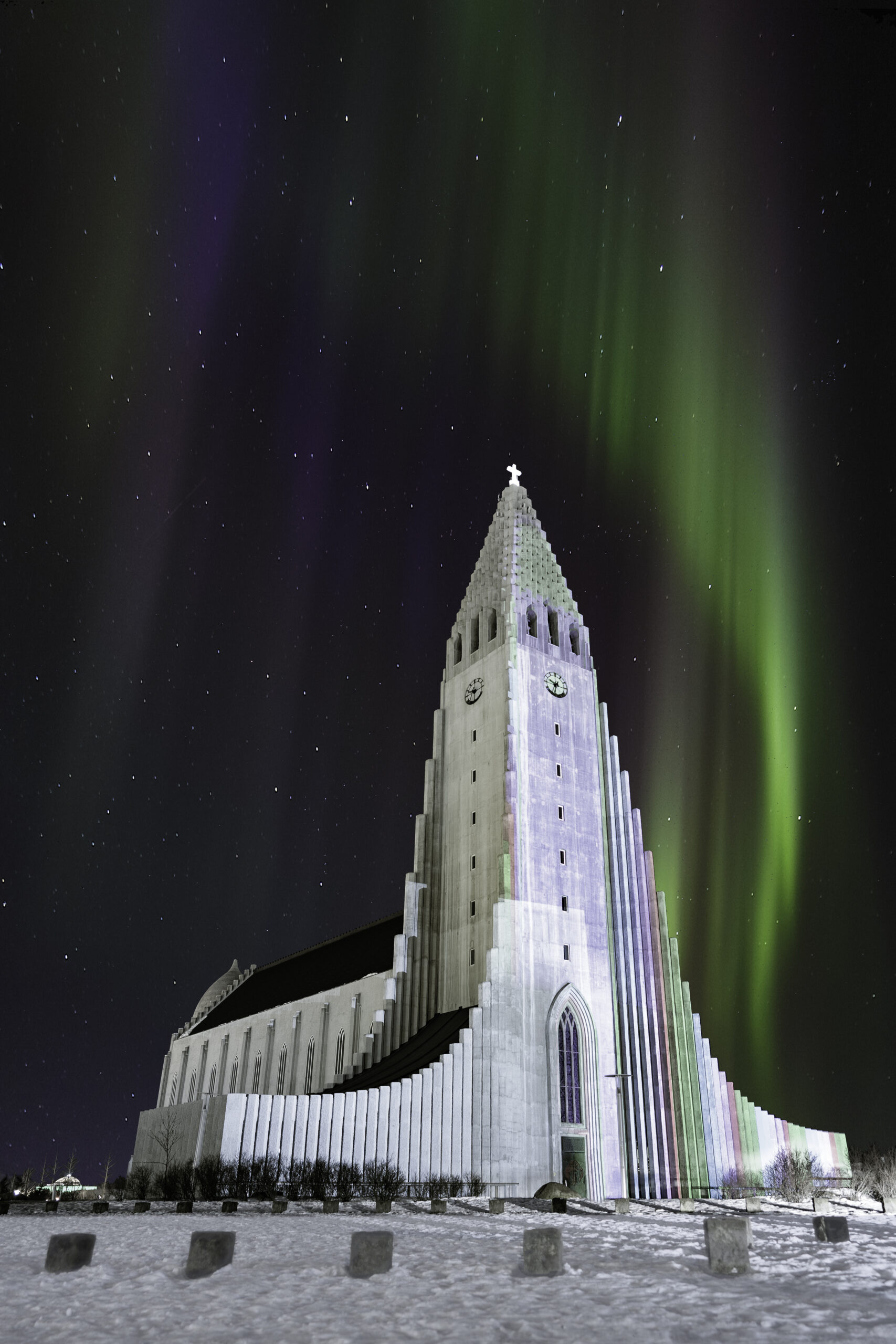
Northern Lights over the Iconic Hallgrimskirkja Church, downtown Reykjavík
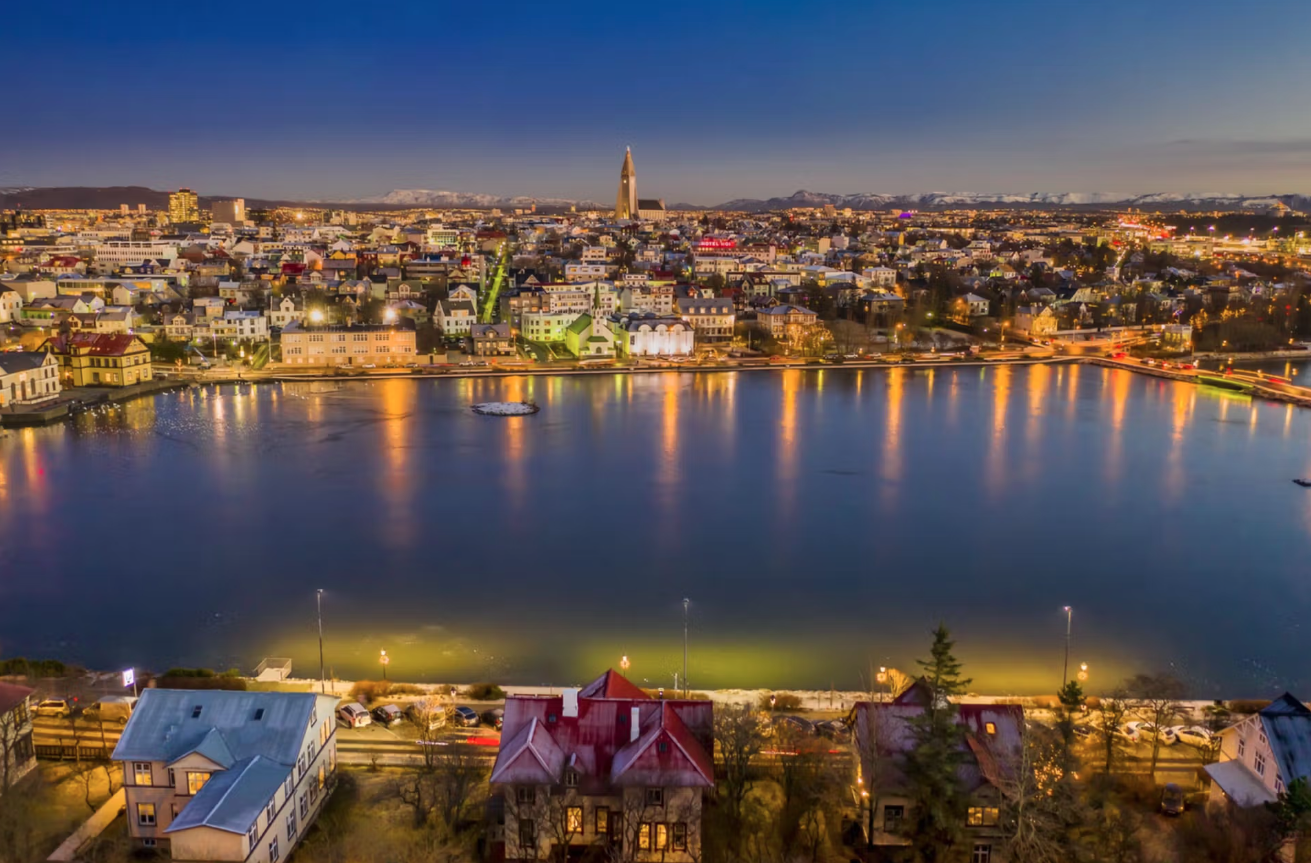
Panoramic view over the Reykjavík Pond and downtown Reykjavík
Spending Easter in Reykjavík
Reykjavík is the heart of Icelandic Easter celebrations and an excellent base for visitors.
The city offers:
- Walkable streets and colorful houses
- Cozy cafés perfect for spring weather
- Museums and cultural attractions
- Easy access to nature and day tours
Because many locals travel outside the city, Reykjavík often feels calm and relaxed during Easter, ideal for sightseeing.
Visitors especially appreciate having flexible plans that work regardless of weather or holiday closures.
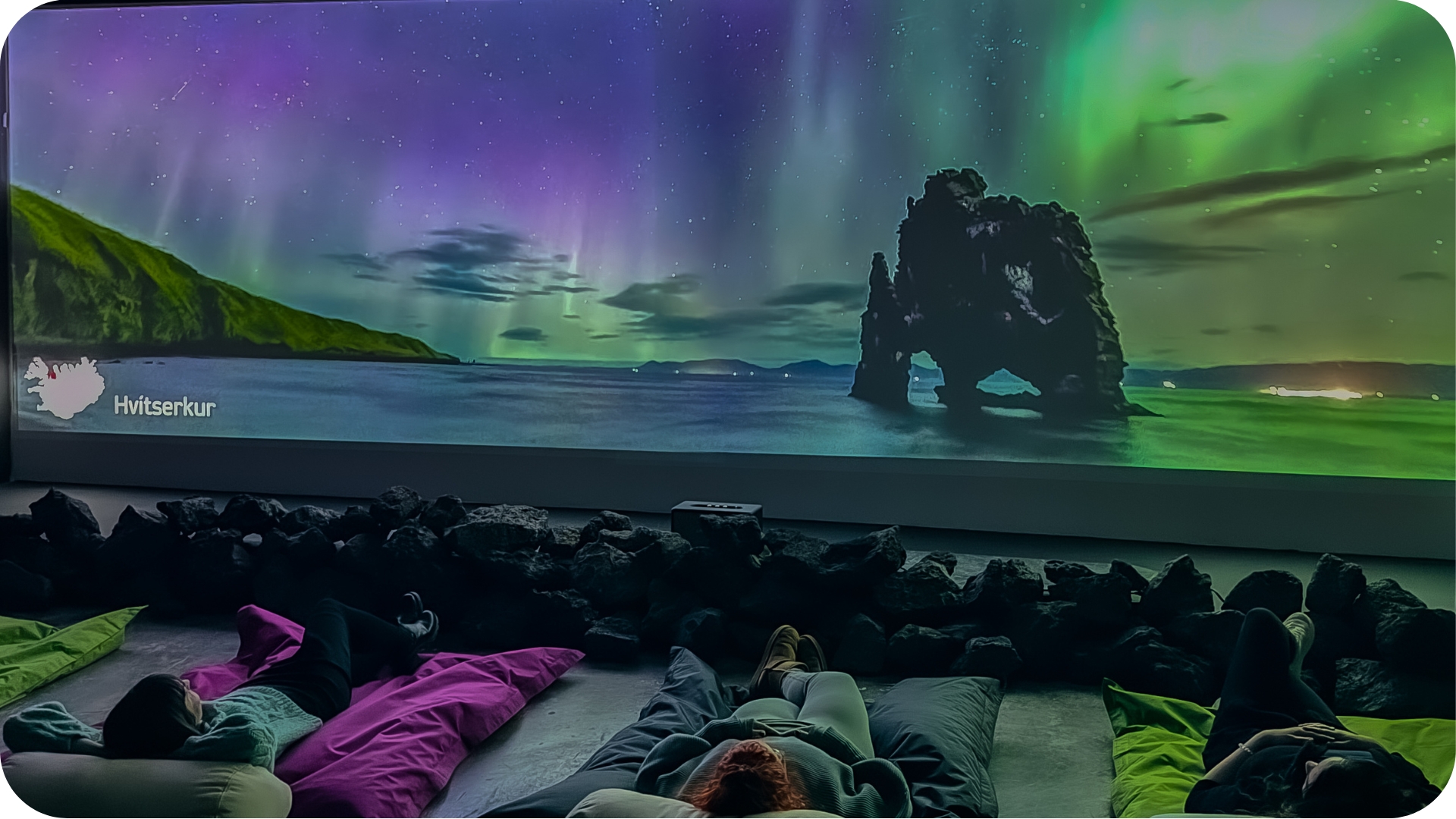
Stunning Northern Lights Movie at Aurora Reykjavík
Best Things To Do in Reykjavík during Easter
1. Explore Museums and Indoor Attractions
Easter weather in Iceland can be unpredictable. One moment sunny, the next snowy or windy.
Indoor attractions are therefore among the smartest choices.
A highlight for many visitors is Aurora Reykjavík — The Northern Lights Center, where you can experience the magic of the aurora all year round.
Inside you can:
- watch a spectacular Northern Lights film
- learn how auroras form
- practice photography settings
- explore interactive displays
- prepare for your real Northern Lights hunt
It’s a perfect activity whether the weather is stormy, bright, or somewhere in between, and especially popular with families.
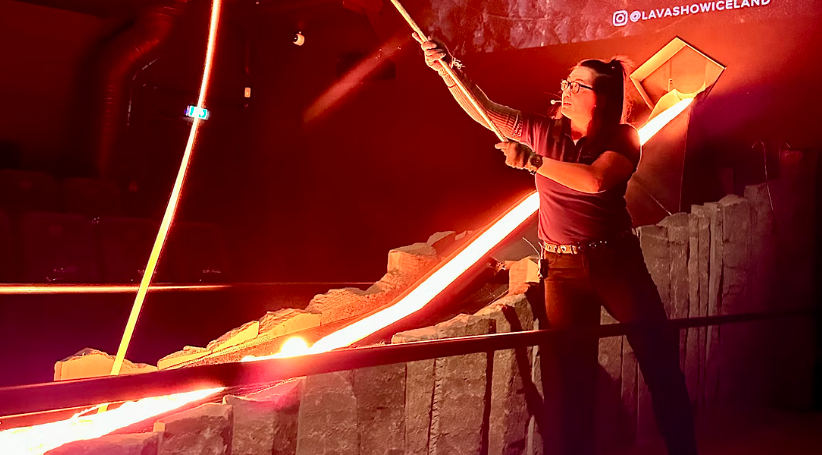
Lava in the Making at Lava Show, next door to Aurora Reykjavík
2. Discover Reykjavík’s Old Harbour & Grandi District
The nearby Grandi area has become one of Reykjavík’s most vibrant neighborhoods.
Here you’ll find galleries, cafés, local design shops, sea views and walking paths, whale watching tour departures. In the Grandi area, you can also:
- Stop for indoor quality time with the whales at Whales of Iceland, la large, immersive whale exhibition dedicated to cetaceans found in Icelandic waters
- Step into the world’s only live lava spectacle at Lava Show, where the show features se vierte lava fundida real heated to over 1,100 °C that pours and crackles right before your eyes in a safe, purpose-built showroom
- Experience Iceland from a whole new perspective at FlyOver Iceland, where you soar over glaciers, waterfalls, and volcanoes in an immersive flight ride that will make you feel like you’re truly flying
Whether you’re chasing the magic of the Northern Lights at Aurora Reykjavík, diving into the marine world at Whales of Iceland, or feeling the heat at Lava Show, Reykjavík’s Grandi district is the perfect place to spend a relaxed Easter afternoon.
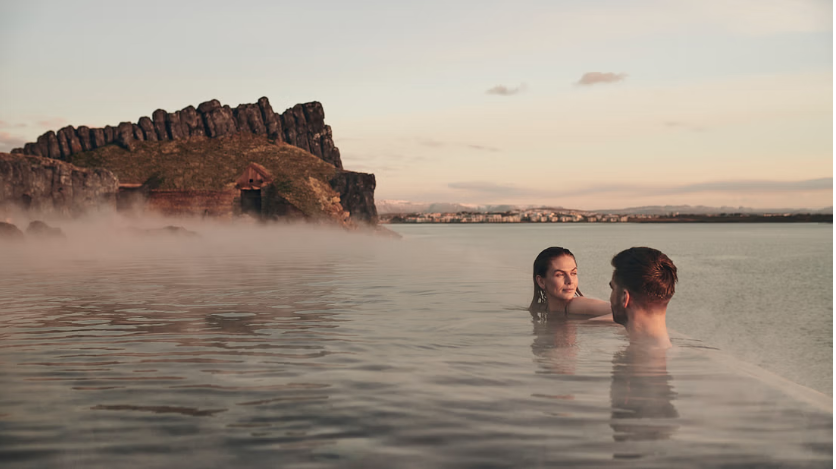
Looking for the ultimate pampering experience? Visit Sky Lagoon, Reykjavík’s own geothermal spa
3. Warm Up in Reykjavík’s Swimming Pools
Icelanders celebrate holidays outdoors — even in cold weather.
Geothermal swimming pools remain open year-round and offer:
- hot tubs
- baños de vapor
- family-friendly facilities
Soaking in warm water while cool air surrounds you is a uniquely Icelandic Easter experience.
4. Enjoy Reykjavík’s Food Scene
Many restaurants remain open during Easter, though reservations are recommended.
Expect:
- fresh Icelandic seafood
- vegetarian-friendly options
- cozy brunch cafés
- seasonal spring menus
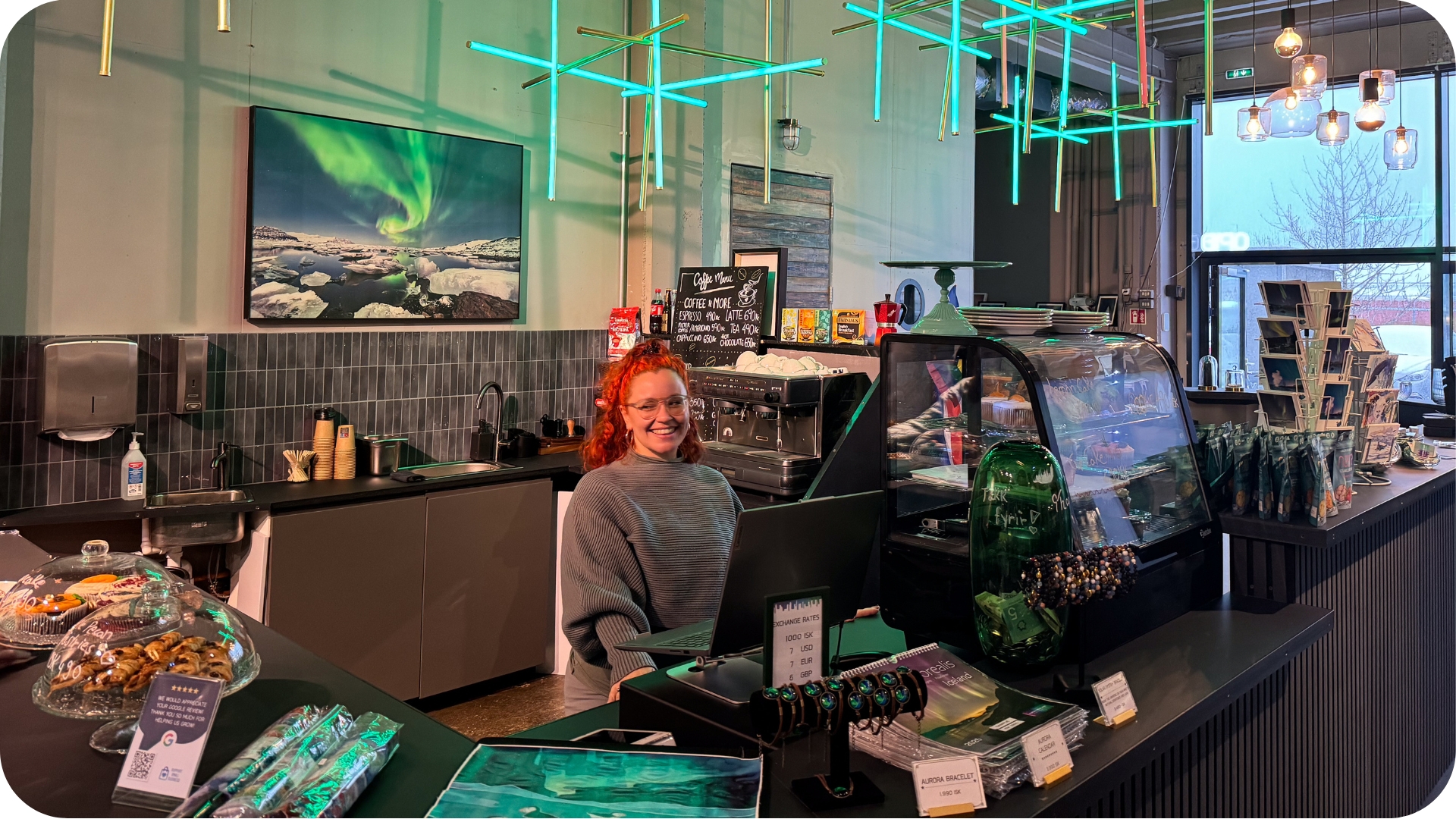
Visit the Aurora Reykjavík Café for a warm cuppa and home-made local pastries
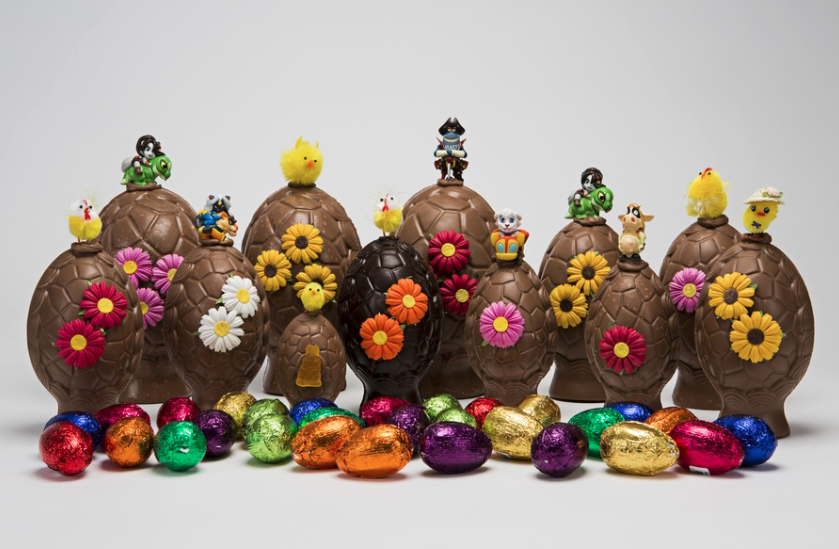
Candy Filled Easter Eggs, a true Icelandic Tradition
Easter in Iceland With Kids
Easter is an excellent time for families visiting Iceland.
Children love:
- Icelandic chocolate eggs
- interactive museums
- open spaces and nature
- shorter crowds compared to peak summer
Family-friendly indoor attractions become especially valuable during holiday weekends when outdoor plans may change quickly.
Aurora Reykjavík is particularly popular with children thanks to its immersive visuals and interactive experiences — offering an educational break between outdoor adventures.
Can You See the Northern Lights at Easter?
Yes — sometimes.
Easter usually falls toward the end of Northern Lights season.
Good news:
- Nights are still dark enough early in the evening.
- Solar activity can remain strong into spring.
Challenges:
- Longer daylight hours reduce viewing time.
- Cloud cover can affect visibility.
That’s why many travelers visit Aurora Reykjavík first — to understand how the Northern Lights work and learn how to maximize their chances during their stay.
Even if nature doesn’t cooperate, you’ll still experience the aurora indoors.
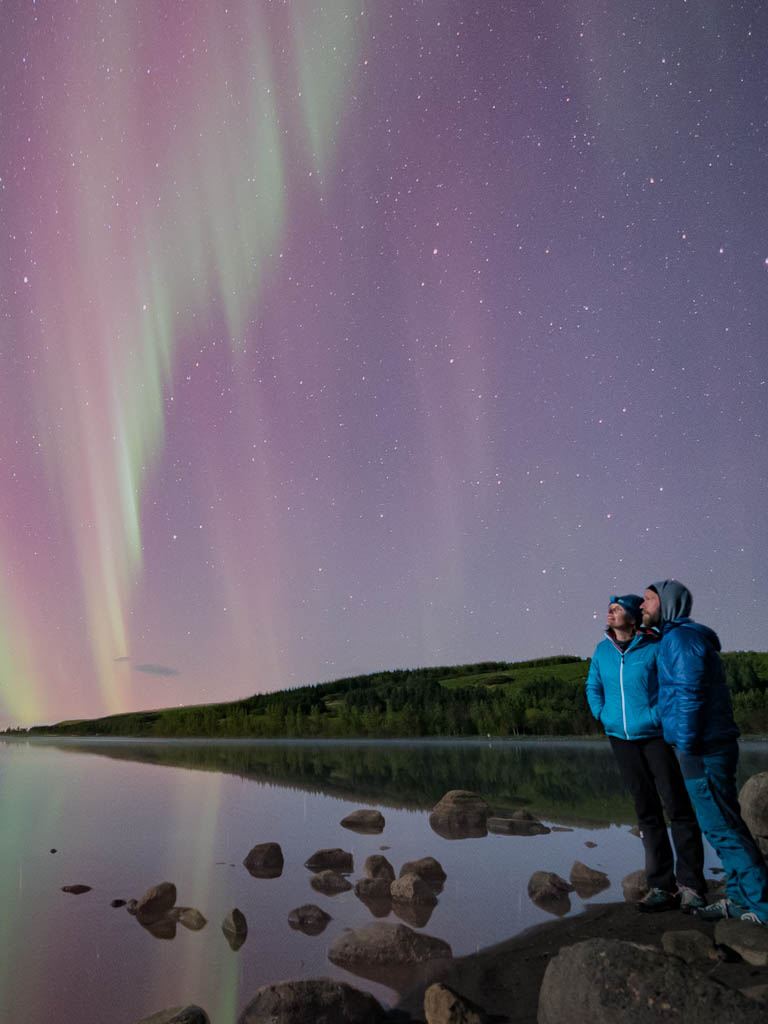
End of Season Northern Lights, don’t miss your chance and join a Tour de Auroras Boreales desde Reykjavík
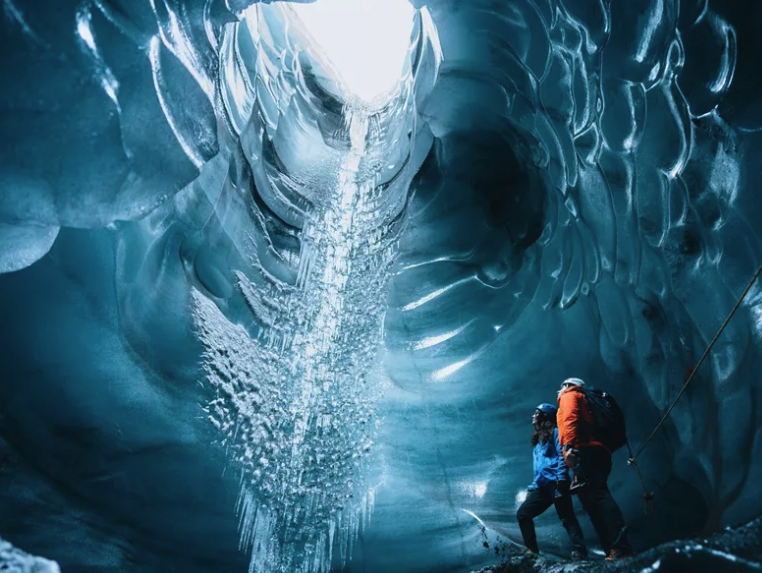
Tour of the Katla Ice Cave and South Coast
Local Tips for Visiting Iceland at Easter
✔ Check restaurant opening hours in advance
✔ Book tours early — holiday weekends are popular
✔ Expect changing weather conditions
✔ Pack layers and waterproof clothing
✔ Plan at least one indoor activity each day
Having flexible plans is the secret to a great Iceland trip at Easter.
Why Easter Is a Wonderful Time to Visit Iceland
Easter offers a unique moment between winter and summer:
- snowy landscapes remain
- daylight increases rapidly
- fewer crowds than peak season
- cozy Reykjavík atmosphere
- excellent conditions for sightseeing
For many travelers, it becomes one of the most memorable times to experience Iceland.
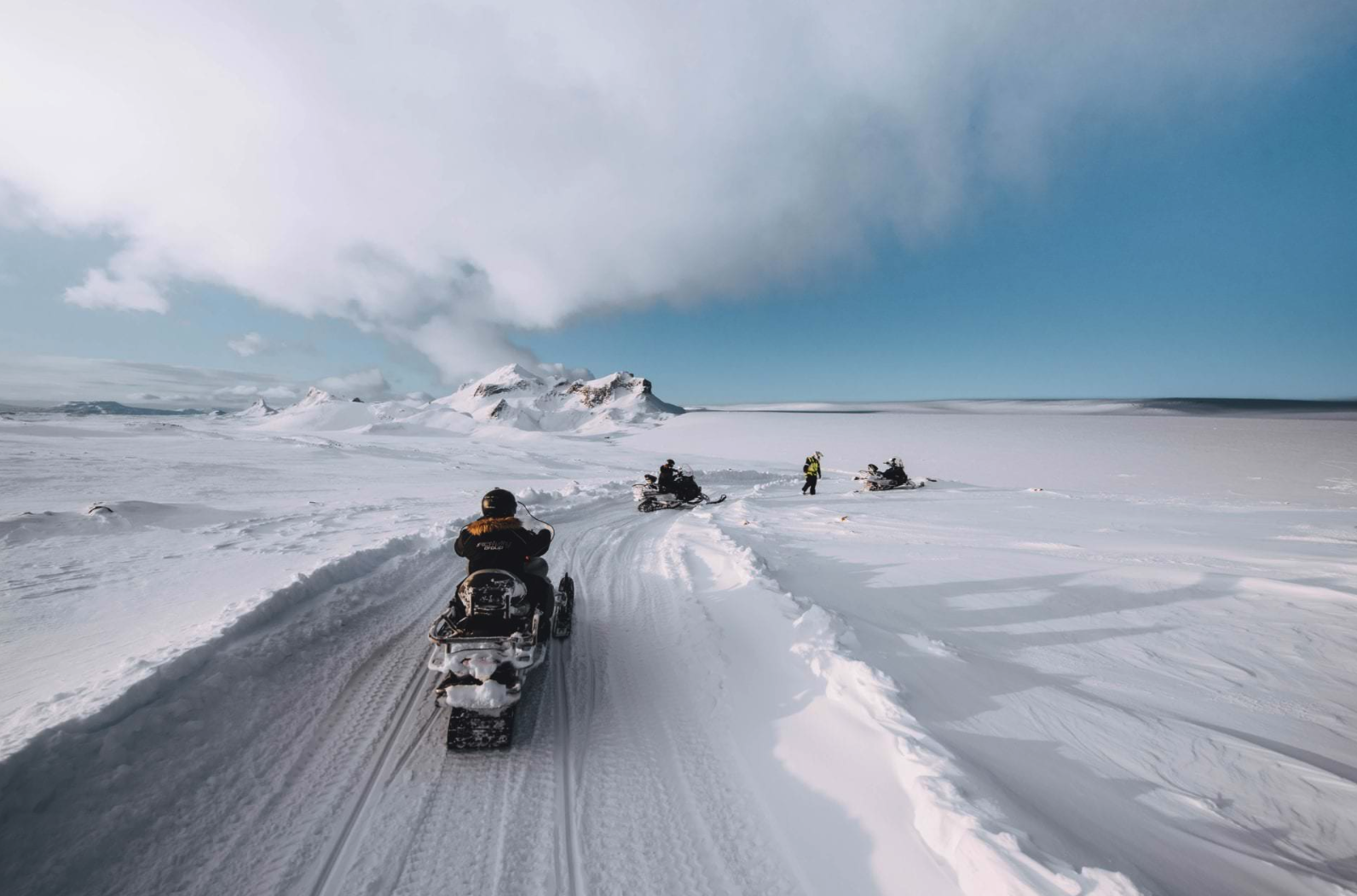
Unirte a un Golden Circle with snowmobile tour during your Easter holidays!
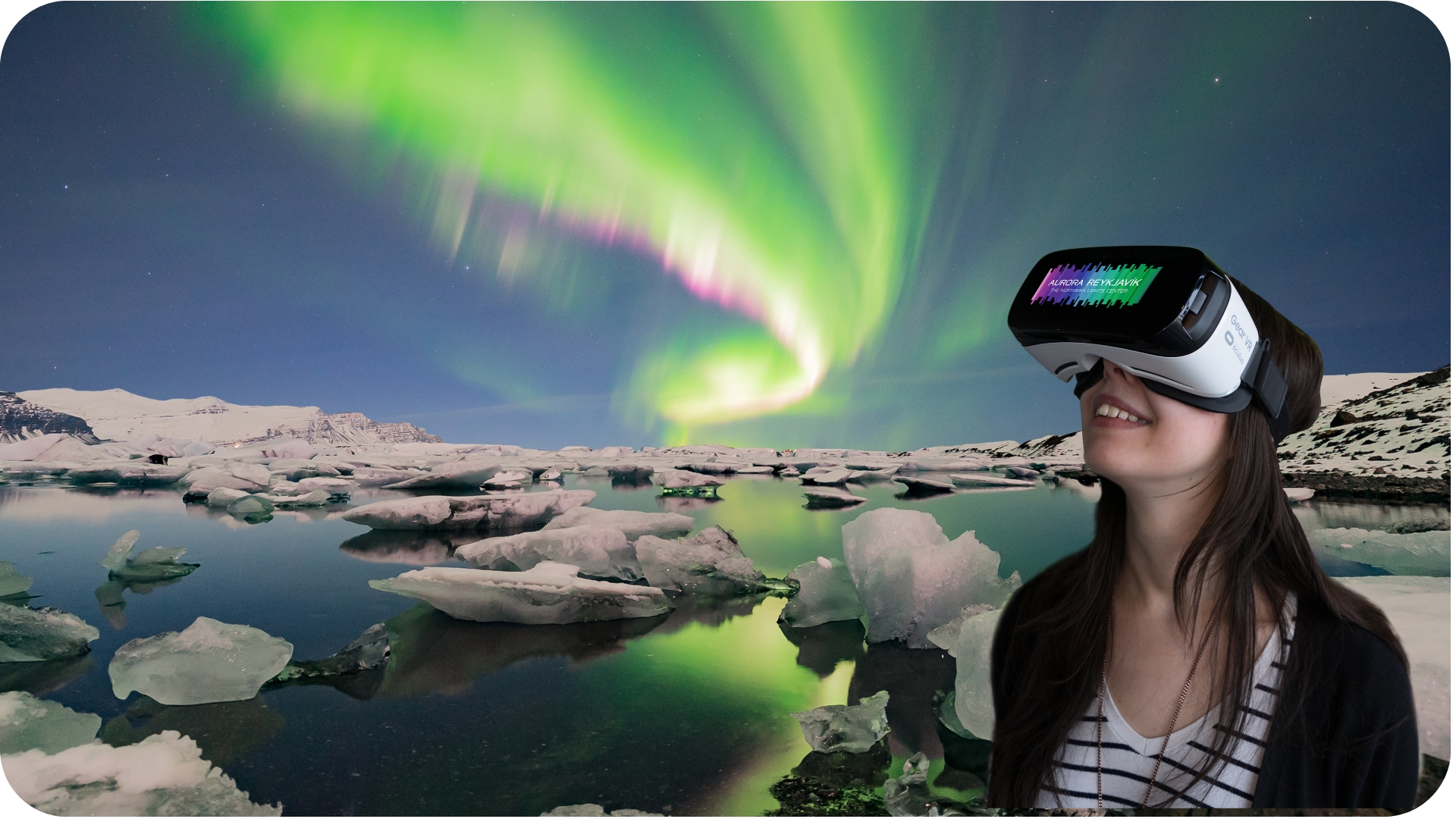
World’s first VR northern lights experience – only at Aurora Reykjavík
Planning Your Easter Visit to Reykjavík
If your Easter plans include Reykjavík, consider adding an indoor Northern Lights experience early in your trip.
Aurora Reykjavík allows you to experience the beauty, science, and photography of the aurora regardless of weather or season — making it an ideal stop during the Easter holidays.
👉 Warm, educational, family-friendly, and open year-round.
Enjoy Easter in Iceland!
Whether you’re chasing the last Northern Lights of the season, exploring Reykjavík’s culture, or simply enjoying Icelandic chocolate eggs, Easter is a magical time to visit.
We look forward to welcoming you to Reykjavík this spring!
ÚNETE AL MEJOR TOUR DE AURORAS BOREALES EN ISLANDIA
NUESTROS TOURS MÁS POPULARES
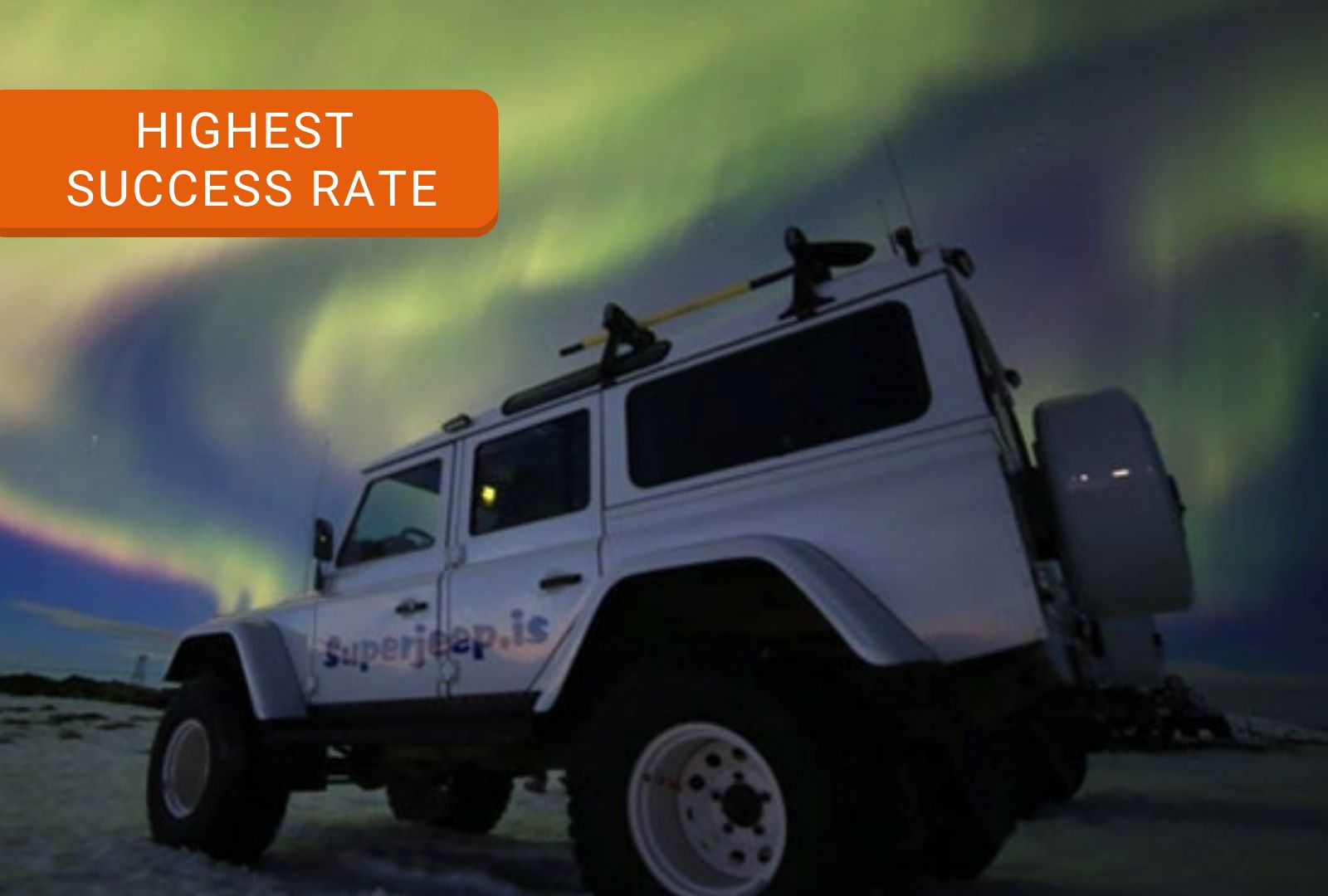
TOUR EN SUPER JEEP DE LA AURORA BOREAL
ASPECTOS DESTACADOS:
✓ Tour guiado premium de Auroras Boreales en un super jeep ✓ Recogida y regreso gratuitos ✓ Fotografías gratuitas de calidad ✓ Chocolate caliente chocolate casero ✓ Vehículos con calefacción todo el viaje
TASA DE ÉXITO MÁS ALTA
ENTRADA A AURORA REYKJAVÍK INCLUIDA - AHORRA 3900 ISK
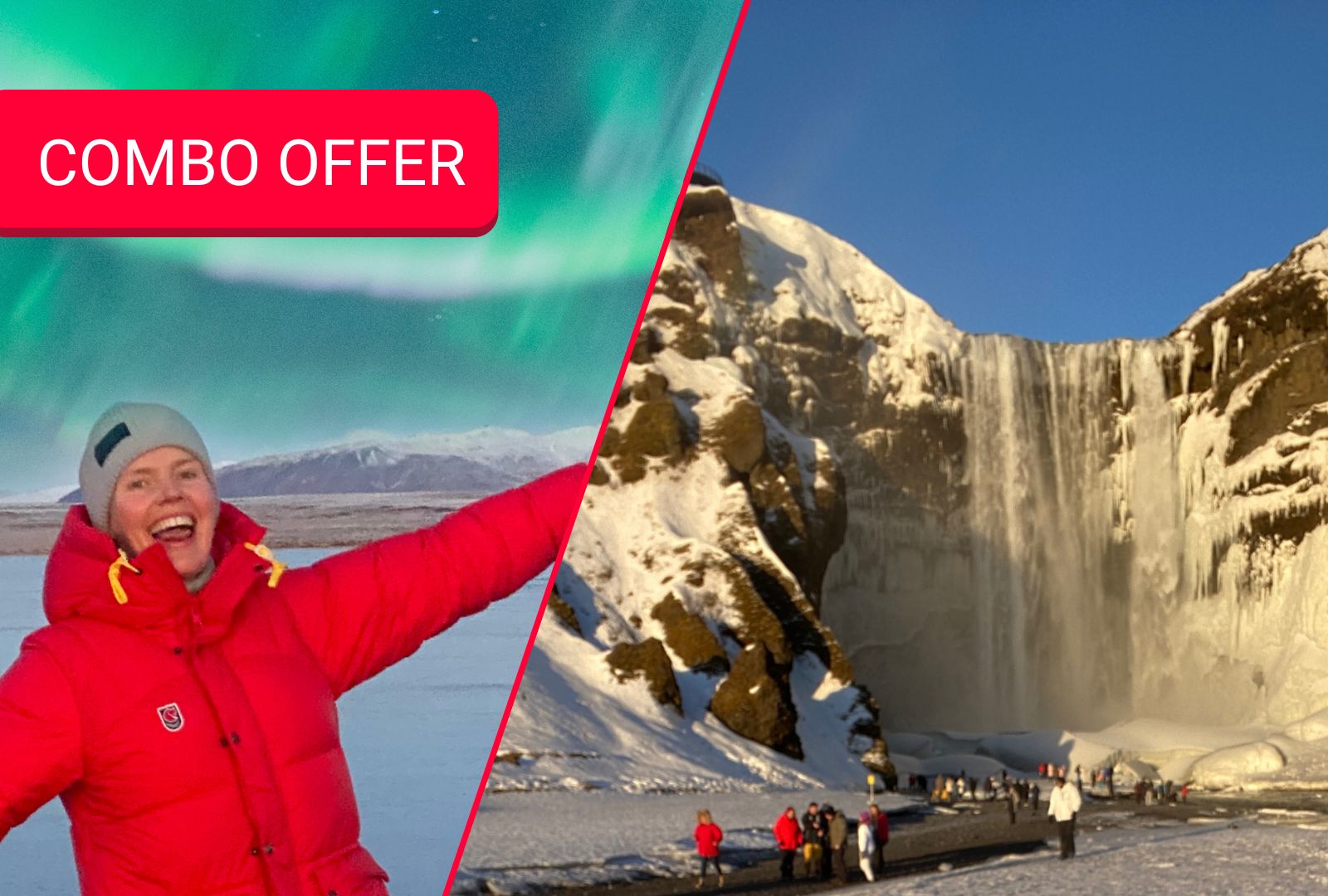
AURORA BOREAL Y COSTA SUR
ASPECTOS DESTACADOS:
✓ OFERTA 2 EN 1: AHORA MÁS DE 2000 ISK ✓ Visita El glaciar Sólheimarjökull ✓ Pasea por la ciudad de Vík ✓ Camina por la playa de arena negra ✓ Contempla las majestuosas cascadas Skógafoss y Seljalandsfoss ✓ Presencia la La danza de las Auroras Boreales MEJOR RELACIÓN CALIDAD-PRECIO AURORAS BOREALES GARANTIZADAS: REINTENTO GRATUITO SI NO SE VEN LAS LUCES
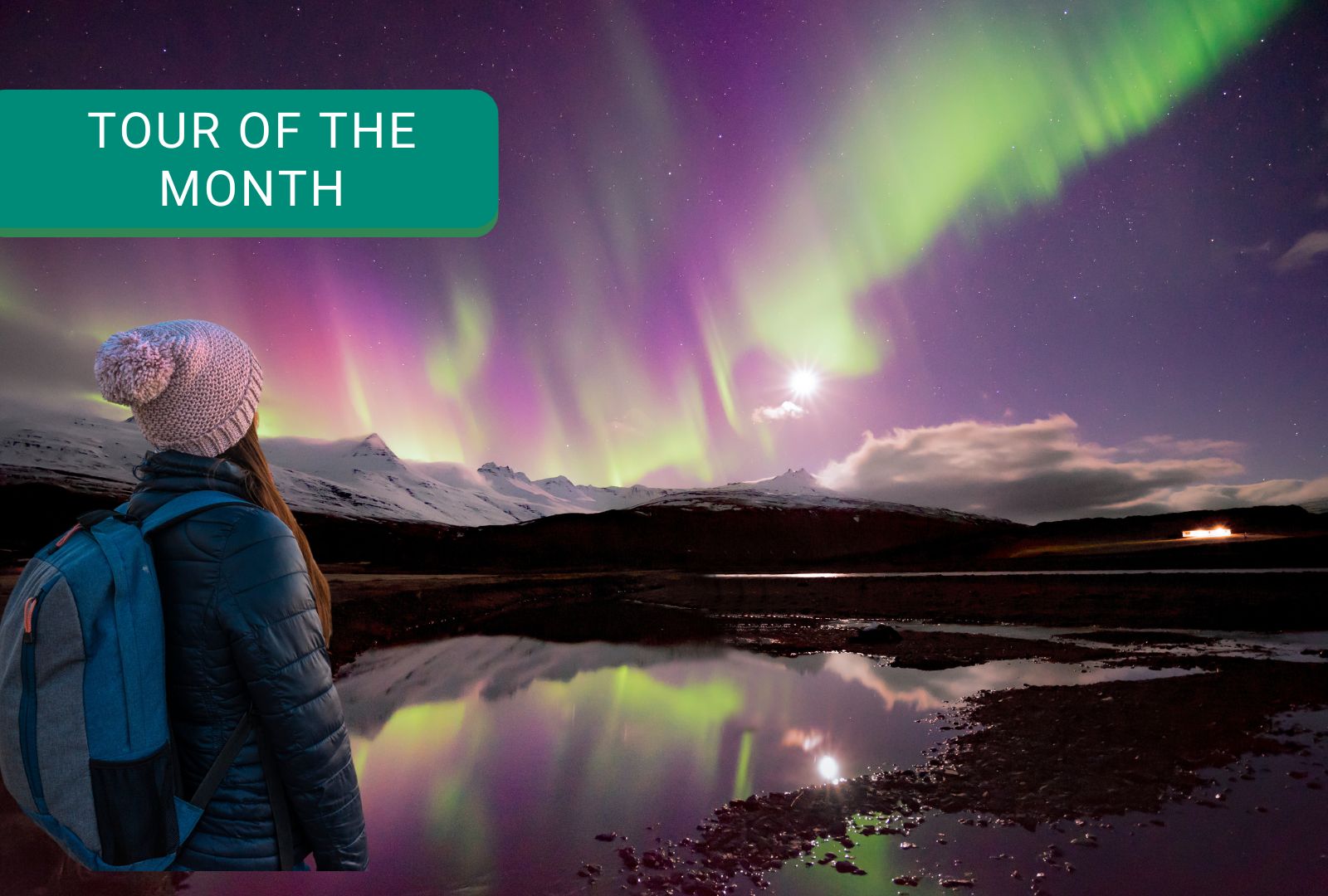
TOUR DE AURORAS BOREALES EN GRUPO REDUCIDO
ASPECTOS DESTACADOS:
✓ Tour de Auroras Boreales en minibus
✓ Fotografías gratuitas de ti bajo las Auroras Boreales
✓ Chocolate caliente y pasteles caseros
✓ Recogida y regreso gratuitos
EL TOUR MÁS POPULAR
PREGUNTAS FRECUENTES SOBRE LA AURORA BOREAL
¿Cuándo puedo ver las Auroras Boreales en Islandia?
¿Puedes ver la aurora boreal durante la luna llena?
¿A qué hora aparecen las auroras boreales?
¿Cuánto duran las auroras boreales?
¿Puedo ver la aurora boreal cuando está nublado?
¿Las auroras boreales sólo aparecen cuando hace frío?
¿Se ven las auroras boreales en toda Islandia?
¿Son realmente coloridas las auroras boreales?
¿Es mejor la luna nueva para ver auroras boreales?
¿Es la luna llena buena para fotografiar la aurora?
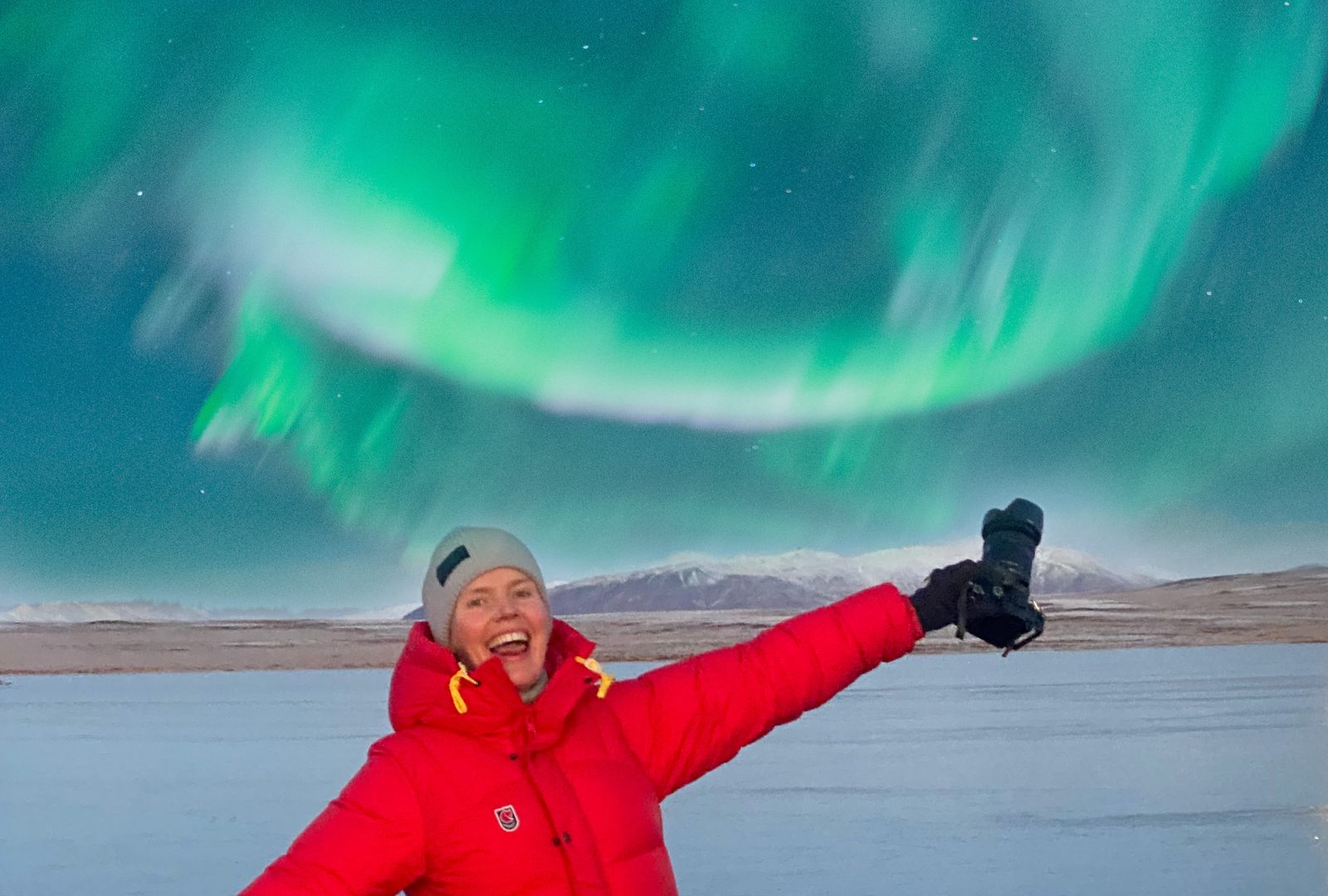
Katarina Raker
SOBRE LA AUTORA: KATARINA RAKER