
EASTER IN ICELAND: TRADITIONS, OPENING HOURS & WHAT TO DO IN REYKJAVÍK
If you’re visiting Iceland during Easter, you might be wondering:
- Are attractions open?
- What traditions should you expect?
- What can you do in Reykjavík during the holidays?
- Can you still see the Northern Lights?
Here is everything visitors need to know about spending Easter in Iceland, plus the best ways to enjoy Reykjavík during the holiday weekend.
Festività pubbliche e orari di apertura durante la Pasqua
Trascorrere la Pasqua a Reykjavík
Le migliori cose da fare a Reykjavík durante la Pasqua
Can You See the Northern Lights at Easter?
Local Tips for Visiting Iceland at Easter
Aurora e luna piena al Parco Nazionale Þingvellir, Islanda
Com'è la Pasqua in Islanda?
La Pasqua è un'importante festività nazionale in Islanda. Molti residenti si prendono del tempo libero dal lavoro, viaggiano in giro per il paese oppure trascorrono un weekend lungo con la famiglia.
A differenza del Natale, la Pasqua in Islanda ha un’atmosfera più rilassata e legata alle attività all’aperto. Noterai:
- Famiglie che si dirigono verso le baite estive
- Caffè pieni di residenti che si godono le giornate più lunghe
- Montagne innevate che incorniciano ancora la città
- Un mix di atmosfera invernale ed energia di inizio primavera
Una cosa che vedrai ovunque? Uova di Pasqua islandesi.
Queste grandi uova di cioccolato sono riempite di caramelle e contengono un proverbio islandese tradizionale: una tradizione amata sia dai bambini che dagli adulti.
Per i visitatori, la Pasqua offre un equilibrio meraviglioso: paesaggi invernali senza il buio tipico del cuore dell’inverno.
Festività pubbliche e orari di apertura durante la Pasqua
Questa è la cosa più importante che i viaggiatori dovrebbero sapere.
Durante la Pasqua si celebrano diverse festività pubbliche ufficiali:
- Giovedì Santo
- Venerdì Santo
- Domenica di Pasqua
- Lunedì in Albis
In questi giorni:
- Molti negozi chiudono o hanno orari ridotti
- Alcuni ristoranti aprono più tardi del solito
- I supermercati potrebbero avere orari di apertura ridotti
Tuttavia, Reykjavík non chiude.
Musei, tour e principali attrazioni restano generalmente aperti, soprattutto quelli pensati per i visitatori internazionali.
Consiglio pratico: pianifica sempre qualche attività al coperto durante la Pasqua, nel caso di vento, neve o cambiamenti meteorologici.
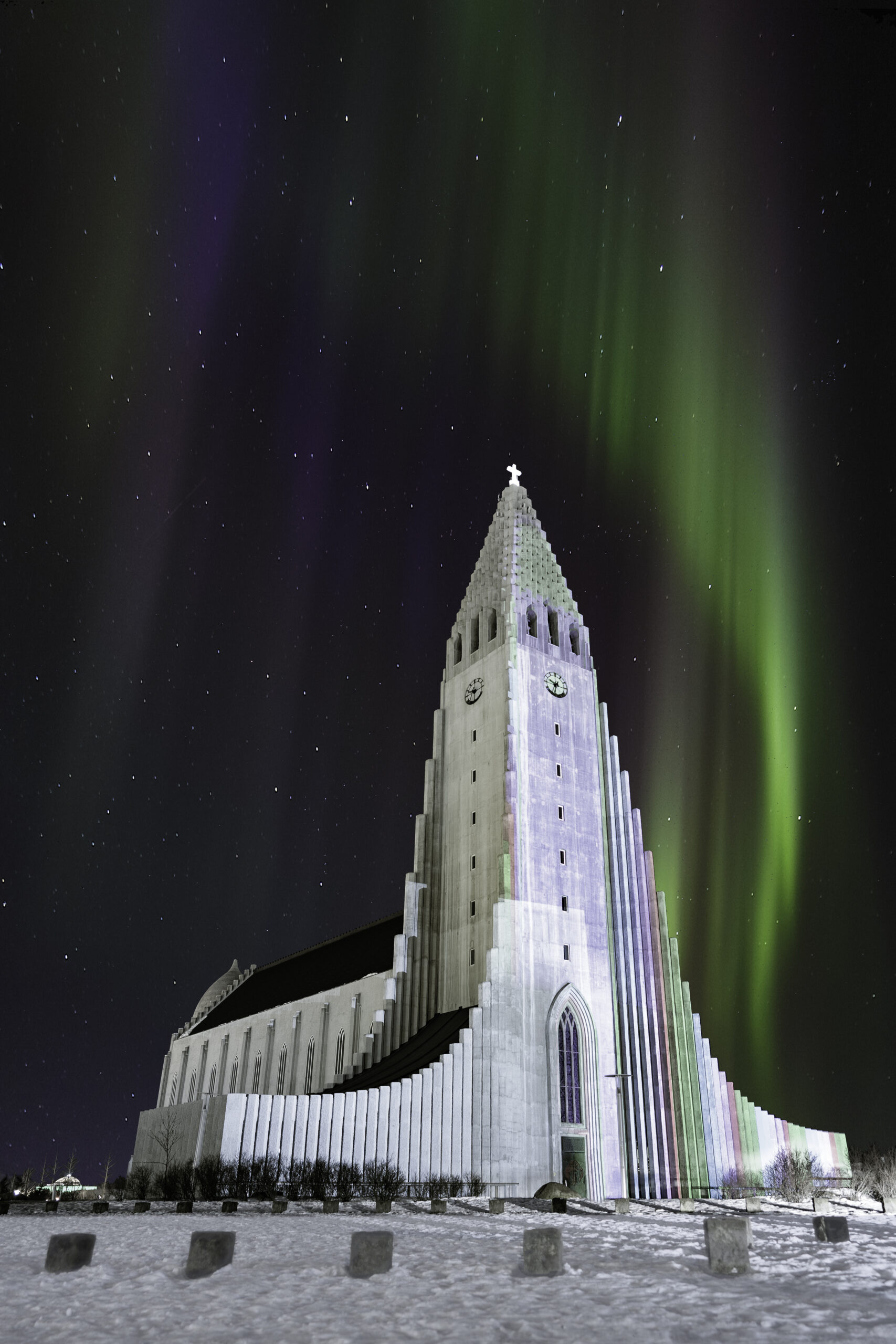
Aurora boreale sull’iconica chiesa Hallgrimskirkja, nel centro di Reykjavík
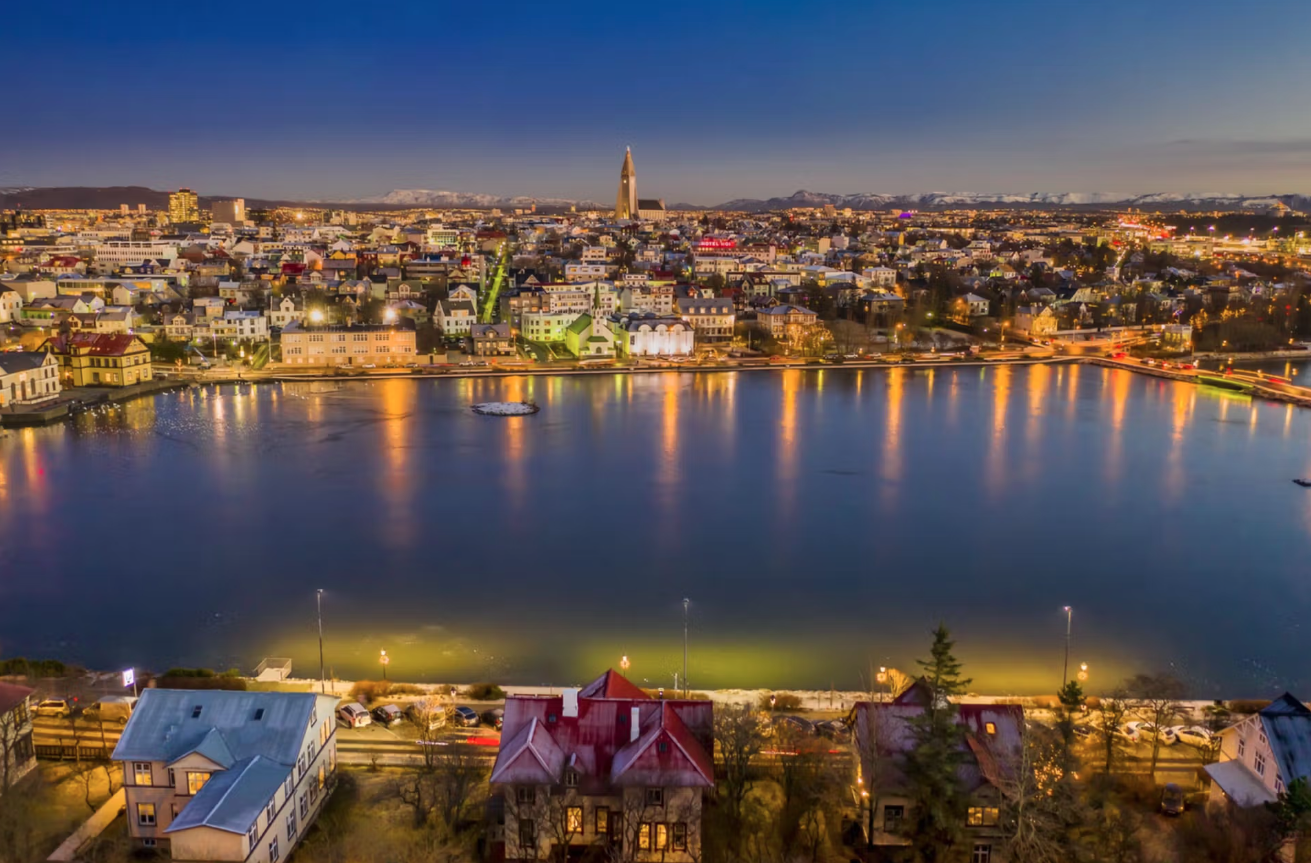
Panoramic view over the Reykjavík Pond and downtown Reykjavík
Trascorrere la Pasqua a Reykjavík
Reykjavík è il cuore delle celebrazioni pasquali islandesi e una base eccellente per i visitatori.
La città offre:
- Strade percorribili a piedi e case colorate
- Caffè accoglienti perfetti per il clima primaverile
- Musei e attrazioni culturali
- Facile accesso a attrazioni naturali e tour giornalieri
Poiché molti residenti si spostano fuori città, Reykjavík spesso appare tranquilla e rilassata durante la Pasqua, ideale per visitare la città.
I visitatori apprezzano soprattutto programmi flessibili che funzionino indipendentemente dal meteo o dalle chiusure durante le festività.
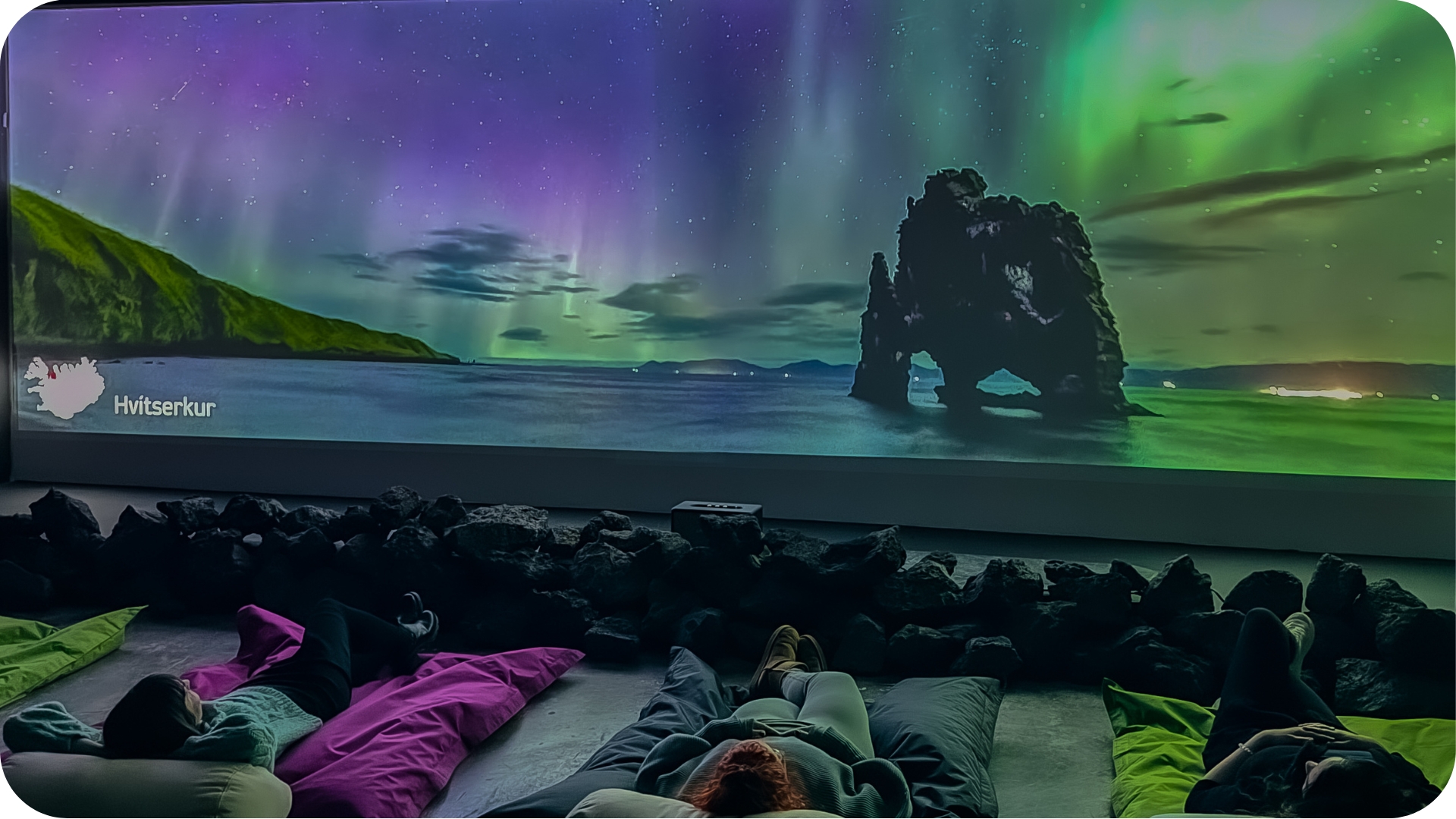
Splendido film sulle aurore boreali ad Aurora Reykjavík
Le migliori cose da fare a Reykjavík durante la Pasqua
1. Esplora musei e attrazioni al coperto
Il tempo durante la Pasqua in Islanda può essere imprevedibile. Un momento soleggiato, il successivo nevoso o ventoso.
Le attrazioni al coperto sono quindi tra le scelte più sicure.
Un punto forte per molti visitatori è Aurora Reykjavík — Il Centro dell'Aurora Boreale, dove puoi vivere la magia dell’aurora durante tutto l’anno.
Qui potrai:
- guardare un film spettacolare sulle aurore boreali
- imparare come si formano le aurore
- fare pratica con le impostazioni di fotografia
- esplorare mostre interattive
- prepararti per la vera caccia alle aurore boreali
È un'attività perfetta sia che il tempo sia cattivo, sereno o intermedio, ed è particolarmente popolare per le famiglie.
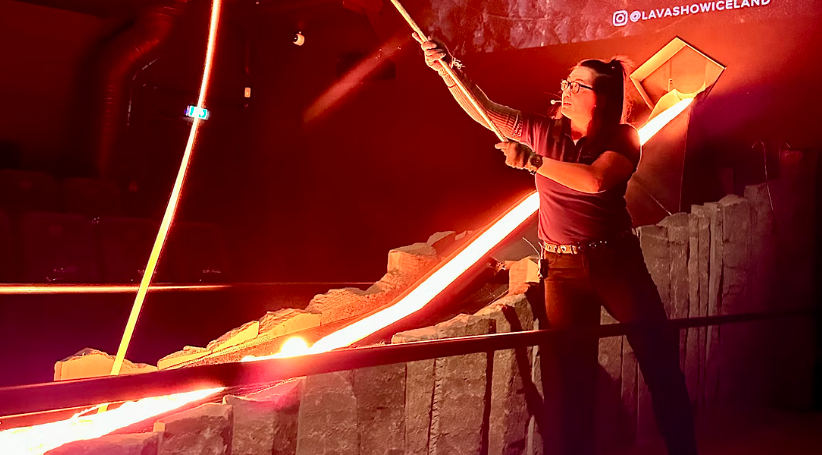
Lava in dimostrazione presso il Lava Show, accanto ad Aurora Reykjavík
2. Scopri il Porto Vecchio di Reykjavík e il quartiere Grandi
La vicina zona Grandi è diventata uno dei quartieri più vivaci di Reykjavík.
Here you’ll find galleries, cafés, local design shops, sea views and walking paths, whale watching tour departures. In the Grandi area, you can also:
- Stop for indoor quality time with the whales at Whales of Iceland, the large, immersive whale exhibition dedicated to cetaceans found in Icelandic waters
- Step into the world’s only live lava spectacle at Lava Show, where the show features real molten lava heated to over 1,100 °C that pours and crackles right before your eyes in a safe, purpose-built showroom
- Experience Iceland from a whole new perspective at FlyOver Iceland, where you soar over glaciers, waterfalls, and volcanoes in an immersive flight ride that will make you feel like you’re truly flying
Whether you’re chasing the magic of the Northern Lights at Aurora Reykjavík, diving into the marine world at Whales of Iceland, or feeling the heat at Lava Show, Reykjavík’s Grandi district is the perfect place to spend a relaxed Easter afternoon.
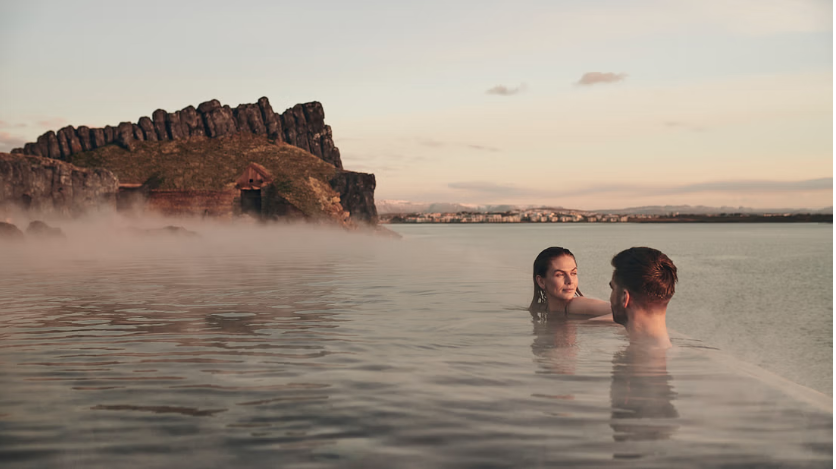
Looking for the ultimate pampering experience? Visit Sky Lagoon, Reykjavík’s own geothermal spa
3. Warm Up in Reykjavík’s Swimming Pools
Icelanders celebrate holidays outdoors — even in cold weather.
Geothermal swimming pools remain open year-round and offer:
- hot tubs
- steam baths
- family-friendly facilities
Soaking in warm water while cool air surrounds you is a uniquely Icelandic Easter experience.
4. Enjoy Reykjavík’s Food Scene
Many restaurants remain open during Easter, though reservations are recommended.
Expect:
- fresh Icelandic seafood
- vegetarian-friendly options
- cozy brunch cafés
- seasonal spring menus
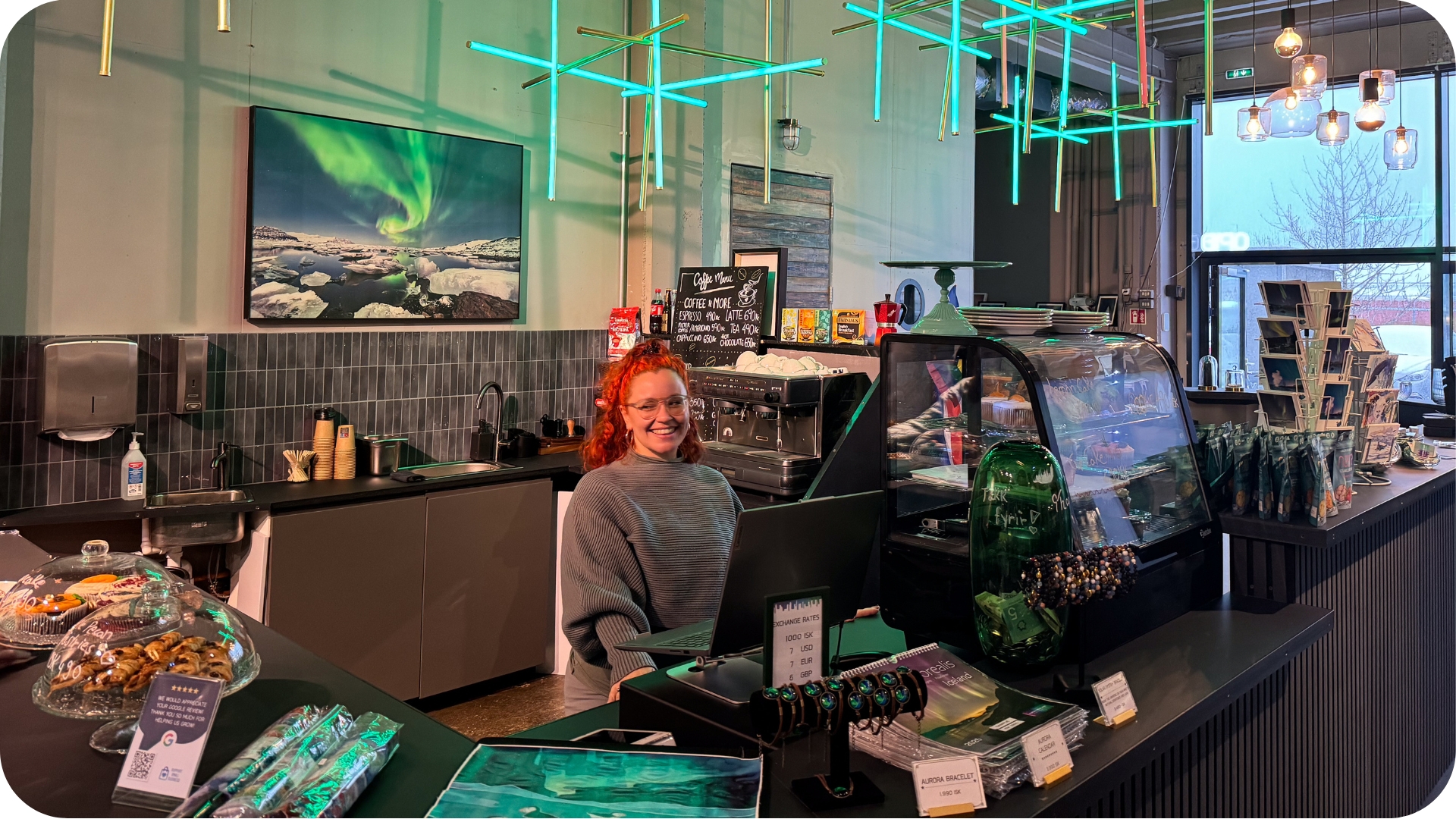
Visit the Aurora Reykjavík Café for a warm cuppa and home-made local pastries
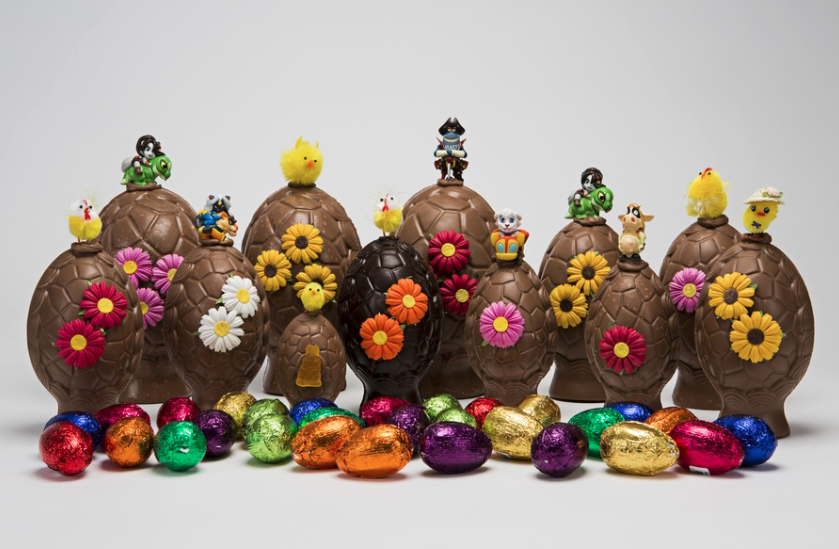
Candy Filled Easter Eggs, a true Icelandic Tradition
Easter in Iceland With Kids
Easter is an excellent time for families visiting Iceland.
Children love:
- Icelandic chocolate eggs
- interactive museums
- open spaces and nature
- shorter crowds compared to peak summer
Family-friendly indoor attractions become especially valuable during holiday weekends when outdoor plans may change quickly.
Aurora Reykjavík is particularly popular with children thanks to its immersive visuals and interactive experiences — offering an educational break between outdoor adventures.
Can You See the Northern Lights at Easter?
Yes — sometimes.
Easter usually falls toward the end of Northern Lights season.
Good news:
- Nights are still dark enough early in the evening.
- Solar activity can remain strong into spring.
Challenges:
- Longer daylight hours reduce viewing time.
- Cloud cover can affect visibility.
That’s why many travelers visit Aurora Reykjavík first — to understand how the Northern Lights work and learn how to maximize their chances during their stay.
Even if nature doesn’t cooperate, you’ll still experience the aurora indoors.
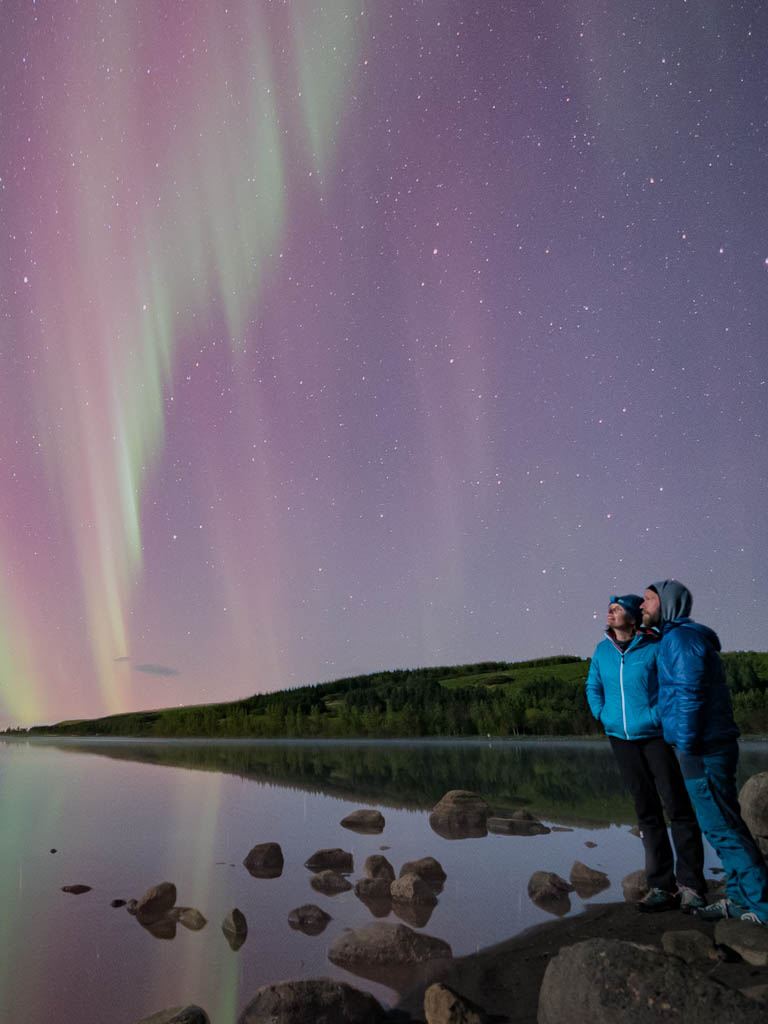
End of Season Northern Lights, don’t miss your chance and join a northern lights tour from Reykjavík
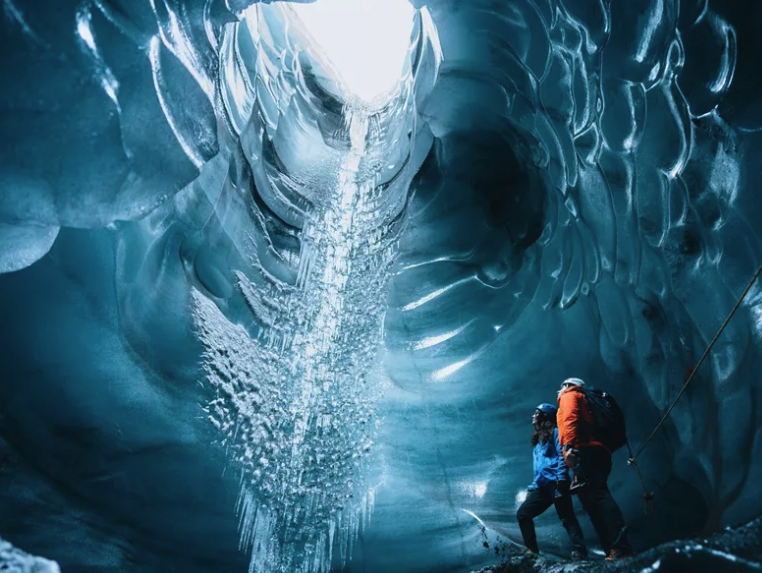
Tour of the Katla Ice Cave and South Coast
Local Tips for Visiting Iceland at Easter
✔ Check restaurant opening hours in advance
✔ Book tours early — holiday weekends are popular
✔ Expect changing weather conditions
✔ Pack layers and waterproof clothing
✔ Plan at least one indoor activity each day
Having flexible plans is the secret to a great Iceland trip at Easter.
Why Easter Is a Wonderful Time to Visit Iceland
Easter offers a unique moment between winter and summer:
- snowy landscapes remain
- daylight increases rapidly
- fewer crowds than peak season
- cozy Reykjavík atmosphere
- excellent conditions for sightseeing
For many travelers, it becomes one of the most memorable times to experience Iceland.
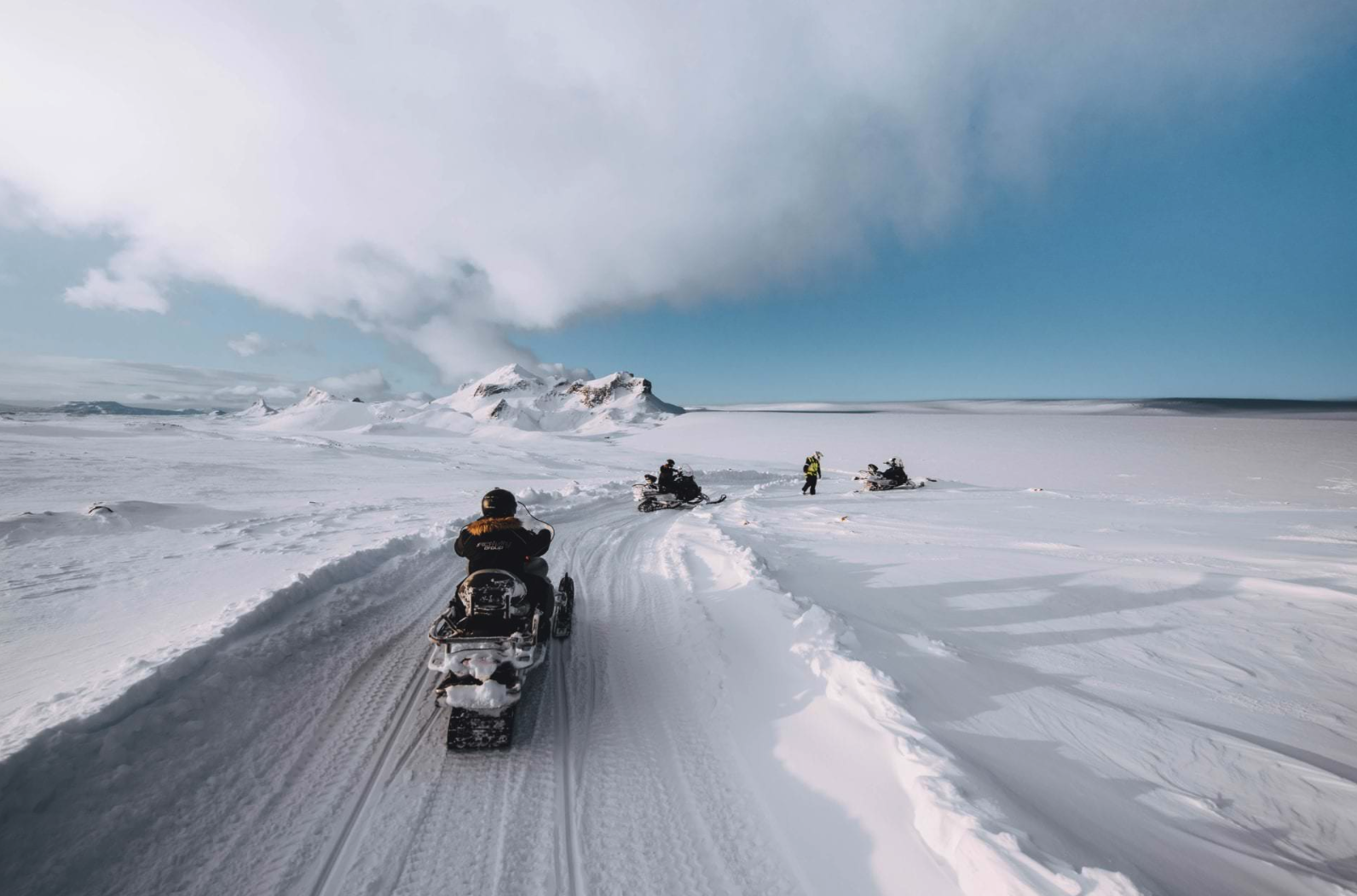
Join a Golden Circle with snowmobile tour during your Easter holidays!
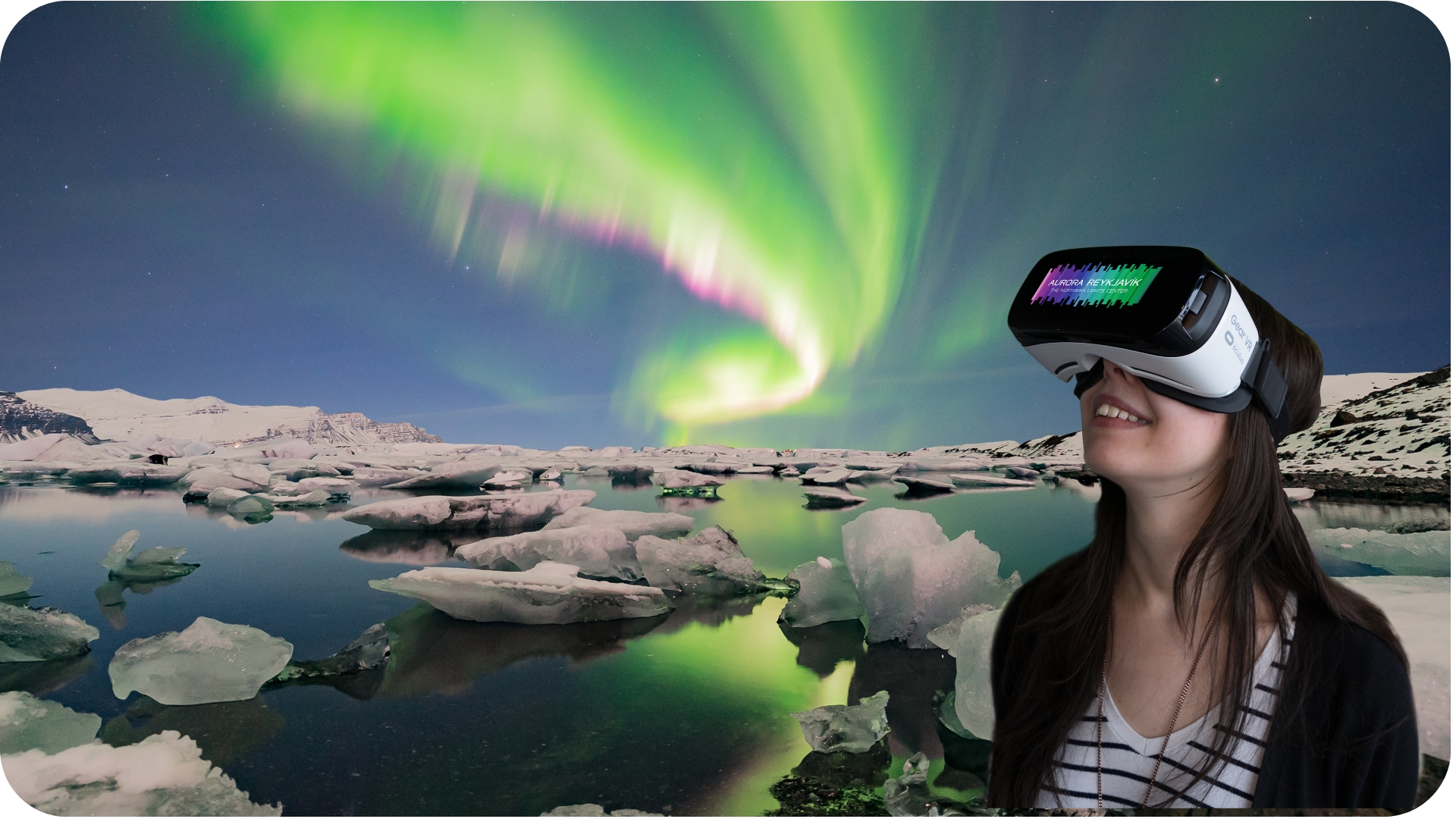
World’s first VR northern lights experience – only at Aurora Reykjavík
Planning Your Easter Visit to Reykjavík
If your Easter plans include Reykjavík, consider adding an indoor Northern Lights experience early in your trip.
Aurora Reykjavík allows you to experience the beauty, science, and photography of the aurora regardless of weather or season — making it an ideal stop during the Easter holidays.
👉 Warm, educational, family-friendly, and open year-round.
Enjoy Easter in Iceland!
Whether you’re chasing the last Northern Lights of the season, exploring Reykjavík’s culture, or simply enjoying Icelandic chocolate eggs, Easter is a magical time to visit.
We look forward to welcoming you to Reykjavík this spring!
UNISCITI A NOI NEL MIGLIOR TOUR DELL’AURORA BOREALE IN ISLANDA
I NOSTRI BESTSELLER
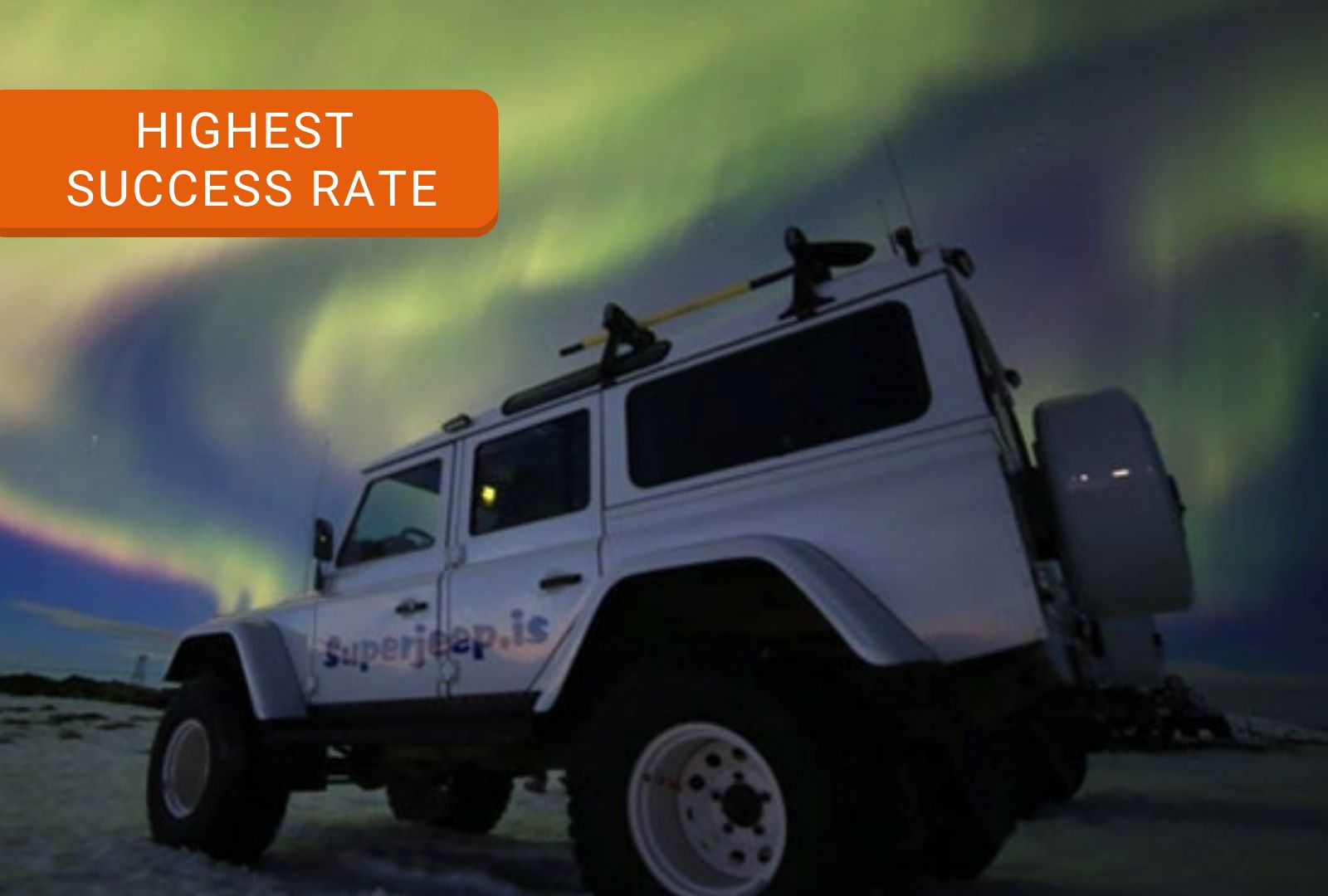
NORTHERN LIGHTS SUPER JEEP TOUR
PUNTI SALIENTI:
✓ Tour dell'aurora boreale in super jeep ✓ Free pick-up and drop-off ✓ Foto di qualità gratuite ✓ cioccolata calda ✓ Veicoli riscaldati
ALTISSIMA PERCENTUALE DI SUCCESSO
INGRESSO AD AURORA REYKJAVÍK INCLUSO NEL PREZZO - RISPARMIA 3900 ISK
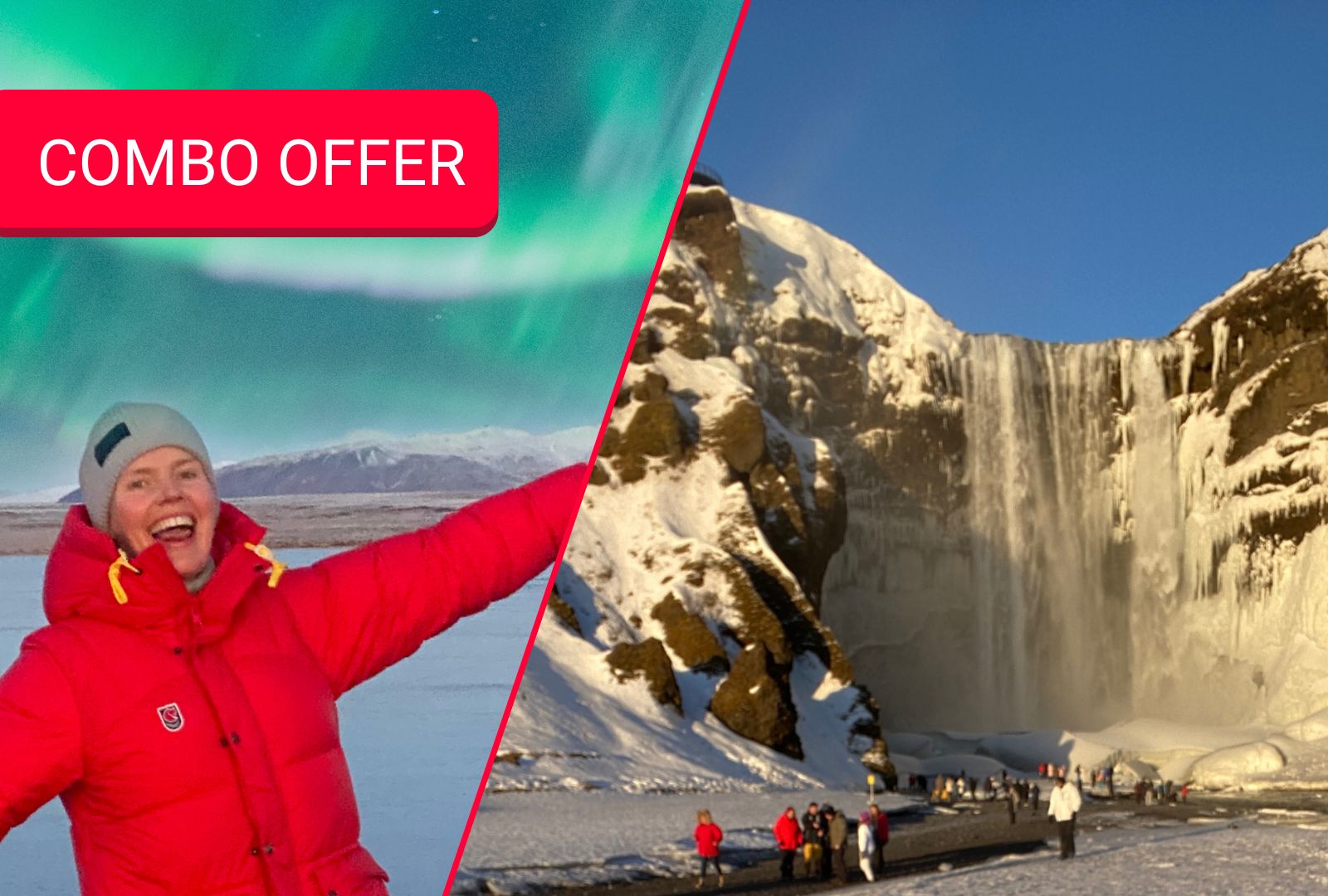
COSTA SUD E AURORA BOREALE
PUNTI SALIENTI:
✓ OFFERTA 2 PER 1: RISPARMIA OLTRE 2000 ISK ✓ Visit Ghiacciaio Sólheimarjökull ✓ Passeggia per la cittadina di Vík ✓ Cammina sulla spiaggia nera ✓ Vedi le cascate di Skógafoss e Seljalandsfoss ✓ Osserva Aurora Boreale danzare MIGLIOR RAPPORTO QUALITÀ PREZZO GARANZIA AURORA BOREALE: SECONDO TENTATIVO GRATUITE SE L'AURORA NON È VISIBILE DURANTE IL TOUR
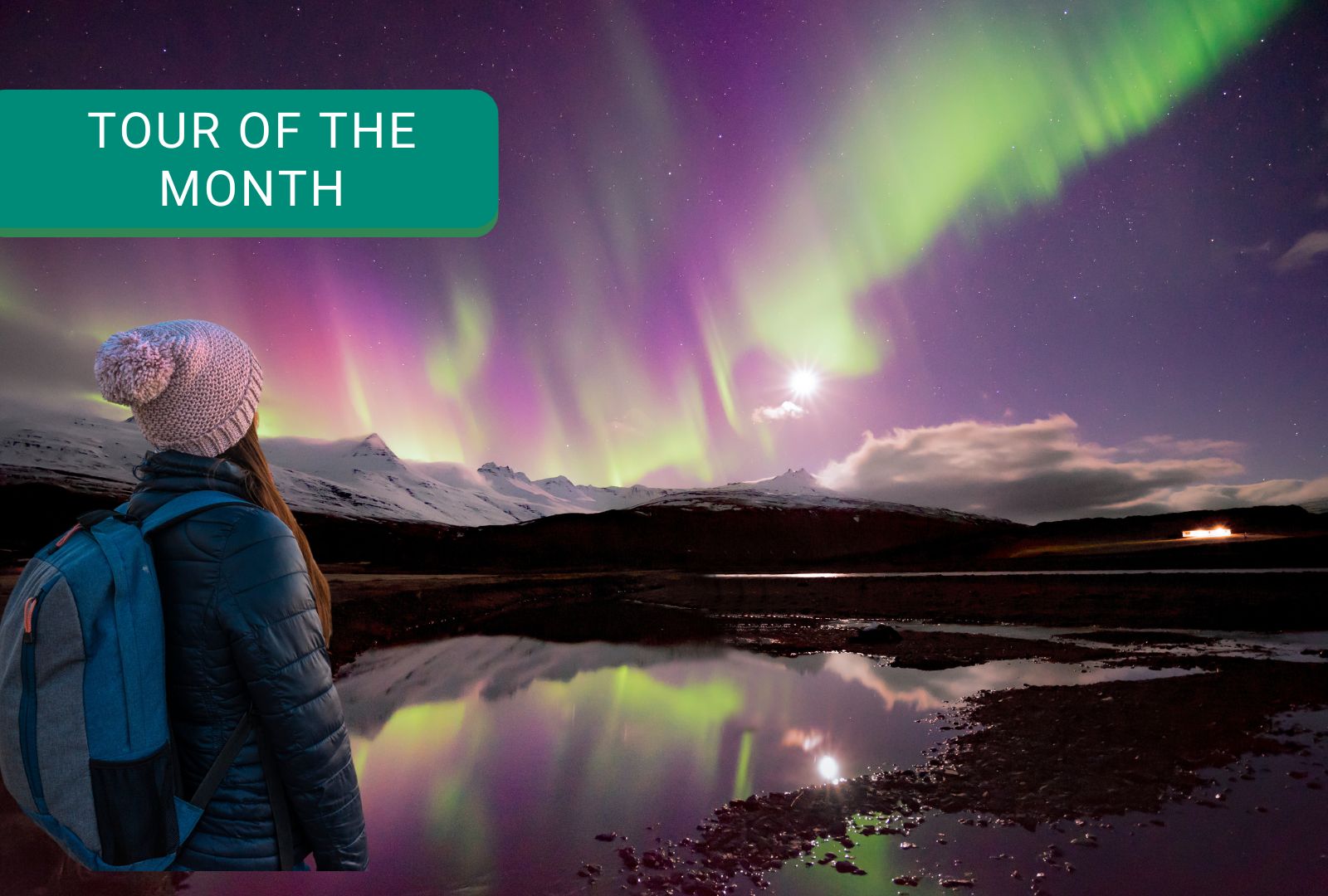
TOUR DELL' AURORA IN MINIBUS
PUNTI SALIENTI:
✓ Tour dell'aurora boreale in un autobus di piccole dimensioni
✓ Foto gratuite con l'aurora boreale
Cioccolata calda e Dolci
✓ Pick-up incluso
TOUR PIÙ VENDUTO
DOMANDE FREQUENTI SULL’AURORA BOREALE
Quando si può vedere l'aurora in Islanda?
Durante questo lungo periodo, l’Islanda sperimenta abbastanza oscurità perché l’aurora sia visibile di notte.
Tuttavia, le probabilità di osservare l’aurora variano a seconda del periodo dell’anno. Scoprite quali mesi sono i migliori per vedere l’aurora qui.
Si può vedere l'aurora boreale con la luna piena?
A che ora compare l'aurora boreale?
Quanto dura l'aurora boreale?
È possibile vedere l'aurora boreale quando il cielo è nuvoloso?
L'aurora boreale appare solo quando fa freddo?
L'aurora boreale è visibile in tutta l’Islanda?
L'aurora boreale è davvero colorata?
Il novilunio è migliore per osservare le aurore boreali?
La luna piena è adatta per fotografare le aurore boreali?
Katarina Raker
SULL’AUTRICE: KATARINA RAKER