Northern Lights Diary
Follow us on our Northern Lights trips!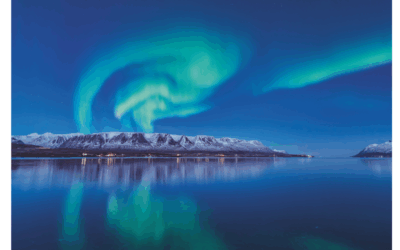
Northern Lights in Iceland in March & April: Why Spring Is an Underrated Aurora Season
Most travelers assume winter is the only serious northern lights season in Iceland.
In reality, March and early April can be one of the smartest times to hunt the aurora.
You still have dark nights long enough for aurora viewing, travel conditions are often easier than in deep winter, and the weeks around the spring equinox are statistically favorable for geomagnetic activity.
ICELAND IN APRIL: WEATHER, NORTHERN LIGHTS & BEST THINGS TO DO
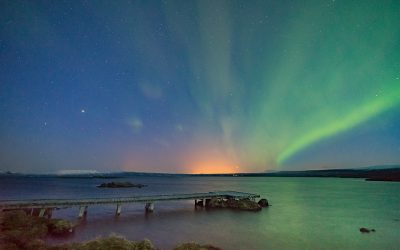
April in Iceland is a month of transition. Winter begins to loosen its grip, daylight stretches dramatically, and the country starts to awaken for spring. For travellers, this means fewer crowds, powerful waterfalls fed by melting snow, and one final chance to see the northern lights before the season ends.
If you are considering visiting Iceland in April, here is everything you need to know – from weather conditions and Easter traditions to why this is still a great time to chase the aurora.
EASTER IN ICELAND: TRADITIONS, OPENING HOURS & WHAT TO DO IN REYKJAVÍK
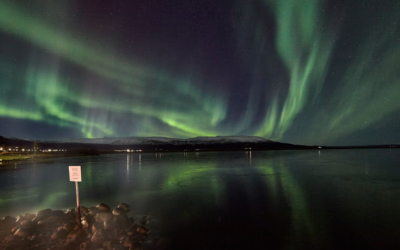
Easter is one of the most beautiful times to visit Iceland. Winter still lingers in the landscape, daylight is rapidly returning, and Reykjavík comes alive with locals enjoying the first real feeling of spring. Here is everything visitors need to know about spending Easter in Iceland — plus the best ways to enjoy Reykjavík during the holiday weekend.
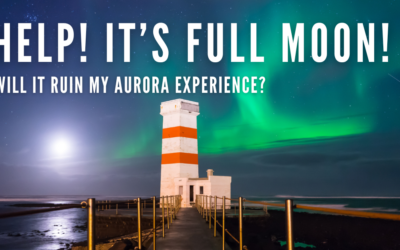
Full Moon and Northern Lights: Will a Full Moon Ruin Your Aurora Experience?
Does a full moon affect the Northern Lights? Aurora experts explain how moonlight, cloud cover, and aurora strength really impact your viewing experience.
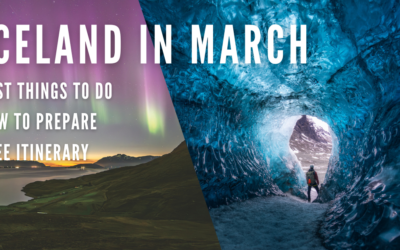
ISLANDIA EN MARZO: EL TIEMPO, AURORAS BOREALES Y LAS MEJORES COSAS QUE HACER
¿Planeando un viaje a Islandia en marzo? ¡Bien pensado! Marzo es una de las mejores épocas para visitarlo si buscas paisajes invernales, más luz natural y excelentes condiciones para ver la aurora boreal sin las multitudes de la temporada alta. Si te preguntas sobre el clima de Islandia en marzo, las probabilidades de auroras y qué llevar en tu mochila, esta completa guía de viaje para Islandia en marzo te lo explica todo.
VIAJE DE AURORAS BOREALES DESDE REIKJAVÍK: CONSEJOS Y TRUCOS PARA PLANIFICAR TU BÚSQUEDA DE AURORAS BOREALES
Ver la Aurora Boreal es una de esas experiencias inolvidables que Islandia convierte en inolvidables. Con la planificación adecuada, ropa abrigada y un poco de suerte de la Madre Naturaleza, podrás contemplar el cielo nocturno danzando en verde, morado y rosa justo encima de ti. Tanto si buscas la guía de un experto como si prefieres una aventura autoguiada, aquí te explicamos cómo planificar tu viaje a Reikjavík para ver la Aurora Boreal como un profesional.
THE “MIDNIGHT SUN” MYTH: CAN YOU SEE THE AURORA IN ICELAND IN THE SUMMER?
In winter, long nights create perfect conditions for Northern Lights viewing. In summer, the season of the midnight sun, the landscape is bathed in near-constant daylight. This dramatic shift leads many visitors to ask the same question every year: Can you see the Northern Lights in Iceland during summer?
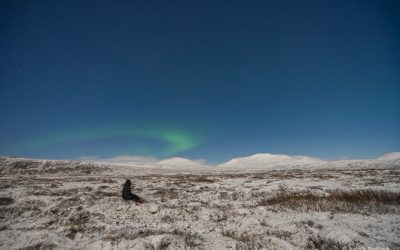
VISITING ICELAND IN FEBRUARY: EVERYTHING YOU NEED TO KNOW
February is one of the most rewarding months to plan your trip to Iceland. Nestled well into winter, it brings a compelling mix of extended daylight for sightseeing and long nights for aurora hunting, along with unique cultural traditions you won’t experience at any other time of year. In this guide, we explain why February is a standout month to visit Iceland, what to expect from nature and culture, and how to make the most of your winter adventure.
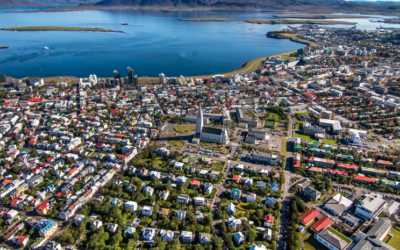
REYKJAVÍK BY CRUISE: MAKE THE MOST OF YOUR 4–8 HOURS STOP
Touching down in Iceland’s capital for just a few hours? Reykjavík’s compact layout means you can pack in a ton of fun without feeling rushed, especially if your ship docks at the Reykjavík Old Harbour. Most of the attractions below are clustered in the Grandi (Old Harbour) area, within walking distance of each other, perfect when time is tight.
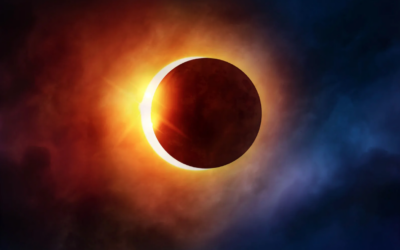
ECLIPSE SOLAR TOTAL 2026 EN ISLANDIA: TODO LO QUE NECESITA SABER
El Miércoles 12 de agosto de 2026, Islandia presenciará uno de los fenómenos naturales más extraordinarios: un eclipse solar total. Por un breve instante, la Luna pasará frente al Sol, transformando una tarde de verano en un crepúsculo sobrenatural. Se trata de un fenómeno poco común en Islandia, que no se repetirá en generaciones, lo que lo convierte en una razón verdaderamente especialpara visitar el país .