TUTTO CIO' CHE C'E' DA SAPERE SULL'AURORA BOREALE
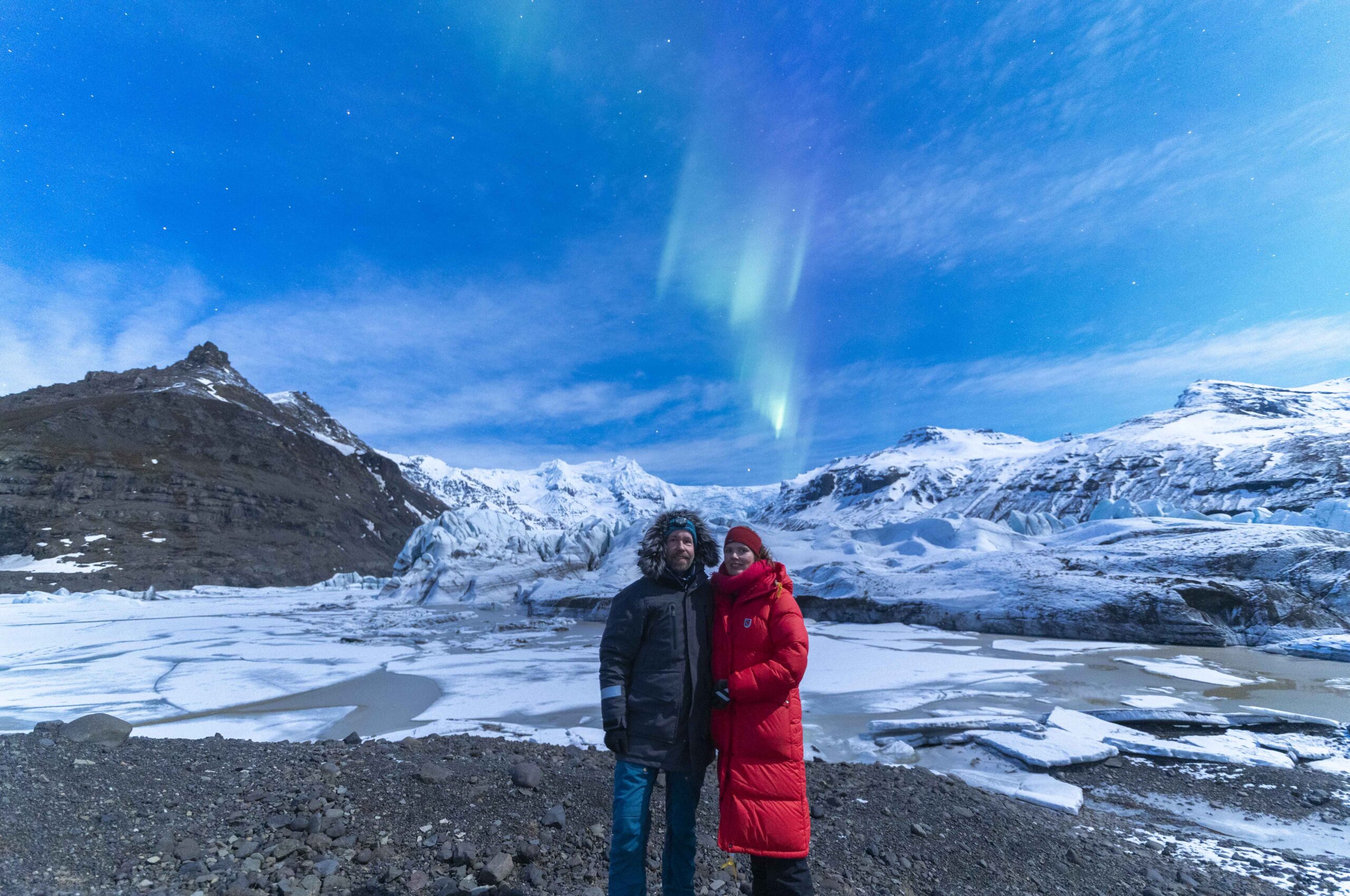
LA GUIDA COMPLETA ALLE AURORE BOREALI IN ISLANDA
Stai pianificando di vedere l’Aurora Boreale in Islanda?
Questa guida copre tutto ciò che devi sapere: il periodo e i luoghi migliori per vederla, come aumentare le tue possibilità, cosa portare e come catturare splendide foto dell’Aurora.
Dai tour guidati ai viaggi in autonomia, rendiamo la tua caccia all’Aurora un successo!
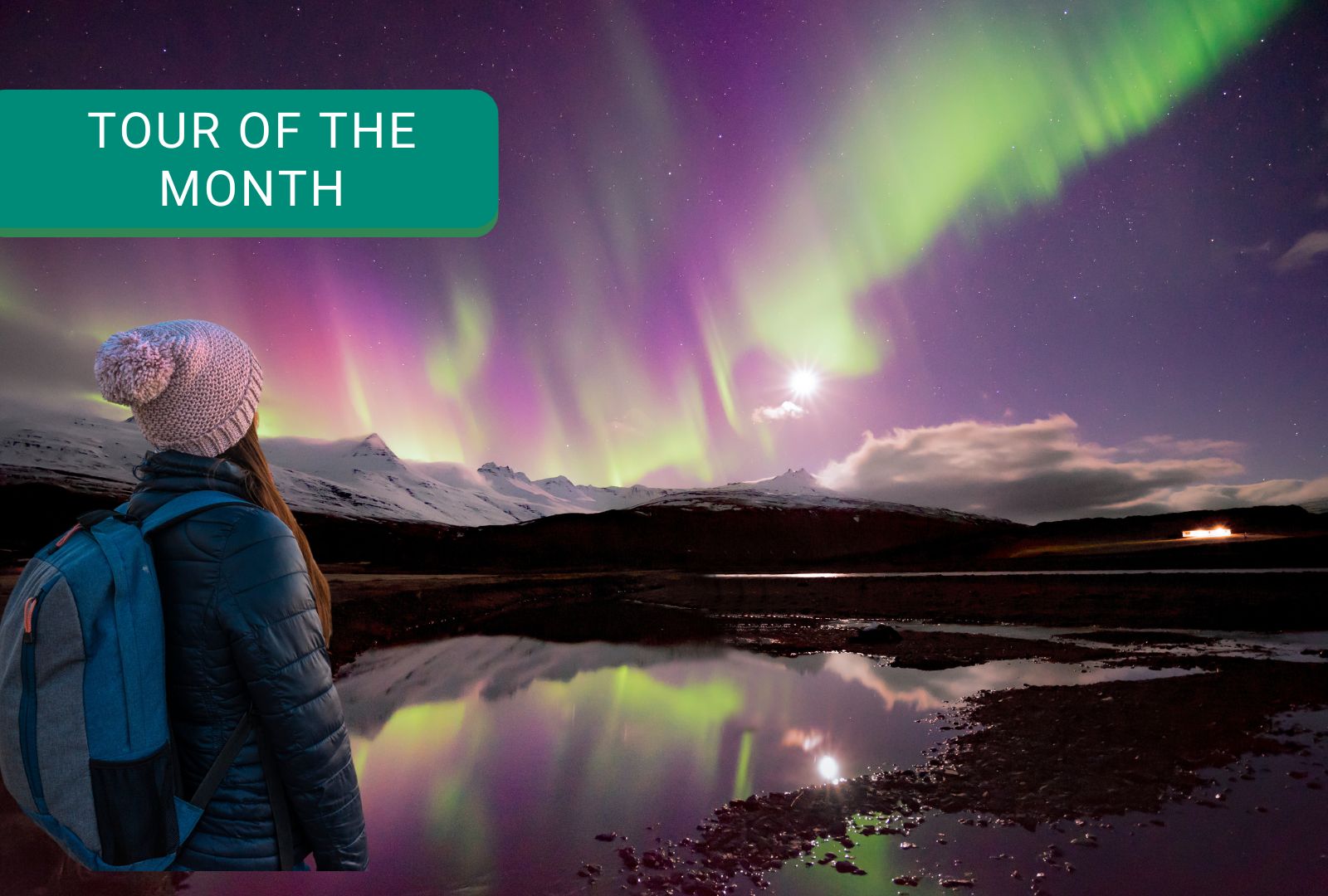
NO 1 NORTHERN LIGHTS SMALL GROUP TOUR
PUNTI SALIENTI:
✓ Northern Lights Tour in un autobus di piccole dimensioni
✓ Foto gratuite con l'aurora boreale
✓ Homemade hot Chocolate e Dolci
✓ Pick-up incluso

COME LEGGERE UNA PREVISIONE DELL'AURORA: LA TUA GUIDA COMPLETA PER CAPIRE I DATI
Vedere l’aurora non è solo una questione di fortuna:
è una combinazione di trovarsi nel posto giusto, al momento giusto e di comprendere la scienza alla base delle previsioni dell’aurora.
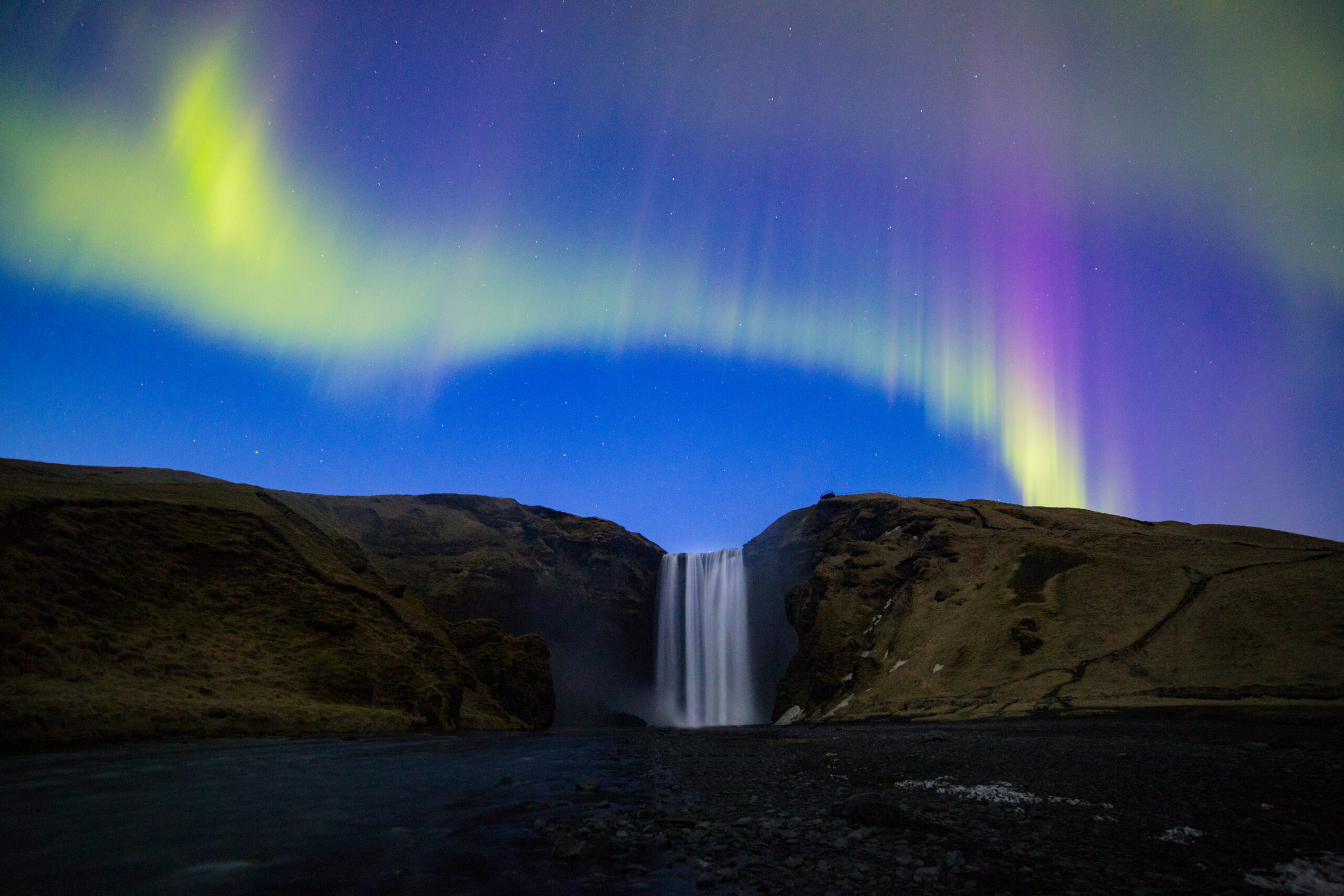
I 25 LUOGHI MIGLIORI PER VEDERE L'AURORA BOREALE IN ISLANDA
Da appassionato dell’Aurora Boreale e fondatore di Aurora Reykjavík, ho trascorso innumerevoli notti a inseguire le aurore in tutta l’Islanda. Ogni esperienza sembra la prima: una danza di colori e luce che ispira meraviglia contro gli immensi cieli islandesi.
Ecco i miei 25 luoghi preferiti per assistere a questa meraviglia naturale. Dagli altopiani remoti ai gioielli costieri, questi luoghi offrono qualcosa di davvero magico.
Lascia che ti accompagni in un viaggio verso i migliori posti in Islanda per vedere l’Aurora Boreale. – Grétar Jónsson
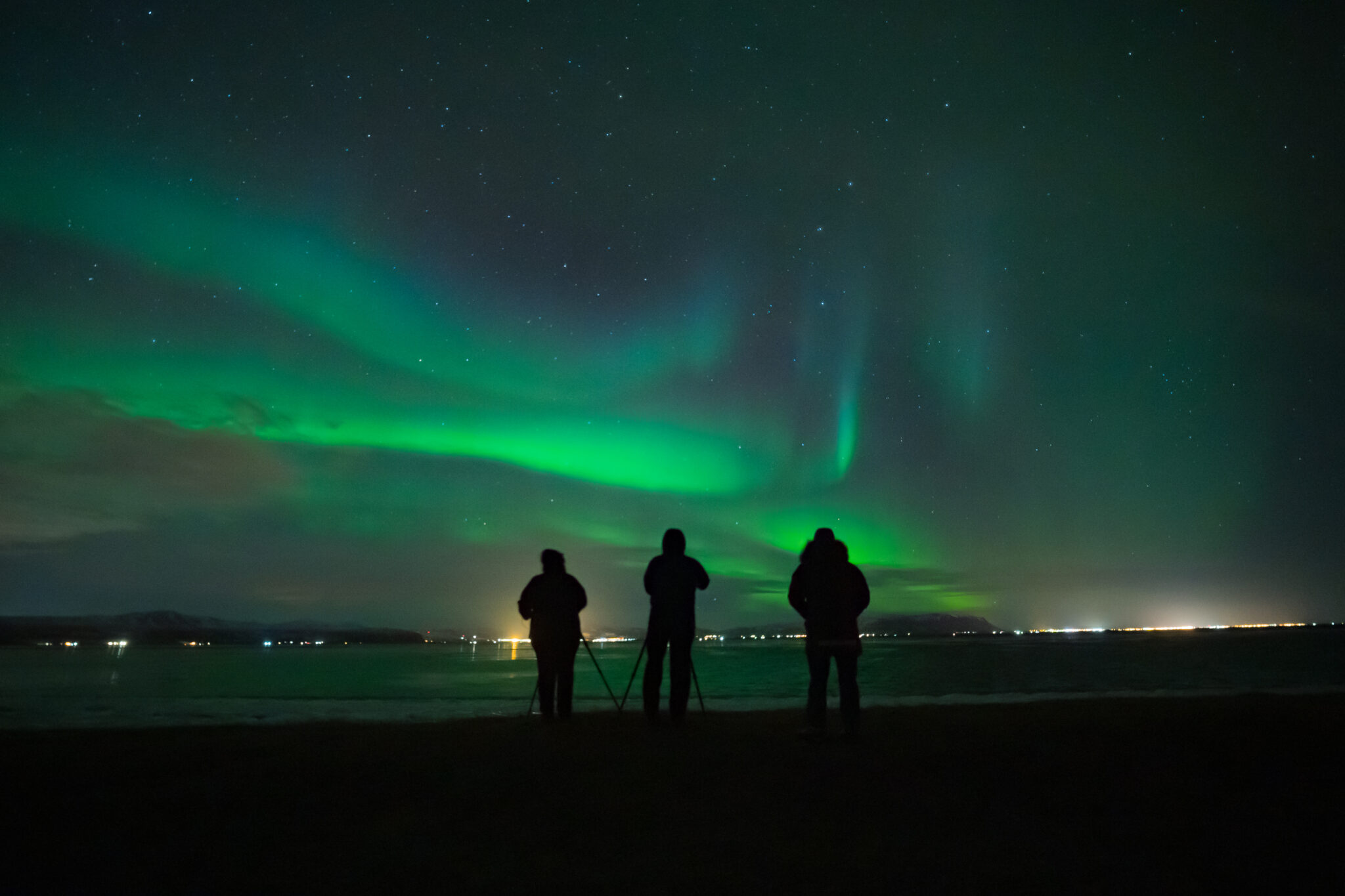
COME FOTOGRAFARE L'AURORA BOREALE
Catturare l’Aurora Boreale è più facile di quanto pensi, se conosci le impostazioni giuste.
Scopri come fotografare l’aurora con qualsiasi fotocamera o smartphone, incluse le migliori impostazioni ISO, il tempo di esposizione, le tecniche di messa a fuoco e i consigli per il treppiede.
Che tu sia un principiante o stia inseguendo lo scatto dei tuoi sogni in Islanda, questa guida passo dopo passo ti aiuterà a ottenere foto dell’Aurora Boreale nitide e vibranti ogni volta.
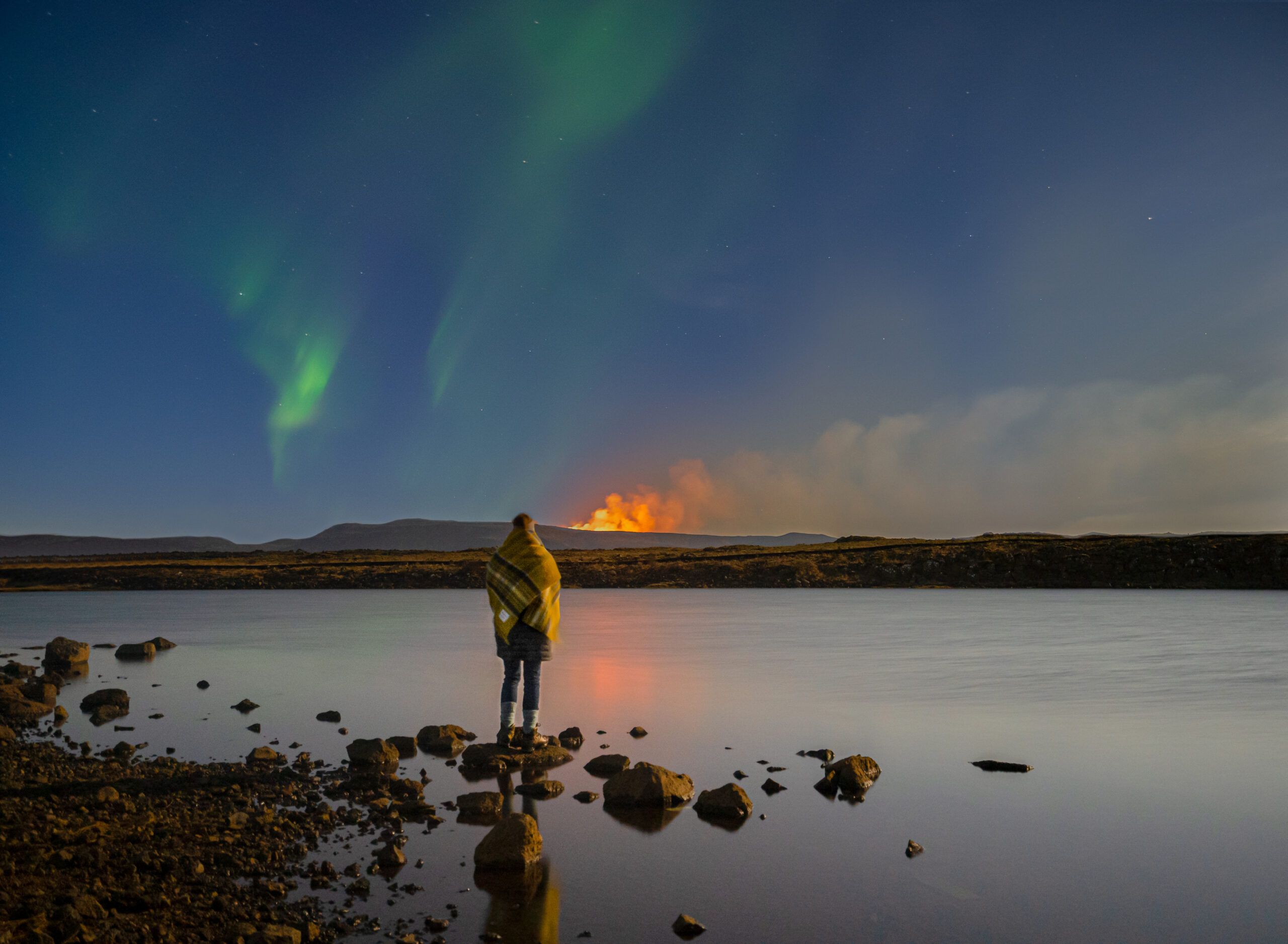
COME SCEGLIERE IL MIGLIOR TOUR PER L'AURORA BOREALE
L’Aurora Boreale è imprevedibile e scegliere il tour giusto può fare la differenza tra un successo luminoso e una fredda delusione.
In questo articolo analizziamo tutto ciò che dovresti considerare prima di prenotare: dalle dimensioni del gruppo e l’esperienza delle guide alle previsioni meteo, al supporto fotografico e alle politiche di rimborso.
Ti aiuteremo a scegliere il tour che si adatta davvero alle tue esigenze.
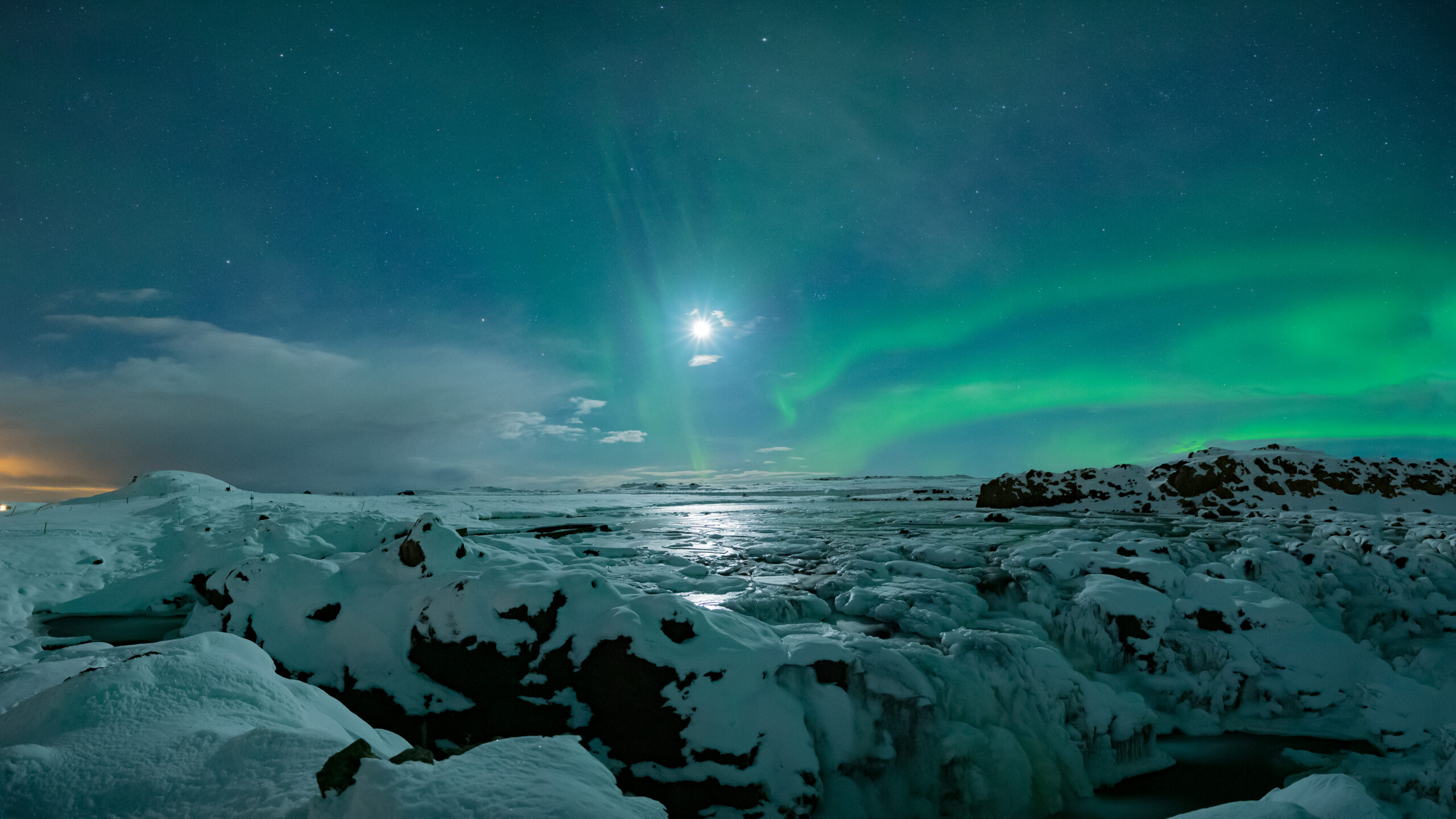
AIUTO! C'E' LA LUNA PIENA! ROVINERA' LA MIA ESPERIENZA DELL'AURORA?
La luna piena influisce sull’Aurora Boreale? Da esperti di aurore ad Aurora Reykjavík, ti spieghiamo come la luce lunare, la copertura nuvolosa e l’intensità dell’aurora influenzano davvero la tua esperienza di osservazione.

AURORA BOREALE
SUPERJEEP TOUR
PUNTI SALIENTI:
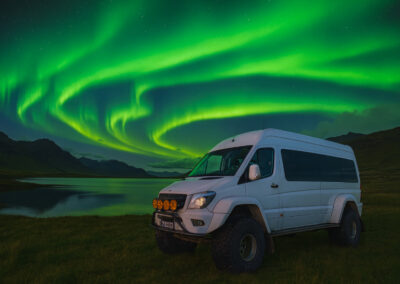
✓ Tour dell'aurora boreale in super jeep
✓ Pick-up e drop off gratuiti
✓ Foto di qualità gratuite
✓ cioccolata calda
✓ Veicoli riscaldati
ALTISSIMA PERCENTUALE DI SUCCESSO
INGRESSO AD AURORA REYKJAVÍK INCLUSO NEL PREZZO - RISPARMIA 3900 ISK
COME LEGGERE UNA PREVISIONE DELL'AURORA: LA TUA GUIDA COMPLETA PER CAPIRE I DATI
Vedere l’aurora non è solo una questione di fortuna:
è una combinazione di trovarsi nel posto giusto, al momento giusto e di comprendere la scienza alla base delle previsioni dell’aurora.
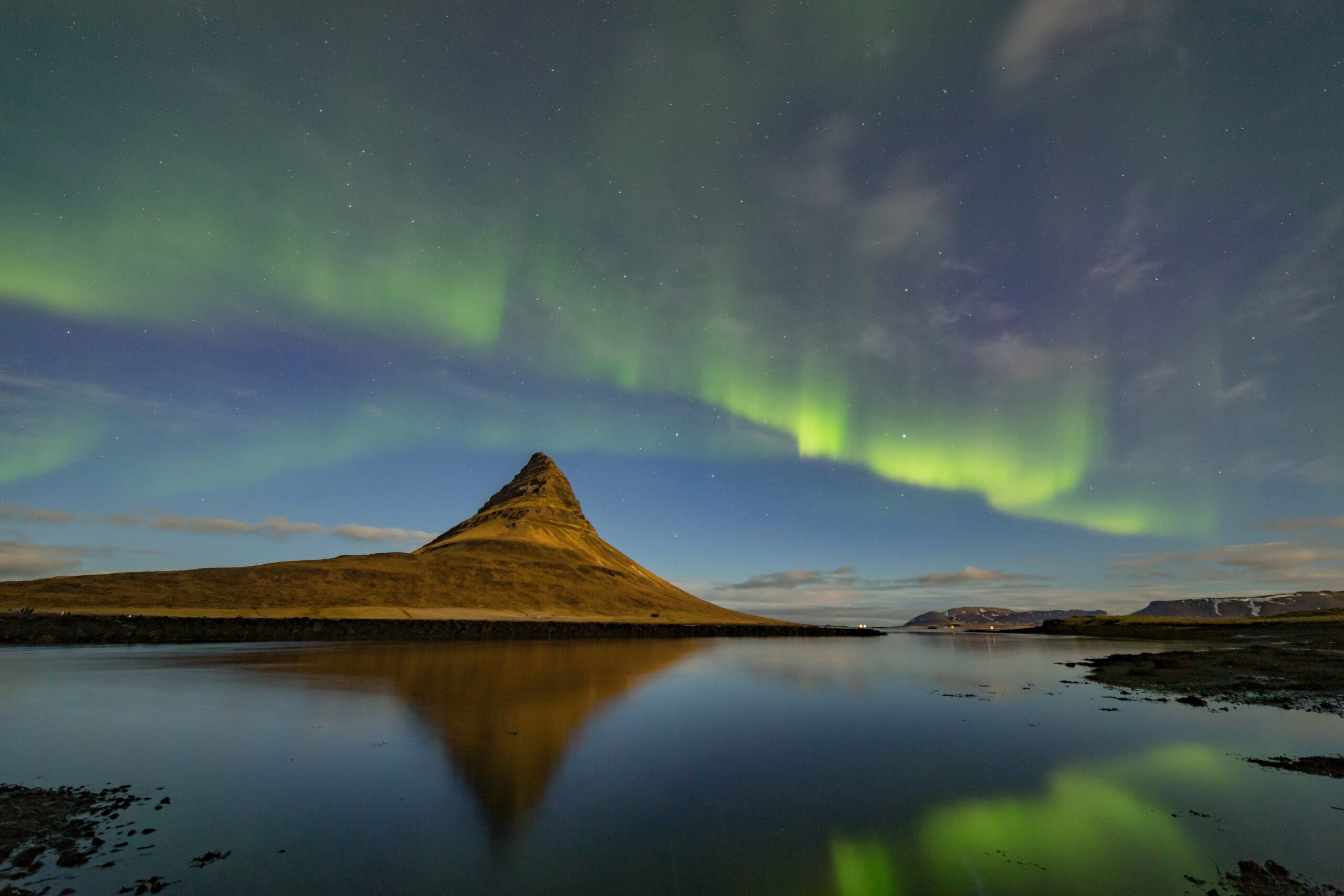
GUIDARE DA SOLI PER VEDERE L’AURORA BOREALE: PERCORSI SICURI, CONSIGLI E ERRORI DA EVITARE (GUIDA ISLANDA 2026)
Ogni inverno, migliaia di visitatori in Islanda scelgono una caccia all’aurora boreale in autonomia.
Poiché le strade invernali islandesi possono essere nevose, ventose, ghiacciate e imprevedibili, la pianificazione è fondamentale.
Questa guida ti accompagna attraverso percorsi di guida sicuri, consigli pratici locali, cosa NON fare e come aumentare le tue possibilità di vedere l’aurora.
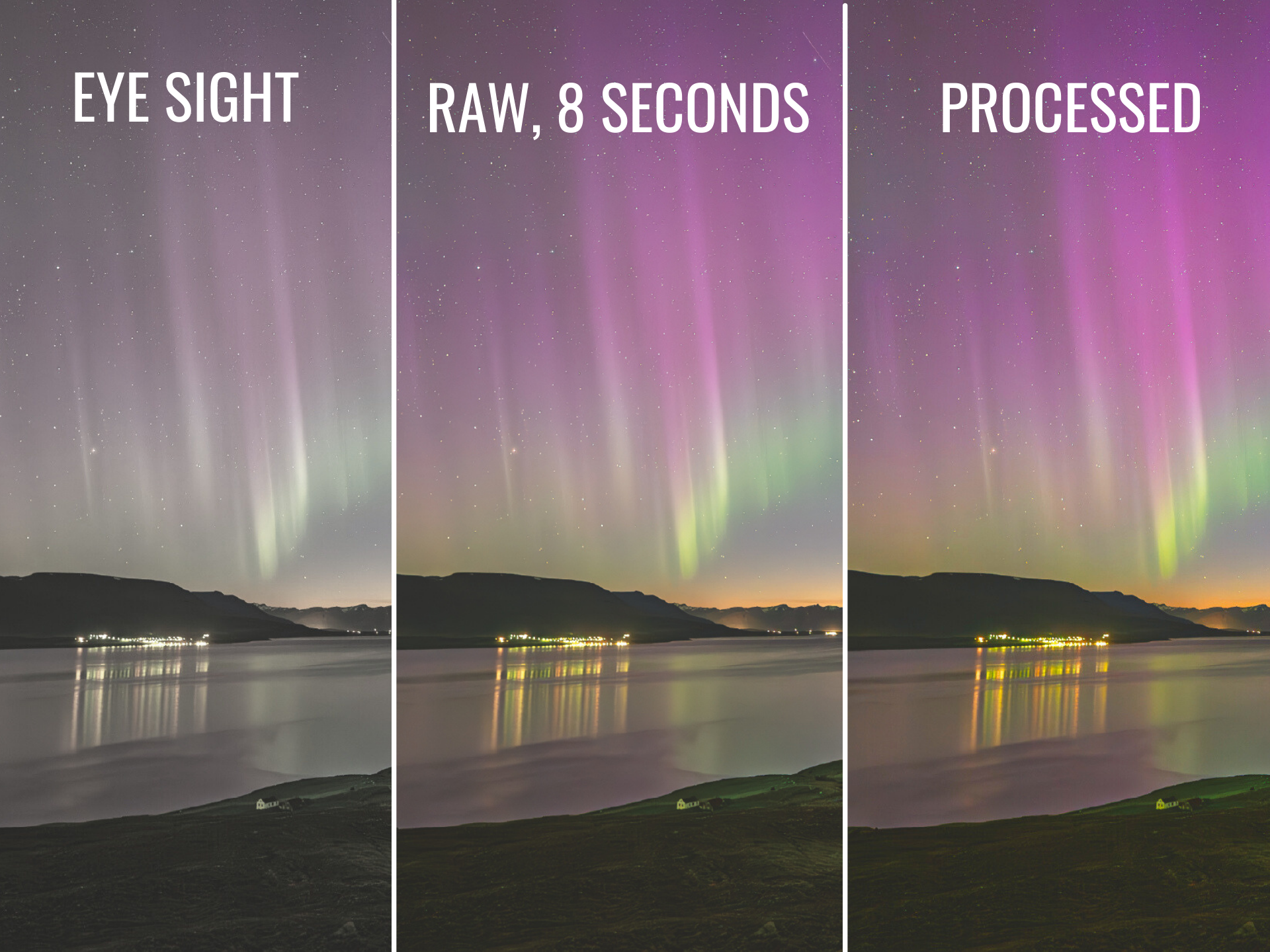
SI PUO' VEDERE L'AURORA BOREALE AD OCCHIO NUDO?
È davvero possibile vedere l’Aurora Boreale ad occhio nudo, o quei colori vividi appaiono solo nelle foto?
Ecco come appare realmente l’aurora dal vivo e come aumentare le tue possibilità di vederla.
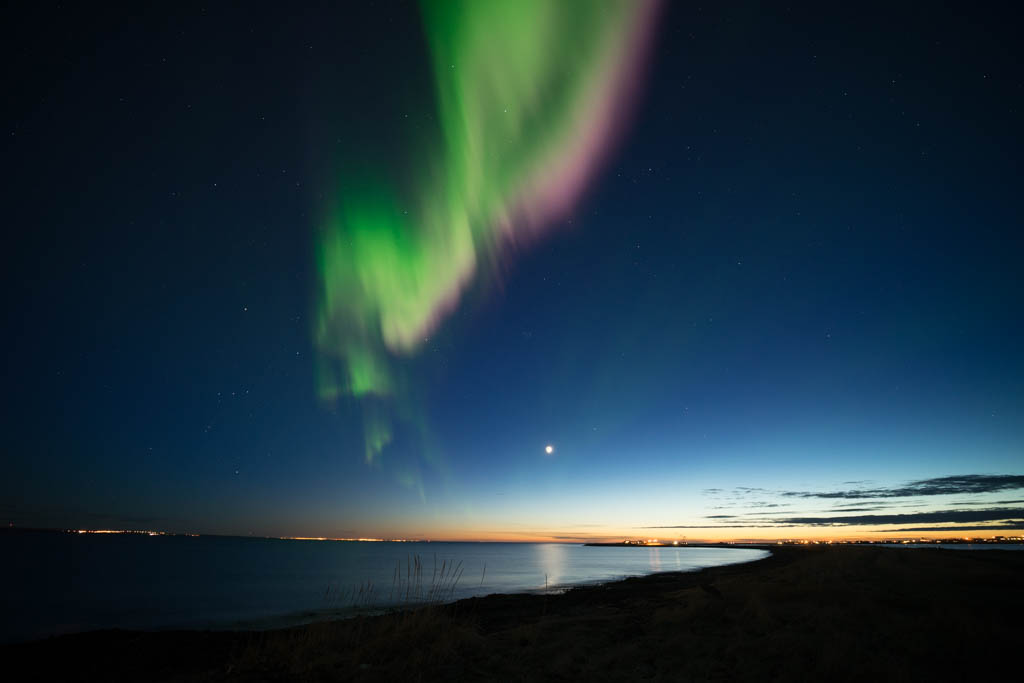
I LUOGHI MIGLIORI PER VEDERE L’AURORA BOREALE A REYKJAVÍK
È davvero possibile vedere le Aurore Boreali da Reykjavík, o le luci della città lo rendono impossibile?
Scopri i migliori luoghi in città e nei dintorni dove le tue possibilità di vedere l’aurora sono sorprendentemente alte.
FAQ about the Northern Lights
Quando si può vedere l'aurora in Islanda?
The northern lights season in Iceland begins in late August and continues through mid/late April.
During this long period, Iceland experiences sufficient darkness for the Aurora to be visible at night.
However, chances of experiencing the northern lights vary depending on the time of year. Find out which months are the best for seeing the Aurora qui.
Why can't I see any northern lights in the summer ?
To be able to see the northern lights you need sufficient darkness. During summer we have what we call the “midnight sun”, meaning that there are no hours of actual nighttime darkness. These conditions are perfect for late night hiking and exploring, but make it impossible for us to observe the Aurora in Iceland between May and early August.
Want to know more about light conditions in Iceland? Check the sun graph and learn about twilight and dusk in Iceland.
A che ora compaiono le aurore boreali?
Northern lights are statistically often seen between 9:00pm and 1:00am, but they may appear at any time as long as it is dark (and the sky clear).
During the winter months, when the hours of light are limited, the northern lights can often appear as early at 7:00pm.
As the exact time of an Aurora display cannot be predicted, keep your eyes at the sky. And remember, patience is key!
Quanto durano le aurore boreali?
Auroras can last any time between few minutes and hours.
Each northern lights display is different, and varies in duration. Furthermore, the northern lights are not always visible for the entire duration of a single Auroral episode: they often change in intensity throughout a single display, and can go from very bright to incredibly faint, to the point they are hardly visible at all any more.
Learn more about how the northern lights behave duration-wise qui.
Posso vedere le aurore boreali quando il cielo è nuvoloso?
Well, that depends. First of all, Islanda is well-known for its unpredictable weather: the fact that it is cloudy now does not mean that the sky will still be cloudy 5 minutes from now.
As long as we can find some gaps in the cloud cover, some windows of clear sky – there’s hope.
And, even when it’s cloudy, keep in mind that not all clouds are the same. For example, high clouds are often see-through and do not necessarily disrupt our view. Rule of thumb: if you can see the stars, you can potentially see the northern lights too.
Once again, keep your eyes at the sky e check the forecast regularly for the most reliable prediction.
Le aurore boreali appaiono solo quando fa freddo?
The northern lights season in Iceland starts in late summer.
As you can imagine, this means that you don’t need cold temperatures to see an Aurora (although you should not expect t-shirt weather at night in Iceland, not even in August).
The northern lights happen way above the weather systems, and are not influenced by weather systems and temperature fluctuations in the lower atmosphere.
Find out more qui.
Le aurore boreali sono visibili in tutta l’Islanda?
Iceland is located within the so called “aurora belt“, the area where the northern lights are typically seen.
In the Arctic region, the belt extends between 60°N and 70°N latitude. As Islanda in its entirety is included between 63°N and 67°N, and therefore well within the aurora belt, chances of seeing the northern lights are virtually the same everywhere around the island – if weather allows.
That said, the likelihood of witnessing the northern lights is higher away from the city lights, and some areas around the country are especially scenic. Here are our favourite locations for northern lights spotting in Iceland.
Le aurore boreali sono davvero multicolore?
The northern lights happen in a variety of colours. Green is by far the most common, but the Aurora can also appear in vibrant shades of pink, purple, red, violet and blue.
To the naked eye though, the northern lights can look quite faint, and at times be perceived as white or grey-ish. This is due to limitations in our night vision.
Camera devices instead can capture a more truthful version of the colours, as, in most cases, it possible to adjust the device settings in order to better adapt to the night time conditions.
Find more about how to improve your night vision and learn how to take great Aurora shots qui.
Are the northern lights going to disappear in future?
No, the northern lights are not going anywhere!
The Aurora has been visible in the Arctic for centuries, and that is not going to change any times soon.
What is true is that the solar activity, which is responsabile for the occurrence of the northern lights on our planet, changes over time, following an eleven-year cycle.
During each solar cycle, the Sun goes from a peak to a minimum of activity. During the peak, the so called “solar maximum“, we can expect enhanced activity and, potentially, stronger northern lights visible from unusual latitudes (in the northern hemisphere, this means Auroras being spotted further south than usual). While, during the solar minimum, such unusually strong occurrences become rarer.
Still, at Arctic latitudes the northern lights can be see clearly throughout the whole cycle. And Islanda, being well within the “Aurora belt”, is and will remain the perfect destination for northern lights hunting!
What is the BZ value?
The Bz value is part of the Interplanetary Magnetic Field (IMF), which is the magnetic field carried by the solar wind coming from the Sun.
Why does it matter for the Northern Lights? Earth’s magnetic field points north. If the solar wind’s magnetic field (Bz) points south (a negative Bz), it connects with Earth’s field and lets charged solar particles into the atmosphere. This interaction helps create the northern lights. If instead, Bz is positive (northward), the fields don’t connect well, and fewer particles get in — meaning weaker or no aurora.
Think of Bz like an ON/OFF switch: negative Bz (south) = ON, good chance of Aurora soon. Positive Bz (north) = OFF, Aurora less likely.
Learn more about Bz and how the forecast works qui.
Which are the best forecast apps and websites for northern lights hunting?
Chasing the Northern Lights is all about timing, clear skies, and up-to-date aurora forecasts. These tools help you know when and where there’s a good chance of seeing the aurora — so you can plan your night the smart way. For the best results, we recommend using more than one source, as different forecasts interpret data differently.
WEB FORECASTS
- Official AURORA REYKJAVÍK Aurora Forecast 👉 https://aurorareykjavik.is/aurora-forecast/
Our 6-step expert forecast combines geomagnetic activity, cloud cover, and viewing tips — designed for real-time Northern Lights planning. - SpaceWeatherLive
A detailed global space weather site with auroral activity maps and solar parameters. - NOAA Space Weather Prediction Center (SWPC)
The official US space weather forecast model that many aurora apps base their data on.
TOP MOBILE APPS
- My Aurora Forecast – Offers real-time KP index, global aurora maps, push alerts and multi-day forecasts — great for travelers and serious aurora watchers alike.
And don’t forget to unable notifications, so you’ll get alerts when aurora activity spikes.
📍App Store
📍 Google Play
By following this guide, you’ll be well-prepared to experience one of nature’s most magical displays. Whether you’re planning your trip or already in Iceland, the Aurora awaits!
UNISCITI A UN TOUR DELL'AURORA BOREALE




Northern Lights in Iceland in March & April: Why Spring Is an Underrated Aurora Season
Most travelers assume winter is the only serious northern lights season in Iceland.
In reality, March and early April can be one of the smartest times to hunt the aurora.
You still have dark nights long enough for aurora viewing, travel conditions are often easier than in deep winter, and the weeks around the spring equinox are statistically favorable for geomagnetic activity.
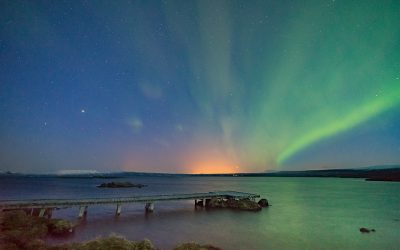
ICELAND IN APRIL: WEATHER, NORTHERN LIGHTS & BEST THINGS TO DO
April in Iceland is a month of transition. Winter begins to loosen its grip, daylight stretches dramatically, and the country starts to awaken for spring. For travellers, this means fewer crowds, powerful waterfalls fed by melting snow, and one final chance to see the northern lights before the season ends.
If you are considering visiting Iceland in April, here is everything you need to know – from weather conditions and Easter traditions to why this is still a great time to chase the aurora.
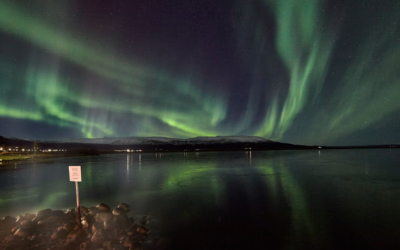
EASTER IN ICELAND: TRADITIONS, OPENING HOURS & WHAT TO DO IN REYKJAVÍK
Easter is one of the most beautiful times to visit Iceland. Winter still lingers in the landscape, daylight is rapidly returning, and Reykjavík comes alive with locals enjoying the first real feeling of spring. Here is everything visitors need to know about spending Easter in Iceland — plus the best ways to enjoy Reykjavík during the holiday weekend.
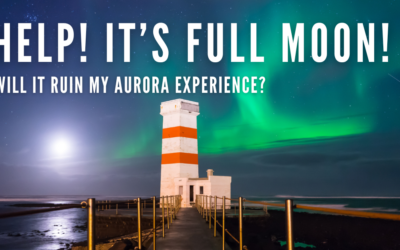
AIUTO, C'E' LA LUNA PIENA! ROVINERA' LA MIA ESPERIENZA DELL'AURORA?
La luna piena influisce sull’aurora boreale? Gli esperti di aurore spiegano come la luce della luna, la copertura nuvolosa e l’intensità dell’aurora influenzano davvero la tua esperienza di osservazione.
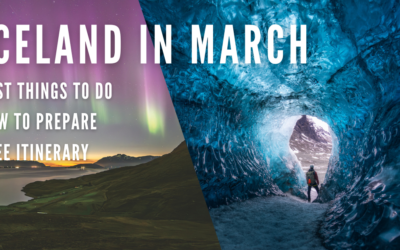
ISLANDA A MARZO: METEO, AURORA BOREALE E LE MIGLIORI ATTRAZIONI
Stai pianificando un viaggio in Islanda a marzo? Ottima idea! Marzo è uno dei periodi migliori per visitare se desideri paesaggi invernali, luce del giorno in crescita e ottime possibilità di vedere l’aurora boreale senza la folla dell’alta stagione. Se ti stai chiedendo del meteo in Islanda a marzo, delle probabilità di avvistare l’aurora e cosa mettere in valigia, questa guida completa su come viaggiare in Islanda a marzo copre tutto ciò che devi sapere.
AURORE BOREALI DA REYKJAVÍK: CONSIGLI E TRUCCHI PER PIANIFICARE LA TUA CACCIA ALL’AURORA BOREALE
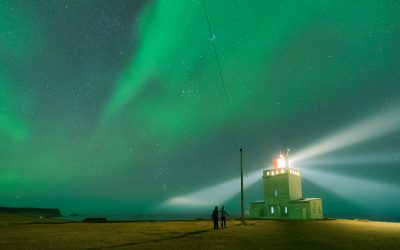
Vedere l’aurora boreale è una di quelle esperienze da lista dei desideri che l’Islanda rende indimenticabili. Con la giusta pianificazione, un abbigliamento caldo e confortevole e un pizzico di fortuna da Madre Natura, puoi ammirare il cielo notturno danzare in verde, viola e rosa proprio sopra di te. Che tu desideri una guida esperta o preferisca un’avventura in autonomia, ecco come pianificare il tuo viaggio a Reykjavík alla scoperta dell’aurora boreale come un professionista.
IL MITO DEL “SOLE DI MEZZANOTTE”: PUOI VEDERE L’AURORA IN ISLANDA IN ESTATE?
In inverno, le lunghe notti creano condizioni perfette per osservare l'aurora boreale. In estate, la stagione del sole di mezzanotte, il paesaggio è immerso in una luce quasi costante. Questo cambiamento drastico porta molti visitatori a porsi ogni anno la stessa domanda: è possibile vedere l'aurora boreale in Islanda durante l’estate?
VISITARE L’ISLANDA A FEBBRAIO: TUTTO QUELLO CHE DEVI SAPERE
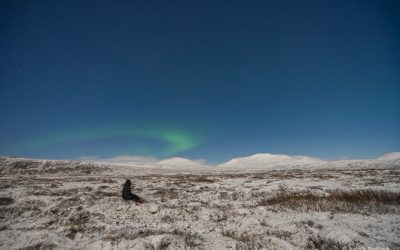
Febbraio è uno dei mesi più gratificanti per pianificare un viaggio in Islanda. Ben inserito nel cuore dell’inverno, offre un mix affascinante di giornate lunghe per visitare i luoghi d’interesse e notti prolungate per osservare l’aurora boreale, insieme a tradizioni culturali uniche che non si possono vivere in nessun altro periodo dell’anno. In questa guida spieghiamo perché febbraio è un mese speciale per visitare l’Islanda, cosa aspettarsi dalla natura e dalla cultura, e come sfruttare al meglio la propria avventura invernale.
REYKJAVÍK IN CROCIERA: SFRUTTA AL MEGLIO LE TUE 4–8 ORE DI SOSTA A REYKJAVÍK
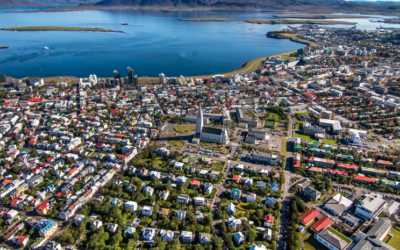
Passi dalla capitale islandese per solo poche ore? Il layout compatto di Reykjavík permette di godersi tantissime attività senza sentirsi di fretta, soprattutto se la tua nave attracca al Porto Vecchio di Reykjavík. La maggior parte delle attrazioni elencate qui si trova raggruppata nella zona di Grandi (Porto Vecchio), a breve distanza l’una dall’altra, perfetto quando il tempo è limitato.
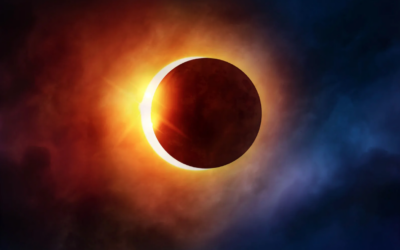
ECLISSI SOLARE TOTALE 2026 IN ISLANDA – TUTTO QUELLO CHE DEVI SAPERE
Mercoledì 12 agosto 2026, l’Islanda assisterà a uno degli eventi naturali più straordinari: un'eclissi solare totale. Per un breve istante, la Luna passerà davanti al Sole, trasformando un pomeriggio estivo in un crepuscolo ultraterreno. Si tratta di un evento raro in Islanda, che non si ripeterà per generazioni, rendendolo un motivo davvero speciale per visitare il paese.

ICELAND IN WINTER TRAVEL GUIDE: ROADS, CLOTHING, DAYLIGHT & NORTHERN LIGHTS
Winter in Iceland is a season of extremes: dramatic landscapes, long nights, and the possibility of witnessing one of nature’s most spectacular phenomena. While unforgettable, winter travel also requires preparation. This guide covers winter road conditions, what to wear, limited daylight, and how to improve your chances of seeing the Northern Lights.

THE BEST TIME TO SEE THE NORTHERN LIGHTS IN ICELAND (MONTH-BY-MONTH GUIDE)
There is no single perfect moment, but there is a clearly defined aurora season, and each part of it offers something different. In this guide, we’ll walk you through the best months to see the Northern Lights, explain common myths, and help you choose the season that fits your travel style best.

FIRE IN THE NORTHERN SKY: AURORA MYTHOLOGY AND MEDIEVAL ICELANDIC SAGAS
The Northern Lights or aurora borealis, shimmering in their shades of green, red and violet, have fascinated humans for millennia. To peoples across the Arctic, they were signs from the divine, messages from the dead, or even forces of luck and danger…
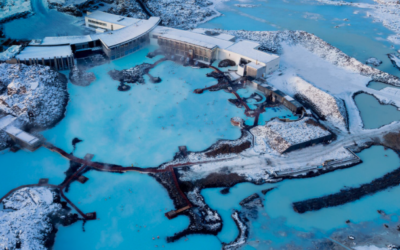
LE MIGLIORI LAGUNE GEOTERMALI DELL'ISLANDA: QUALE DOVRESTI VISITARE?
L’Islanda è una terra di fuoco e ghiaccio, dove i ghiacciai incontrano i vulcani e l’energia geotermica ribolle appena sotto la superficie. Tra le sue attrazioni più irresistibili ci sono le lagune geotermali, sorgenti naturali (e talvolta lussuose) che offrono il mix perfetto di relax, avventura e paesaggi mozzafiato. In questa guida confronteremo cinque delle principali lagune islandesi, aiutandoti a scegliere quella più adatta alle tue esigenze.
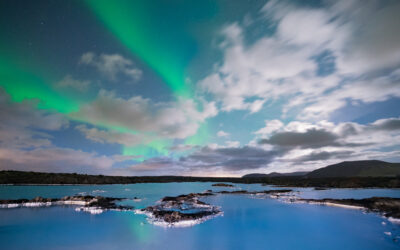
LAGUNA BLU VS. SKY LAGOON: QUALE SPA ISLANDESE DOVRESTI SCEGLIERE?
L’Islanda è famosa per i bagni geotermali, e due esperienze termali di livello mondiale attirano visitatori da tutto il mondo. In questo articolo confronteremo l’iconica Laguna Blu con la più recente ma estremamente popolare Sky Lagoon: due modi indimenticabili per rilassarsi nelle rilassanti acque geotermali islandesi.

CIRCOLO D'ORO VS COSTA SUD: LA SFIDA DEFINITIVA DEI TOUR GIORNALIERI IN ISLANDA
L’Islanda è una terra di bellezza mozzafiato, e due dei suoi itinerari panoramici più iconici offrono modi molto diversi di viverla: il Circolo d'Oro e la Costa Sud. Cascate, spa geotermali, ghiacciai e maestosi paesaggi, che tu stia pianificando un viaggio breve o decidendo quale tour guidato prenotare, questo confronto ti aiuterà a scegliere l’avventura perfetta.
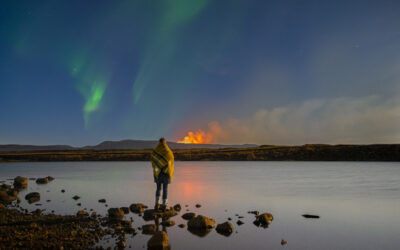
HOW TO CHOOSE THE BEST NORTHERN LIGHTS TOUR IN ICELAND
The Northern Lights are unpredictable, and choosing the right tour can make the difference between a glowing success and a chilly disappointment. In this post, we break down everything you should consider before booking — from group size and guide expertise to weather forecasts, photography support, and refund policies — so you can pick the tour that truly fits your needs.
Driving Yourself to See the Northern Lights: Safe Routes, Tips, and Mistakes to Avoid (Iceland 2026 Guide)
Is It Safe to Drive to See the Northern Lights? The simple answer: Yes — but only if you prepare well.
Every winter, thousands of visitors in Iceland choose a self-drive northern lights chase. It gives you freedom, flexibility, and the magic of experiencing the aurora in complete silence.
But Iceland’s winter roads can be snowy, windy, icy, and unpredictable, so planning is essential. This guide walks you through safe driving routes, real local tips, what NOT to do, and how to increase your chances of seeing the lights.
IL WEEKEND INVERNALE PERFETTO IN ISLANDA
L’inverno in Islanda è un periodo davvero magico. Surreali paesaggi innevati, notti al caldo e la magica aurora boreale.
Trascorrere un weekend in Islanda in questo periodo dell’anno ti permetterà di assaporare il meglio che l’Islanda può offrire durante le brevi giornate invernali (e le lunghe notti).
Ecco l’itinerario definitivo per un soggiorno invernale in Islanda da 48 a 78 ore.
LA GUIDA COMPLETA ALLE AURORE BOREALI IN ISLANDA 2026
Stai pianificando di vedere l'aurora boreale in Islanda? Questa guida definitiva ti svela tutto ciò che devi sapere: il momento e i luoghi migliori per vederla, come aumentare le tue possibilità, cosa portare e come catturare splendide foto dell'aurora. Dalle visite guidate ai self drive, ti offriamo la soluzione per rendere la tua caccia all'aurora un successo!
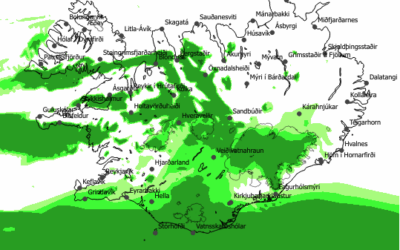
Come Interpretare le Previsioni dell'Aurora: La Tua Guida Completa Per Non Perderti le Aurore Boreali
Catturare l'aurora non è solo una questione di fortuna; è una combinazione tra l’essere nel posto giusto al momento giusto e la comprensione della scienza dietro la previsione dell’aurora.
Questa guida va oltre le nozioni di base, spiegando ogni elemento chiave di una previsione dell'aurora in modo da poter massimizzare le possibilità di sperimentare in prima persona questo incredibile fenomeno naturale.
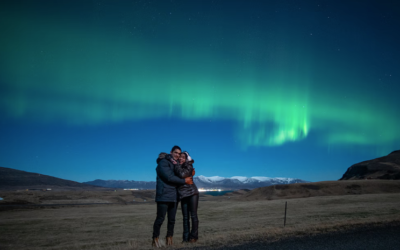
I 25 Luoghi Migliori Per Vedere L' Aurora Boreale In Islanda
Da appassionato dell'aurora boreale e fondatore di Aurora Reykjavík, ho trascorso innumerevoli notti a inseguire le aurore in giro per l'Islanda. Ogni esperienza è emozionante come la prima - una maestosa danza di colori e luci contro i vasti cieli islandesi. In questa guida condividerò i miei 25 luoghi preferiti per ammirare questa meraviglia naturale, dagli altopiani remoti alle gemme della costa. Che tu sia un visitatore alle prime armi o un esperto cacciatore di aurore, questi luoghi offrono qualcosa di veramente magico. Lascia che ti accompagni in un viaggio nelle località migliori d'Islanda per vedere l'aurora boreale. – Gretar Jónsson
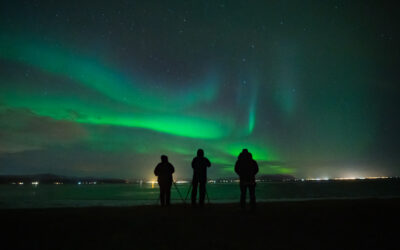
COME FOTOGRAFARE L'AURORA BOREALE
Il momento migliore, i siti più scenografici, le migliori impostazioni. Non c'è nulla di più magico che assistere alla bellezza dello spettacolo dell'aurora boreale. Non a caso vedere l'aurora è il sogno nel cassetto di molti e portare a casa una foto scattata da te è la ciliegina sulla torta...
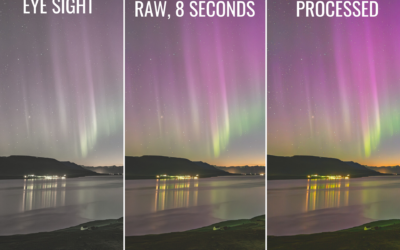
Si può vedere l'aurora boreale ad occhio nudo?
Sì, puoi assolutamente vedere l'aurora boreale ad occhio nudo - nelle giuste condizioni! Anche se le fotocamere spesso riescono a catturare più dettagli e intensità dei nostri occhi, una forte aurora combinata con cieli bui e tempo sereno può creare uno spettacolo indimenticabile visibile a chiunque guardi in alto. In questa guida condivideremo suggerimenti per massimizzare le tue possibilità di sperimentare la magia in prima persona, senza bisogno di attrezzature speciali!
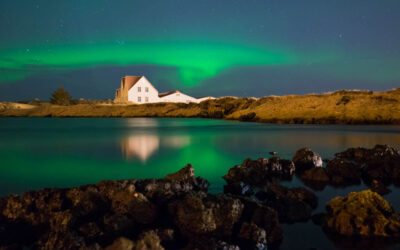
COME SCEGLIERE IL TOUR DELL'AURORA BOREALE PERFETTO
Dirigiti verso le terre selvagge artiche con un'avventura sull'aurora in super jeep o unisciti a uno dei migliori fotografi islandesi dell'aurora in un tour fotografico! O magari prenditela un po' più comoda e goditi le abbaglianti luci mentre fai il bagno in una delle calde lagune islandesi! Trova il tour perfetto con la nostra guida turistica definitiva per l'aurora boreale: l'Islanda ti sta aspettando!
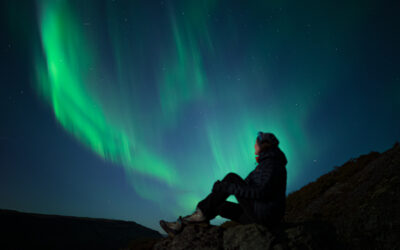
10 eventi notturni da non perdere nel 2025
10 eventi notturni da non perdere nel 2025 Da un'eclissi solare parziale agli accattivanti allineamenti planetari e agli anelli di Saturno in scomparsa, il 2025 sarà un anno pieno di meraviglie celesti che nessun osservatore delle stelle dovrebbe perdersi. In qualità di specialisti di aurora e del cielo notturno in...
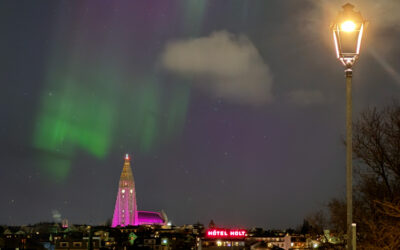
ORARI DI APERTURA DEI MUSEI DI REYKJAVÍK, NATALE 2025
Se viaggi in Islanda durante le festività natalizie, ti starai chiedendo quali attività saranno aperte durante il periodo.
Per aiutarti a goderti al meglio il tuo viaggio, abbiamo preparato una guida agli orari festivi di alcuni dei musei più famosi di Reykjavík. Che tu stia esplorando la ricca cultura della città o cercando attività festive, abbiamo quello che fa per te.
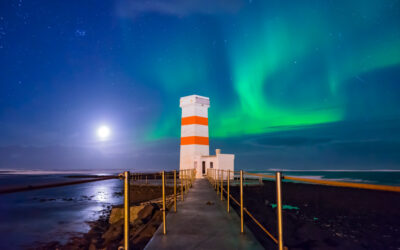
Aiuto! C'è la luna piena! Rovinerà la mia esperienza dell'aurora?
Pensi che la luna possa rovinare le tue chance di vedere l'aurora boreale? Ti sbagli! Scopri perché la luce della luna può migliorare la tua esperienza, da magici panorami a incredibili consigli per la fotografia. Impara come cogliere il meglio della tua avventura per l'aurora - anche sotto la luna piena.
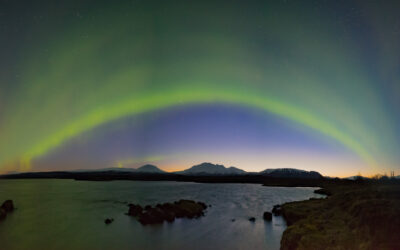
Quali sono i principali tipi di aurore?
Nonostante la loro bellezza mozzafiato, le aurore boreali non sono tutte uguali. Ci sono diverse forme, e ognuna ha le proprie caratteristiche e particolarità.
Questa guida rivela i principali tipi di aurore boreali, spiegando la scienza che si cela dietro le loro differenze, e offre preziosi consigli per cercare di vederne al meglio lo spettacolo.
Le aurore boreali accadono tutte le notti?
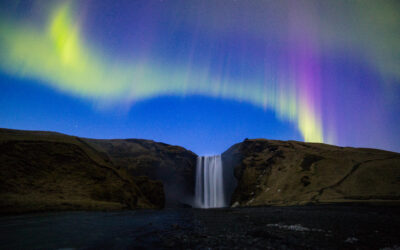
Le aurore boreali sono un fenomeno mozzafiato che accade ogni notte. Tuttavia, la visibilità dipende da vari fattori quali l'attività solare, il meteo, e il luogo. Scopri quando, dove e come ampliare le tue chance di vedere l'aurora, con il consiglio di esperti e strumenti in tempo reale. Che tu sia in Islanda o ovunque all'interno dell'ovale aurorale, questa guida ti preparerà per un'indimenticabile esperienza a caccia dell'aurora!

Quanto dura l'aurora boreale?
Gli spettacoli dell'aurora boreale sono tanto imprevedibili quanto maestosi. Alcune notti illuminano l'intero cielo per ore, mentre in altre possono apparire solo per pochi minuti, a volte con una luce molto più fioca. Ma più spesso possono verificarsi ondate di intensità note come sottotempeste.
Facciamo un tuffo nel profondo della scienza, dei tempi e di alcune delle esperienze più emozionanti per aiutarti a capire cosa influenza la durata di uno spettacolo di aurore, e magari darti maggiori possibilità di assistere a uno dei più grandi spettacoli della natura.
I 10 MIGLIORI ALLOGGI PER LE AURORE BOREALI IN ISLANDA DEL 2025
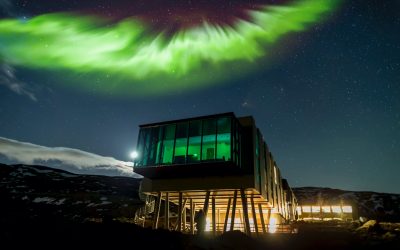
Vedere l'aurora boreale danzare nel cielo islandese è il sogno di ogni viaggiatore. Sebbene il fenomeno possa essere osservato ovunque nel Paese, l’inquinamento luminoso a volte rovina la vista.
Optando per un soggiorno per l'aurora boreale nella piena comodità della campagna, aumenterai le tue possibilità di successo - letteralmente a portata di mano.
Ecco i nostri 10 alloggi in campagna preferiti per ammirare l'aurora boreale nel 2025.
GUIDA MESE PER MESE ALL'INVERNO ISLANDESE
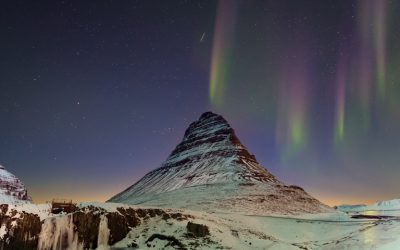
L’aurora boreale e la stagione invernale vanno di pari passo. Ore di buio più lunghe, accompagnate da bel tempo, attività solare e un po' di fortuna, spesso si traducono in incredibili spettacoli di aurore boreali: una vista davvero imperdibile!
L’aurora boreale è potenzialmente visibile per tutto l’inverno, ma statisticamente nessun mese è uguale all'altro. Per aiutarti a scegliere il periodo migliore per la tua vacanza con l'aurora boreale, ecco la nostra guida mensile sull'inverno in Islanda.
Picco Solare: Ecco Perché l'Inverno 2024/25 è il Periodo Perfetto Per Vedere l'Aurora Boreale In Islanda
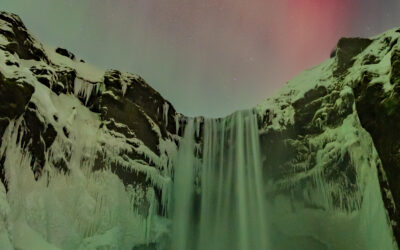
Sei pronto a constatare la maestosa bellezza dell'aurora boreale? Non c'è mai stato un momento più perfetto di adesso! I meteorologi sono pieni di entusiasmo, prevedendo una stagione eccezionale dell'aurora boreale non solo per quest'anno ma che si estenderà anche a...
DISCOVER GRANDI DISTRICT: TOP ATTRACTIONS AND ACTIVITIES IN REYKJAVIK
Scopri il quartiere Grandi: le principali attrazioni e attività a Reykjavik Stai pianificando un giro nel quartiere Grandi a Reykjavík? Che tu stia cercando attività al chiuso per una giornata piovosa o esplorando le attrazioni principali, Grandi ha qualcosa per tutti. Ecco...
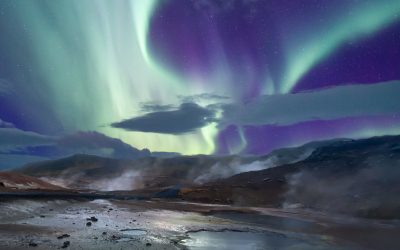
Vuoi Vedere Aurore Boreali Spettacolari il Prossimo Inverno? L'Islanda Ti Aspetta!
Dopo gli incredibili spettacoli dell'aurora boreale di maggio 2024, ci aspettiamo aurore ancora più sorprendenti il prossimo inverno mentre ci avviciniamo al picco solare. Non perdere lo spettacolo dell'aurora boreale di una vita, unisciti a noi mentre assistiamo al prossimo maestoso fenomeno in Islanda...
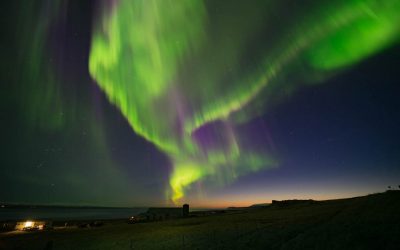
5 MOTIVI PER CUI AMIAMO LE AURORE AUTUNNALI
L'aurora boreale è visibile tra settembre e aprile. Osservare il fenomeno è sempre un privilegio, ma le aurore che si verificano durante il nostro breve autunno sono tra le nostre preferite in assoluto, soprattutto da fotografare. Scopri perché qui.
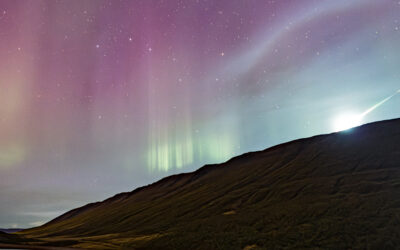
☄️ULTIM'ORA: METEORA GIGANTE E AURORA NEL CIELO D'ISLANDA 🌌
IERI NOTTE NEL NORD DELL'ISLANDA: METEORA GIGANTE E AURORE SULL'ISLANDA È stata la meteora più lunga e potente a cui abbia mai assistito in vita mia. Abbiamo urlato quando il cielo si è illuminato! Gli islandesi sono rimasti sbalorditi da una meteora luminosa che...
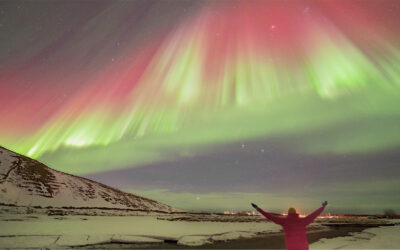
La rarissima "aurora sanguigna" ha danzato nel cielo d'Islanda lo scorso weekend
Lo scorso fine settimana, gli islandesi sono stati testimoni di un fenomeno estremamente raro: la cosiddetta "aurora sanguigna", forti manifestazioni aurorali rosse chiaramente visibili a occhio nudo. Guarda il video fenomenale, catturato da Grétar Jónsson, proprietario e fondatore di Aurora Reykjavik, il Centro Dell'Aurora Boreale, e Katarina Raker, fotografa.
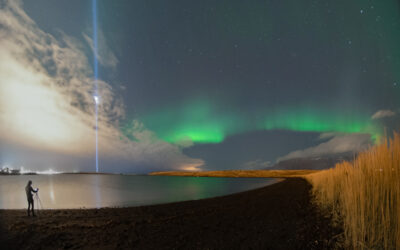
IERI NOTTE A REYKJAVÍK: UNA GIGANTE STELLA CADENTE E L'AURORA BOREALE
IERI NOTTE A REYKJAVÍK: UNA GIGANTE STELLA CADENTE E L'AURORA BOREALE È stata probabilmente la stella cadente più lunga e potente a cui abbia mai assistito in vita mia. Ero così sbalordito che mi sono persino dimenticato di esprimere un desiderio. Il fenomeno si vede nel video dal secondo 11. Gli islandesi sono rimasti sbalorditi...
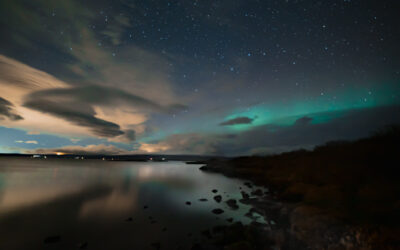
AURORA BOREALE A ÞINGVELLIR - 1 OTTOBRE
Inseguire l’aurora boreale spesso assomiglia a un gioco di carte. La conoscenza e l’esperienza aumentano chiaramente le tue possibilità, ma alla fine è tutta una questione di fortuna. E poi ci sono queste notti: previsioni perfette, tempismo giusto, cielo sereno –...
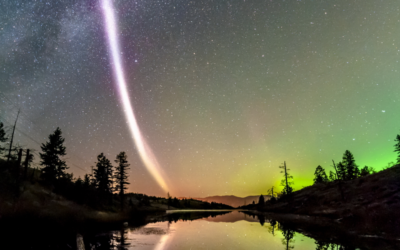
A PROPOSITO DI STEVE - PERCHE' L'AURORA CHIAMATA STEVE NON E' AFFATTO UN'AURORA
Dal 2016, STEVE è il termine sulla bocca degli appassionati di aurora in tutto il mondo. Sebbene STEVE non sia considerato parte dell'aurora, le sue indistinguibili somiglianze e avvistamenti hanno portato ad un livello intensificato di curiosità nel comprendere come STEVE diventa visibile. Allora, cos'è STEVE ed è in qualche modo legato all'aurora boreale?
Scopri di più sul fenomeno qui.
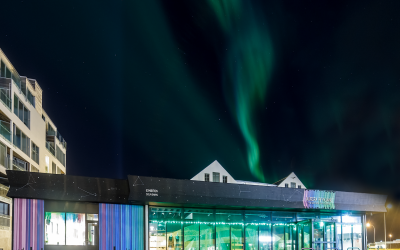
CI SONO LE AURORE SUGLI ALTRI PIANETI?
L'aurora boreale è uno dei fenomeni naturali più impressionanti che avvengono sul nostro pianeta. Poiché il loro combustibile principale è il plasma solare che viaggia attraverso il Sistema Solare, anche i nostri pianeti limitrofi hanno le aurore. In cosa differiscono da quelle sulla Terra? Scopri di più sulle aurore extraterrestri qui.
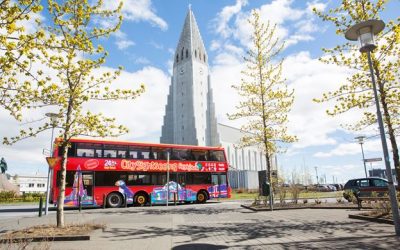
HOP-ON HOP-OFF REYKJAVIK CITY SIGHTSEEING
Explore Reykjavik on a hop-on, hop-off bus tour and create your own sightseeing itinerary Hop on and off at attractions of your choice and explore the city at your own pace Onboard audio commentary in 8 languages ensures that you do not miss a thing Witness the...
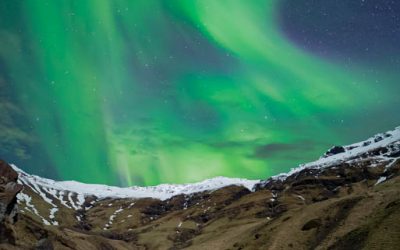
AURORE PRIMAVERILI – PERCHÉ ANDARE A CACCIA DELL’AURORA BOREALE TRA FEBBRAIO E METÀ APRILE
La stagione tra febbraio e metà aprile è un momento magico per vedere l'aurora boreale in Islanda. Paesaggi innevati, equinozio di primavera e clima più mite sono alcuni dei motivi per scegliere questo periodo dell'anno per le tue vacanze islandesi. Scopri di più qui.

WHY ICELAND IS THE WORLD BEST DESTINATION TO OBSERVE THE NORTHERN LIGHTS
1. Iceland's pristine landscape and diversity of places With its massive glaciers, volcanic landscapes, geothermal hot springs, and majestic waterfalls, Iceland is more than just an aurora hotspot – it's pure magic. Here the aurora can be spotted from...
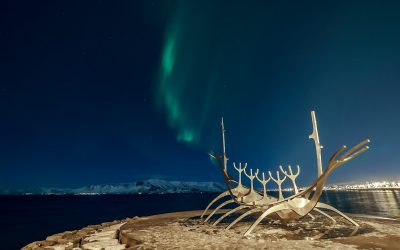
MIGLIORI LOCALITA' PER VEDERE L'AURORA BOREALE A REYKJAVIK
"Si riesce a vedere l'aurora boreale da Reykjavik?" è una domanda che molti speranzosi cacciatori di aurore si pongono. In breve: si può. Ed ecco dove andare!