ÉCLIPSE SOLAIRE TOTALE DE 2026 EN ISLANDE – TOUT CE QUE VOUS DEVEZ SAVOIR
Qu'est-ce qu'une éclipse solaire ?
Pourquoi l'Islande est-elle un lieu exceptionnel pour observer l'éclipse de 2026 ?
Comment tirer le meilleur parti de cet événement exceptionnel ?
Qu'est-ce qu'une éclipse solaire ?
Où et quand observer l'éclipse solaire en Islande
Pourquoi l'Islande est-elle un lieu exceptionnel pour observer une éclipse?
Tournée Éclipse Solaire en Islande 2026 – Péninsule de Snæfellsnes
Éclipse solaire 2026 – Une aventure de 6 jours autour de l'Islande


Science of a solar Eclipse, courtesy of timeanddate.com
QU'EST-CE QU'UNE ÉCLIPSE SOLAIRE ?
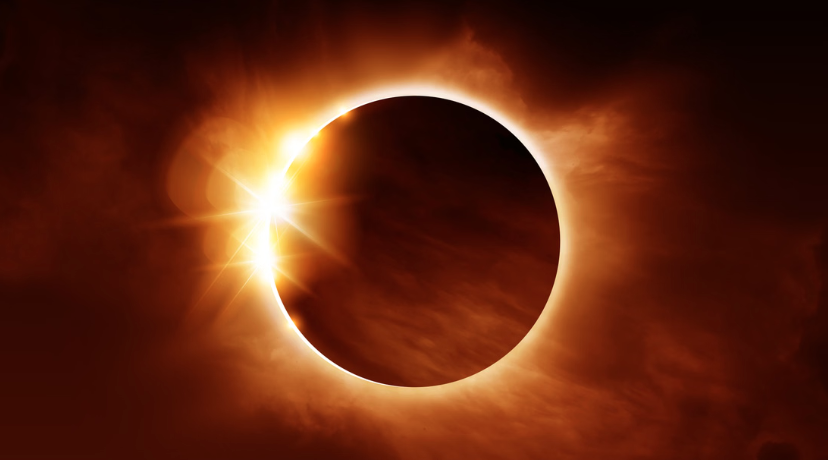
Lors d'une éclipse solaire totale, la Lune recouvre entièrement le Soleil, laissant apparaître la faible lueur de la couronne solaire. La lumière ambiante s'adoucit, les ombres se précisent et l'atmosphère prend brièvement des allures de crépuscule.
Pour plus d'informations, notamment les cartes de visibilité et les horaires locaux, cliquez ici : ici.
OÙ ET QUAND OBSERVER L'ÉCLIPSE SOLAIRE EN ISLANDE
- Date : mercredi 12 août 2026
- Heure : L’éclipse débutera dans l’après-midi, la totalité ayant lieu en début de soirée, à 17h48 heure locale
- Visibilité : L'Islande se trouve dans la zone de totalité, ce qui signifie que le Soleil sera complètement occulté pendant une courte période.
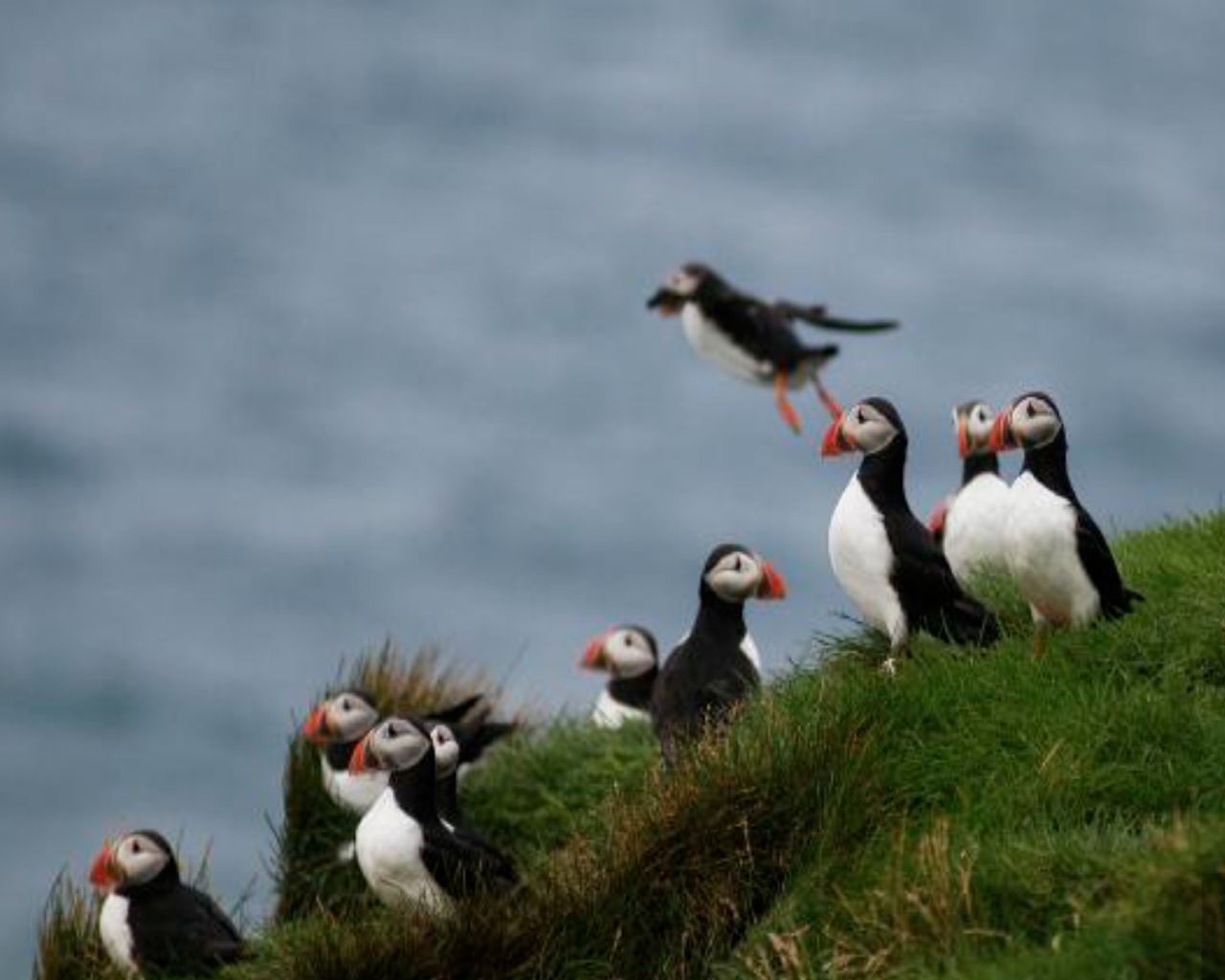
Observation des macareux et une éclipse totale ? Uniquement en Islande, le 12 août 2026
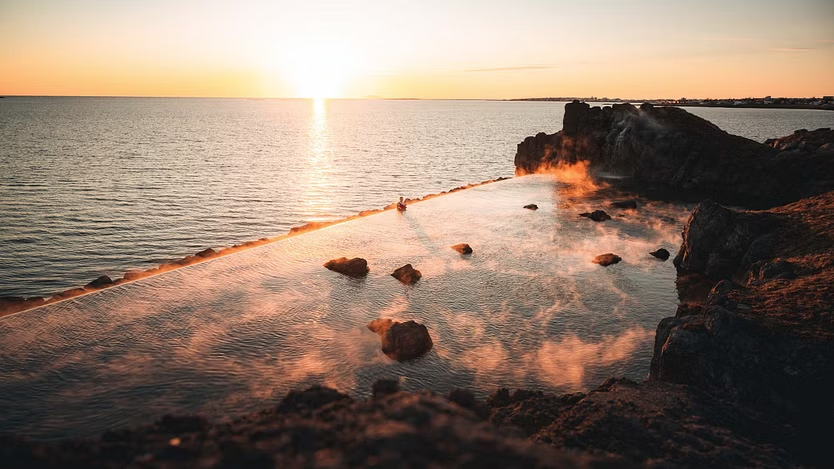
Observez l'éclipse dans l'ouest de l'Islande depuis l'un des meilleurs bains géothermiques d'Islande
PARMI LES ZONES D'EXPOSITION LES PLUS PROMETTRICES, ON PEUT COMPRENDRE :
- La péninsule de Snæfellsnes , réputée pour ses panoramas exceptionnels et ses paysages naturels saisissants, est connue pour ses vues dégagées et ses paysages naturels spectaculaires.
- Ouest de l'Islande et la péninsule de Reykjanes
- Reykjavík, qui connaîtra également la totalité du phénomène, mais pour une durée plus courte.
POURQUOI L'ISLANDE EST UN LIEU SPÉCIAL POUR OBSERVER UNE ÉCLIPSE
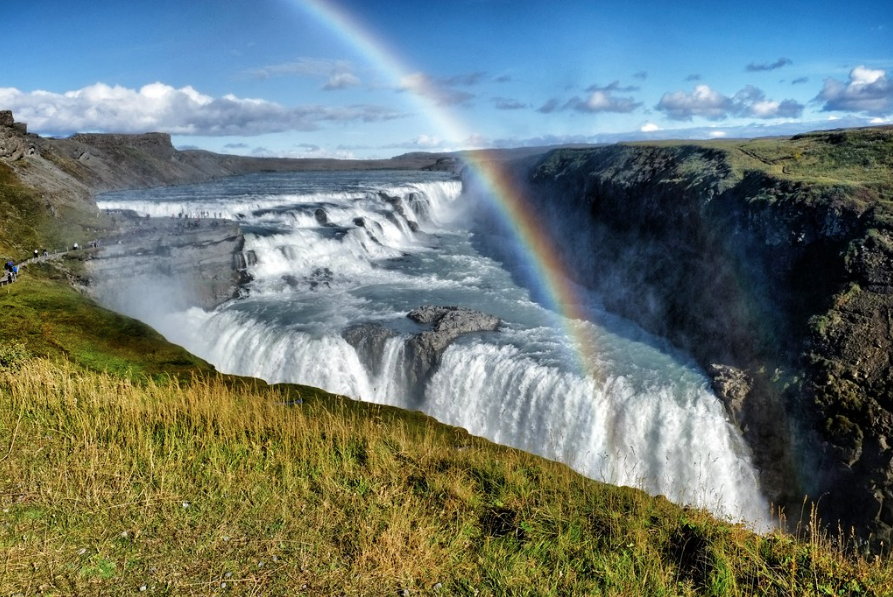
Le majestueux Gullfoss dans le Cercle d'Or
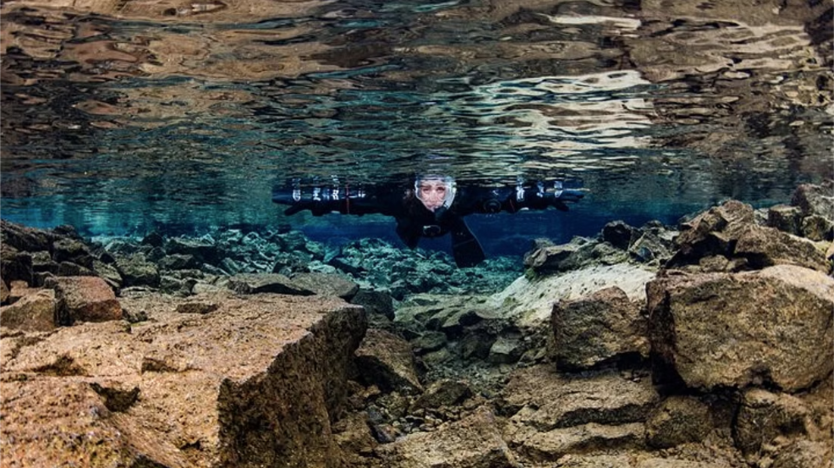
Faites de la plongée avec tuba dans le rift entre l'Europe et l'Amérique du Nord, pour une expérience islandaise inoubliable
Combined with the country’s strong connection to natural phenomena and dramatic scenery, Iceland stands out as one of the most memorable places to witness the 2026 eclipse.
TOUR ÉCLIPSE SOLAIRE EN ISLANDE 2026 – PENINSULE DE SNÆFELLSNES
La péninsule de Snæfellsnes, où les vastes horizons et les multiples points de vue permettent de s'adapter plus facilement aux changements de météo, est de loin l'une des meilleures destinations pour observer l'éclipse de 2026.
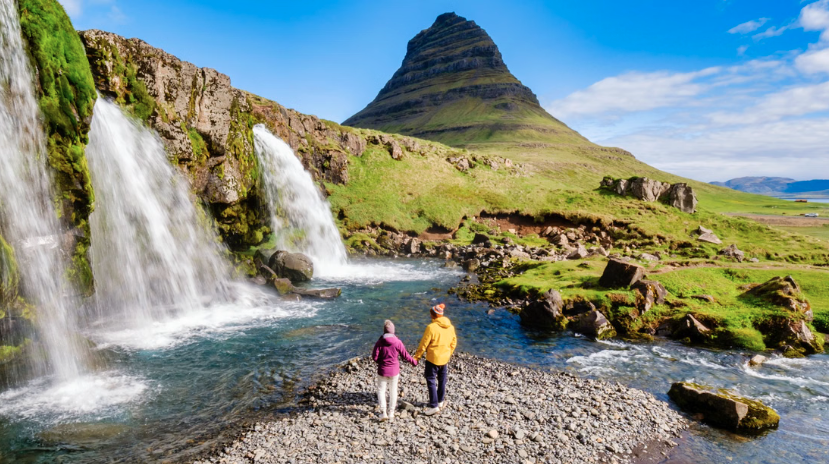
Kirkjufell sur la péninsule de Snæfellsnes
This tour is designed to combine the eclipse with exploration of one of Iceland’s most diverse landscapes.
As this is a rare event, interest is expected to be high, and early planning is advised.
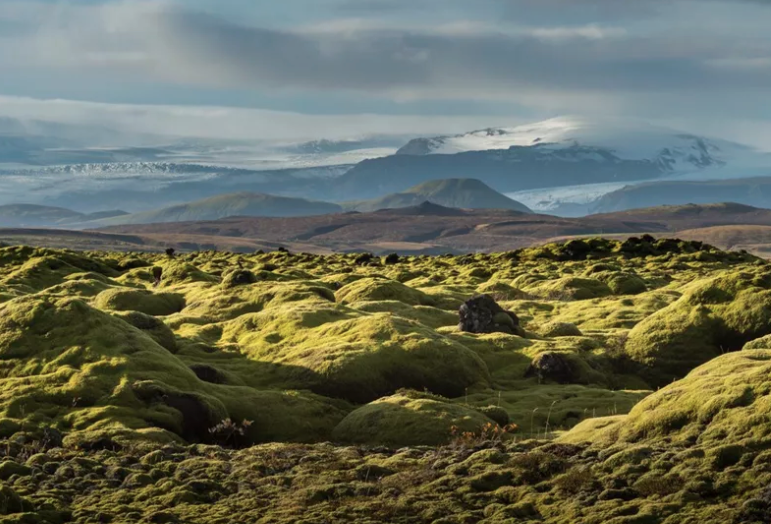
Explorez des sentiers moins fréquentés grâce à ce circuit flexible pour observer l'éclipse.
VIVEZ L'ÉCLIPSE TOTALE DE 2026 EN SUPER JEEP
Pour une expérience d'éclipse plus aventureuse, l'excursion en jeep pour l'éclipse solaire offre une façon dynamique d'assister à la totalité le 12 août 2026.
Voyagez depuis Reykjavik à bord d'une confortable Super Jeep, accompagné d'un guide local expert.
With a flexible route that adapts to weather and cloud cover, this small-group tour maximizes your chances of seeing the eclipse from a dramatic and uncrowded setting.
Enjoy the panoramic scenery and a celebratory atmosphere as the sky goes dark.
As this is a one-time only, small group tour, early planning is advised.
ÉCLIPSE SOLAIRE 2026 : UNE AVENTURE DE 6 JOURS AUTOUR DE L’ISLANDE
Pour les voyageurs souhaitant combiner le spectacle céleste avec la superbe diversité naturelle de l'Islande, le Éclipse solaire 2026 autour de l'Islande en 6 jours offre un mélange parfait de nature extraordinaire et d'aventure.
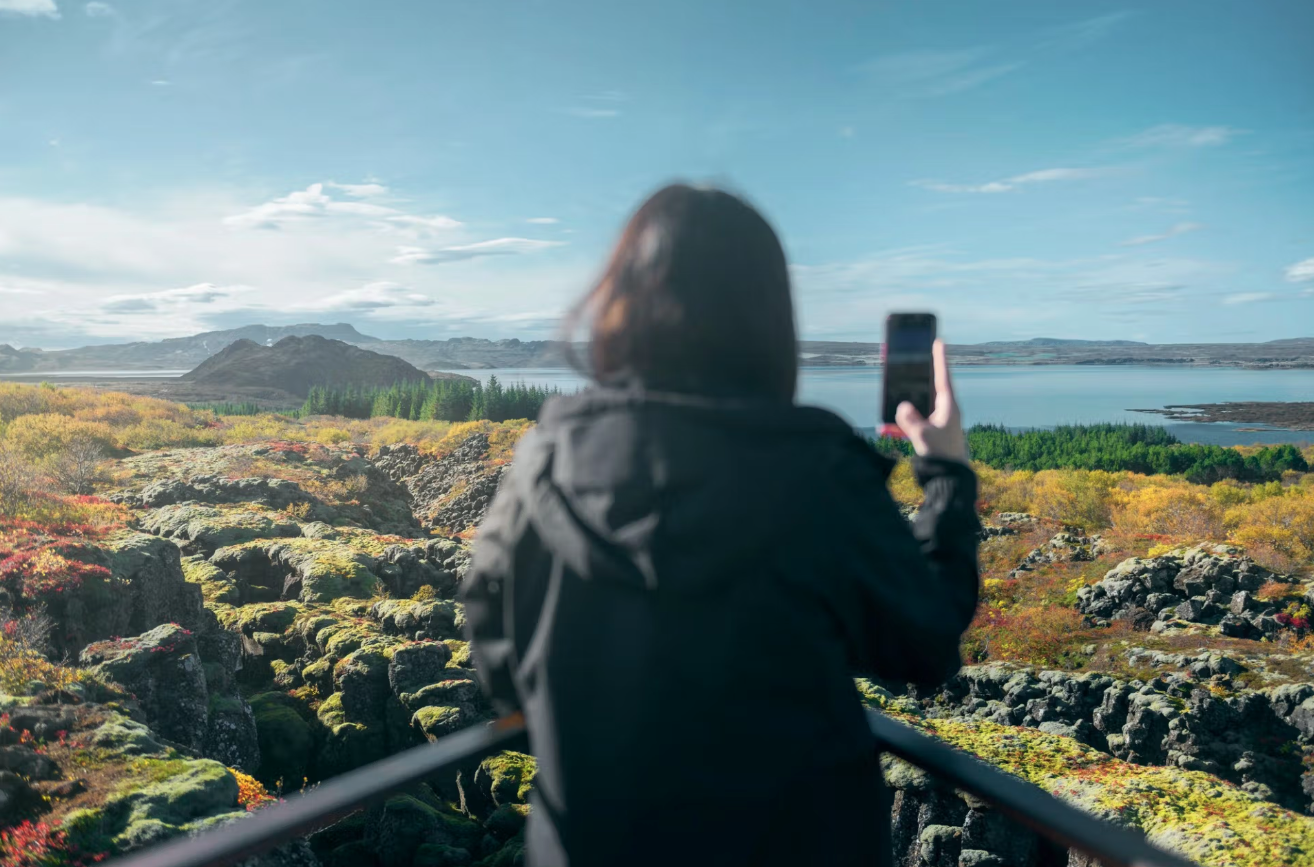
Explorez le meilleur de l'Islande (et assistez à l'éclipse) grâce à cet itinéraire de 6 jours.
Spots are limited, book your 6-day Solar Eclipse adventure across Iceland now.
CONSEILS POUR PROFITER DE L'ÉCLIPSE SOLAIRE EN ISLANDE
- Utilisez des lunettes d'éclipse solaire lorsque vous observez le Soleil.
- Portez plusieurs couches de vêtements pour rester à l'aise par temps changeant
- Envisagez de combiner votre voyage pour observer l'éclipse avec d'autres expériences guidées
Vous pouvez découvrir l'ensemble des excursions et activités proposées par Aurora Reykjavik ici :https://aurorareykjavik.is/tours-and-activities/
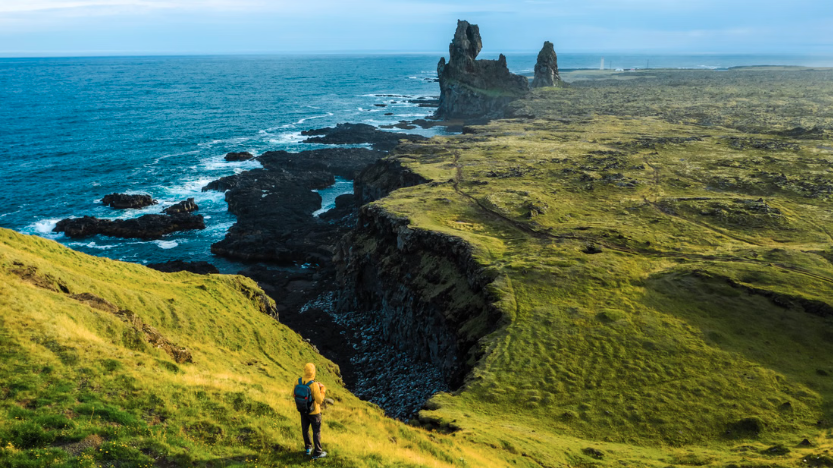
Falaises majestueuses de l'ouest de l'Islande
DERNIÈRES RÉFLEXIONS – UN MOMENT QUI VALAIT LE VOLANT
Whether watched from a quiet coastal viewpoint, a geothermal pool, or as part of a guided experience in Snæfellsnes, it offers a powerful reminder of the rhythms of nature and our place within them.
With thoughtful planning, this short moment of darkness can become one of the most memorable highlights of a journey to Iceland.
EXPLOREZ PLUS À AURORA REYKJAVÍK
- Visitez notre Centre des aurores boréales pour tout savoir sur les aurores boréales.
- Découvrez les meilleurs conseils pour photographier les aurores boréales lors de votre prochaine aventure.
- Découvrez les meilleurs mois pour observer les aurores boréales dans notre guide.
JOIN US ON ICELAND'S BEST NORTHERN LIGHTS TOUR
OUR BESTSELLER
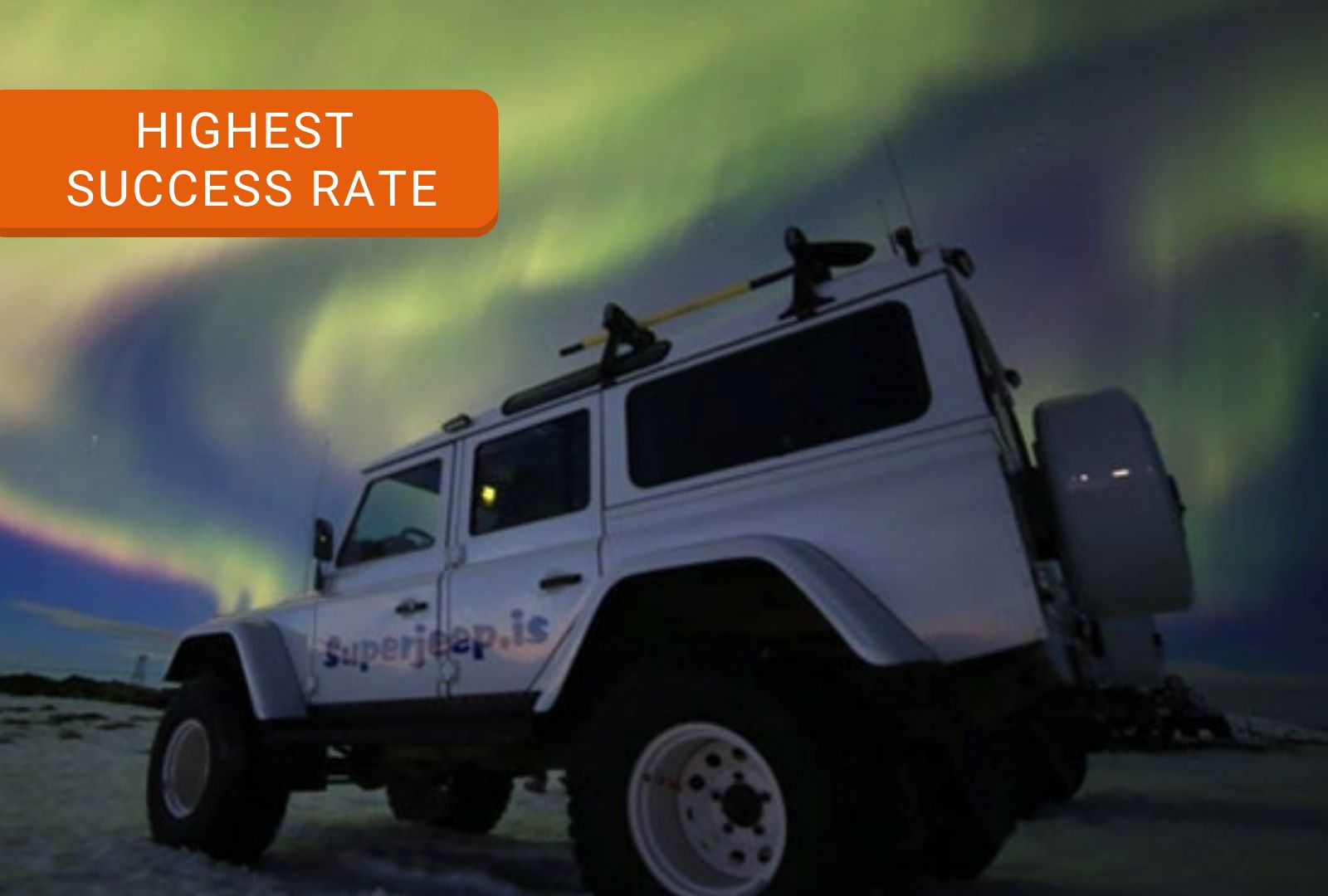
NORTHERN LIGHTS SUPER JEEP TOUR
POINTS FORTS:
✓ Guided premium Northern Lights tour in a super jeep
✓ Free pick-up and drop-off
✓ Free quality photos
✓ Homemade hot chocolate
✓ Warm vehicles on location
HIGHEST SUCCESS RATE
FREE ADMISSION TO AURORA REYKJAVÍK – SAVE 3900 ISK
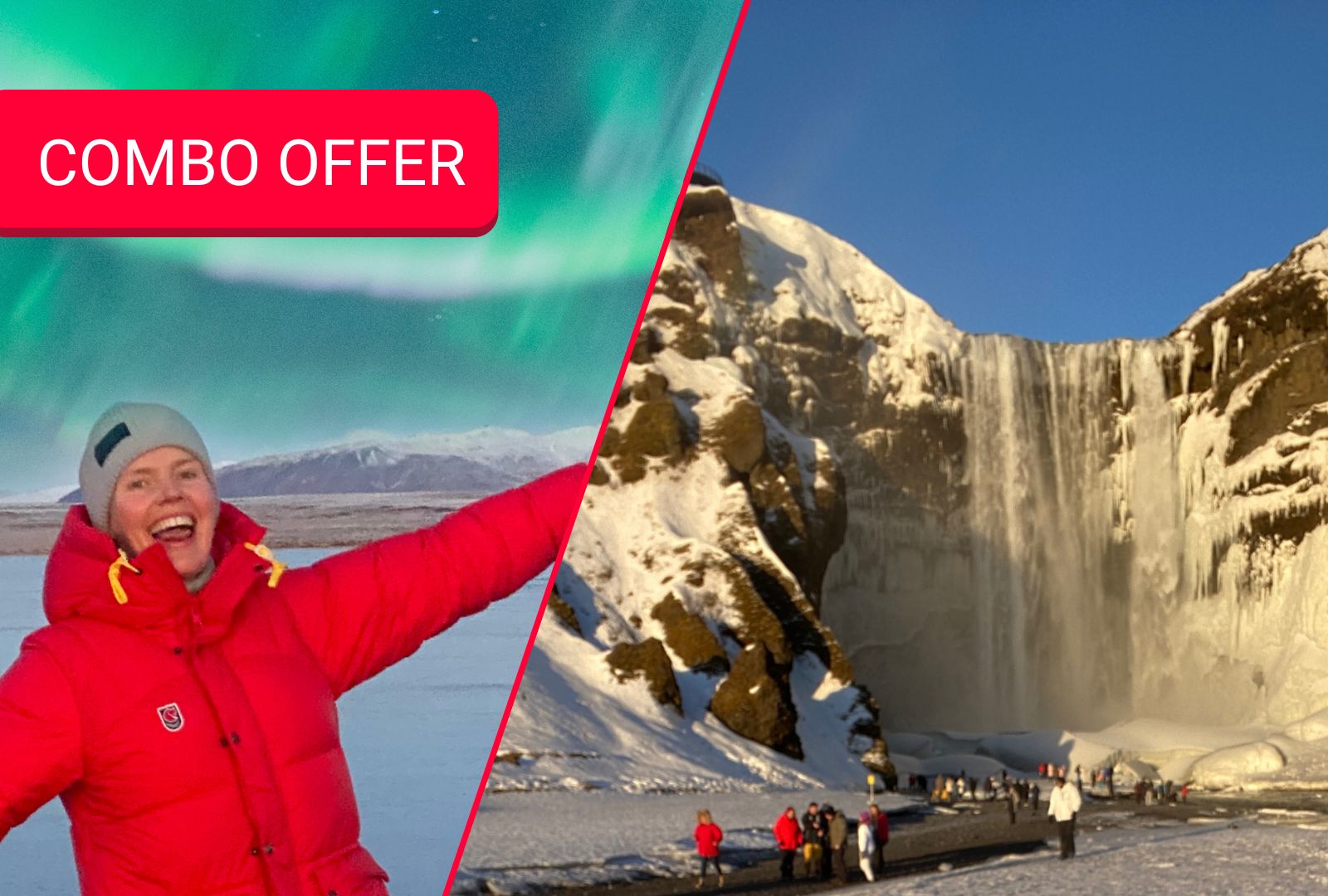
NORTHERN LIGHTS & SOUTH SHORE
POINTS FORTS:
✓ 2IN1 OFFER: SAVE OVER ISK 2000
✓ Visit Sólheimarjökull glacier
✓ Stroll around the town Vík
✓ Walk at the .
✓ See the majestic waterfalls Skógafoss and Seljalandsfoss
✓ Witness the Northern Lights dance
BEST VALUE FOR MONEY
NORTHERN LIGHTS GUARANTEE: FREE RETRY IF NO LIGHTS ARE SEEN
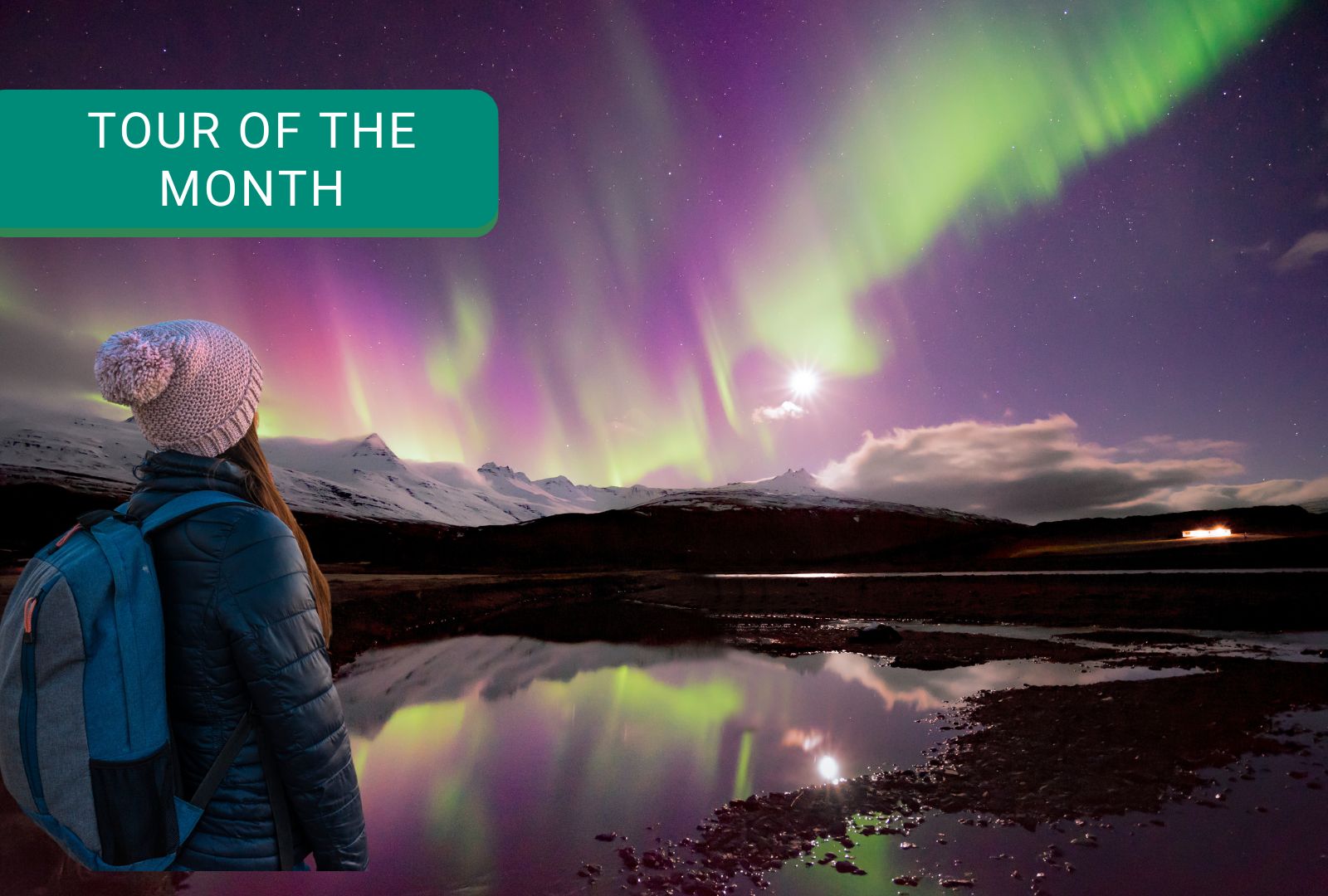
EXCURSION EN PETIT GROUPE DES AURORES BORÉALES
POINTS FORTS:
✓ Northern Lights Tour in a small bus
✓ Free photos of you under the Northern Lights
✓ Homemade hot Chocolate et Pastries
✓ Prise en charge et retour gratuits
MOST POPULAR TOUR
FAQ ABOUT THE NORTHERN LIGHTS
Quand puis-je voir les aurores boréales en Islande ?
Can you see the Northern Lights during a full moon?
What time do the northern lights show up?
During the winter months, when the hours of light are limited, the northern lights can often appear as early at 7:00pm.
As the exact time of an Aurora display cannot be predicted, keep your eyes at the sky. And remember, patience is key!
How long do the northern lights last?
Can I see the northern lights when it is cloudy?
Do the northern lights only appear when it is cold?
Are the northern lights visible all over Iceland?
Are the northern lights really colourful?
Is a new moon better for aurora viewing?
Is the full moon good for aurora photography?