|

On Wednesday, Sep 6th 2017, our sun unleashed two massive solar flares, the second of which was the most powerful we’ve seen in more than a decade. The burst of radiation was so intense, it caused high-frequency radio blackouts across the daytime side of Earth that lasted for about an hour.

Solar flares are giant explosions on the surface of the sun that occur when twisted magnetic field lines suddenly snap and release massive amounts of energy.

Space weather scientists classify flares based on their intensity, with X-class flares being the most powerful. These explosions can release as much energy as a billion hydrogen bombs.

The KP index jumped up to 9 with possible Aurora sightings at a latitude of 48.1°or lower, including the following countries:

North America:
San Francisco (CA, USA) Las Vegas (NV, USA) Albuquerque (NM, USA) Dallas (TX, USA) Jackson (MS, USA) Atlanta (GA, USA)

Europe:
Paris (France) Munich (Germany) Vienna (Austria) Bratislava (Slovakia) Kiev (Ukraine)

Asia:
Astana (Kazakhstan) Novosibirsk (Russia)

Southern Hemisphere:
Perth (Australia) Sydney (Australia) Auckland (New Zealand)

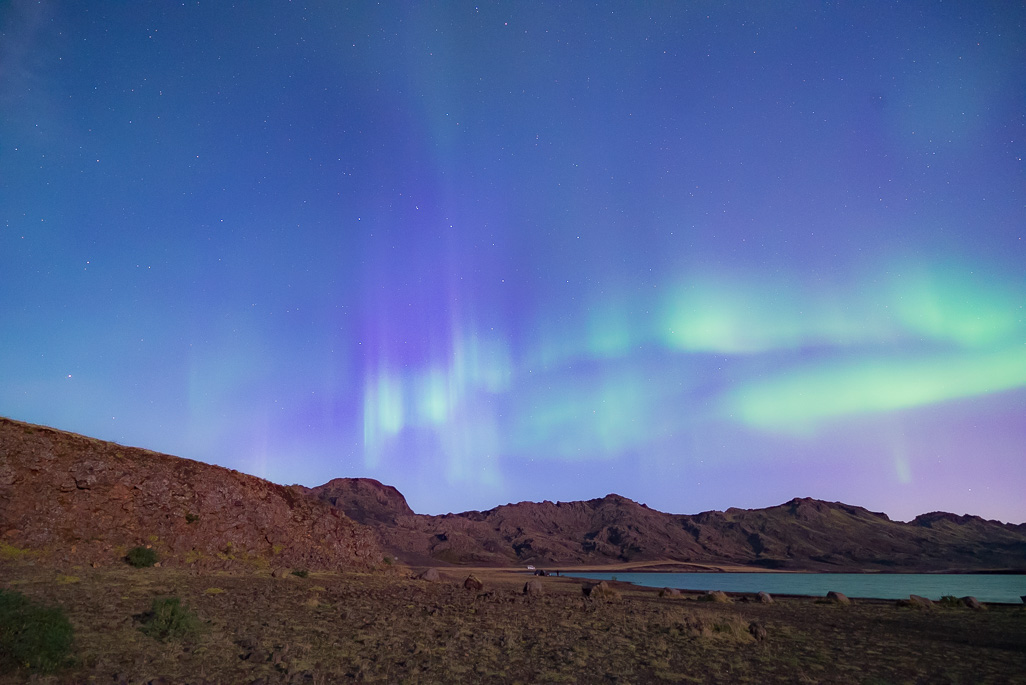
However, the Aurora display over Iceland caused by this solar flares was quiet decent, like you see in those two pictures.

What happened?

Scientists estimate that Iceland has been at a to high latitude for observing the Aurora caused by this X-class flare.

It is a common misunderstanding that we need a high KPI for strong displays over Iceland, since the KP index only indicates the latitude of possible sightings, but not it´s strength.

From our experience, a KP of 4-5 raises chances to see beautiful, fast dancing Auroras.

Let´s keep on hunting!
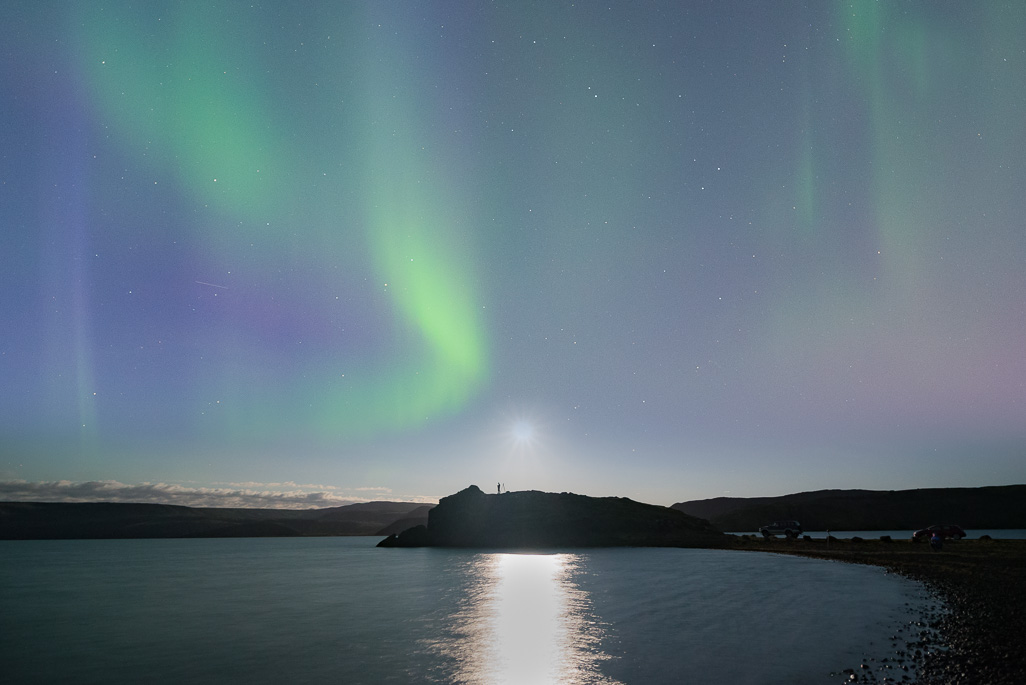
 

Kleifarvatn

Are you ready for your own Aurora Adventure?

Book your tour here!

Can´t catch the Northern Lights? Visit us at our Northern Lights Center – where the lights are always on display!

Aurora Reykjavik - The Northern Light Center

ICELAND IN MARCH: WEATHER, NORTHERN LIGHTS & BEST THINGS TO DO

Planning a trip to Iceland in March? Well thought! March is one of the best times to visit if you want winter landscapes, increasing daylight, and excellent Northern Lights conditions without peak-season crowds. If you’re wondering about Iceland March weather, aurora chances, and what to pack, this complete Iceland in March travel guide covers everything you need to know.

NORTHERN LIGHTS TRIP FROM REYKJAVÍK: TIPS & TRICKS TO PLAN YOUR NORTHERN LIGHTS HUNT

Seeing the Northern Lights is one of those bucket-list experiences that Iceland makes unforgettable. With the right planning, cozy gear, and a little luck from Mother Nature, you can witness the night sky dance in green, purple, and pink right above you. Whether you want expert guidance or prefer a self-guided adventure, here’s how to plan your Reykjavík Northern Lights trip like a pro.

THE “MIDNIGHT SUN” MYTH: CAN YOU SEE THE AURORA IN ICELAND IN THE SUMMER?

In winter, long nights create perfect conditions for Northern Lights viewing. In summer, the season of the midnight sun, the landscape is bathed in near-constant daylight. This dramatic shift leads many visitors to ask the same question every year: Can you see the Northern Lights in Iceland during summer?

VISITING ICELAND IN FEBRUARY: EVERYTHING YOU NEED TO KNOW

February is one of the most rewarding months to plan your trip to Iceland. Nestled well into winter, it brings a compelling mix of extended daylight for sightseeing and long nights for aurora hunting, along with unique cultural traditions you won’t experience at any other time of year. In this guide, we explain why February is a standout month to visit Iceland, what to expect from nature and culture, and how to make the most of your winter adventure.

REYKJAVÍK BY CRUISE: MAKE THE MOST OF YOUR 4–8 HOURS STOP

Touching down in Iceland’s capital for just a few hours? Reykjavík’s compact layout means you can pack in a ton of fun without feeling rushed, especially if your ship docks at the Reykjavík Old Harbour. Most of the attractions below are clustered in the Grandi (Old Harbour) area, within walking distance of each other, perfect when time is tight.

ÉCLIPSE SOLAIRE TOTALE DE 2026 EN ISLANDE – TOUT CE QUE VOUS DEVEZ SAVOIR

Le mercredi 12 août 2026, l'Islande sera le théâtre d'un événement naturel exceptionnel : une éclipse solaire totale. Pendant un bref instant, la Lune passera devant le Soleil, transformant un après-midi d'été en un crépuscule féerique. Ce phénomène rare en Islande, qui ne se reproduira pas avant des générations, constitue une raison vraiment spéciale de visiter le pays.

We keep you updated! Follow us on our social media channels.