ISLANDIA EN ABRIL: CLIMA, AURORAS BOREALES Y LAS MEJORES COSAS PARA HACER
Abril en Islandia es un mes de transición. El invierno comienza a ceder, los días se alargan considerablemente y el país empieza a despertar con la llegada de la primavera. Para los viajeros, esto significa menos gente, impresionantes cascadas alimentadas por el deshielo y una última oportunidad para ver la aurora boreal antes de que termine la temporada.
Si estás pensando en visitar Islandia en abril, aquí tienes todo lo que necesitas saber : desde las condiciones meteorológicas y las tradiciones de Semana Santa hasta por qué sigue siendo una época estupenda para ver la aurora boreal.
El tiempo en Islandia en Abril
Auroras boreales en Abril: La última oportunidad
¿Por qué visitar Aurora Reykjavík en Abril?
El Primer Día de Verano (Sumardagurinn Fyrsti)
Las Mejores Cosas que Hacer en Islandia en Abril
¿Es Abril una Buena Época para visitar Islandia?
Qué Llevar en la maleta para Islandia en Abril
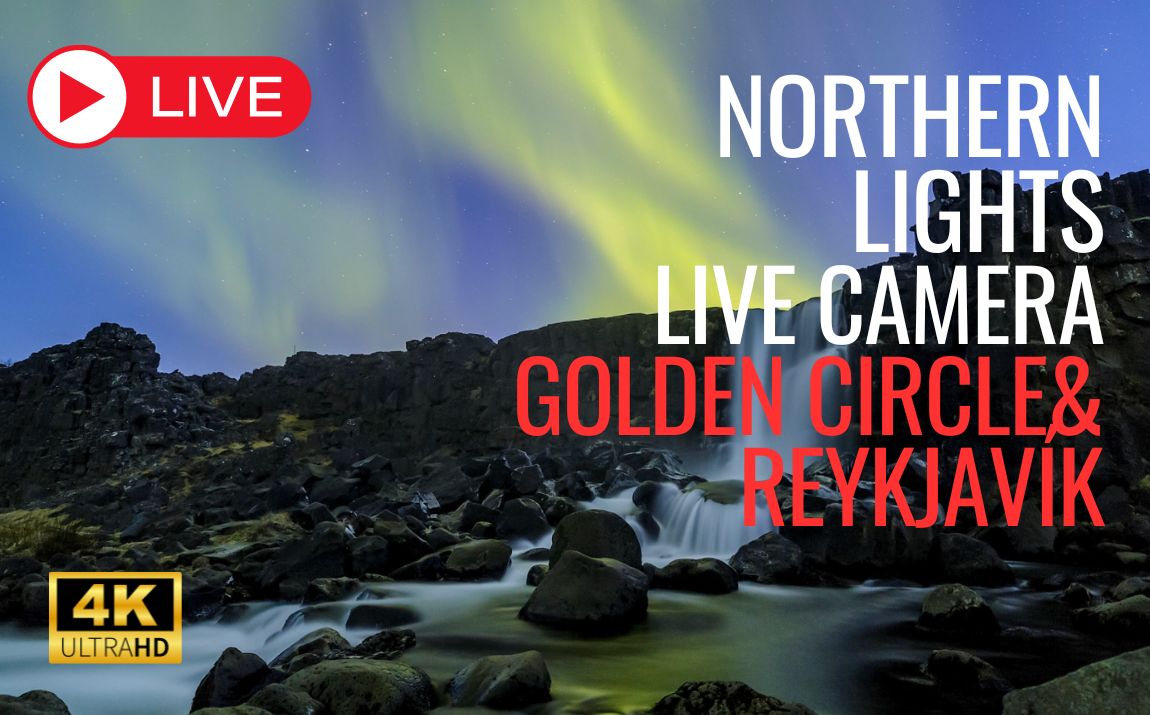
Luna llena en el Parque Nacional Thingvellir, Islandia
El tiempo en Islandia en Abril
Abril en Islandia es un mes de transición entre el invierno y la primavera. Se puede esperar una mezcla de sol, lluvia, viento e incluso nieve ocasional, todo en un mismo día.
- Temperaura promedio: 0°C a 7°C (32°F a 45°F)
- En Reykjavík, la temperatura promedio es de 4°C– 7°C (40°F a 45°F) durante el día
- Condiciones climáticas: impredecibles, con lluvia, deshielo y ráfagas de viento.
Si bien sigue haciendo frío, el clima es mucho más llevadero que en invierno. Las carreteras son cada vez más accesibles y las interrupciones en el transporte son menos frecuentes que en los meses más oscuros.
Horas de Luz Diurna
Una de las mayores ventajas de visitar Islandia en abril es el rápido aumento de las horas de luz::
- Principios de Abril: ~ 13 horas de luz
- Finales de Abril: hasta 16-17 horas o más de luz
Esto te da más tiempo para explorar cascadas, glaciares y paisajes volcánicos sin prisas.
Auroras boreales en Abril: La última oportunidad
Abril marca el final de la temporada de auroras boreales en Islandia..
- Principios de Abril: Aún hay posibilidades de avistamientos.
- Mediados de Abril: Las posibilidades disminuyen significativamente.
- Finales de Abril: Menos probable debido a las noches más luminosas.
El factor clave es la oscuridad. A medida que aumentan las horas de luz, el tiempo para ver la aurora se reduce y finalmente desaparece.
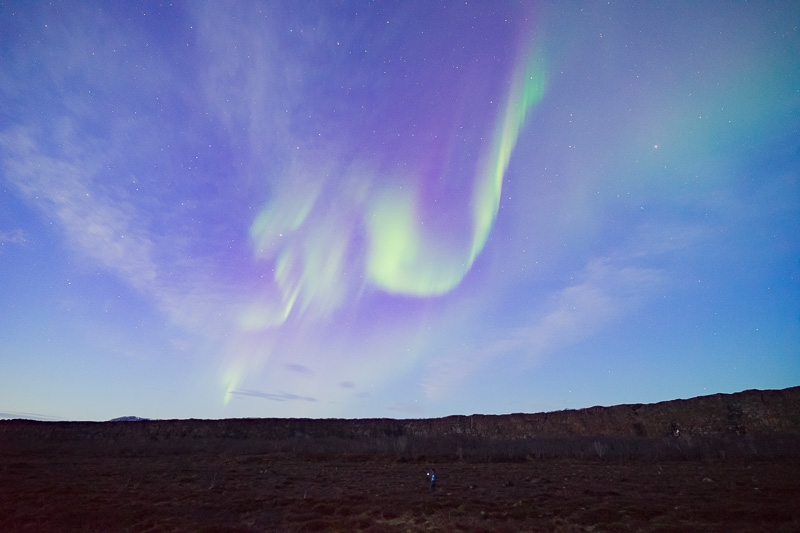
Corona de auroras boreales sobre Islandia a finales de Abril.
¿Deberías Unirte a una Excursión para Ver Las Auroras Boreales?
Si, especialmente a principios de Abril.
Tours guiados significativamente incrementa tus posibilidades porque:
- Los expertos monitorean el clima y las previsiones de auroras boreales.
- Te alejan de la contaminación lumínica.
- Ajustan las ubicaciones en tiempo real para garantizar cielos despejados.
Aunque Abril sea el final de la temporada, unirse a una excursión para ver la aurora boreal puede marcar la diferencia entre no ver nada y presenciar un espectáculo único en la vida.
Descubre nuestra selección de excursiones para ver las auroras boreales a finales de temporada, cuidadosamente elegidas aquí.
Para comprender mejor cómo funciona la aurora boreal, consulta nuestras publicaciones especializadas:
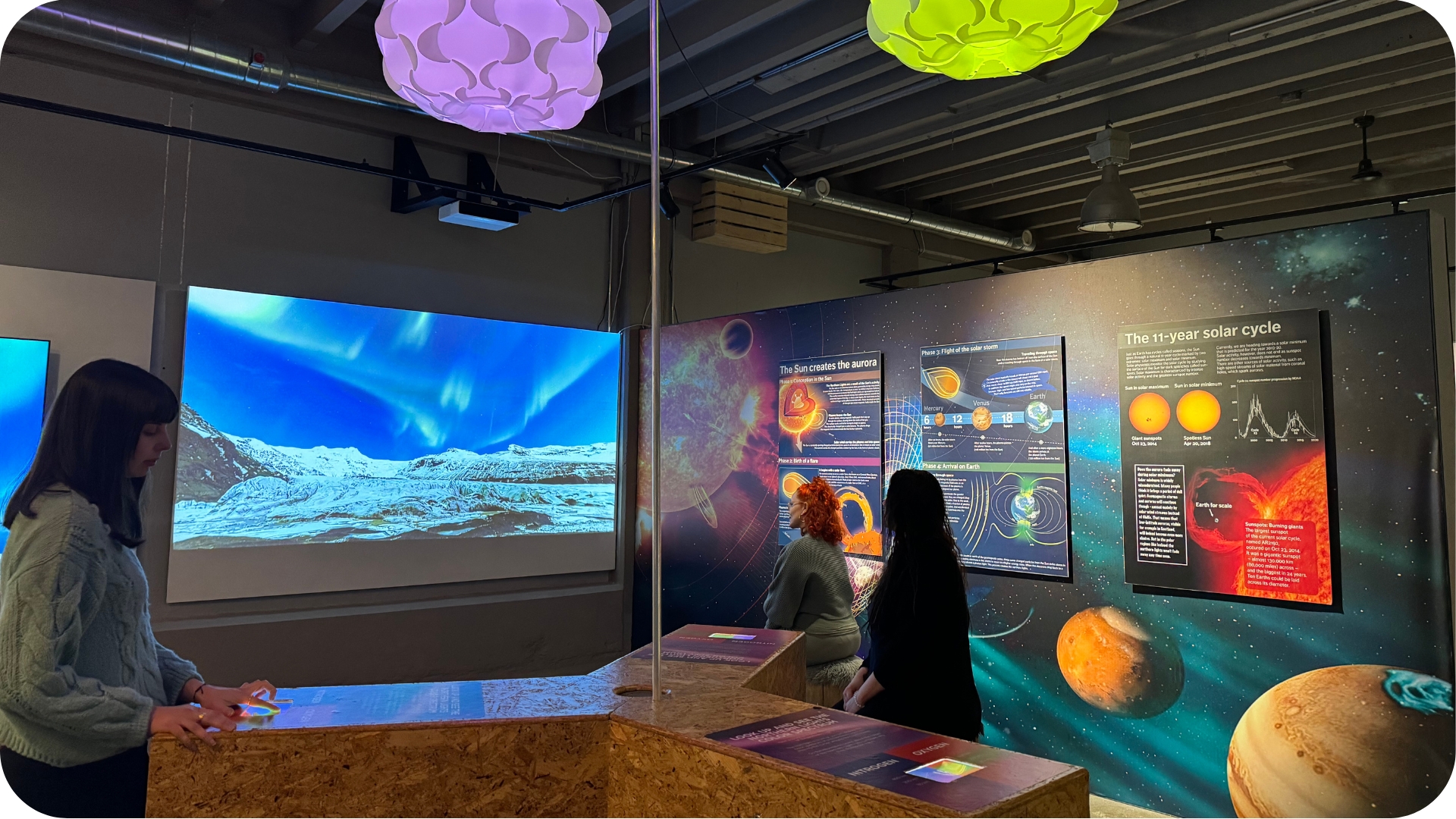
Aprende todo sobre las auroras boreales en Aurora Reykjavík.
¿Por qué visitar Aurora Reykjavík en Abril?
Si estas de visita hacia el final de la temporada de auroras boreales, o si las condiciones climáticas no son las ideales, Aurora Reykjavík cobra especial relevancia.
En el único centro dedicado a las auroras boreales de Islandia, podrás:
- Experimentar la aurora a través de exposiciones inmersivas
- Aprender a fotografiar las auroras boreales
- Comprender la ciencia detrás del fenómeno
- Ver impresionantes grabaciones reales de auroras
Es el complemento perfecto para un tour de auroras boreales , y una alternativa confiable si la naturaleza no colabora.
Pascua en Islandia
Abril suele incluir la Pascua (Páskar), una de las festividades más importantes de Islandia.
Qué Esperar Durante la Pascua
- Días festivos durante varios días (desde el Viernes Santo hasta el Lunes de Pascua)
- Horarios de apertura reducidos para tiendas y restaurantes
- Mayor turismo local, ya que los residentes locales aprovechan el fin de semana largo
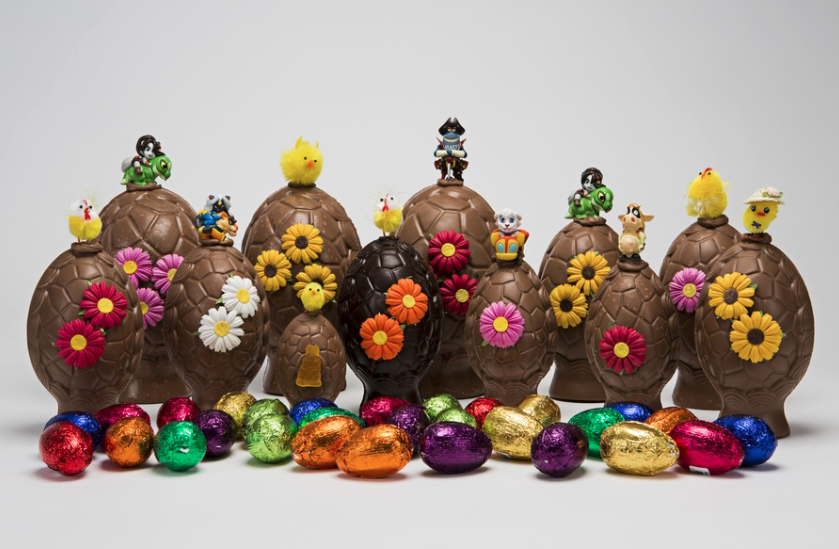
Huevos de Pascua tradicionales rellenos de dulces
Tradiciones islandesas de Pascua
- Huevos de Pascua (Páskaegg) Grandes huevos de chocolate rellenos de dulces y con un proverbio tradicional en su interior.
- Reuniones familiares y comidas festivas.
- Viajes de esquí y escapadas al campo.
Para los visitantes, la Semana de Pascua ofrece una experiencia cultural única; sin embargo , es importante planificar con anticipación, ya que algunos servicios podrían tener limitaciones.
Encuentra más información sobre la Semana de Pascua en Islandia en nuestra publicación dedicada.
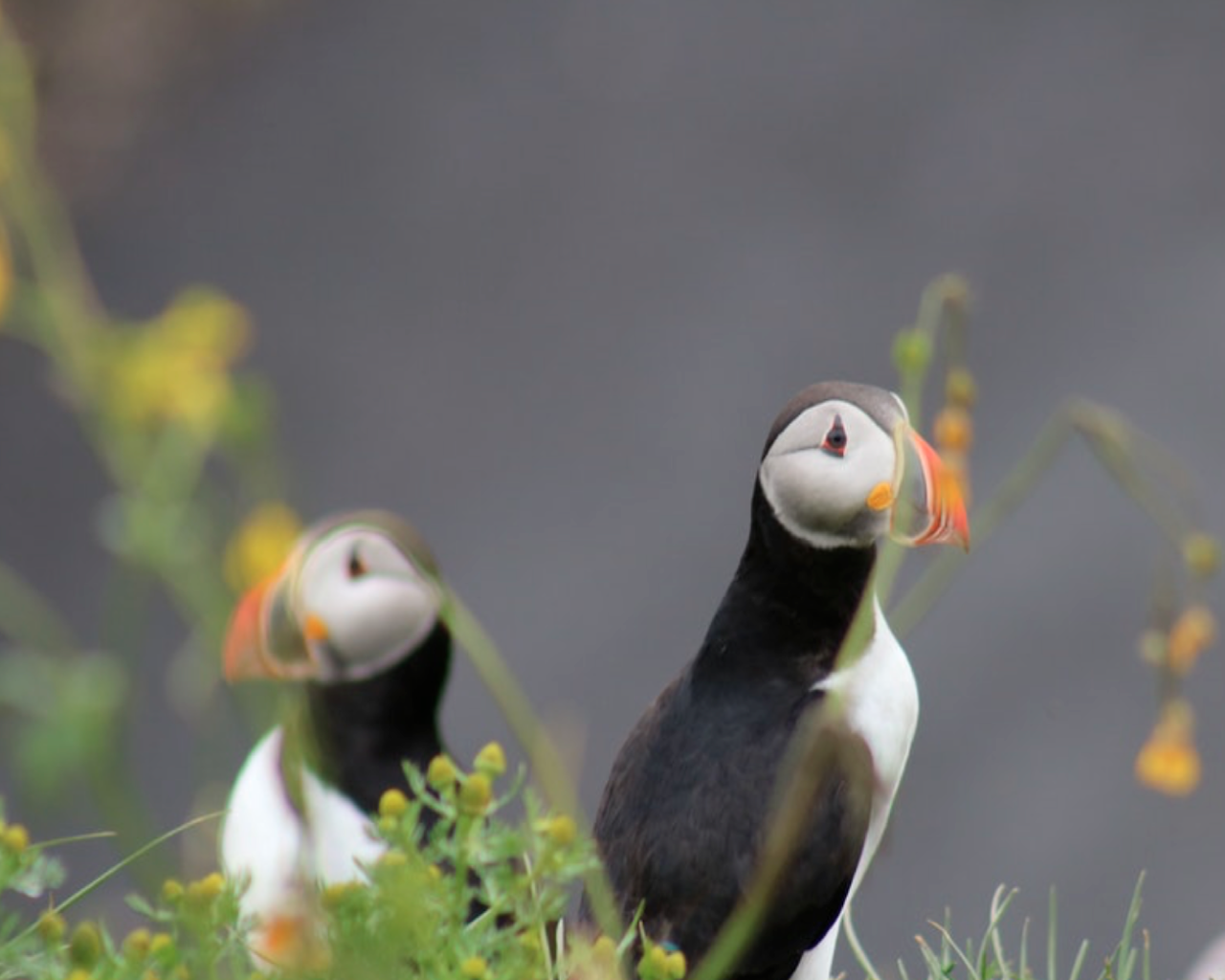
El regreso de los frailecillos a Islandia anuncia el comienzo de la temporada de verano
El Primer Día de Verano (Sumardagurinn Fyrsti)
Otro evento singular de abril en Islandia es el Sumardagurinn Fyrsti, o el Primer Día del Verano , un día festivo oficial con profundas raíces en la tradición nórdica antigua.
A pesar de su nombre, suele celebrarse a mediados o finales de Abril, cuando el clima aún puede ser invernal. Según el antiguo calendario islandés, el año se dividía en solo dos estaciones: invierno y verano, y este día marca el iniciosimbólico del inicio del verano , independientemente de las temperaturas reales.
Qué Esperar
- Celebraciones comunitarias
- Familias reunidas al aire libre (a menudo bien abrigadas)
- Un ambiente festivo y optimista que celebra la llegada de mejores días
Una creencia popular islandesa dice que si las temperaturas bajan de cero la noche anterior al primer día de verano, es señal de un verano cálido y agradable.
Para los visitantes, esta celebración ofrece una muestra del patrimonio cultural de Islandia y su profunda conexión con las estaciones , lo que convierte a Abril en un mes aún más interesante para descubrir el país más allá de sus paisajes.
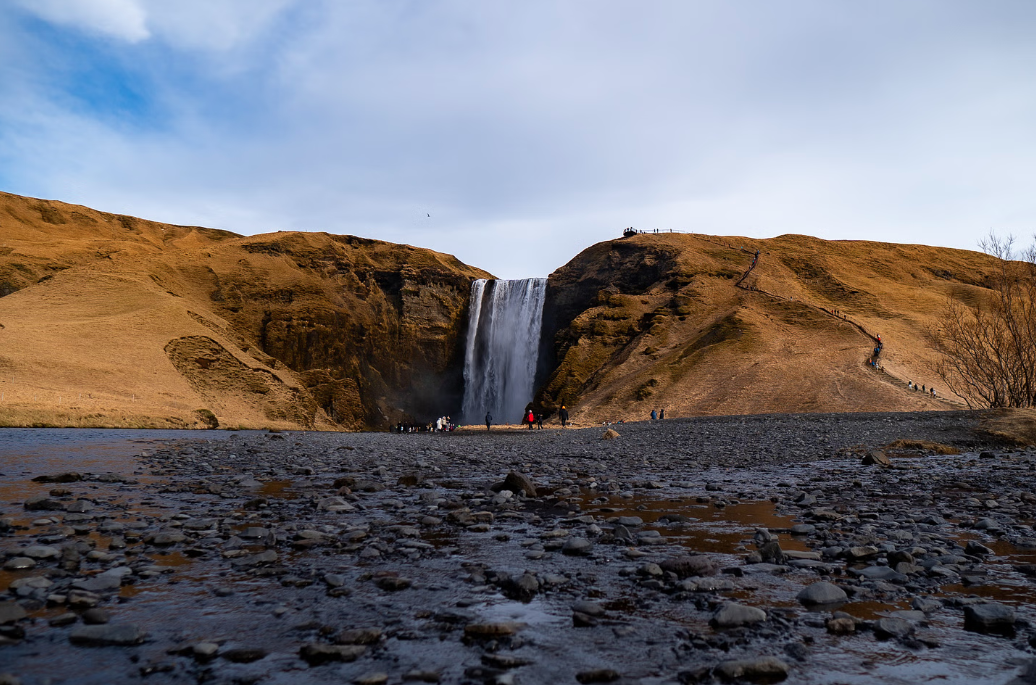
Paisaje primaveral sin nieve en Skógafoss, en la Costa Sur
Las Mejores Cosas que Hacer en Islandia en Abril
- Admira las Cascadas en su Máximo Esplendor.
El deshielo alimenta las cascadas de Islandia, convirtiendo Abril en uno de los meses más espectaculares para visitarlas.
Entre los lugares más populares se encuentran Seljalandsfoss y Skógafoss, en la en la imperdible costa sur de Islandia.
Para un día aún más espectacular, combina el clásico itinerario por la Costa Sur con una visita a una cueva de hielo natural..
- Explora el Círculo Dorado
Las condiciones climáticas de abril hacen que rutas clásicas como el Círculo Dorado sean más accesibles, a la vez que conservan un ambiente invernal.
Entre los puntos destacados se incluyen:
- Parque Nacional Thingvellir
- Cascada Gullfoss
- Strokkur geyser
- Opción de añadir una experiencia relajante en una laguna natural, como la Laguna de Laugarás o la emblemática Laguna Azul.
Con la llegada de la primavera, la vida marina se vuelve más activa en Abril, y es posible avistar:
- Orcas
- Delfines
- Ballenas Minke
Para los más aventureros, podrán observar de cerca a los gigantes del mar en una excursión premium.
- ¡Mira los frailecillos!
A finales de Abril, los frailecillos regresan a Islandia y se pueden avistar por todo el país. ¡Incluso en la bahía de Reikiavik!
Únete a un excursión para ver frailecillos y conoce de cerca a estos payasos del mar.
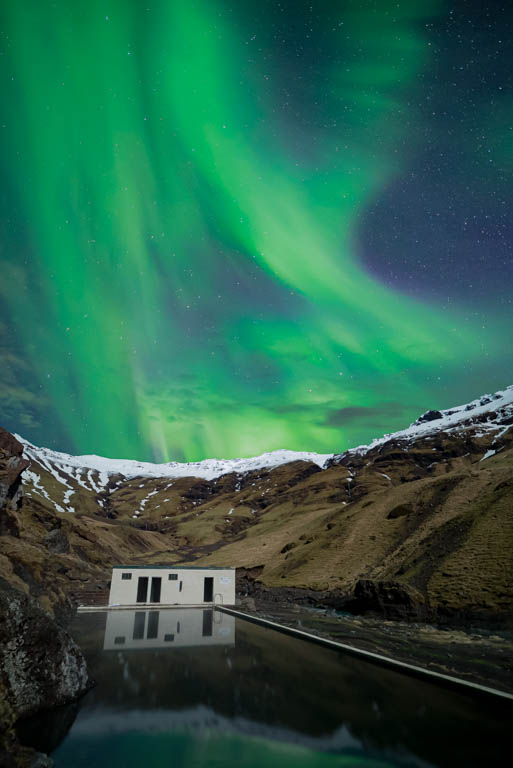
Auroras boreales de Abril sobre una piscina geotérmica en el Sur de Islandia
¿Es Abril una Buena Época para visitar Islandia?
Abril es ideal si buscas:
- Un Una combinación de paisajes invernales y la energía de la primavera energy
- Días más largos para hacer turismo
- Menos gente y mayor disponibilidad
- Un última oportunidad para ver la aurora boreal
Sin embargo, puede que no sea la mejor opción si tu principal objetivo es ver la aurora borealcon seguridad, ya que las condiciones se vuelven menos fiables a lo largo del mes..
Encuentra más información sobre la mejor época para ver la aurora boreal en Islandia aquí.
Qué Llevar en la maleta para Islandia en Abril
Empacar adecuadamente es esencial para la comodidad.
Trae:
- Chaqueta y pantalones impermeables
- Capa intermedia aislante (plumón o polar)
- Capas térmicas de base (preferiblemente de lana)
- Botas de senderismo impermeables
- Gorro, guantes y bufanda/buff abrigados
- Traje de baño para aguas termales
Usar varias capas es clave. Evita el algodón, ya que retiene la humedad y aumenta la pérdida de calor.
Descubre más sobre el equipo de invierno recomendado para Islandia aquí.
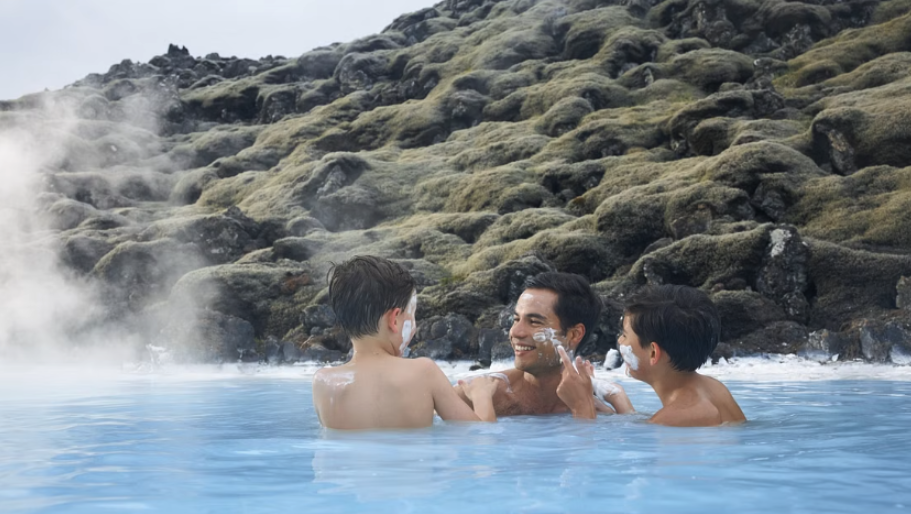
No olvides tu traje de baño para tu experiencia imperdible en la Laguna Azul .
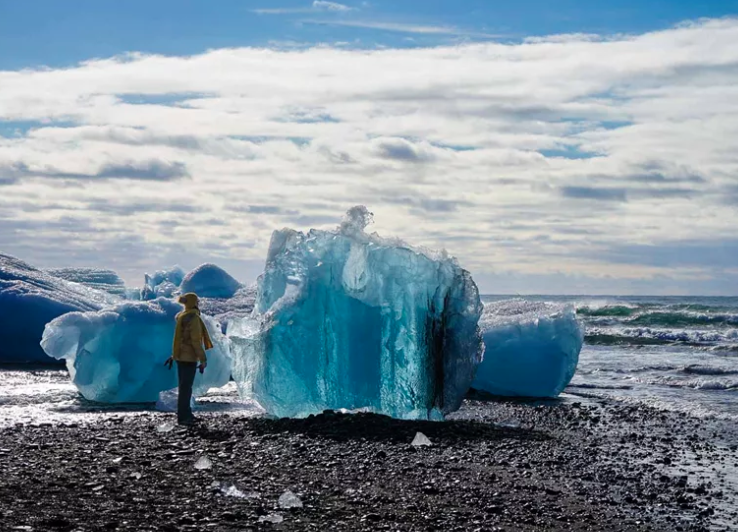
Prepárate para la aventura en nuestro tour de 3 días por el Círculo Dorado y la Costa Sur.
Preguntas Frecuentes: Islandia en Abril
¿Hace demasiado frío en Abril en Islandia?
No. Las temperaturas suelen ser moderadas o incluso algo más suaves. Con la ropa adecuada en capas, es cómodo explorar al aire libre
¿Son seguras las carreteras en Abril?
Sí, las carreteras principales están en buen estado. Sin embargo, el clima cambia rápidamente, así que siempre verifique las condiciones antes de conducir.
¿Se puede conducir por la Ring Road en Abril?
Sí, pero se recomienda experiencia de conducción invernal. Las Highlands permanecen cerradas.
¿Es Abril más barato que el verano?
Sí. Los vuelos, el alojamiento y muchas excursiones suelen ser más baratos que durante la temporada alta.
Reflexiones Finales
Islandia en Abril ofrece un equilibrio único. Disfrutarás de más horas de luz, paisajes naturales impresionantes y una experiencia de viaje más tranquila , además de la última oportunidad para ver la aurora boreal.
Para aprovechar al máximo tu viaje:
- Visita Islandia a principios de mes para tener más posibilidades de ver la aurora boreal
- Únete a un Tour de Auroras Boreales
- Incluye una parada en Aurora Reykjavík
- Planifica con antelación si viajas durante Pascuas
Abril puede ser un mes de transición, pero para muchos viajeros, eso es precisamente lo que lo hace tan especial.
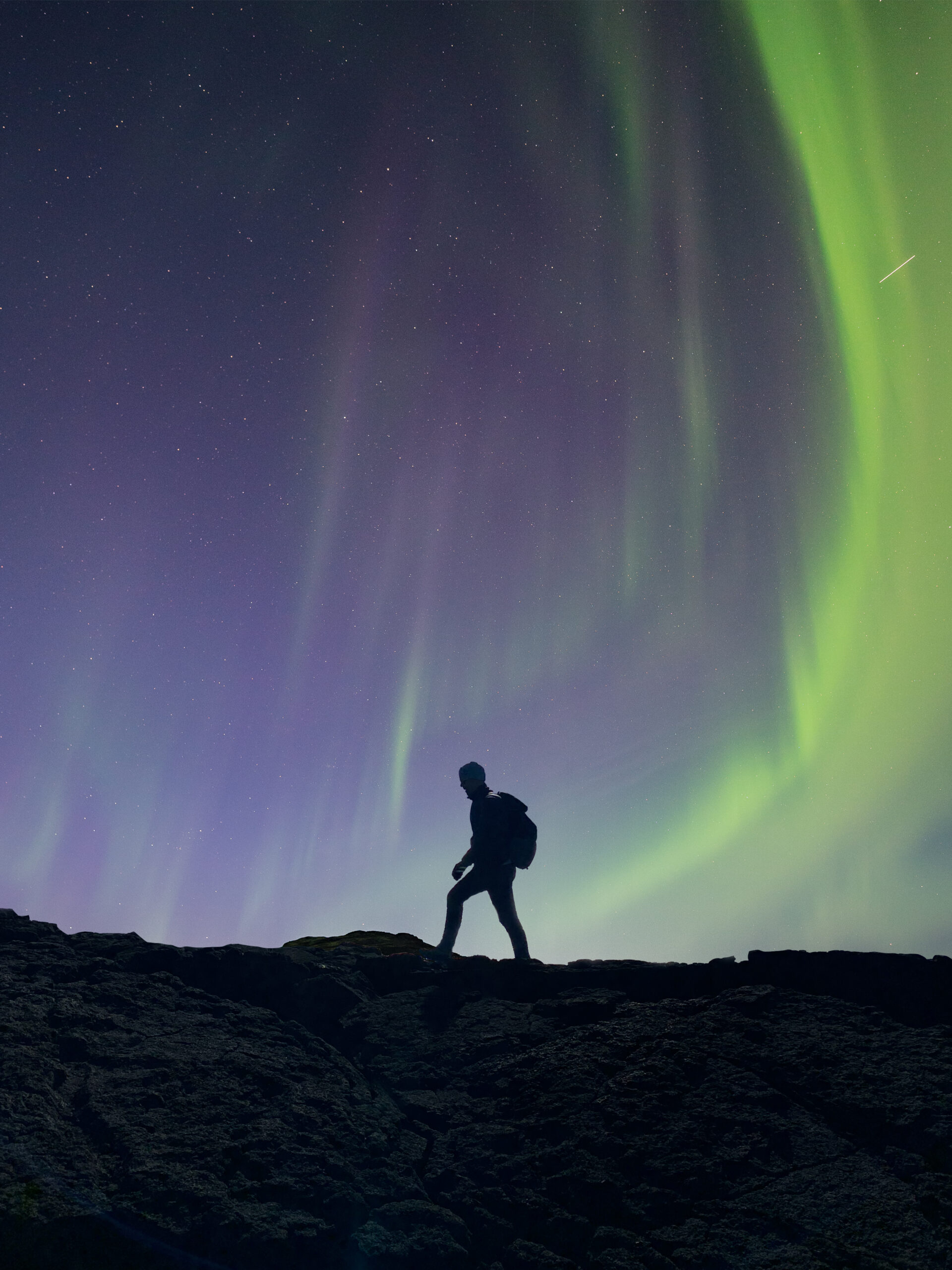
No te pierdas las auroras boreales antes de que termine la temporada en Islandia
ÚNETE AL MEJOR TOUR DE AURORAS BOREALES EN ISLANDIA
NUESTROS TOURS MÁS POPULARES
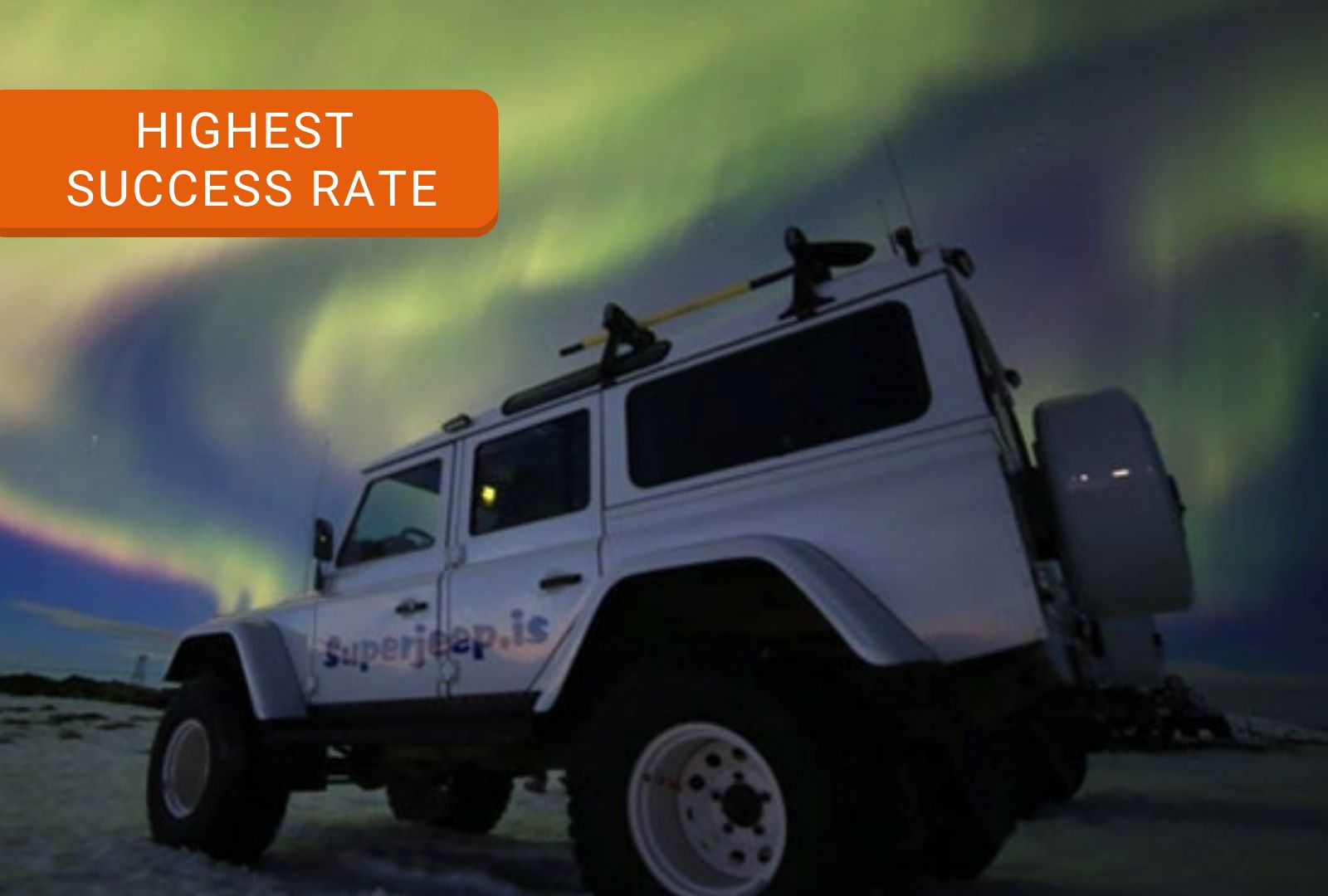
TOUR EN SUPER JEEP DE LA AURORA BOREAL
ASPECTOS DESTACADOS:
✓ Tour guiado premium de Auroras Boreales en un super jeep ✓ Recogida y regreso gratuitos ✓ Fotografías gratuitas de calidad ✓ Chocolate caliente chocolate casero ✓ Vehículos con calefacción todo el viaje
TASA DE ÉXITO MÁS ALTA
ENTRADA A AURORA REYKJAVÍK INCLUIDA - AHORRA 3900 ISK
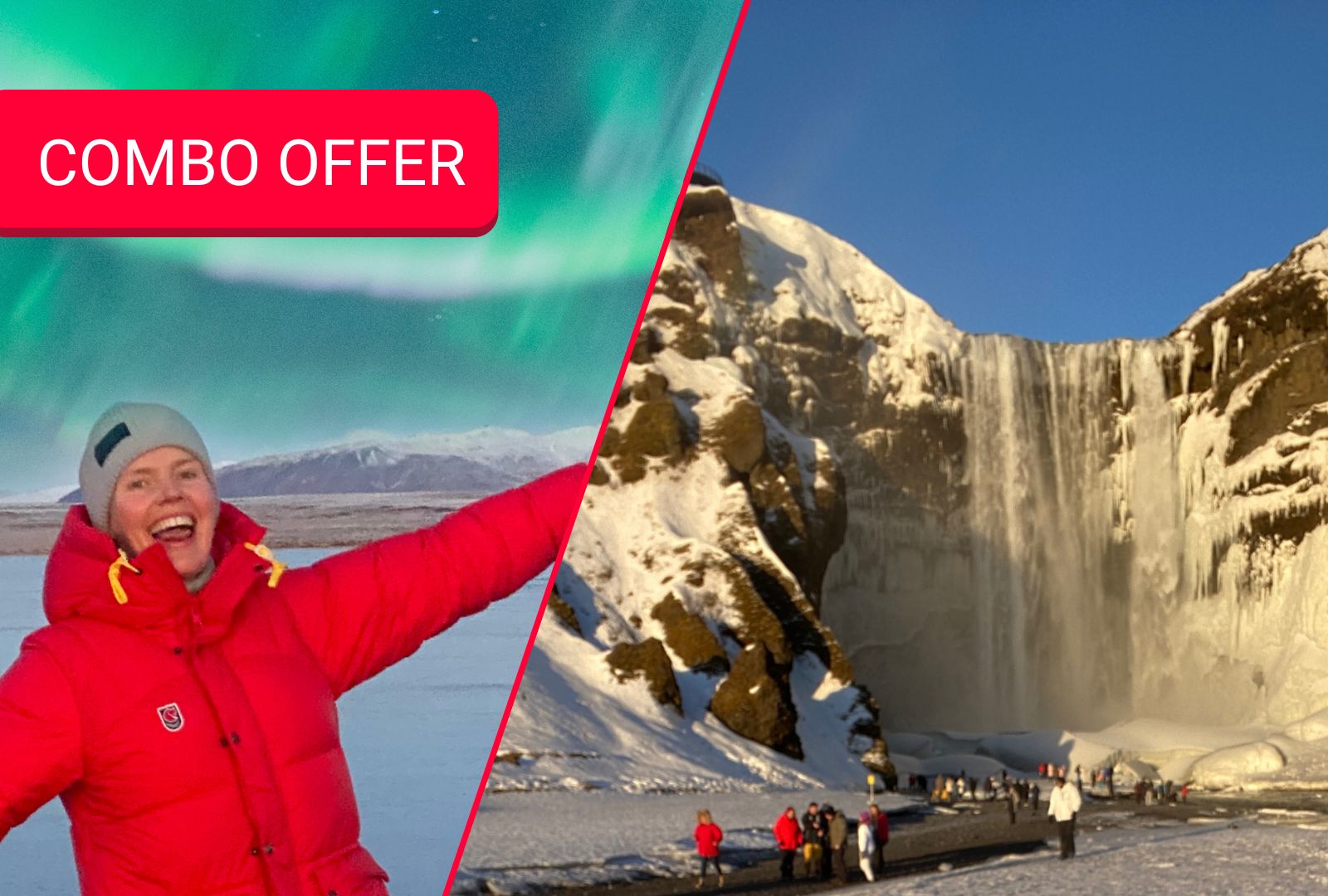
AURORA BOREAL Y COSTA SUR
ASPECTOS DESTACADOS:
✓ OFERTA 2 EN 1: AHORA MÁS DE 2000 ISK ✓ Visita El glaciar Sólheimarjökull ✓ Pasea por la ciudad de Vík ✓ Camina por la playa de arena negra ✓ Contempla las majestuosas cascadas Skógafoss y Seljalandsfoss ✓ Presencia la La danza de las Auroras Boreales MEJOR RELACIÓN CALIDAD-PRECIO AURORAS BOREALES GARANTIZADAS: REINTENTO GRATUITO SI NO SE VEN LAS LUCES
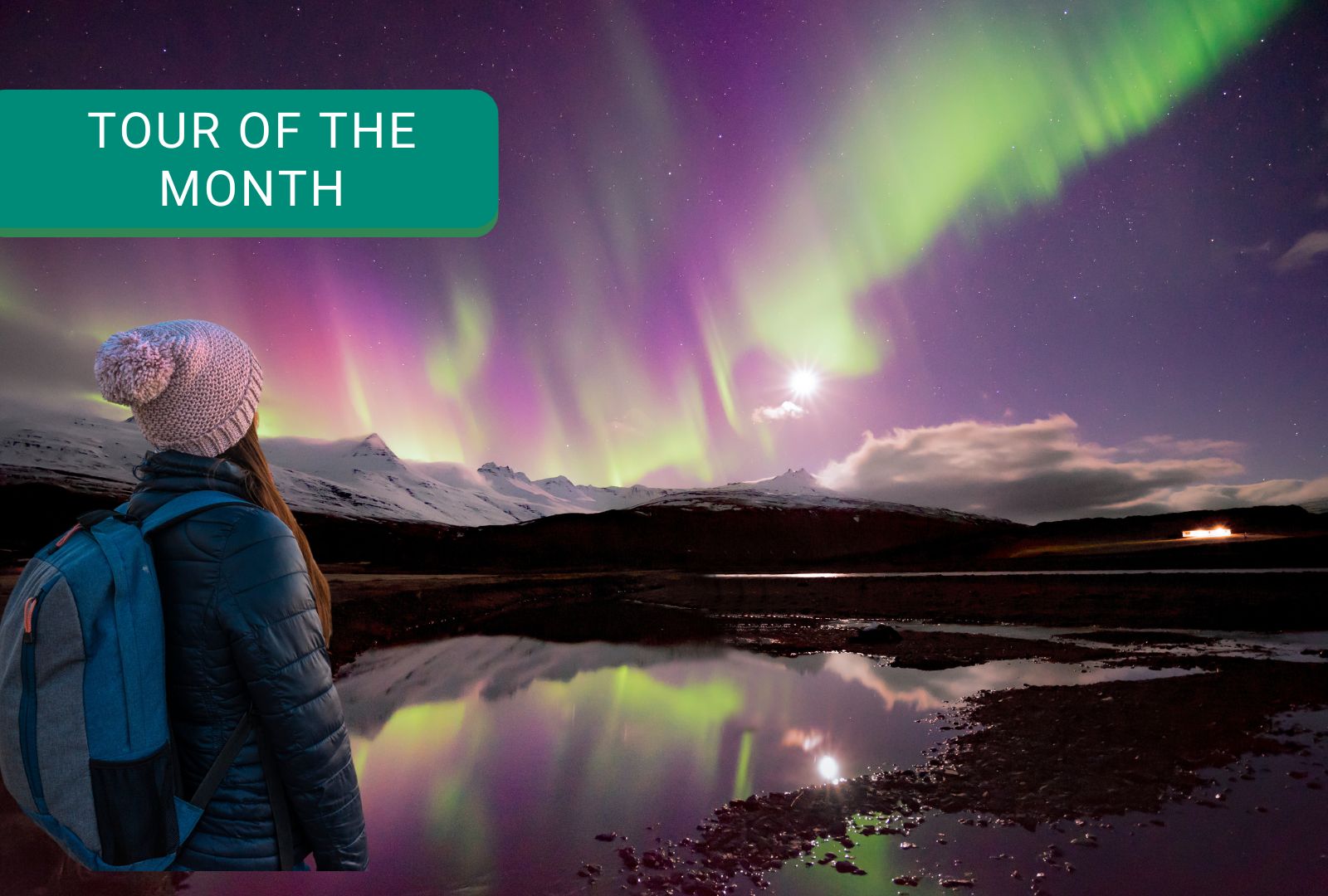
TOUR DE AURORAS BOREALES EN GRUPO REDUCIDO
ASPECTOS DESTACADOS:
✓ Tour de Auroras Boreales en minibus
✓ Fotografías gratuitas de ti bajo las Auroras Boreales
✓ Chocolate caliente y pasteles caseros
✓ Recogida y regreso gratuitos
EL TOUR MÁS POPULAR
PREGUNTAS FRECUENTES SOBRE LA AURORA BOREAL
¿Cuándo puedo ver las Auroras Boreales en Islandia?
¿Puedes ver la aurora boreal durante la luna llena?
¿A qué hora aparecen las auroras boreales?
¿Cuánto duran las auroras boreales?
¿Puedo ver la aurora boreal cuando está nublado?
¿Las auroras boreales sólo aparecen cuando hace frío?
¿Se ven las auroras boreales en toda Islandia?
¿Son realmente coloridas las auroras boreales?
¿Es mejor la luna nueva para ver auroras boreales?
¿Es la luna llena buena para fotografiar la aurora?
Katarina Raker
SOBRE LA AUTORA: KATARINA RAKER