
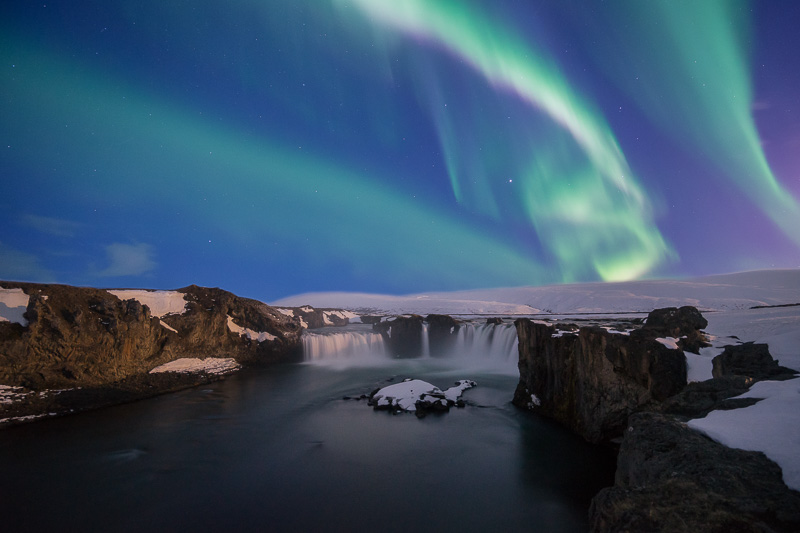
ISLANDIA EN MARZO: EL TIEMPO, AURORAS BOREALES Y LAS MEJORES COSAS QUE HACER
Si te preguntas sobre el clima en Islandia en marzo, las probabilidades de ver auroras y qué empacar, esta completa guía de viaje de Islandia en marzo cubre todo lo que necesitas saber.
El Tiempo en Islandia en Marzo
¿Es Posible Ver la Aurora Boreal en Islandia en Marzo?
Las Mejores Cosas para Hacer en Islandia en Marzo
Qué Llevar a Islandia en Marzo
¿Quién Debería Visitar Islandia en Marzo?
Preguntas Frecuentes: Islandia en Marzo
Reflexiones Finales: ¿Es Marzo un Buen Momento para Visitar Islandia?
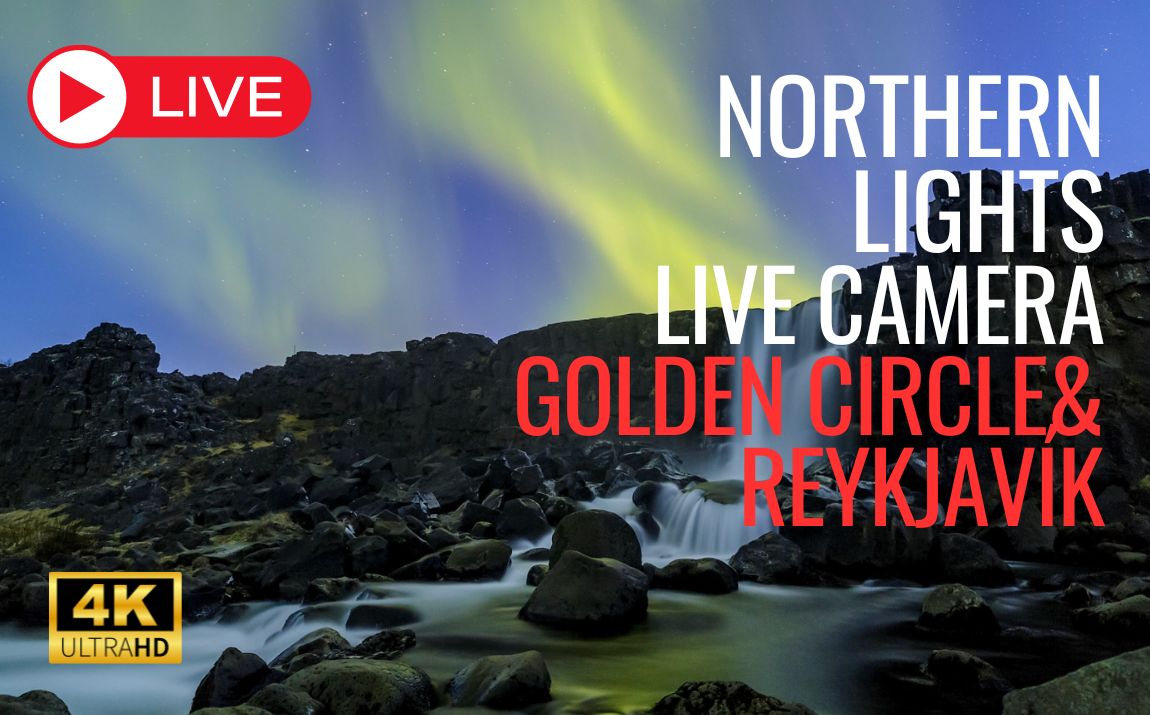
Luna llena en el Parque Nacional Thingvellir, Islandia
¿Es Marzo un Buen Momento para Visitar Islandia?
¡Sí! Marzo es uno de los mejores meses para visitar Islandia si buscas paisajes invernales, menos multitudes, días más largos y gran potencial para ver auroras boreales.
Ventajas
- Alta probabilidad de ver las Auroras Boreales en Islandia en Marzo
- Días más largos que en enero o febrero
- Acceso a las cuevas de hielo al final de la temporada
- Menos concurrido que en verano
- Clima ligeramente más estable que a mediados de invierno.
Contras
- Todavía hace frío y viento a veces.
- Posibilidad de nieve y hielo, especialmente a principios de marzo.
- Carreteras del interior de Islandia permanecen cerradas
¿Para Quién es Perfecto Marzo?
Marzo es ideal para los cazadores de auroras, fotógrafos, viajeros que buscan valor antes de la temporada alta y visitantes que desean paisajes invernales sin oscuridad extrema.
El Tiempo en Islandia en Marzo
El clima en Islandia en marzo marca la transición del invierno hacia la primavera.
Esto es lo que normalmente puedes esperar:
- Las temperaturas medias oscilan entre -2 °C y 4 °C (28 °F a 39 °F).
- La nieve todavía es posible, especialmente a comienzos de marzo y en las regiones del norte.
- El viento puede ser moderado a fuerte, especialmente a lo largo de la costa sur.
- Las condiciones de las carreteras son variables: las rutas principales están mantenidas, pero todavía pueden aparecer tramos helados.
- Riesgo de tormentas es menor que en enero y febrero, pero los sistemas invernales aún pueden afectar la región.
Principios de Marzo vs Finales de Marzo
Principios de marzo se siente como pleno invierno: paisajes cubiertos de nieve, noches más oscuras y condiciones heladas.
Para finales de marzo, la luz del día aumenta significativamente, la nieve comienza a derretirse en las zonas bajas y las temperaturas se vuelven algo más suaves, aunque el invierno aún no ha terminado.
Siempre consulta los pronósticos meteorológicos locales y las condiciones de las carreteras antes de conducir, especialmente si planeas viajes largos por la la Ruta Circular de Islandia (Carretera 1).
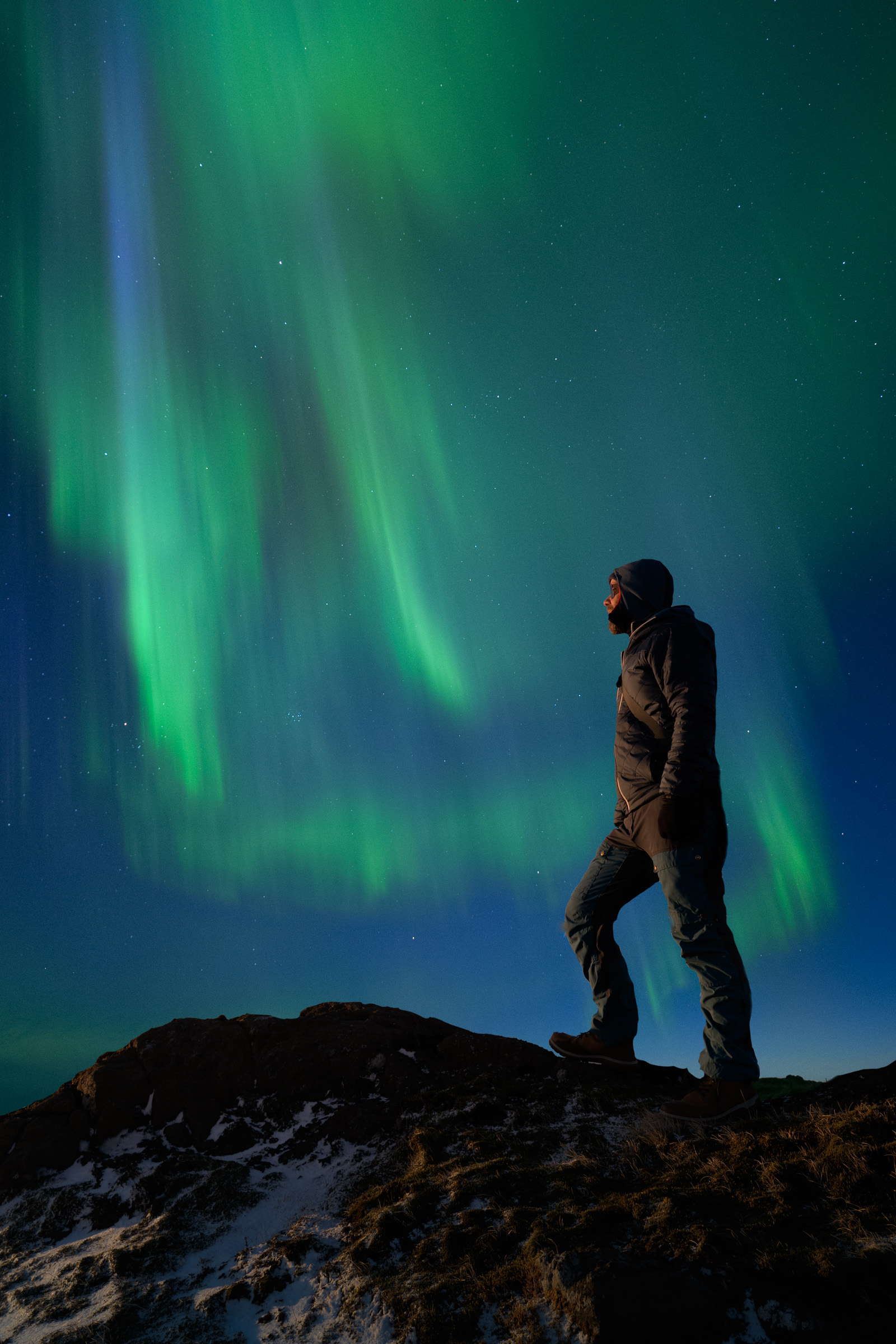
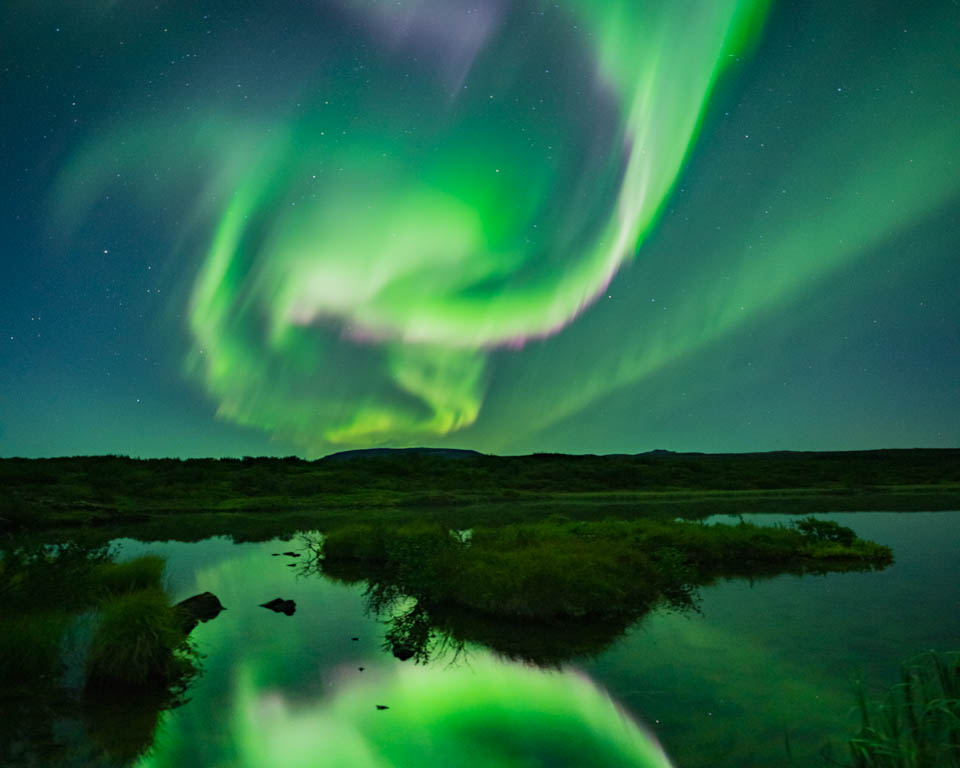
Avistamientos de Auroras sobre Islandia en Marzo
¡Este podrías ser tú! Haz realidad tu sueño de ver auroras boreales con el tour perfecto
¿Es Posible Ver la Aurora Boreal en Islandia en Marzo?
¡Sí! Marzo es uno de los últimos meses excelentes para ver las auroras boreales en Islandia antes de que comience la temporada del sol de medianoche.
Por Qué Marzo es un Buen Mes para Observar la Aurora
- A principios de marzo todavía se disfrutan alrededor de 10 horas de oscuridad.
- El período del equinoccio de primavera puede traer mayor actividad geomagnética.
- Las temperaturas son menos extremas que a mediados del invierno.
- Los patrones climáticos suelen ser ligeramente más estables que en enero.
En Aurora Reykjavík, monitoriamos diariamente la actividad solar y los pronósticos de nubes. Marzo a menudo ofrece una combinación ideal: oscuridad suficiente para ver auroras, clima cada vez más estable y días más largos para explorar Islandia.
Consejo de experto: Los cielos despejados importan más que los altos valores KP de auroras. La cobertura de nubes es el factor más importante al planificar tu búsqueda de auroras.
Para una planificación completa, también recomendamos nuestra Guía definitiva para ver las auroras boreales en Islandia y nuestra Guía mes a mes de las auroras boreales.
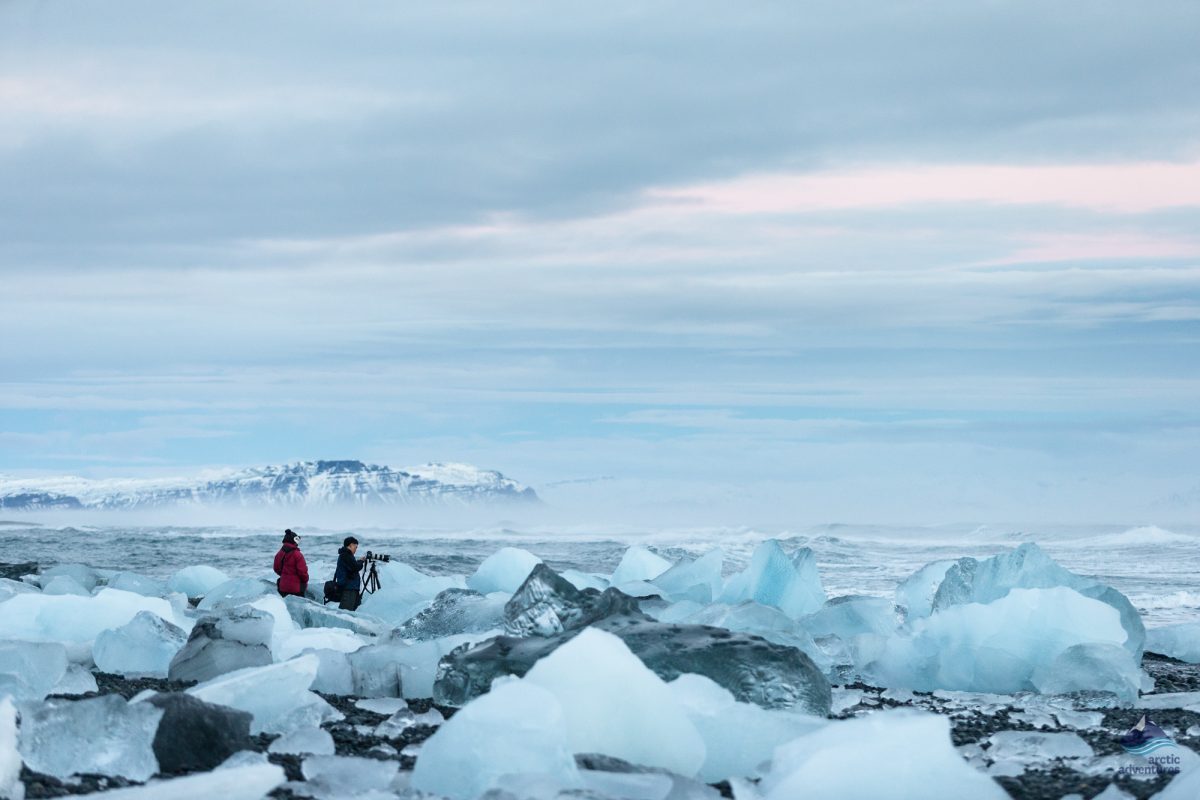
Días más largos permiten excursiones más extensas, como nuestra excursión a la Costa Sur y la Laguna de los Glaciares
Horas de Luz en Marzo
La luz del día aumenta de manera notable a lo largo de Marzo, convirtiéndolo en uno de los meses más equilibrados del año.
- El 1 de Marzo, Islandia recibe aproximadamente 10 horas de luz diurna.
- A mediados de mes, la luz del día alcanza aproximadamente 12 horas.
- Para el 31 de marzo, se podrán esperar más de 13 horas de luz diurna.
Esto hace que visitar Islandia en marzo sea ideal para viajes por carretera, fotografía y turismo sin las limitaciones de tiempo que impone la oscuridad del invierno profundo.
En comparación con Febrero, al final del mes se ganan casi tres horas adicionales de luz diurna aprovechable.
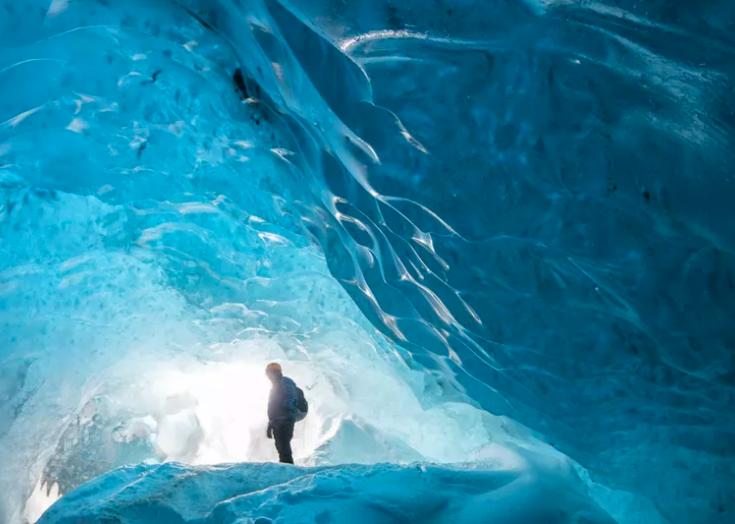
Explora los glaciares islandeses con expertos, únete a nuestro tour de 2 días por el sur de Islandia
Las Mejores Cosas para Hacer en Islandia en Marzo
Caza de Auroras Boreales
March remains prime aurora season. Guided tours increase your chances by tracking cloud cover and geomagnetic activity in real time.
Learn how to choose the best tour for you aquí.
Cuevas de hielo (oportunidad de fin de temporada)
Marzo suele ser la última oportunidad para visitar cuevas de hielo naturales antes de que las temperaturas más cálidas de la primavera las hagan inaccesibles.
Senderismo en Glaciares
Las bajas temperaturas mantienen estables las condiciones del glaciar para las caminatas guiadas.
Círculo Dorado
Þingvellir National Park, Geysir geothermal area, and Gullfoss waterfall are spectacular with snow-dusted scenery and fewer crowds than summer.
Find a hand-picked selection of Golden Circle tours aquí.
Avistamiento de Ballenas
Marzo marca el inicio de la temporada de avistamiento de ballenas, con tours operando desde Reikiavik, ¡incluso en combinación con un crucero para ver auroras boreales!
Visita Aurora Reykjavík
Aurora Reykjavík es la principal actividad bajo techo sobre auroras boreales de Islandia. Es el único lugar de Islandia donde puedes experimentar la aurora boreal durante todo el año, sin importar el clima, gracias a exhibiciones inmersivas, imágenes reales de la aurora y guía experta antes de comenzar tu recorrido.
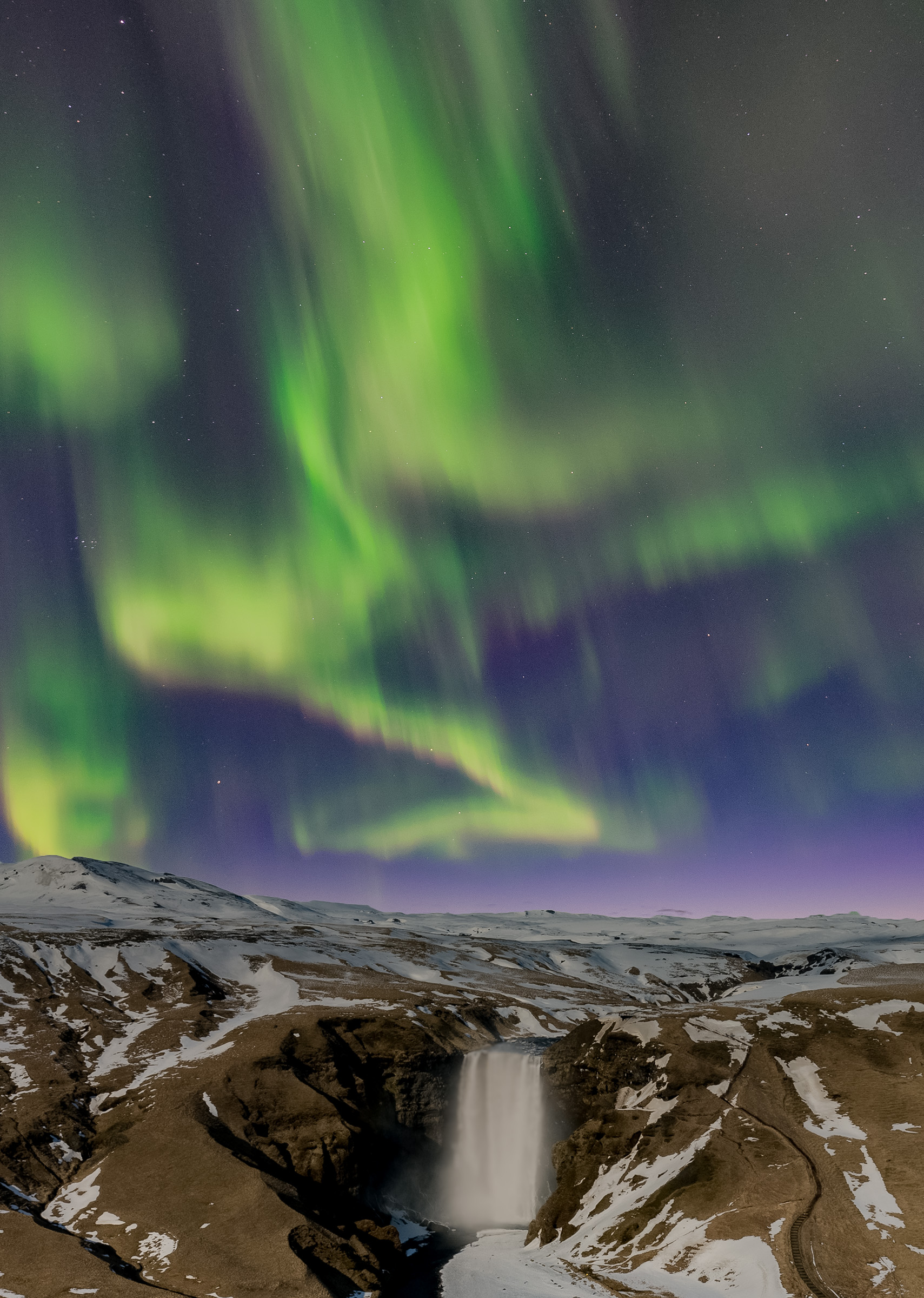
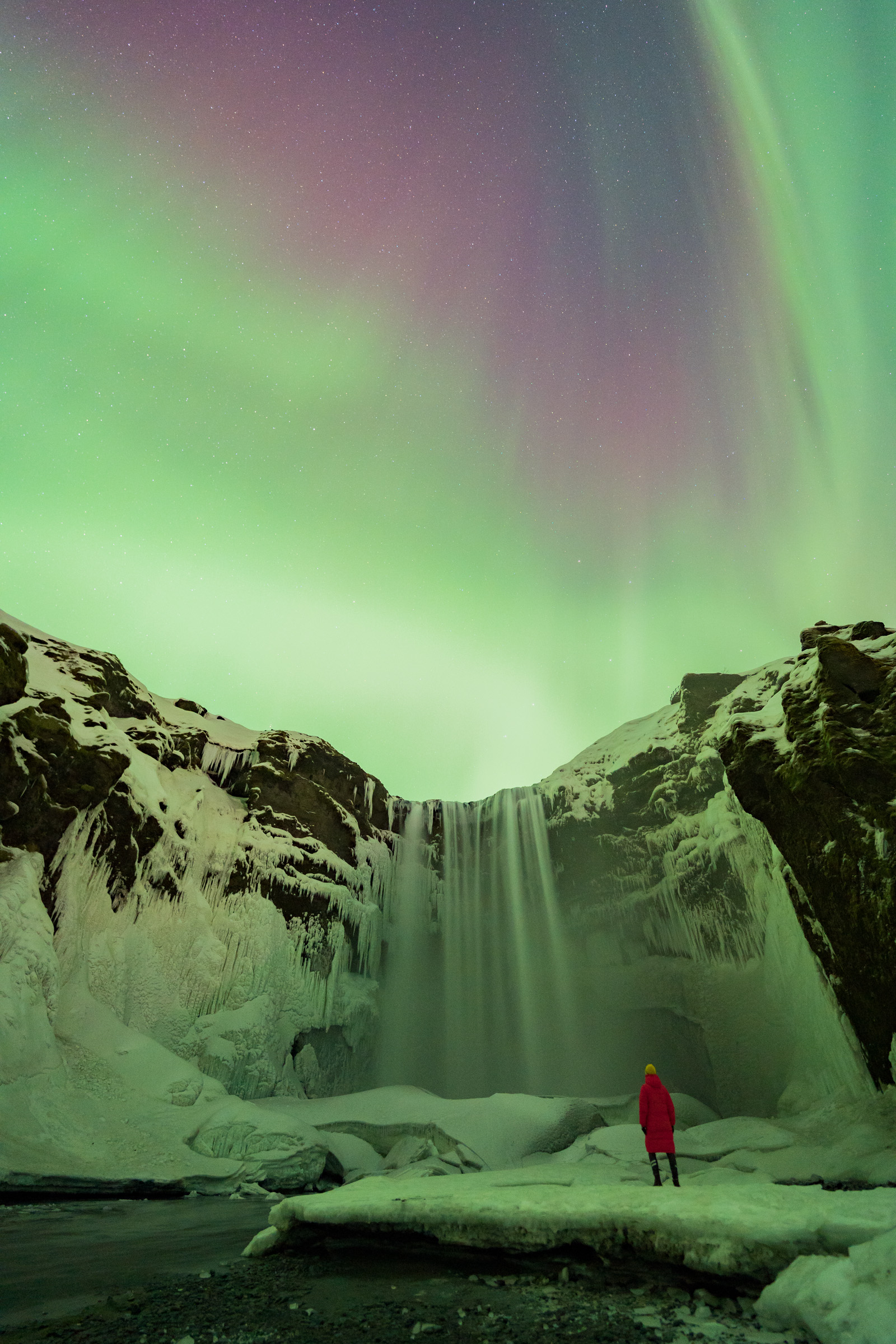
Aurora Boreal en Marzo Sobre Skógafoss, parte de nuestro Paquete de viaje de 3 días por el Círculo Dorado y la Costa Sur
Marzo vs Febrero vs Abril
Si estás decidiendo entre finales de invierno y principios de primavera, aquí tienes cómo se comparan:
Febrero:
- Menor cantidad de horas de luz (alrededor de 7–10 horas diarias).
- Excelentes posibilidades de auroras
- Mayor riesgo de tormentas
- Menos turistas
Marzo:
- 10 - 13 horas de luz
- Excelentes condiciones de auroras
- Mejora en la estabilidad del clima
- Niveles moderados de afluencia turística.
Abril:
- 13-16 horas de luz
- Las posibilidades de auroras comienzan a disminuir
- Temperaturas más templadas
- Aumento del número de visitantes
Si la aurora boreal es tu prioridad, marzo es más intenso que abril. Si buscas un clima más templado y días largos, abril puede ser la mejor opción.
Qué Llevar a Islandia en Marzo
Empacar adecuadamente es esencial para la comodidad.
Trae:
- Chaqueta y pantalones impermeables
- Capa intermedia aislante (plumón o polar)
- Capas térmicas de base (preferiblemente de lana)
- Botas de senderismo impermeables
- Gorro, guantes y bufanda/buff abrigados
- Traje de baño para aguas termales
- Crampones opcionales para aceras o senderos helados
Usar varias capas es clave. Evita el algodón, ya que retiene la humedad y aumenta la pérdida de calor.
Descubre más sobre el equipo de invierno recomendado para Islandia aquí.
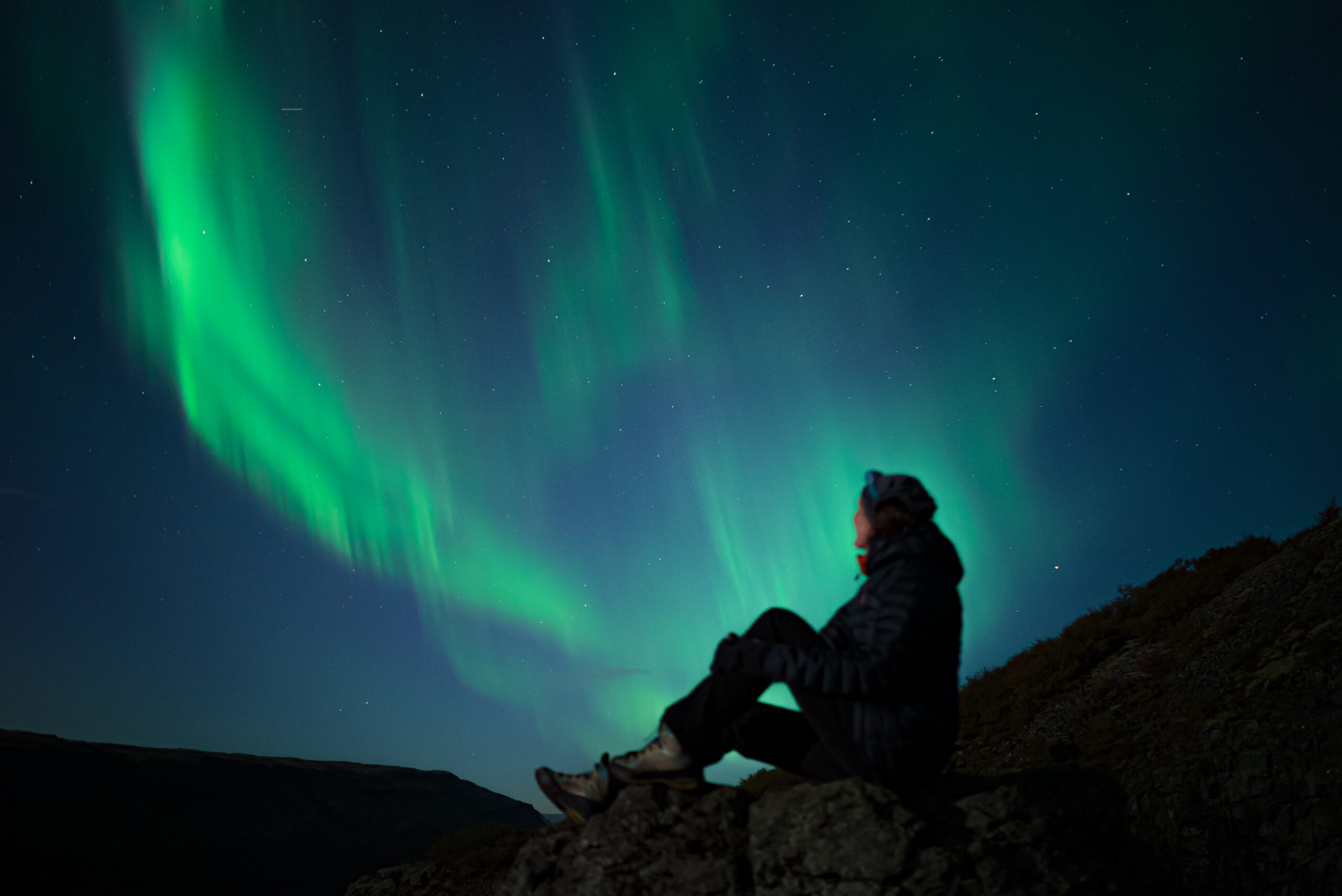
¡Abrígate y prepárate para tu aventura de marzo!
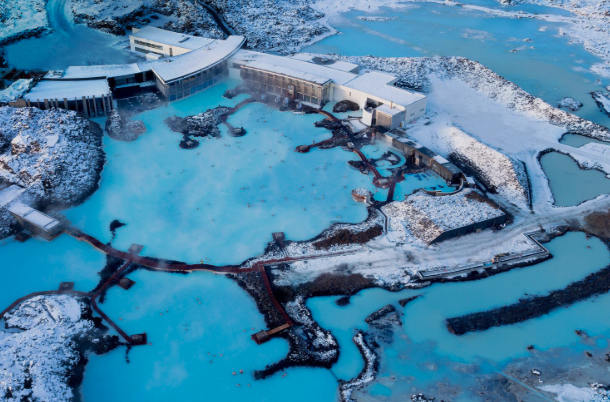
Snow capped lava fields at the Blue Lagoon
¿Quién Debería Visitar Islandia en Marzo?
Marzo es ideal para:
- Fotógrafos que quieren paisajes nevados y horas doradas más largas
- Aurora-focused travelers
- Visitors seeking fewer crowds than summer
- Budget-conscious travelers
- Familias que buscan un equilibrio entre luz natural y atracciones en interiores
Preguntas Frecuentes: Islandia en Marzo
¿Hace demasiado frío marzo en Islandia?
No. Las temperaturas rondan los cero grados. Con las capas adecuadas, es cómodo para explorar al aire libre.
¿Son seguras las carreteras en marzo?
Sí, las carreteras principales están en buen estado. Sin embargo, el clima cambia rápidamente, así que siempre verifique las condiciones antes de conducir.
¿Se puede conducir por la principal carretera en Marzo?
Sí, pero se recomienda experiencia de conducción invernal. Las Highlands permanecen cerradas.
¿Es Marzo más barato que el verano?
Yes. Flights, accommodations, and many tours are typically less expensive than during peak season.
When does winter end in Iceland?
La transición invernal ocurre durante Marzo, pero las verdaderas condiciones primaverales suelen llegar en Abril o Mayo.
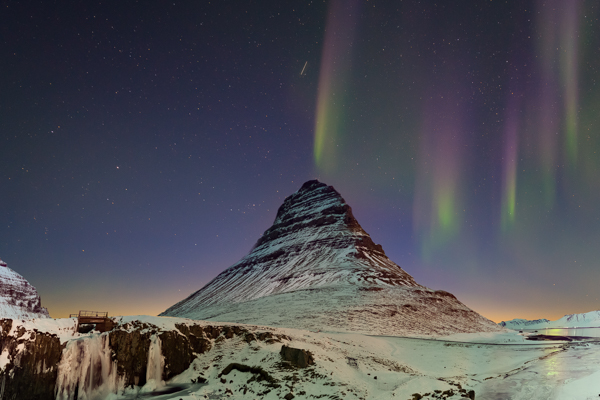
Kirkjufell on Snæfellsnes Peninsula, an exciting day tour from Reykjavík
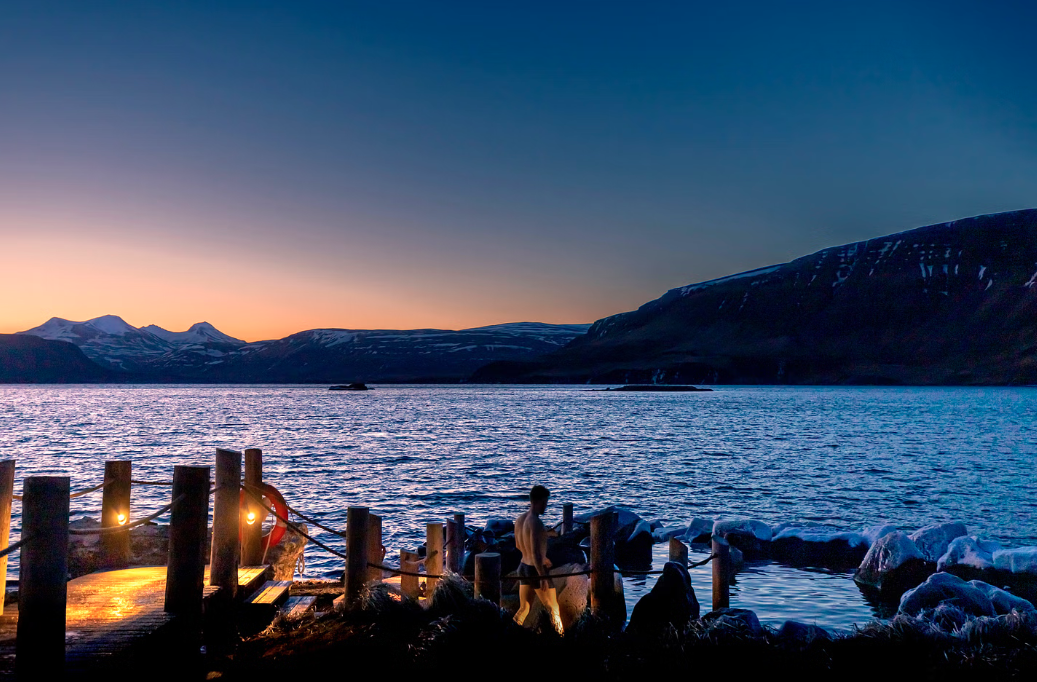
Longer days and beautiful sunsets – enjoy the March light fading at Hvammsvík
Reflexiones Finales: ¿Es Marzo un Buen Momento para Visitar Islandia?
If you want winter beauty, strong Northern Lights in Iceland in March, increasing daylight, and fewer crowds than summer — March is an excellent choice.
Ofrece una de las experiencias de viaje más equilibradas del año: aventura invernal de día, avistamiento de auroras de noche y un día cada vez más intenso entre ambos.
For many travelers, March may be the perfect month to visit Iceland.
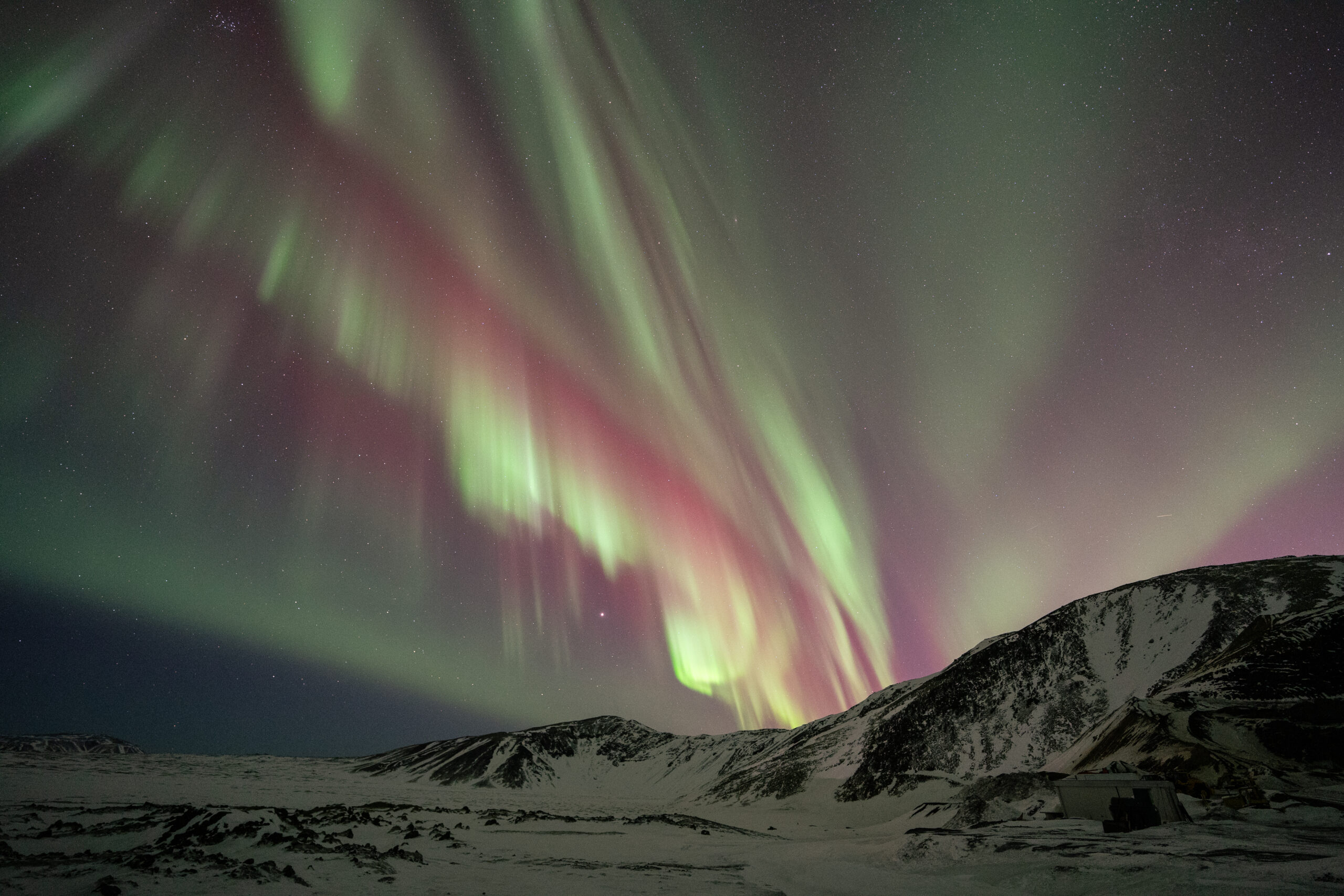
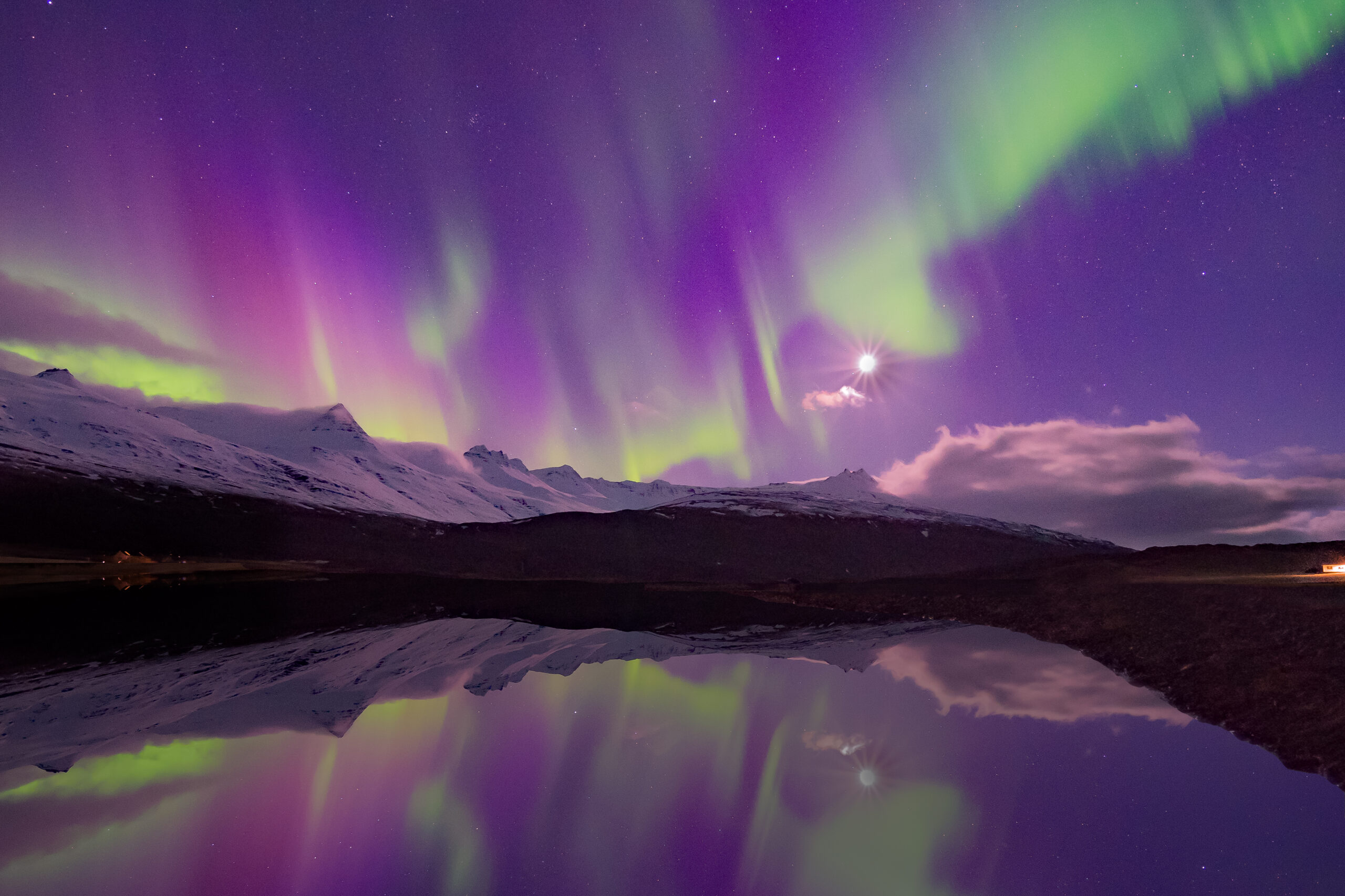
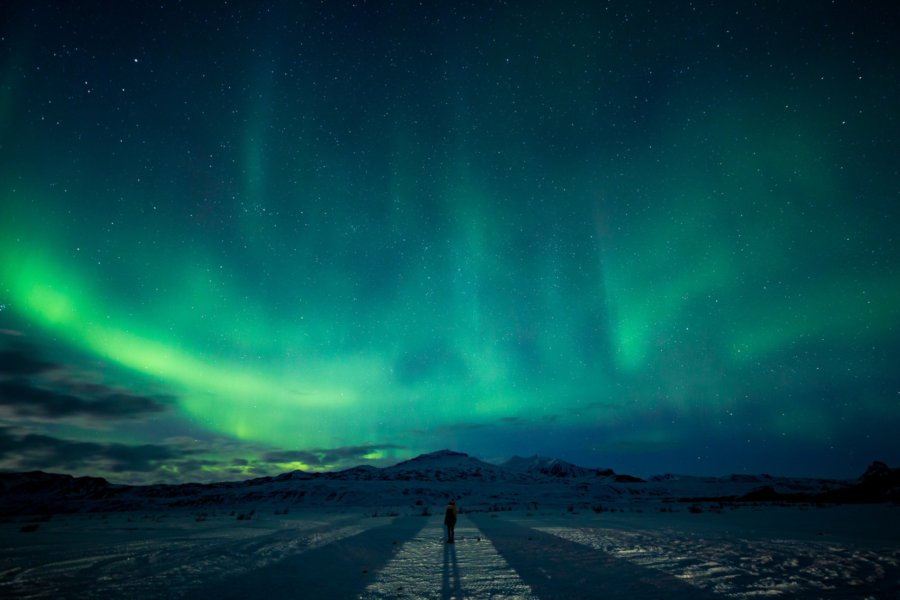
Auroras Boreales en Marzo
ÚNETE AL MEJOR TOUR DE AURORAS BOREALES EN ISLANDIA
NUESTROS TOURS MÁS POPULARES
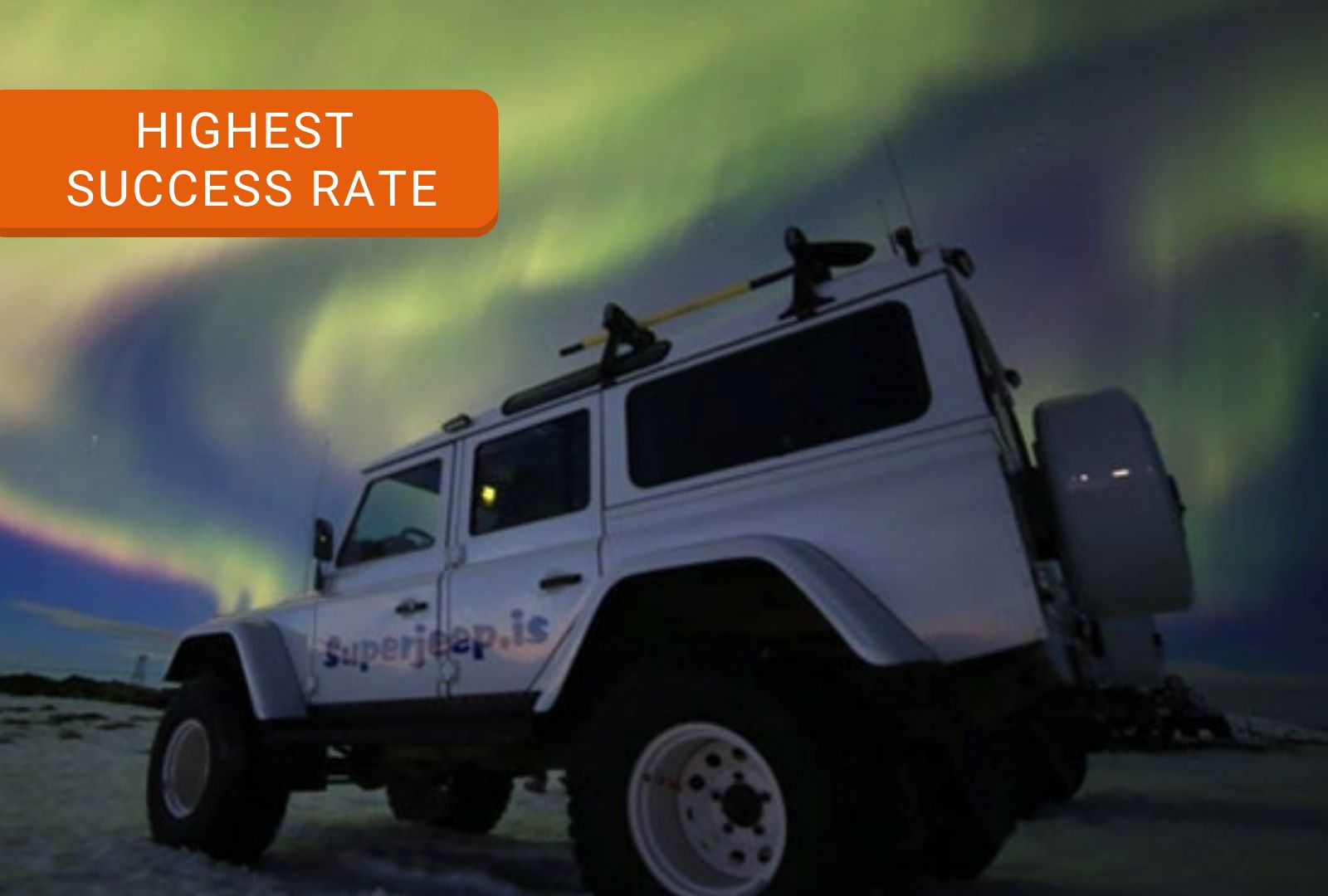
TOUR EN SUPER JEEP DE LA AURORA BOREAL
ASPECTOS DESTACADOS:
✓ Tour guiado premium de Auroras Boreales en un super jeep ✓ Recogida y regreso gratuitos ✓ Fotografías gratuitas de calidad ✓ Chocolate caliente chocolate casero ✓ Vehículos con calefacción todo el viaje
TASA DE ÉXITO MÁS ALTA
ENTRADA A AURORA REYKJAVÍK INCLUIDA - AHORRA 3900 ISK
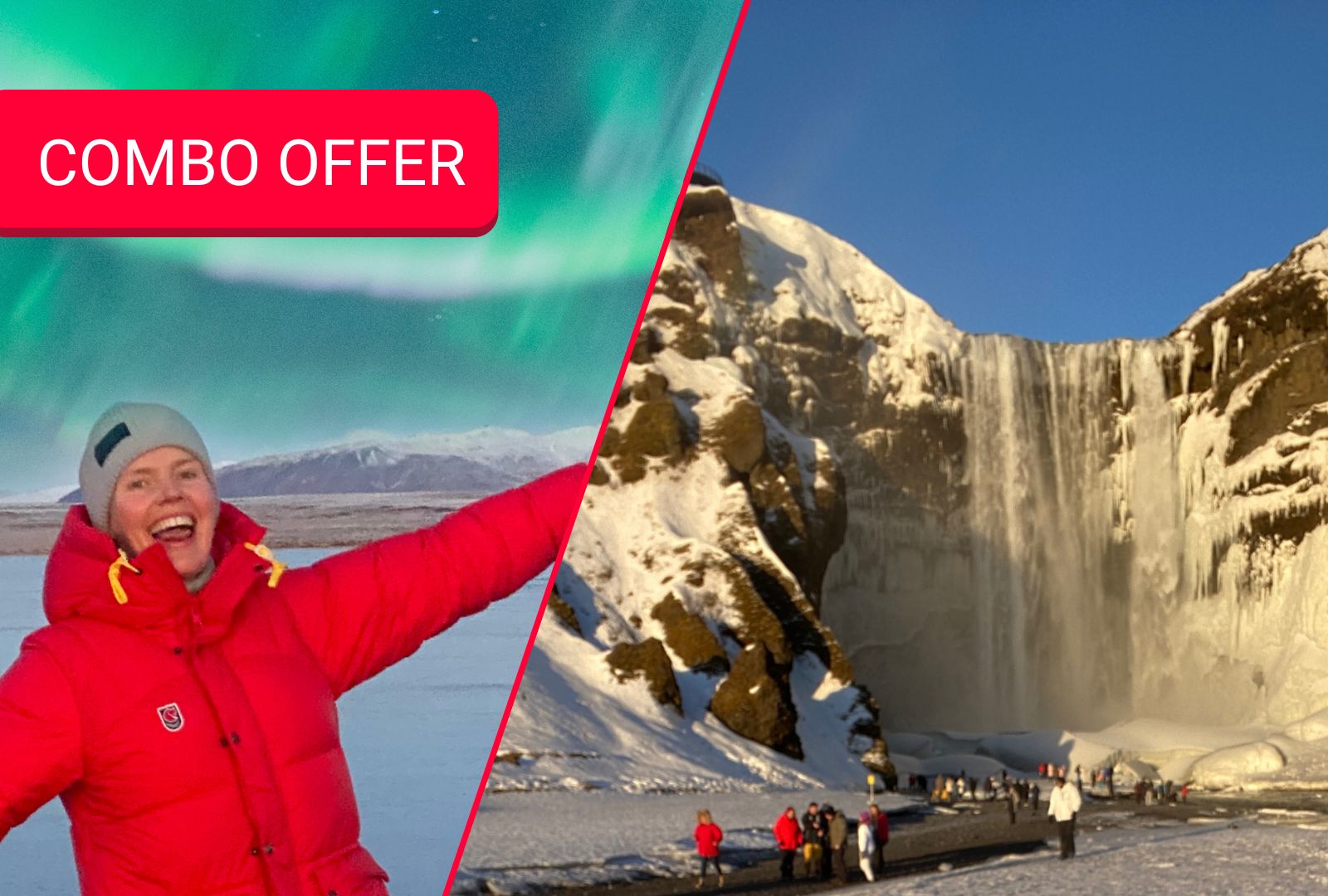
AURORA BOREAL Y COSTA SUR
ASPECTOS DESTACADOS:
✓ OFERTA 2 EN 1: AHORA MÁS DE 2000 ISK ✓ Visita el glaciar Sólheimarjökull ✓ Pasea por la ciudad de Vík ✓ Camina por la playa de arena negra ✓ Contempla las majestuosas cascadas Skógafoss y Seljalandsfoss ✓ Presencia la La danza de las Auroras Boreales MEJOR RELACIÓN CALIDAD-PRECIO AURORAS BOREALES GARANTIZADAS: REINTENTO GRATUITO SI NO SE VEN LAS LUCES
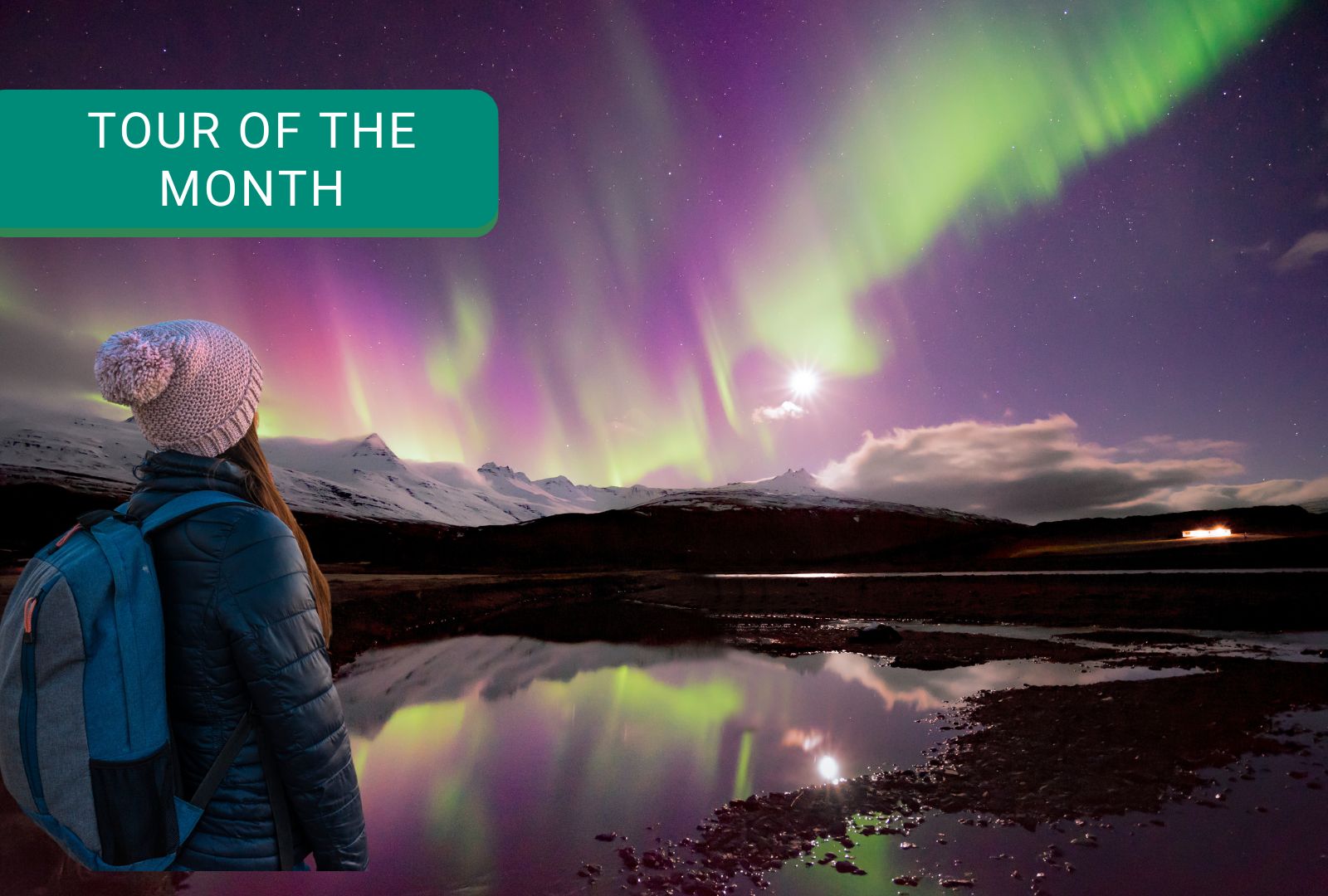
TOUR DE AURORAS BOREALES EN GRUPO REDUCIDO
ASPECTOS DESTACADOS:
✓ Tour de Auroras Boreales en minibus
✓ Fotografías gratuitas de ti bajo las Auroras Boreales
✓ Chocolate caliente y pasteles caseros
✓ Recogida y regreso gratuitos
EL TOUR MÁS POPULAR
PREGUNTAS FRECUENTES SOBRE LA AURORA BOREAL
¿Cuándo puedo ver las Auroras Boreales en Islandia?
¿Puedes ver la aurora boreal durante la luna llena?
¿A qué hora aparecen las auroras boreales?
¿Cuánto duran las auroras boreales?
¿Puedo ver la aurora boreal cuando está nublado?
¿Las auroras boreales sólo aparecen cuando hace frío?
¿Se ven las auroras boreales en toda Islandia?
¿Son realmente coloridas las auroras boreales?
¿Es mejor la luna nueva para ver auroras boreales?
¿Es la luna llena buena para fotografiar la aurora?
Katarina Raker
SOBRE LA AUTORA: KATARINA RAKER