Northern Lights Forecast Iceland Tonight
Live Aurora Forecast for Reykjavík & Iceland
Tonight's Northern Lights Forecast · Reykjavík & Iceland
MODERATE CHANCES TONIGHT
- Clouds · Greater Reykjavík
- Patchy skies over the area, with pockets of clarity over parts of West and South Iceland.
- Attività solare
- Kp 3 expected.
- Best viewing time
- 21:00–01:00
- Next days
- Cloud cover limited mostly to high clouds, often see-through. Stable solar activity.
Our take: Fast changing cloud conditions make for an unpredictable evening - patience is key! Maximise your chances by checking the cloud forecast below later in the day and before heading out, or joining a northern lights tour.
Check cloud cover to find clear skies. Use the time slider to track changes. Darker, denser color = more cloud cover. Lighter, whiter areas = clearer skies — your best bet for tonight.
Aurora Reykjavík - The Northern Lights Center is the first, and only, museum in Iceland fully dedicated to the Northern Lights. Founded and run by passionate aurora experts, astrophotographers, and guides with decades of chasing the lights across Iceland.
Watch the sky over Iceland right now, streaming year-round from two locations — the only Iceland aurora forecast with a live camera built in.
See nothing but darkness? Come back once the sun has set.
REAL-TIME NORTHERN LIGHTS FORECAST
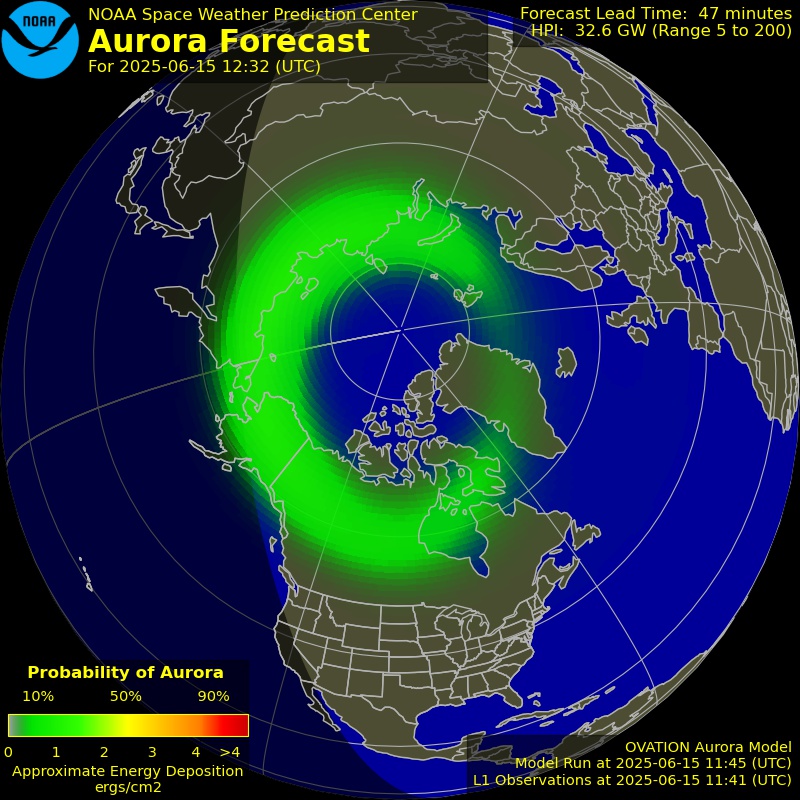
Live imagery straight from NASA and NOAA satellites — the same raw data our forecasters watch to judge tonight's chances.
NASA SDO/HMI · dark spots mark magnetically active regions, the source of flares and CMEs.
NOAA GOES-19 SUVI, 131 Å · bright flashes are flares — sudden bursts of energy from the Sun.
NASA SDO/AIA, 193 Å · dark patches vent fast solar wind that often fuels strong aurora nights.
NASA/ESA SOHO LASCO C3 · streaks show plasma clouds hurled outward — the biggest driver of major storms.
Measured ~1 million miles upwind of Earth by NOAA's SOLAR-1 spacecraft, shown at each reading's predicted Earth arrival time.
The EARTH line marks right now. Solid = already arrived. Dashed = already measured at SOLAR-1, still inbound.
Green = pointing north, red = pointing south. Southward Bz is what opens the door for aurora.
How to Read the Live Data
This is the same data our guides watch every night. It looks technical at first, but each number answers one simple question — here's how to read it, in order.
A single number from 0 to 9. Think of it as the headline number: the higher it is, the stronger and further south the aurora can reach.
Good sign: Kp 2 or higher usually means visible lights somewhere in Iceland.
Measured in km/s. Faster solar wind hits Earth's magnetic field harder, which tends to produce brighter, faster-moving auroras.
Good sign: speeds above 400 km/s.
Measured in particles per cm³. On its own, density doesn't do much — but combined with high speed and a southward Bz (see below), higher density can mean a more intense, energetic display. Think of it as fuel, not the spark.
Measured in nT. This is the total strength of the magnetic field the solar wind is carrying. A stronger Bt makes everything else more effective, but only if Bz (next) is pointing the right way.
Good sign: Bt of 6 nT or higher, combined with a southward Bz.
Measured in nT, either northward (positive) or southward (negative). This is the one that decides whether everything else even matters: a southward Bz opens a "door" in Earth's own magnetic field, letting solar particles in to create the aurora. A northward Bz keeps that door mostly shut, even if every other number looks great.
Good sign: Bz at –2 nT or lower (southward). Ideally –3 nT or below.
Put simply: check Bz first — it decides if the door is open. Then Kp tells you how strong the storm is, and speed, density, and Bt tell you how much punch is behind it. Combine all of this with clear skies and real darkness for your best chance of actually seeing it.
UNITEVI A UN TOUR DELL'AURORA BOREALE
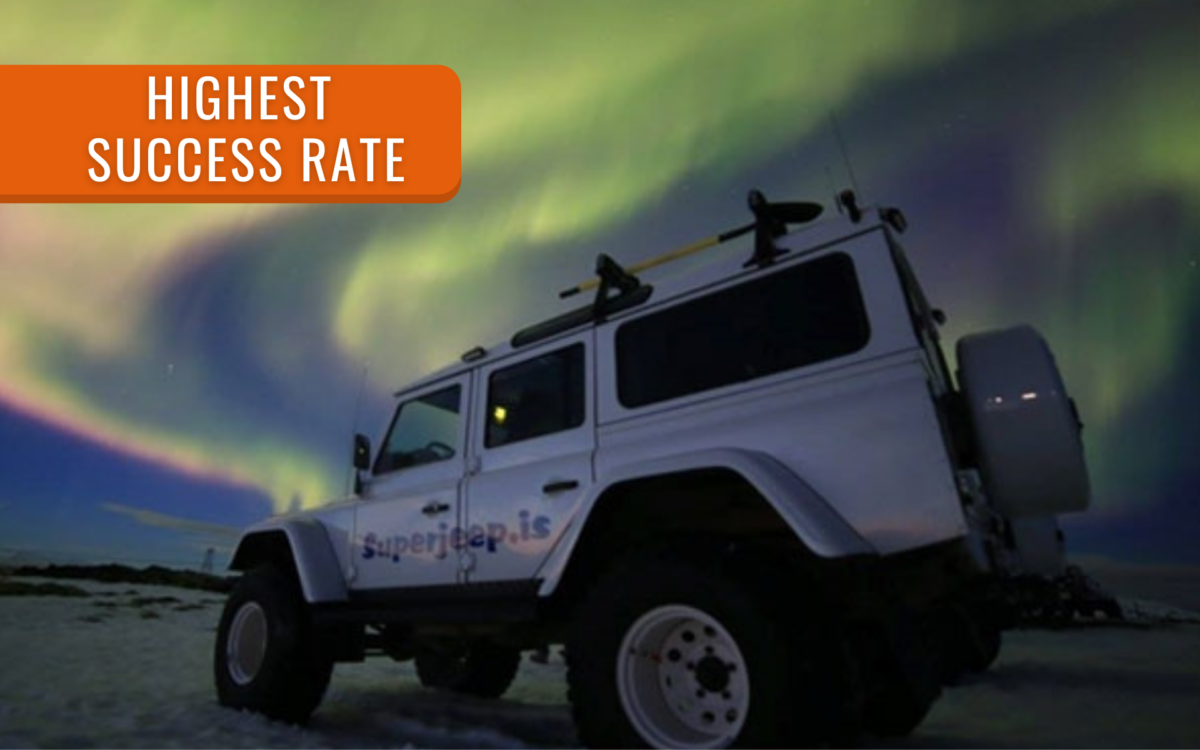
TOUR DELL' AURORA BOREALE IN SUPERJEEP
4.9
Date la caccia all'aurora boreale assieme agli esperti del nostro tour in Superjeep. Gruppo di dimensioni ridotte, fuoristrada adatto ai selvaggi terreni islandesi, bevande e foto con l'aurora boreale inclusi. Unitevi al tour con il più alto tasso di successo in Islanda! L'ingresso ad Aurora Reykjavík è compreso nel prezzo.
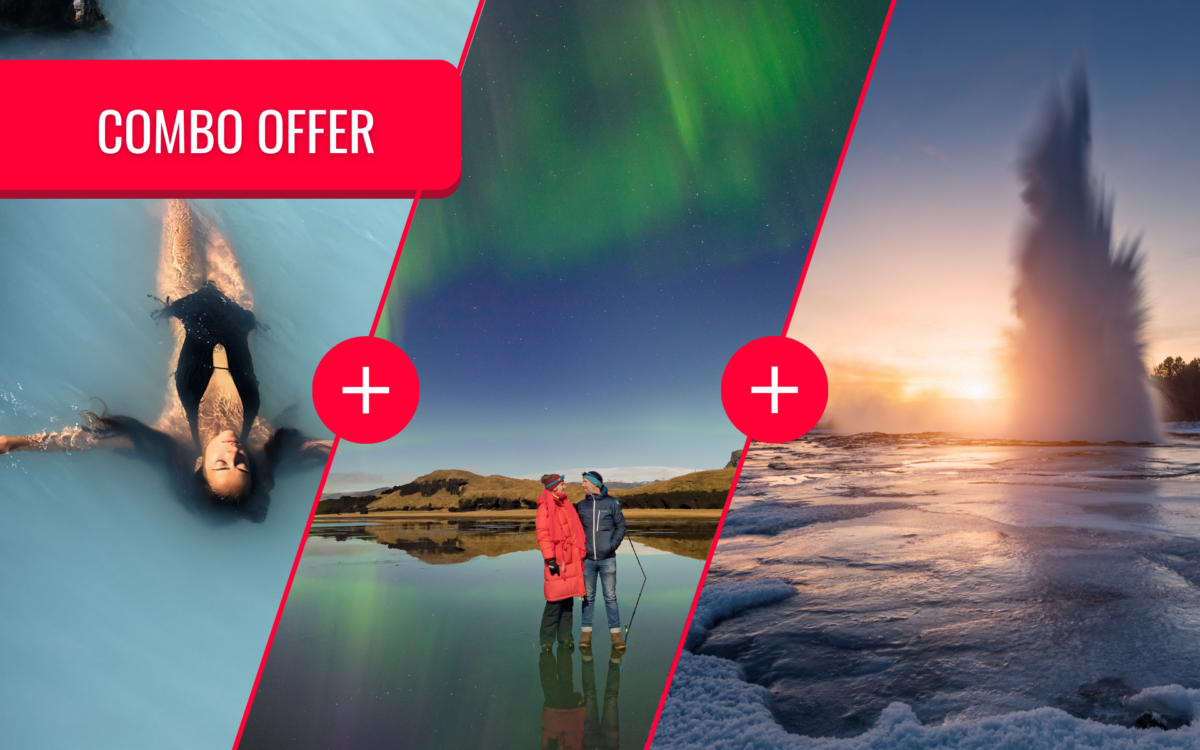
OFFERTA SPECIALE: CIRCOLO D'ORO, LAGUNA BLU E AURORA BOREALE
4.9
Esplorate l'iconico Circolo d'Oro, rilassatevi nelle azzurre acque termali della Laguna Blu e osservate l'aurora boreale con un gruppo di dimensioni ridotte. Tre meraviglie della natura islandese in un unico, imperdibile tour!
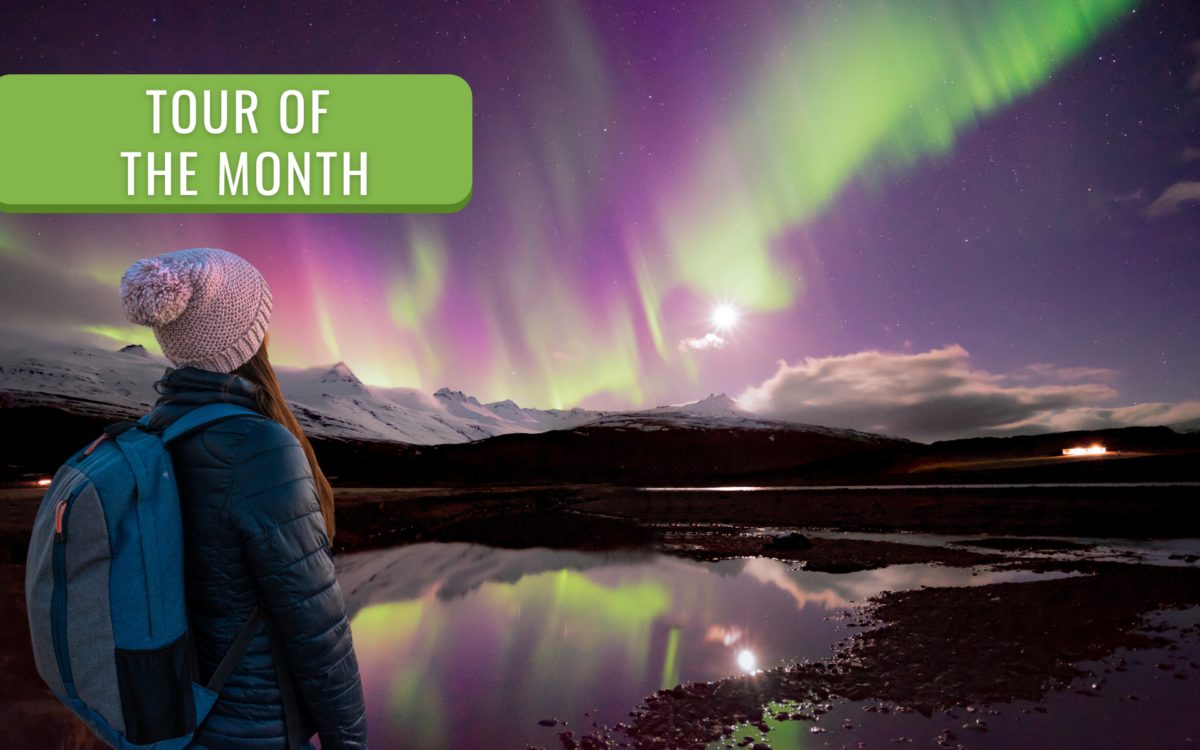
TOUR N. 1 DELL' AURORA BOREALE IN MINIBUS
4.9
Il tour dell'aurora boreale in minibus di maggior successo in Islanda. Gruppo di dimensioni ridotte, guida esperta, secondo tentativo gratuito e foto con l'aurora sono inclusi nel prezzo.
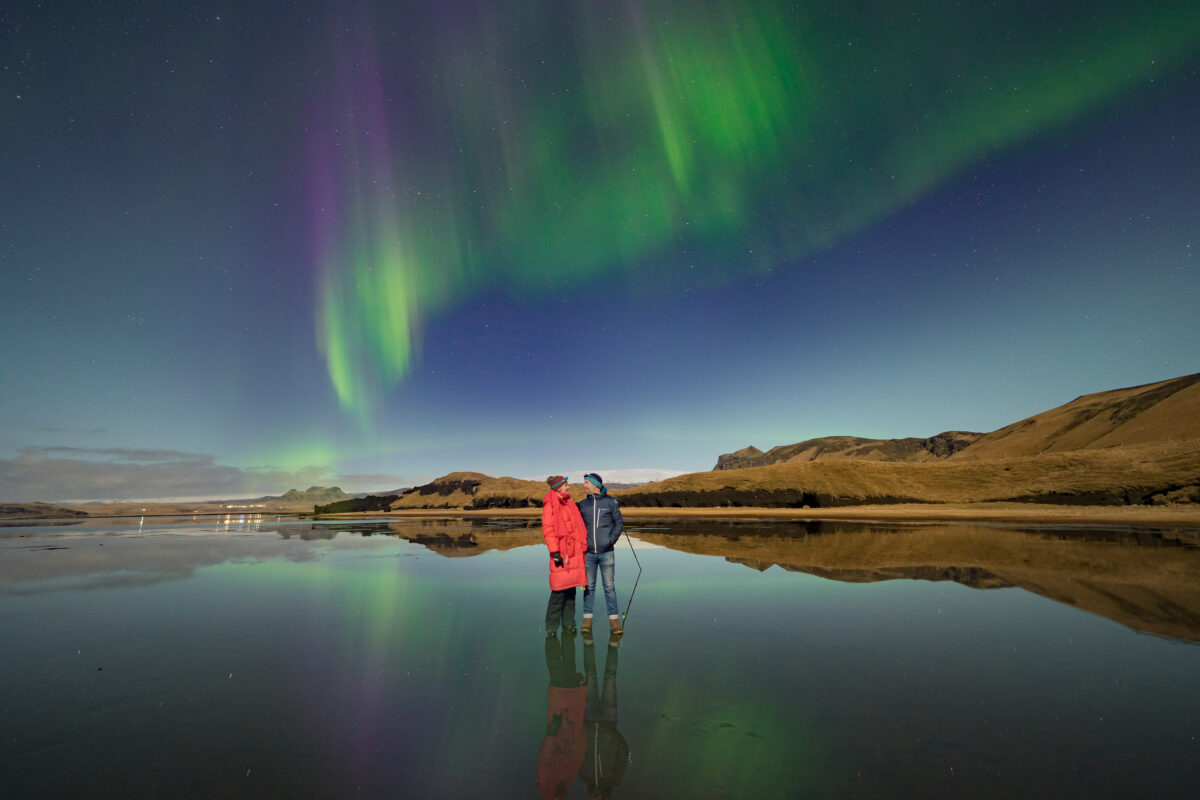
TOUR PRIVATO AURORA BOREALE CON FOTO PROFESSIONALI
4.9
Osservate l'aurora boreale con questo esclusivo tour privato! Date la caccia all'aurora boreale con una guida privata, un fotografo specializzato in aurora boreale. Godetevi il viaggio in un veicolo premium, con un itinerario flessibile e foto professionali sotto l'aurora boreale incluse. Un'avventura davvero indimenticabile!
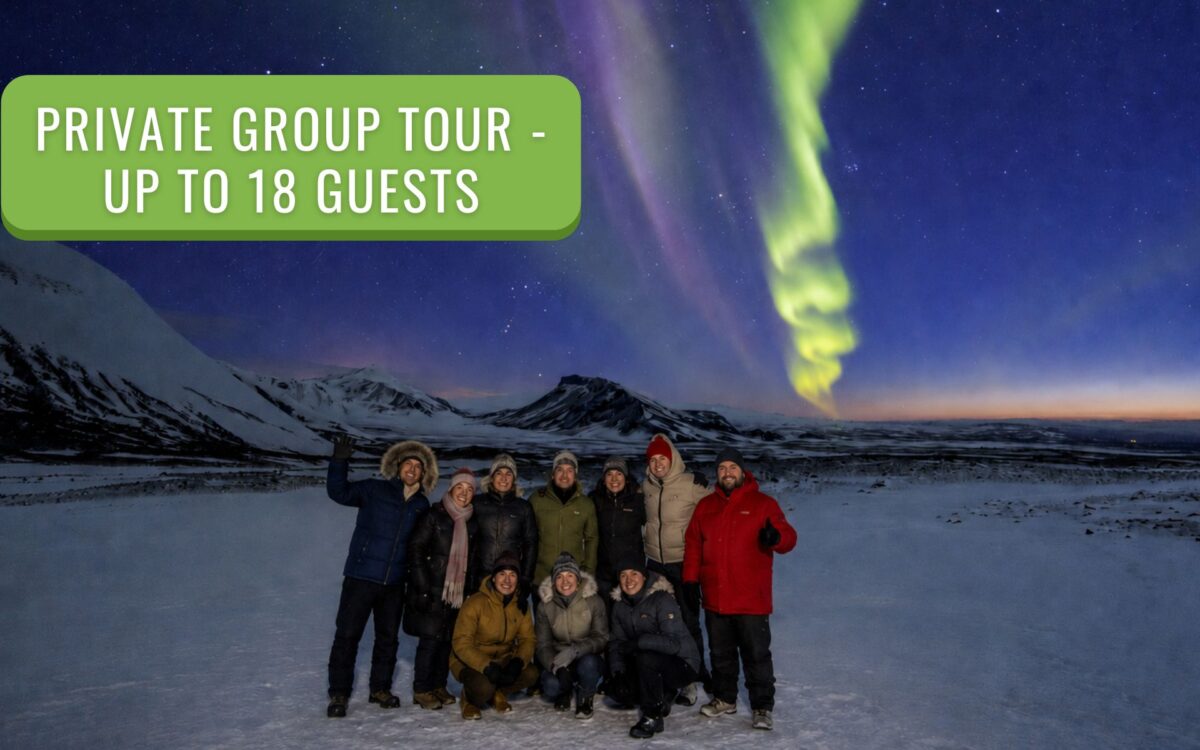
TOUR PRIVATO AURORA BOREALE PER GRUPPI DI DIMENSIONI RIDOTTE
4.8
Quest'avventura privata in minibus, per un massimo di 18 persone, è ideale per gruppi di dimensioni ridotte. Un'esperienza personalizzata, con guida privata, foto dell'aurora boreale e cioccolata calde incluse.
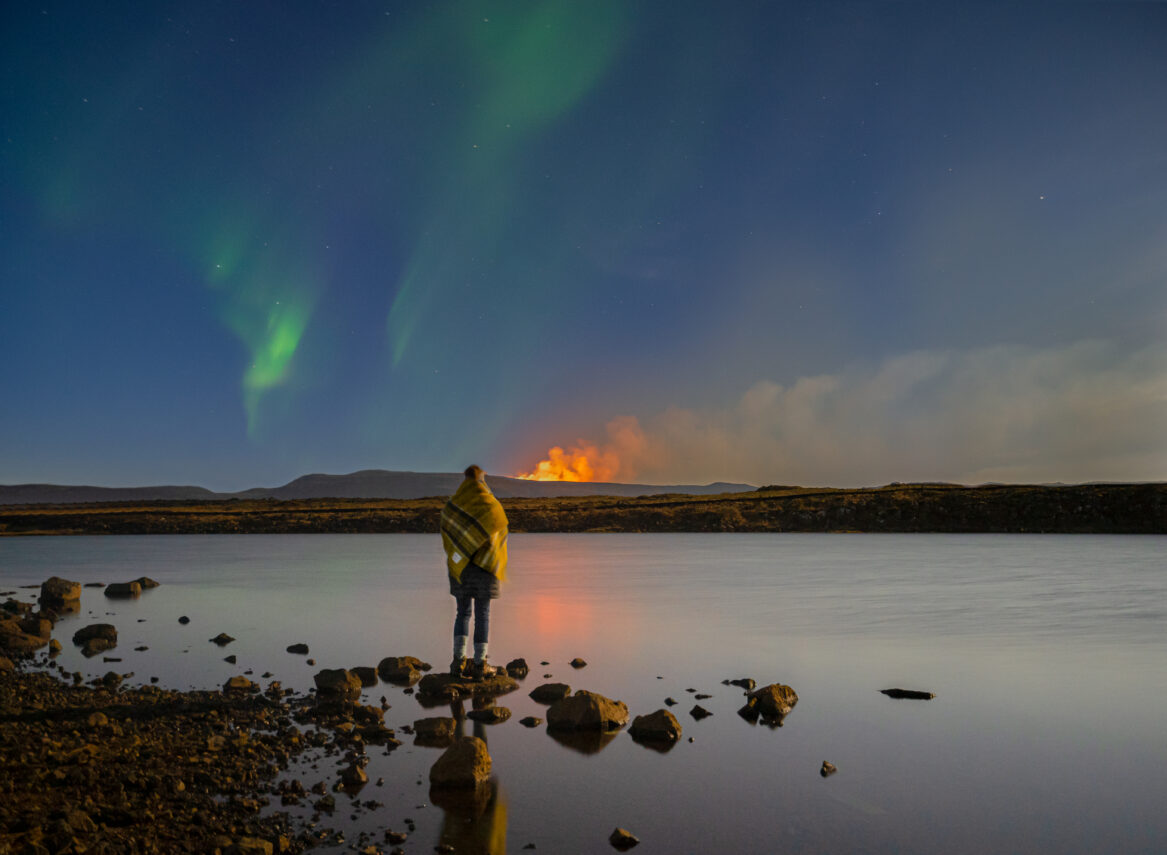
TOUR DI GRUPPO PRIVATO DELL' AURORA BOREALE
4.7
Trasformate la vostra escursione di gruppo dell'aurora boreale in un'esperienza unica, con il nostro tour privato! Questo tour guidato è ideale per gruppi fino a 52 persone e include foto con l'aurora e bevande calde.
CHASING THE NORTHERN LIGHTS – A STEP-BY-STEP GUIDE FOR YOUR AURORA HUNT
Plan your Northern Lights hunt with Iceland’s most complete aurora forecast. A clear 5-step guide combining KP index, solar activity, cloud cover, and the best locations to watch the aurora.
01
Choose Your Dates
Two windows matter most when planning an aurora trip to Iceland: the 27-day Kp outlook, and the moon phase.
The 27-day Kp forecast: the Sun rotates once every 27 days, so the same active regions can swing back into view and reappear as similar geomagnetic activity a month later. That gives a rough, genuinely useful sense of aurora chances weeks ahead — not a precise prediction, but a real pattern worth planning a trip around. The bars in the chart below show forecast Kp for each of the next 27 days.
Timing within the season also matters. Around the spring and autumn equinoxes, Earth's magnetic field aligns in a way that makes it easier for solar wind to reach us — a well-documented pattern called the Russell–McPherron effect, making March and September consistently strong months for activity. Deciding between late winter and early spring? Compare what April offers against what March offers.
Moon phase: a bright full moon can wash out fainter auroras, though it also lights up Iceland's landscapes for striking photos. The dashed line in the chart shows moon illumination for each night, calculated automatically — no need to check a separate calendar. Read our full guide to auroras and the moon phases for how to time a trip around both.
Source: NOAA Space Weather Prediction Center, 27-day outlook. Moon phase calculated locally.
02
ESCAPE THE LIGHT POLLUTION
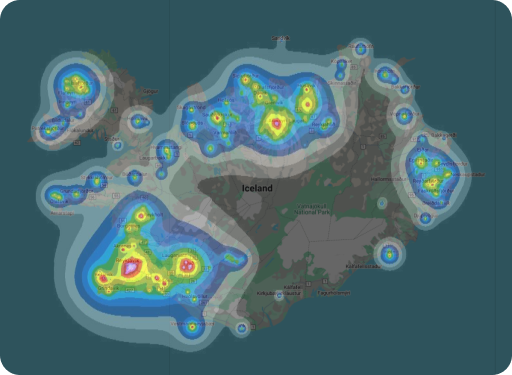
Darkness is non-negotiable. In Iceland, usable aurora darkness gradually returns during August and lasts until around mid-April. May, June and most of July are simply too bright. Once darkness returns, getting away from artificial light can make faint auroras much easier to see. Once you’re in that window, distance from artificial light matters as much as timing. See our full guide to the 25 best viewing locations in Iceland to find somewhere genuinely dark, not just “outside the city.”
Know the Live Tools Before You Need Them
Once you’re on the ground in Iceland, everything at the top of this page becomes your real-time toolkit: live Bz and solar wind data, the live cloud forecast map, and our live cameras. This step is just a heads-up — skim the “How to Read the Live Data” section near the top now, while you’re relaxed and planning, so on the night itself you’re reading conditions in seconds, not learning what Bz means for the first time in the cold and dark.
Pack Like You’ll Actually Be Standing Still in the Cold
Aurora hunting means standing still outside for long stretches, often well below freezing. Thermal base layers, a proper hat and gloves, and warm boots make the difference between an amazing night and a miserable one — see our recommended winter gear for Iceland for a full list. If you’re bringing a camera, a stable tripod and a wide-angle lens matter more than an expensive body — our full photography guide covers manual settings for both faint and bright displays. And bring patience: a hot drink and snacks go a long way through the waiting.
05
MONITORATE L'ATTIVITÀ SOLARE
Chase It Yourself, or Let Us Point the Way
You don’t need to book a tour to get our help. Come by the museum before heading out, tell our guides what night you’re planning for, and we’ll advise you exactly where conditions look best — genuinely, whether or not you’re joining us. It’s the reason we opened in 2013: not to be your consolation prize if a self-guided hunt fails, but to be the reason it succeeds in the first place. If you’d rather not navigate dark, icy roads yourself, our guided tours do exactly what a solo chase can’t — real-time rerouting to clear skies, safety on the roads, and a guide who already knows tonight’s answer.
Peak forecast Kp for each day — the highest 3-hour window, since one active period can matter more than the daily average.
SCEGLI IL TUO TOUR DELL' AURORA
Everything on this page — Bz, Bt, solar wind, Kp — our guides watch it live, all night, every night. Knowing a number is favourable is different from knowing where that particular condition tends to produce results.
Cloud cover shifts across Iceland by the hour. Chasing alone means guessing and driving. Our guides track conditions across the whole island in real time and reroute the moment something better opens up.
Aurora hunting means driving unfamiliar roads in the dark, often on ice, then pulling over in unlit areas. Our vehicles and drivers are built for exactly this — you're free to focus on the sky, not the road.
Chase alone and a cloudy night is just a cloudy night. Most of our tours include a free re-run if the lights don't show — the kind of safety net a solo drive out into the dark can't offer.
DOMANDE FREQUENTI
What Kp do I need to see the Northern Lights in Reykjavík?
Less than most people think. Reykjavík sits close to the auroral oval, so the Northern Lights can appear even at Kp 1–2 when the sky is dark and clear, although at low Kp they are usually faint and low on the northern horizon. From Kp 3 upward, displays get brighter and can be seen from the edges of the city. At Kp 5 and above, the aurora can spread across the whole sky, even overhead. In practice, clear skies and darkness matter more than the Kp number.
Perché le previsioni dell'aurora cambiano?
Ci sono altri dati relativi dall'aurora che devo prendere in considerazione?
Quanto è preciso l'indice KP?
Quali sono i mesi migliori per vedere l'aurora in Islanda?
The Northern Lights season in Iceland runs from late August to mid-April. The darkest months, October through March, offer the longest viewing hours, but auroras can already be seen again once usable darkness returns in late August.
Qual è la differenza tra un numero KP basso e uno alto per osservare l'aurora boreale?
L'aurora si vede d'estate?
May, June and most of July are too bright for Northern Lights viewing because of Iceland’s midnight sun. Usable darkness gradually returns during August, and the Northern Lights season typically begins again in late August.
Quali sono le app di previsione dell'aurora boreale migliori?
- My Aurora Forecast – Mappe dell'aurora boreale in tempo reale, previsioni a 27 giorni e avvisi personalizzabili. Ideale sia per i principianti che per gli esperti cacciatori di aurore.
- Aurora Alerts – Northern Lights – Avvisi in tempo reale, mappe di copertura nuvolosa e letture dell'indice Kp. Perfetto per notifiche istantanee.
- Hello Aurora – Avvistamenti, previsioni e condizioni in tempo reale condivisi dalla community. Ideale per un'esperienza sociale e interattiva.
- Northern Eye Aurora Forecast – Dati dettagliati sul vento solare, indice Kp e aggiornamenti in tempo reale sull'attività solare. Ideale per gli appassionati di scienza.
- Aurora Forecast & Alerts – Previsioni orarie, mappe delle nuvole e notifiche personalizzabili. Semplice e intuitivo per aggiornamenti rapidi.
Quali sono i migliori tour dell'aurora in Islanda?
Dove posso trovare più informazioni sull'aurora boreale?
Which direction should I look for the Northern Lights in Reykjavík?
Start by looking north. On most nights the aurora appears as a band or glow above the northern horizon, so choose a spot with an open view in that direction, such as the sea at Grótta. During stronger activity the aurora can move overhead and even into the southern sky, so look up and around as well. Give your eyes 15 to 20 minutes away from screens and bright lights to adjust.
What time of night is best to see the Northern Lights in Reykjavík?
Activity often peaks between about 22:00 and 01:00, but the Northern Lights can appear any time it is dark enough, from late evening until shortly before dawn. The Sufficient darkness time in Today’s Outlook on this page shows the earliest time for tonight. A bright moon washes out faint aurora, so hours when the moon is down or low are best.
Where can I see the Northern Lights near Reykjavík?
You don’t need to go far. Grótta Lighthouse on Seltjarnarnes is one of the darkest spots inside the capital area and faces north over the sea. Kleifarvatn lake on the Reykjanes peninsula is about 30 minutes’ drive away, and Þingvellir National Park is about an hour. Strong displays can be seen from the city centre too, but street lights hide fainter aurora, so even a short drive out of town makes a big difference. Our guide to the 25 best places to see the Northern Lights in Iceland covers more spots.