ICELAND IN SEPTEMBER: NORTHERN LIGHTS & BEST THINGS TO DO
September in Iceland is a month of transition. Summer begins to fade, autumn colours appear across the landscape, and the nights become dark enough for the northern lights to return. For travellers, this means fewer crowds, comfortable conditions for exploring, and the first real opportunities of the season to chase the aurora.
If you are considering visiting Iceland in September, here is everything you need to know, from weather conditions and daylight hours to northern lights chances and the best things to do.
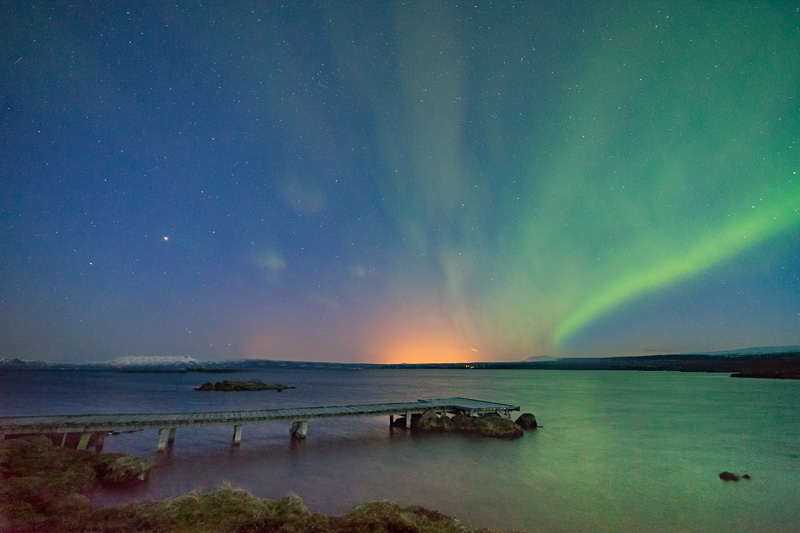
Aurora e luna piena al Parco Nazionale Þingvellir, Islanda
Iceland Weather in September
September weather in Iceland sits between summer and autumn. You can expect a mix of sunshine, rain, wind, and increasingly cool temperatures – sometimes all in the same day.
- Average temperatures: around 5°C to 12°C (41°F to 54°F)
- Reykjavík averages: around 7–11°C during the day
- Conditions: changeable, with rain and windy spells
While it is cooler than summer, September is still a comfortable month for exploring Iceland with the right clothing.
Daylight Hours
One of the biggest advantages of visiting Iceland in September is the balance between daylight and darkness.
- Early September: ~14–15 hours of daylight
- Late September: ~11–12 hours of daylight
This gives you plenty of time for sightseeing while also bringing back the dark nights needed to see the northern lights.
Northern Lights in September: The Season Begins
September marks the beginning of the northern lights season in Iceland.
- Late August/Early September: Aurora possible, but nights are relatively short
- Mid-September: Increasingly good conditions
- Late September: Longer, darker nights and better opportunities
The key factor is darkness. As the days become shorter, the window for seeing the aurora becomes longer.
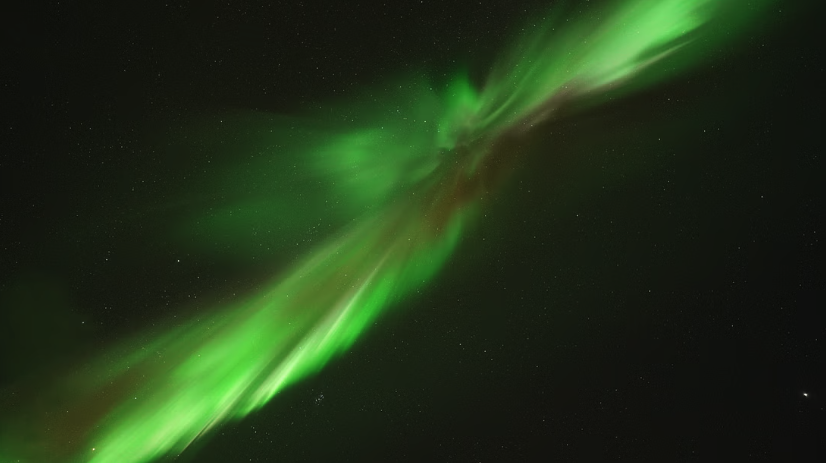
Northern lights in corona shape over Iceland
Should You Join a Northern Lights Tour?
Yes, especially if seeing the northern lights is one of the main reasons for your trip.
Guided tours can improve your chances because:
- Experts track weather and aurora forecasts
- They drive away from city lights
- They can adjust locations depending on cloud cover
September is particularly appealing because you can combine northern lights hunting with a full day of sightseeing without having to deal with the cold and limited daylight of midwinter.
For a deeper understanding of the aurora, visit our Ultimate Guide to Seeing the Northern Lights in Iceland.
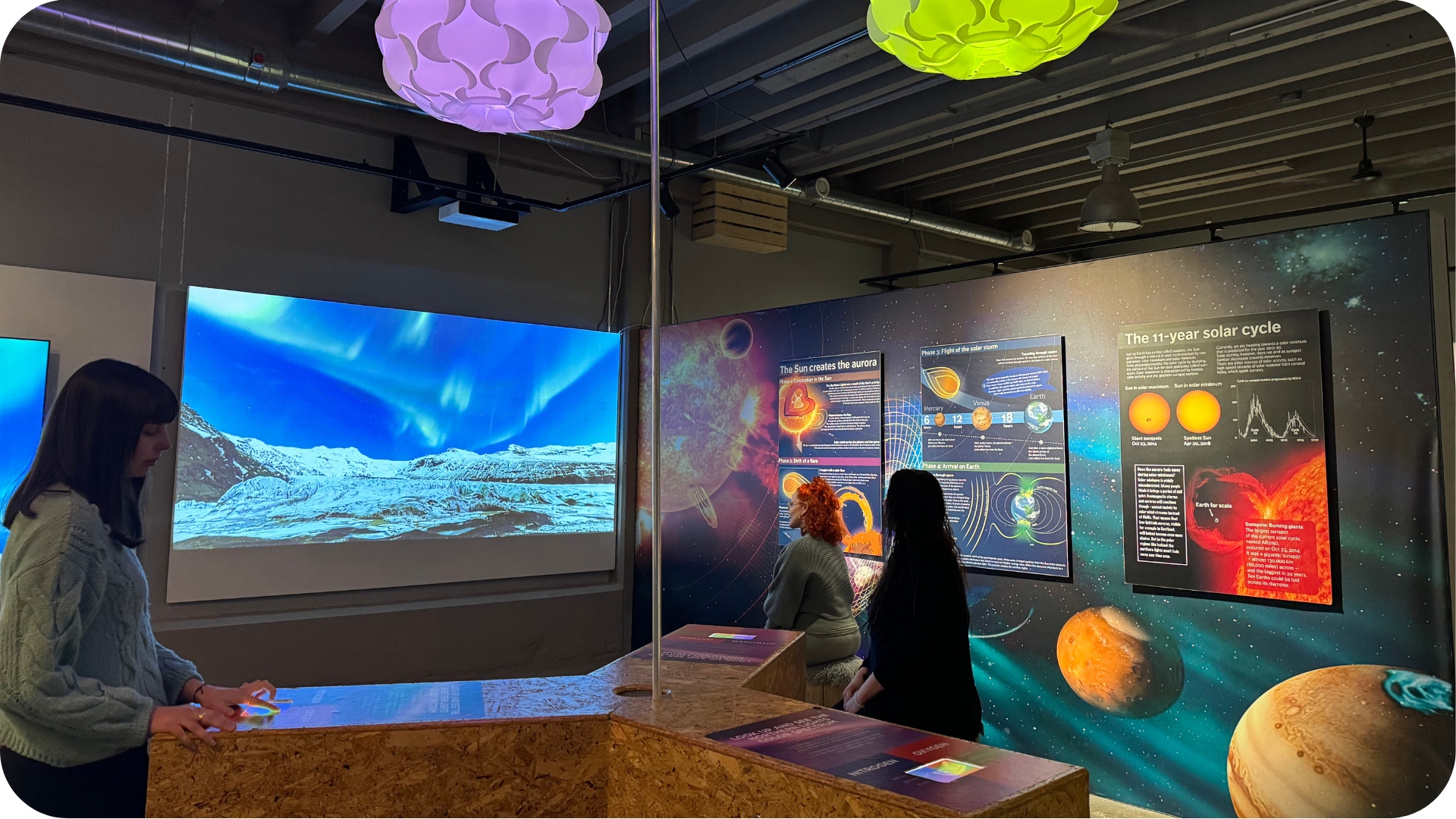
Learn all about the northern lights at Aurora Reykjavík
Why Visit Aurora Reykjavík in September?
If you are visiting Iceland at the beginning of the northern lights season, or if cloudy weather gets in the way of an aurora hunt, Aurora Reykjavík is the perfect place to learn more about the phenomenon.
At our dedicated Northern Lights Centre in Iceland, you can:
-
- Experience the aurora through immersive exhibitions
- Learn how to photograph the northern lights
- Understand the science behind the phenomenon
- Watch stunning real aurora footage
It is a great way to prepare for your first northern lights hunt and a reliable indoor experience when Icelandic weather does not cooperate.
Best Things to Do in Iceland in September
1. Chase the Northern Lights
September is one of the first months of the year when you can combine a daytime adventure with an evening northern lights tour.
Head away from Reykjavík’s city lights, check the forecast, and keep your eyes on the sky.
2. Explore the South Coast
September is an excellent time to visit some of Iceland’s most famous waterfalls and landscapes in a trip around the South Coast.
Popular stops include the waterfalls of Seljalandsfoss e Skógafoss, the Reynisfjara black sand beach and the bay of Vík, and the Sólheimajökull glacier.
The cooler weather and early autumn colours also make this a beautiful time for photography.
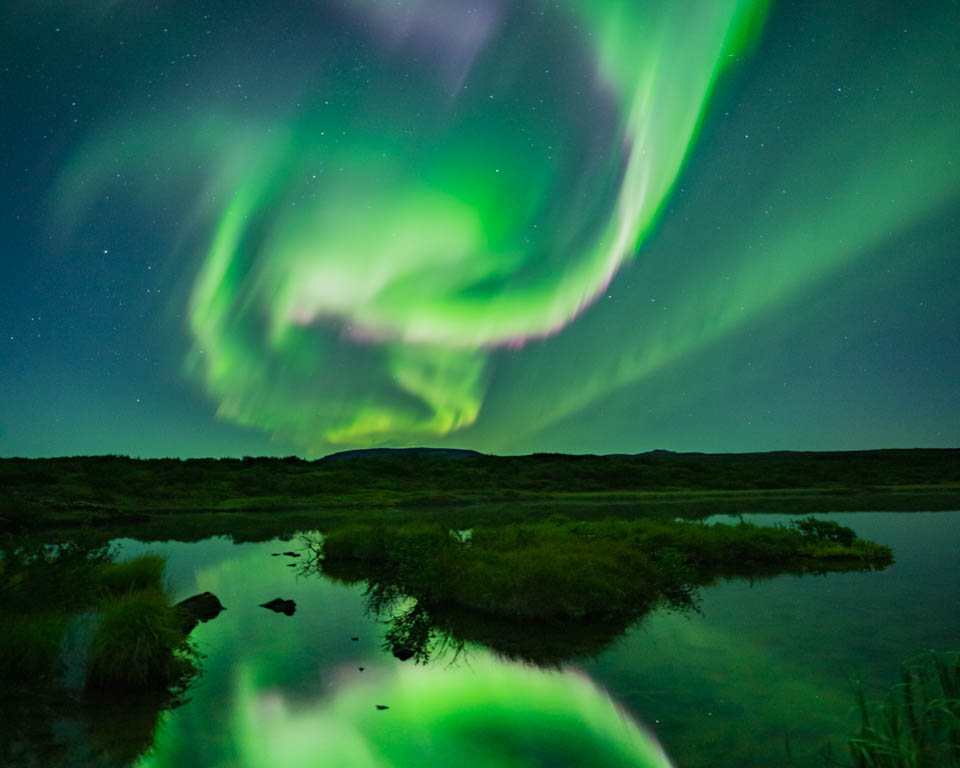
Join us on a Minibus Northern Lights Tour

Admire the majestic Gullfoss waterfall in your Golden Circle Tour
3. Explore the Golden Circle
The Circolo D'Oro remains one of Iceland’s easiest and most rewarding day trips in September. The main stops include the Parco nazionale Þingvellir, the Gullfoss waterfall and the geothermal area of Geysir, as well as the stunning blue and green waters of the Kerið crater.
For an extra relaxing day, combine the Golden Circle with a visit to the famous Blue Lagoon.
4. Go Whale Watching
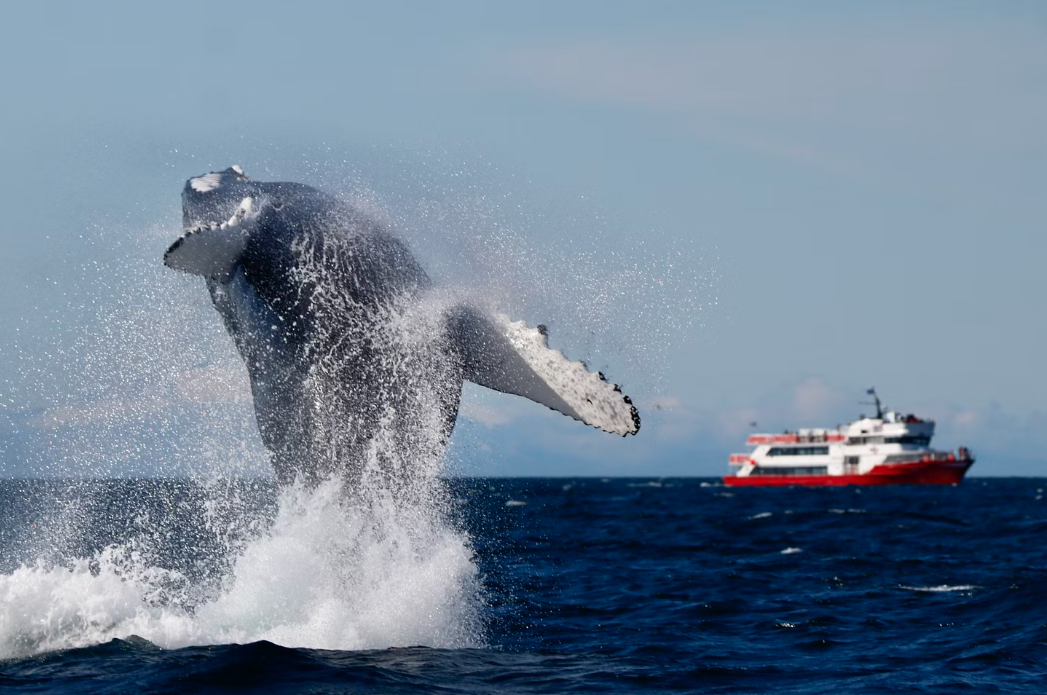
Tour di osservazione delle balene continue throughout September, with opportunities to see minke whales, humpback whales, dolphins and orcas.
This is an excellent daytime activity before heading out to search for the northern lights in the evening in a Combo Tour – Whale Watching and Northern Lights by Boat.
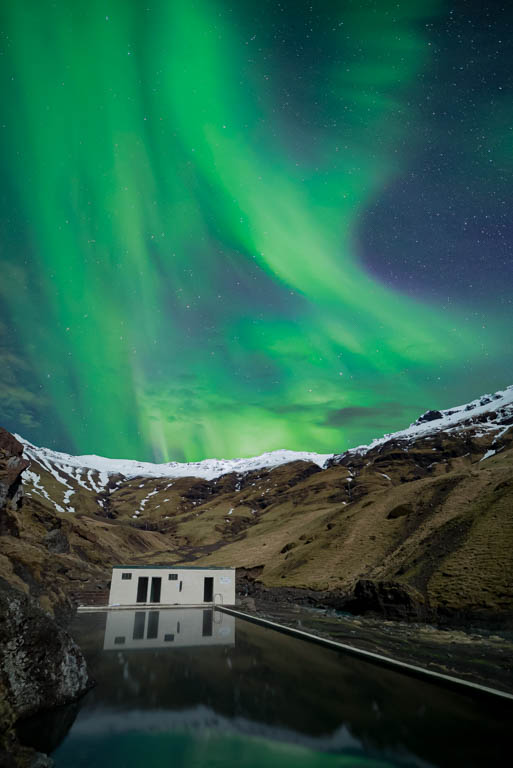
Northern Lights Over a geothermal pool in the south of Iceland
Is September a Good Time to Visit Iceland?
September is ideal if you want:
- The beginning of the northern lights season
- Fewer crowds than during the summer
- Plenty of daylight for sightseeing
- Cooler but generally manageable weather
- Beautiful early autumn landscapes
However, weather can be unpredictable, and northern lights sightings are never guaranteed.
If your main goal is the aurora, staying for several nights will give you more opportunities to find clear skies and favourable conditions.
What to Pack for Iceland in September
Fare la valigia correttamente è essenziale per stare comodi e pronti.
Ricorda di portare:
- Giacca e pantaloni impermeabili
- Warm mid-layer, such as fleece or wool
- Thermal base layer
- Scarpe da trekking impermeabili
- Warm hat and gloves
- Costume da bagno per le piscine geotermali
Layering is key. Icelandic weather can change quickly, so it is better to have several adaptable layers than one very heavy jacket.
And don’t forget your swimsuit: September is a fantastic time to enjoy Iceland’s geothermal pools.
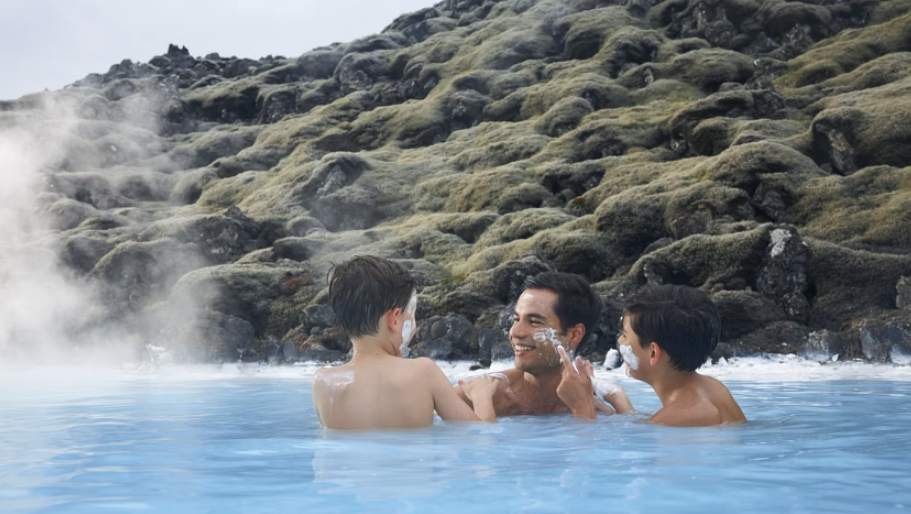
Don’t forget your swimsuit for your must-do Laguna Blu experience
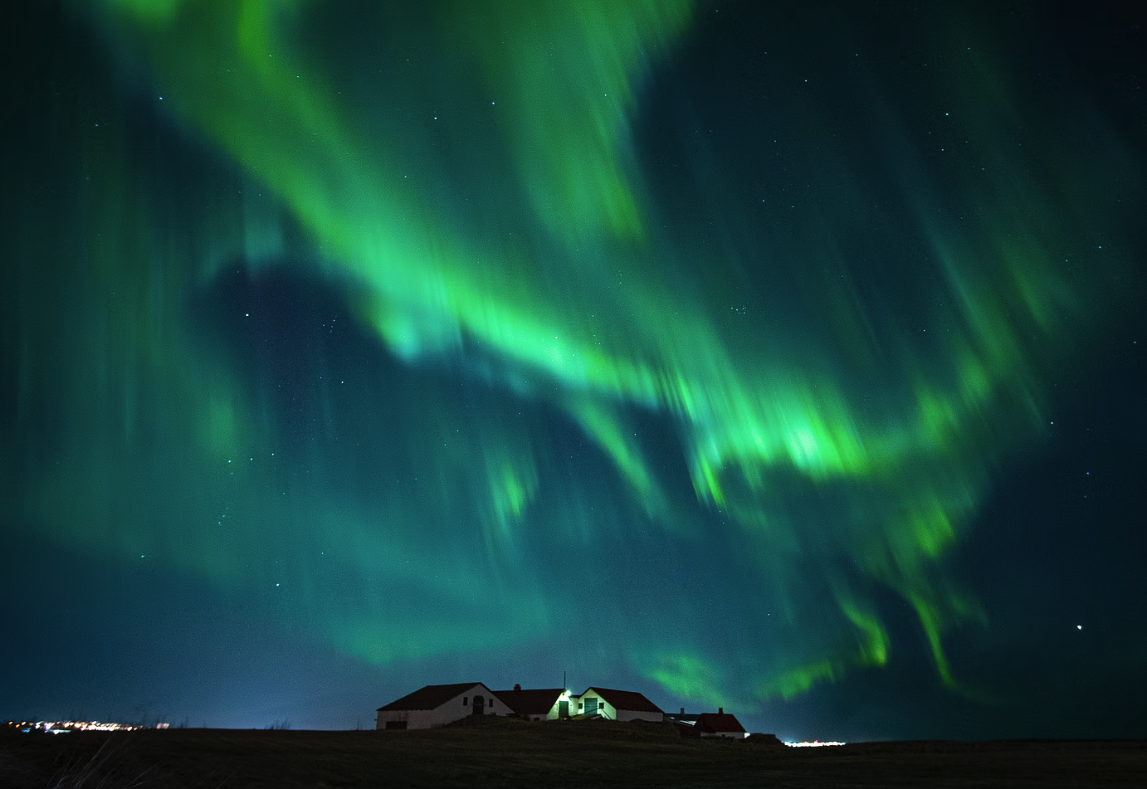
Aurora boreale su fattoria
Final Thoughts
Iceland in September offers a unique balance. You get plenty of daylight for exploring, beautiful early autumn landscapes, fewer summer crowds, and the exciting return of the northern lights.
To make the most of your trip:
- Stay for several nights to increase your aurora chances
-
- Check the northern lights and weather forecasts
- Explore the Costa Sud e Circolo D'Oro
- Include a stop at Aurora Reykjavík
- Pack for changing weather
September may be a month of transition, but for many travellers, that is exactly what makes it so special.
UNISCITI A NOI NEL MIGLIOR TOUR DELL’AURORA BOREALE IN ISLANDA
I NOSTRI BESTSELLER
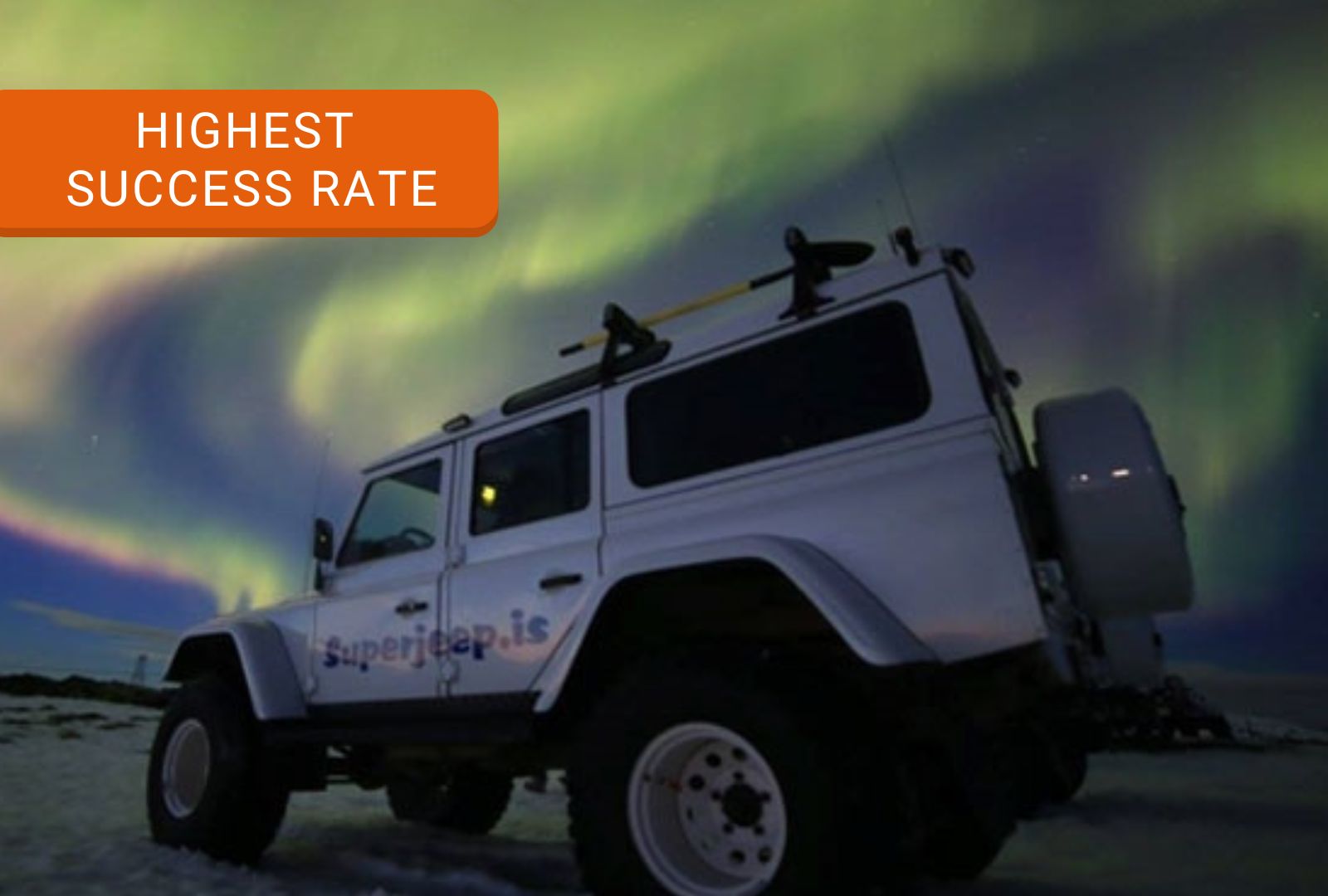
NORTHERN LIGHTS SUPER JEEP TOUR
PUNTI SALIENTI:
✓ Tour dell'aurora boreale in super jeep ✓ Free pick-up and drop-off ✓ Foto di qualità gratuite ✓ cioccolata calda ✓ Veicoli riscaldati
ALTISSIMA PERCENTUALE DI SUCCESSO
INGRESSO AD AURORA REYKJAVÍK INCLUSO NEL PREZZO - RISPARMIA 3900 ISK
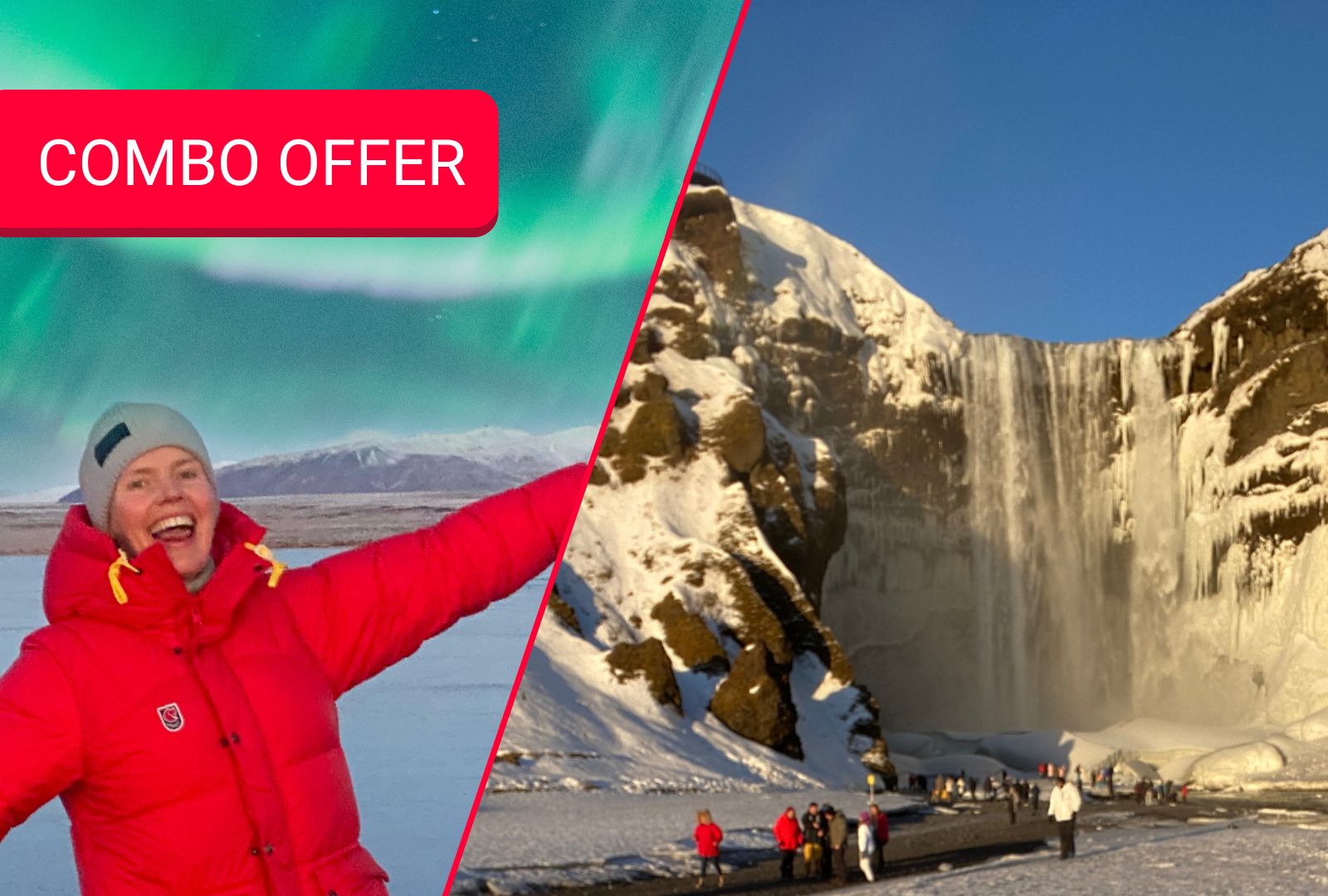
COSTA SUD E AURORA BOREALE
PUNTI SALIENTI:
✓ OFFERTA 2 PER 1: RISPARMIA OLTRE 2000 ISK ✓ Visit Ghiacciaio Sólheimarjökull ✓ Passeggia per la cittadina di Vík ✓ Cammina sulla spiaggia nera ✓ Vedi le cascate di Skógafoss e Seljalandsfoss ✓ Osserva Aurora Boreale danzare MIGLIOR RAPPORTO QUALITÀ PREZZO GARANZIA AURORA BOREALE: SECONDO TENTATIVO GRATUITE SE L'AURORA NON È VISIBILE DURANTE IL TOUR
TOUR DELL' AURORA IN MINIBUS
PUNTI SALIENTI:
✓ Tour dell'aurora boreale in un autobus di piccole dimensioni
✓ Foto gratuite con l'aurora boreale
Cioccolata calda e Dolci
✓ Pick-up incluso
TOUR PIÙ VENDUTO
DOMANDE FREQUENTI SULL’AURORA BOREALE
Quando si può vedere l'aurora in Islanda?
Durante questo lungo periodo, l’Islanda sperimenta abbastanza oscurità perché l’aurora sia visibile di notte.
Tuttavia, le probabilità di osservare l’aurora variano a seconda del periodo dell’anno. Scoprite quali mesi sono i migliori per vedere l’aurora qui.
Si può vedere l'aurora boreale con la luna piena?
A che ora compare l'aurora boreale?
Quanto dura l'aurora boreale?
È possibile vedere l'aurora boreale quando il cielo è nuvoloso?
L'aurora boreale appare solo quando fa freddo?
L'aurora boreale è visibile in tutta l’Islanda?
L'aurora boreale è davvero colorata?
Il novilunio è migliore per osservare le aurore boreali?
La luna piena è adatta per fotografare le aurore boreali?
Katarina Raker
SULL’AUTRICE: KATARINA RAKER