ICELAND IN OCTOBER: AUTUMN LANDSCAPES, NORTHERN LIGHTS AND THINGS TO DO
October is a fascinating time to visit Iceland. Summer’s bright nights are fading, autumn colours appear across the countryside, and the first signs of winter begin to arrive.
With longer hours of darkness and plenty of daytime for exploring, October offers a great combination of autumn landscapes, adventure e Caccia all'Aurora Boreale.
Here’s what you need to know about visiting Iceland in October.
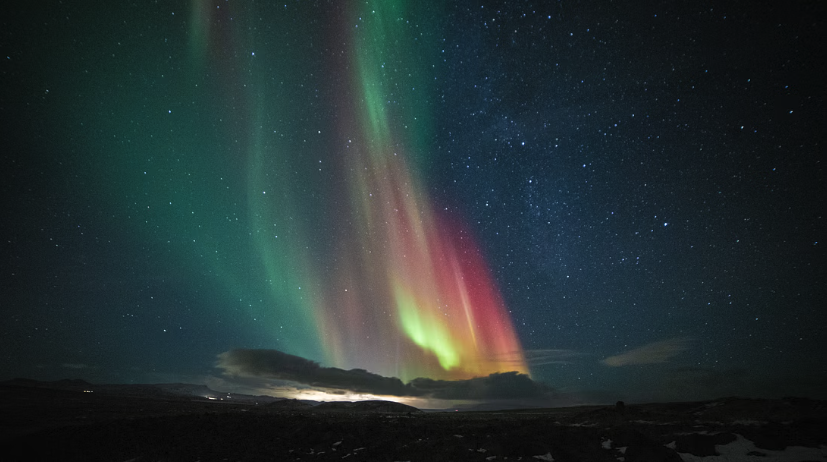
Green and red aurora on a starry night in Iceland
Is October a good time to visit Iceland?
October offers a beautiful mix of autumn and early winter. The nights are dark enough for Caccia all'Aurora Boreale, while there is still plenty of daylight for sightseeing.
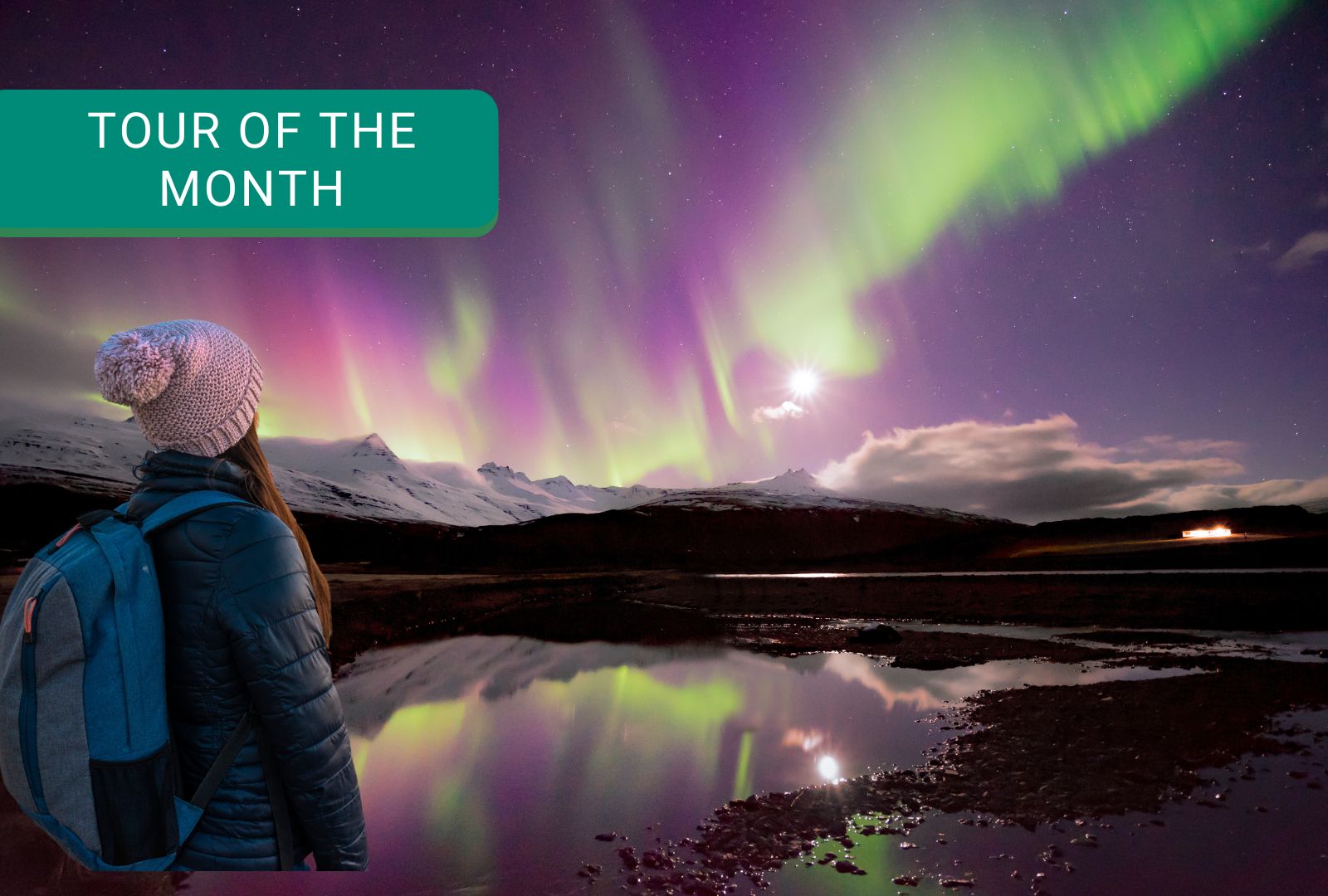
It’s also a particularly atmospheric time for aurora hunting. Lakes and ponds can remain unfrozen, creating beautiful reflections beneath the Northern Lights, while autumn colours add yellow and orange tones to the landscape.
Can you see the Northern Lights in Iceland in October?
Yes! October is one of the best months within Iceland’s Northern Lights season.
The aurora season generally runs from late August through mid/late April. To see the aurora, you need darkness, reasonably clear skies e solar activity.
October provides plenty of darkness while still leaving enough daylight to explore during the day. However, the Northern Lights can never be guaranteed, so we recommend staying for several nights if seeing the aurora is one of your main goals.
Keep an eye on the sky and check the Aurora Reykjavík live Northern Lights forecast throughout the evening. Our forecast combines aurora activity with cloud information to help you decide when and where to look.
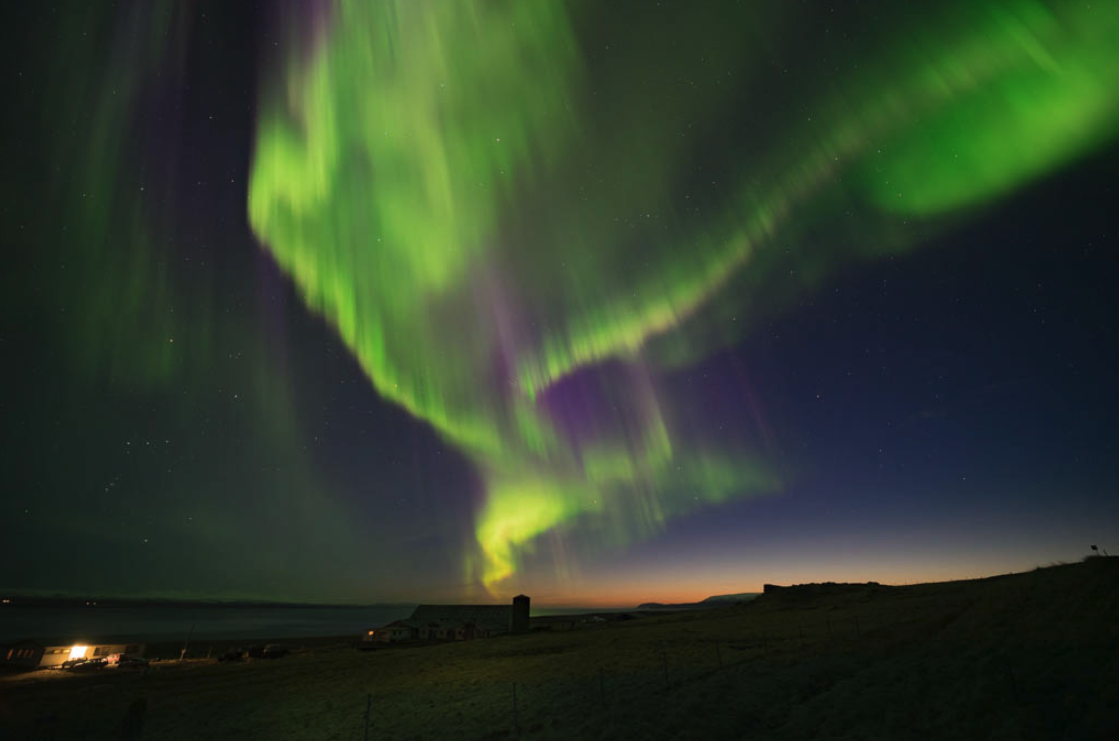
Aurora su fattoria islandese
Why October is special for Northern Lights photography
One of October’s advantages for photographers is the possibility of water reflections.
Earlier in autumn, lakes and ponds may still be unfrozen. When the aurora appears above calm water, its reflection can create a spectacular second display.
The changing autumn colours can also provide a beautiful foreground for Northern Lights photography.
At Aurora Reykjavík – The Northern Lights Center, you can learn more about aurora photography, as well as the science, mythology e best ways to experience the Northern Lights.
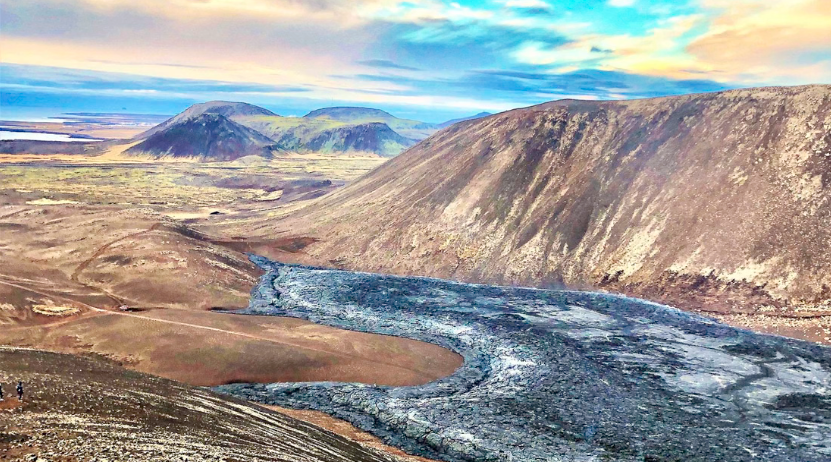
Volcanic lava fields along the Reykjanes Peninsula
Iceland in October
October is a month of transition. The days get shorter, temperatures drop, and the weather can change quickly from clear skies to rain, wind or wintery conditions.
You don’t need perfect weather to enjoy Iceland, though. Cloudy days are great for exploring waterfalls, geothermal areas and Reykjavík, while clear evenings offer a chance to see the Northern Lights.
Best things to do in Iceland in October
1. Go Northern Lights hunting
Caccia all'Aurora Boreale should be high on your October itinerary. You can search independently or join a guided tour from Reykjavík, including Minibus, Superjeep or a Private Tour.
Guided tours have the advantage of experienced guides who monitor conditions and look for clearer skies. If you’re hunting independently, check the Aurora Reykjavík forecast before heading out.
2. Visit Aurora Reykjavík
Before heading out to search for the aurora, learn more about what you’re looking for at our Aurora Reykjavík – The Northern Lights Center in Reykjavík’s Grandi harbour area.
Discover the science e mythology behind the Northern Lights, learn about solar activity e aurora photography, and enjoy spectacular footage from around Iceland.
It’s also a great option when October weather brings cloudy skies.

Relax in our 4K cinema at Aurora Reykjavík

Admire the majestic Gullfoss waterfall in your Golden Circle Tour
3. Explore the Golden Circle
October is a beautiful time to explore the Golden Circle, including Parco nazionale Þingvellir, the Area geotermica Geysir e Cascata Gullfoss.
Autumn colours e lower sunlight give the landscape a different feel from summer. You can explore independently or join a Golden Circle tour, with options that combine sightseeing with geothermal experiences and Northern Lights hunting.
4. Take a trip along Iceland’s South Coast
The Costa Sud offers an incredible mix of waterfalls, glaciers, volcanic landscapes and black sand beaches.
You can explore independently or join a South Coast tour, exploring highlights like the beautiful waterfalls Seljalandsfoss e Skógafoss, hike to the glacier Sólheimajökull, experience the black sands of Reynisfjara and the bay of Vík, and witness the shining icebergs of the Laguna Glaciale Jökulsárlón.
5. Enjoy a geothermal bath
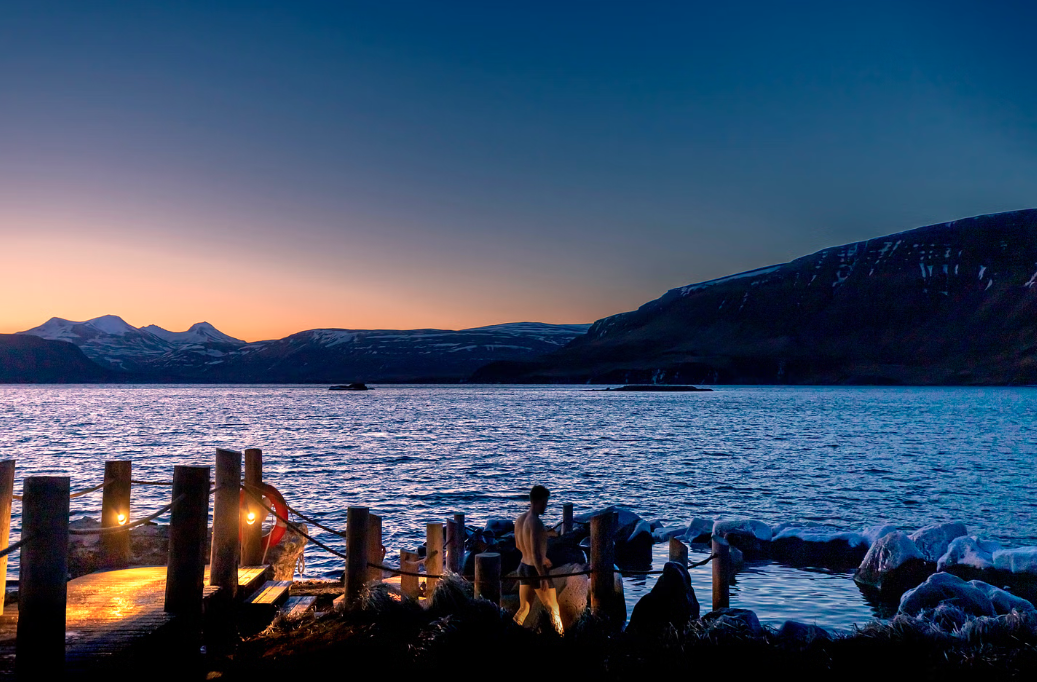
After a day of exploring, few things are better than relaxing in warm geothermal water while the October air is cold. Take a warm plunge into the milky waters of the Laguna Blu, or enjoy the Icelandic signature hot pools in Hvammsvík Hot Springs or Sky Lagoon.
And if you’re lucky, you might even find yourself soaking in a geothermal pool beneath the Northern Lights.
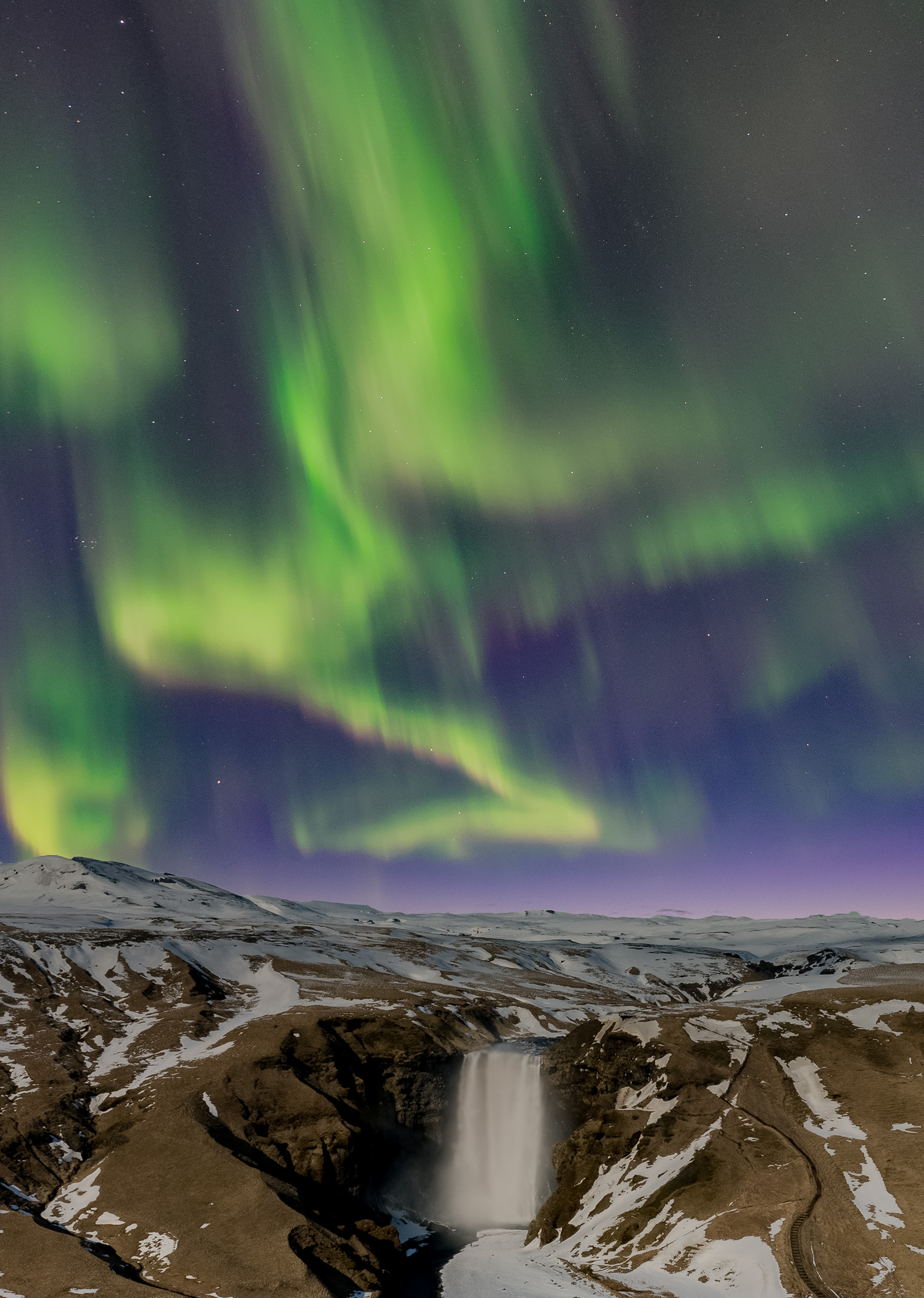
Northern Lights over Skógafoss in the Costa Sud
What to pack for Iceland in October
The key is layers. We recommend bringing:
- A waterproof e windproof jacket
- Warm fleece or wool layers
- Waterproof trousers
- Warm socks
- Waterproof walking shoes or hiking boots
- Guanti and a warm hat
- Costume da bagno for geothermal pools
- A tripod if you want to photograph the Northern Lights
Don’t underestimate how cold it can feel when you’re standing outside waiting for the aurora. Warm clothing is essential, especially when you’re standing still for long periods.
October Northern Lights tips
If seeing the Northern Lights is one of your main reasons for visiting Iceland, keep these tips in mind:
Stay for several nights
Don’t rely on a single evening. The more nights you have, the more opportunities you’ll have for favourable conditions.
Check aurora activity and clouds
A strong aurora forecast doesn’t guarantee a sighting. You also need reasonably clear skies, so check the Aurora Forecast before heading out.
Get away from bright lights
The darker your surroundings, the easier it is to see a faint aurora. You don’t necessarily have to travel far from Reykjavík, but reducing light pollution can make a difference.
Be patient
The aurora can appear suddenly, fade away and return later. Don’t give up after a few minutes: keep watching the sky.
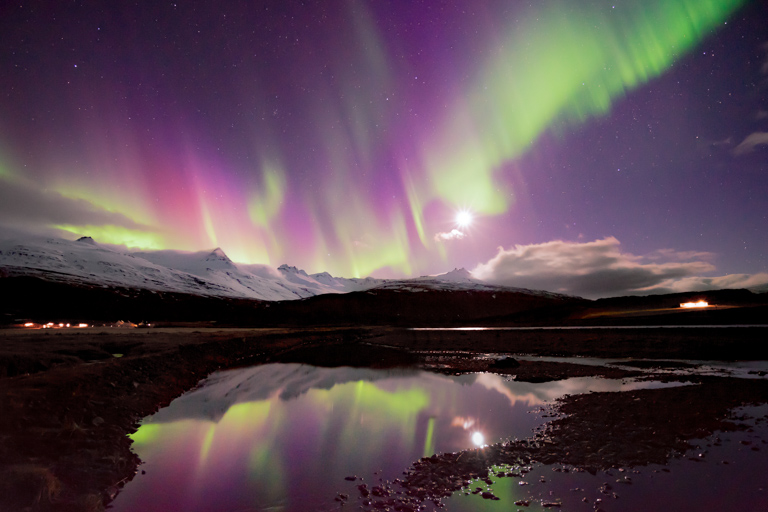
Northern Lights in the east fjords of Iceland
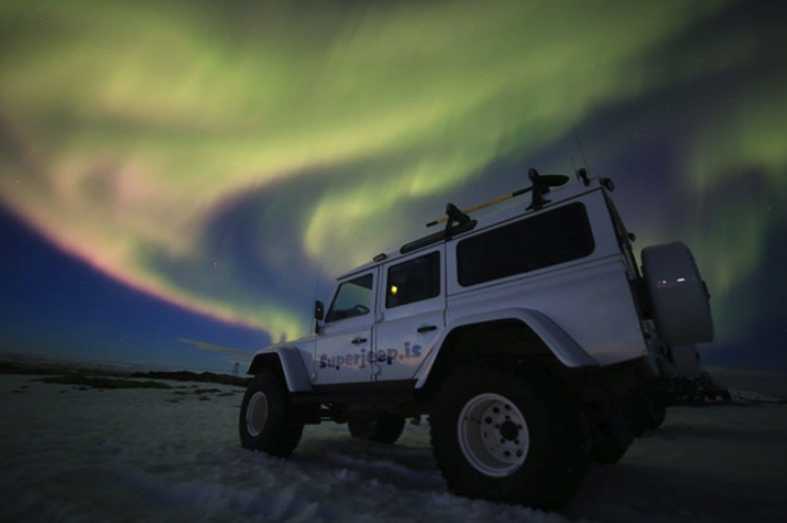
Join our best-selling Northern Lights Superjeep Tour
Final thoughts
October offers a great combination of sightseeing e Northern Lights opportunities. The aurora season is well underway, nights are getting longer, and there is still plenty to explore during the day.
The key is flessibili. The Northern Lights cannot be guaranteed, and Icelandic weather can change quickly, so give yourself several opportunities rather than relying on one particular night.
Explore waterfalls, walk along black sand beaches, visit geothermal areas and relax in warm water. Then, when darkness arrives, look towards the sky.
And if the clouds don’t cooperate, come to Aurora Reykjavík, learn about the Northern Lights and prepare for the next clear night.
Because when it comes to Northern Lights hunting, patience is part of the adventure.
UNISCITI A NOI NEL MIGLIOR TOUR DELL’AURORA BOREALE IN ISLANDA
I NOSTRI BESTSELLER
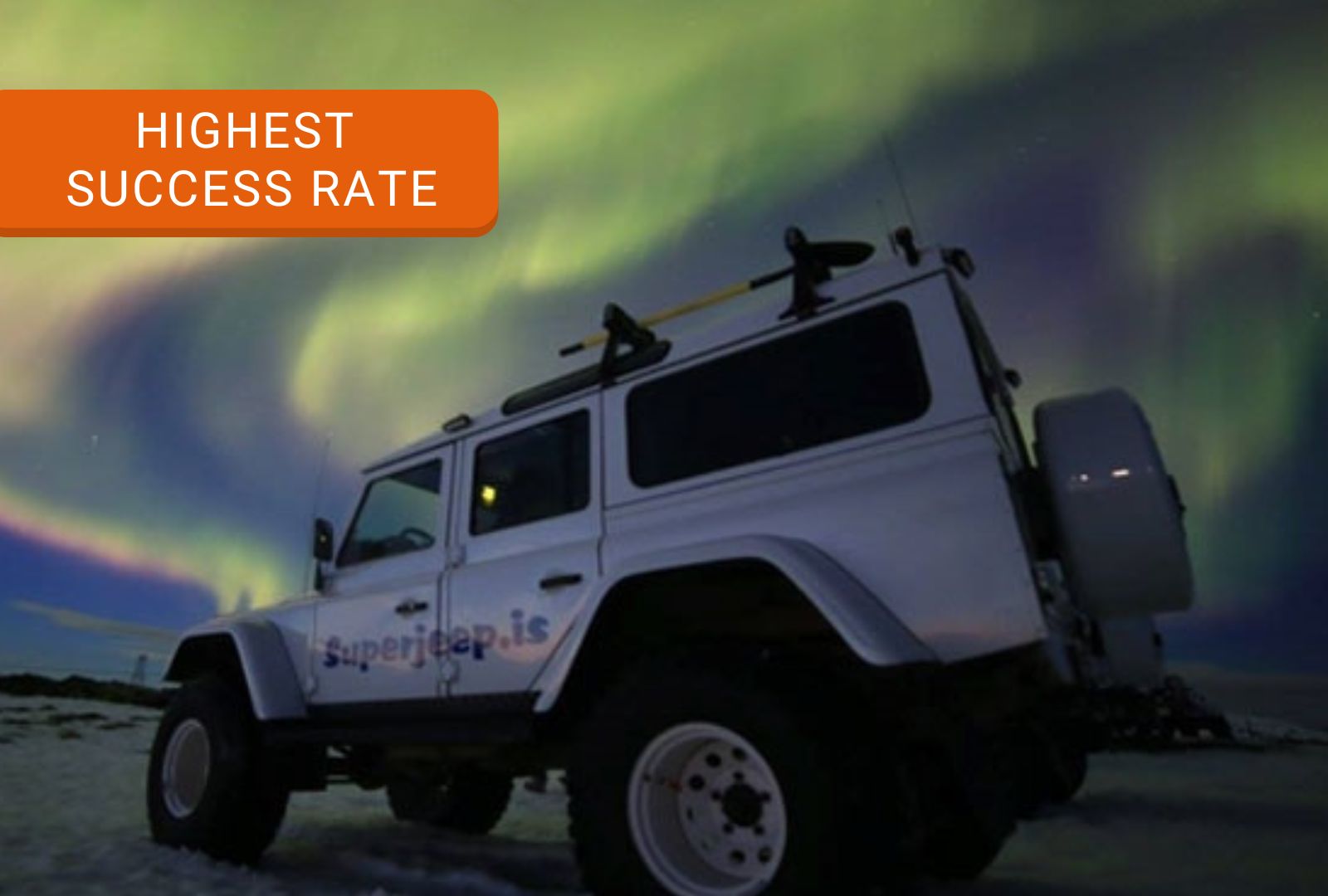
NORTHERN LIGHTS SUPER JEEP TOUR
PUNTI SALIENTI:
✓ Tour dell'aurora boreale in super jeep ✓ Free pick-up and drop-off ✓ Foto di qualità gratuite ✓ cioccolata calda ✓ Veicoli riscaldati
ALTISSIMA PERCENTUALE DI SUCCESSO
INGRESSO AD AURORA REYKJAVÍK INCLUSO NEL PREZZO - RISPARMIA 3900 ISK
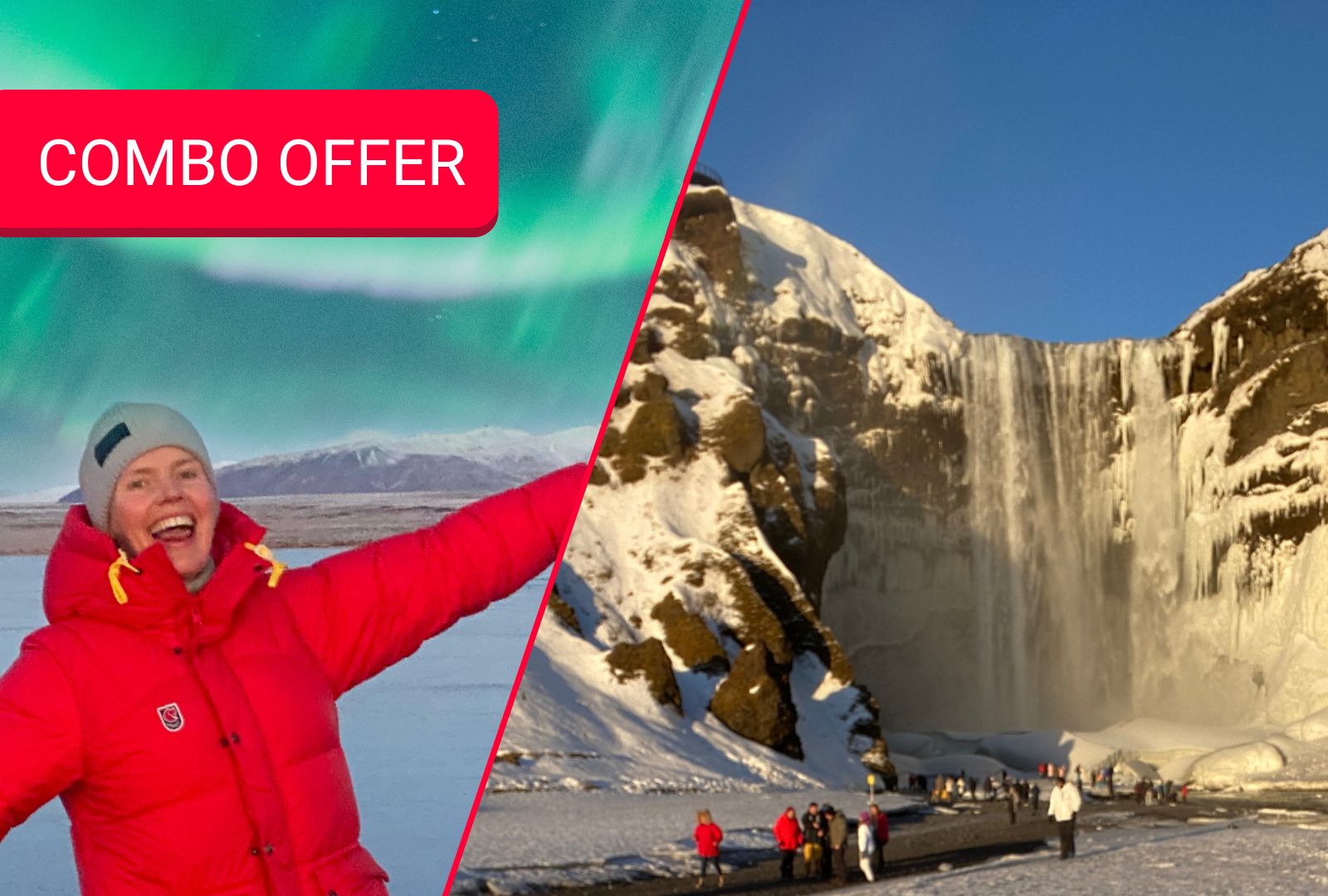
COSTA SUD E AURORA BOREALE
PUNTI SALIENTI:
✓ OFFERTA 2 PER 1: RISPARMIA OLTRE 2000 ISK ✓ Visit Ghiacciaio Sólheimarjökull ✓ Passeggia per la cittadina di Vík ✓ Cammina sulla spiaggia nera ✓ Vedi le cascate di Skógafoss e Seljalandsfoss ✓ Osserva Aurora Boreale danzare MIGLIOR RAPPORTO QUALITÀ PREZZO GARANZIA AURORA BOREALE: SECONDO TENTATIVO GRATUITE SE L'AURORA NON È VISIBILE DURANTE IL TOUR
TOUR DELL' AURORA IN MINIBUS
PUNTI SALIENTI:
✓ Tour dell'aurora boreale in un autobus di piccole dimensioni
✓ Foto gratuite con l'aurora boreale
Cioccolata calda e Dolci
✓ Pick-up incluso
TOUR PIÙ VENDUTO
DOMANDE FREQUENTI SULL’AURORA BOREALE
Quando si può vedere l'aurora in Islanda?
Durante questo lungo periodo, l’Islanda sperimenta abbastanza oscurità perché l’aurora sia visibile di notte.
Tuttavia, le probabilità di osservare l’aurora variano a seconda del periodo dell’anno. Scoprite quali mesi sono i migliori per vedere l’aurora qui.
Si può vedere l'aurora boreale con la luna piena?
A che ora compare l'aurora boreale?
Quanto dura l'aurora boreale?
È possibile vedere l'aurora boreale quando il cielo è nuvoloso?
L'aurora boreale appare solo quando fa freddo?
L'aurora boreale è visibile in tutta l’Islanda?
L'aurora boreale è davvero colorata?
Il novilunio è migliore per osservare le aurore boreali?
La luna piena è adatta per fotografare le aurore boreali?
Katarina Raker
SULL’AUTRICE: KATARINA RAKER