ICELAND IN APRIL: WEATHER, NORTHERN LIGHTS & BEST THINGS TO DO
April in Iceland is a month of transition. Winter begins to loosen its grip, daylight stretches dramatically, and the country starts to awaken for spring. For travellers, this means fewer crowds, powerful waterfalls fed by melting snow, and one final chance to see the northern lights before the season ends.
If you are considering visiting Iceland in April, here is everything you need to know – from weather conditions and Easter traditions to why this is still a great time to chase the aurora.
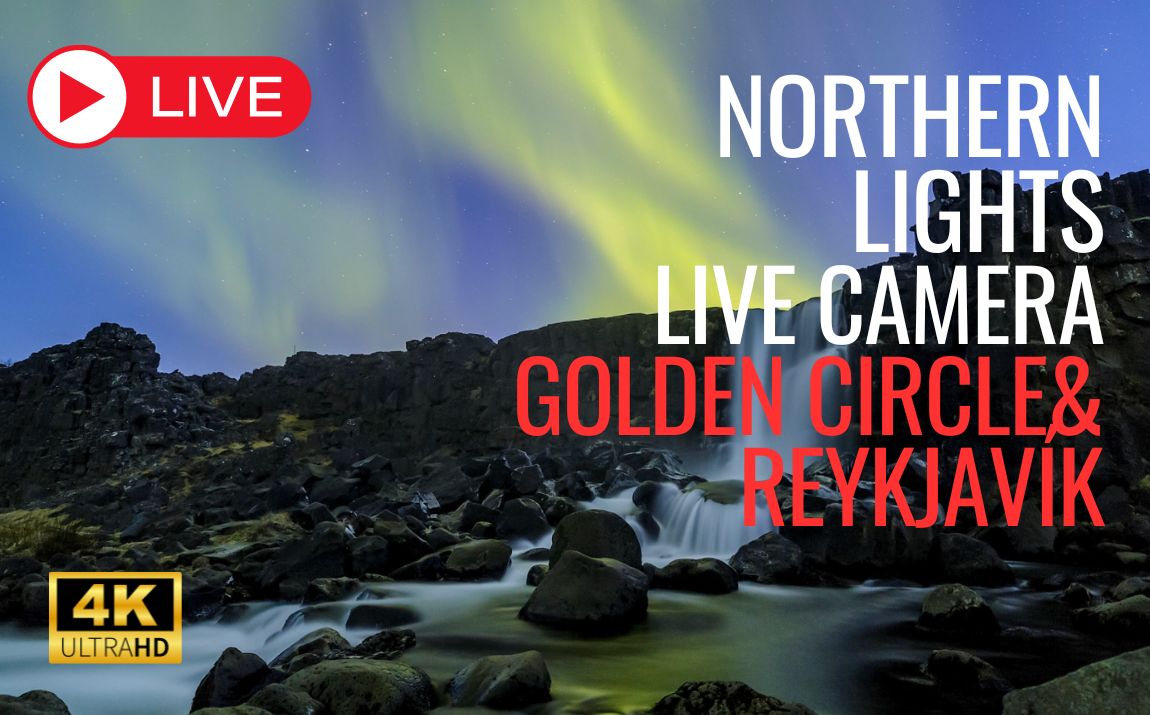
Aurora e luna piena al Parco Nazionale Þingvellir, Islanda
Iceland Weather in April
April weather in Iceland sits right between winter and spring. You can expect a mix of sunshine, rain, wind, and even occasional snow – all in the same day.
- Average temperatures: 0°C to 7°C (32°F to 45°F)
- Reykjavík averages: around 4 – 7°C during the day
- Conditions: unpredictable, with rain, snowmelt, and windy spells
While it is still cold, it is far more manageable than winter. Roads are increasingly accessible, and travel disruptions are less common than in the darker months.
Daylight Hours
One of the biggest advantages of visiting Iceland in April is the rapid increase in daylight:
- Early April: ~ 13 hours of daylight
- Late April: up to 16 – 17+ hours of daylight
This gives you more time to explore waterfalls, glaciers, and volcanic landscapes without rushing.
Northern Lights in April: The Final Opportunity
April marks the end of the northern lights season in Iceland.
- Early April: Still a realistic chance of sightings
- Mid-April: Chances decrease significantly
- Late April: Less likely due to bright nights
The key factor is darkness. As daylight hours increase, the window for seeing the aurora becomes shorter and eventually disappears.
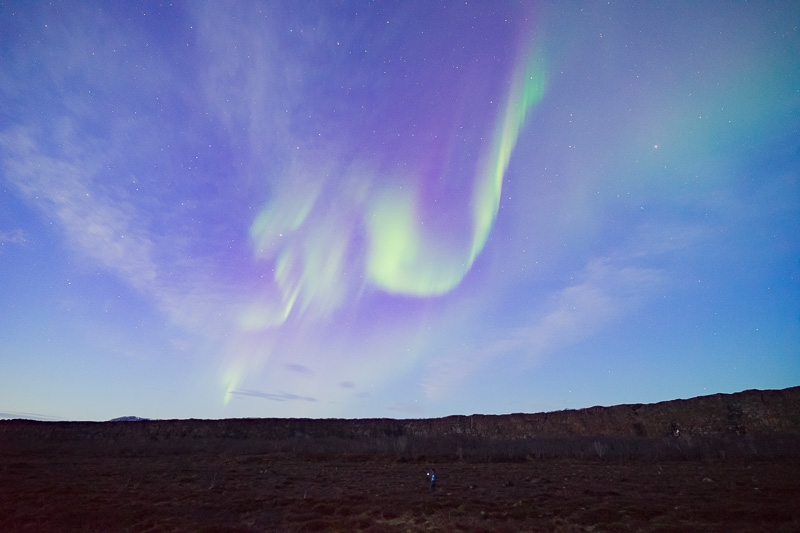
Aurora crown over Iceland in late April
Should You Join a Northern Lights Tour?
Yes, especially in early April.
Guided tours significantly improve your chances because:
- Experts track weather and aurora forecasts
- They drive you away from light pollution
- They adjust locations in real time for clear skies
Even though April is the tail end of the season, joining a northern lights tour can make the difference between seeing nothing and witnessing a once-in-a-lifetime display.
Check out our hand-picked selection of late-season northern lights tours qui.
For a deeper understanding of how the aurora works, explore our dedicated posts:
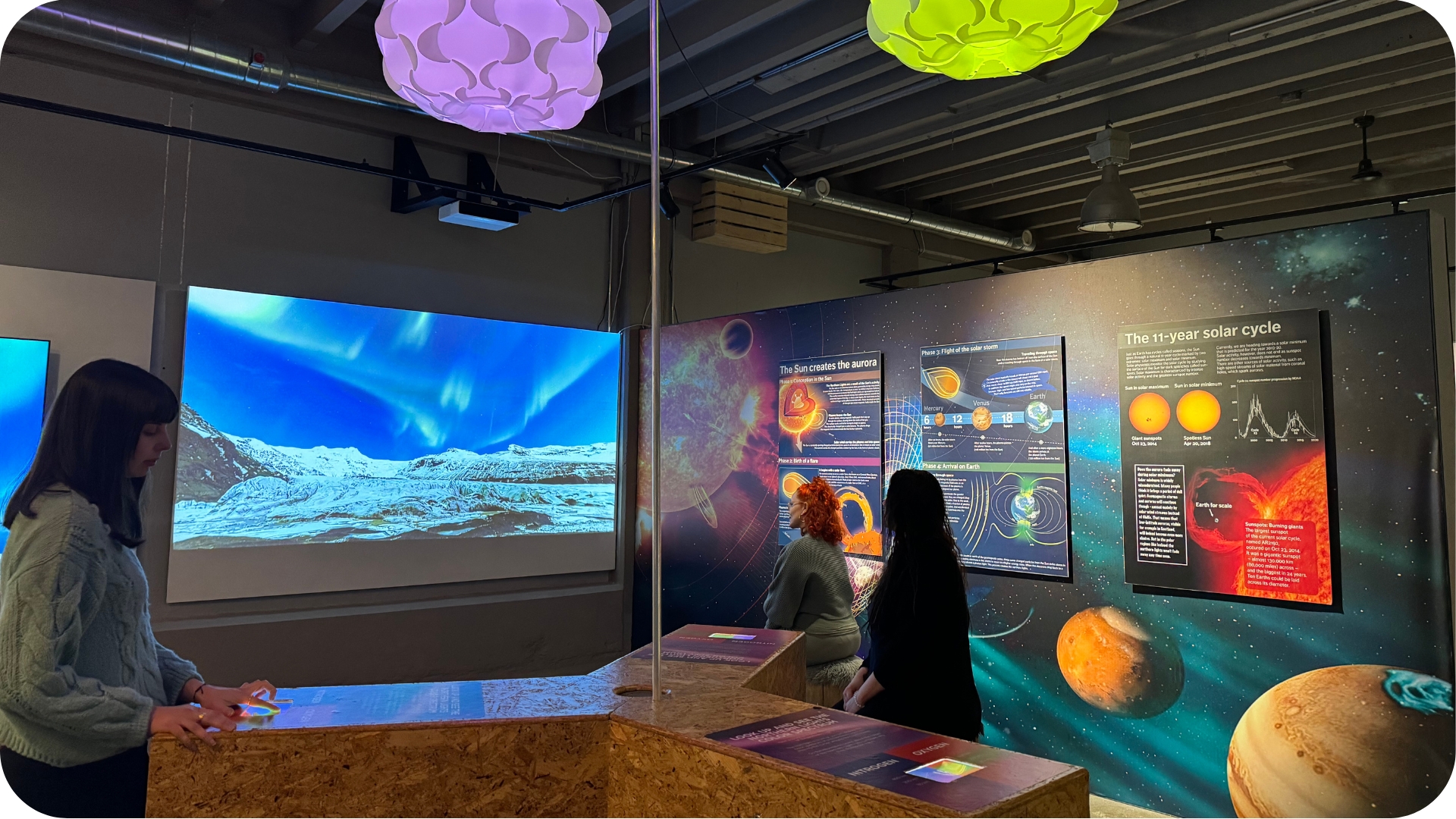
Learn all about the northern lights at Aurora Reykjavík
Why Visit Aurora Reykjavík in April?
If you are visiting toward the end of the aurora season – or if weather conditions are not ideal – Aurora Reykjavík becomes especially relevant.
At Iceland’s only dedicated northern lights centre, you can:
- Experience the aurora through immersive exhibitions
- Learn how to photograph the northern lights
- Understand the science behind the phenomenon
- Watch stunning real aurora footage
It is the perfect complement to a northern lights tour – and a reliable alternative if nature does not cooperate.
Easter in Iceland
April often includes Easter (Páskar), one of the most important holidays in Iceland.
What to Expect During Easter
- Public holidays across several days (Good Friday to Easter Monday)
- Shorter opening hours for shops and restaurants
- More domestic travel, as locals take advantage of the long weekend
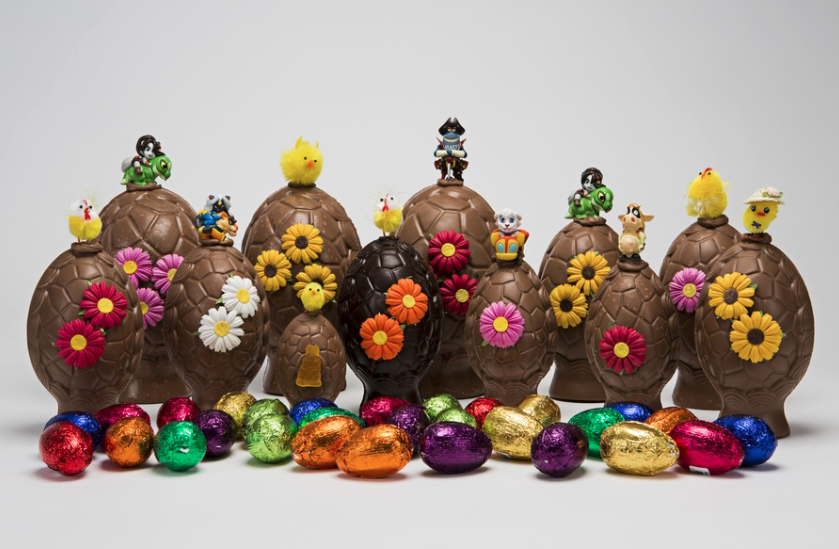
Traditional candy-filled Easter eggs
Icelandic Easter Traditions
- Easter eggs (Páskaegg): Large chocolate eggs filled with sweets and a traditional proverb inside
- Family gatherings and festive meals
- Ski trips and countryside travel
For visitors, Easter offers a unique cultural experience – but it is important to plan ahead, as some services may be limited.
Find out more about Easter in Iceland in our dedicated post.
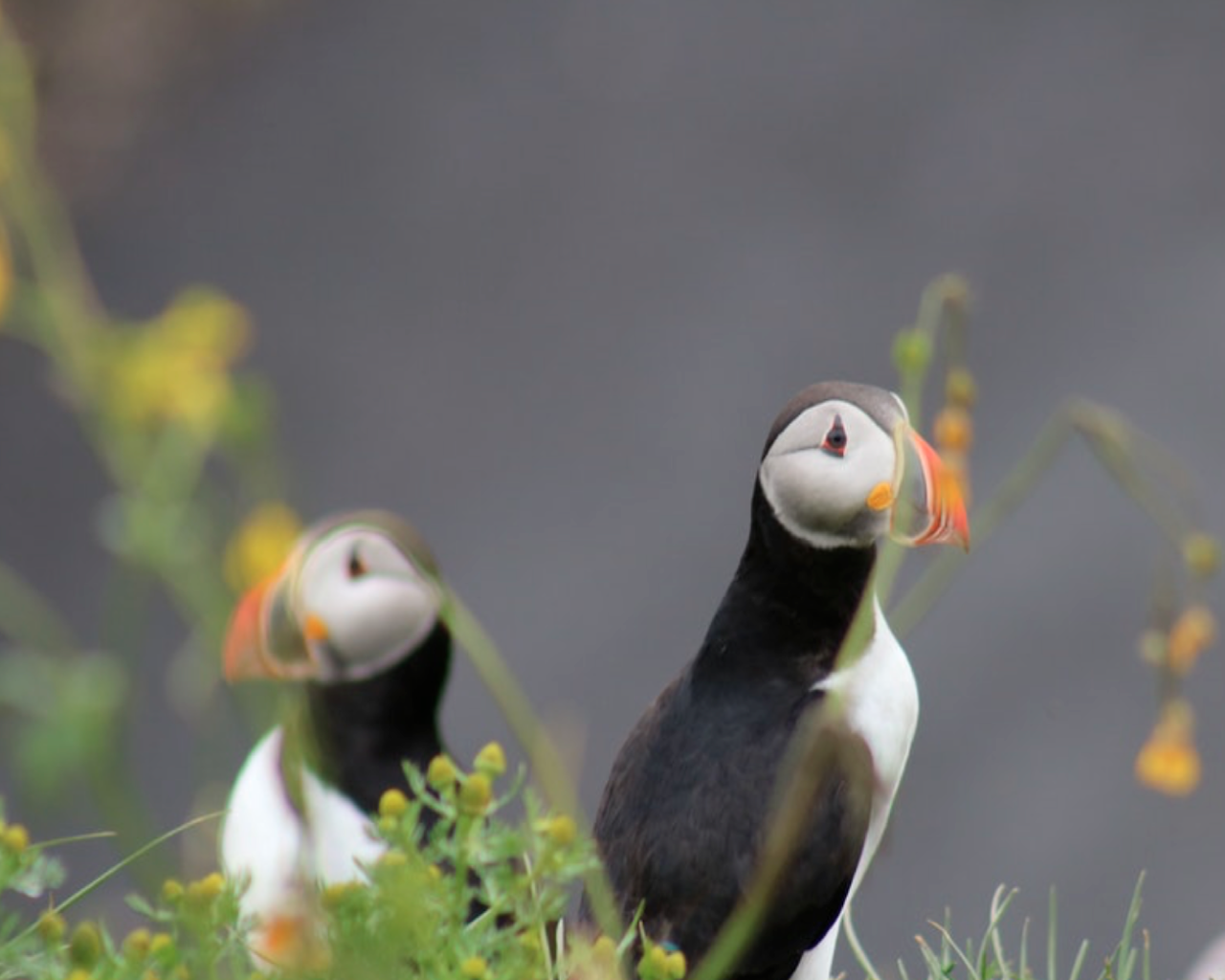
Puffins returning to Iceland signal the beginning of the summer season
The First Day of Summer (Sumardagurinn Fyrsti)
Another unique highlight of April in Iceland is Sumardagurinn Fyrsti, or the First Day of Summer – an official public holiday with deep roots in Old Norse tradition.
Despite its name, it typically falls in mid-to-late April, when the weather can still feel very much like winter. According to the old Icelandic calendar, the year was divided into just two seasons – winter and summer – and this day marks the symbolic beginning of summer regardless of actual temperatures.
What to Expect
- Community celebrations
- Families gathering outdoors (often bundled up in warm clothing)
- A festive, optimistic atmosphere celebrating brighter days ahead
A popular Icelandic belief says that if temperatures drop below freezing the night before the First Day of Summer, it signals a good and warm summer ahead.
For visitors, this celebration offers a glimpse into Iceland’s cultural heritage and its enduring connection to the seasons – making April an even more interesting time to experience the country beyond its landscapes.
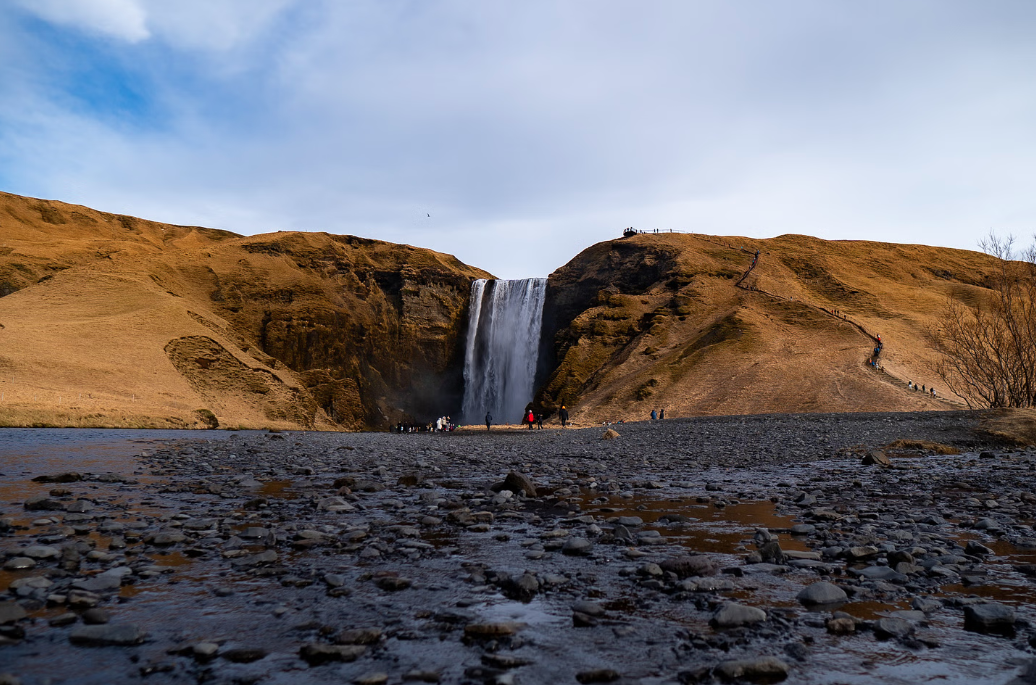
Snow-free spring landscape at Skógafoss, on the South Coast
Best Things to Do in Iceland in April
- See Waterfalls at Their Most Powerful
Melting snow feeds Iceland’s waterfalls, making April one of the most dramatic times to visit.
Popular spots include Seljalandsfoss e Skógafoss, on the must-visit South Coast of Iceland.
For an extra spectacular day, combine the classic south coast itinerary with a natural ice cave visit.
- Explore the Golden Circle
April conditions make classic routes like the Circolo D'Oro more accessible while still offering a wintery atmosphere.
Highlights include:
- Parco nazionale Þingvellir
- Cascata Gullfoss
- Strokkur geyser
- Option to add a pampering natural lagoon experience, like Laguna Laugarás or the iconic Laguna Blu.
As spring begins, marine life becomes more active in April, with possible sightings of:
- Orcas
- Dolphins
- Minke whales
For the more adventurous, get close and personal with the giants of the sea on a premium tour.
- See the puffins!
By late April, puffins are back to Iceland and can be spotted around the country. Even in the Reykjavík Bay!
Join a puffin tour and meet the clowns of the sea from up close.
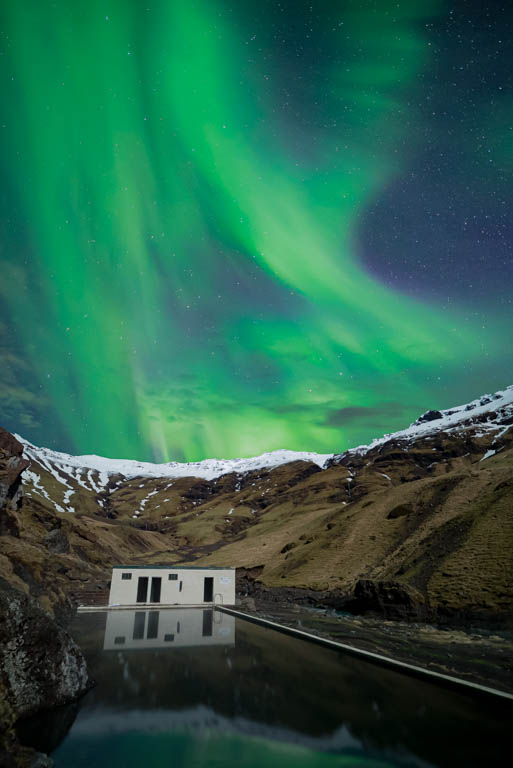
March Northern Lights Over a geothermal pool in the south of Iceland
Is April a Good Time to Visit Iceland?
April is ideal if you want:
- A mix of winter landscapes and spring energy
- Longer days for sightseeing
- Fewer crowds and better availability
- A final chance to see the northern lights
However, it may not be the best choice if your main goal is guaranteed aurora sightings, as conditions become less reliable throughout the month.
Find out more about the best time to see the northern lights in Iceland qui.
What to Pack for Iceland in April
Fare la valigia correttamente è essenziale per stare comodi e pronti.
Ricorda di portare:
- Giacca e pantaloni impermeabili
- Strato intermedio isolante (piumino o pile)
- Strati termici di base (preferibilmente in lana)
- Scarpe da trekking impermeabili
- Cappello, guanti e sciarpa
- Costume da bagno per le piscine geotermali
Vestirsi a strati è fondamentale. Evita il cotone, poiché trattiene l’umidità e aumenta la perdita di calore.
Scopri di più sull’abbigliamento invernale consigliato per l’Islanda qui.
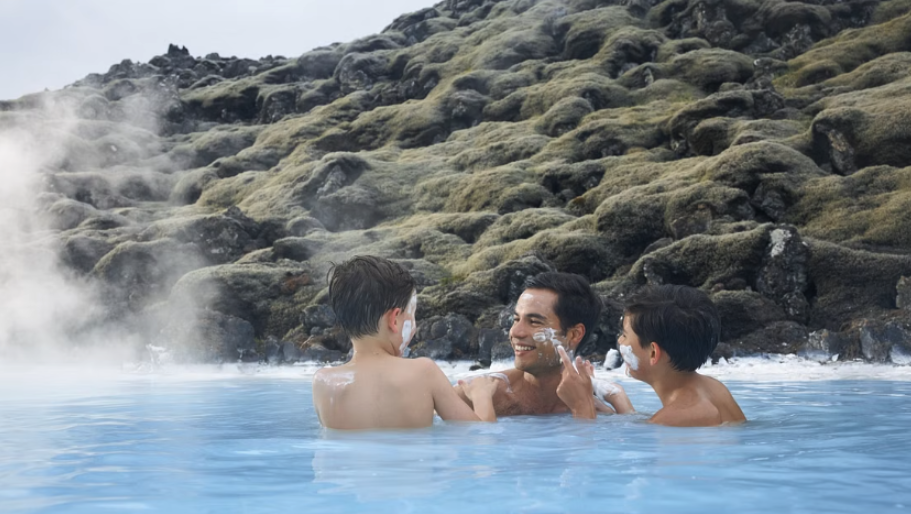
Don´t forget your swimsuit for your must-do Laguna Blu experience
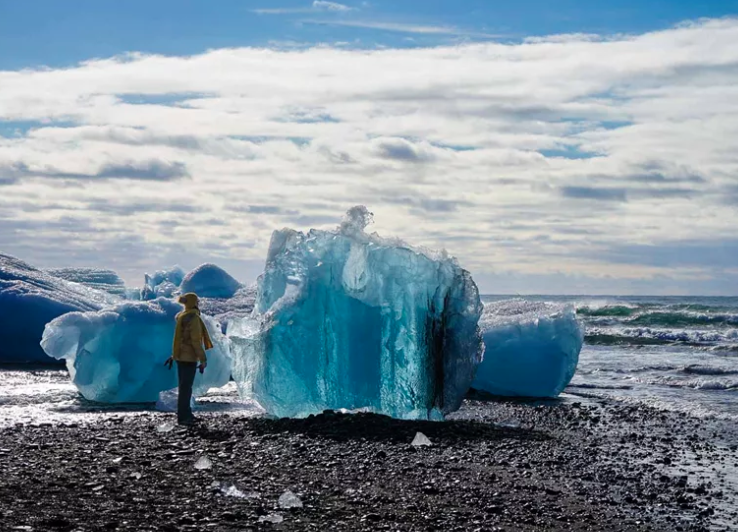
Gear up for the adventure, on our 3-day Golden Circle and South Coast Tour
FAQ: Iceland in April
Is April too cold in Iceland?
No. Temperatures are typically around or above. With proper layering, it’s comfortable for outdoor exploration.
Are roads safe in April?
Sì, le strade principali sono manutenzionate. Tuttavia, il tempo cambia rapidamente, quindi controlla sempre le condizioni prima di metterti alla guida.
Can you drive the Ring Road in April?
Sì, ma è consigliata esperienza di guida invernale. Le strade dell'entroterra restano chiuse.
Is April cheaper than summer?
Sì. I voli, gli alloggi e molti tour sono generalmente meno costosi rispetto all’alta stagione.
Final Thoughts
Iceland in April offers a unique balance. You get extended daylight, powerful natural scenery, and a quieter travel experience – along with a last opportunity to see the northern lights.
To make the most of your trip:
- Visit early in the month for aurora chances
- Join a northern lights tour
- Include a stop at Aurora Reykjavík
- Plan ahead if travelling during Easter
April may be a transitional month, but for many travellers, that is exactly what makes it so special.
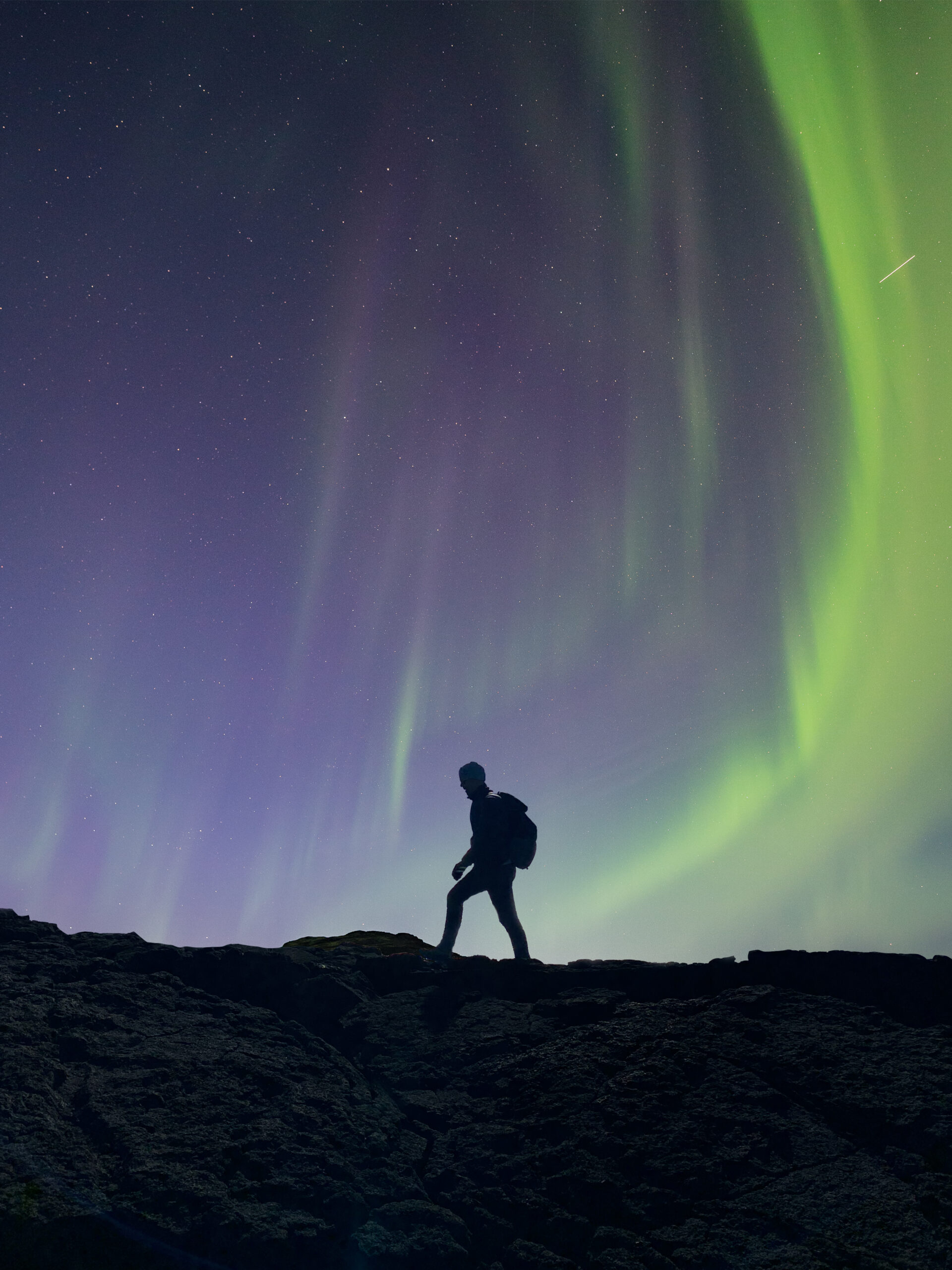
Catch the northern lights before the season ends in Iceland
UNISCITI A NOI NEL MIGLIOR TOUR DELL’AURORA BOREALE IN ISLANDA
I NOSTRI BESTSELLER
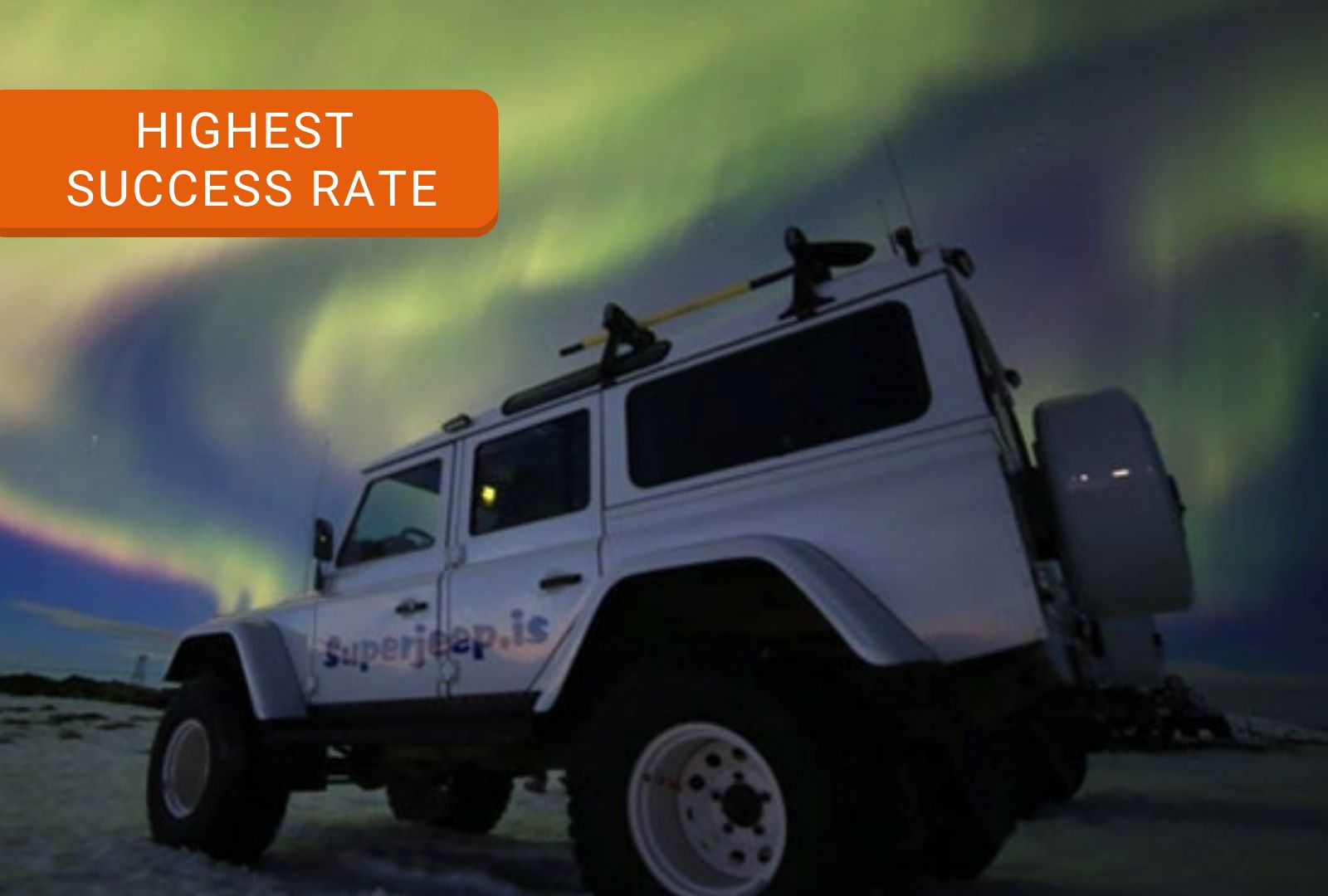
NORTHERN LIGHTS SUPER JEEP TOUR
PUNTI SALIENTI:
✓ Tour dell'aurora boreale in super jeep ✓ Free pick-up and drop-off ✓ Foto di qualità gratuite ✓ cioccolata calda ✓ Veicoli riscaldati
ALTISSIMA PERCENTUALE DI SUCCESSO
INGRESSO AD AURORA REYKJAVÍK INCLUSO NEL PREZZO - RISPARMIA 3900 ISK
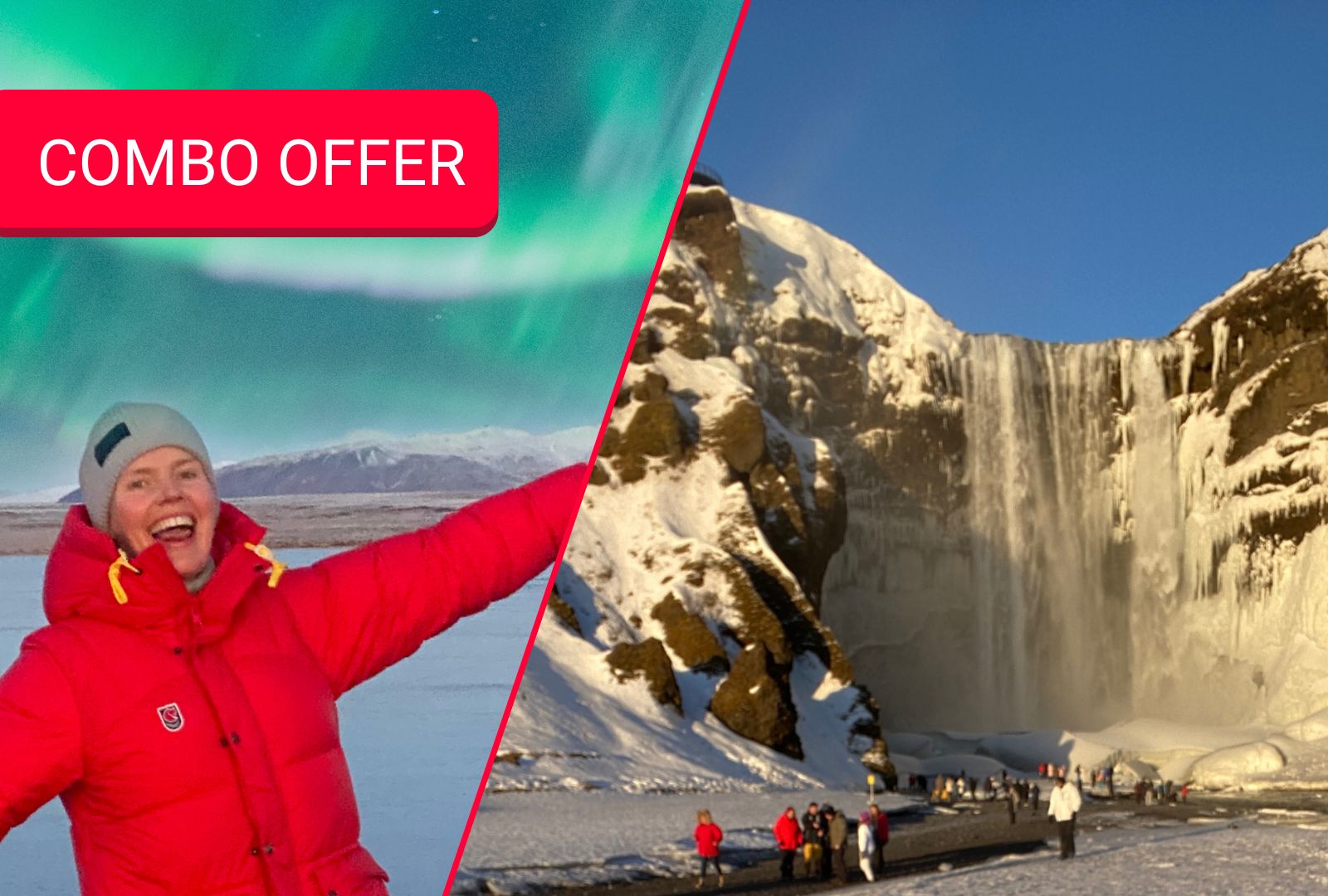
COSTA SUD E AURORA BOREALE
PUNTI SALIENTI:
✓ OFFERTA 2 PER 1: RISPARMIA OLTRE 2000 ISK ✓ Visit Ghiacciaio Sólheimarjökull ✓ Passeggia per la cittadina di Vík ✓ Cammina sulla spiaggia nera ✓ Vedi le cascate di Skógafoss e Seljalandsfoss ✓ Osserva L' Aurora Boreale danzare MIGLIOR RAPPORTO QUALITÀ PREZZO GARANZIA AURORA BOREALE: SECONDO TENTATIVO GRATUITE SE L'AURORA NON È VISIBILE DURANTE IL TOUR
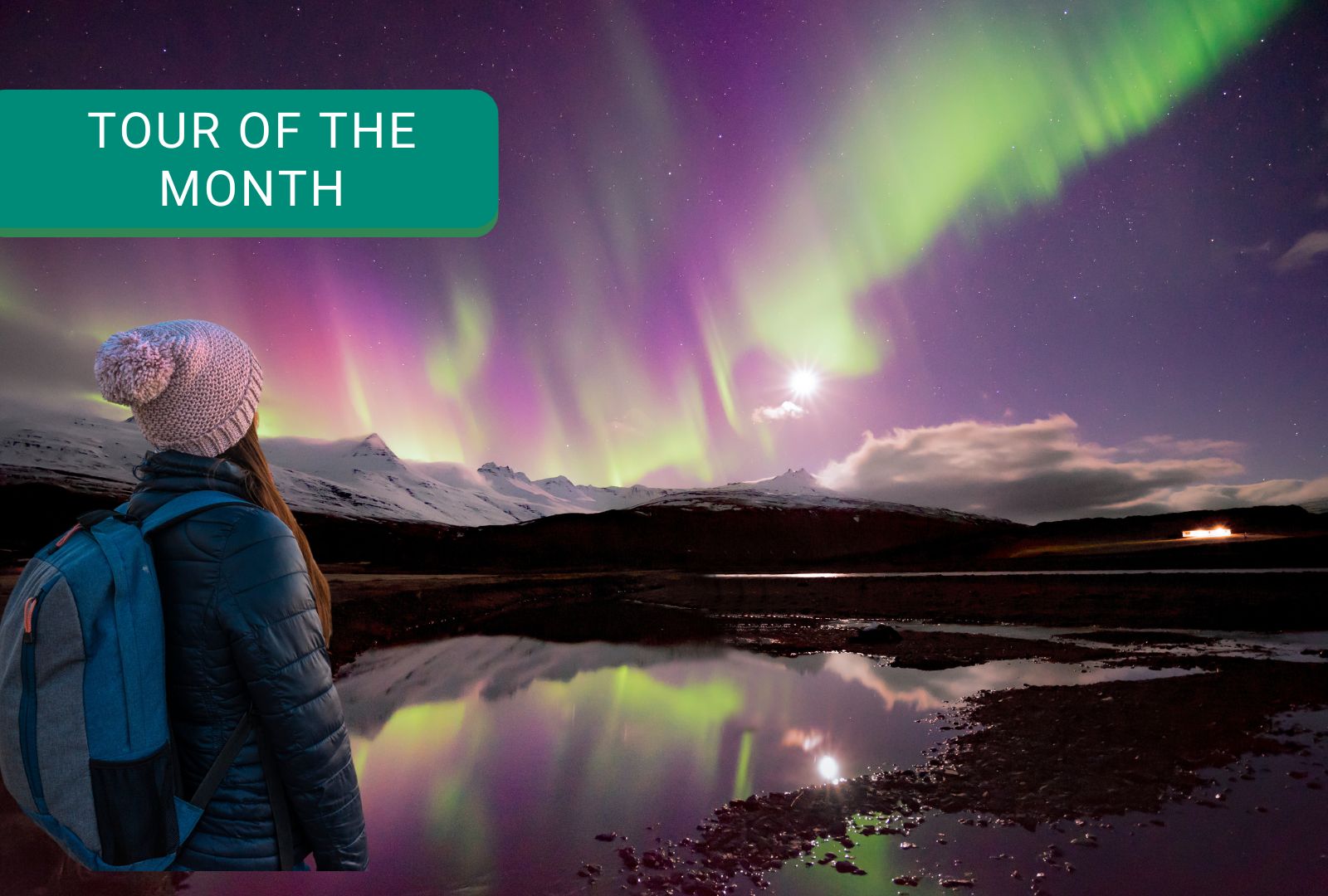
TOUR DELL' AURORA IN MINIBUS
PUNTI SALIENTI:
✓ Tour dell'aurora boreale in un autobus di piccole dimensioni
✓ Foto gratuite con l'aurora boreale
✓ Homemade hot Chocolate e Dolci
✓ Pick-up incluso
TOUR PIÙ VENDUTO
DOMANDE FREQUENTI SULL’AURORA BOREALE
Quando si può vedere l'aurora in Islanda?
Durante questo lungo periodo, l’Islanda sperimenta abbastanza oscurità perché l’aurora sia visibile di notte.
Tuttavia, le probabilità di osservare l’aurora variano a seconda del periodo dell’anno. Scopri quali mesi sono i migliori per vedere l’aurora qui.
Si può vedere l'aurora boreale con la luna piena?
A che ora compaiono le aurore boreali?
Quanto durano le aurore boreali?
Posso vedere le aurore boreali quando il cielo è nuvoloso?
Le aurore boreali appaiono solo quando fa freddo?
Le aurore boreali sono visibili in tutta l’Islanda?
Le aurore boreali sono davvero multicolore?
Il novilunio è migliore per osservare le aurore boreali?
La luna piena è adatta per fotografare le aurore boreali?
Katarina Raker
SULL’AUTRICE: KATARINA RAKER