IL MITO DEL “SOLE DI MEZZANOTTE”: PUOI VEDERE L’AURORA IN ISLANDA IN ESTATE?
Cos’è il sole di mezzanotte?
L’aurora boreale è visibile in estate?
Aurora Reykjavík – dove l’aurora boreale è sempre visibile
Cos’è il sole di mezzanotte in Islanda?
Puoi vedere l’aurora boreale con il sole di mezzanotte?
L’aurora non si ferma mai – si ferma solo la nostra capacità di vederla
Vivere l’aurora boreale ad Aurora Reykjavík in estate
Un’esperienza garantita dell’aurora durante il sole di mezzanotte
Considerazioni finali: sole di mezzanotte e aurora boreale – due facce dell’Islanda
L’Islanda è un paese definito dagli estremi di luce e oscurità. In inverno, le lunghe notti creano condizioni perfette per osservare l’aurora boreale. In estate, la stagione del sole di mezzanotte, il paesaggio è immerso in una luce quasi costante. Questo cambiamento drammatico porta molti visitatori a porsi ogni anno la stessa domanda: È possibile vedere l’aurora boreale in Islanda durante l’estate?
La risposta breve è no – ma la storia completa è più interessante. Capire perché l’aurora non è visibile durante il sole di mezzanotte e come sia comunque possibile viverla in estate richiede uno sguardo più approfondito a scienza e cultura.
Cos’è il sole di mezzanotte in Islanda?
Il sole di mezzanotte si verifica in Islanda <strong dalla fine di maggio all’inizio di agosto, quando il sole rimane sopra l’orizzonte per gran parte o tutta la giornata. Anche di “notte”, il cielo non diventa mai completamente buio; rimane invece illuminato da un tenue bagliore crepuscolare.
Questo fenomeno è il risultato dell'alta latitudine dell’Islanda, appena a sud del Circolo Polare Artico. Pur offrendo esperienze estive indimenticabili per i viaggiatori, ha anche un impatto diretto sulla visibilità dell’aurora.
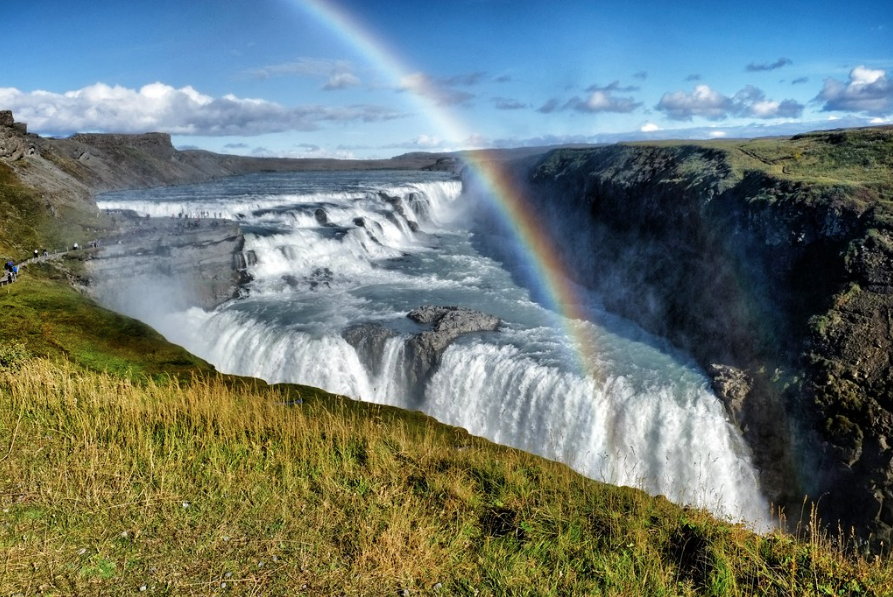
I colori estivi della cascata Gullfoss, nel Circolo d’Oro
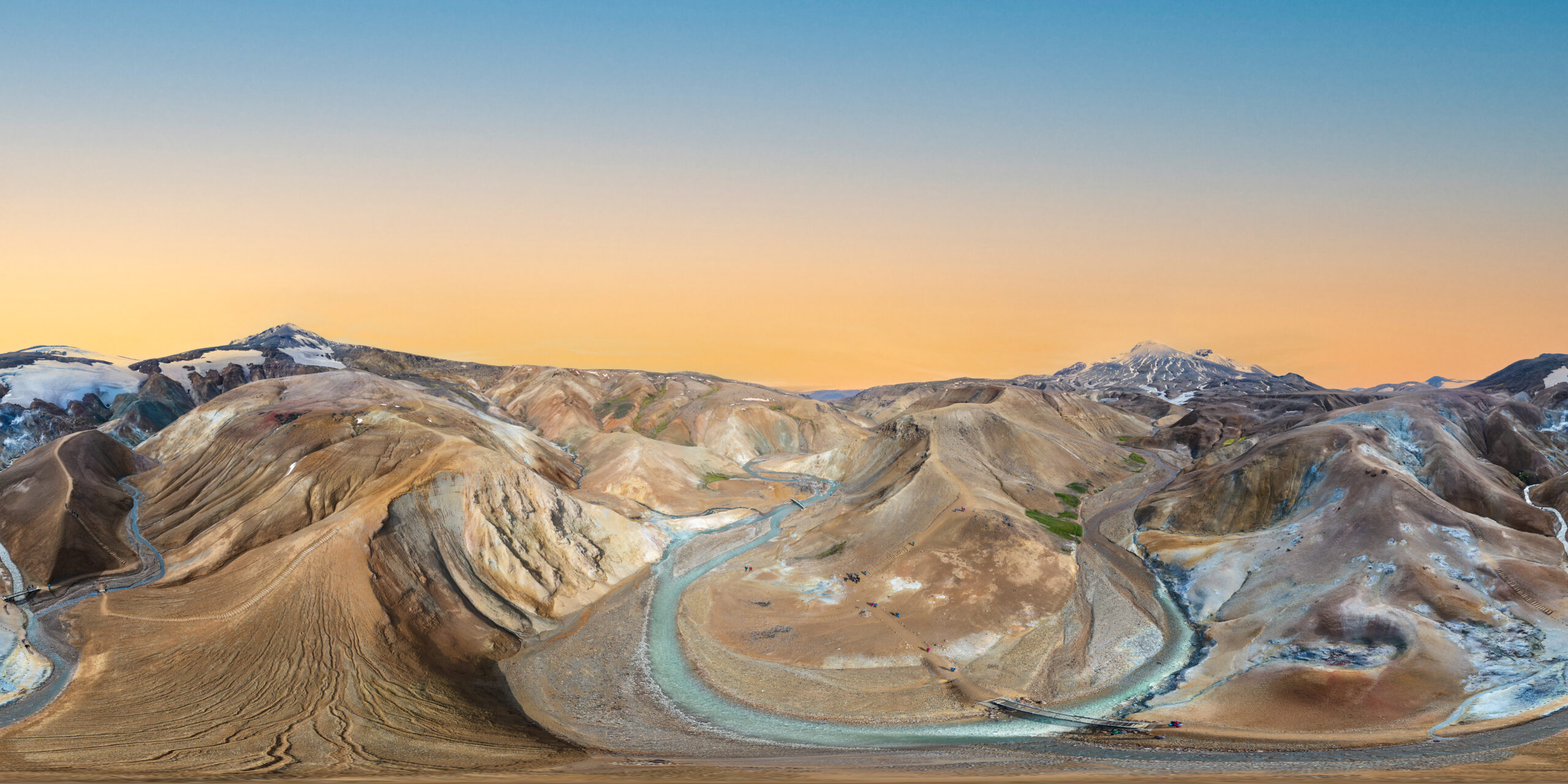
Estate nell'entroterra islandese
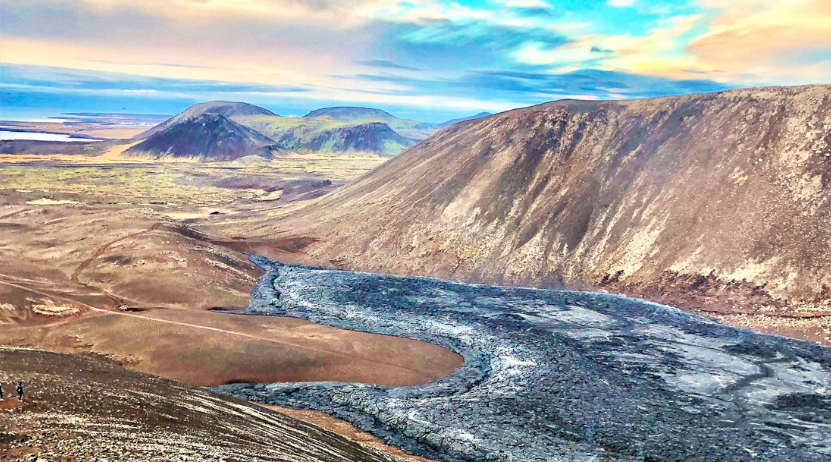
Punto forte dell’estate: partecipa a un trekking serale fino agli ultimi siti di eruzione vulcanica
Puoi vedere l’aurora boreale con il sole di mezzanotte?
Nonostante un mito persistente, non è possibile vedere l’aurora boreale in Islanda durante il periodo del sole di mezzanotte.
Le aurore sono causate dall’interazione tra particelle cariche provenienti dal Sole, il campo magnetico e l’atmosfera terrestre. Questo processo avviene tutto l’anno, anche in estate. Tuttavia, le aurore sono fenomeni luminosi relativamente deboli e richiedono cieli bui per essere visibili dalla superficie terrestre.
Con il sole di mezzanotte:
- Il cielo non è mai abbastanza buio
- La luce dell’aurora viene completamente annullata dalla luce del giorno
- Anche un’intensa attività solare non produrrà uno spettacolo visibile
Ecco perché la stagione dell’aurora boreale in Islanda va dalla fine di agosto a metà aprile, quando torna l’oscurità.
Per un approfondimento sulla visibilità stagionale, visita la nostra pagina: Il Momento Migliore Per Vedere l'Aurora Boreale in Islanda
L’aurora non si ferma mai – si ferma solo la nostra capacità di vederla
Spesso si perde una distinzione importante: l’aurora non scompare in estate. Gli stessi processi solari continuano ad avvenire in alto, sopra l’atmosfera terrestre. Ciò che cambia è la nostra capacità di osservarla.
È simile a ciò che accade con le stelle nel cielo diurno: sono ancora lì, ma invisibili a causa della luce del Sole. Il sole di mezzanotte crea lo stesso effetto per l’aurora.
Tuttavia, i visitatori estivi possono comunque vivere l’esperienza dell’aurora boreale, anche se l’osservazione all’aperto non è possibile.
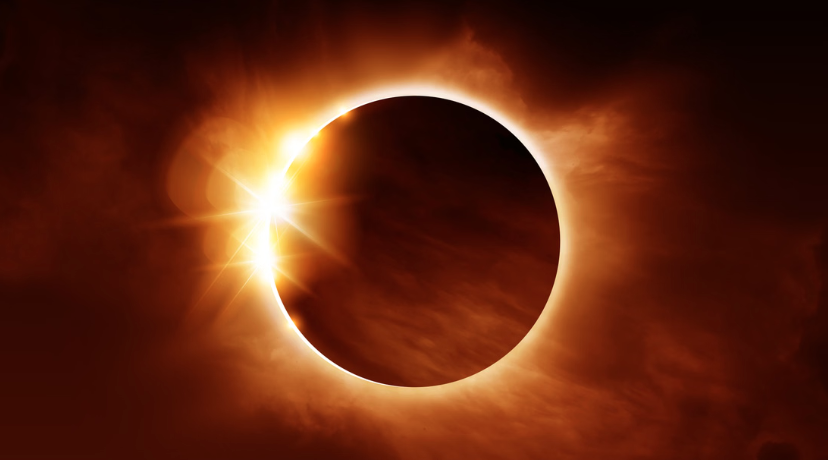
Niente stelle in estate, ma preparati per l'eclissi totale del 12 agosto 2026
Aurora Reykjavík – il primo e unico Centro dell’Aurora Boreale in Islanda
Vivere l’aurora boreale ad Aurora Reykjavík in estate
Per i viaggiatori che visitano l’Islanda durante il sole di mezzanotte, Aurora Reykjavík – Il Centro dell’Aurora Boreale offre l’esperienza dell’aurora più completa disponibile al di fuori della stagione invernale.
Situato nel quartiere di Grandi a Reykjavík, nell'area del Porto Vecchio, il museo è progettato per colmare il divario tra scienza, natura e esperienza umana, rendendo l’aurora boreale accessibile tutto l’anno.
Film e proiezioni immersive sull’aurora
Alla base di Aurora Reykjavík c’è un’esperienza cinematografica ad alta definizione con riprese dell’aurora da tutta l’Islanda, catturate professionalmente dal nostro team di esperti fotografi pluripremiati. Questo film di 30 minuti mostra una vasta gamma di forme, colori e intensità dell’aurora (da archi delicati a tempeste che coprono l’intero cielo), esattamente come appaiono sotto i cieli scuri invernali.
Per i visitatori che arrivano durante il sole di mezzanotte, questa è spesso la prima volta che vedono come appare realmente l’aurora in movimento.
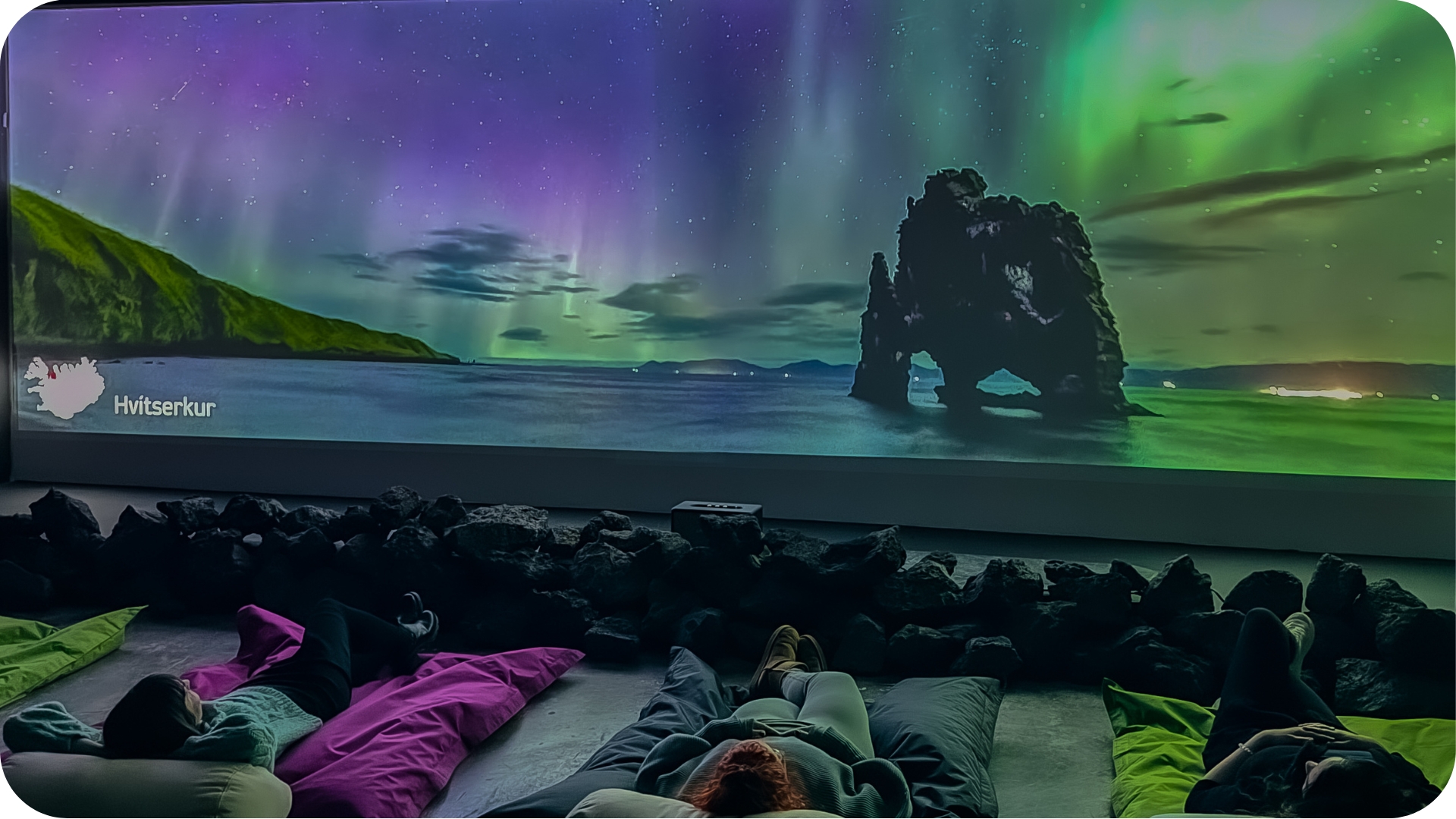
Mettiti comodo e goditi l’aurora boreale… in qualsiasi stagione!
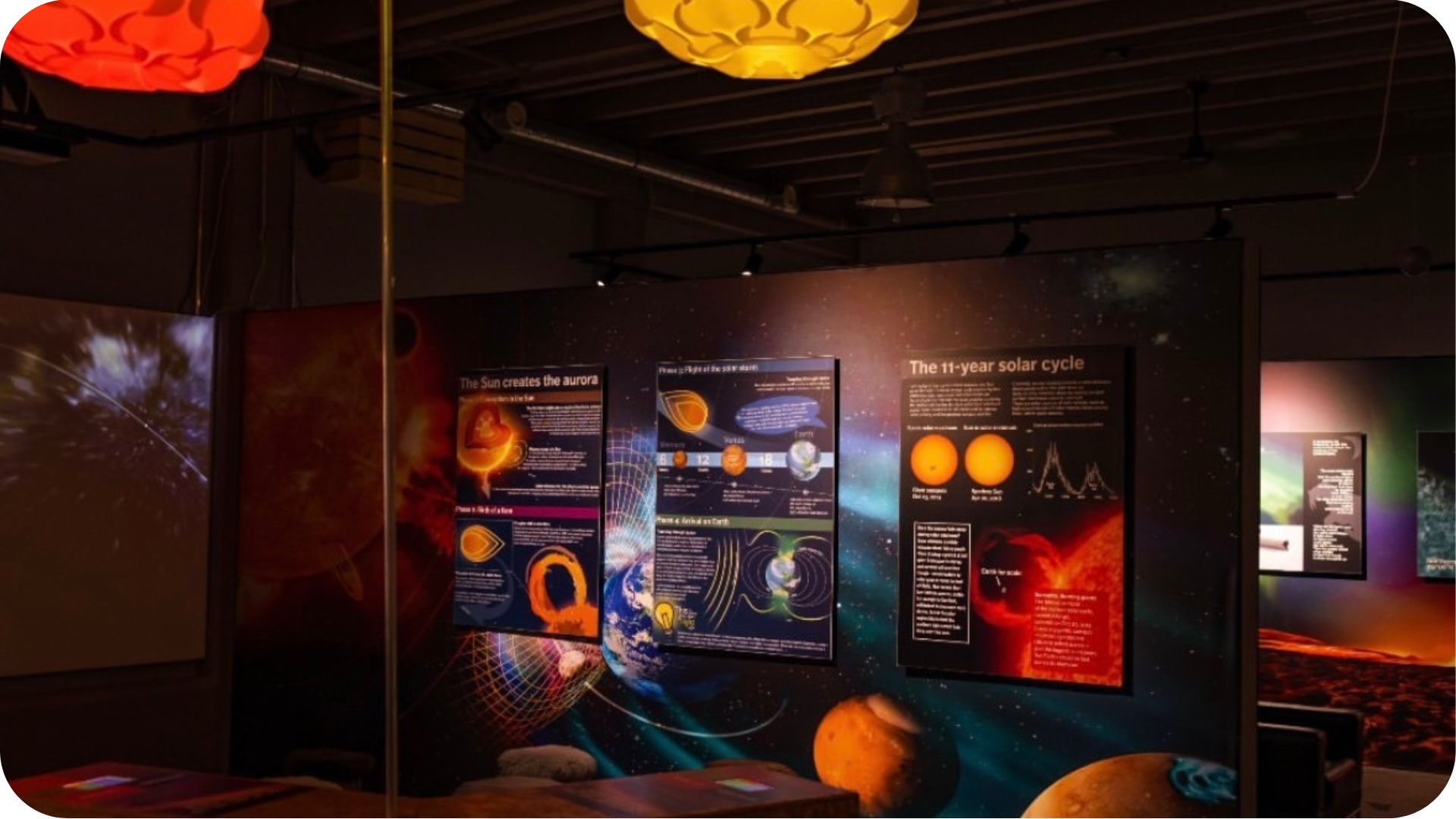
Scopri l’aurora boreale in un ambiente interattivo
Mostre interattive: scienza, storia e mitologia
Le esposizioni interattive del museo spiegano:
- Come si formano le aurore
- Perché l'Islanda è uno dei luoghi migliori al mondo per vederle
- Come interagiscono l’attività solare, le tempeste magnetiche e l’atmosfera terrestre
- Come l’aurora boreale è stata interpretata nel folklore islandese e nelle culture di tutto il mondo
Questo contesto è particolarmente utile per i visitatori estivi che pianificano un futuro viaggio invernale, poiché crea aspettative realistiche sulla visibilità e sulle condizioni.
Ulteriori approfondimenti sul fenomeno sono disponibili qui.
Realtà Virtuale: sotto l’aurora boreale
Aurora Reykjavík offre anche un’esperienza di realtà virtuale che immerge i visitatori sotto spettacolari aurore boreali attive, utilizzando riprese reali girate in tutta l’Islanda. L’esperienza è la prima al mondo interamente dedicata all’aurora in VR. Vivi le loro dimensioni e movimenti, e goditi l’atmosfera di trovarsi sotto un cielo invernale scuro, osservando l’aurora muoversi sopra di te.
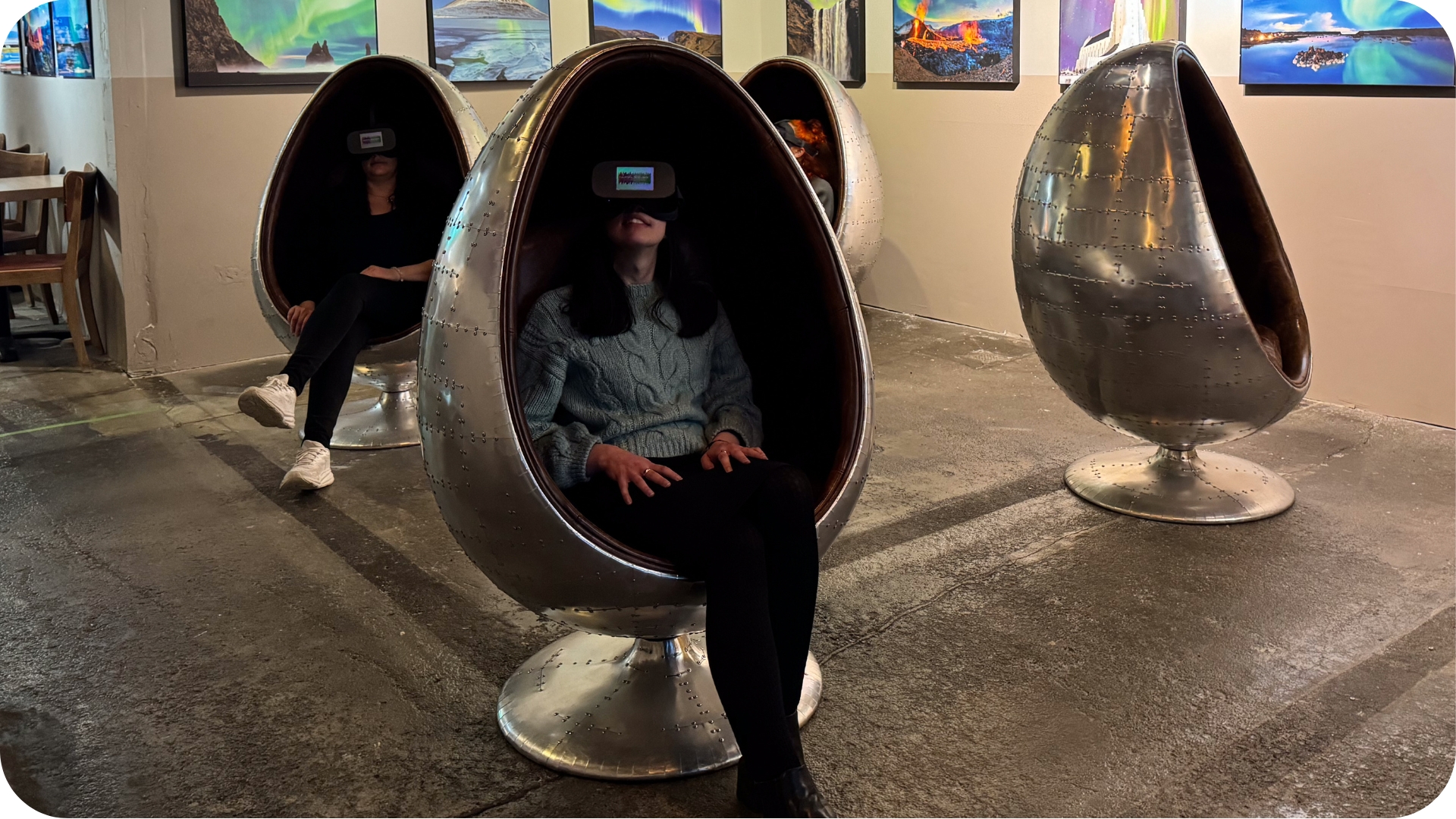
Prima esperienza di realtà virtuale al mondo dedicata all’aurora boreale
Per chi visita durante il sole di mezzanotte, questo offre una rara e realistica sensazione di come sia osservare l’aurora boreale in natura – qualcosa che all’aperto in quel periodo dell’anno non è possibile.
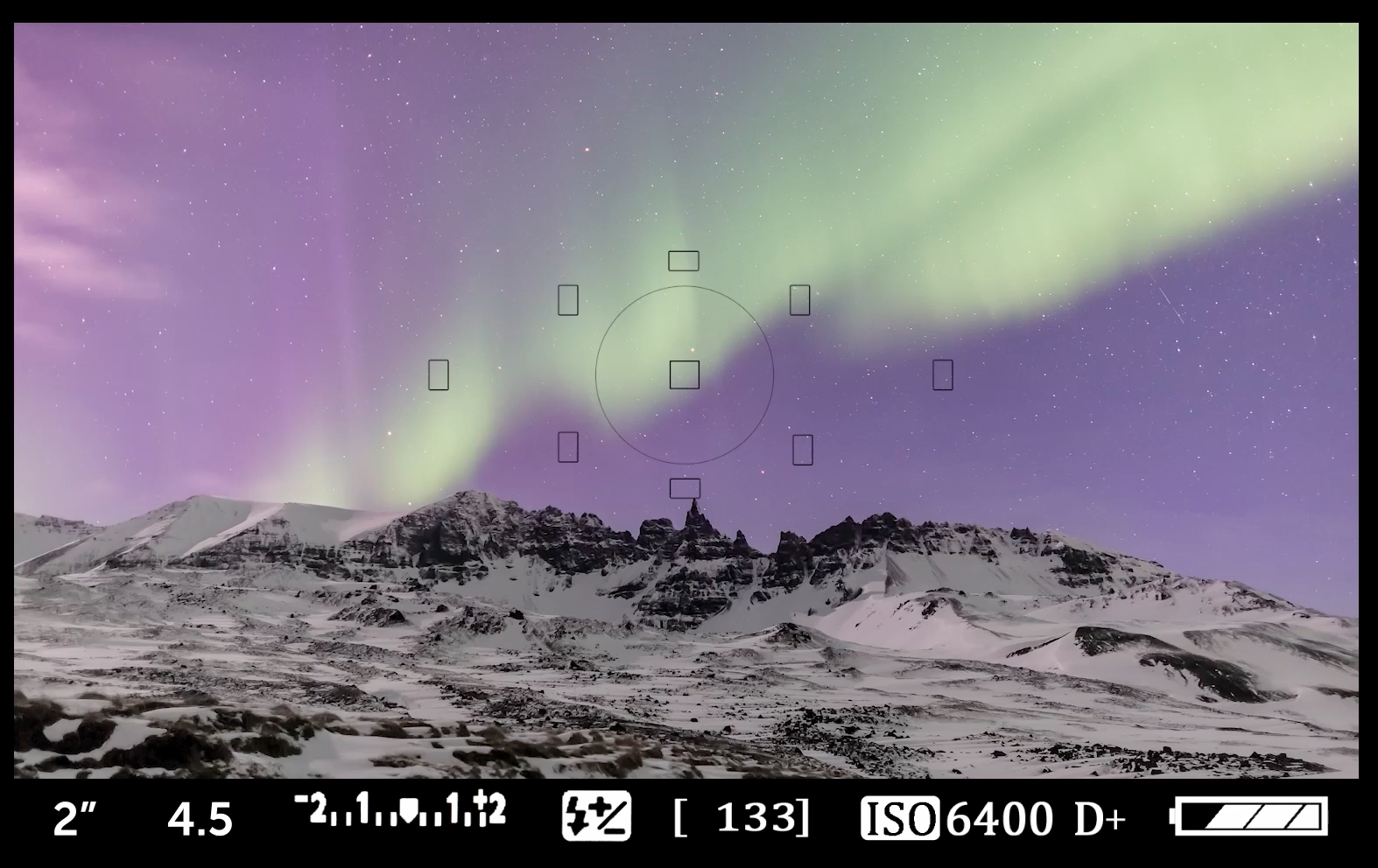
I nostri esperti prepareranno la tua fotocamera per la caccia all’aurora
Fotografia e simulazione dell’aurora boreale
Aurora Reykjavík si concentra anche sull’educazione alla fotografia. I visitatori possono esplorare:
- Un simulatore fotografico dell’aurora boreale
- Le impostazioni della fotocamera utilizzate da fotografi professionisti dell’aurora
- Errori comuni che i principianti commettono nel fotografare l’aurora e come evitarli
Questo rende il museo particolarmente utile per i viaggiatori che torneranno in inverno o per chi è interessato all’astrofotografia.
Letture correlate: È possibile vedere l’aurora boreale a occhio nudo?
Un’esperienza garantita dell’aurora durante il sole di mezzanotte
A differenza dei tour all’aperto per osservare l’aurora, che dipendono dall’oscurità, dal meteo e dall’attività solare, Aurora Reykjavík offre un’esperienza garantita. Non c’è bisogno di aspettare che le nuvole si diradino e non bisogna preoccuparsi del periodo dell’anno.
Per i visitatori estivi, il Centro offre:
- Un legame significativo con uno dei fenomeni naturali più iconici dell’Islanda
- Spiegazioni chiare del motivo per cui le aurore non possono essere viste durante il sole di mezzanotte
- Una comprensione più profonda del contrasto tra le stagioni di luce e oscurità in Islanda
Letture aggiuntive: pianificazione e miti sull’aurora boreale
Se vuoi approfondire argomenti correlati, questi articoli offrono un contesto utile:
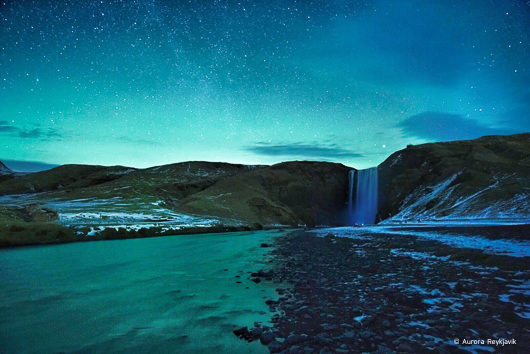
Aurora boreale su Skógafoss,
lungo la Costa Sud
Considerazioni finali: sole di mezzanotte e aurora boreale – due facce dell’Islanda
Il sole di mezzanotte e l’Aurora Boreale rappresentano gli estremi opposti del ciclo naturale della luce in Islanda. Pur non apparendo mai insieme nel cielo, ognuno racconta una parte importante della stessa storia.
Se visiti l’Islanda in estate, l’aurora potrebbe rimanere invisibile all’aperto – ma è tutt’altro che assente. Presso Aurora Reykjavík, l'aurora boreale viene messa a fuoco attraverso scienza, immagini ed esperienza, offrendo intuizione e ispirazione molto prima che torni l’oscurità.
UNISCITI A NOI NEL MIGLIOR TOUR DELL’AURORA BOREALE IN ISLANDA
I NOSTRI BESTSELLER
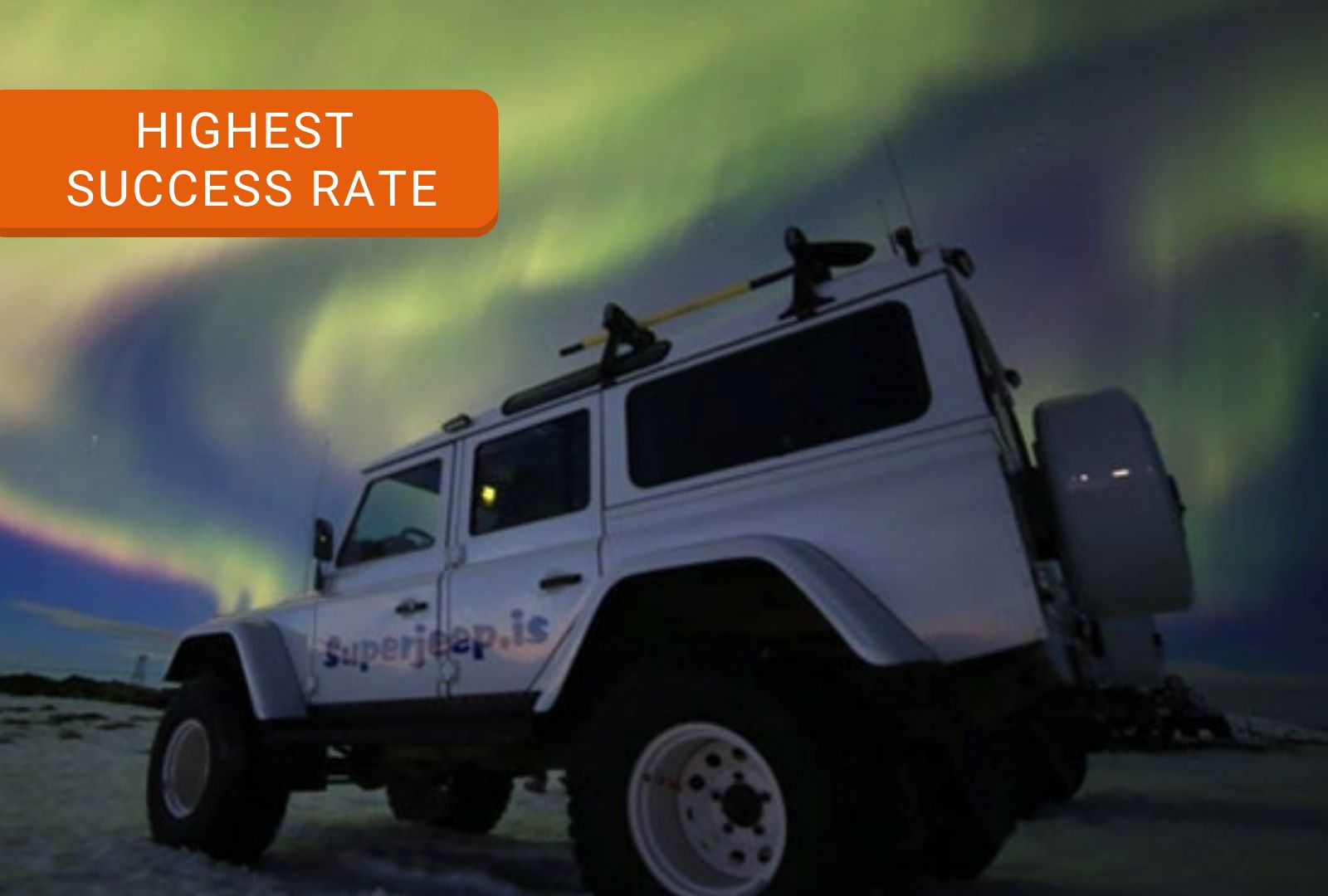
NORTHERN LIGHTS SUPER JEEP TOUR
PUNTI SALIENTI:
✓ Tour dell'aurora boreale in super jeep ✓ Free pick-up and drop-off ✓ Foto di qualità gratuite ✓ cioccolata calda ✓ Veicoli riscaldati
ALTISSIMA PERCENTUALE DI SUCCESSO
INGRESSO AD AURORA REYKJAVÍK INCLUSO NEL PREZZO - RISPARMIA 3900 ISK
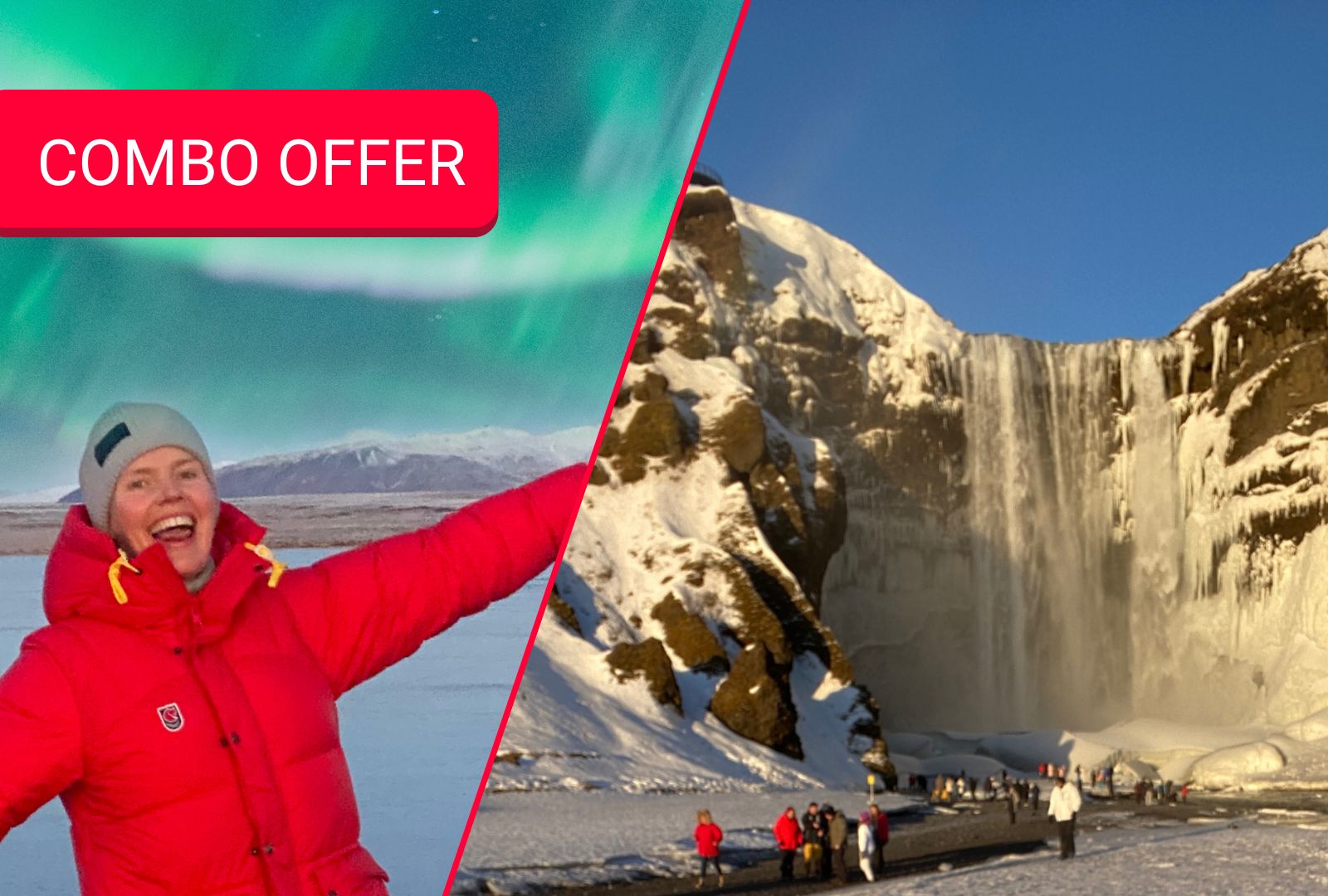
COSTA SUD E AURORA BOREALE
PUNTI SALIENTI:
✓ OFFERTA 2 PER 1: RISPARMIA OLTRE 2000 ISK ✓ Visit Ghiacciaio Sólheimarjökull ✓ Passeggia per la cittadina di Vík ✓ Cammina sulla spiaggia nera ✓ Vedi le cascate di Skógafoss e Seljalandsfoss ✓ Osserva L' Aurora Boreale danzare MIGLIOR RAPPORTO QUALITÀ PREZZO GARANZIA AURORA BOREALE: SECONDO TENTATIVO GRATUITE SE L'AURORA NON È VISIBILE DURANTE IL TOUR
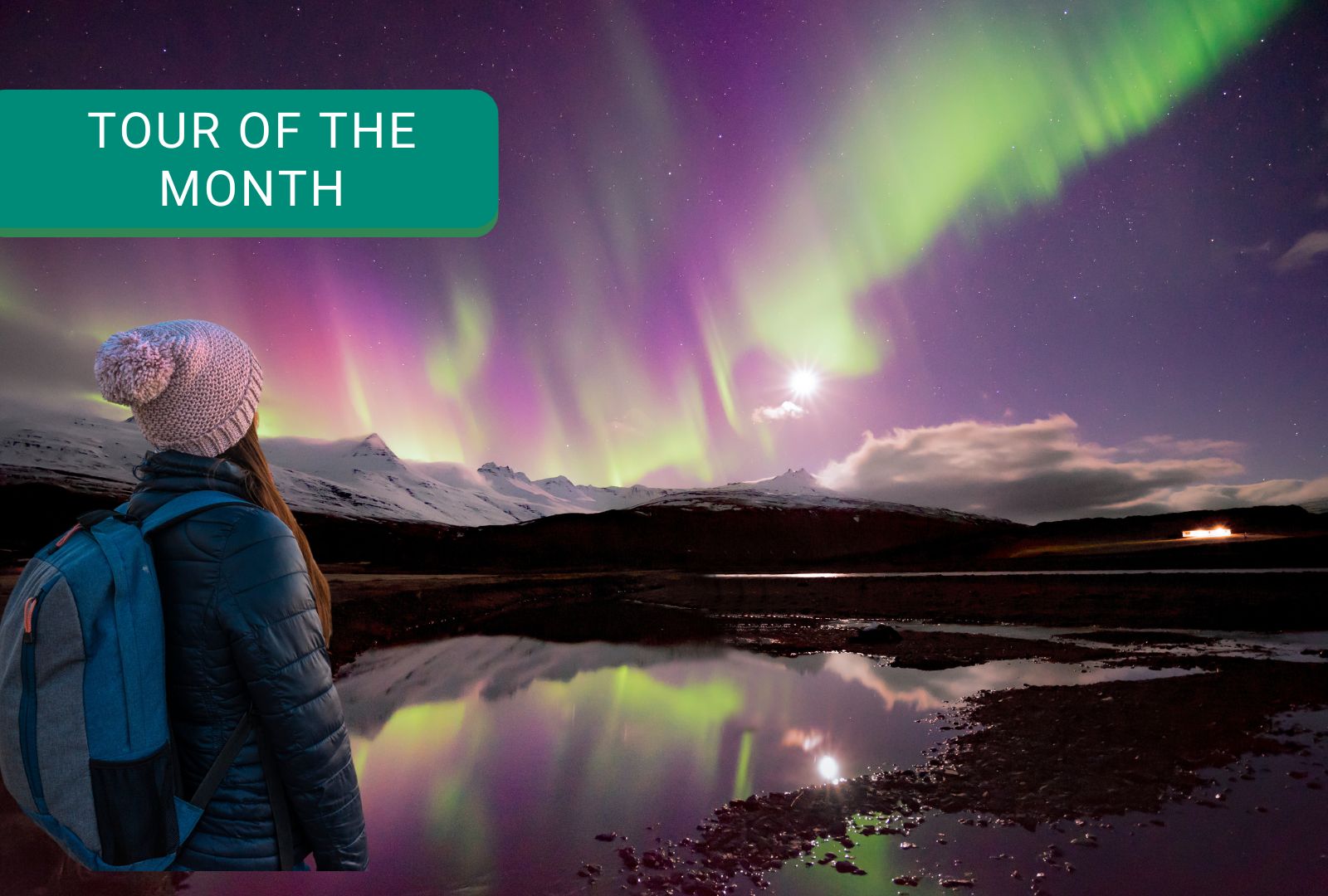
TOUR DELL' AURORA IN MINIBUS
PUNTI SALIENTI:
✓ Tour dell'aurora boreale in un autobus di piccole dimensioni
✓ Foto gratuite con l'aurora boreale
✓ Homemade hot Chocolate e Dolci
✓ Pick-up incluso
TOUR PIÙ VENDUTO
DOMANDE FREQUENTI SULL’AURORA BOREALE
Quando si può vedere l'aurora in Islanda?
Durante questo lungo periodo, l’Islanda sperimenta abbastanza oscurità perché l’aurora sia visibile di notte.
Tuttavia, le probabilità di osservare l’aurora variano a seconda del periodo dell’anno. Scopri quali mesi sono i migliori per vedere l’aurora qui.