VOLCANIC ERUPTION AT REYKJANES PENINSULA – IT IS SAFE TO TRAVEL TO ICELAND
Are you planning a trip to Iceland but are worried about the current eruption on Reykjanes peninsula?
Here’s all you need to know!
WHAT IS HAPPENING
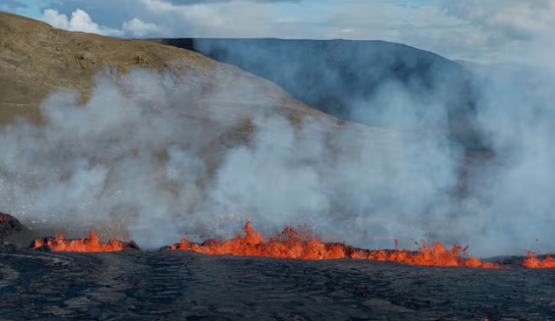
A new volcanic eruption has started at Reykjanes peninsula on Dec 18th, 23.10. The eruptive fissure is about 4 km long, with the northern end just east of Stóra-Skógfell and the southern end just east of Sundhnúk. The distance from the southern end to the edge of Grindavík is almost 3 km.
The Icelandic Meteorological Office continues to monitor the activity and is in direct contact with civil protection and response units in the area.
A NEW GEOLOGICAL PHASE
Earthquakes and eruptions are not a rare occurrence in Iceland, due to Iceland’s location on the Mid-Atlantic ridge.
Ever since 2021, Reykjanes peninsula has witnessed a new geological phase, with 3 eruptions in 3 years, the first ones in the area in about eight centuries.
The 2021, 2022 and summer 2023 eruptions all took place in uninhabited areas of the peninsula and posed no threat to life nor infrastructure in the area.
LIMITED AREA AFFECTED
It is important to stress that the area affected by the current volcanic unrest is limited to a small portion of Reykjanes peninsula, spanning only a few kilometers.
Road closures have been enforced and no traffic is allowed to enter the area considered at risk.
For precaution, the worldwide renewed Laguna Blu – not at the epicentre of the current unrest, but located few kilometers away from Grindavík – is currently closed until further notice.
No other towns, roads or tourist attractions are affected by the unrest.
Iceland has one of the world’s most effective volcanic preparedness measures e il situation is closely monitored and constantly evaluated according to the best scientific data available.
IT IS SAFE TO TRAVEL TO ICELAND
As the area affected by the current eruption is circumscribed to a limited part of Reykjanes peninsula, the rest of the country is unaffected and Iceland continues to welcome travellers.
Travelling to Iceland it is not just possible but also perfectly safe.
FURTHER INFORMATION
For the most updated – and reliable – information regarding the volcanic unrest in Iceland, we recommend not to rely on international media coverage, as their tone and approach can contribute to misinterpreting and amplifying the events.
Instead, we encourage travellers to follow official Icelandic channels:
- The Icelandic MET office
Information on the seismic activity and development of events - The Icelandic Road Administration
Information on road conditions and closures in the Reykjanes region - Safetravel
Updates on safety - The Icelandic National Broadcasting Service
News coverage - Visit Reykjanes
Updates from the region
AURORA REYKJAVÍK IS OPEN – GREAT AURORAS EXPECTED THIS WINTER
Aurora Reykjavík, located in the Icelandic capital, is far from the epicentre of the unrest and regularly open daily from 9 to 21.
The northern lights season is in full swing sia predictions for the winter are exceptionally good, as we have reached the solar maximum for the current solar cycle.
Islanda is one of the prime spots for aurora sighting in the world and a unique, diverse destination.
Don‘t miss your chance to see the best northern lights in a decade sia travel safely to Iceland, we look forward to welcoming you!
I 25 Luoghi Migliori Per Vedere L' Aurora Boreale In Islanda
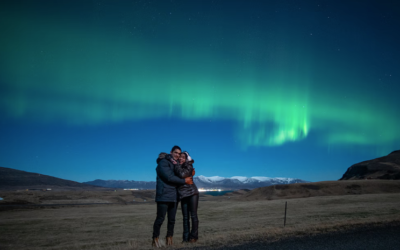
Da appassionato dell'aurora boreale e fondatore di Aurora Reykjavík, ho trascorso innumerevoli notti a inseguire le aurore in giro per l'Islanda. Ogni esperienza è emozionante come la prima - una maestosa danza di colori e luci contro i vasti cieli islandesi. In questa guida condividerò i miei 25 luoghi preferiti per ammirare questa meraviglia naturale, dagli altopiani remoti alle gemme della costa. Che tu sia un visitatore alle prime armi o un esperto cacciatore di aurore, questi luoghi offrono qualcosa di veramente magico. Lascia che ti accompagni in un viaggio nelle località migliori d'Islanda per vedere l'aurora boreale. – Gretar Jónsson
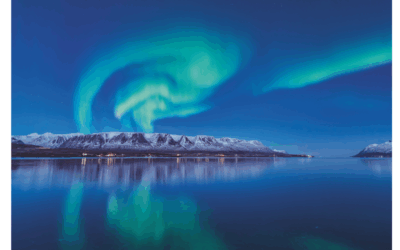
Northern Lights in Iceland in March & April: Why Spring Is an Underrated Aurora Season
Most travelers assume winter is the only serious northern lights season in Iceland.
In reality, March and early April can be one of the smartest times to hunt the aurora.
You still have dark nights long enough for aurora viewing, travel conditions are often easier than in deep winter, and the weeks around the spring equinox are statistically favorable for geomagnetic activity.
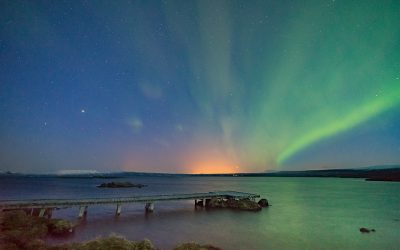
ISLANDA AD APRILE: METEO, AURORA BOREALE E LE MIGLIORI COSE DA FARE
Aprile in Islanda è un mese di transizione. L’inverno inizia ad allentare la sua presa, le ore di luce si allungano drasticamente e il paese comincia a risvegliarsi per la primavera. Per i viaggiatori, questo significa meno folla, cascate spettacolari alimentate dallo scioglimento della neve e un'ultima possibilità di vedere l’aurora boreale prima che la stagione finisca.
Se stai pensando di visitare l’Islanda ad aprile, ecco tutto quello che devi sapere, dalle condizioni meteo e le tradizioni pasquali al perché questo è ancora un ottimo periodo per andare a caccia dell’aurora.
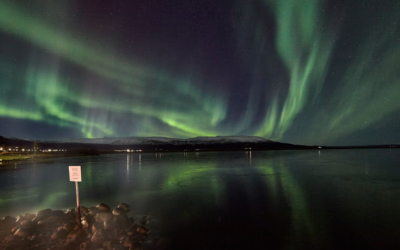
EASTER IN ICELAND: TRADITIONS, OPENING HOURS & WHAT TO DO IN REYKJAVÍK
Easter is one of the most beautiful times to visit Iceland. Winter still lingers in the landscape, daylight is rapidly returning, and Reykjavík comes alive with locals enjoying the first real feeling of spring. Here is everything visitors need to know about spending Easter in Iceland — plus the best ways to enjoy Reykjavík during the holiday weekend.
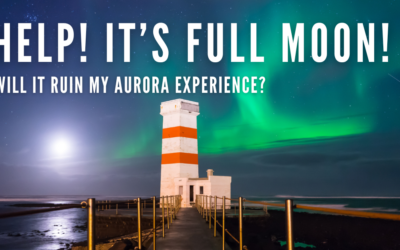
AIUTO, C'E' LA LUNA PIENA! ROVINERA' LA MIA ESPERIENZA DELL'AURORA?
La luna piena influisce sull’aurora boreale? Gli esperti di aurore spiegano come la luce della luna, la copertura nuvolosa e l’intensità dell’aurora influenzano davvero la tua esperienza di osservazione.
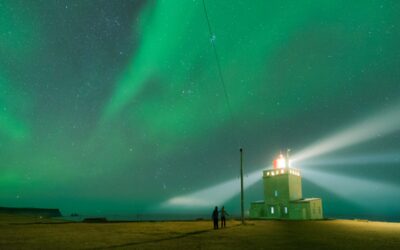
AURORE BOREALI DA REYKJAVÍK: CONSIGLI E TRUCCHI PER PIANIFICARE LA TUA CACCIA ALL’AURORA BOREALE
Vedere l’aurora boreale è una di quelle esperienze da lista dei desideri che l’Islanda rende indimenticabili. Con la giusta pianificazione, un abbigliamento caldo e confortevole e un pizzico di fortuna da Madre Natura, puoi ammirare il cielo notturno danzare in verde, viola e rosa proprio sopra di te. Che tu desideri una guida esperta o preferisca un’avventura in autonomia, ecco come pianificare il tuo viaggio a Reykjavík alla scoperta dell’aurora boreale come un professionista.
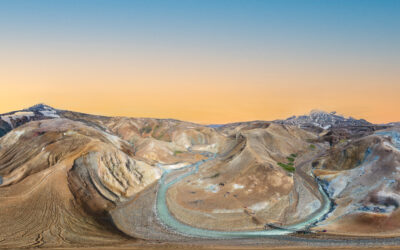
IL MITO DEL “SOLE DI MEZZANOTTE”: PUOI VEDERE L’AURORA IN ISLANDA IN ESTATE?
In inverno, le lunghe notti creano condizioni perfette per osservare l'aurora boreale. In estate, la stagione del sole di mezzanotte, il paesaggio è immerso in una luce quasi costante. Questo cambiamento drastico porta molti visitatori a porsi ogni anno la stessa domanda: è possibile vedere l'aurora boreale in Islanda durante l’estate?
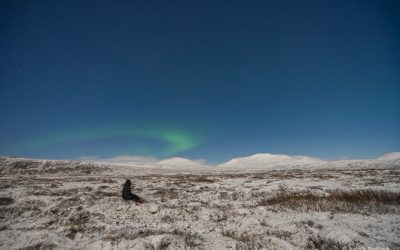
VISITARE L’ISLANDA A FEBBRAIO: TUTTO QUELLO CHE DEVI SAPERE
Febbraio è uno dei mesi più gratificanti per pianificare un viaggio in Islanda. Ben inserito nel cuore dell’inverno, offre un mix affascinante di giornate lunghe per visitare i luoghi d’interesse e notti prolungate per osservare l’aurora boreale, insieme a tradizioni culturali uniche che non si possono vivere in nessun altro periodo dell’anno. In questa guida spieghiamo perché febbraio è un mese speciale per visitare l’Islanda, cosa aspettarsi dalla natura e dalla cultura, e come sfruttare al meglio la propria avventura invernale.

ICELAND IN WINTER TRAVEL GUIDE: ROADS, CLOTHING, DAYLIGHT & NORTHERN LIGHTS
Winter in Iceland is a season of extremes: dramatic landscapes, long nights, and the possibility of witnessing one of nature’s most spectacular phenomena. While unforgettable, winter travel also requires preparation. This guide covers winter road conditions, what to wear, limited daylight, and how to improve your chances of seeing the Northern Lights.

THE BEST TIME TO SEE THE NORTHERN LIGHTS IN ICELAND (MONTH-BY-MONTH GUIDE)
There is no single perfect moment, but there is a clearly defined aurora season, and each part of it offers something different. In this guide, we’ll walk you through the best months to see the Northern Lights, explain common myths, and help you choose the season that fits your travel style best.