Comment interpréter les prévisions d’Aurores boréales
Le site Icelandic Met Office mesure l’activité solaire. En combinant cela avec les observations de couverture nuageuse, vous aurez tous les indices en votre possession pour trouver le lieu où la formation d’Aurores boréales sera la plus probable.
Utilisez le curseur en bas du graphique pour ajuster la date et l’heure des prévisions.
Remarquez que les prévisions peuvent changer, et qu’il est plus sûr de les consulter aux alentours de 18 heure le jour même. Il n’est tout de même pas garantit de voir les Aurores boréales.
Observations nuageuses
Une règle simple : un ciel couvert = pas d’Aurores boréales.
Il y a différents niveaux d’altitude de nuages, qui ont donc un impact différent.
Grâce aux onglets en haut du graphique, changez les écrans pour observer les différentes formations nuageuses.
Les nuages hauts ne sont pas vraiment un problème en Islande. Concentrez-vous sur les nuages bas et mi-bas, et repérez les espaces blancs ou les nuances plus claires sur la carte.
Activité solaire
L’échelle à 9 niveaux située sur la droite de la page est un indicateur simple de vos chances d’observer les Aurores.
0-2: Basse, quasiment pas d’activité. Les rares Aurores que vous puissiez observer seront pâles comme un nuage
2-3: Modérée, mais de bonnes chances de voir les Aurores boréales. Ce sont les prévisions les plus courantes. C’est parti !
4-6: Hourra ! Une grosse tempête solaire arrive, ne manquez pas votre chance d’observer de magnifiques Aurores !
7-9: Très rare, peut-être que vos proches pourront eux aussi observer les Aurores boréales depuis leur pays !
Leirvogur – Observatoire magnétique
L’observatoire magnétique Leirvogur mesure les pertubations magnétique en Islande.
Quand les graphiques commencent à bouger, les vents solaires entrent en collision avec le champs magnétique de la Terre, ce qui amène générallement à la manifestion d’activité aurorale. Sélectionnez la photo pour voir les rapports en temps réel.

Centre de prévisions météorologiques spatiales
Rejoignez-nous pour une excursion guidée des Aurores boréales !
Pour apprécier pleinement votre expérience des Aurores boréales, nous recommandons de partir en excursion guidée. Vous gagnerez du temps et éviterez les soucis, les guides connaissent les prévision météorologiques et l’activités solaire, vous serez en bonne compagnie. Nous recommandons les compagnies répertoriées ci-dessous. Nous avons minutieusement sélectionné les collaborateurs avec lesquels nous travaillons depuis des années, pour leur professionnalisme et leur travail appliqué.


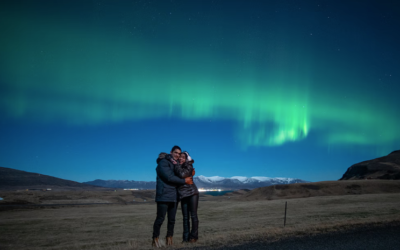
The 25 Best Places To See The Northern Lights In Iceland
As a lifelong Northern Lights enthusiast and founder of Aurora Reykjavík, I’ve spent countless nights chasing the auroras across Iceland. Each experience feels like the first—an awe-inspiring dance of color and light against the vast Icelandic skies. In this guide, I’ll share my 25 favorite spots to witness this natural wonder, from remote highlands to coastal gems. Whether you’re a first-time visitor or a seasoned aurora hunter, these locations offer something truly magical. Let me take you on a journey to the best places in Iceland to see the Northern Lights. – Grétar Jónsson
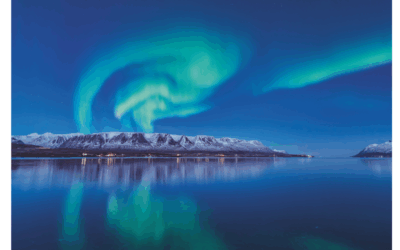
Northern Lights in Iceland in March & April: Why Spring Is an Underrated Aurora Season
Most travelers assume winter is the only serious northern lights season in Iceland.
In reality, March and early April can be one of the smartest times to hunt the aurora.
You still have dark nights long enough for aurora viewing, travel conditions are often easier than in deep winter, and the weeks around the spring equinox are statistically favorable for geomagnetic activity.
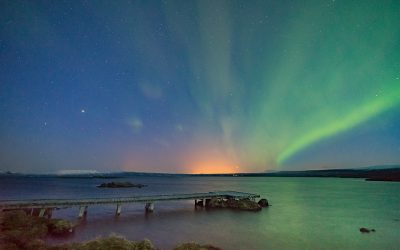
ICELAND IN APRIL: WEATHER, NORTHERN LIGHTS & BEST THINGS TO DO
April in Iceland is a month of transition. Winter begins to loosen its grip, daylight stretches dramatically, and the country starts to awaken for spring. For travellers, this means fewer crowds, powerful waterfalls fed by melting snow, and one final chance to see the northern lights before the season ends.
If you are considering visiting Iceland in April, here is everything you need to know – from weather conditions and Easter traditions to why this is still a great time to chase the aurora.
EASTER IN ICELAND: TRADITIONS, OPENING HOURS & WHAT TO DO IN REYKJAVÍK
Easter is one of the most beautiful times to visit Iceland. Winter still lingers in the landscape, daylight is rapidly returning, and Reykjavík comes alive with locals enjoying the first real feeling of spring. Here is everything visitors need to know about spending Easter in Iceland — plus the best ways to enjoy Reykjavík during the holiday weekend.
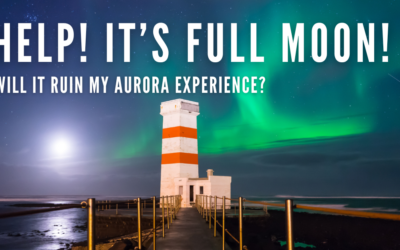
Full Moon and Northern Lights: Will a Full Moon Ruin Your Aurora Experience?
Does a full moon affect the Northern Lights? Aurora experts explain how moonlight, cloud cover, and aurora strength really impact your viewing experience.
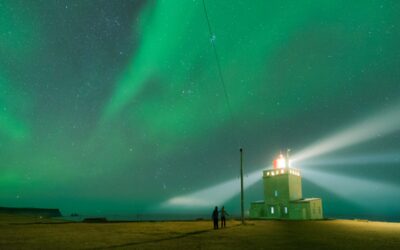
NORTHERN LIGHTS TRIP FROM REYKJAVÍK: TIPS & TRICKS TO PLAN YOUR NORTHERN LIGHTS HUNT
Seeing the Northern Lights is one of those bucket-list experiences that Iceland makes unforgettable. With the right planning, cozy gear, and a little luck from Mother Nature, you can witness the night sky dance in green, purple, and pink right above you. Whether you want expert guidance or prefer a self-guided adventure, here’s how to plan your Reykjavík Northern Lights trip like a pro.
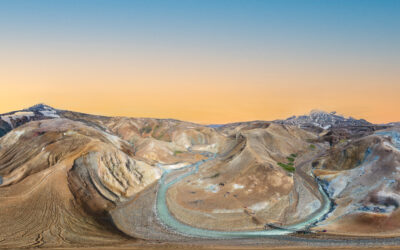
THE “MIDNIGHT SUN” MYTH: CAN YOU SEE THE AURORA IN ICELAND IN THE SUMMER?
In winter, long nights create perfect conditions for Northern Lights viewing. In summer, the season of the midnight sun, the landscape is bathed in near-constant daylight. This dramatic shift leads many visitors to ask the same question every year: Can you see the Northern Lights in Iceland during summer?
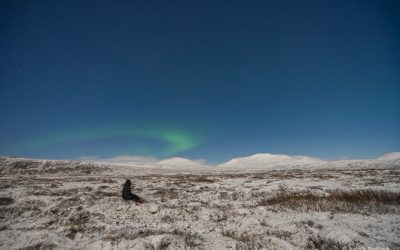
VISITING ICELAND IN FEBRUARY: EVERYTHING YOU NEED TO KNOW
February is one of the most rewarding months to plan your trip to Iceland. Nestled well into winter, it brings a compelling mix of extended daylight for sightseeing and long nights for aurora hunting, along with unique cultural traditions you won’t experience at any other time of year. In this guide, we explain why February is a standout month to visit Iceland, what to expect from nature and culture, and how to make the most of your winter adventure.

ICELAND IN WINTER TRAVEL GUIDE: ROADS, CLOTHING, DAYLIGHT & NORTHERN LIGHTS
Winter in Iceland is a season of extremes: dramatic landscapes, long nights, and the possibility of witnessing one of nature’s most spectacular phenomena. While unforgettable, winter travel also requires preparation. This guide covers winter road conditions, what to wear, limited daylight, and how to improve your chances of seeing the Northern Lights.

THE BEST TIME TO SEE THE NORTHERN LIGHTS IN ICELAND (MONTH-BY-MONTH GUIDE)
There is no single perfect moment, but there is a clearly defined aurora season, and each part of it offers something different. In this guide, we’ll walk you through the best months to see the Northern Lights, explain common myths, and help you choose the season that fits your travel style best.