Northern Lights Season 2026/2027 has started — Here's What to Know Before You Go
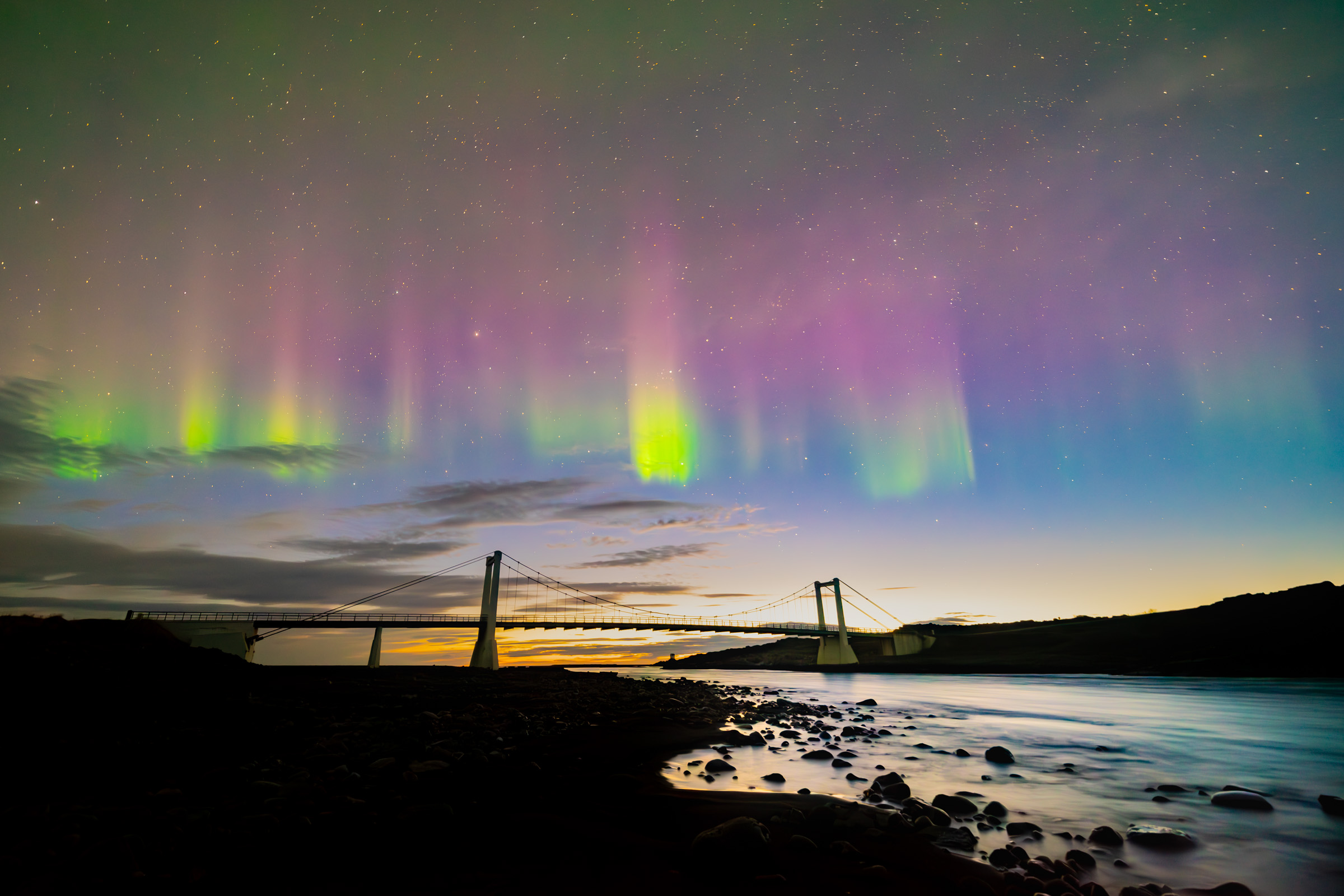
Unusually early, August 04th, we witnessed the first northern lights of the season at Iceland’s south shore. This week, the aurora season 2026/27 has officially started.
Raise the curtains, dim the lights: the 2026/27 Northern Lights season in Iceland officially began on August 15. After a summer of Midnight Sun, the nights are finally growing dark enough again to catch the aurora — and this year, the season opened on the heels of something else rare: Iceland’s total solar eclipse on August 12.
If you’re planning a trip to Iceland this month, here’s what the next few weeks actually look like, and how to make the most of them.

Indian summer aurora
NORTHERN LIGHTS IN LATE SUMMER? I THOUGHT THEY OCCUR ONLY IN WINTER
Seeing the Northern Lights requires two things: solar activity, and darkness. Iceland’s Midnight Sun keeps the sky too bright for the aurora to be visible from roughly May through early August. By mid-August, the nights are finally dark enough — not fully dark yet, but enough for the first faint displays of the season to become visible to the naked eye.
Early-season aurora hunting has its own character. Nights are shorter than in the depths of winter, meaning your viewing window is more concentrated — but the trade-off is fewer crowds, milder temperatures, and none of the ice and snow that complicate winter road travel. For a lot of travelers, late August and September are actually the most comfortable time to try.
THE ECLIPSE-TO-AURORA WEEK STARTS TODAY
This year, the timing lines up in an unusual way. Iceland’s total solar eclipse happens on August 12 — just three days before Northern Lights season opens. If you’re already planning to be in Iceland for the eclipse, you’re arriving right as the aurora becomes visible again for the first time since spring. Two rare sky events, one trip.
If you’re in Reykjavík for the eclipse and want to fill the days in between, Aurora Reykjavík is open daily and gives you the full science and story behind the lights before you head out to chase the real thing.
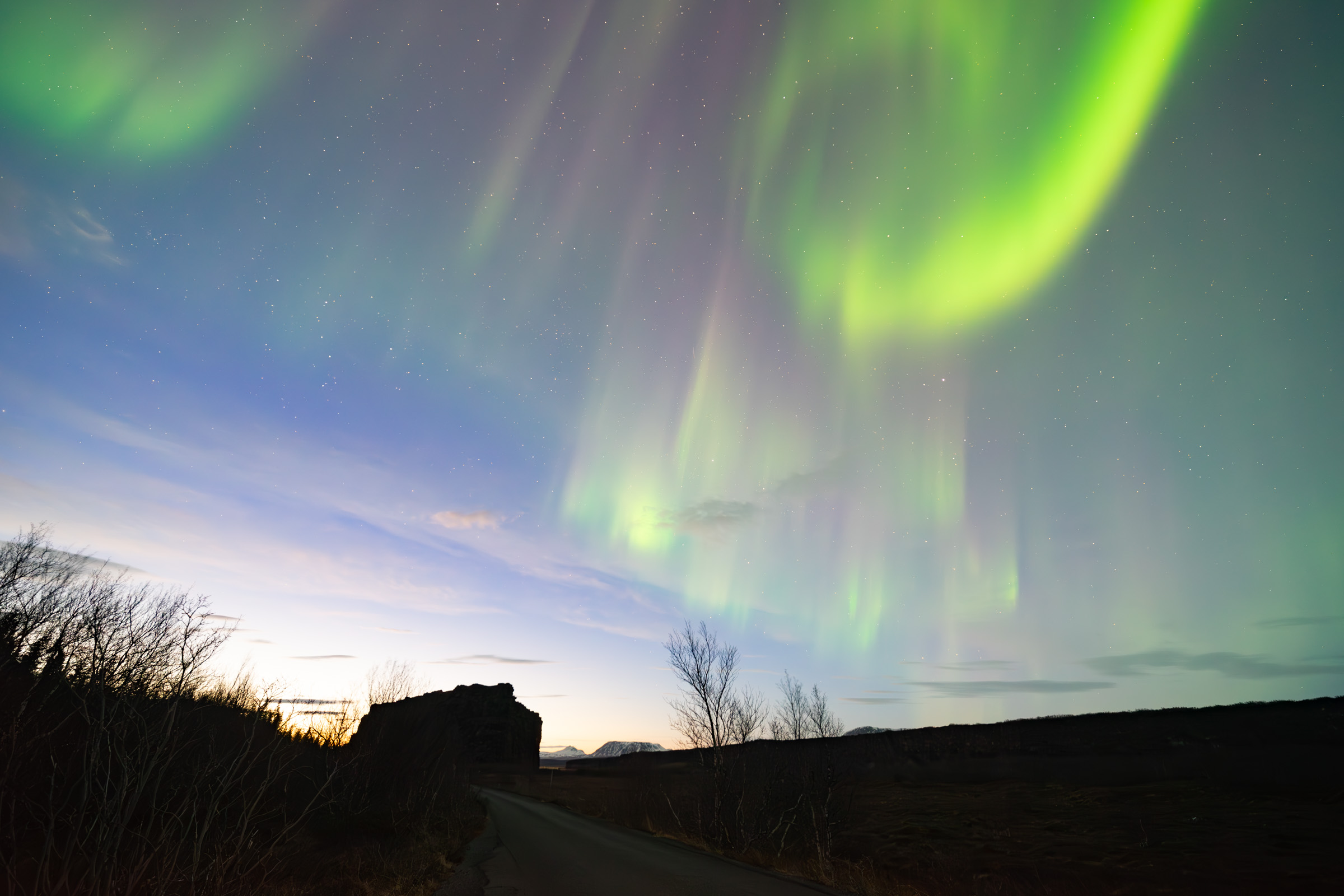
First Northern Lights of the Season
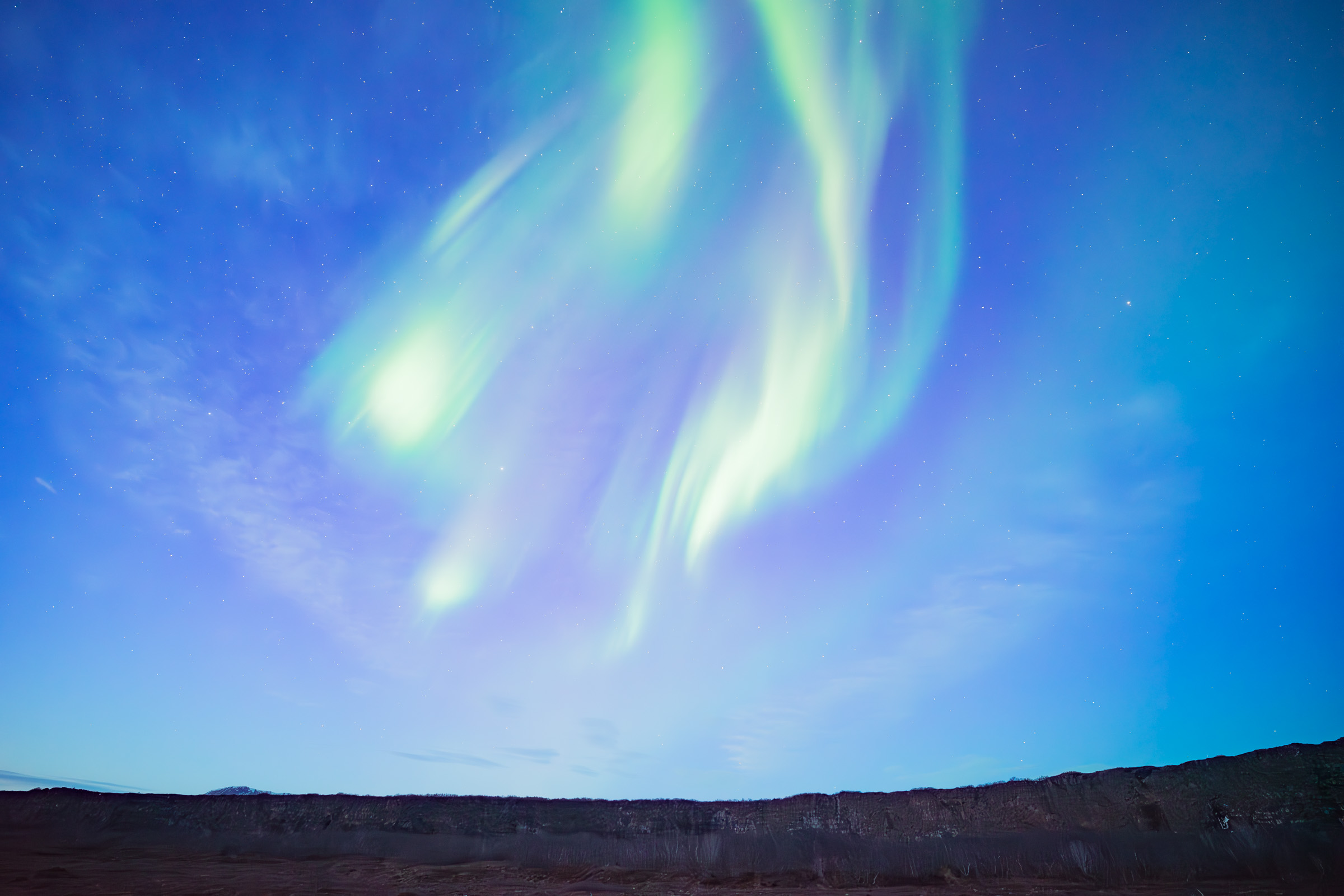
Strong auroral display visible to the bare eye, even though the sky is not fully dark yet
WHAT TO EXPECT FROM EARLY-SEASON AURORAS
Solar activity in late August is typically similar to what you’ll see through the rest of the season — the Kp index and solar wind don’t follow the calendar, they follow the sun’s own 27-day rotation and longer-term solar cycle. What does change seasonally is darkness: as September and October arrive, the nights lengthen further, and viewing windows grow longer.
That means late August is a genuine start, not a preview. If conditions are right — clear skies, active solar wind — you can see a real display on night one of the season.
The best way to know if tonight is one of those nights: check our daily Aurora Forecast, updated every morning with cloud cover, solar activity, moon phase, and exactly how dark it needs to get before the chase is worth it.
BOOKING THE FIRST TOUR OF THE SEASON
Our first Northern Lights tour start running August 15, with minibus and private options available from the very first night. Early-season tours tend to book up quickly among travelers who already have eclipse trips planned — if you want a spot in that first week, it’s worth reserving ahead rather than waiting to check the forecast on the day.
Every tour includes a free retry if the aurora doesn’t show — so even if your first night is quiet, you’re covered for another chase later in your stay.
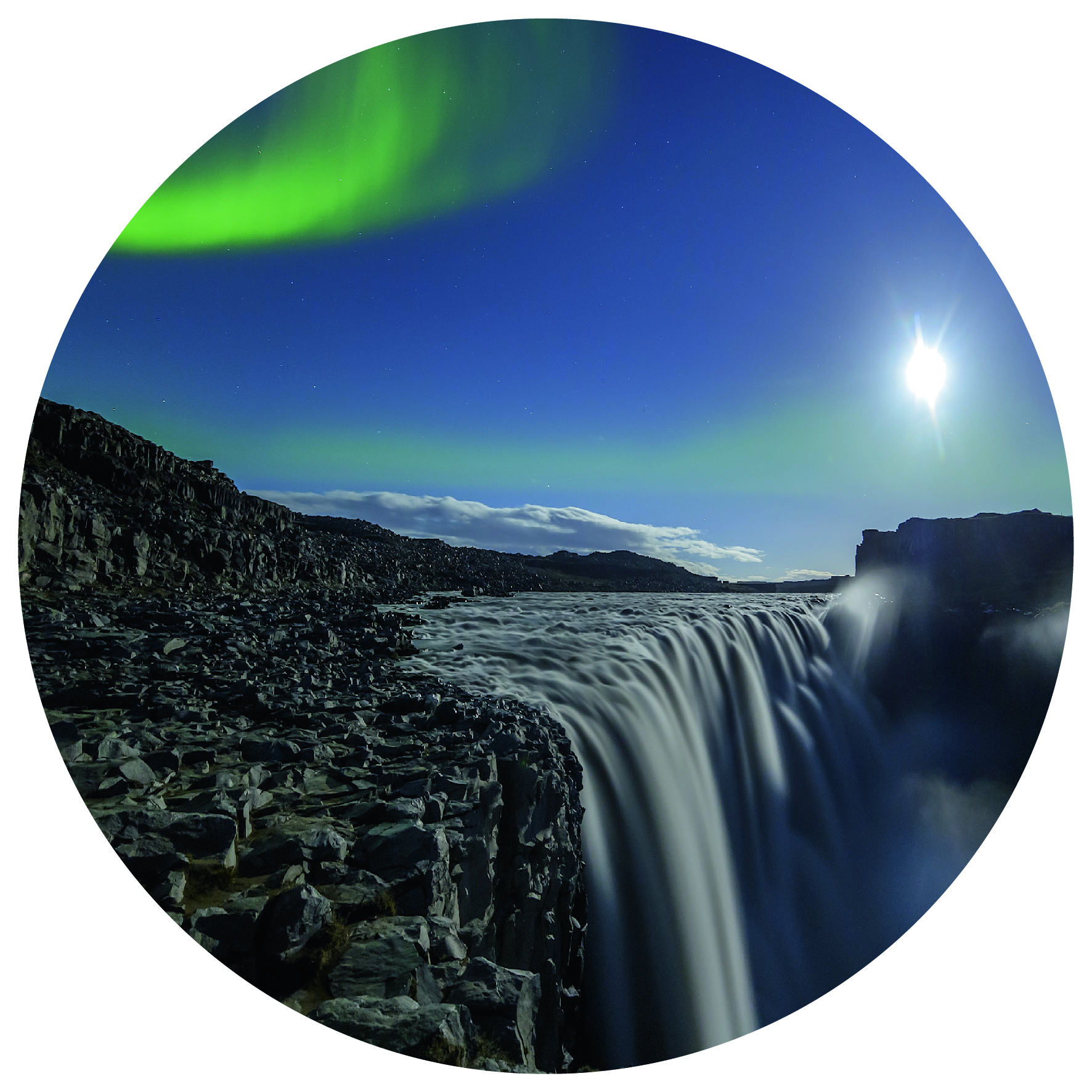
Dramatic full moon aurora at Dettifoss in late August 2025
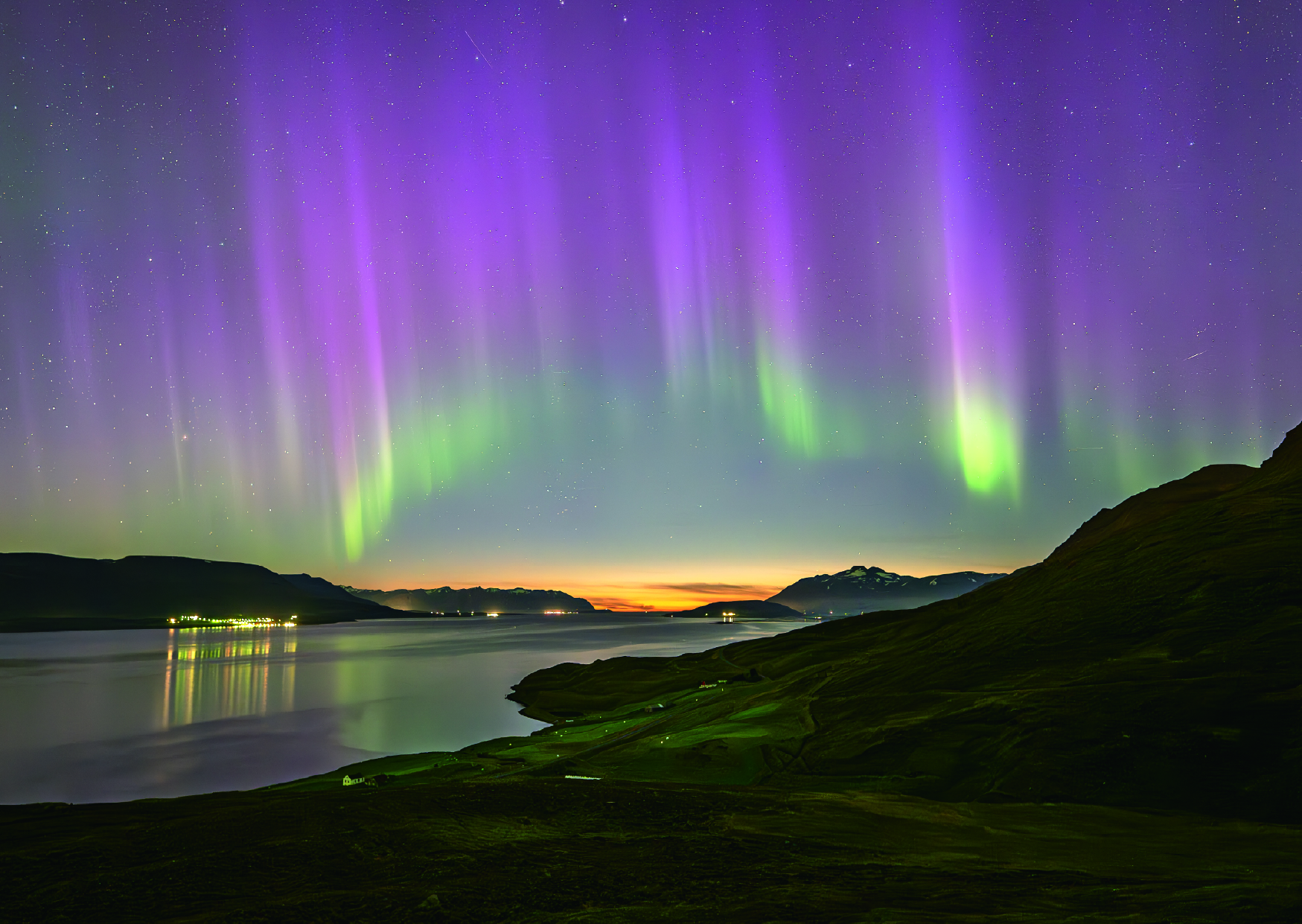
Tall purple aurora pillars fade into green near the horizon above Eyjafjörður, a fjord in North Iceland, as the last light of sunset lingers.
CLOUDY ON THE NIGHTS YOU’RE HERE?
If the forecast isn’t cooperating, Aurora Reykjavík is open year-round regardless of the weather — the world’s first 360° VR Northern Lights experience, a timelapse Aurora film, and everything you need to know about reading the sky before you head out on your own.
Season’s starting. See you out there.
EXPLOREZ PLUS À AURORA REYKJAVÍK
- Visitez notre Centre des aurores boréales pour tout savoir sur les aurores boréales.
- Découvrez les meilleurs conseils pour photographier les aurores boréales lors de votre prochaine aventure.
- Découvrez les meilleurs mois pour observer les aurores boréales dans notre guide.
REJOIGNEZ-NOUS POUR LE PLUS BEAU CIRCUIT D'OBSERVATION DES AURORES BORÉALES EN ISLANDE
Alors, si vous le pouvez, achetez votre billet et profitez du voyage. Vous trouverez ici notre sélection de circuits triés sur le volet :
NOTRE MEILLEURE VENTE
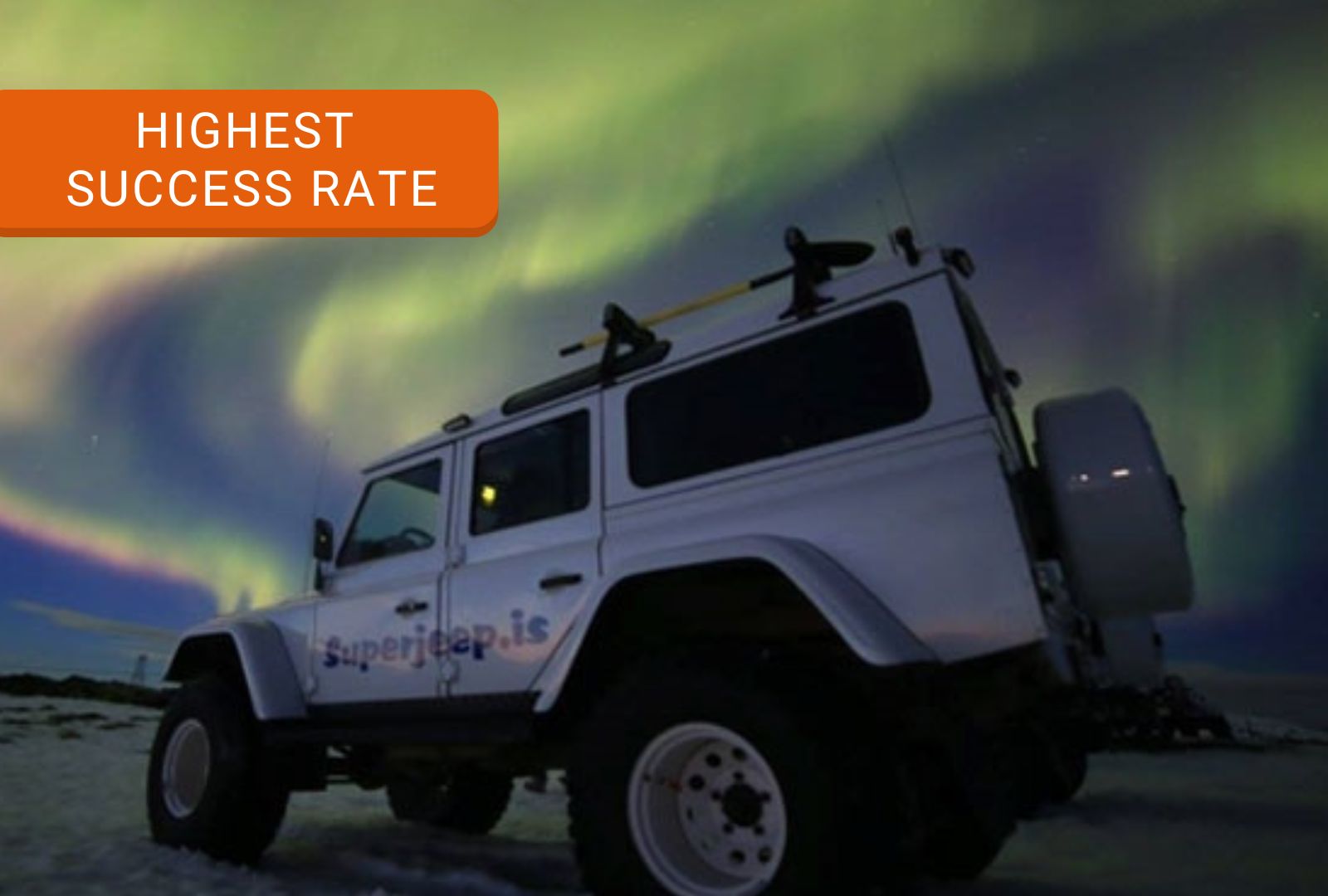
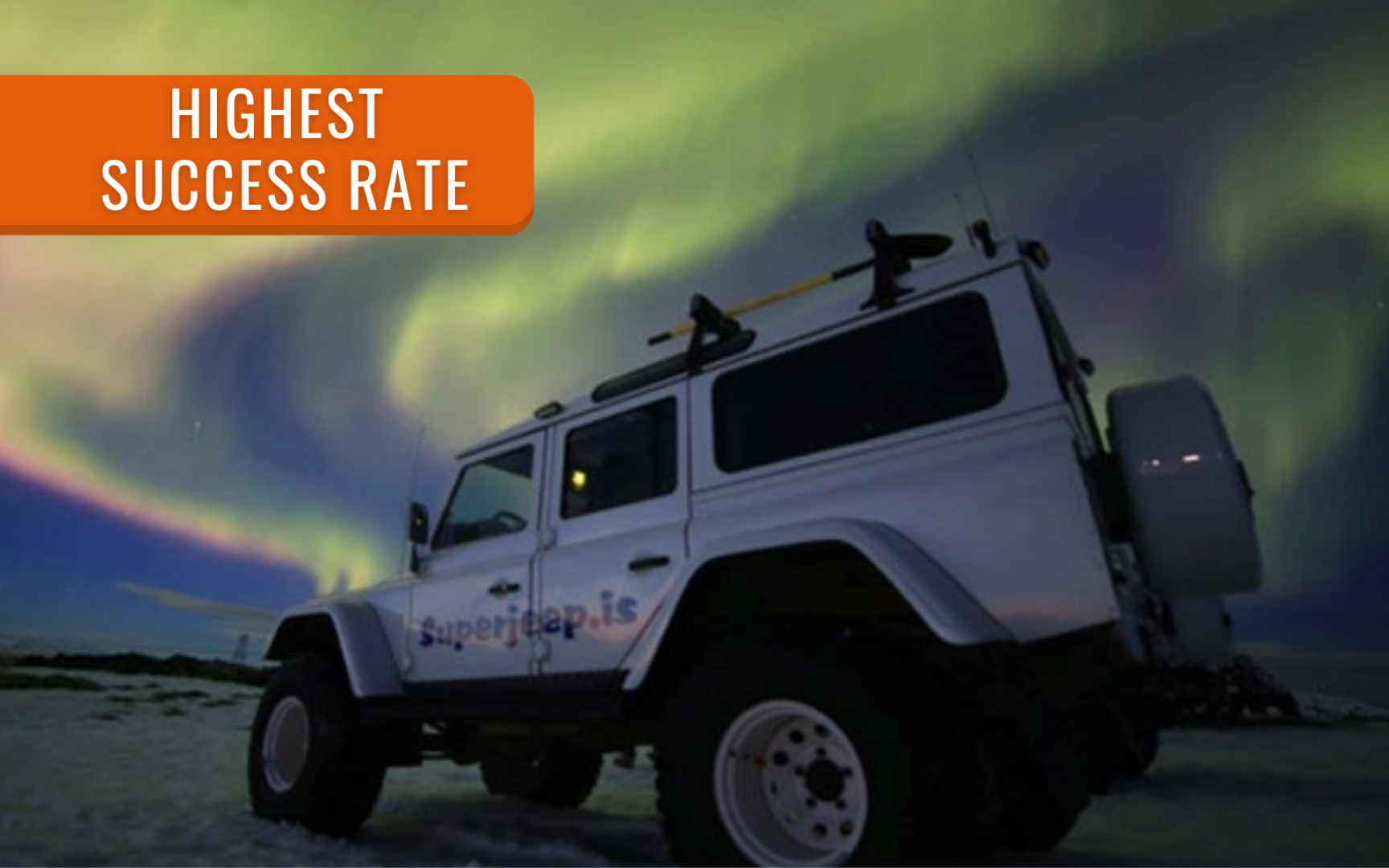
NORTHERN LIGHTS SUPER JEEP TOUR
POINTS FORTS:
✓ Guided premium Northern Lights tour in a super jeep
✓ Free pick-up and drop-off
✓ Free quality photos
✓ Homemade hot chocolate
✓ Warm vehicles on location
HIGHEST SUCCESS RATE
FREE ADMISSION TO AURORA REYKJAVÍK – SAVE 3900 ISK
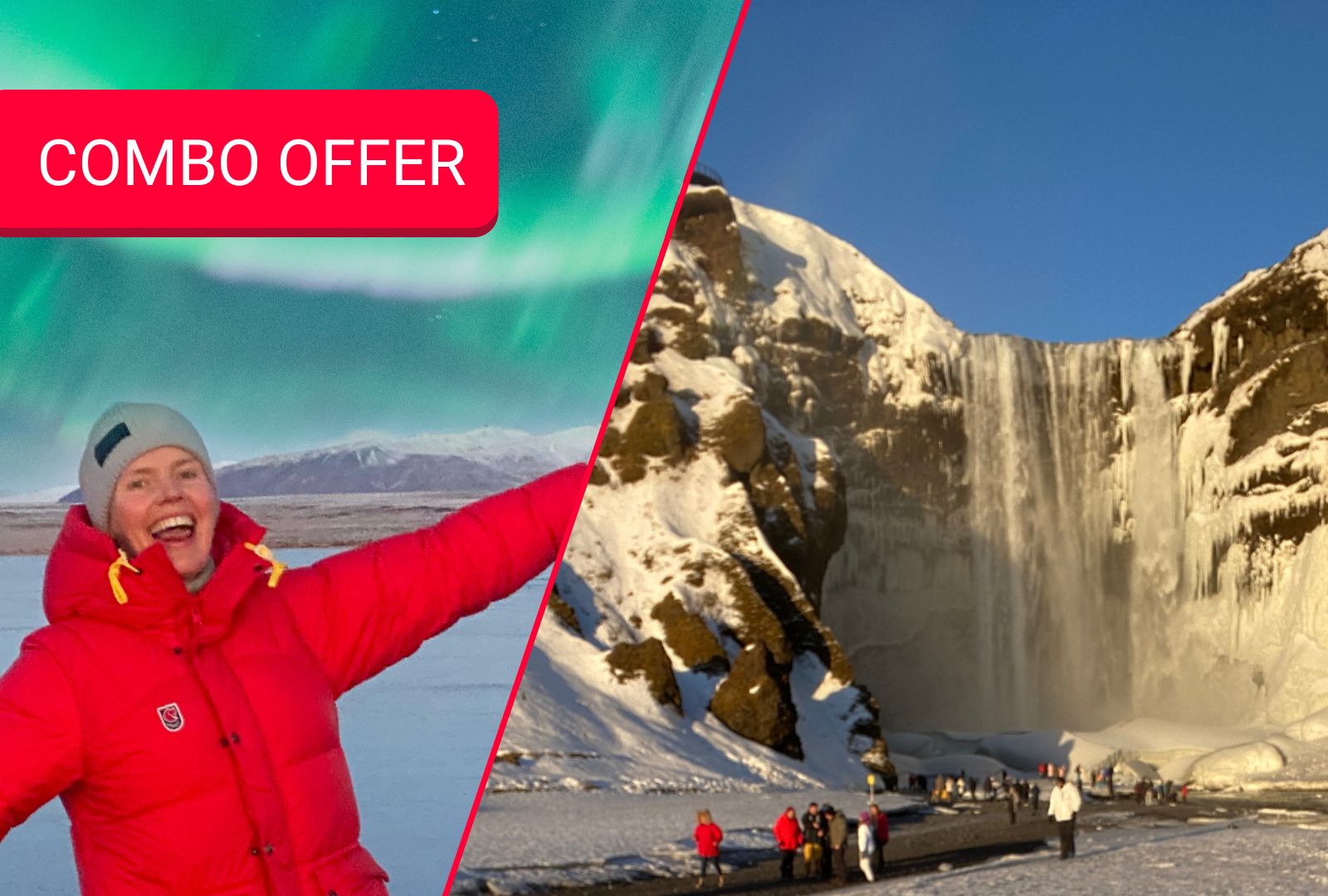
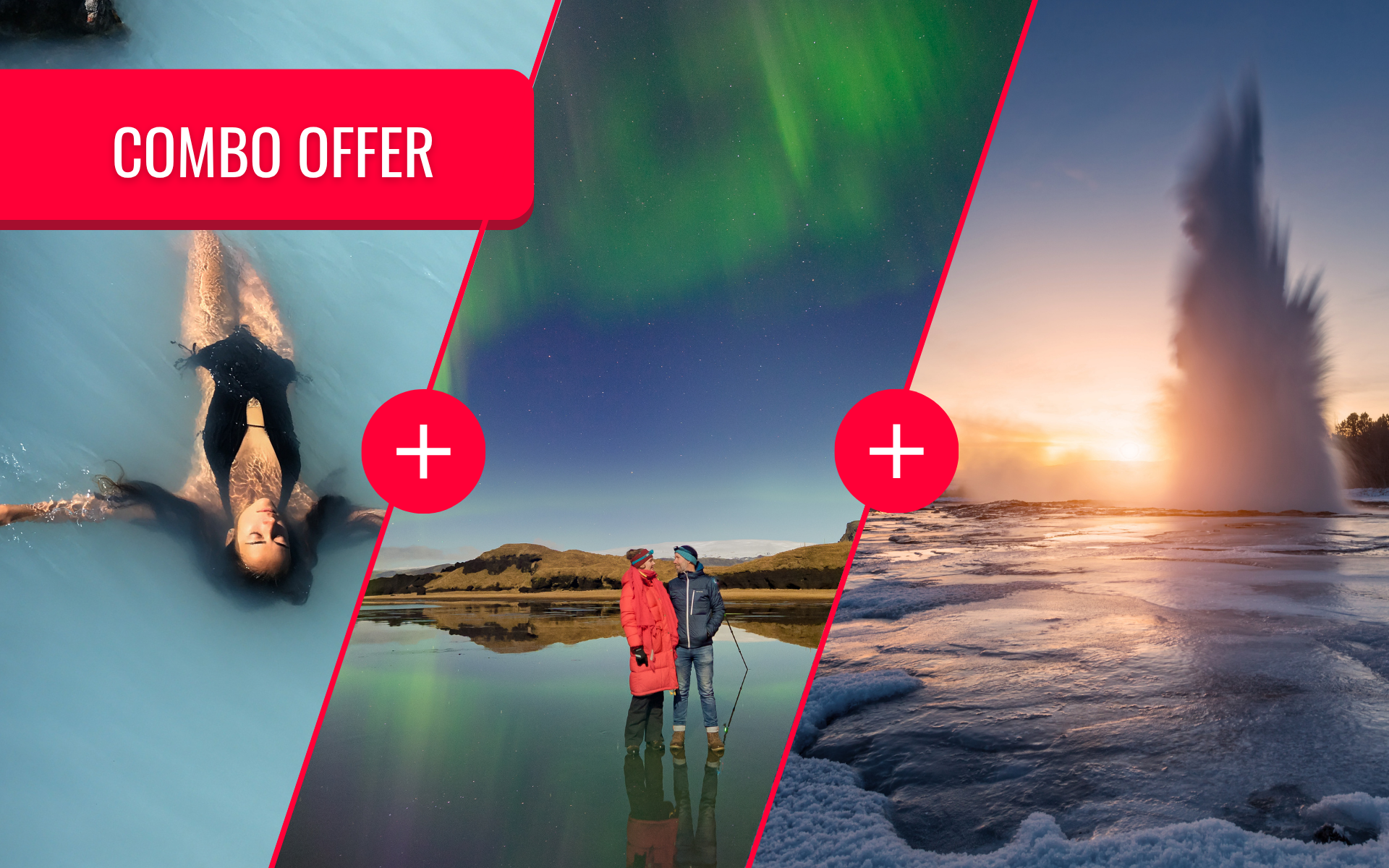
NORTHERN LIGHTS & SOUTH SHORE
POINTS FORTS:
✓ 2IN1 OFFER: SAVE OVER ISK 2000
✓ Visit Sólheimarjökull glacier
✓ Stroll around the town Vík
✓ Walk at the .
✓ See the majestic waterfalls Skógafoss and Seljalandsfoss
✓ Witness the Northern Lights dance
BEST VALUE FOR MONEY
NORTHERN LIGHTS GUARANTEE: FREE RETRY IF NO LIGHTS ARE SEEN
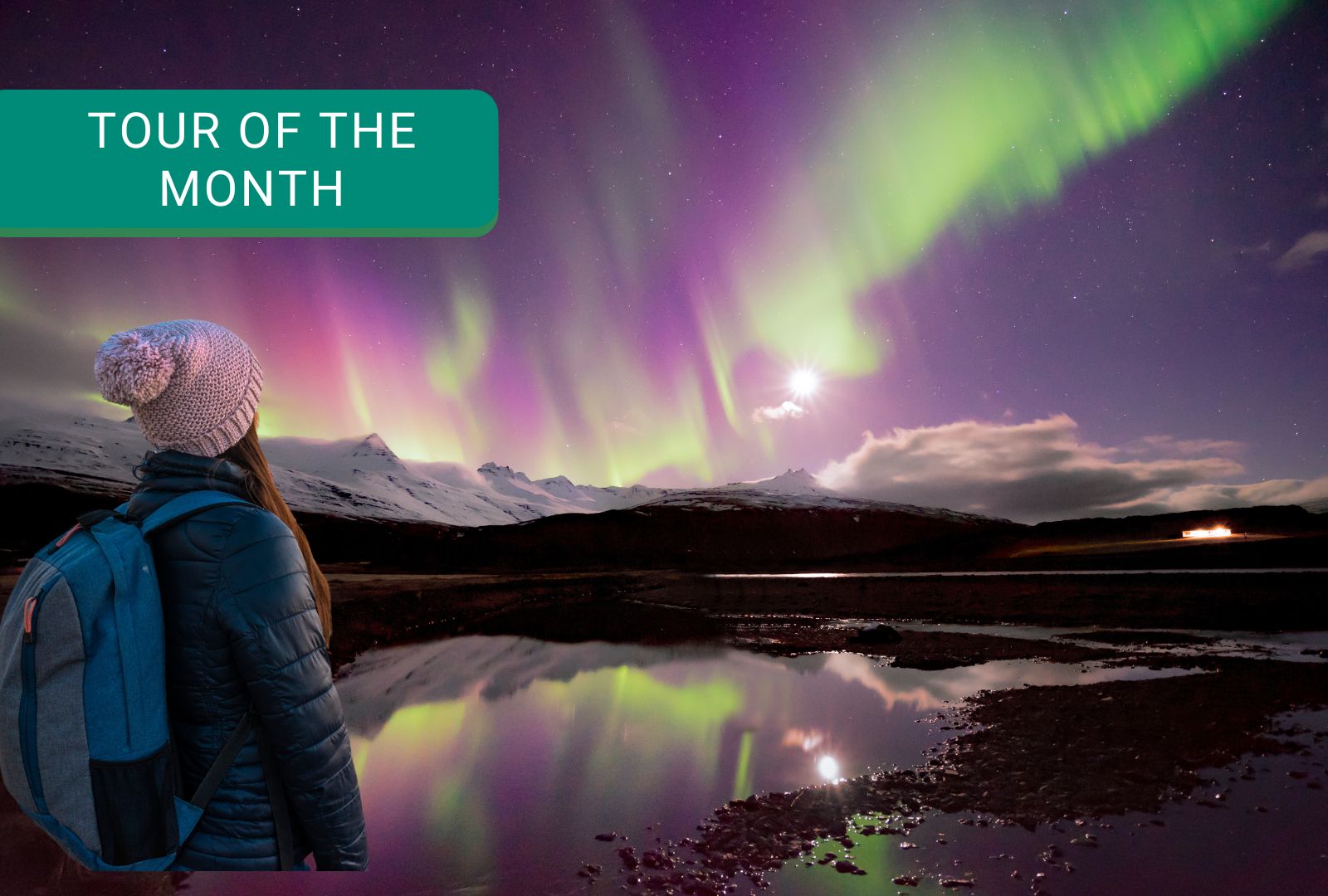
EXCURSION EN PETIT GROUPE DES AURORES BORÉALES
POINTS FORTS:
✓ Northern Lights Tour in a small bus
✓ Free photos of you under the Northern Lights
✓ Homemade hot Chocolate et Pastries
✓ Prise en charge et retour gratuits
MOST POPULAR TOUR
Katarina Raker
À PROPOS DE L'AUTEURE : KATARINA RAKER
Katarina Raker is a passionate Northern Lights expert and award-winning photographer based in Iceland. With years of experience chasing the aurora across the Arctic, she combines her love for storytelling with a deep knowledge of the science behind the Northern Lights. As a team member at Aurora Reykjavík, Katarina is dedicated to helping travelers experience the magic of the aurora borealis through expert tips, guided tours, and stunning photography. When she’s not capturing the sky’s most dazzling displays, Katarina enjoys exploring Iceland’s breathtaking landscapes and sharing her adventures with the world.