
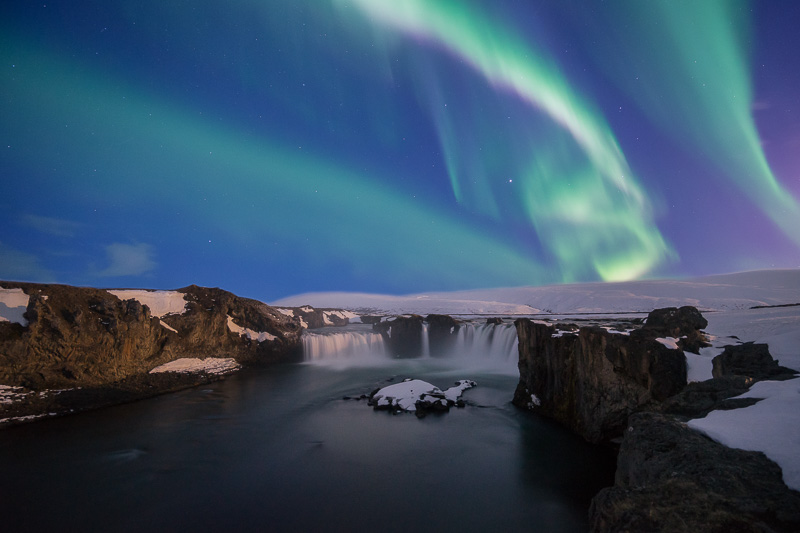
ICELAND IN MARCH: WEATHER, NORTHERN LIGHTS & BEST THINGS TO DO
If you’re wondering about Iceland March weather, aurora chances, and what to pack, this complete Iceland in March travel guide covers everything you need to know.
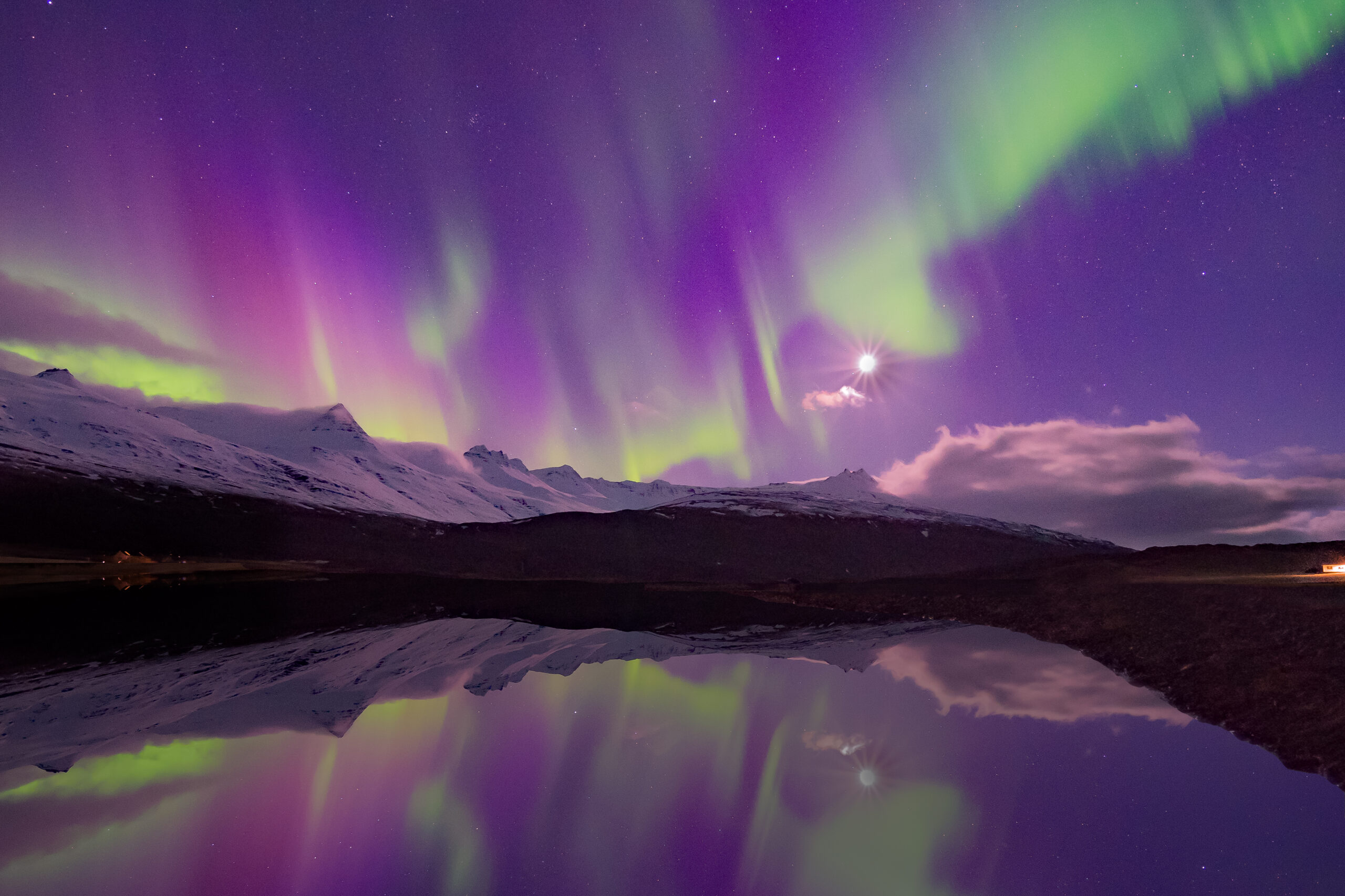
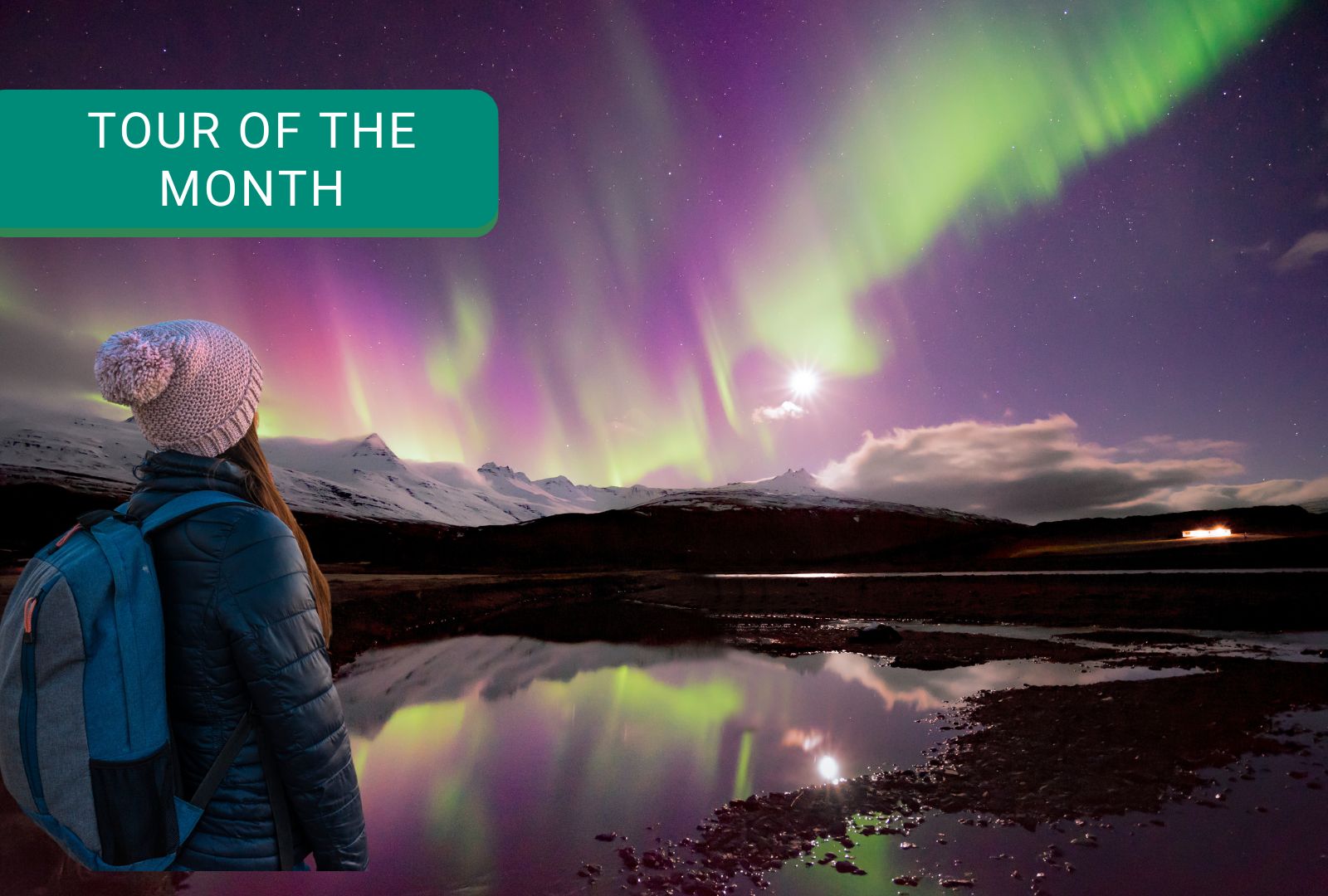
Full moon aurora at Þingvellir National Park, Iceland
Is March a Good Time to Visit Iceland?
Yes! March is one of the best months to visit Iceland if you want winter landscapes, fewer crowds, growing daylight hours, and strong aurora potential.
Pros
- High chance of seeing the Northern Lights in Iceland in March
- Longer daylight than January or February
- End-of-season access to ice caves
- Less crowded than summer
- Slightly more stable weather than mid-winter
Cons
- Still cold and windy at times
- Snow and ice possible, especially early March
- Highland roads remain closed
Who March Is Perfect For
March is ideal for aurora hunters, photographers, travelers seeking value before peak season, and visitors who want winter landscapes without extreme darkness.
Iceland March Weather
The weather in Iceland in March marks the shift from winter toward spring.
Here’s what you can typically expect:
- Average temperatures range from -2°C to 4°C (28°F to 39°F).
- Snowfall is still possible, particularly in early March and in northern regions.
- Wind can be moderate to strong, especially along the South Coast.
- Road conditions are mixed – main routes are maintained, but icy patches remain possible.
- Storm risk is lower than in January and February, but winter systems can still pass through.
Early March vs Late March
Early March feels like winter: snow-covered landscapes, darker evenings, and icy conditions.
By late March, daylight increases significantly, snow begins melting at lower elevations, and temperatures become slightly milder — though winter is not fully over.
Always check local weather forecasts and road conditions before driving, especially if planning longer trips along the Ring Road.
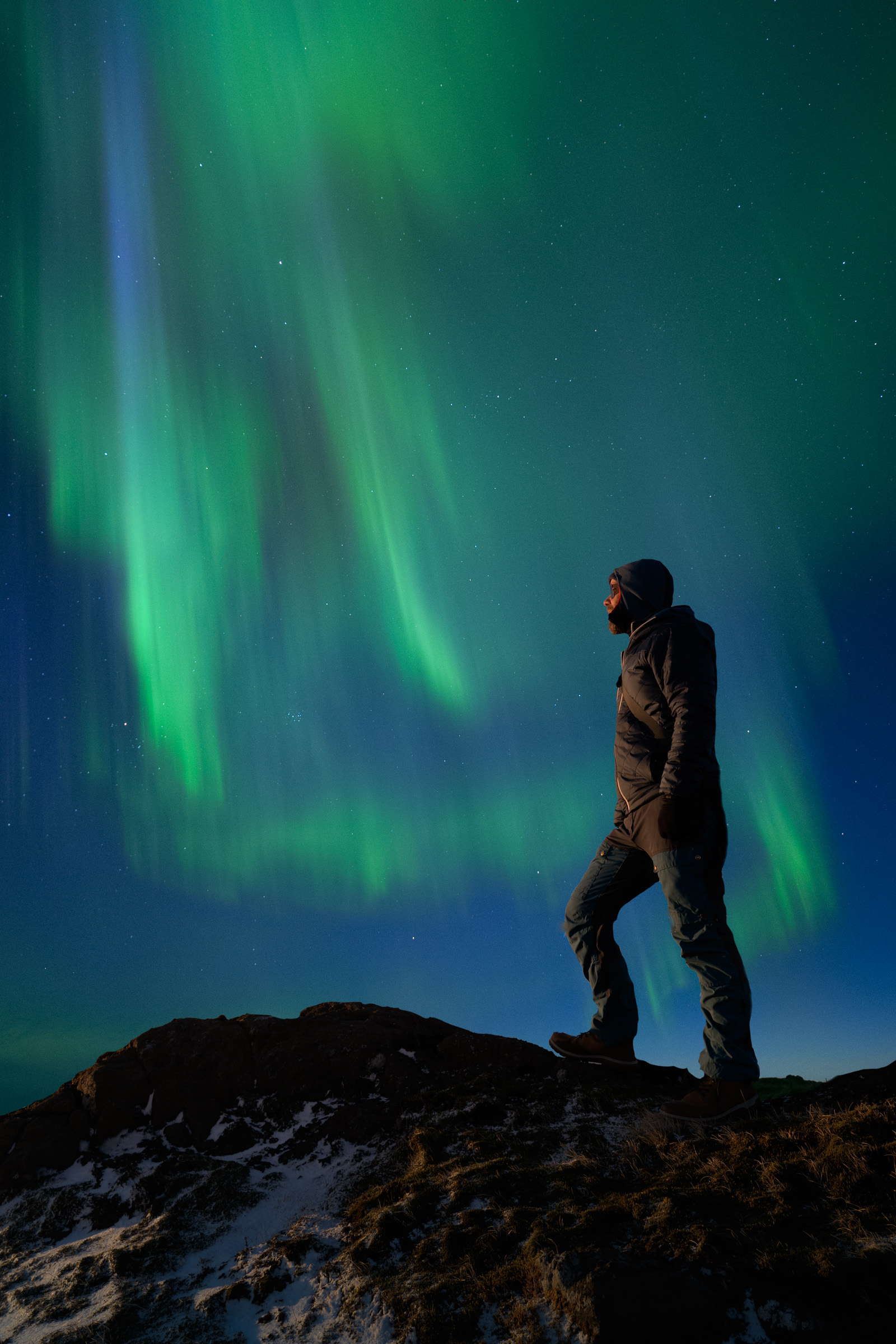
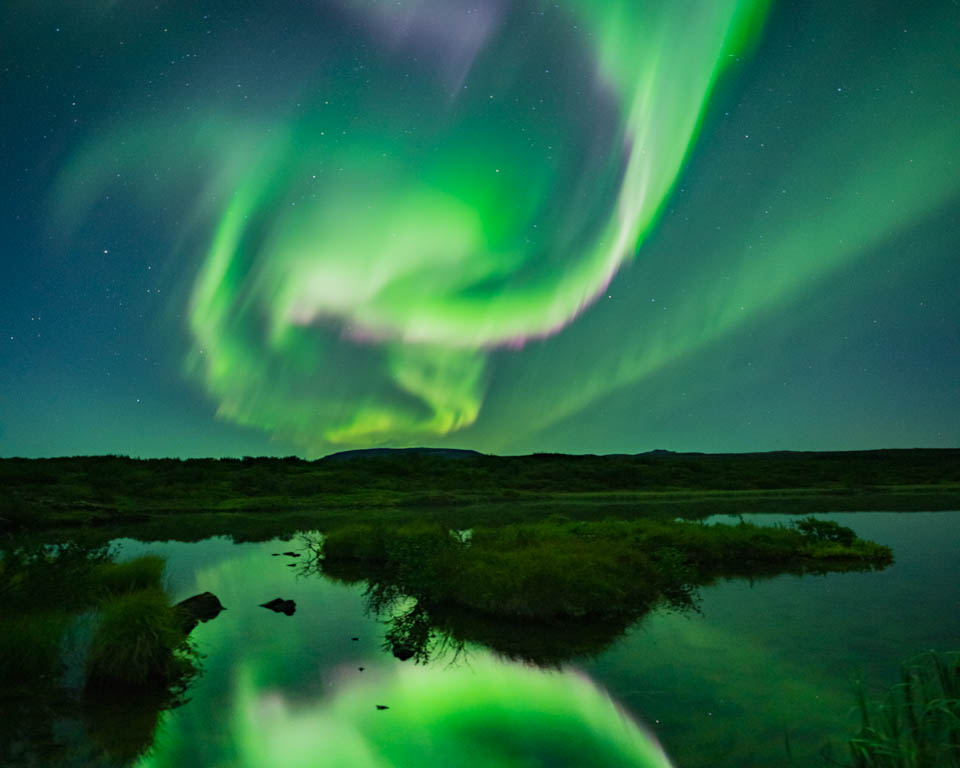
Aurora sightings over Iceland in March
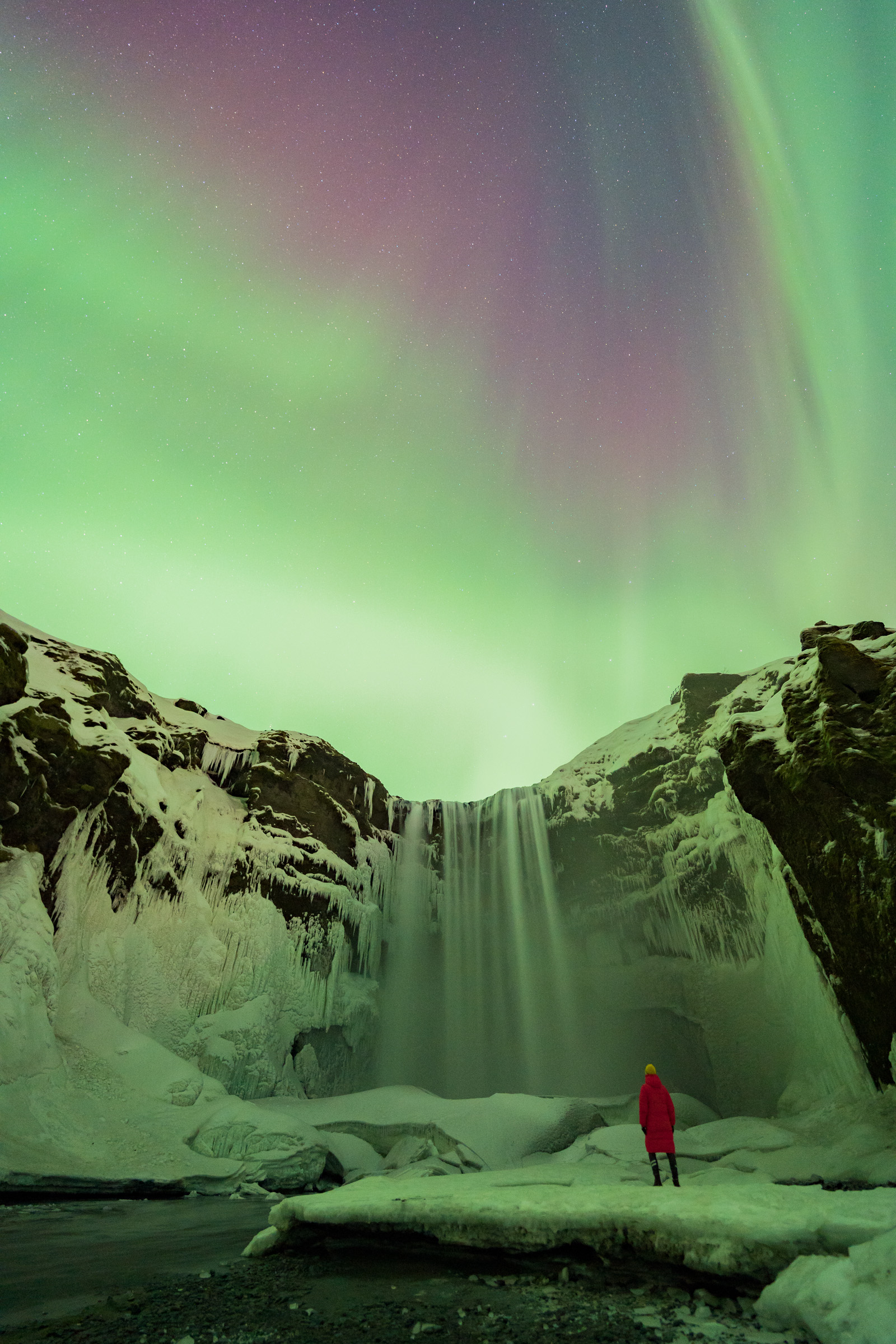
This could be you! Make your northern lights dream come true with the perfect tour
Can You See the Northern Lights in Iceland in March?
Yes! March is one of the last excellent months to see the Northern Lights in Iceland before the midnight sun season begins.
Why March Is Strong for Aurora Viewing
- Early March still offers around 10 hours of darkness.
- The spring equinox period can bring increased geomagnetic activity.
- Temperatures are less extreme than mid-winter.
- Weather patterns are often slightly more stable than January.
At Aurora Reykjavík, we monitor solar activity and cloud forecasts daily. March often delivers an ideal combination: sufficient darkness for auroras, improving weather stability, and longer days for exploring Iceland.
Expert insight: Clear skies matter more than high aurora KP numbers. Cloud cover is the most important factor when planning your hunt.
For a complete planning overview, we also recommend our Ultimate Guide to Seeing the Northern Lights in Iceland and our Northern Lights Month-by-Month Guide
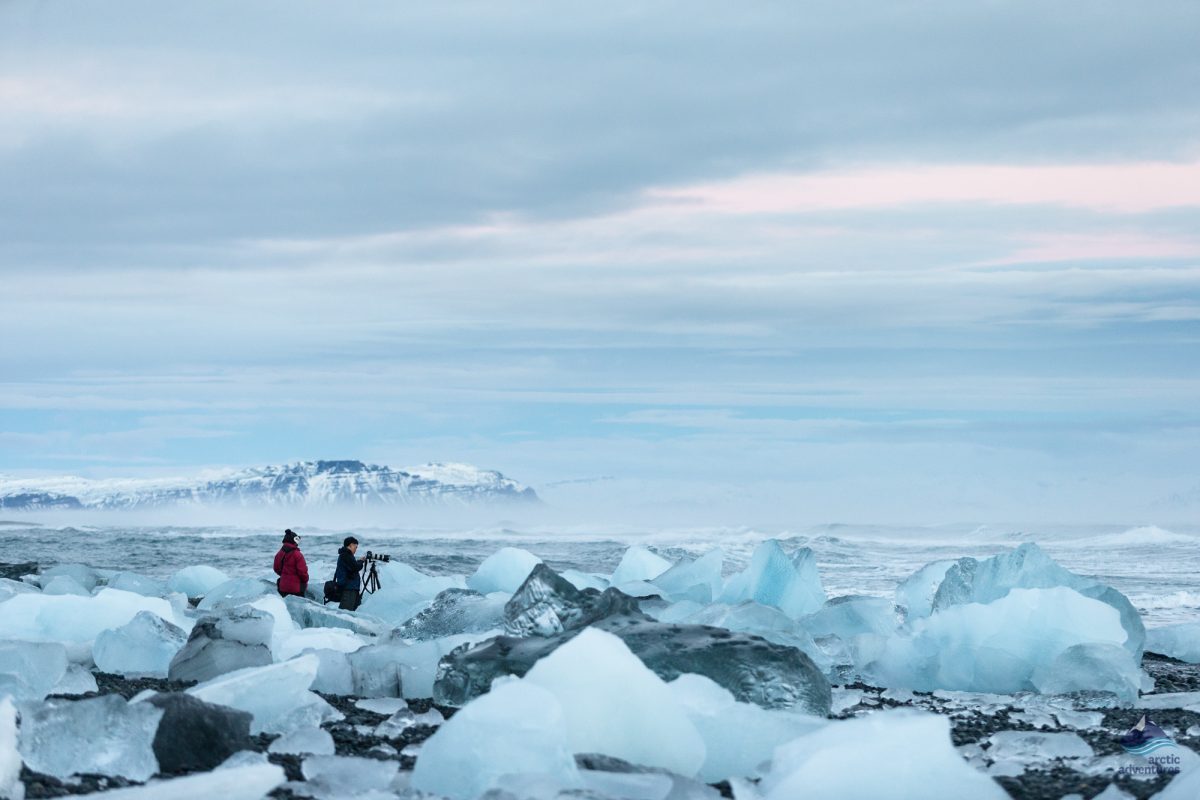
Longer days allow for longer tours – like our South Shore and Glacier Lagoon excursion
Daylight Hours in March
Daylight increases dramatically throughout March, making it one of the most balanced months of the year.
- On March 1, Iceland receives about 10 hours of daylight.
- By mid-month, daylight reaches approximately 12 hours.
- By March 31, you can expect over 13 hours of daylight.
This makes visiting Iceland in March ideal for road trips, photography, and sightseeing without the time constraints of deep winter darkness.
Compared to February, you gain nearly three extra hours of usable daylight by the end of the month.
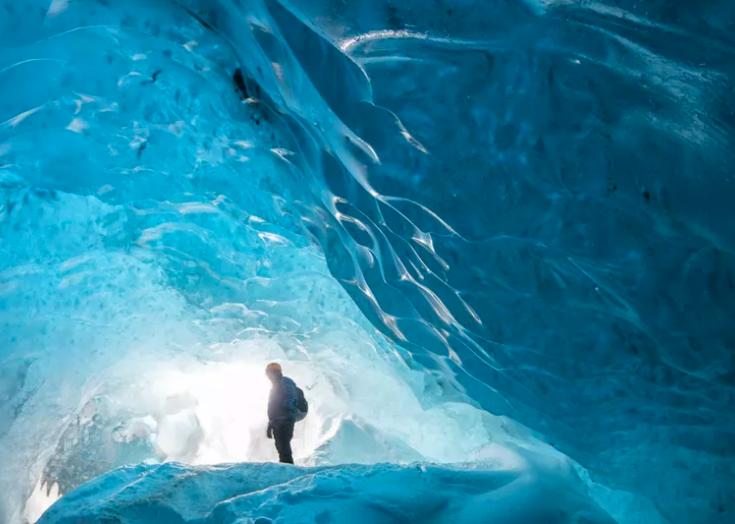
Explore the Icelandic glaciers with the experts, join our 2-day South Iceland tour
Best Things to Do in Iceland in March
Northern Lights Hunting
March remains prime aurora season. Guided tours increase your chances by tracking cloud cover and geomagnetic activity in real time.
Learn how to choose the best tour for you here.
Ice Caves (End of Season Opportunity)
March is often the final chance to visit natural ice caves before warmer spring temperatures make them inaccessible.
Glacier Hiking
Cold temperatures keep glacier conditions stable for guided hikes.
Cercle d'or
Þingvellir National Park, Geysir geothermal area, and Gullfoss waterfall are spectacular with snow-dusted scenery and fewer crowds than summer.
Find a hand-picked selection of Golden Circle tours here.
Whale Watching
March marks the beginning of the sprinng whale watching season, with tours operating from Reykjavík – even in combination with a northern lights cruise!
Visit Aurora Reykjavík
Aurora Reykjavík is the top northern lights indoor activity in Iceland. It is the only place in Iceland where you can experience the Aurora year-round – no matter the weather – through immersive exhibits, real aurora footage, and expert guidance before heading out on your tour.
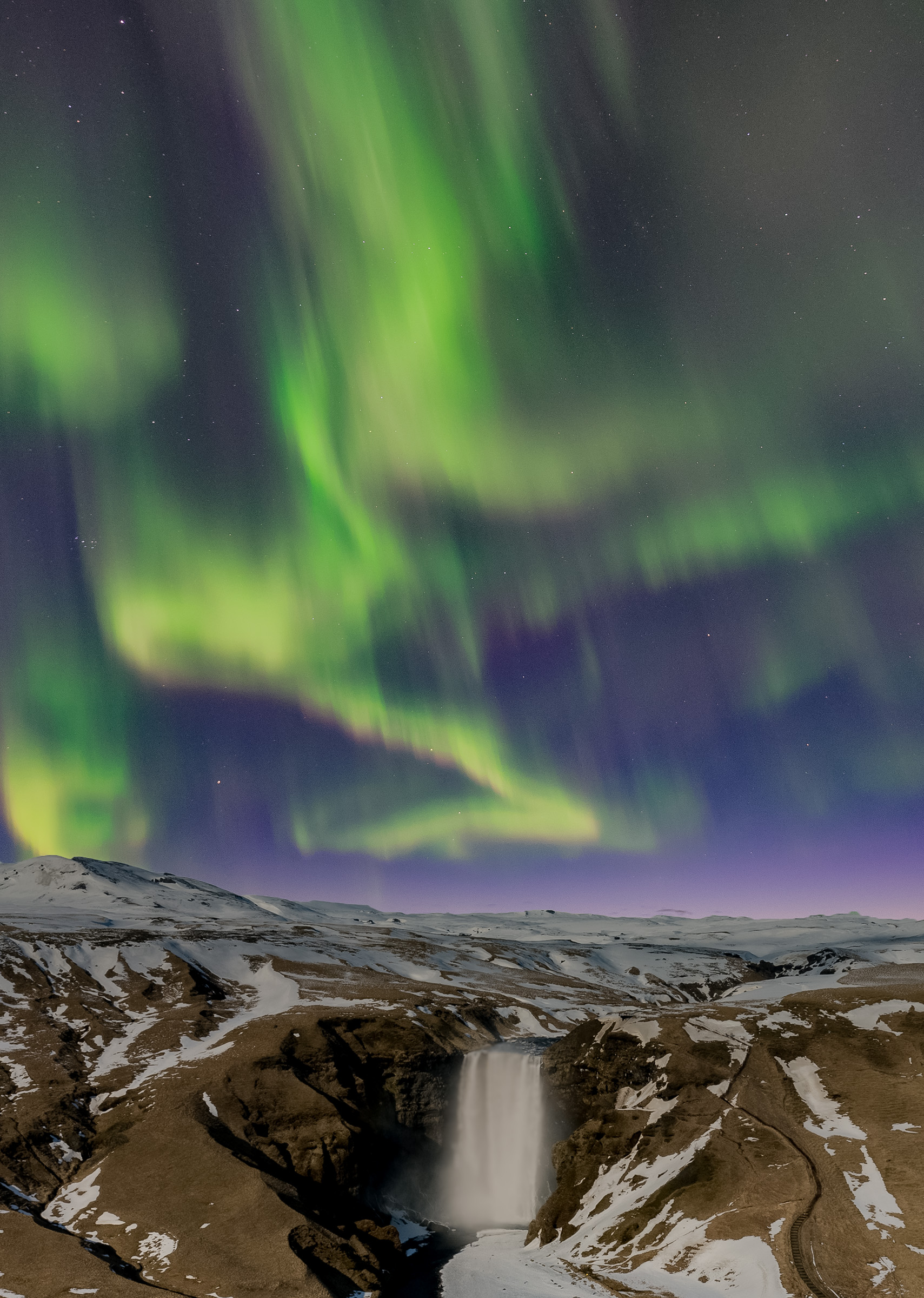
March Northern Lights Over Skógafoss, part of our 3-day Golden Circle and South Coast travel package
March vs February vs April
If you’re deciding between late winter and early spring, here’s how they compare:
February:
- Lowest daylight (around 7–10 hours)
- Excellent aurora chances
- Higher storm risk
- Fewer tourists
March:
- 10–13+ hours of daylight
- Excellent aurora conditions
- Improving weather stability
- Moderate crowd levels
April:
- 13–16 hours of daylight
- Aurora chances begin decreasing
- Milder temperatures
- Increasing visitor numbers
If Northern Lights are your priority, March is stronger than April. If you want milder weather and long days, April may be preferable.
What to Pack for Iceland in March
Packing properly is essential for comfort.
Bring:
- Waterproof jacket and pants
- Insulated mid-layer (down or fleece)
- Thermal base layers (preferably wool)
- Waterproof hiking boots
- Warm hat, gloves, and scarf/buff
- Swimsuit for hot springs
- Optional crampons for icy sidewalks or trails
Layering is key. Avoid cotton, as it retains moisture and increases heat loss.
Find out more about the recommended winter gear for iceland here.
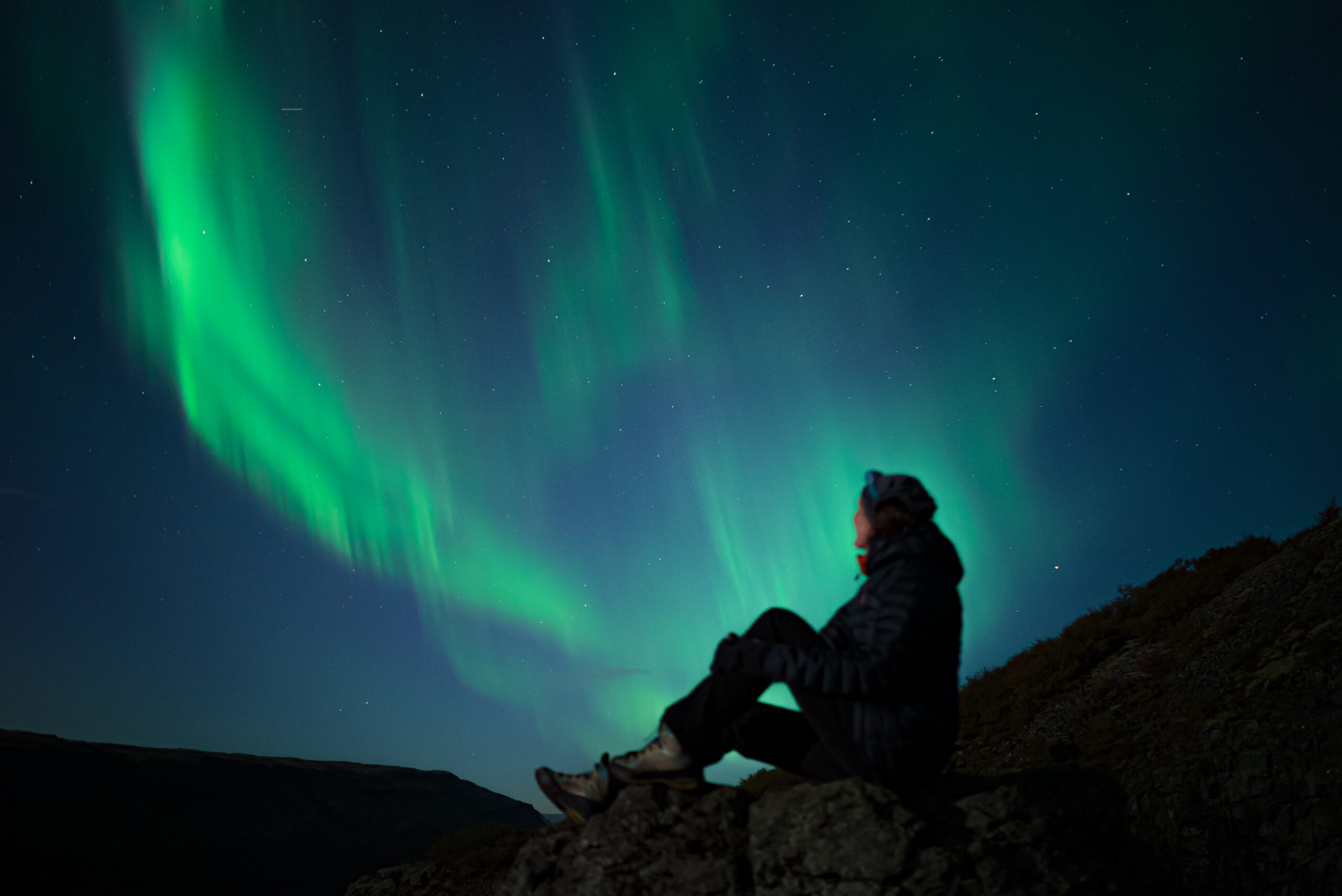
Layer up and get ready for your March adventure!
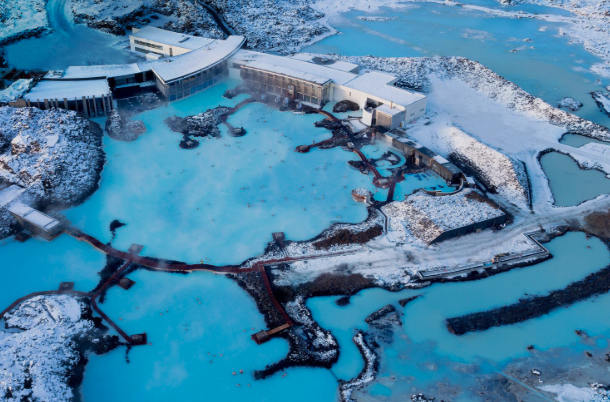
Snow capped lava fields at the Blue Lagoon
Who Should Visit Iceland in March?
March is ideal for:
- Photographers who want snow-covered landscapes and longer golden hours
- Aurora-focused travelers
- Visitors seeking fewer crowds than summer
- Budget-conscious travelers
- Families wanting a balance of daylight and indoor attractions
FAQ: Iceland in March
Is March too cold in Iceland?
No. Temperatures hover around freezing. With proper layering, it’s comfortable for outdoor exploration.
Are roads safe in March?
Yes, main roads are maintained. However, weather changes quickly, so always check conditions before driving.
Can you drive the Ring Road in March?
Yes, but winter driving experience is recommended. The Highlands remain closed.
Is March cheaper than summer?
Yes. Flights, accommodations, and many tours are typically less expensive than during peak season.
When does winter end in Iceland?
Winter transitions during March, but true spring conditions usually arrive in April or May.
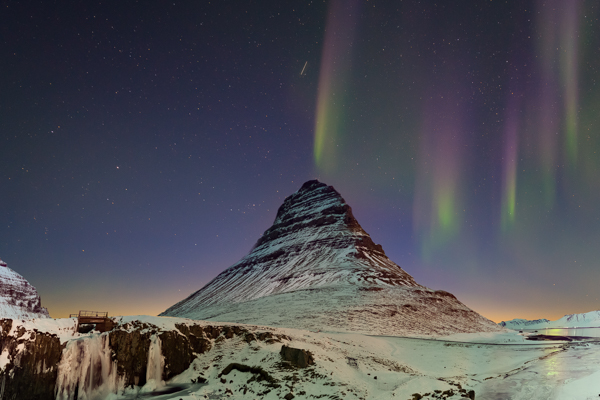
Kirkjufell on Snæfellsnes Peninsula, an exciting day tour from Reykjavík
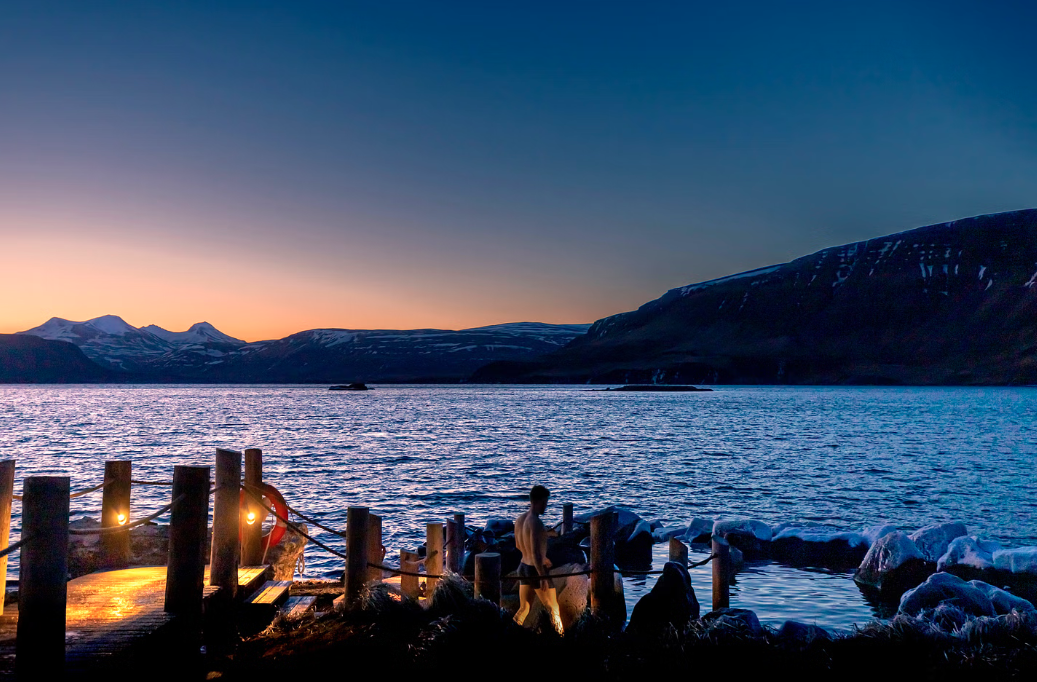
Longer days and beautiful sunsets – enjoy the March light fading at Hvammsvík
Final Thoughts: Is March a Good Time to Visit Iceland?
If you want winter beauty, strong Northern Lights in Iceland in March, increasing daylight, and fewer crowds than summer — March is an excellent choice.
It offers one of the most balanced travel experiences of the year: winter adventure by day, aurora hunting by night, and steadily growing daylight in between.
For many travelers, March may be the perfect month to visit Iceland.
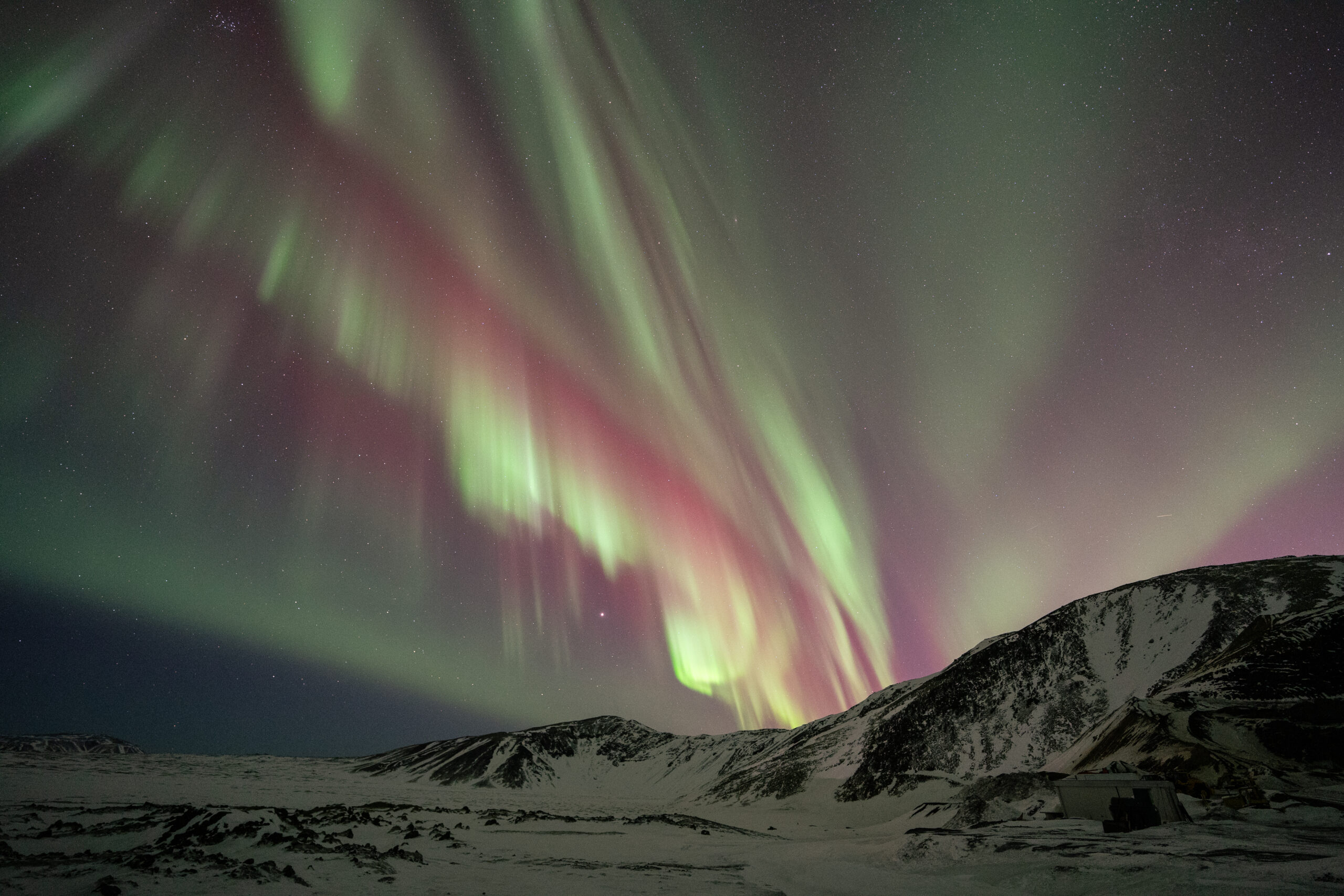
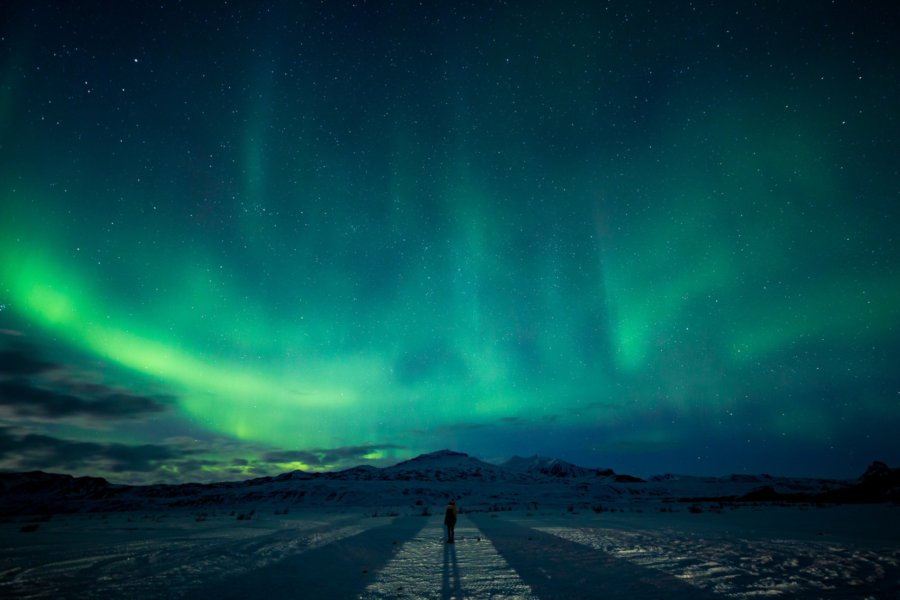
Northern Lights in March
JOIN US ON ICELAND'S BEST NORTHERN LIGHTS TOUR
OUR BESTSELLER
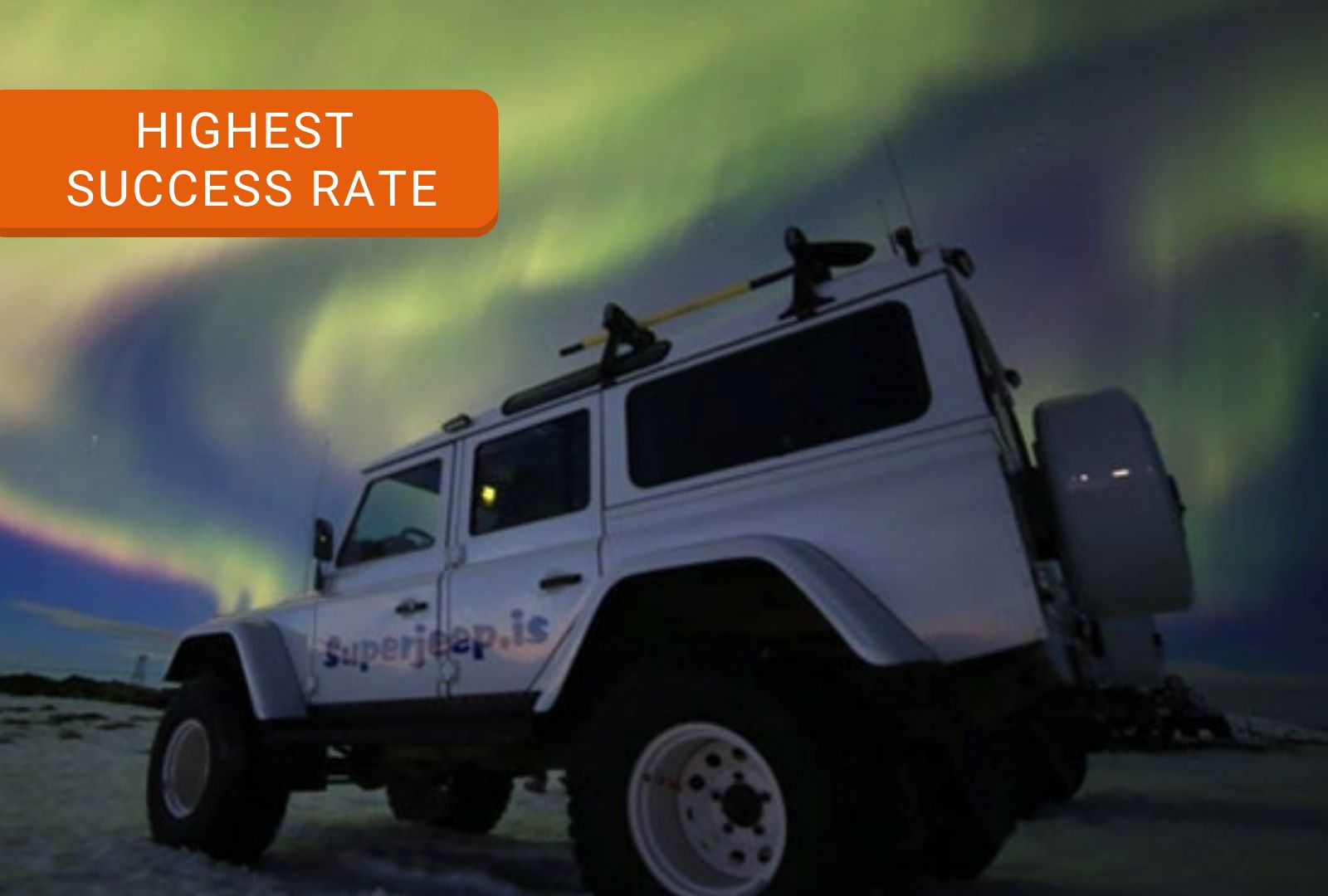
NORTHERN LIGHTS SUPER JEEP TOUR
POINTS FORTS:
✓ Guided premium Northern Lights tour in a super jeep ✓ Free pick-up and drop-off ✓ Free quality photos ✓ Homemade hot chocolate ✓ Warm vehicles on location
HIGHEST SUCCESS RATE
FREE ADMISSION TO AURORA REYKJAVÍK – SAVE 3900 ISK
NORTHERN LIGHTS & SOUTH SHORE
POINTS FORTS:
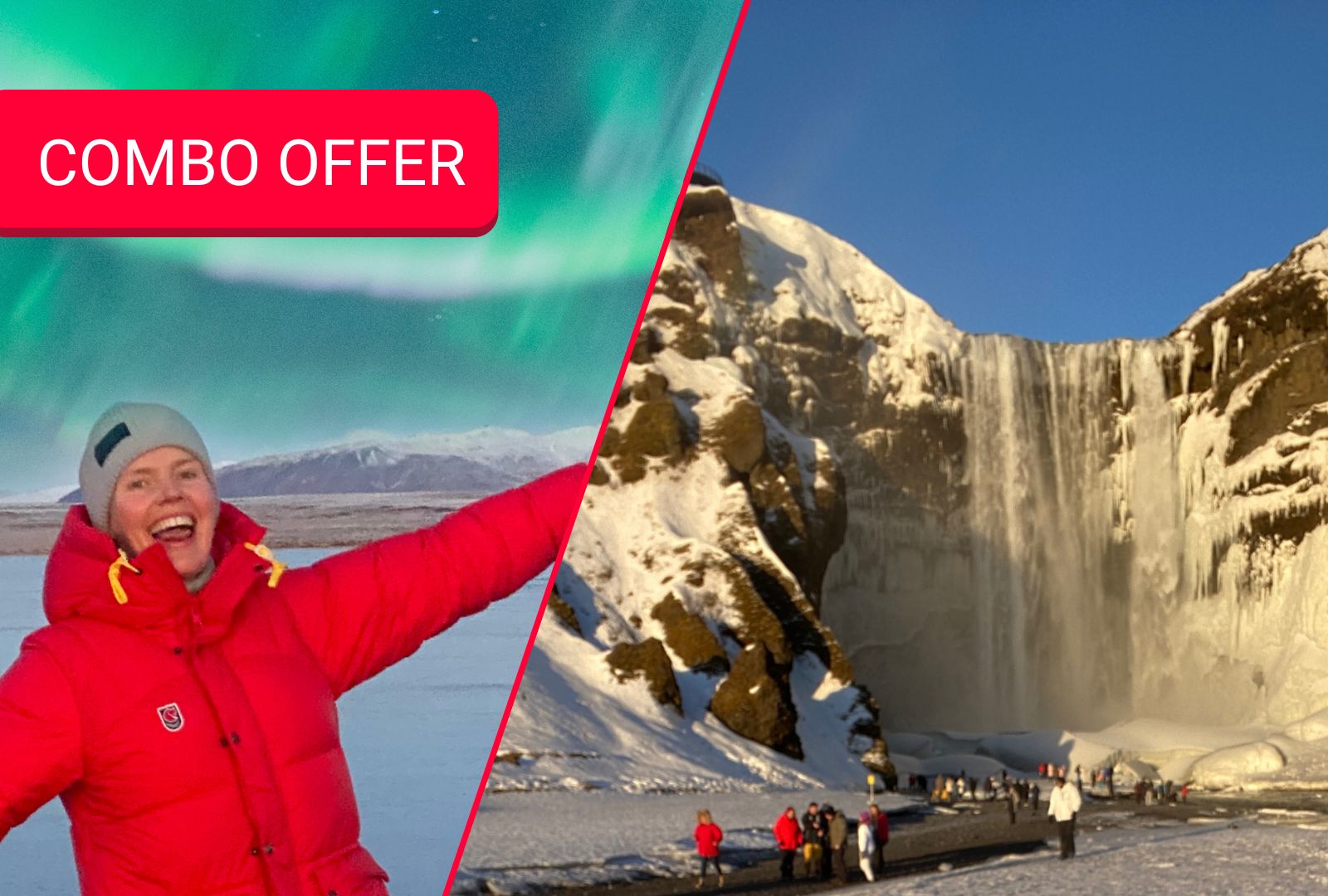
✓ 2IN1 OFFER: SAVE OVER ISK 2000 ✓ Visit Glacier Sólheimarjökull ✓ Stroll around the town Vík ✓ Walk at the . ✓ See the majestic waterfalls Skógafoss and Seljalandsfoss ✓ Witness the Northern Lights dance BEST VALUE FOR MONEY NORTHERN LIGHTS GUARANTEE: FREE RETRY IF NO LIGHTS ARE SEEN
EXCURSION EN PETIT GROUPE DES AURORES BORÉALES
POINTS FORTS:
✓ Northern Lights Tour in a small bus
✓ Free photos of you under the Northern Lights
✓ Homemade hot Chocolate et Pastries
✓ Prise en charge et retour gratuits
MOST POPULAR TOUR
FAQ ABOUT THE NORTHERN LIGHTS
Quand puis-je voir les aurores boréales en Islande ?
Can you see the Northern Lights during a full moon?
What time do the northern lights show up?
How long do the northern lights last?
Can I see the northern lights when it is cloudy?
Do the northern lights only appear when it is cold?
Are the northern lights visible all over Iceland?
Are the northern lights really colourful?
Is a new moon better for aurora viewing?
Is the full moon good for aurora photography?
Katarina Raker
ABOUT THE AUTHOR: KATARINA RAKER