GOLDEN CIRCLE VS SOUTH COAST: ICELAND'S ULTIMATE DAY TOUR SHOWDOWN
The Must-See Golden Circle
The Unmissable South Coast
Choose the Perfect Tour for You
Iceland is a land of staggering beauty, and two of its most iconic sightseeing routes offer very different ways to experience it: the Golden Circle and the South Coast. Whether you’re planning a short trip or deciding which guided tour to book, this comparison will help you choose the perfect adventure.
The Golden Circle — Classic Iceland
The South Coast — Wild and Dramatic
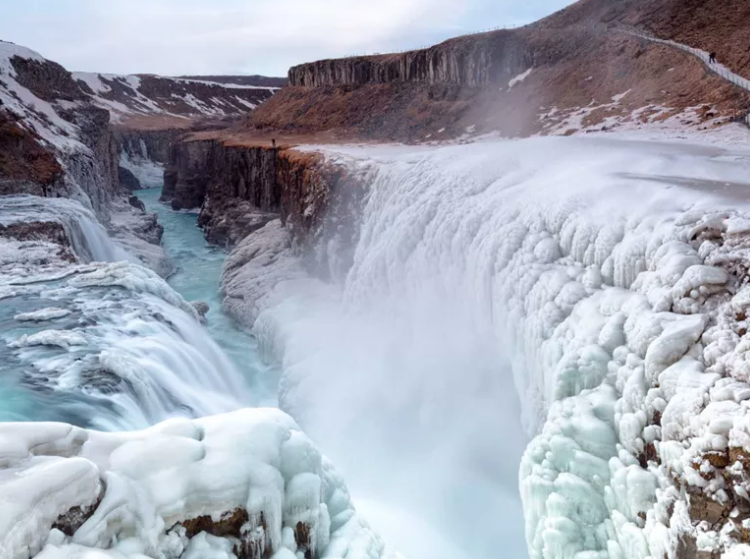
Icy Gullfoss on a winter day
The Golden Circle — Classic Iceland
What You’ll See
- Þingvellir National Park — A UNESCO World Heritage site.
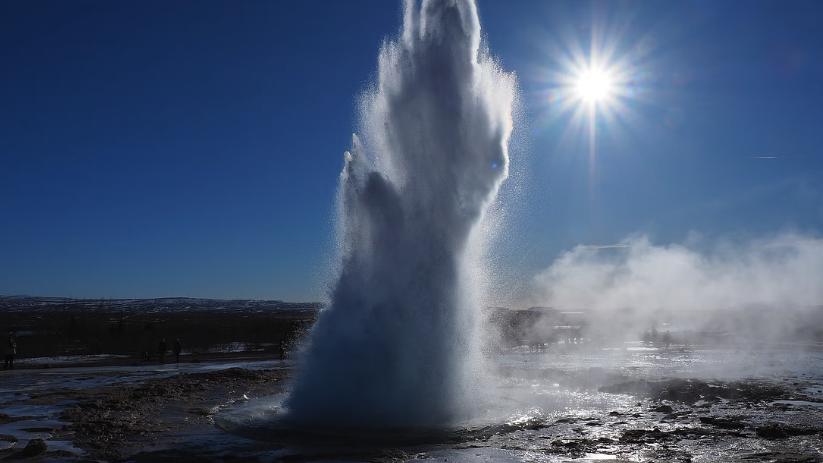
Home of the first modern Parliament, and the site of the rift where the Eurasian and North American tectonic plates meet. - Geysir Geothermal Area — Home to Strokkur, the world famous hot spring which erupts every 7 to 10mins.
- Gullfoss Waterfall — The Golden fall, one of Iceland’s most famous waterfalls.
Typical Duration
- 8hr for a Classic Golden Circle Tour.
- Up to 10hrs for a Golden Circle Tour including a Geothermal Spa (Choose among Blue Lagoon, Sky Lagoon, Secret Lagoon or Laugarás Lagoon), or snowmobiling on Langjökull glacier.
Why It’s Popular
- Quick & rewarding: Big sights in relatively close proximity.
- History + geology + waterfall: Great for first-timers.
- Accessible year-round: Roads are maintained even in winter.
Points forts
- Easy walks and boardwalks.
- Great photography stops.
- Good for all ages and fitness levels.
Best For
✔ First-time visitors
✔ Short stays
✔ Families and groups with varied interests
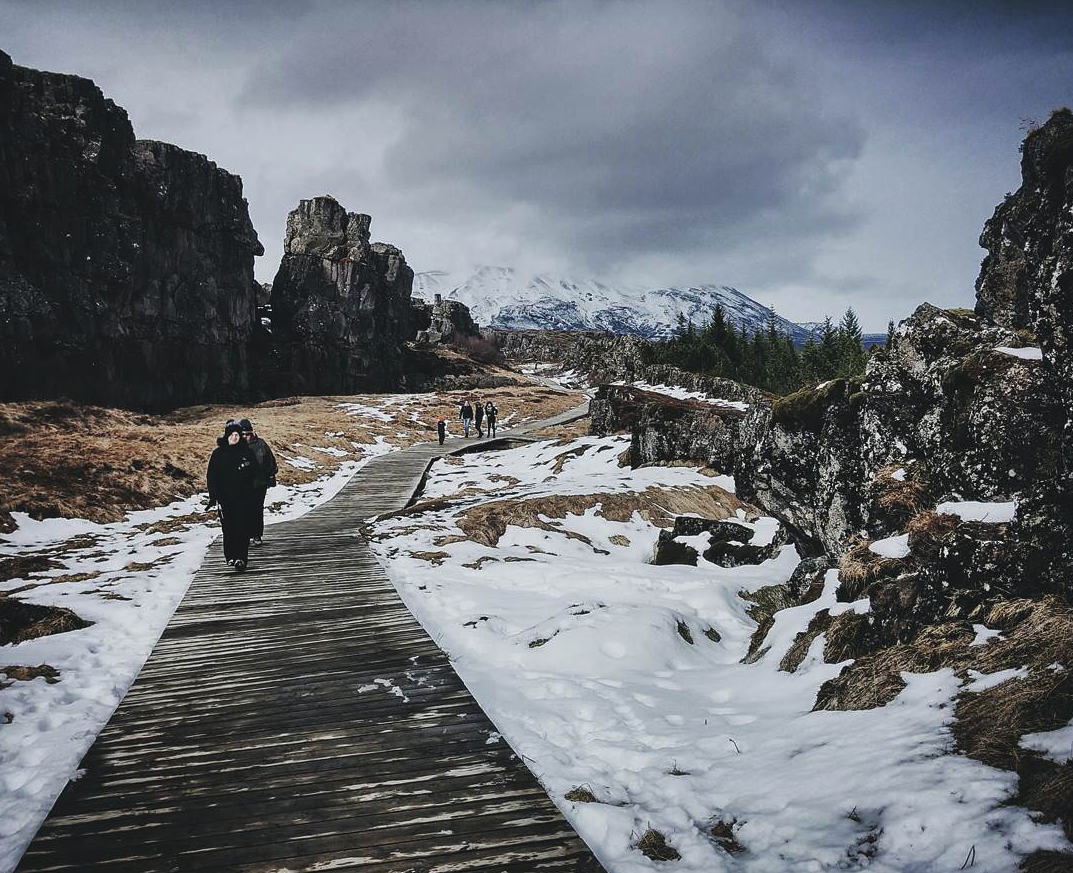
Path among the tectonic plates at Þingvellir
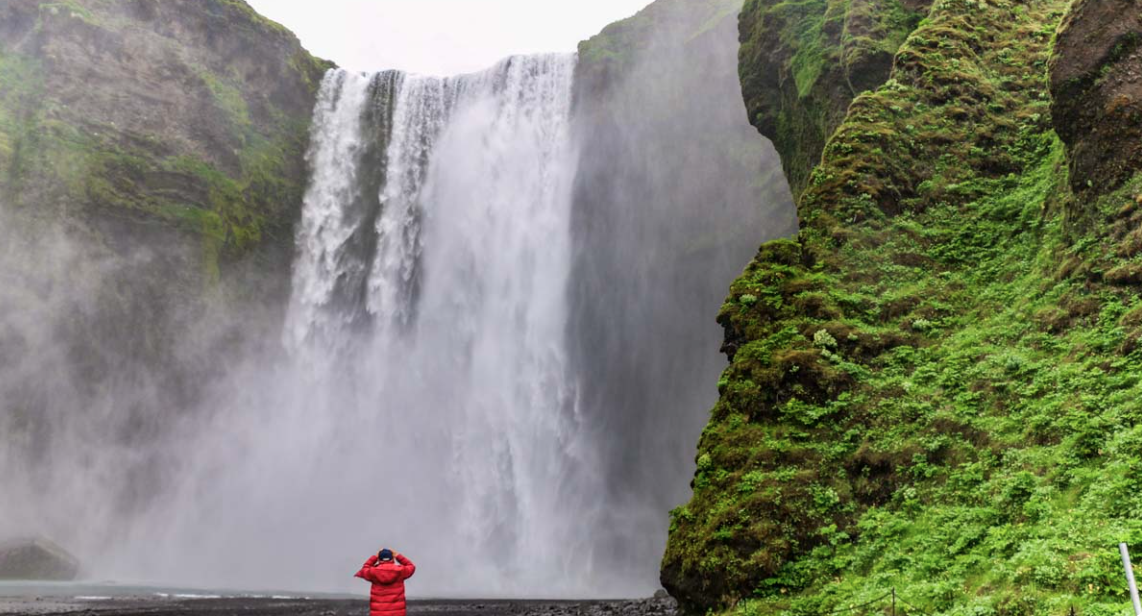
The majestic Skógafoss
The South Coast — Wild and Dramatic
What You’ll See
- Seljalandsfoss & Skógafoss — Two of Iceland’s most iconic waterfalls.
- Reynisfjara Black Sand Beach — Striking basalt columns and roaring Atlantic waves.
- Views of Eyjafjallajökull & Mýrdalsjökull — Majestic glaciers visible on the road.
Typical Duration
10 hrs for the Classic South Coast Tour.
Up to 12hrs for a South Coast adventure including a glacier hike, a visit to the Katla natural ice cave or geothermal pampering at Sky Lagoon.
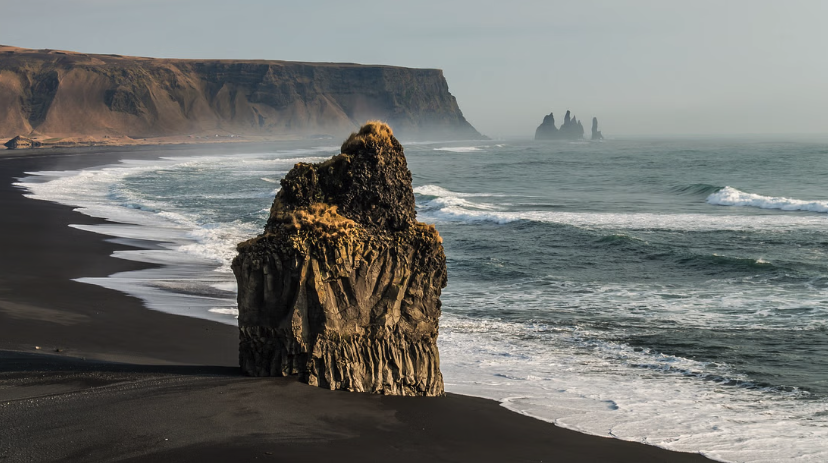
View over Reynisfjara black beach
Points forts
- Easy walks and boardwalks.
- Great photography stops.
- Good for all ages and fitness levels.
Best For
✔ First-time visitors
✔ Short stays
✔ Families and groups with varied interests
Why It’s Popular
- Phenomenal variety: Waterfalls, coastlines, glaciers — all in one stretch.
- Photographer’s paradise: Endless dramatic landscapes.
- More to explore: Add to the adventure with a Sólheimajökull glacier walk or a visit to the mesmerizing Katla Ice Cave
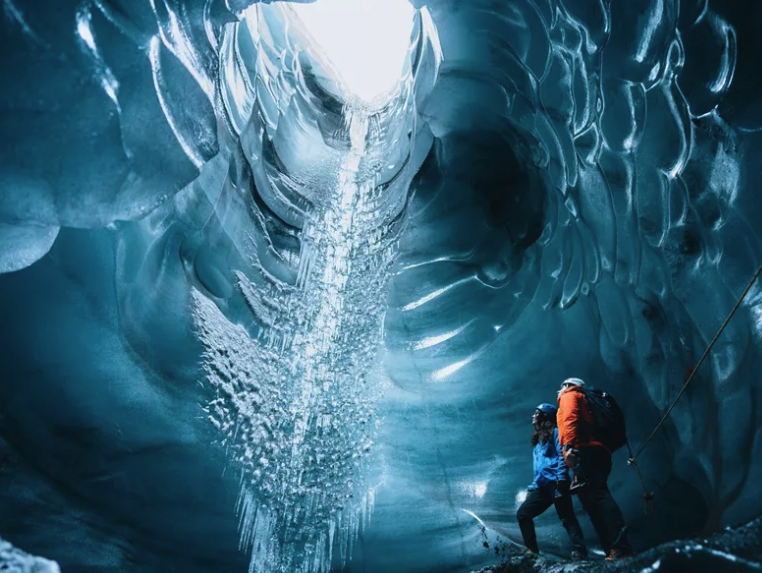
Ice formations at the Katla ice cave
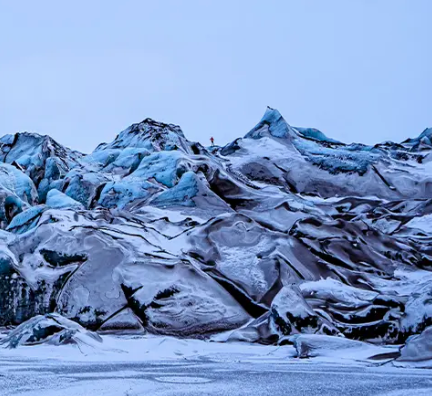
Glacier Sólheimarjökull
Points forts
- Walking paths to the falls and dramatic seascapes.
- Optional glacier hikes or ice-caving in winter.
- Longer distances between highlights (more time on the road).
Best For
✔ Nature lovers
✔ Photography enthusiasts
✔ Visitors with a full day to spare
Golden Circle vs South Coast — Quick Comparison
When choosing between the Golden Circle and the South Coast, the biggest difference comes down to pace, distance, and the type of scenery you want to experience.
The Golden Circle is widely considered the more accessible option. The route stays relatively close to Reykjavík, with short driving distances between major attractions.
By contrast, the South Coast covers a much longer stretch of road and typically requires a full day of travel. While the driving time is greater, the reward is a sense of vastness and variety. Landscapes change dramatically as you move along the coast.
The Golden Circle is perfect for travelers seeking a well-rounded introduction to Iceland in a shorter time frame, while the South Coast is better suited for those who want a deeper dive into Iceland’s wild, cinematic landscapes and don’t mind a longer, more adventurous day.
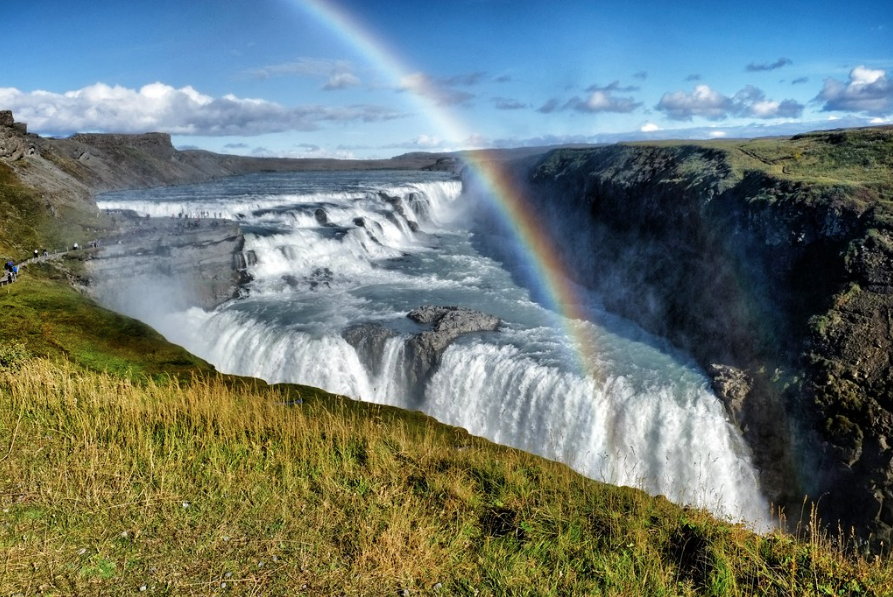
Cascade de Gullfoss
When to Choose Which
If you’re short on time or visiting Iceland for just a day or two, the Golden Circle is often the most practical choice. Its proximity to Reykjavík and shorter driving distances make it easy to fit into a tight itinerary while still delivering a classic Icelandic experience.
If you have a full day available and want to immerse yourself in Iceland’s dramatic natural beauty, the South Coast is the better option. The longer journey rewards you with towering waterfalls, expansive coastal views, and landscapes that feel wilder and more remote.
That said, if your schedule allows, the real answer is: CHOOSE BOTH. The Golden Circle and the South Coast showcase completely different sides of Iceland, and together they offer a far more complete picture of the country’s natural and cultural heritage. Many travelers find that doing both tours transforms their trip from a quick visit into a truly unforgettable experience.
Rather than viewing them as alternatives, it helps to think of the Golden Circle as your introduction to Iceland and the South Coast as the adventure that follows. Experiencing both routes allows you to appreciate Iceland’s incredible diversity, from geological wonders and history to vast, unforgettable landscapes. All within a relatively short distance from Reykjavík!
Conclusion
Both tours offer memorable experiences, it just depends on what kind of adventure you want. The Golden Circle is the quintessential Iceland introduction, while the South Coast is a bit wilder and dramatic.
If time allows, doing both on separate days unlocks the full spectrum of Iceland’s natural wonders.
Check out our perfect 2-day Itinerary and discover how to best combine Golden Circle and South Coast for an all-round Icelandic adventure.
Or pick our Best of Iceland 3-or-1 offer, a budget alternative that will take you to Iceland´s iconic Golden Circle, South Coast and on a northern lights hunt – all in one package!
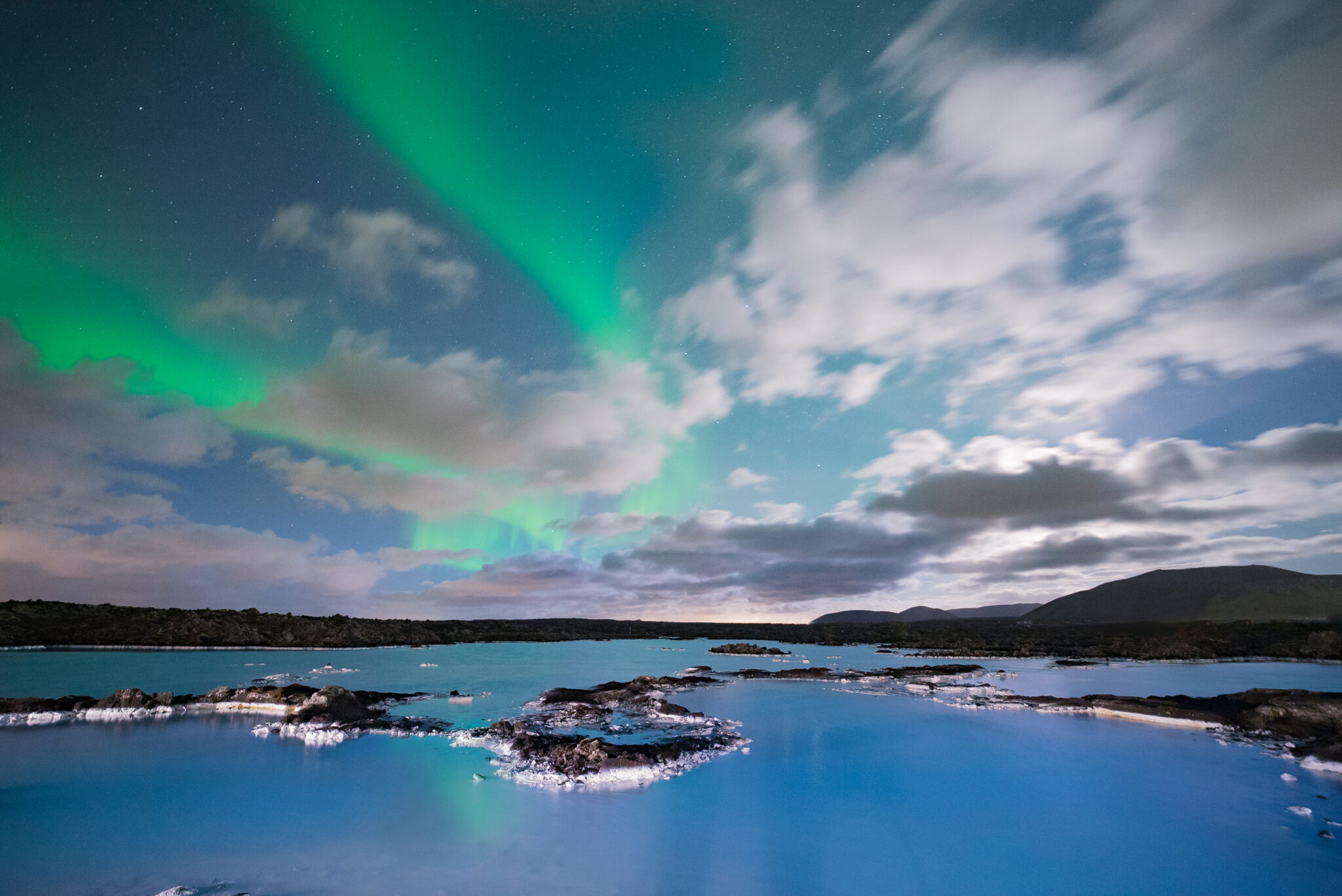
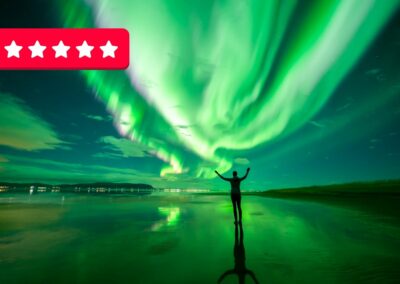
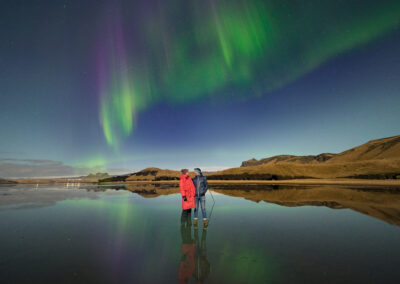
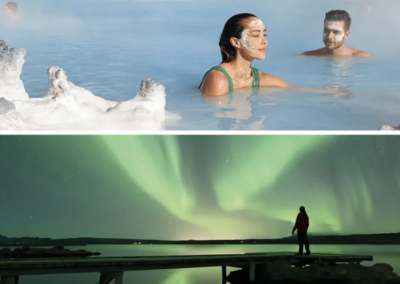
Aurores boréales au-dessus du Lagon Bleu
Rejoignez-nous pour une excursion guidée à la découverte des aurores boréales.
Évitez le stress de la conduite hivernale dans l'obscurité et rejoignez un groupe d'aventuriers partageant les mêmes idées pour une chasse aux aurores boréales guidée.

FAQ about the Northern Lights
Quand puis-je voir les aurores boréales en Islande ?
Pourquoi ne puis-je pas voir d’aurores boréales en été ?
Want to know more about light conditions in Iceland? Check the sun graph and learn about twilight and dusk in Iceland.
What time do the northern lights show up?
During the winter months, when the hours of light are limited, the northern lights can often appear as early at 7:00pm.
As the exact time of an Aurora display cannot be predicted, keep your eyes at the sky. And remember, patience is key!
How long do the northern lights last?
Can I see the northern lights when it is cloudy?
Do the northern lights only appear when it is cold?
Are the northern lights visible all over Iceland?
Are the northern lights really colourful?
The northern lights happen in a variety of colours. Green is by far the most common, but the Aurora can also appear in vibrant shades of pink, purple, red, violet and blue.
To the naked eye though, the northern lights can look quite faint, and at times be perceived as white or grey-ish. This is due to limitations in our night vision.
Camera devices instead can capture a more truthful version of the colours, as, in most cases, it possible to adjust the device settings in order to better adapt to the night time conditions.
Find more about how to improve your night vision and learn how to take great Aurora shots here.
Are the northern lights going to disappear in future?
No, the northern lights are not going anywhere!
The Aurora has been visible in the Arctic for centuries, and that is not going to change any times soon.
What is true is that the solar activity, which is responsabile for the occurrence of the northern lights on our planet, changes over time, following an eleven-year cycle.
During each solar cycle, the Sun goes from a peak to a minimum of activity. During the peak, the so called “solar maximum“, we can expect enhanced activity and, potentially, stronger northern lights visible from unusual latitudes (in the northern hemisphere, this means Auroras being spotted further south than usual). While, during the solar minimum, such unusually strong occurrences become rarer.
Still, at Arctic latitudes the northern lights can be see clearly throughout the whole cycle. And Islande, being well within the “Aurora belt”, is and will remain the perfect destination for northern lights hunting!
What is the BZ value?
The Bz value is part of the Interplanetary Magnetic Field (IMF), which is the magnetic field carried by the solar wind coming from the Sun.
Why does it matter for the Northern Lights? Earth’s magnetic field points north. If the solar wind’s magnetic field (Bz) points south (a negative Bz), it connects with Earth’s field and lets charged solar particles into the atmosphere. This interaction helps create the northern lights. If instead, Bz is positive (northward), the fields don’t connect well, and fewer particles get in — meaning weaker or no aurora.
Think of Bz like an ON/OFF switch: negative Bz (south) = ON, good chance of Aurora soon. Positive Bz (north) = OFF, Aurora less likely.
Learn more about Bz and how the forecast works here.
Which are the best forecast apps and websites for Northern Lights hunting?
Chasing the Northern Lights is all about timing, clear skies, and up-to-date aurora forecasts. These tools help you know when and where there’s a good chance of seeing the aurora — so you can plan your night the smart way. For the best results, we recommend using more than one source, as different forecasts interpret data differently.
WEB FORECASTS
- Official AURORA REYKJAVÍK Aurora Forecast 👉 https://aurorareykjavik.is/aurora-forecast/
Our 6-step expert forecast combines geomagnetic activity, cloud cover, and viewing tips — designed for real-time Northern Lights planning. - SpaceWeatherLive
A detailed global space weather site with auroral activity maps and solar parameters. - NOAA Space Weather Prediction Center (SWPC)
The official US space weather forecast model that many aurora apps base their data on.
TOP MOBILE APPS
- My Aurora Forecast – Offers real-time KP index, global aurora maps, push alerts and multi-day forecasts — great for travelers and serious aurora watchers alike.
And don’t forget to unable notifications, so you’ll get alerts when aurora activity spikes.
📍App Store
📍 Google Play
By following this guide, you’ll be well-prepared to experience one of nature’s most magical displays. Whether you’re planning your trip or already in Iceland, the Aurora awaits!