REYKJAVÍK BY CRUISE: MAKE THE MOST OF YOUR 4–8 HOURS STOP IN REYKJAVÍK
What to do on a cruise stopover in Reykjavík
Hop-On Hop-Off Bus Tour
Speciality Museums & Tours from the City Harbour
Touching down in Iceland’s capital for just a few hours? Reykjavík’s compact layout means you can pack in a ton of fun without feeling rushed.
Most of the attractions are clustered downtown and in the Grandi (Old Harbour) area, within walking distance of each other, perfect when time is tight.
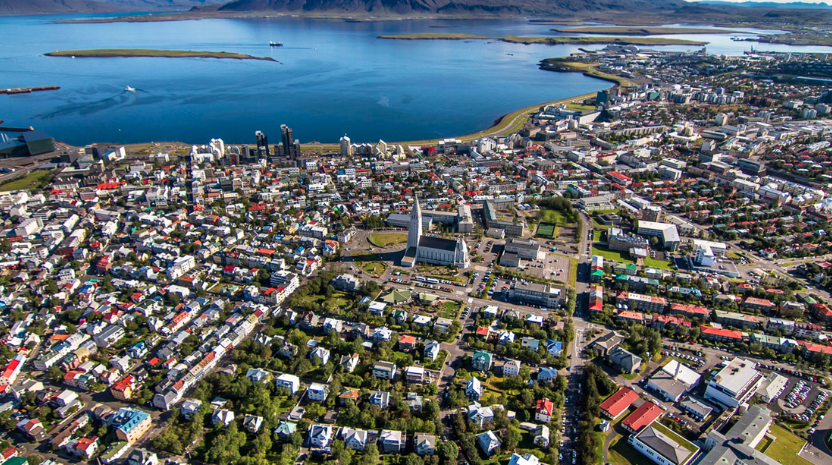
Downtown Reykjavík with its iconic landmarks
1. Reykjavík City Sightseeing: Hop On, Hop Off!
Hop-On Hop-Off Bus Tour
If you want a broader taste of Reykjavík beyond the harbour, this iconic Hop-On Hop-Off Bus lets you:
- Cruise around town with audio commentary in multiple languages
- Stop at highlights like Hallgrimskirkja church, art museums, Harpa, the Grandi museums. and more
- Set your own pace: you don’t have to stick to a tight tour schedule
This is especially helpful on a short stop because you can decide what to skip or linger at, based on how much time you have.
Round loop if you stay onboard: 80–85 minutes. Hop-off options mean you can tailor your stroll stops.

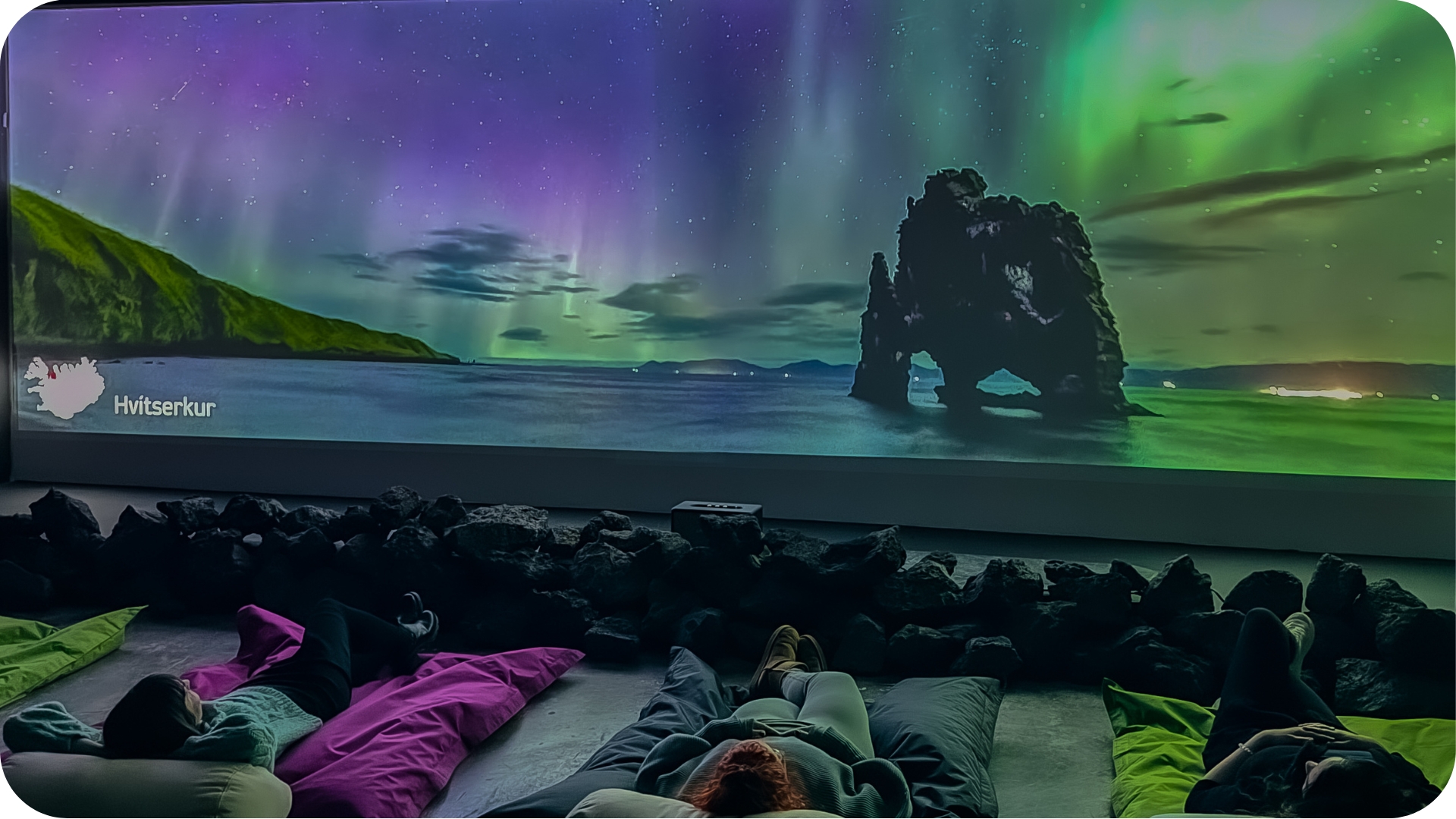
Enjoy the northern lights all-year-round at Aurora Reykjavík, the Northern Lights Center of Iceland
2. Witness the Beauty of the Northern Lights… even in the summer!
Aurora Reykjavík – The Northern Lights Center
Kick off your visit of the up-and-coming Grandi Old Harbour District with Aurora Reykjavík, our unique Northern Lights Museum. You’ll explore videos, science, myths, interactive displays, and a breathtaking aurora film on a giant screen.
All indoors and year-round (great if the weather’s chilly. Or during the summer – when the lights are not visible in nature).
If you visit during the northern lights season, the exhibition also has information on the best camera settings to capture the aurora borealis with your own devices!
Duration: 40–60 minutes
Pro Tip: It’s right near several other attractions, so you can hop from one to the next easily.
3. Fly Over Remote Icelandic Landscapes – in Reykjavík!
FlyOver Iceland
The immersive flight ride of FlyOver Iceland takes you soaring over Iceland’s dramatic scenery: mountains, glaciers, waterfalls and more, with motion effects and surround visuals. It’s a unique virtual experience that’s great for all ages.
Duration: 40 minutes
Right around the harbour, so it’s easy to combine with the next stop.
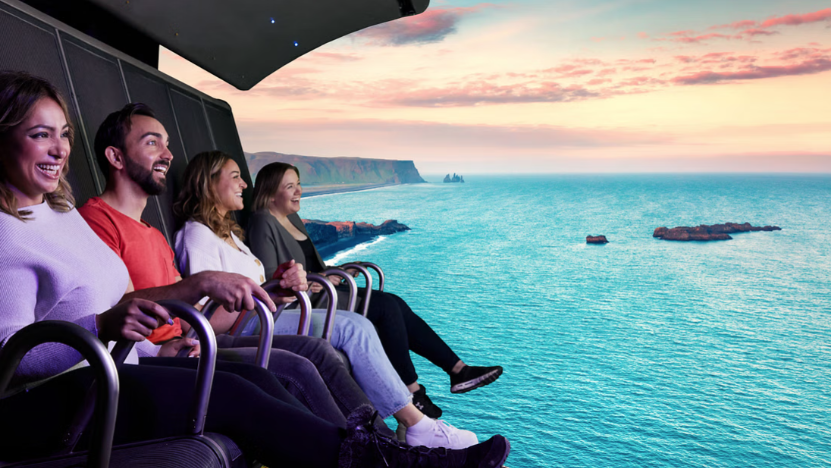
Visitors enjoying the FlyOver Iceland ride
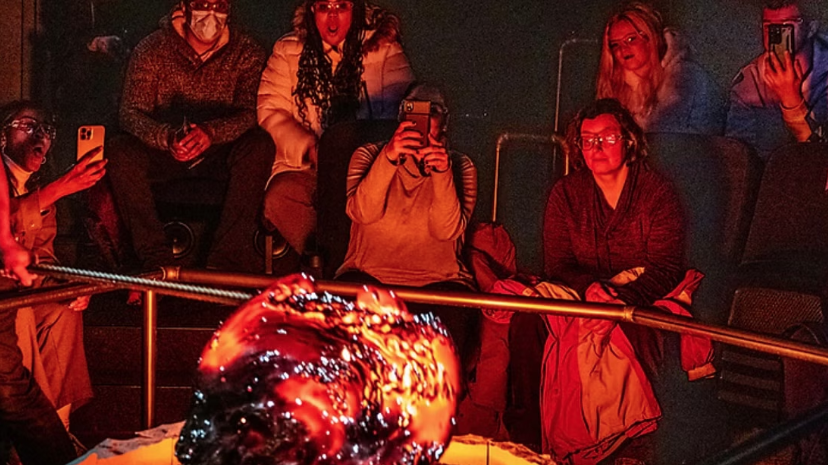
Real lava showcased by experts during the Lava Show
4. Witness Earth’s Fierce Power
Lava Show Reykjavík
Step into the geological theatre at Lava Show, where real molten lava flows right in front of the spectators, as volcanic experts share fiery insights. It’s an unforgettable way to experience Iceland’s volcanic heartbeat: dramatic, educational, and totally unique.
Duration: 50 minutes
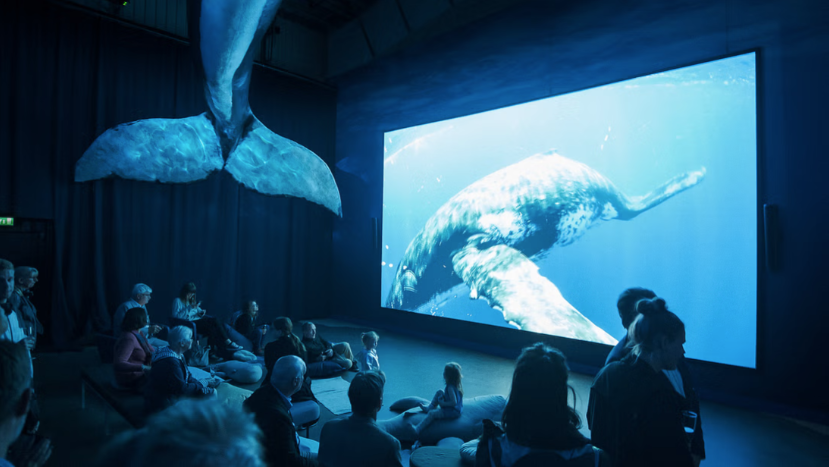
One of the informative movies at Whales of Iceland
5. Get to Know the Marine Giants… on land!
Whales of Iceland
Just a short stroll away is the life-sized whale museum of Whales of Iceland, featuring enormous models of the ocean’s giants, interactive exhibits, films and educational displays. It’s a crowd-pleaser whether you’re into science, nature, or simply cool photo ops.
Duration: 60 minutes
Bonus: Many visitors squeeze this in right after Aurora Reykjavík and the Lava Show thanks to the tight proximity of all these experiences.
6. … or at sea!
Join a Whale Watching tour from Reykjavik
Experience the awe of the ocean’s giants, guided by knowledgeable marine biologists and sea-life specialists. Sail from Reykjavík Old Harbour, and encounter magnificent humpback whales, playful dolphins, inquisitive minke whales, and – if luck is on your side – the legendary blue whale.
Relax on a traditional whale watching cruise designed for comfort, or join a dynamic RIB boat tour, for an extra-close exciting adventure. Incredible natural encounters are waiting right outside Reykjavík’s doorstep!
Duration: 2hrs (RIB boat) / 3hrs (classic whale watching cruise)
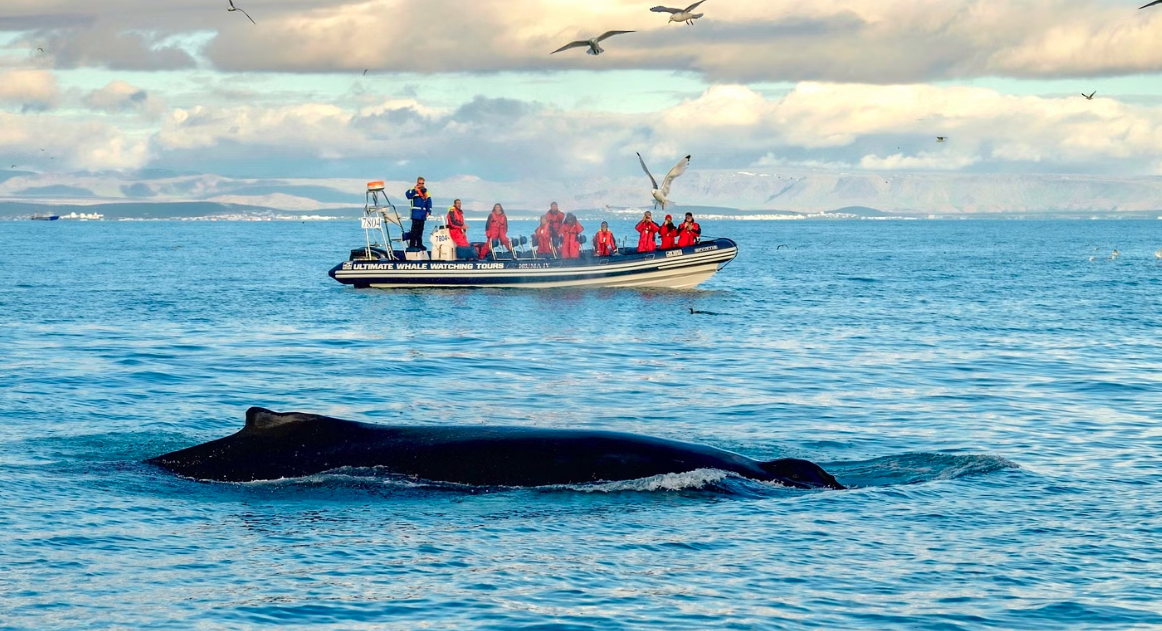
Reykjavík RIB Whale Watching, get close and personal with the giants of the sea
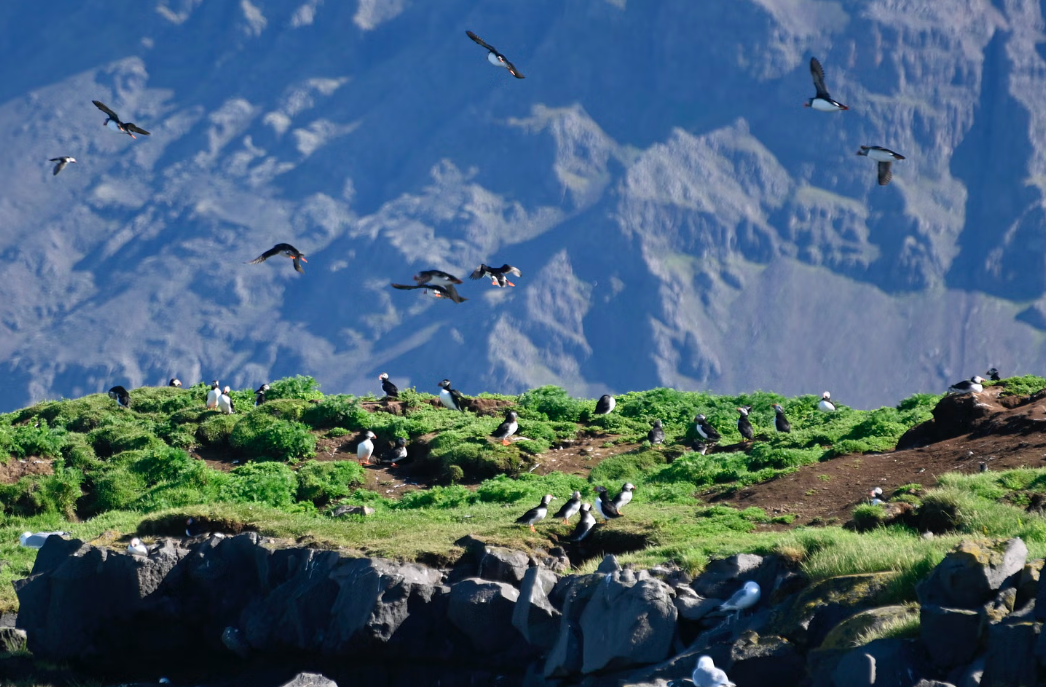
Puffin island in the Reykjavík bay
7. Encounter the Mighty Puffin
Puffin Tour from Reykjavík Old Harbour
Join a puffin watching tour and see Iceland’s iconic seabirds up close in their natural habitat. During summer, Iceland becomes home to the world’s largest Atlantic puffin colony, where these charming birds come ashore to breed. Guided by experts, you’ll visit the best viewing spots – an unforgettable experience for nature lovers and photographers alike.
Duration: 1.5 hours (classic experience) 1 hour (premium RIB boat tour)
Tips for a Smooth Port Day in Reykjavík
- Book tickets online in advance whenever possible to avoid lines.
- Many museums are walking distance from the cruise dock, perfect for short stops.
- If weather turns brisk, you’ve got plenty of indoors options right near each other.
- Keep an eye on your ship’s departure time, and always plan to be back a bit early!
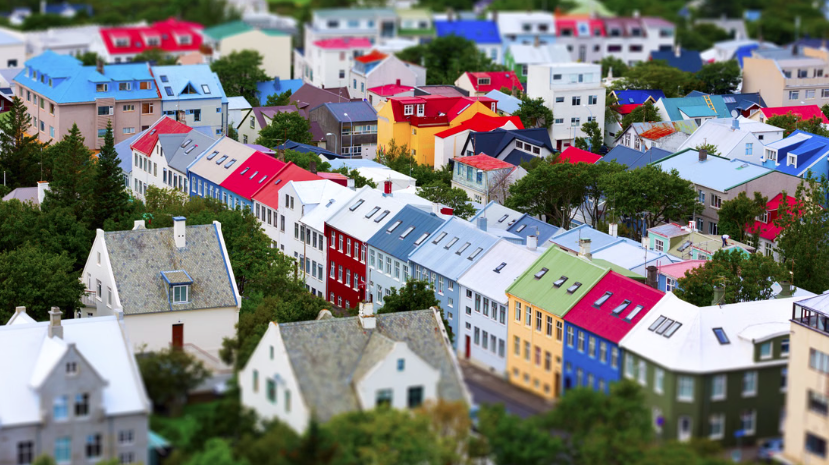
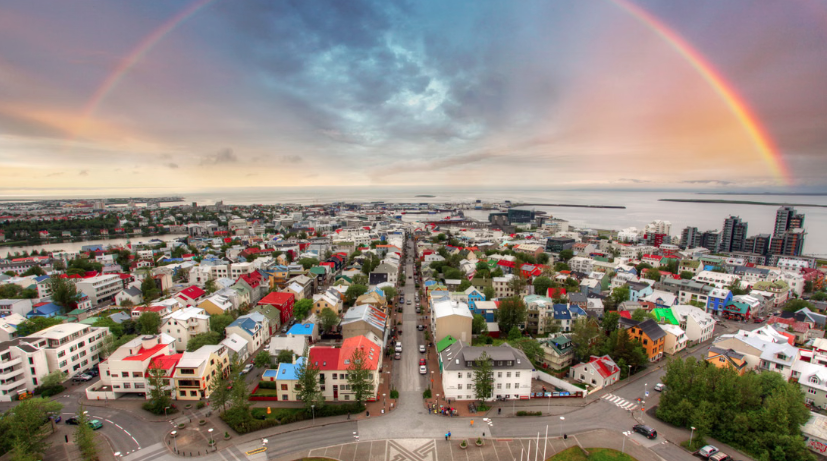
Colourful houses in central Reykjavík
Final Thought: Making the Most of Your Time Ashore
Even with just a few hours ashore, Reykjavík offers a rich mix of experiences within easy reach of the cruise dock — from cultural attractions and immersive museums to scenic rides and wildlife encounters.
Plan ahead, prioritize the activities that excite you most, and you’ll turn your brief stop into a memorable taste of Iceland’s natural beauty, history, and vibrant city life before heading back to your ship.
Puedes explorar la gama completa de tours y actividades de Aurora Reykjavik aquí: https://aurorareykjavik.is/tours-and-activities/
ÚNETE AL MEJOR TOUR DE AURORAS BOREALES EN ISLANDIA
Así que, si puedes, compra el billete, sube al viaje. Encontrarás nuestra selección de tours aquí:
NUESTROS TOURS MÁS POPULARES

TOUR EN SUPER JEEP DE LA AURORA BOREAL
ASPECTOS DESTACADOS:
✓ Tour guiado premium de Auroras Boreales en un super jeep
✓ Recogida y regreso gratuitos
✓ Fotografías gratuitas de calidad
✓ Chocolate caliente chocolate casero
✓ Vehículos con calefacción todo el viaje
TASA DE ÉXITO MÁS ALTA
ENTRADA A AURORA REYKJAVÍK INCLUIDA - AHORRA 3900 ISK
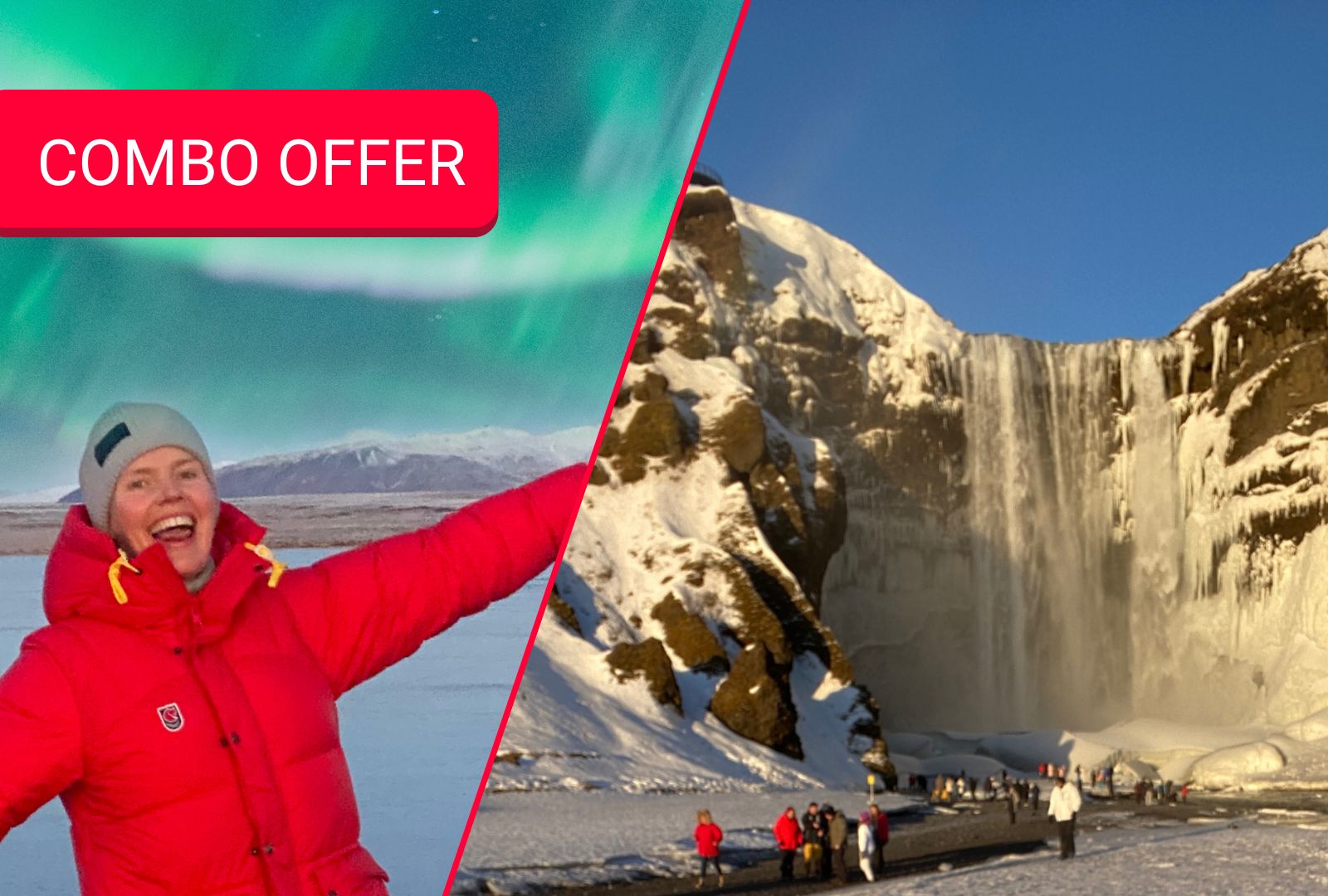
AURORA BOREAL Y COSTA SUR
ASPECTOS DESTACADOS:
✓ OFERTA 2 EN 1: AHORA MÁS DE 2000 ISK
✓ Visita el glaciar Sólheimarjökull
✓ Pasea por la ciudad de Vík
✓ Camina por la playa de arena negra
✓ Contempla las majestuosas cascadas Skógafoss y Seljalandsfoss
✓ Presencia la La danza de las Auroras Boreales
MEJOR RELACIÓN CALIDAD-PRECIO
AURORAS BOREALES GARANTIZADAS: REINTENTO GRATUITO SI NO SE VEN LAS LUCES
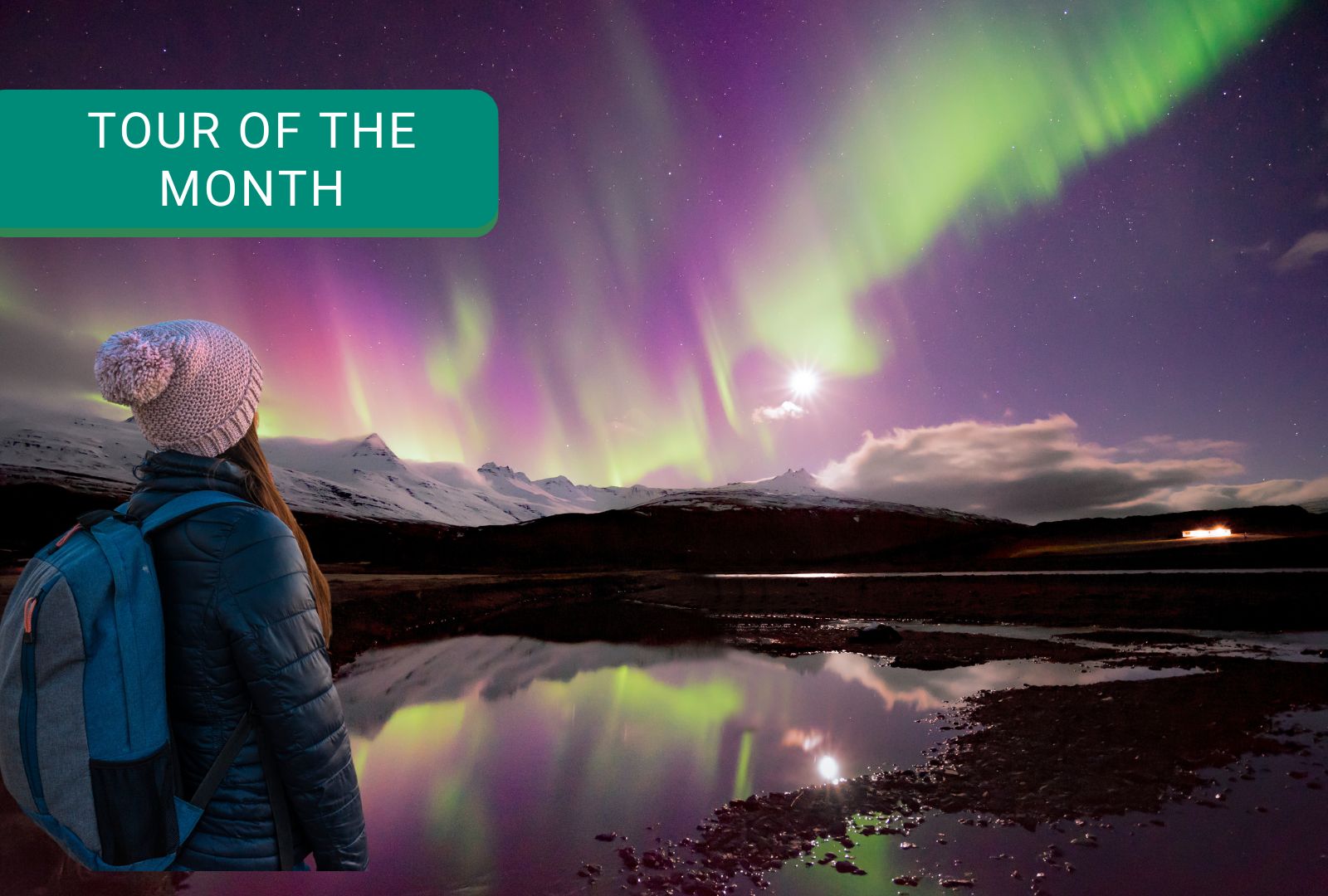
TOUR DE AURORAS BOREALES EN GRUPO REDUCIDO
ASPECTOS DESTACADOS:
✓ Tour de Auroras Boreales en minibus
✓ Fotografías gratuitas de ti bajo las Auroras Boreales
✓ Chocolate caliente y pasteles caseros
✓ Recogida y regreso gratuitos
EL TOUR MÁS POPULAR
Preguntas frecuentes sobre la Aurora Boreal
¿Cuándo puedo ver las Auroras Boreales en Islandia?
¿Por qué no puedo ver la aurora boreal en verano?
¿A qué hora aparecen las auroras boreales?
Durante los meses de invierno, cuando las horas de luz son limitadas, las auroras boreales suelen aparecer incluso a las 7:00 pm.
Como no se puede predecir la hora exacta de una aurora , mantén, manten la vista en el cielo. ¡Y recuerda , la paciencia es clave!
¿Cuánto duran las auroras boreales?
¿Puedo ver la aurora boreal cuando está nublado?
¿Las auroras boreales sólo aparecen cuando hace frío?
¿Se ven las auroras boreales en toda Islandia?
¿Son realmente coloridas las auroras boreales?
Las auroras boreales se presentan en una variedad de colores. El verde es, con mucho , el más común, pero también pueden aparecer en vibrantes tonos de rosa, morado, rojo, violeta y azul.
Sin embargo, a simple vista , las auroras boreales pueden verse bastante tenuesy, en ocasiones, percibirse como blancas o grisáceas. Esto se debe a las limitaciones de nuestra visión nocturna..
Las cámaras , en cambio, pueden capturar una versión más fiel de los colores, ya que, en la mayoría de los casos, es posible ajustar la configuración del dispositivo para adaptarse mejor a las condiciones nocturnas.
Descubre más sobre cómo mejorar tu visión nocturna y aprender a tomar excelentes fotografías de auroras aquí.
¿Desaparecerán las auroras boreales en el futuro?
No, las auroras boreales no van a desaparecer!
La aurora boreal ha sido visible en el Ártico durante siglos, y eso no va a cambiar pronto.
Lo cierto es que la actividad solar, responsable de la aparición de las auroras boreales en nuestro planeta , cambia con el tiempo, siguiendo un ciclo de once años.
Durante cada ciclo solar, el Sol pasa de un pico a un mínimo de actividad. Durante el pico, el llamado"máximo solar", podemos esperar una mayor actividad y, potencialmente, auroras boreales más intensas visibles desde latitudes inusuales (en el hemisferio norte, esto significa que las auroras se avistan más al sur de lo habitual). Mientras que, durante el mínimo solar, estos fenómenos inusualmente intensos se vuelven más raros.
Aun así, en latitudes árticas , las auroras boreales se pueden ver con claridad durante todo el ciclo. E Islandia, al estar dentro del "cinturón de auroras", es y seguirá siendo el destino perfecto para la búsqueda de auroras boreales.!
¿Qué es el valor BZ?
El valor Bz forma parte del Campo Magnético Interplanetario (CMI), que es el campo magnético transportado por el viento solar proveniente del Sol.
¿Por qué es importante para la Aurora Boreal? El campo magnético de la Tierra apunta al norte. Si el campo magnético del viento solar (Bz) apunta al sur ( un Bz negativo), se conecta con el campo magnético terrestre y permite que partículas solares cargadas entren en la atmósfera. Esta interacción contribuye a la creación de la aurora boreal. Si, en cambio, Bz es positivo (hacia el norte), los campos no se conectan bien y entran menos partículas, lo que significa una aurora más débil o nula..
Piense en el Bz como un interruptor de encendido y apagado: Bz negativo (sur) = encendido , alta probabilidad de Auroras pronto. Bz positivo (norte) = apagado, Aurora menos probable.
Obtenga más información sobre el Bz y cómo funciona el pronóstico aquí.
¿Cuáles son las mejores aplicaciones y sitios web de pronóstico para la caza de Auroras Boreales?
Para ver la aurora boreal, lo importante es el tiempo, cielos despejados y pronósticos actualizados. Estas herramientas te ayudan a saber cuándo y dónde hay una buena probabilidad de ver la aurora, para que puedas planificar tu noche de forma inteligente. Para obtener los mejores resultados, recomendamos usar más de una fuente, ya que los pronósticos interpretan los datos de forma diferente.
WEB FORECASTS
- Pronóstico oficial de auroras de AURORA REYKJAVÍK 👉 https://aurorareykjavik.is/aurora-forecast/
Nuestro pronóstico de 6 pasos combina actividad geomagnética, nubosidad y consejos de observación, diseñado para la planificación de la aurora boreal en tiempo real. - Clima espacial en vivo
Un sitio detallado sobre el clima espacial global con mapas de actividad auroral y parámetros solares. - Centro de Predicción del Clima Espacial (SWPC) de la NOAA
El modelo oficial de pronóstico del tiempo espacial de EE. UU. en el que muchas aplicaciones de auroras basan sus datos.
MEJORES APLICACIONES MÓVILES
- My Aurora Forecast – Ofrece índice KP en tiempo real, mapas globales de auroras, alertas push y pronósticos para varios días: ideal tanto para viajeros como para observadores serios de auroras.
Y no olvides activar las notificaciones para recibir alertas cuando aumente la actividad de la aurora.
📍App Store
📍 Google Play
Siguiendo esta guía, estarás bien preparado para experimentar uno de los espectáculos más mágicos de la naturaleza. Tanto si estás planeando tu viaje como si ya estás en Islandia, ¡la Aurora te espera!