ECLIPSE SOLAR TOTAL 2026 EN ISLANDIA: TODO LO QUE NECESITA SABER
¿Qué es un eclipse solar?
Por qué Islandia es un lugar especial para experimentar el eclipse de 2026
Cómo aprovechar al máximo este evento excepcional


Science of a solar Eclipse, courtesy of timeanddate.com
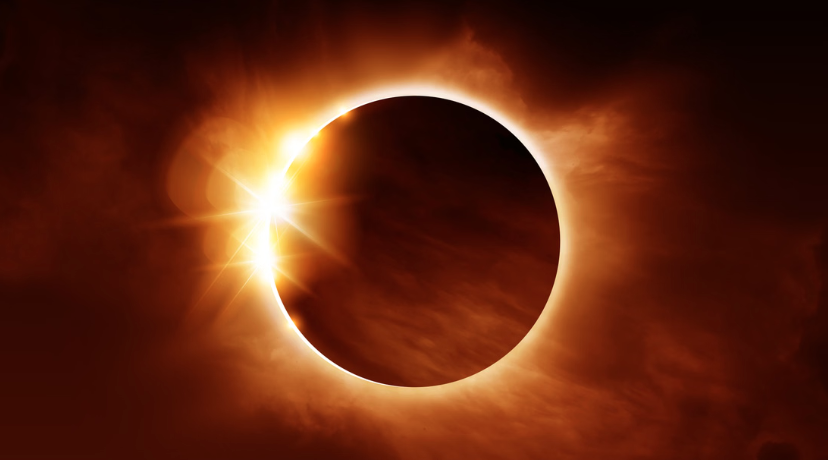
¿Qué es un Eclipse Solar?
During a total solar eclipse, the Moon fully covers the Sun, allowing the delicate glow of the solar corona to become visible. The surrounding light softens, shadows sharpen, and the atmosphere briefly feels closer to dusk than daytime.
Consulta más información, incluidos mapas de visibilidad y horarios locales aquí.
Cuándo y Dónde Ver el Eclipse Solar en Islandia
- Fecha: Miércoles, 12 de Agosto, 2026
- Hora: El eclipse comenzará por la tarde , y la totalidad se producirá al atardecer a las 17:48
- Visibilidad: Islandia se encuentra dentro de la franja de la totalidad, lo que significa que el Sol estará completamente cubierto por un breve período de tiempo.
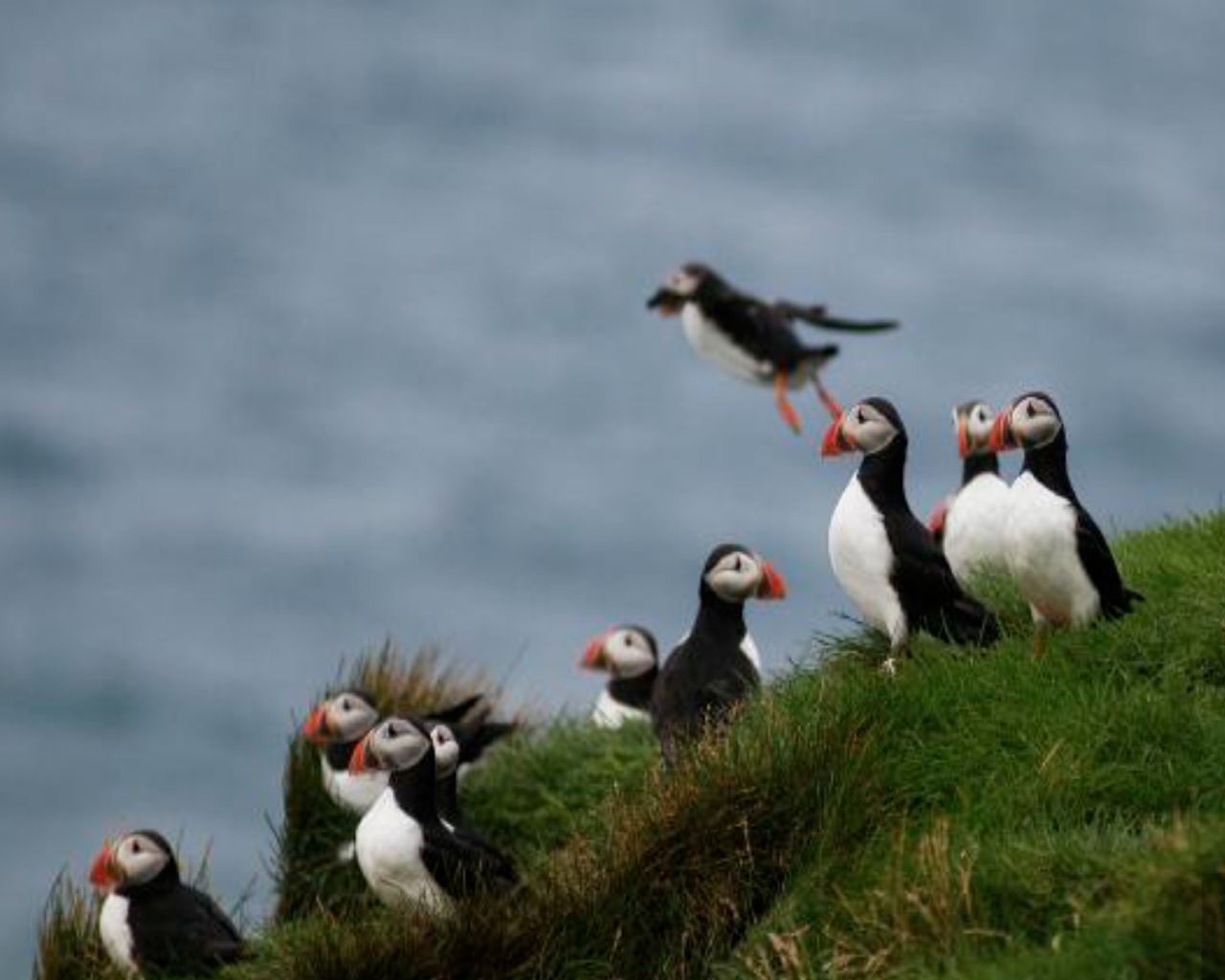
¿Avistamiento de frailecillos y un eclipse total? Solo en Islandia, el 12 de agosto de 2026
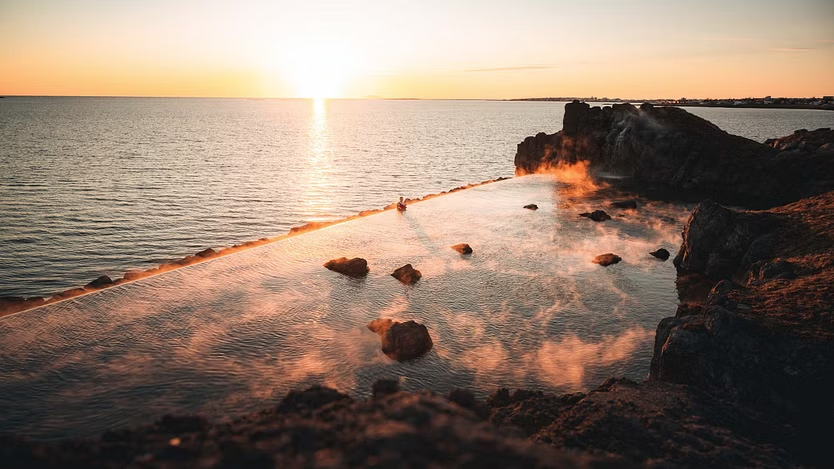
Observa el eclipse en el Oeste de Islandia desde uno de los mejores baños geotermales del país
ALGUNAS DE LAS ÁREAS DE VISIÓN MÁS PROMETENTES INCLUYEN:
- Península de Snæfellsnes , conocido por sus vistas abiertas y su impresionante paisaje natural.
- Oeste de Islandia y la Península de Reykjanes
- Reykjavík, que también experimentará la totalidad, aunque por una duración más corta
POR QUÉ ISLANDIA ES UN LUGAR EPECIAL PARA EXPERIMENTAR UN ECLIPSE
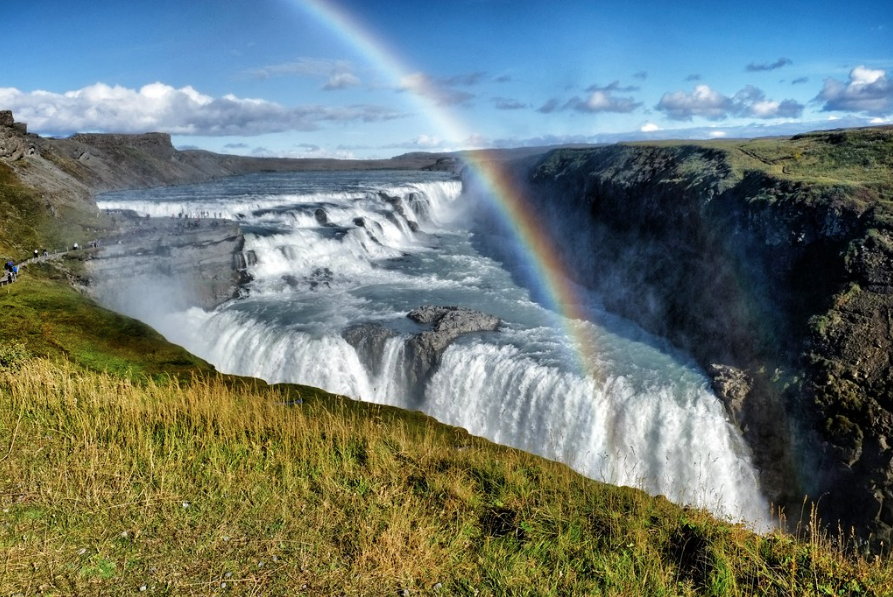
La majestuosa Cascada de Gullfoss en el Círculo Dorado
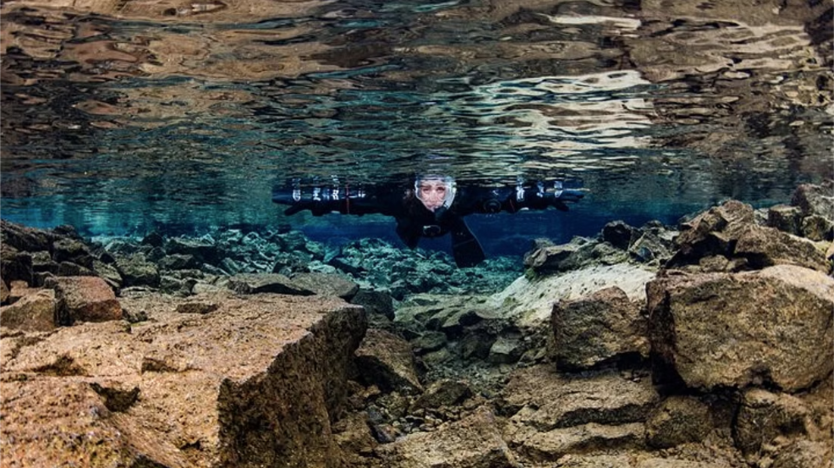
Practique snorkel en la grieta entre Europa y América del Norte , para disfrutar de una experiencia islandesa perfecta
Sumado a la fuerte conexión del país con los fenómenos naturales y sus espectaculares paisajes, Islandia se destaca como uno de los lugares más memorables para presenciar el eclipse de 2026.
TOUR DEL ECLIPSE SOLAR EN ISLANDIA 2026 - PENÍNSULA DE SNÆFELLSNESS
La península de Snæfellsnes, donde los amplios horizontes y las múltiples opciones de observación facilitan la adaptación a los cambios climáticos, es por lejos uno de los principales destinos para ver el eclipse de 2026.
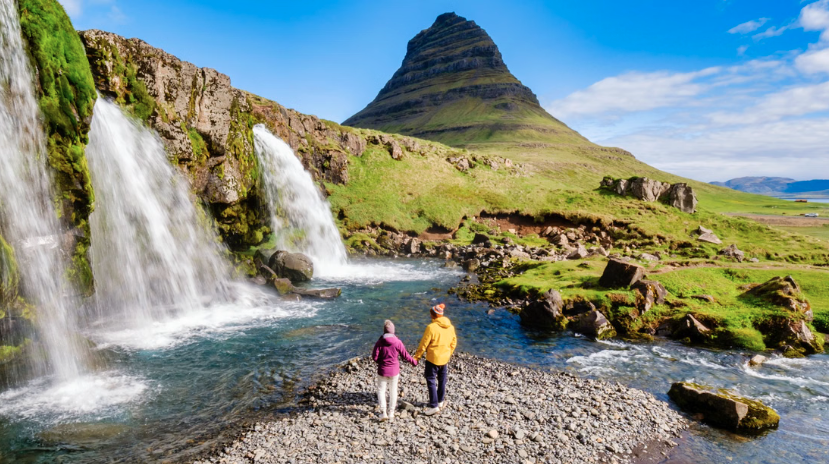
Kirkjufell en la Península de Snæfellsnes
Este tour está diseñado para combinar el eclipse con la exploración de uno de los paisajes más diversos de Islandia.
Al ser un evento poco común, se espera un gran interés, por lo que se recomienda planificar con antelación.
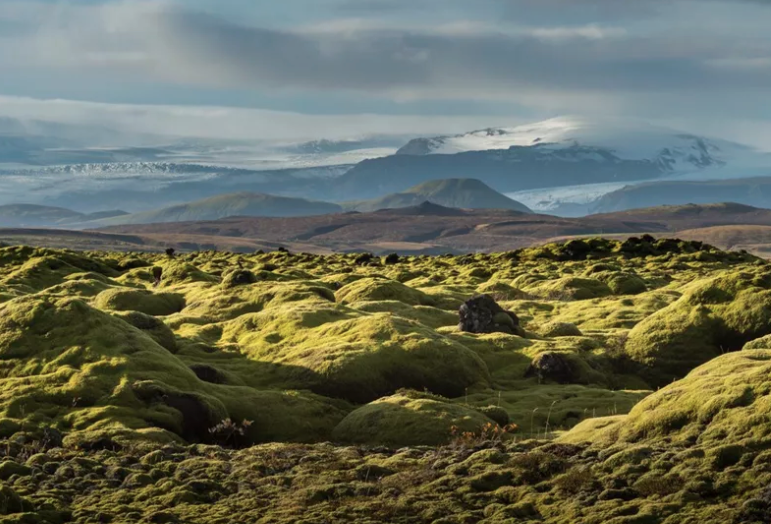
Viaja fuera de los caminos comúnes en este flexible tour del Eclipse
VIVE EL ECLIPSE TOTAL 2026 EN SUPER JEEP
Si buscas una experiencia del eclipse llena de aventura, el Tour en Super Jeep para el Eclipse Solar te ofrece una manera dinámica y emocionante de vivir la totalidad el 12 de agosto de 2026.
Sal desde Reikjavík en un cómodo Super Jeep acompañado por un guía local experto.
Con una ruta flexible que se adapta al clima y a la nubosidad, este tour para grupos pequeños maximiza sus posibilidades de ver el eclipse desde un entorno espectacular y con poca gente.
Disfrute del paisaje panorámico y del ambiente festivo mientras el cielo se oscurece.
Como este es un tour único para grupos pequeños, se recomienda planificar con antelación.
ECLIPSE SOLAR 2026: UNA AVENTURA DE 6 DÍAS POR ISLANDIA
Para quienes desean combinar el espectáculo celeste con la asombrosa diversidad natural de Islandia, el Eclipse Solar 2026: Islandia en 6 días ofrece una fusión perfecta de naturaleza extraordinaria y aventura.
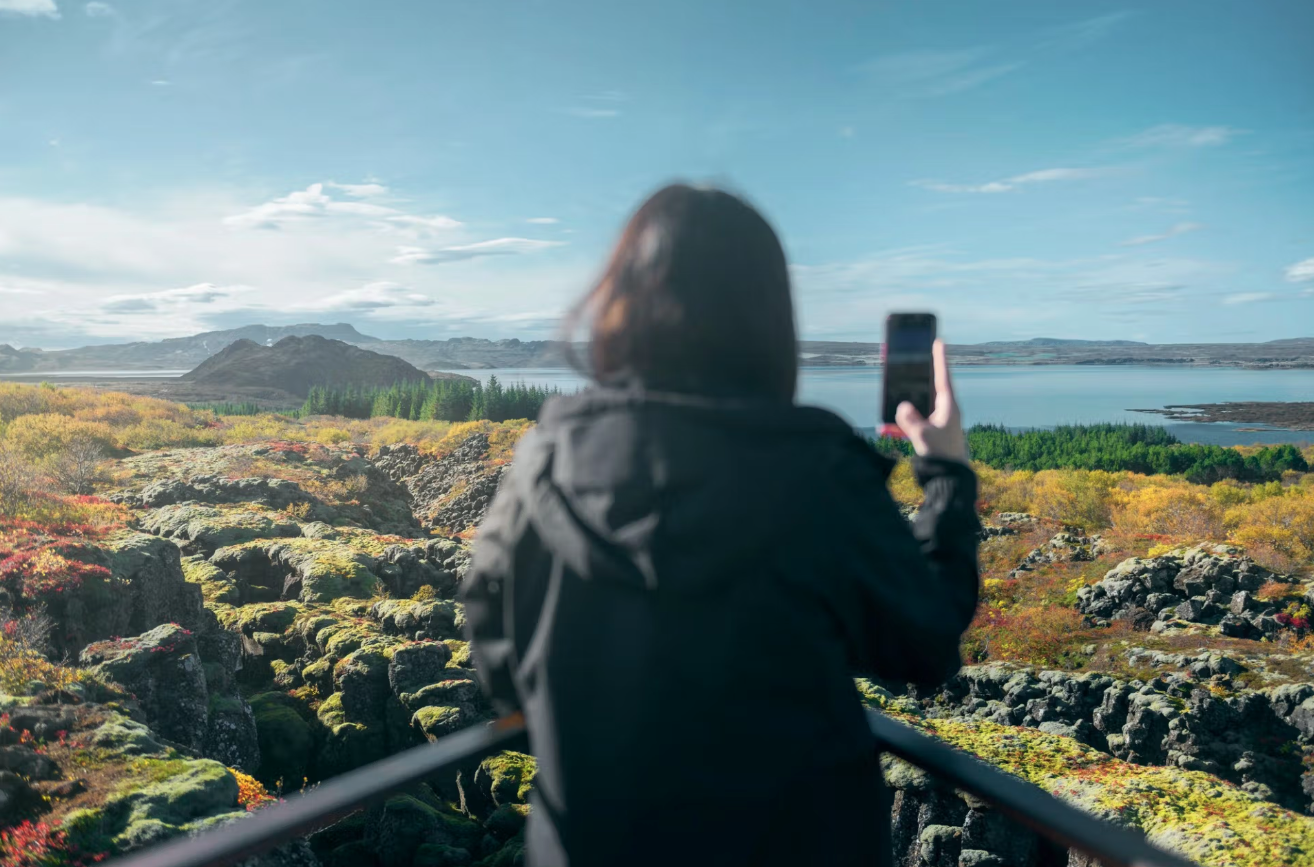
Explora lo mejor de Islandia (y contempla el eclipse) en este itinerario de 6 días
Spots are limited, book your 6-day Solar Eclipse adventure across Iceland now.
CONSEJOS PARA DISFRUTAR DEL ECLIPSE SOLAR EN ISLANDIA
- Utiliza gafas especiales para eclipse solar al observar el Sol.
- Vístete con capas para mantenerse cómodo en climas cambiantes.
- Considera combinar tu viaje para el eclipse con otras experiencias guiadas
Puedes explorar la gama completa de tours y actividades de Aurora Reykjavik aquí: https://aurorareykjavik.is/tours-and-activities/
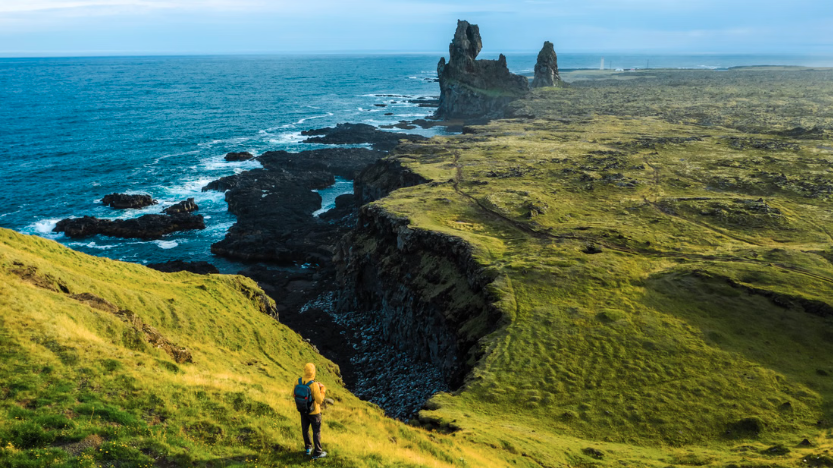
Acantilados majestuosos en el Oeste de Islandia
REFLEXIONES FINALES: UN MOMENTO QUE VALE LA PENA RECORRER
Ya sea desde un tranquilo mirador costero, una piscina geotermal o como parte de una experiencia guiada en Snæfellsnes, ofrece un poderoso recordatorio de los ritmos de la naturaleza y nuestro lugar en ellos.
Con una planificación cuidadosa, este breve momento de oscuridad puede convertirse en uno de los momentos más memorables de un viaje a Islandia.
EXPLORA MÁS EN AURORA REYKJAVÍK
- Visita nuestro Centro de Auroras Boreales para aprender todo sobre la aurora.
- Descubre los mejores consejos de fotografía de auroras boreales para tu próxima aventura.
- Descubre los mejores meses para ver la aurora boreal en nuestra guía.
ÚNETE AL MEJOR TOUR DE AURORAS BOREALES EN ISLANDIA
NUESTROS TOURS MÁS POPULARES
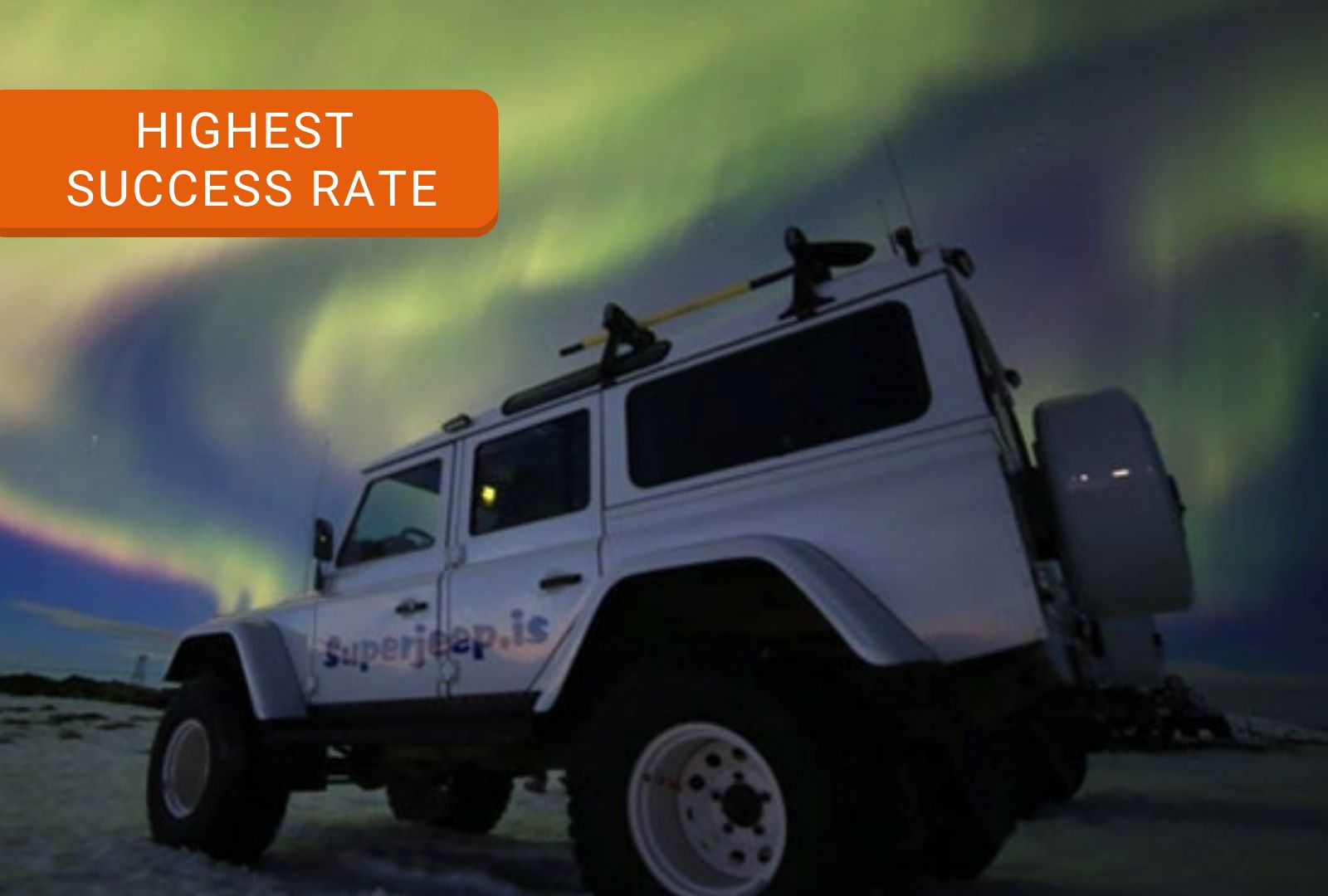
TOUR EN SUPER JEEP DE LA AURORA BOREAL
ASPECTOS DESTACADOS:
✓ Tour guiado premium de Auroras Boreales en un super jeep
✓ Recogida y regreso gratuitos
✓ Fotografías gratuitas de calidad
✓ Chocolate caliente chocolate casero
✓ Vehículos con calefacción todo el viaje
TASA DE ÉXITO MÁS ALTA
ENTRADA A AURORA REYKJAVÍK INCLUIDA - AHORRA 3900 ISK
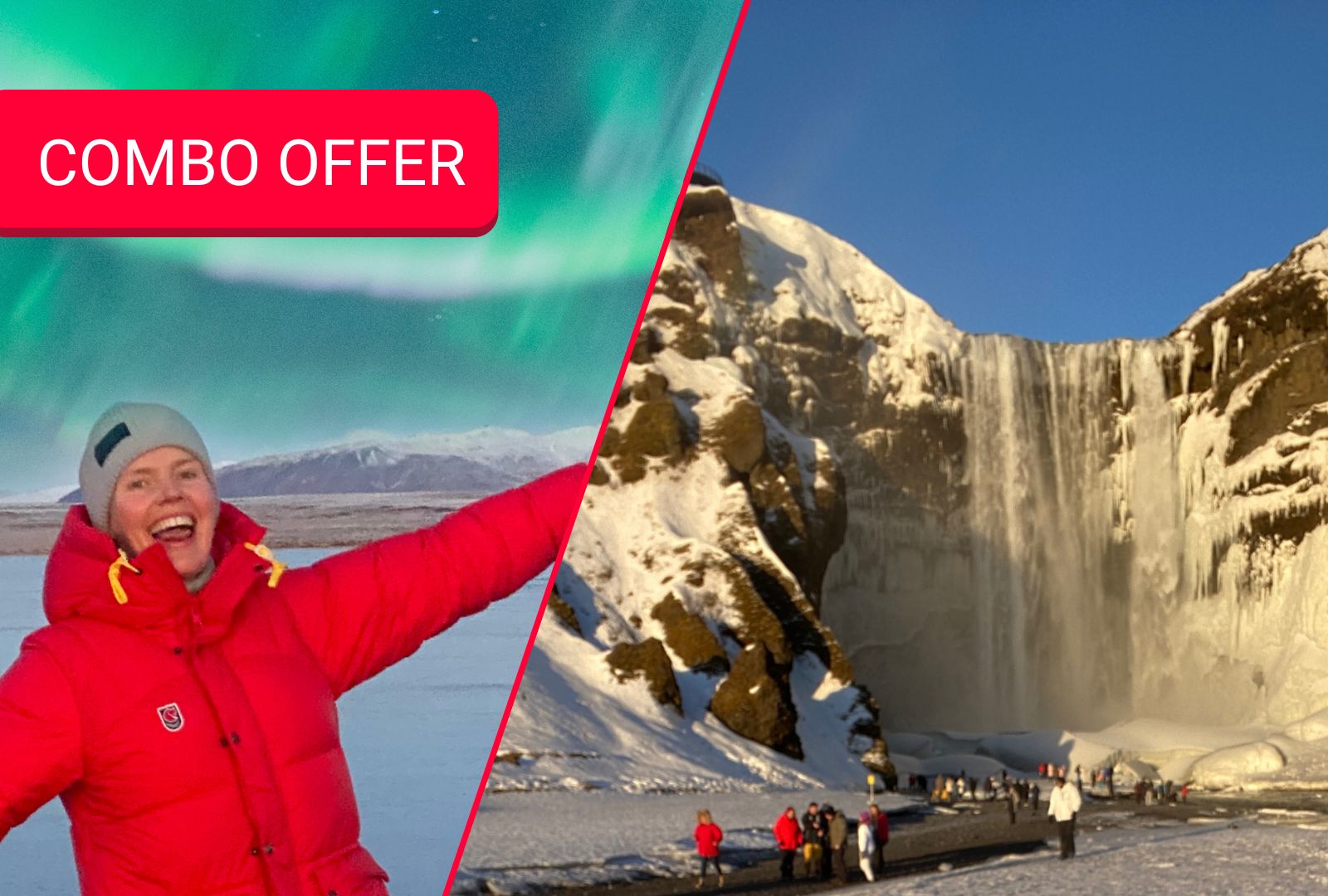
AURORA BOREAL Y COSTA SUR
ASPECTOS DESTACADOS:
✓ OFERTA 2 EN 1: AHORA MÁS DE 2000 ISK
✓ Visita el glaciar Sólheimarjökull
✓ Pasea por la ciudad de Vík
✓ Camina por la playa de arena negra
✓ Contempla las majestuosas cascadas Skógafoss y Seljalandsfoss
✓ Presencia la La danza de las Auroras Boreales
MEJOR RELACIÓN CALIDAD-PRECIO
AURORAS BOREALES GARANTIZADAS: REINTENTO GRATUITO SI NO SE VEN LAS LUCES
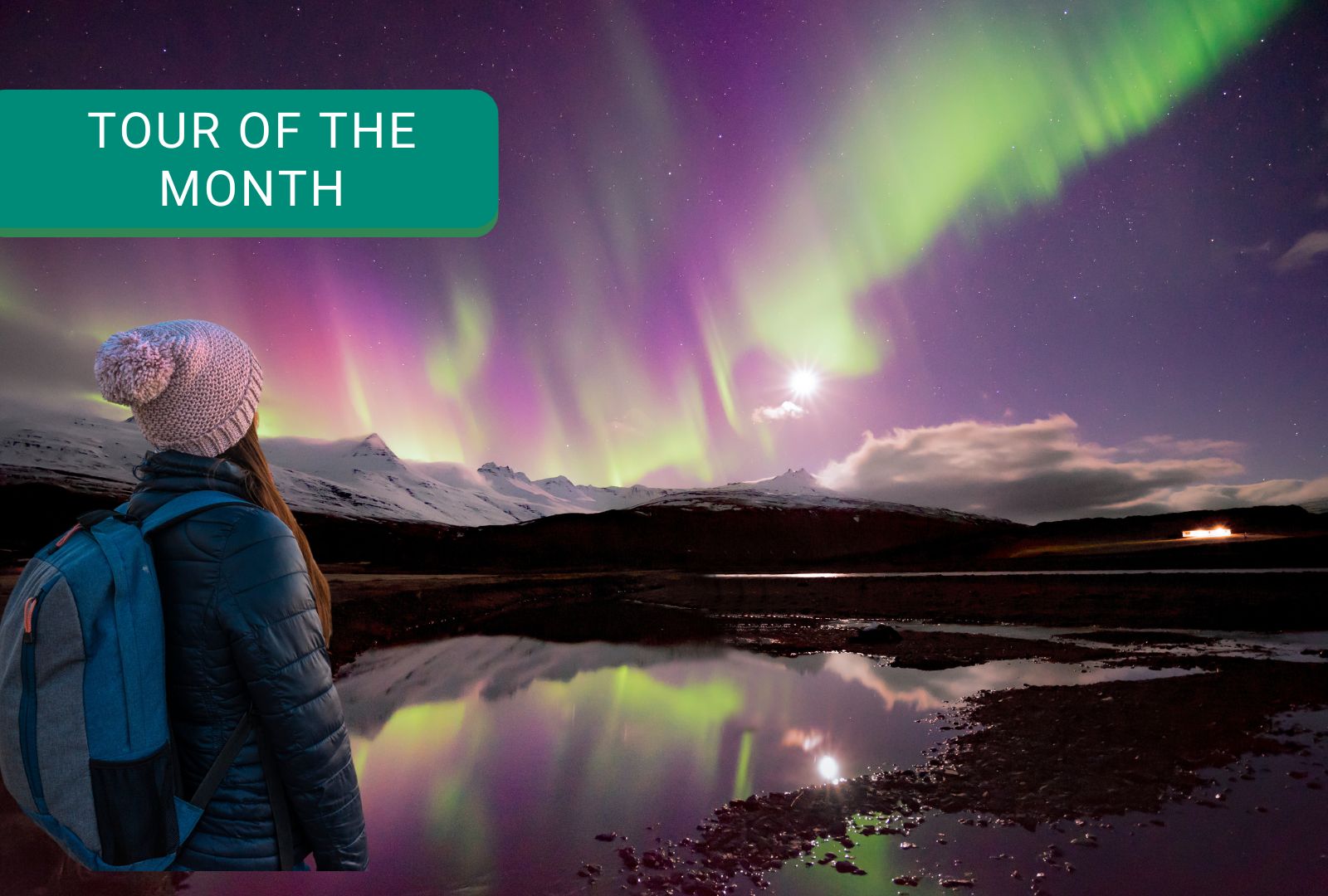
TOUR DE AURORAS BOREALES EN GRUPO REDUCIDO
ASPECTOS DESTACADOS:
✓ Tour de Auroras Boreales en minibus
✓ Fotografías gratuitas de ti bajo las Auroras Boreales
✓ Chocolate caliente y pasteles caseros
✓ Recogida y regreso gratuitos
EL TOUR MÁS POPULAR
PREGUNTAS FRECUENTES SOBRE LA AURORA BOREAL
¿Cuándo puedo ver las Auroras Boreales en Islandia?
¿Puedes ver la aurora boreal durante la luna llena?
¿A qué hora aparecen las auroras boreales?
Durante los meses de invierno, cuando las horas de luz son limitadas, las auroras boreales suelen aparecer incluso a las 7:00 pm.
Como no se puede predecir la hora exacta de una aurora , mantén, manten la vista en el cielo. ¡Y recuerda , la paciencia es clave!
¿Cuánto duran las auroras boreales?
¿Puedo ver la aurora boreal cuando está nublado?
¿Las auroras boreales sólo aparecen cuando hace frío?
¿Se ven las auroras boreales en toda Islandia?
¿Son realmente coloridas las auroras boreales?
¿Es mejor la luna nueva para ver auroras boreales?
¿Es la luna llena buena para fotografiar la aurora?