ICELAND IN WINTER TRAVEL GUIDE: ROADS, CLOTHING, DAYLIGHT & NORTHERN LIGHTS
Winter Roads in Iceland
What To Wear in Winter
How to Chase the Northern Lights
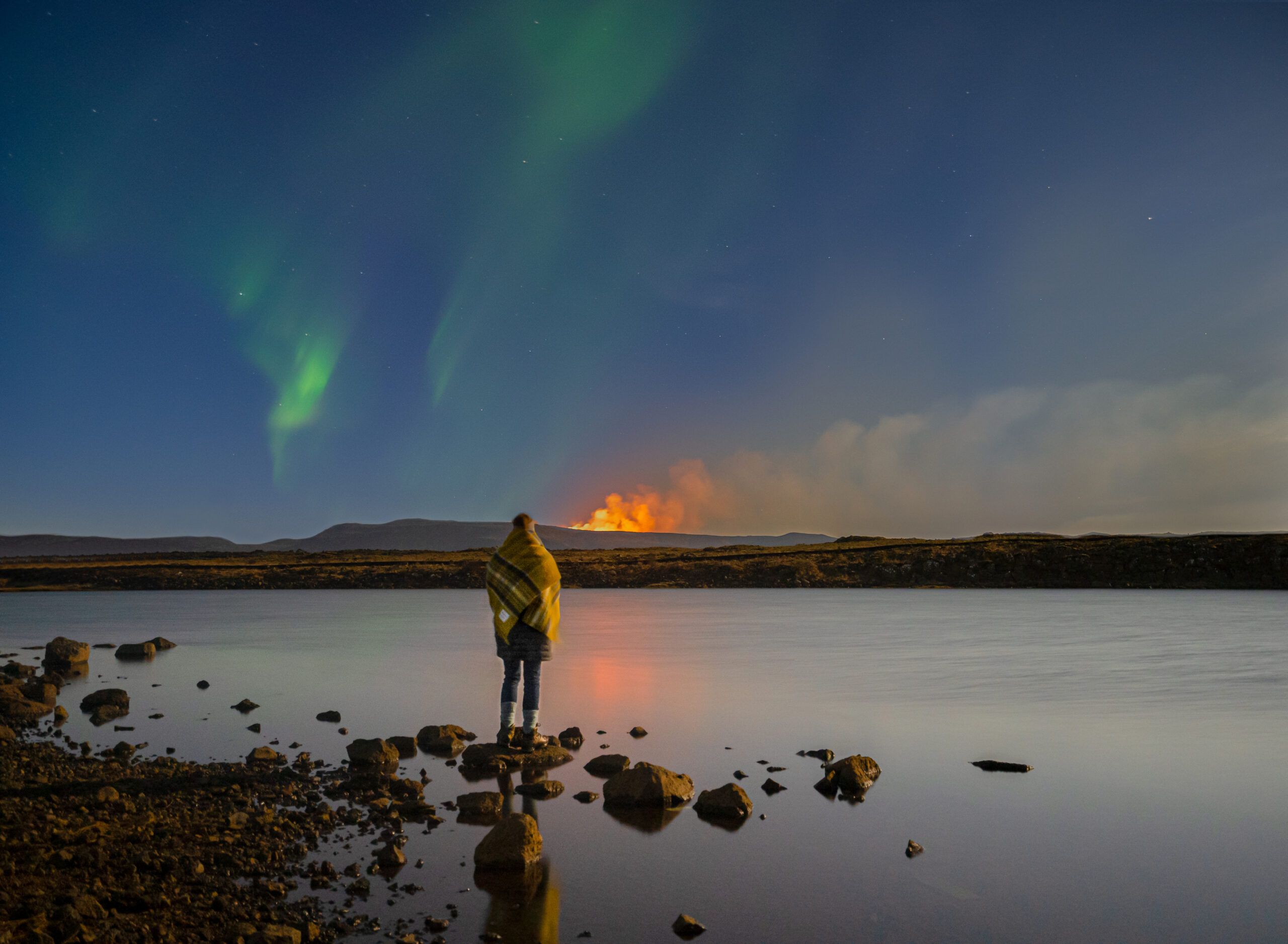
Winter in Iceland is a season of extremes: dramatic landscapes, long nights, and the possibility of witnessing one of nature’s most spectacular phenomena.
While unforgettable, winter travel also requires preparation.
This guide covers winter road conditions, what to wear, limited daylight, and how to improve your chances of seeing the Northern Lights.
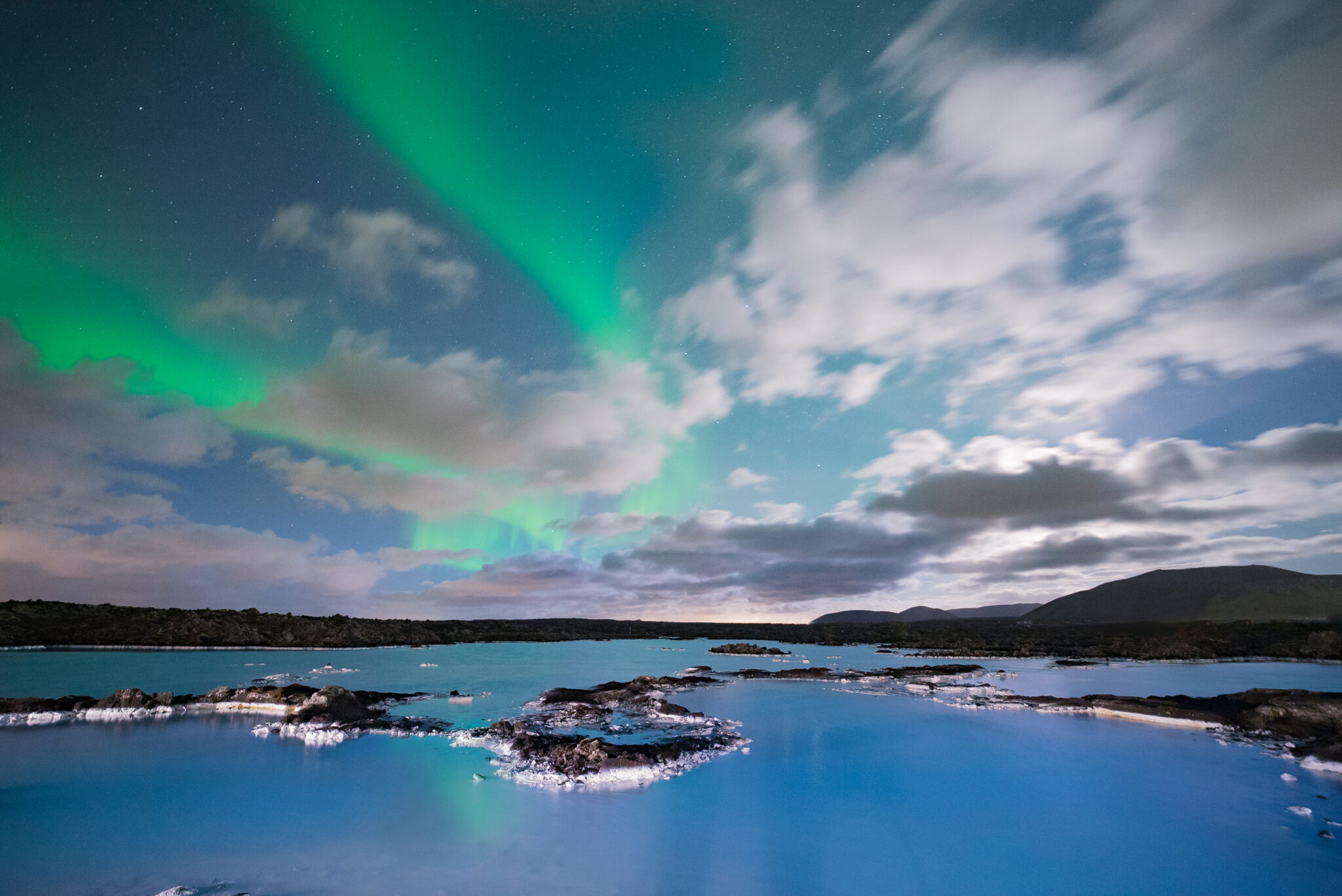
Únete a nuestro: Blue Lagoon & Northern Lights Tour for the ultiimate Icelandic winter experience
Winter Roads in Iceland
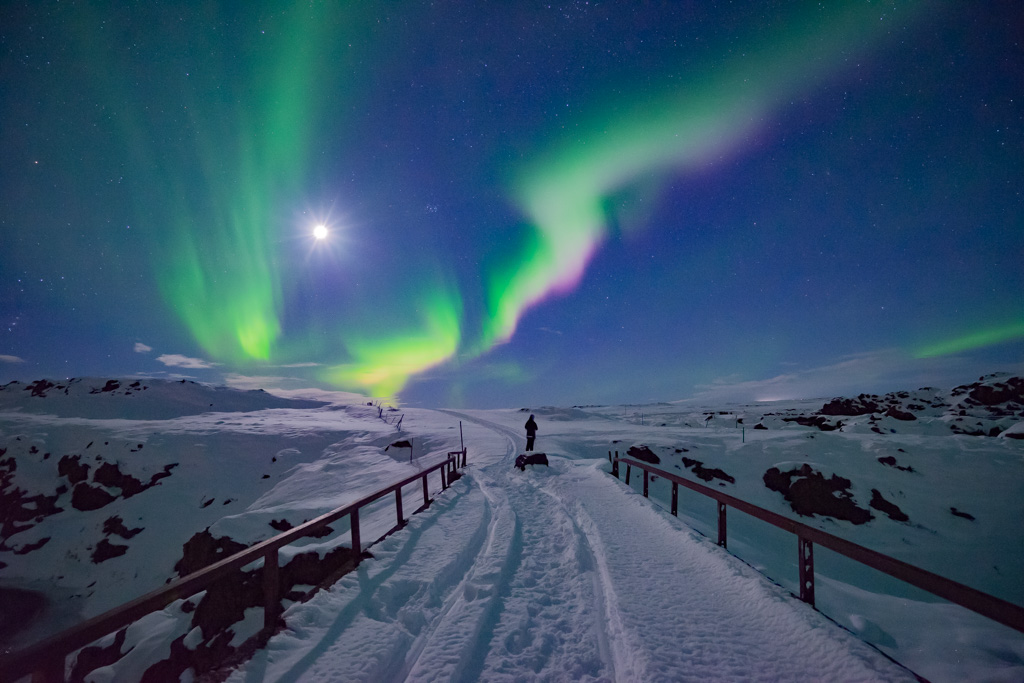
Driving in Iceland during winter can be beautiful but challenging. Snow-covered roads, icy patches, strong winds, and rapidly changing weather are common, especially outside populated areas.
Travelers planning to look for the aurora on their own should understand safe winter routes and common driving mistakes, particularly when heading away from city lights late at night. It is always best to consult our guide on driving yourself to see the Northern Lights in Iceland, to discover why wind, visibility, and stopping in unsafe places are among the biggest winter risks, and learn how to avoid them.
Checking road conditions in advance and driving conservatively are essential parts of winter travel in Iceland.
What to Wear in Iceland in Winter
Staying warm in Iceland is less about extreme cold and more about wind, moisture, and time spent outdoors.
A proper winter outfit starts with thermal base layers, ideally wool, followed by an insulating mid-layer such as fleece or down. A waterproof and windproof outer shell is essential, as Icelandic wind can significantly lower perceived temperatures. Warm socks, insulated gloves, and waterproof boots are especially important when standing still outdoors.
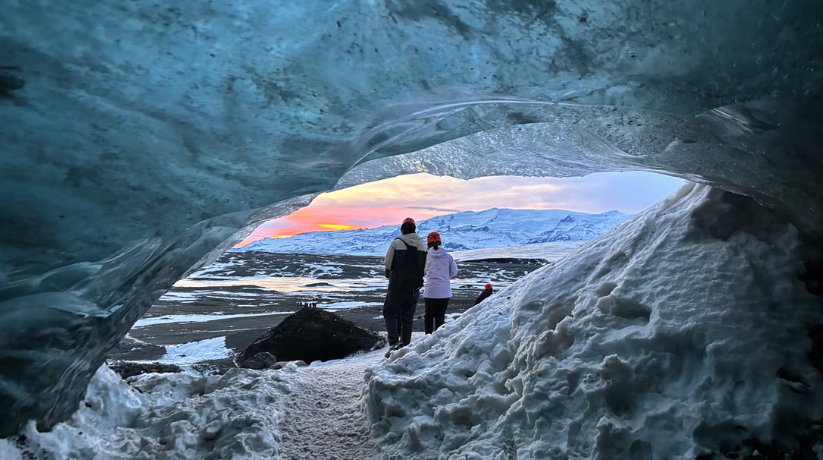
Gear Up and brave the Glacier in the winter, with our 2-day winter South Coast package
This becomes particularly important during Northern Lights watching, which often involves waiting outside for long periods. Being dressed correctly allows you to stay out longer and enjoy the experience rather than cutting the night short.
Check out our Ultimate Guide to Seeing the Northern Lights in Iceland for more information on how to make your Aurora dream come true.
Looking for the best Northern Lights Tour? Let us help you choose the perfect experience aquí.
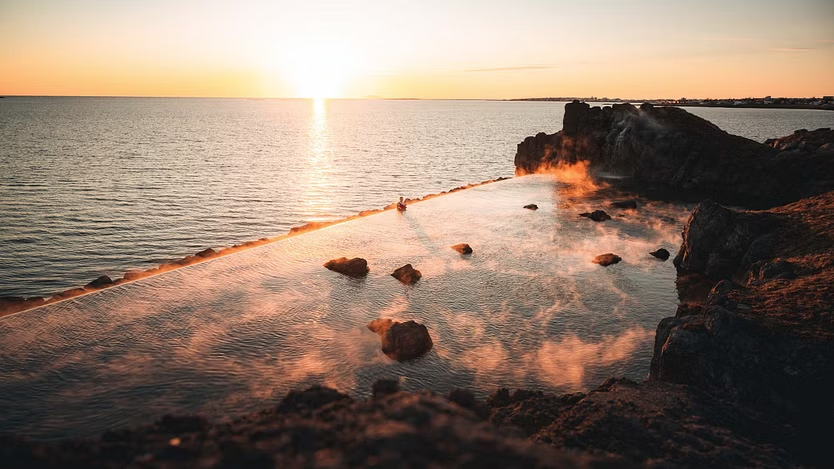
Sunset at the Sky Lagoon
Daylight Hours During Winter
Winter daylight in Iceland is limited but atmospheric.
From late November through January, daylight may last only four to five hours, creating long twilight periods ideal for photography. As winter progresses, daylight increases quickly, allowing more time for sightseeing while still preserving long, dark evenings: perfect for aurora viewing.
Because of this balance, many visitors plan their sightseeing during the day and reserve evenings specifically for watching the sky.
Make the most out of your northern lights experience with our expert´s guide on Cómo fotografiar las Auroras Boreales
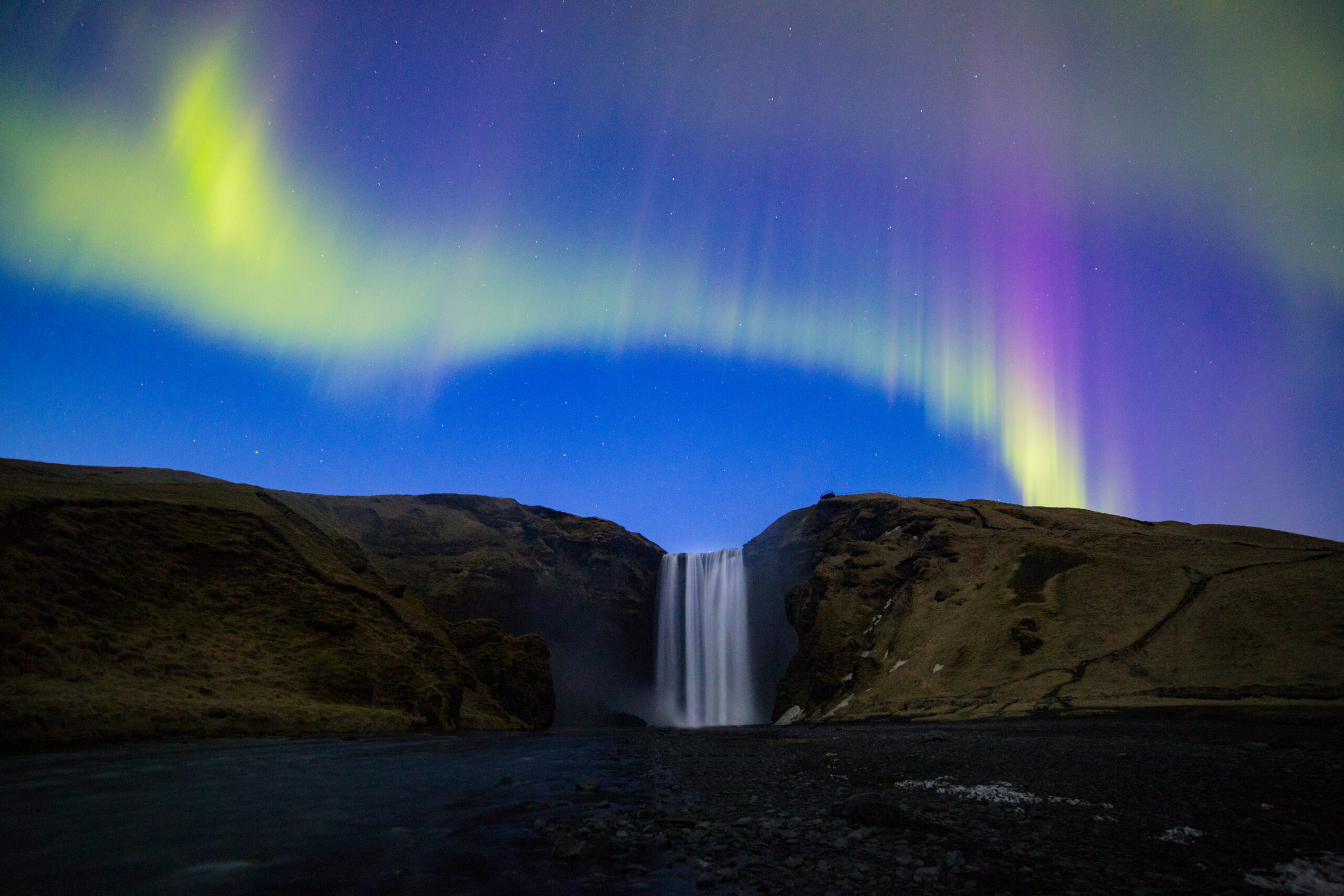
Únete a nuestro: superjeep tour and get a chance to see the Northern Lights over the Icelandic wilderness
Northern Lights in Iceland
The Northern Lights, or aurora borealis, occur when charged particles from the sun interact with Earth’s atmosphere, creating shimmering waves of light across the night sky.
The aurora season in Iceland typically runs from late August until mid-April, with winter offering the longest and darkest nights. Displays can appear suddenly, fade, and return again — making patience essential.
Comprender how the aurora works, when it appears, and what conditions affect visibility can greatly improve your chances of seeing it. A detailed explanation of these factors, including solar activity, cloud cover, and darkness, is available in our overview of All you need to know about the Northern Lights.
Guided Tours or Independent Aurora Hunting?
Some travelers prefer the flexibility of searching for the aurora independently, while others choose guided excursions to avoid winter driving and benefit from local expertise.
If renting a car is your favoured option, keep in mind the potential challenges of the Icelandic winter. Check out our Driving Yourself to See the Northern Lights: Safe Routes, Tips, and Mistakes to Avoid guide and learn more about independent travelling in the Arctic.
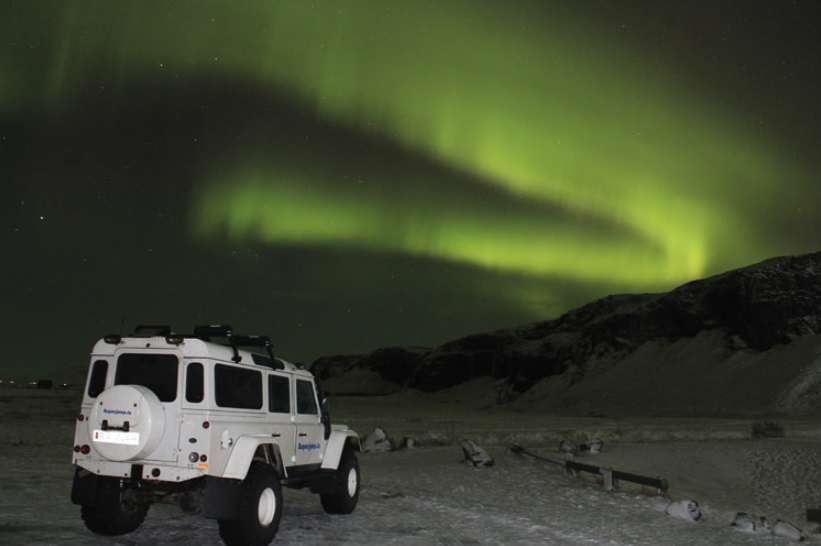
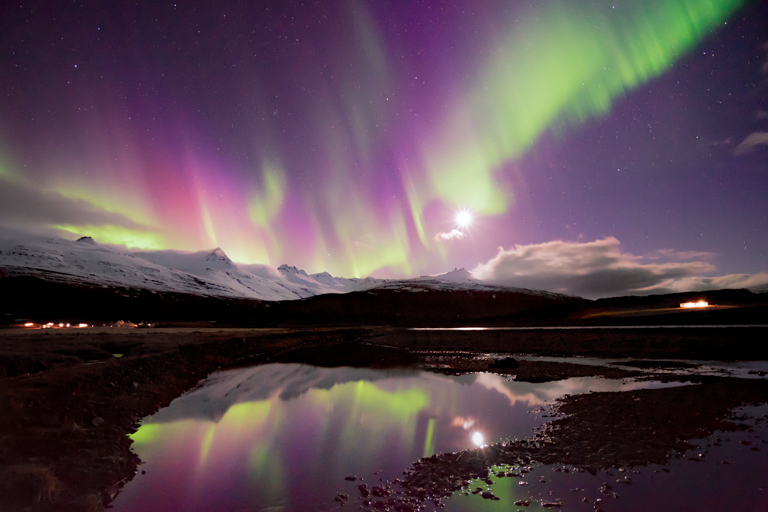
Auroras in the east fjords of Iceland
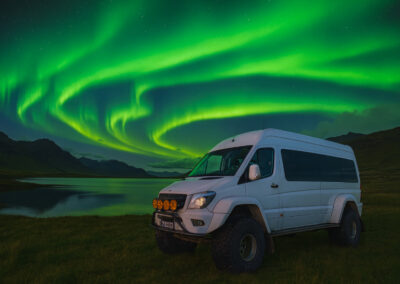
For those who prefer the comfort of a guided tour, there are many types of Northern Lights excursions possible. Availabilities include small-group minibus tours, superjeep adventures into remote areas, photography-focused tourse incluso boat tours that offer darker skies away from city lights.
Those looking specifically for organized excursions can also explore a selection of Northern Lights excursions from Reykjavík, covering land- and sea-based experiences.
Final Thoughts
Winter in Iceland offers fewer crowds, dramatic landscapes, and some of the best conditions in the world for Northern Lights viewing. With the right clothing, careful road planning, and a realistic understanding of winter conditions, it can be an extraordinary experience.
Whether you explore independently or join a guided Northern Lights tour, Iceland in winter rewards preparation with silence, darkness, and skies that often come alive with color.
Únete a un tour guiado para ver Auroras Boreales
Preguntas frecuentes sobre la Aurora Boreal
¿Cuándo puedo ver las Auroras Boreales en Islandia?
¿Por qué no puedo ver la aurora boreal en verano?
¿A qué hora aparecen las auroras boreales?
¿Cuánto duran las auroras boreales?
¿Puedo ver la aurora boreal cuando está nublado?
¿Las auroras boreales sólo aparecen cuando hace frío?
¿Se ven las auroras boreales en toda Islandia?
¿Son realmente coloridas las auroras boreales?
Sin embargo, a simple vista , las auroras boreales pueden verse bastante tenuesy, en ocasiones, percibirse como blancas o grisáceas. Esto se debe a las limitaciones de nuestra visión nocturna..
Las cámaras , en cambio, pueden capturar una versión más fiel de los colores, ya que, en la mayoría de los casos, es posible ajustar la configuración del dispositivo para adaptarse mejor a las condiciones nocturnas.
Descubre más sobre cómo mejorar tu visión nocturna y aprender a tomar excelentes fotografías de auroras aquí.
¿Desaparecerán las auroras boreales en el futuro?
La aurora boreal ha sido visible en el Ártico durante siglos, y eso no va a cambiar pronto.
Lo cierto es que la actividad solar, responsable de la aparición de las auroras boreales en nuestro planeta , cambia con el tiempo, siguiendo un ciclo de once años.
Durante cada ciclo solar, el Sol pasa de un pico a un mínimo de actividad. Durante el pico, el llamado"máximo solar", podemos esperar una mayor actividad y, potencialmente, auroras boreales más intensas visibles desde latitudes inusuales (en el hemisferio norte, esto significa que las auroras se avistan más al sur de lo habitual). Mientras que, durante el mínimo solar, estos fenómenos inusualmente intensos se vuelven más raros.
Aun así, en latitudes árticas , las auroras boreales se pueden ver con claridad durante todo el ciclo. E Islandia, al estar dentro del "cinturón de auroras", es y seguirá siendo el destino perfecto para la búsqueda de auroras boreales.!
¿Qué es el valor BZ?
¿Por qué es importante para la Aurora Boreal? El campo magnético de la Tierra apunta al norte. Si el campo magnético del viento solar (Bz) apunta al sur ( un Bz negativo), se conecta con el campo magnético terrestre y permite que partículas solares cargadas entren en la atmósfera. Esta interacción contribuye a la creación de la aurora boreal. Si, en cambio, Bz es positivo (hacia el norte), los campos no se conectan bien y entran menos partículas, lo que significa una aurora más débil o nula..
Piense en el Bz como un interruptor de encendido y apagado: Bz negativo (sur) = encendido , alta probabilidad de Auroras pronto. Bz positivo (norte) = apagado, Aurora menos probable.
Obtenga más información sobre el Bz y cómo funciona el pronóstico aquí.
¿Cuáles son las mejores aplicaciones y sitios web de pronóstico para la caza de Auroras Boreales?
Para ver la aurora boreal, lo importante es el tiempo, cielos despejados y pronósticos actualizados. Estas herramientas te ayudan a saber cuándo y dónde hay una buena probabilidad de ver la aurora, para que puedas planificar tu noche de forma inteligente. Para obtener los mejores resultados, recomendamos usar más de una fuente, ya que los pronósticos interpretan los datos de forma diferente.
WEB FORECASTS
- Pronóstico oficial de auroras de AURORA REYKJAVÍK 👉 https://aurorareykjavik.is/aurora-forecast/
Nuestro pronóstico de 6 pasos combina actividad geomagnética, nubosidad y consejos de observación, diseñado para la planificación de la aurora boreal en tiempo real. - Clima espacial en vivo
Un sitio detallado sobre el clima espacial global con mapas de actividad auroral y parámetros solares. - Centro de Predicción del Clima Espacial (SWPC) de la NOAA
El modelo oficial de pronóstico del tiempo espacial de EE. UU. en el que muchas aplicaciones de auroras basan sus datos.
MEJORES APLICACIONES MÓVILES
- My Aurora Forecast – Ofrece índice KP en tiempo real, mapas globales de auroras, alertas push y pronósticos para varios días: ideal tanto para viajeros como para observadores serios de auroras.
Y no olvides activar las notificaciones para recibir alertas cuando aumente la actividad de la aurora.
📍App Store
📍 Google Play
Siguiendo esta guía, estarás bien preparado para experimentar uno de los espectáculos más mágicos de la naturaleza. Tanto si estás planeando tu viaje como si ya estás en Islandia, ¡la Aurora te espera!