VOLCANIC ERUPTION AT REYKJANES PENINSULA – IT IS SAFE TO TRAVEL TO ICELAND
Are you planning a trip to Iceland but are worried about the current eruption on Reykjanes peninsula?
Here’s all you need to know!
WHAT IS HAPPENING
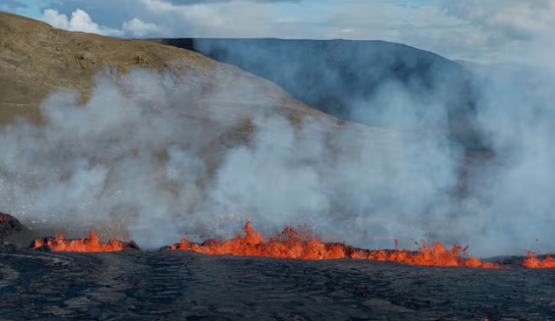
A new volcanic eruption has started at Reykjanes peninsula on Dec 18th, 23.10. The eruptive fissure is about 4 km long, with the northern end just east of Stóra-Skógfell and the southern end just east of Sundhnúk. The distance from the southern end to the edge of Grindavík is almost 3 km.
The Icelandic Meteorological Office continues to monitor the activity and is in direct contact with civil protection and response units in the area.
A NEW GEOLOGICAL PHASE
Earthquakes and eruptions are not a rare occurrence in Iceland, due to Iceland’s location on the Mid-Atlantic ridge.
Ever since 2021, Reykjanes peninsula has witnessed a new geological phase, with 3 eruptions in 3 years, the first ones in the area in about eight centuries.
The 2021, 2022 and summer 2023 eruptions all took place in uninhabited areas of the peninsula and posed no threat to life nor infrastructure in the area.
LIMITED AREA AFFECTED
It is important to stress that the area affected by the current volcanic unrest is limited to a small portion of Reykjanes peninsula, spanning only a few kilometers.
Road closures have been enforced and no traffic is allowed to enter the area considered at risk.
For precaution, the worldwide renewed Laguna Azul – not at the epicentre of the current unrest, but located few kilometers away from Grindavík – is currently closed until further notice.
No other towns, roads or tourist attractions are affected by the unrest.
Iceland has one of the world’s most effective volcanic preparedness measures y la situation is closely monitored and constantly evaluated according to the best scientific data available.
IT IS SAFE TO TRAVEL TO ICELAND
As the area affected by the current eruption is circumscribed to a limited part of Reykjanes peninsula, the rest of the country is unaffected and Iceland continues to welcome travellers.
Travelling to Iceland it is not just possible but also perfectly safe.
FURTHER INFORMATION
For the most updated – and reliable – information regarding the volcanic unrest in Iceland, we recommend not to rely on international media coverage, as their tone and approach can contribute to misinterpreting and amplifying the events.
Instead, we encourage travellers to follow official Icelandic channels:
- The Icelandic MET office
Information on the seismic activity and development of events - The Icelandic Road Administration
Information on road conditions and closures in the Reykjanes region - Safetravel
Updates on safety - The Icelandic National Broadcasting Service
News coverage - Visit Reykjanes
Updates from the region
AURORA REYKJAVÍK IS OPEN – GREAT AURORAS EXPECTED THIS WINTER
Aurora Reykjavík, located in the Icelandic capital, is far from the epicentre of the unrest and regularly open daily from 9 to 21.
La northern lights season is in full swing y predictions for the winter are exceptionally good, as we have reached the "máximo solar" for the current solar cycle.
Islandia is one of the prime spots for aurora sighting in the world and a unique, diverse destination.
Don‘t miss your chance to see the best northern lights in a decade y travel safely to Iceland, we look forward to welcoming you!
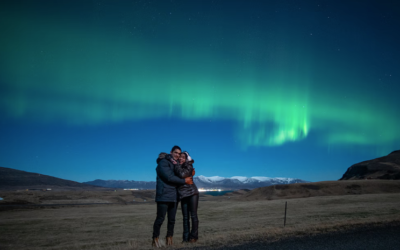
Los 25 mejores lugares para ver las auroras boreales en Islandia
Como entusiasta de las auroras boreales de toda la vida y fundador de Aurora Reykjavík, he pasado incontables noches persiguiendo las auroras por toda Islandia. Cada experiencia se siente como la primera: una danza impresionante de colores y luces contra los vastos cielos islandeses. En esta guía, compartiré mis 25 lugares favoritos para presenciar este fenómeno natural, desde remotas tierras altas hasta joyas costeras. Ya seas un nuevo visitante o un cazador experimentado de auroras, estos lugares ofrecen algo verdaderamente mágico. Déjame llevarte en un viaje a los mejores lugares de Islandia para ver las auroras boreales. – Grétar Jónsson
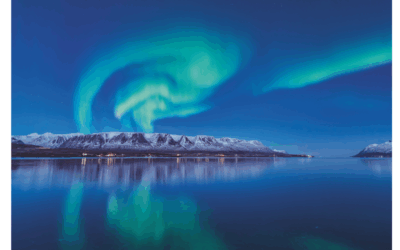
Northern Lights in Iceland in March & April: Why Spring Is an Underrated Aurora Season
Most travelers assume winter is the only serious northern lights season in Iceland.
In reality, March and early April can be one of the smartest times to hunt the aurora.
You still have dark nights long enough for aurora viewing, travel conditions are often easier than in deep winter, and the weeks around the spring equinox are statistically favorable for geomagnetic activity.
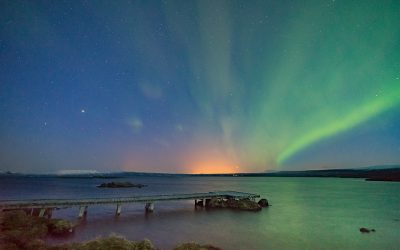
ISLANDIA EN ABRIL: CLIMA, AURORAS BOREALES Y LAS MEJORES COSAS PARA HACER
Abril en Islandia es es un mes de transción. El invierno comienza a ceder, los días se alargan considerablemente, y el país empieza a despertar para la primavera. Para los viajeros, esto significa menos gente, cascadas impresionantes alimentadas por el deshielo y una última oportunidad para ver la aurora boreal antes de que termine la temporada.
Si estás pensando en visitar Islandia en Abril, aquí tienes todo lo que necesitas saber: desde las condiciones meteorológicas y las tradiciones de Pascua hasta por qué sigue siendo una época estupenda para ver la aurora boreal.
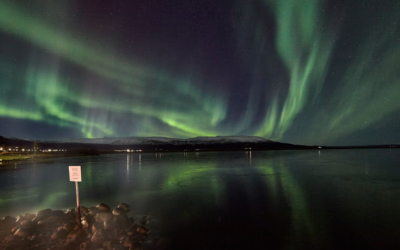
EASTER IN ICELAND: TRADITIONS, OPENING HOURS & WHAT TO DO IN REYKJAVÍK
Easter is one of the most beautiful times to visit Iceland. Winter still lingers in the landscape, daylight is rapidly returning, and Reykjavík comes alive with locals enjoying the first real feeling of spring. Here is everything visitors need to know about spending Easter in Iceland — plus the best ways to enjoy Reykjavík during the holiday weekend.
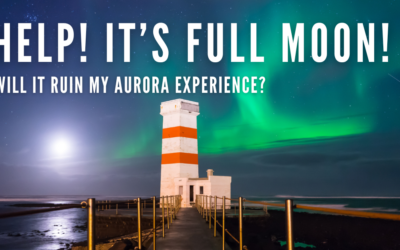
Full Moon and Northern Lights: Will a Full Moon Ruin Your Aurora Experience?
Does a full moon affect the Northern Lights? Aurora experts explain how moonlight, cloud cover, and aurora strength really impact your viewing experience.
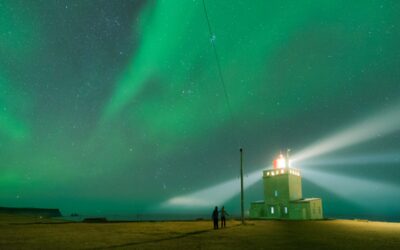
VIAJE DE AURORAS BOREALES DESDE REIKJAVÍK: CONSEJOS Y TRUCOS PARA PLANIFICAR TU BÚSQUEDA DE AURORAS BOREALES
Ver la Aurora Boreal es una de esas experiencias inolvidables que Islandia convierte en inolvidables. Con la planificación adecuada, ropa abrigada y un poco de suerte de la Madre Naturaleza, podrás contemplar el cielo nocturno danzando en verde, morado y rosa justo encima de ti. Tanto si buscas la guía de un experto como si prefieres una aventura autoguiada, aquí te explicamos cómo planificar tu viaje a Reikjavík para ver la Aurora Boreal como un profesional.
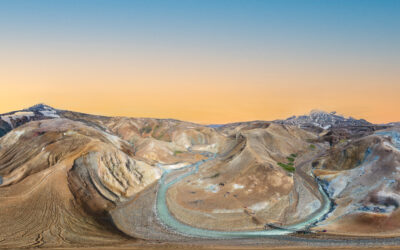
THE “MIDNIGHT SUN” MYTH: CAN YOU SEE THE AURORA IN ICELAND IN THE SUMMER?
In winter, long nights create perfect conditions for Northern Lights viewing. In summer, the season of the midnight sun, the landscape is bathed in near-constant daylight. This dramatic shift leads many visitors to ask the same question every year: Can you see the Northern Lights in Iceland during summer?
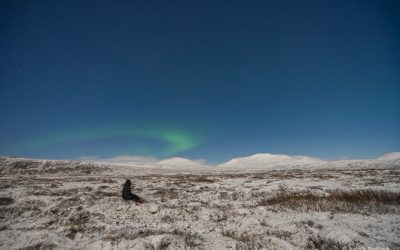
VISITAR ISLANDIA EN FEBRERO: TODO LO QUE NECESITAS SABER
Febrero es uno de los meses más gratificantes para planificar tu viaje a Islandia. En pleno invierno, ofrece una combinación fascinante de días más largos para hacer turismo y noches largas para observar la aurora boreal, además de tradiciones culturales únicas que no encontrarás en ninguna otra época del año. En esta guía, te explicamos por qué Febrero es un mes excepcional para visitar Islandia, qué puedes esperar de la naturaleza y la cultura, y cómo aprovechar al máximo tu aventura invernal.

ICELAND IN WINTER TRAVEL GUIDE: ROADS, CLOTHING, DAYLIGHT & NORTHERN LIGHTS
Winter in Iceland is a season of extremes: dramatic landscapes, long nights, and the possibility of witnessing one of nature’s most spectacular phenomena. While unforgettable, winter travel also requires preparation. This guide covers winter road conditions, what to wear, limited daylight, and how to improve your chances of seeing the Northern Lights.

THE BEST TIME TO SEE THE NORTHERN LIGHTS IN ICELAND (MONTH-BY-MONTH GUIDE)
There is no single perfect moment, but there is a clearly defined aurora season, and each part of it offers something different. In this guide, we’ll walk you through the best months to see the Northern Lights, explain common myths, and help you choose the season that fits your travel style best.