ICELAND IN APRIL: WEATHER, NORTHERN LIGHTS & BEST THINGS TO DO
April in Iceland is a month of transition. Winter begins to loosen its grip, daylight stretches dramatically, and the country starts to awaken for spring. For travellers, this means fewer crowds, powerful waterfalls fed by melting snow, and one final chance to see the northern lights before the season ends.
If you are considering visiting Iceland in April, here is everything you need to know – from weather conditions and Easter traditions to why this is still a great time to chase the aurora.
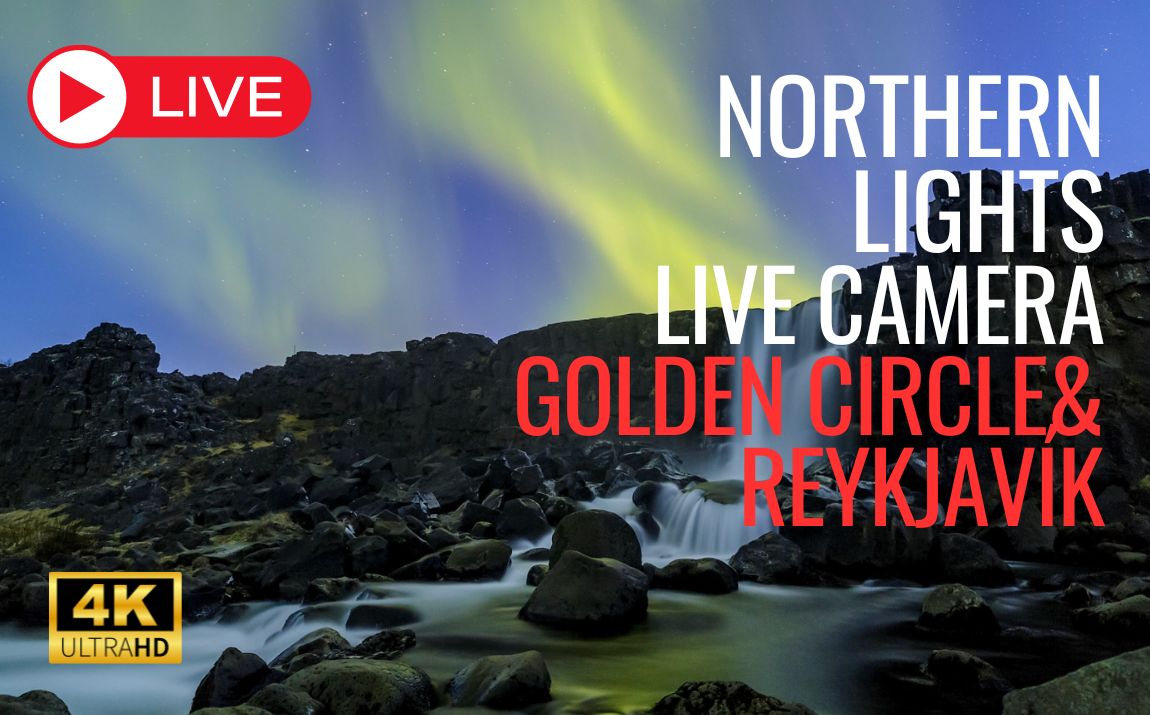
Full moon aurora at Þingvellir National Park, Iceland
Iceland Weather in April
April weather in Iceland sits right between winter and spring. You can expect a mix of sunshine, rain, wind, and even occasional snow – all in the same day.
- Average temperatures: 0°C to 7°C (32°F to 45°F)
- Reykjavík averages: around 4 – 7°C during the day
- Conditions: unpredictable, with rain, snowmelt, and windy spells
While it is still cold, it is far more manageable than winter. Roads are increasingly accessible, and travel disruptions are less common than in the darker months.
Daylight Hours
One of the biggest advantages of visiting Iceland in April is the rapid increase in daylight:
- Early April: ~ 13 hours of daylight
- Late April: up to 16 – 17+ hours of daylight
This gives you more time to explore waterfalls, glaciers, and volcanic landscapes without rushing.
Northern Lights in April: The Final Opportunity
April marks the end of the northern lights season in Iceland.
- Early April: Still a realistic chance of sightings
- Mid-April: Chances decrease significantly
- Late April: Less likely due to bright nights
The key factor is darkness. As daylight hours increase, the window for seeing the aurora becomes shorter and eventually disappears.
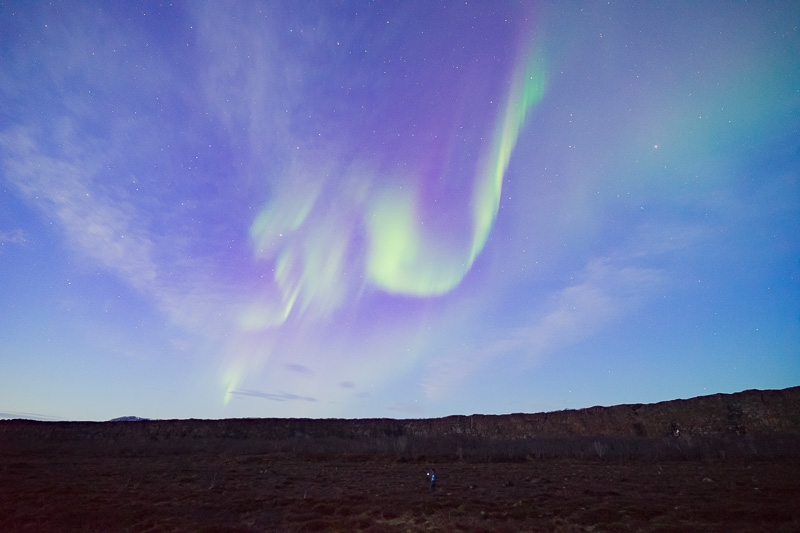
Aurora crown over Iceland in late April
Should You Join a Northern Lights Tour?
Yes, especially in early April.
Guided tours significantly improve your chances because:
- Experts track weather and aurora forecasts
- They drive you away from light pollution
- They adjust locations in real time for clear skies
Even though April is the tail end of the season, joining a northern lights tour can make the difference between seeing nothing and witnessing a once-in-a-lifetime display.
Check out our hand-picked selection of late-season northern lights tours here.
For a deeper understanding of how the aurora works, explore our dedicated posts:
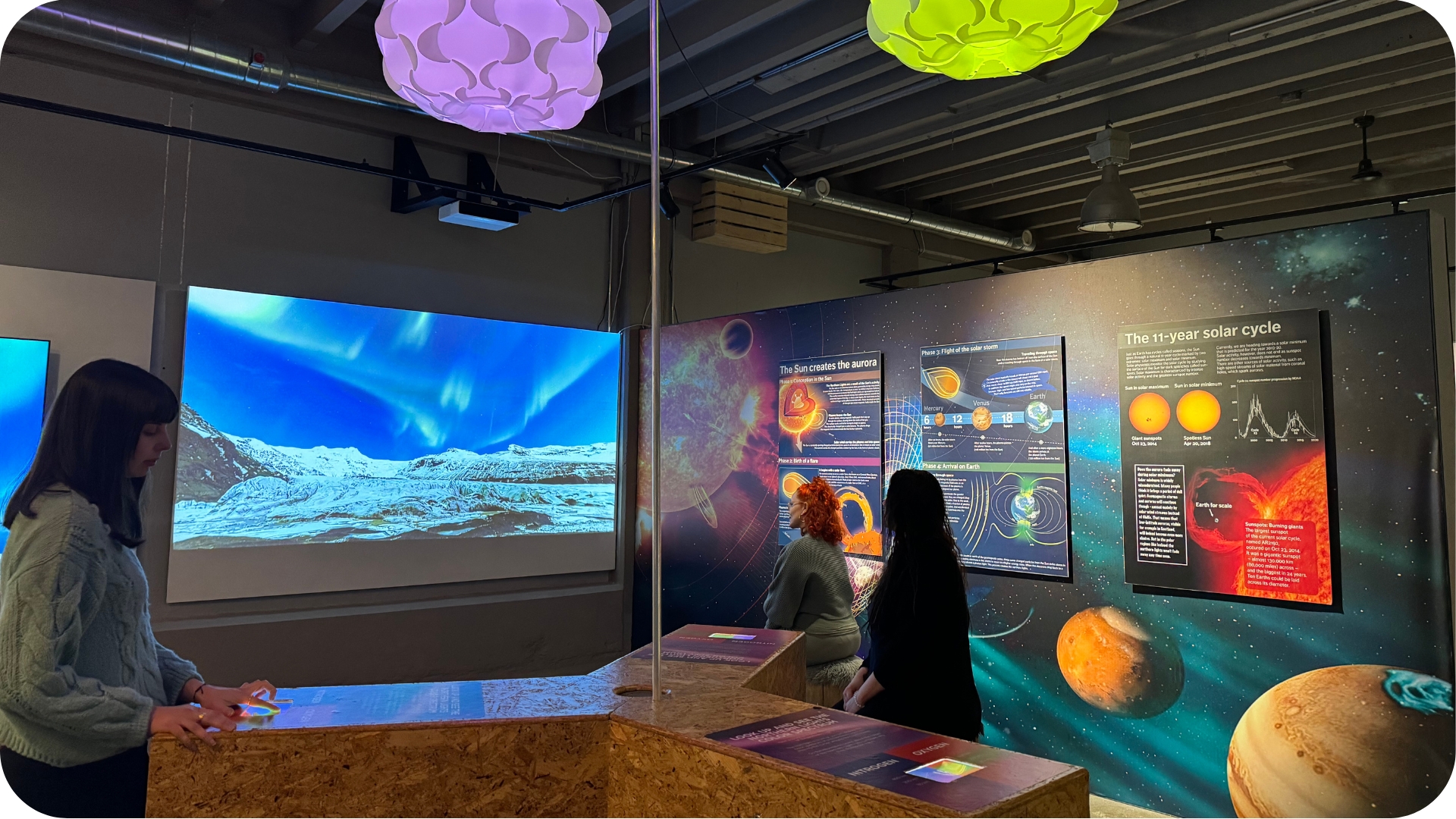
Learn all about the northern lights at Aurora Reykjavík
Why Visit Aurora Reykjavík in April?
If you are visiting toward the end of the aurora season – or if weather conditions are not ideal – Aurora Reykjavík becomes especially relevant.
At Iceland’s only dedicated northern lights centre, you can:
- Experience the aurora through immersive exhibitions
- Learn how to photograph the northern lights
- Understand the science behind the phenomenon
- Watch stunning real aurora footage
It is the perfect complement to a northern lights tour – and a reliable alternative if nature does not cooperate.
Easter in Iceland
April often includes Easter (Páskar), one of the most important holidays in Iceland.
What to Expect During Easter
- Public holidays across several days (Good Friday to Easter Monday)
- Shorter opening hours for shops and restaurants
- More domestic travel, as locals take advantage of the long weekend

Traditional candy-filled Easter eggs
Icelandic Easter Traditions
- Easter eggs (Páskaegg): Large chocolate eggs filled with sweets and a traditional proverb inside
- Family gatherings and festive meals
- Ski trips and countryside travel
For visitors, Easter offers a unique cultural experience – but it is important to plan ahead, as some services may be limited.
Find out more about Easter in Iceland in our dedicated post.
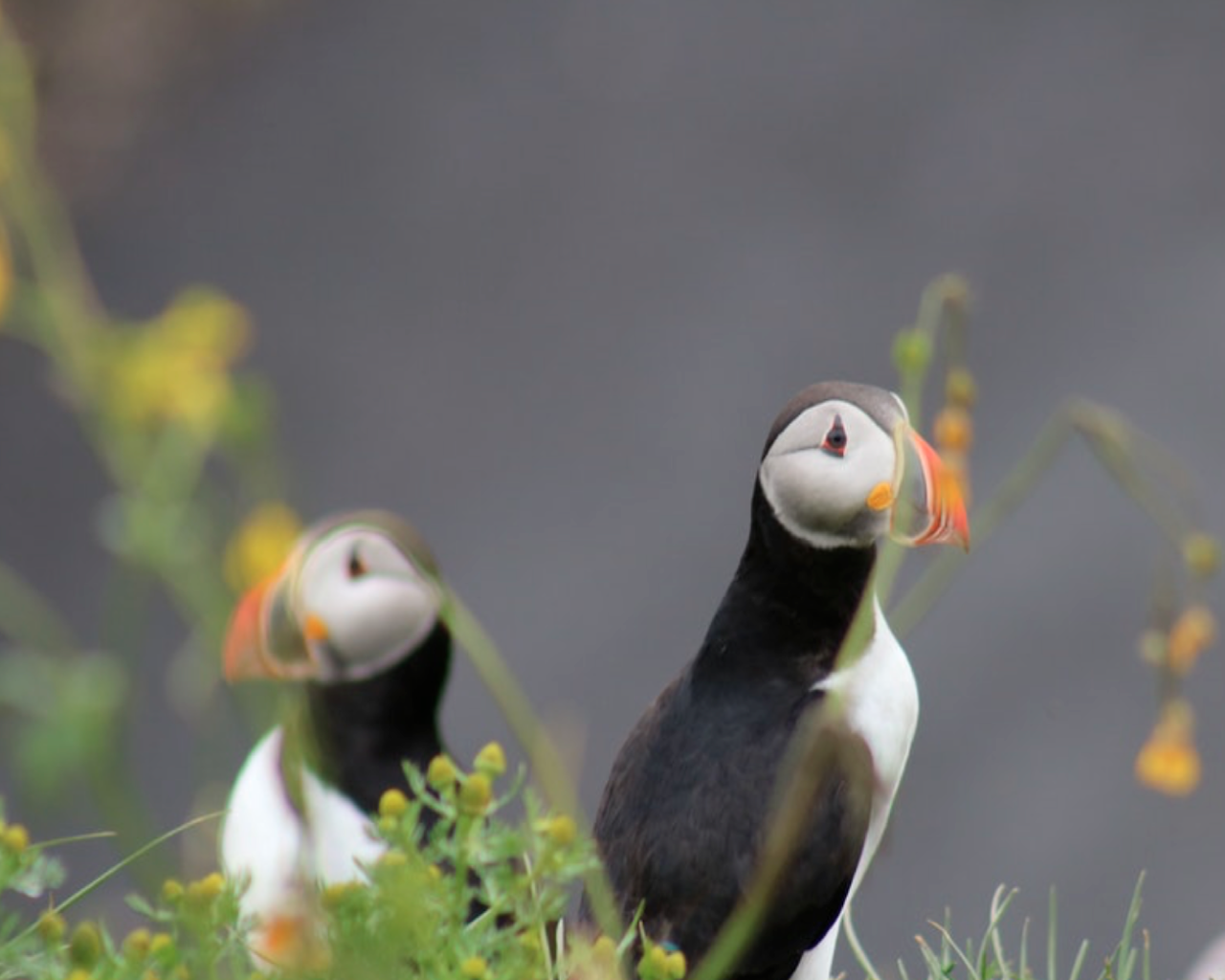
Puffins returning to Iceland signal the beginning of the summer season
The First Day of Summer (Sumardagurinn Fyrsti)
Another unique highlight of April in Iceland is Sumardagurinn Fyrsti, or the First Day of Summer – an official public holiday with deep roots in Old Norse tradition.
Despite its name, it typically falls in mid-to-late April, when the weather can still feel very much like winter. According to the old Icelandic calendar, the year was divided into just two seasons – winter and summer – and this day marks the symbolic beginning of summer regardless of actual temperatures.
What to Expect
- Community celebrations
- Families gathering outdoors (often bundled up in warm clothing)
- A festive, optimistic atmosphere celebrating brighter days ahead
A popular Icelandic belief says that if temperatures drop below freezing the night before the First Day of Summer, it signals a good and warm summer ahead.
For visitors, this celebration offers a glimpse into Iceland’s cultural heritage and its enduring connection to the seasons – making April an even more interesting time to experience the country beyond its landscapes.
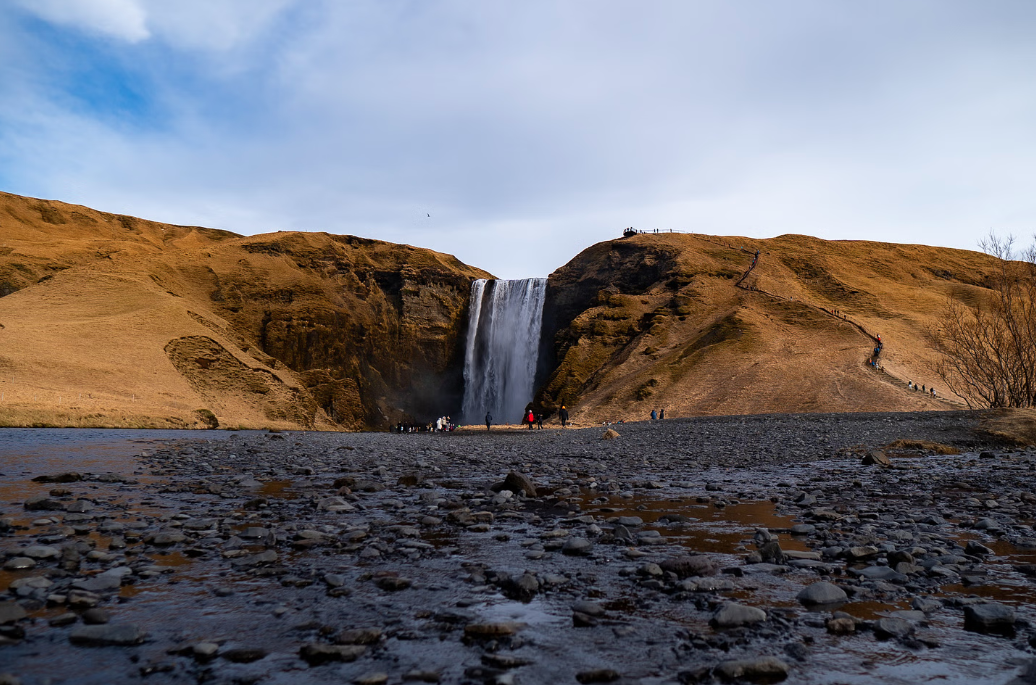
Snow-free spring landscape at Skógafoss, on the South Coast
Best Things to Do in Iceland in April
- See Waterfalls at Their Most Powerful
Melting snow feeds Iceland’s waterfalls, making April one of the most dramatic times to visit.
Popular spots include Seljalandsfoss und Skógafoss, on the must-visit South Coast of Iceland.
For an extra spectacular day, combine the classic south coast itinerary with a natural ice cave visit.
- Explore the Golden Circle
April conditions make classic routes like the Golden Circle more accessible while still offering a wintery atmosphere.
Highlights include:
- Þingvellir National Park
- Gullfoss waterfall
- Strokkur geyser
- Option to add a pampering natural lagoon experience, like Laugarás Lagoon or the iconic Blaue Lagune.
As spring begins, marine life becomes more active in April, with possible sightings of:
- Orcas
- Dolphins
- Minke whales
For the more adventurous, get close and personal with the giants of the sea on a premium tour.
- See the puffins!
By late April, puffins are back to Iceland and can be spotted around the country. Even in the Reykjavík Bay!
Join a puffin tour and meet the clowns of the sea from up close.
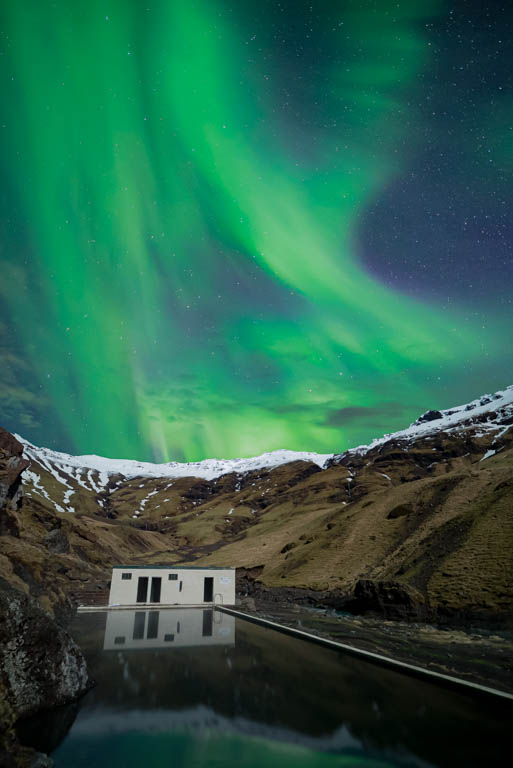
March Northern Lights Over a geothermal pool in the south of Iceland
Is April a Good Time to Visit Iceland?
April is ideal if you want:
- A mix of winter landscapes and spring energy
- Longer days for sightseeing
- Fewer crowds and better availability
- A final chance to see the northern lights
However, it may not be the best choice if your main goal is guaranteed aurora sightings, as conditions become less reliable throughout the month.
Find out more about the best time to see the northern lights in Iceland here.
What to Pack for Iceland in April
Packing properly is essential for comfort.
Bring:
- Waterproof jacket and pants
- Insulated mid-layer (down or fleece)
- Thermal base layers (preferably wool)
- Waterproof hiking boots
- Warm hat, gloves, and scarf/buff
- Swimsuit for hot springs
Layering is key. Avoid cotton, as it retains moisture and increases heat loss.
Find out more about the recommended winter gear for iceland here.
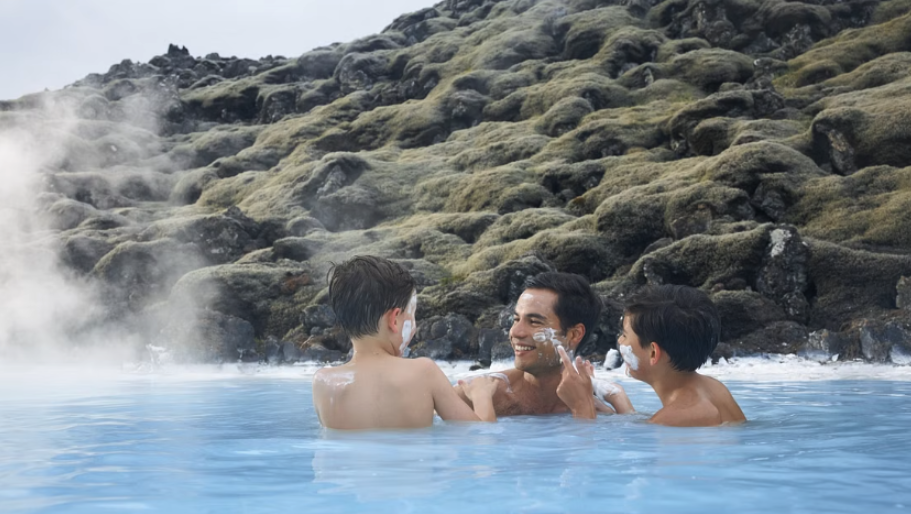
Don´t forget your swimsuit for your must-do Blaue Lagune experience
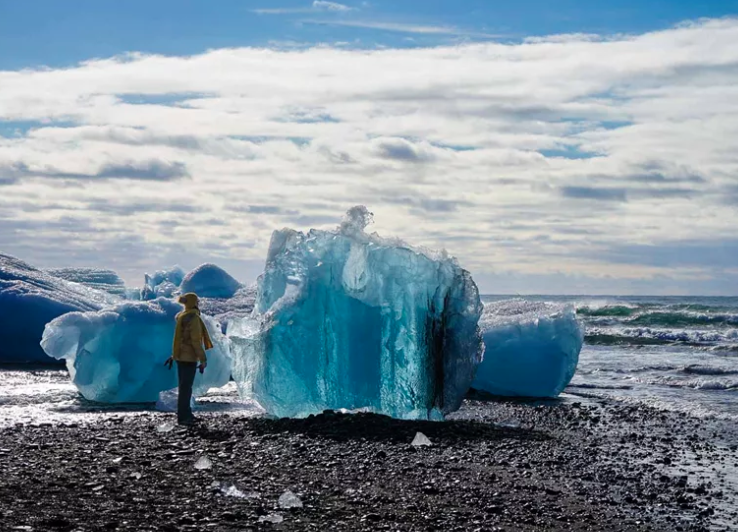
Gear up for the adventure, on our 3-day Golden Circle and South Coast Tour
FAQ: Iceland in April
Is April too cold in Iceland?
No. Temperatures are typically around or above. With proper layering, it’s comfortable for outdoor exploration.
Are roads safe in April?
Yes, main roads are maintained. However, weather changes quickly, so always check conditions before driving.
Can you drive the Ring Road in April?
Yes, but winter driving experience is recommended. The Highlands remain closed.
Is April cheaper than summer?
Yes. Flights, accommodations, and many tours are typically less expensive than during peak season.
Final Thoughts
Iceland in April offers a unique balance. You get extended daylight, powerful natural scenery, and a quieter travel experience – along with a last opportunity to see the northern lights.
To make the most of your trip:
- Visit early in the month for aurora chances
- Join a northern lights tour
- Include a stop at Aurora Reykjavík
- Plan ahead if travelling during Easter
April may be a transitional month, but for many travellers, that is exactly what makes it so special.
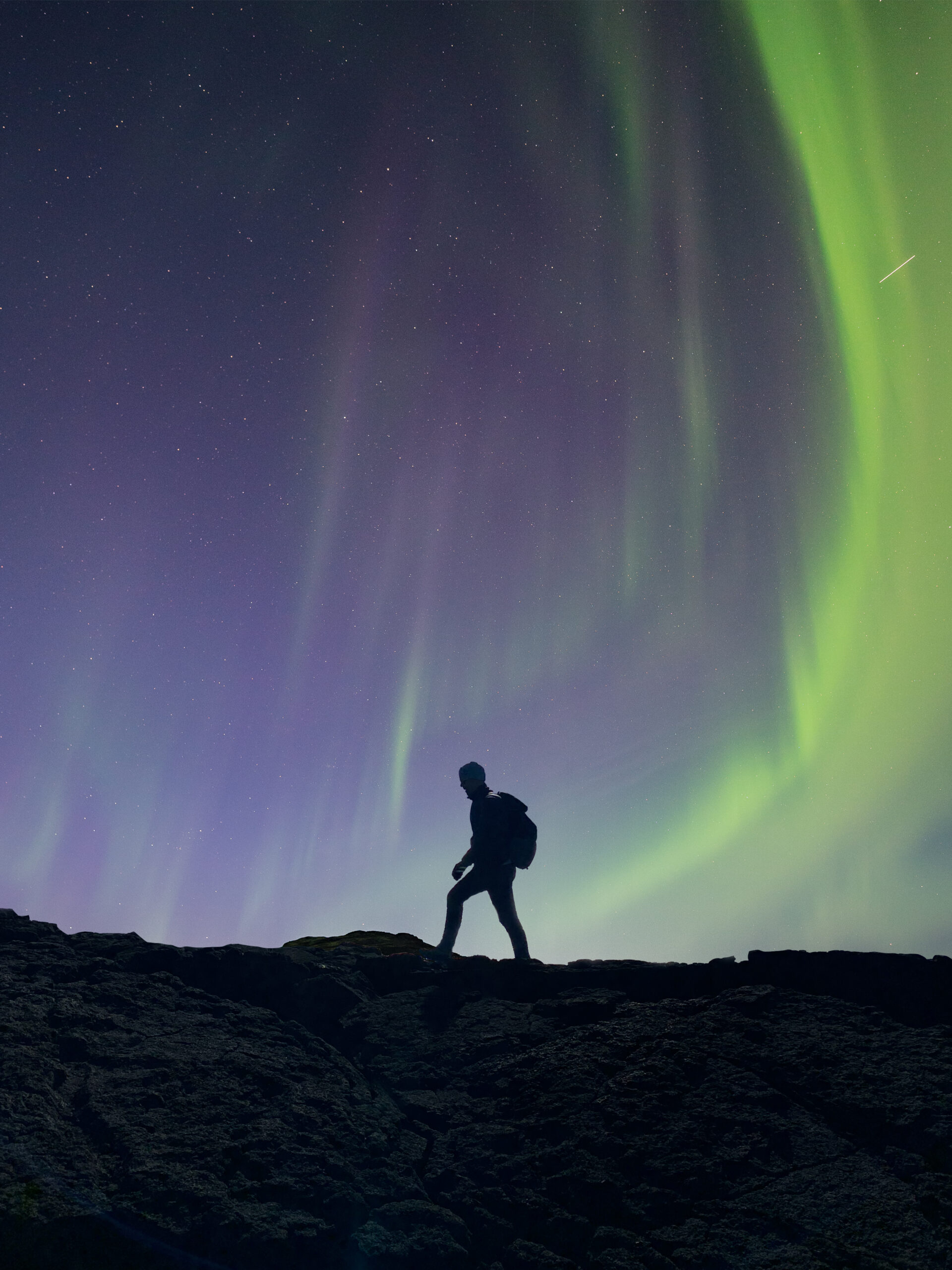
Catch the northern lights before the season ends in Iceland
JOIN US ON ICELAND'S BEST NORTHERN LIGHTS TOUR
OUR BESTSELLER
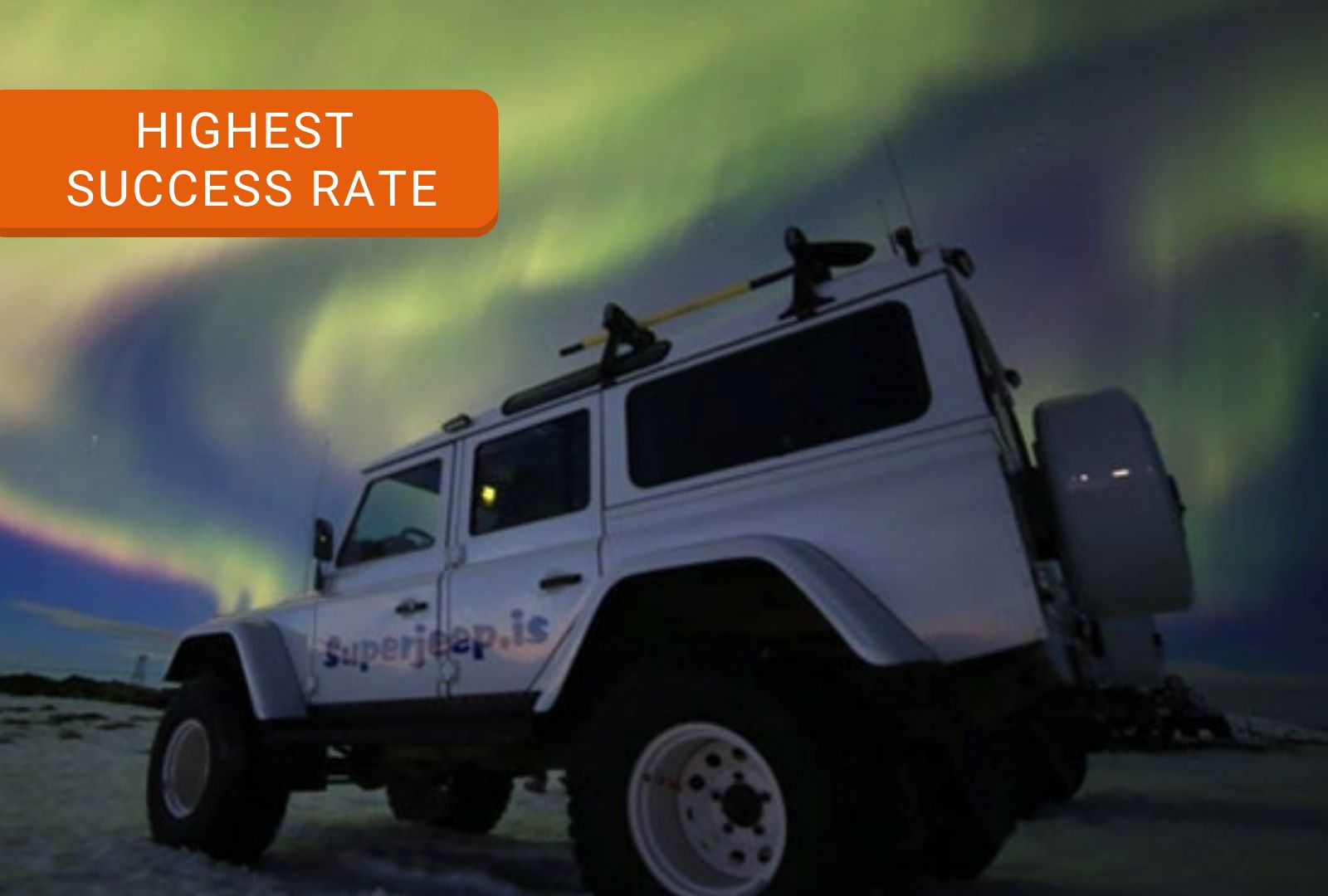
NORTHERN LIGHTS SUPER JEEP TOUR
HIGHLIGHTS:
✓ Premium-Tour mit einem Superjeep ✓ Free pick-up and drop-off ✓ Professionelle Fotos ✓ Selbstgemachte heisse Schokolade ✓ Beheizte Jeeps in denen Sie sich jederzeit aufwärmen können
Höchste Erfolgsrate
Gratis: Museums-Eintritt ins Nordlichtmusem
Nordlicht-Tour und Südküste
HIGHLIGHTS:
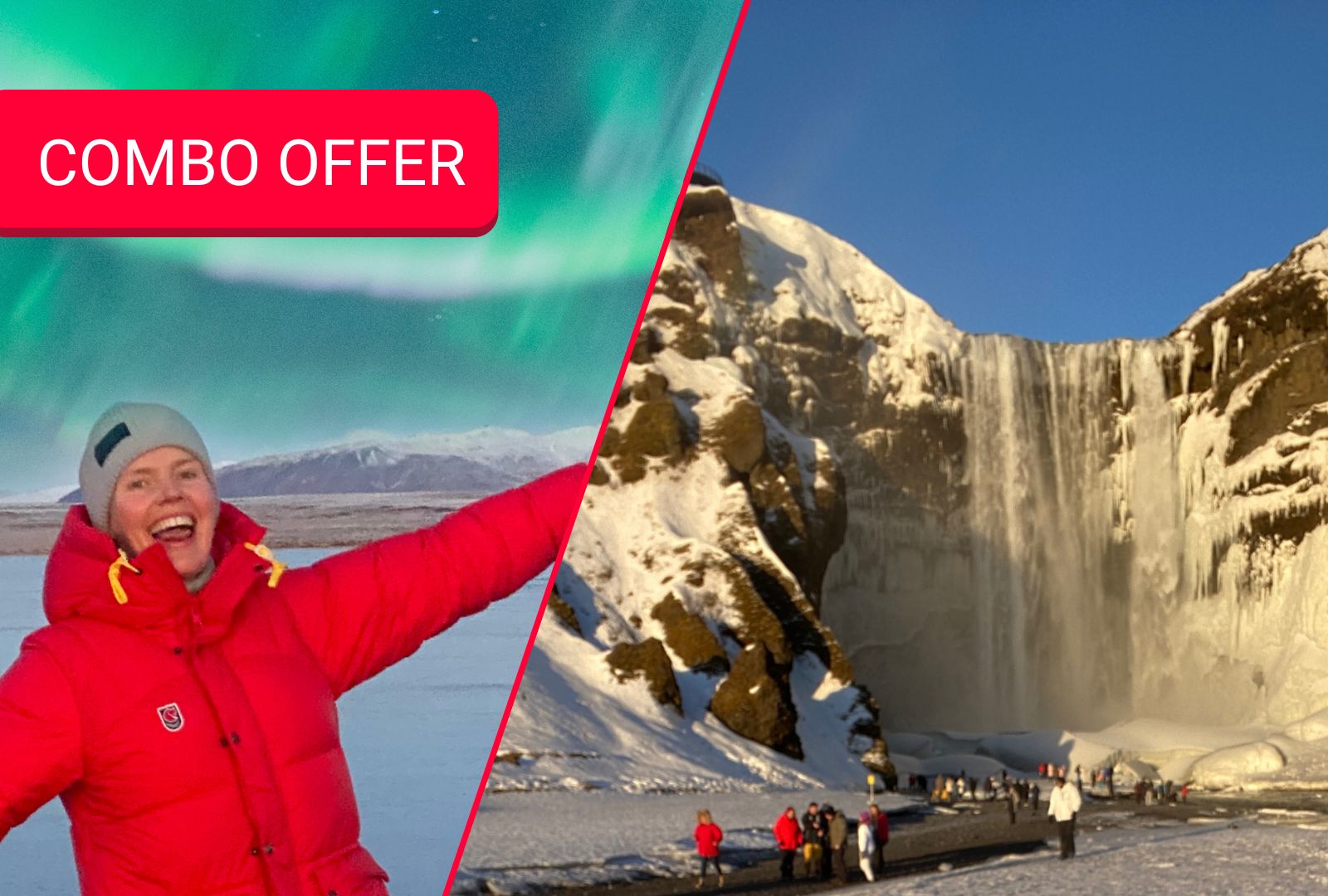
✓ 2IN1 Angebot: Sparen Sie über ISK 2000 ✓ Visit Sólheimarjökull Gletscher ✓ Entdecken Sie die berühmte Stadt Vík ✓ Spazieren Sie am schwarzen Sandstrand Reynisfjara ✓ Erleben Sie die majestätischen Wasserfälle Skógafoss und Seljalandsfoss ✓ Kommen Sie mit uns Nordlicht-Tour am Abend BESTES PREIS-LEISTUNGS-VERHÄLTNIS NORDLICHT-GARANTIE: KOSTENLOSER ZWEITER VERSUCH, WENN KEINE LICHTER ZU SEHEN WAREN
Nordlicht-Minibus-Tour
HIGHLIGHTS:
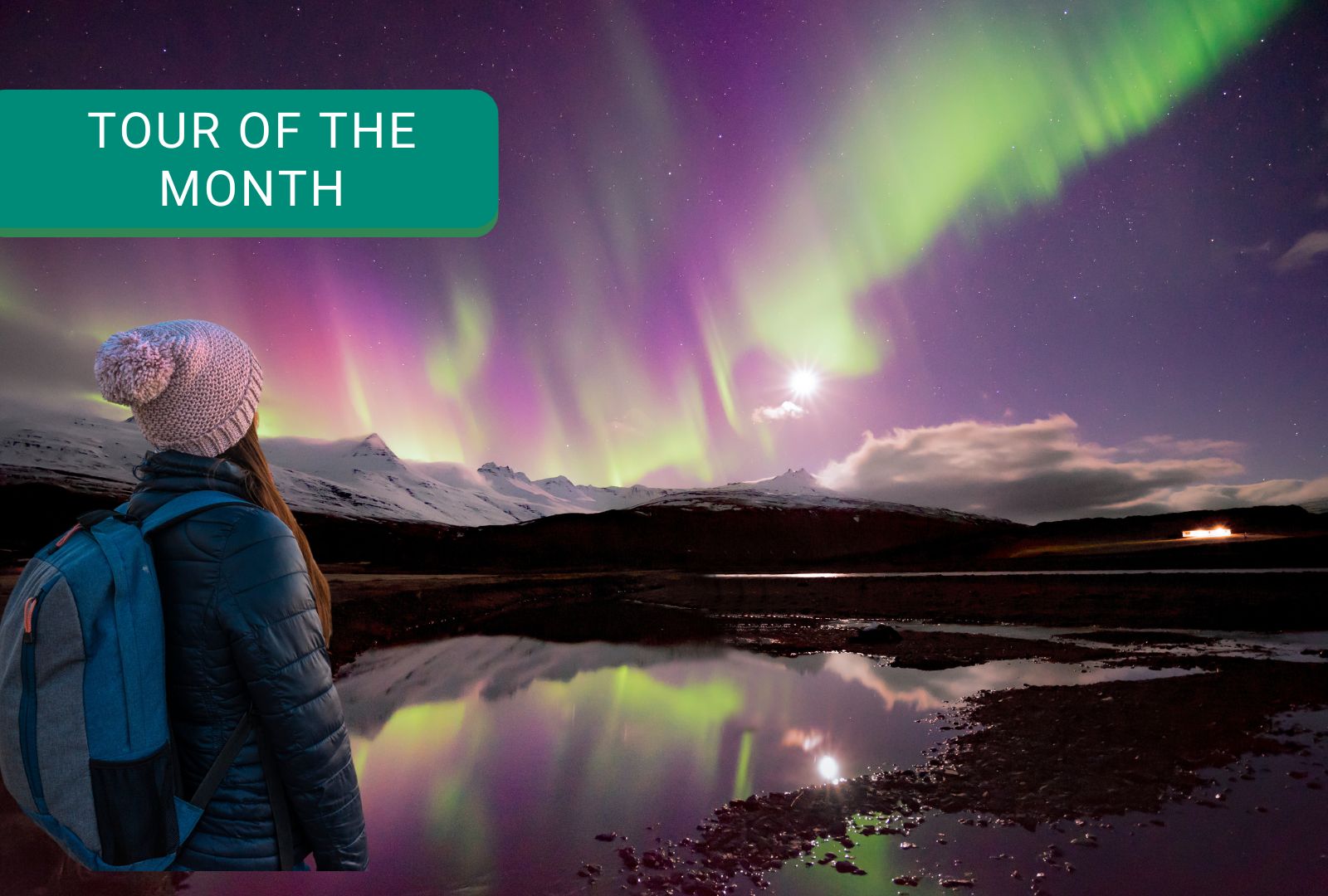
Geführte Nordlicht-Tour im Minibus (max 19 Teilnehmer)
✓ Fotos von Ihnen unter dem Nordlicht
✓ Homemade hot Chocolate und Pastries
✓ Abholung an oder nahe Ihrer Unterkunft
Unser Bestseller
FAQ ABOUT THE NORTHERN LIGHTS
When can I see northern lights in Iceland ?
During this long period, Iceland experiences sufficient darkness for the Aurora to be visible at night.
However, chances of experiencing the northern lights vary depending on the time of year. Find out which months are the best for seeing the Aurora here.
Can you see the Northern Lights during a full moon?
What time do the northern lights show up?
How long do the northern lights last?
Can I see the northern lights when it is cloudy?
Do the northern lights only appear when it is cold?
Are the northern lights visible all over Iceland?
Are the northern lights really colourful?
Is a new moon better for aurora viewing?
Is the full moon good for aurora photography?
Katarina Raker
ABOUT THE AUTHOR: KATARINA RAKER