
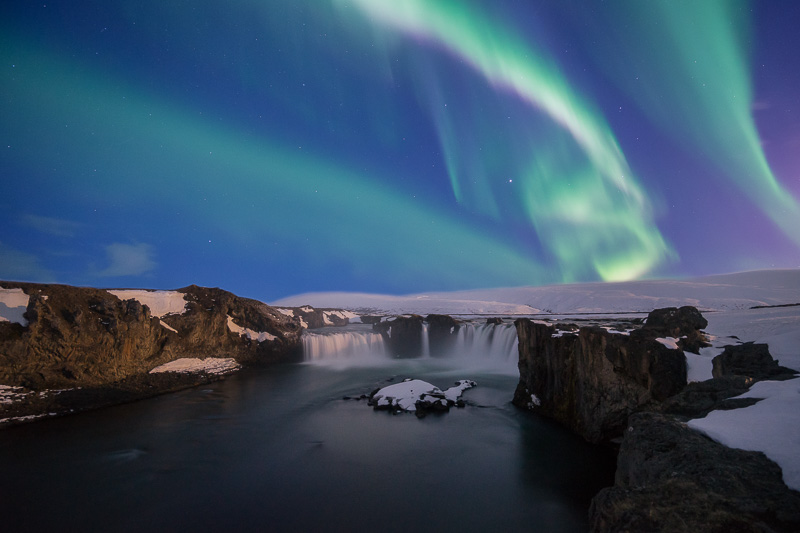
ICELAND IN MARCH: WEATHER, NORTHERN LIGHTS & BEST THINGS TO DO
Se ti stai chiedendo com’è il meteo in Islanda a marzo, quali sono le probabilità di vedere l’aurora e cosa mettere in valigia, questa guida completa per viaggiare in Islanda a marzo copre tutto ciò che devi sapere.
Si possono vedere le aurore boreali in Islanda a marzo?
Le migliori cose da fare in Islanda a marzo
Cosa mettere in valigia per l’Islanda a marzo
Chi dovrebbe visitare l’Islanda a marzo?
Domande frequenti: Islanda a marzo
Considerazioni finali: Marzo è un buon periodo per visitare l’Islanda?
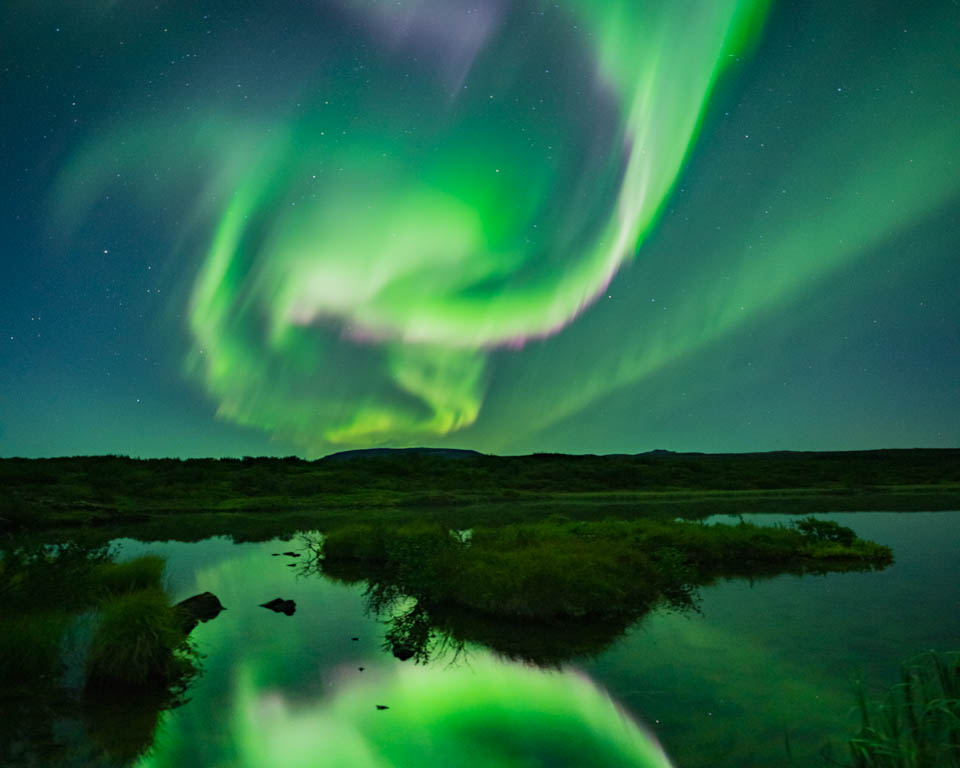
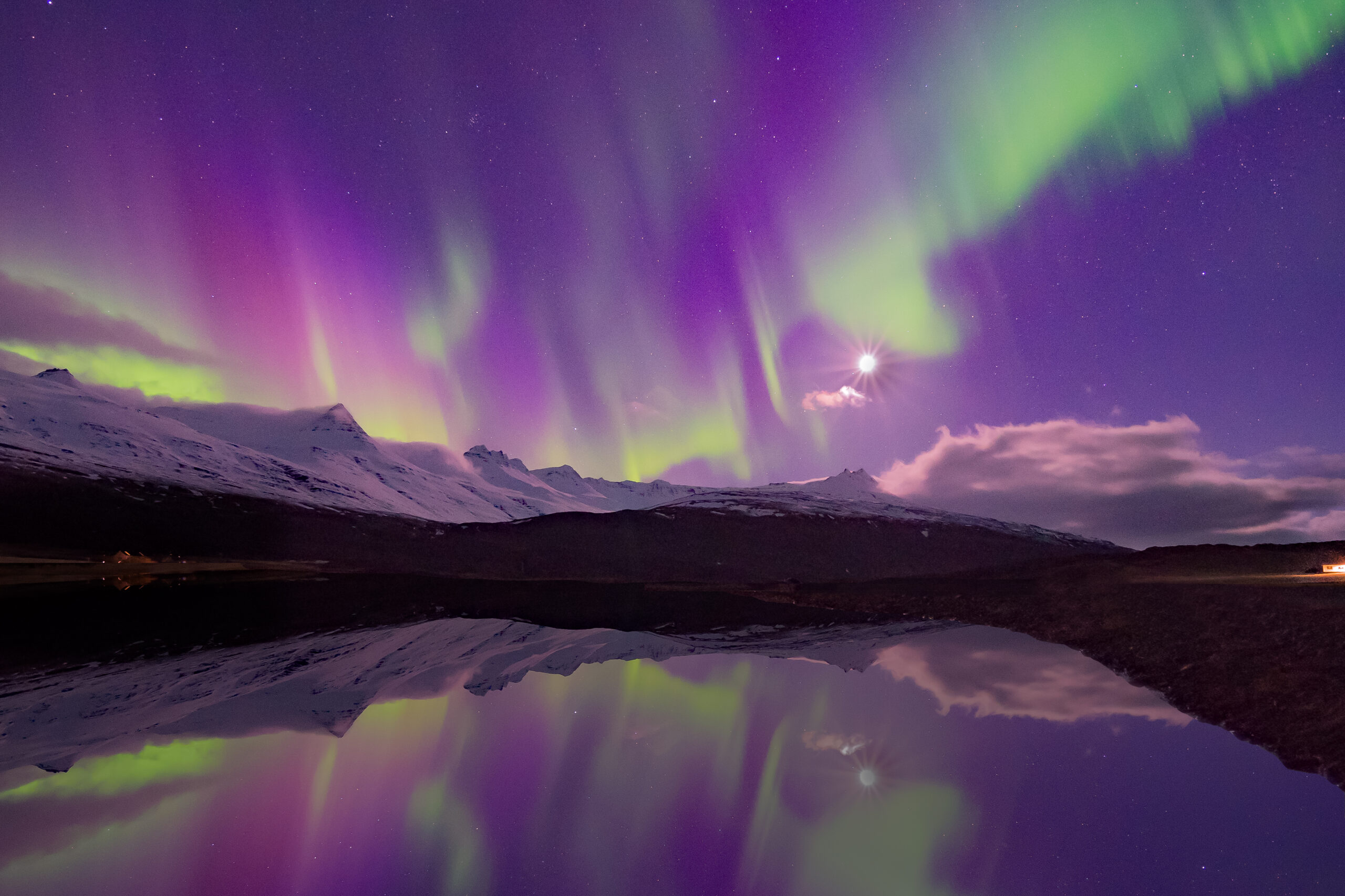
Aurora e luna piena al Parco Nazionale Þingvellir, Islanda
Marzo è un buon periodo per visitare l’Islanda?
Sì! Marzo è uno dei migliori mesi per visitare l’Islanda se desideri paesaggi invernali, meno folla, giornate più lunghe e un’ottima possibilità di vedere l’aurora boreale.
Pro
- Alta probabilità di vedere l’aurora boreale in Islanda a marzo
- Più ore di luce rispetto a gennaio o febbraio
- Accesso di fine stagione alle grotte di ghiaccio
- Meno affollato rispetto all'estate
- Clima leggermente più stabile rispetto all’inverno
Contro
- Ancora freddo e ventoso a tratti
- Possibile neve e ghiaccio, soprattutto ad inizio Marzo
- Alcune strade dell'entroterra rimangono chiuse
Marzo è perfetto per:
I cacciatori di aurore, i fotografi, i viaggiatori in cerca di convenienza prima dell’alta stagione e i visitatori che desiderano paesaggi invernali senza oscurità estrema.
Meteo in Islanda a marzo
Il meteo in Islanda a Marzo segna il passaggio dall’inverno verso la primavera.
Ecco cosa puoi aspettarti tipicamente:
- Le temperature medie variano da -2°C a 4°C (28°F a 39°F).
- Le nevicate sono ancora possibili, in particolare all’inizio di Marzo e nelle regioni settentrionali.
- Il vento può essere da moderato a forte, soprattutto lungo la Costa Sud.
- Le condizioni stradali sono variabili – le strade principali sono mantenute, ma tratti ghiacciati rimangono possibili.
- Il rischio di tempeste è inferiore rispetto a gennaio e febbraio, ma i sistemi invernali possono comunque transitare.
Inizio Marzo vs Fine Marzo
L’inizio di Marzo sembra ancora inverno: paesaggi innevati, serate più buie e ancora un po' di ghiaccio.
Entro fine Marzo, la luce del giorno aumenta significativamente, la neve comincia a sciogliersi alle quote più basse e le temperature diventano leggermente più miti, anche se l’inverno non è ancora del tutto finito.
Controlla sempre le previsioni meteo locali e le condizioni stradali prima di metterti alla guida, soprattutto se pianifichi viaggi più lunghi lungo la Ring Road.
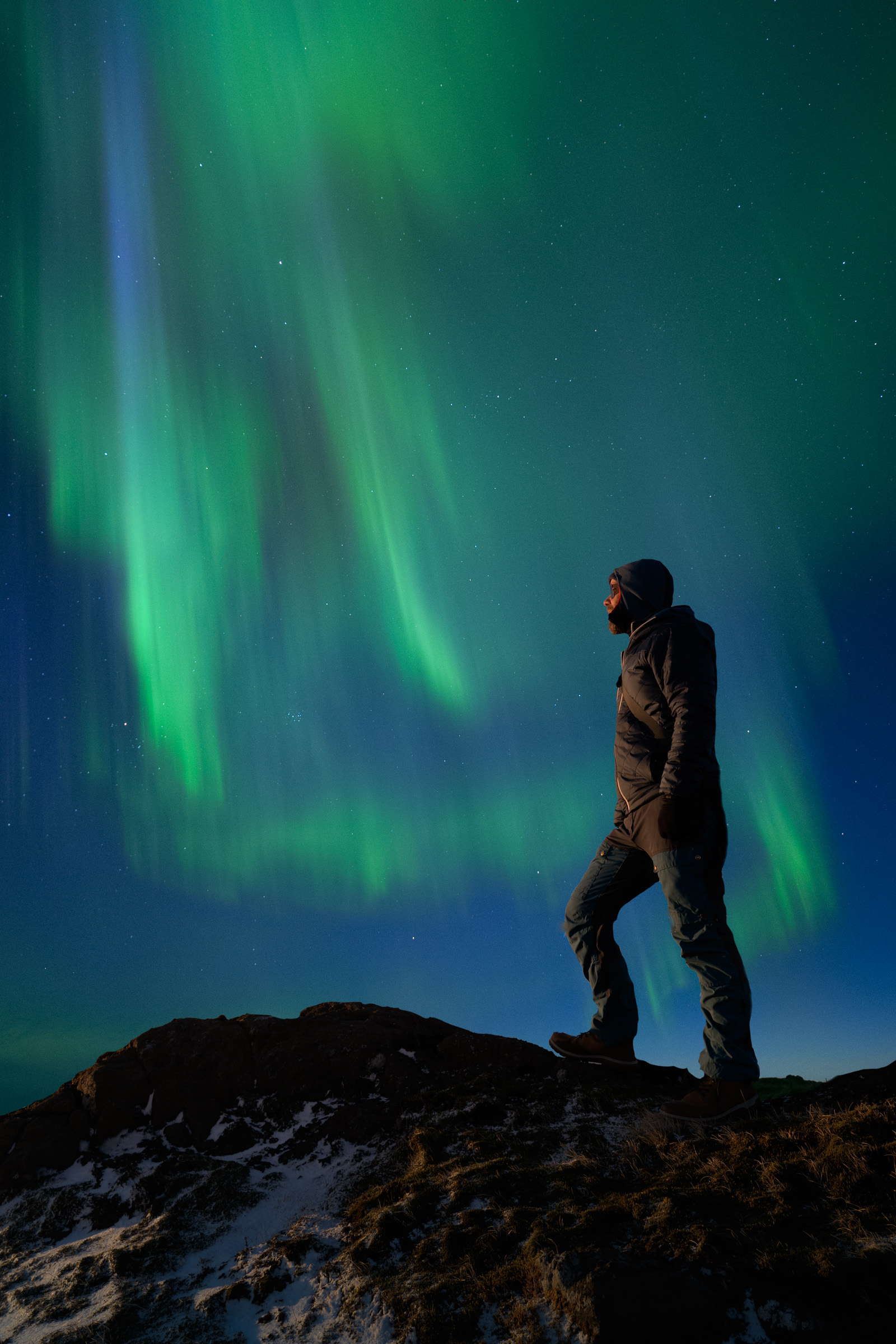
Avvistamento di aurore a Marzo in Islanda
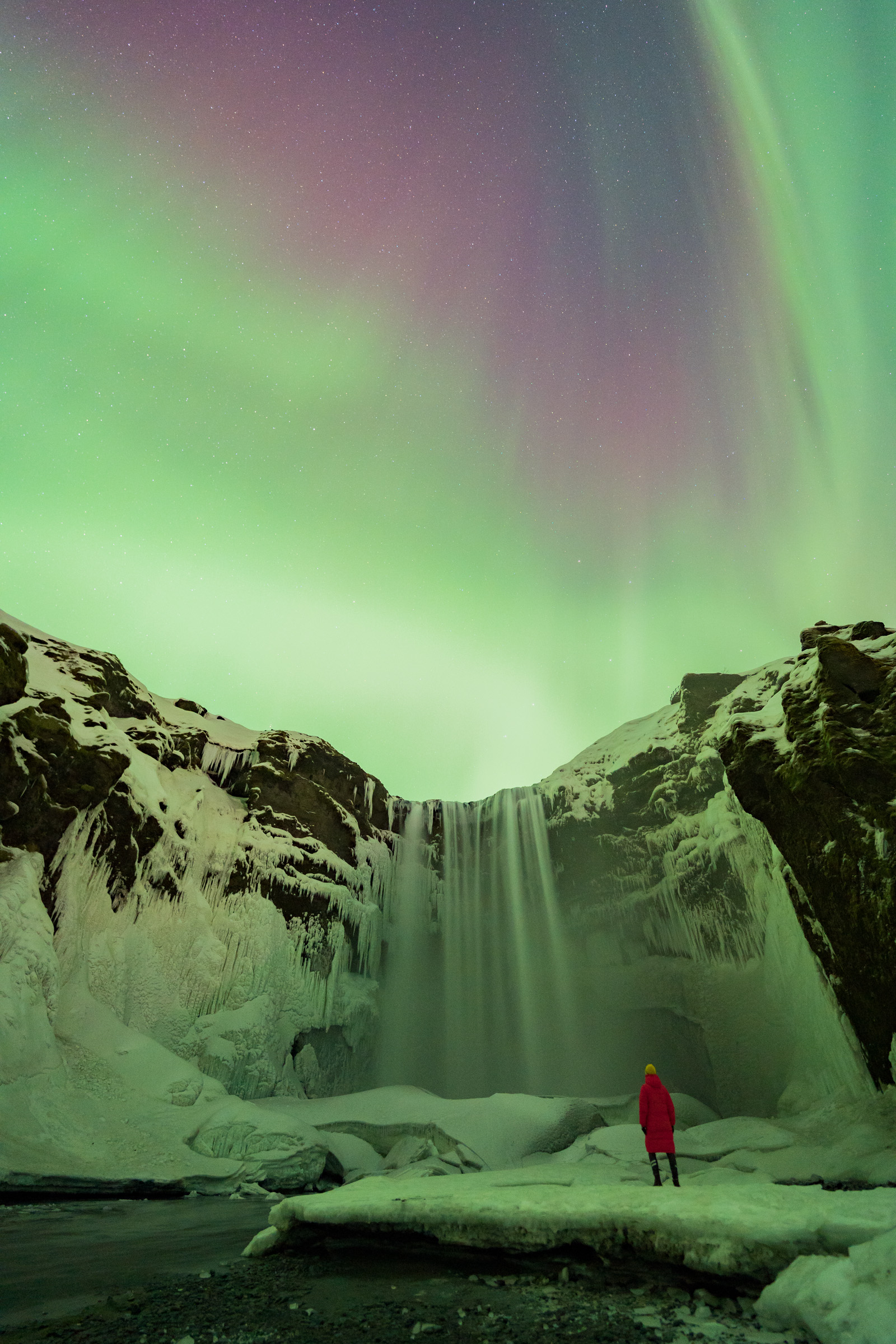
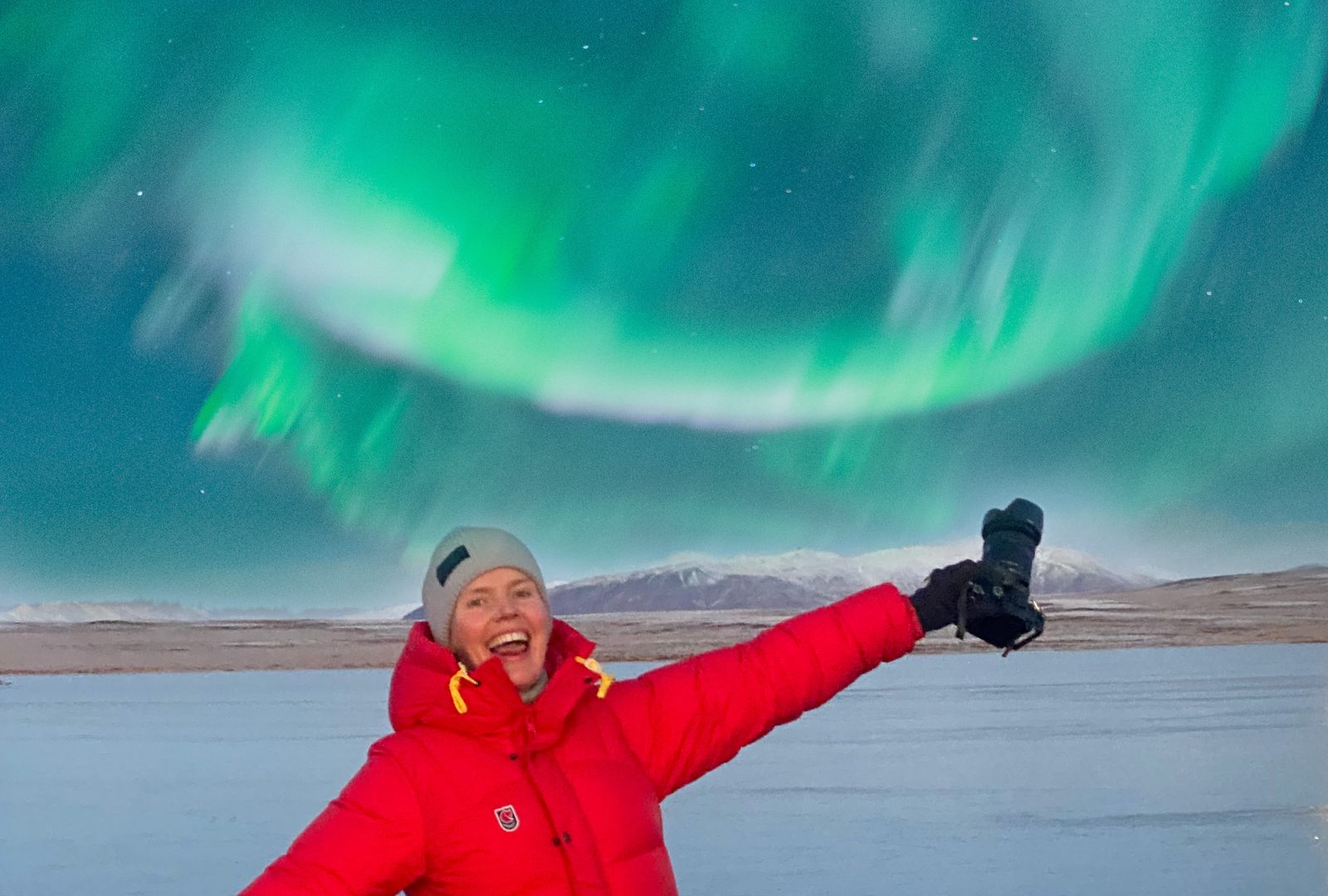
Questo potresti essere tu! Realizza il tuo sogno dell’aurora boreale con il tour perfetto
Si possono vedere le aurore boreali in Islanda a marzo?
Sì! Marzo è uno degli ultimi mesi eccellenti per vedere l’aurora boreale in Islanda prima dell’inizio della stagione del sole di mezzanotte.
Perché Marzo è ideale per osservare l’aurora boreale
- All’inizio di Marzo ci sono ancora circa 10 ore di oscurità.
- Il periodo dell’equinozio di primavera può portare a una maggiore attività geomagnetica.
- Le temperature sono meno estreme rispetto al pieno inverno.
- La situazione meteorologica è spesso leggermente più stabile rispetto a gennaio.
Ad Aurora Reykjavík, monitoriamo quotidianamente l’attività solare e le previsioni delle nuvole. Marzo offre spesso una combinazione ideale: oscurità sufficiente per le aurore, stabilità meteorologica in miglioramento e giornate più lunghe per esplorare l’Islanda.
Parere degli esperti: Cieli sereni contano più di valori elevati di KP per l’aurora. La copertura nuvolosa è il fattore più importante quando pianifichi la tua caccia all’aurora.
Per una panoramica completa della pianificazione, consigliamo anche la nostra Guida definitiva per vedere l’Aurora Boreale in Islanda e la nostra Guida mese per mese all’Aurora Boreale
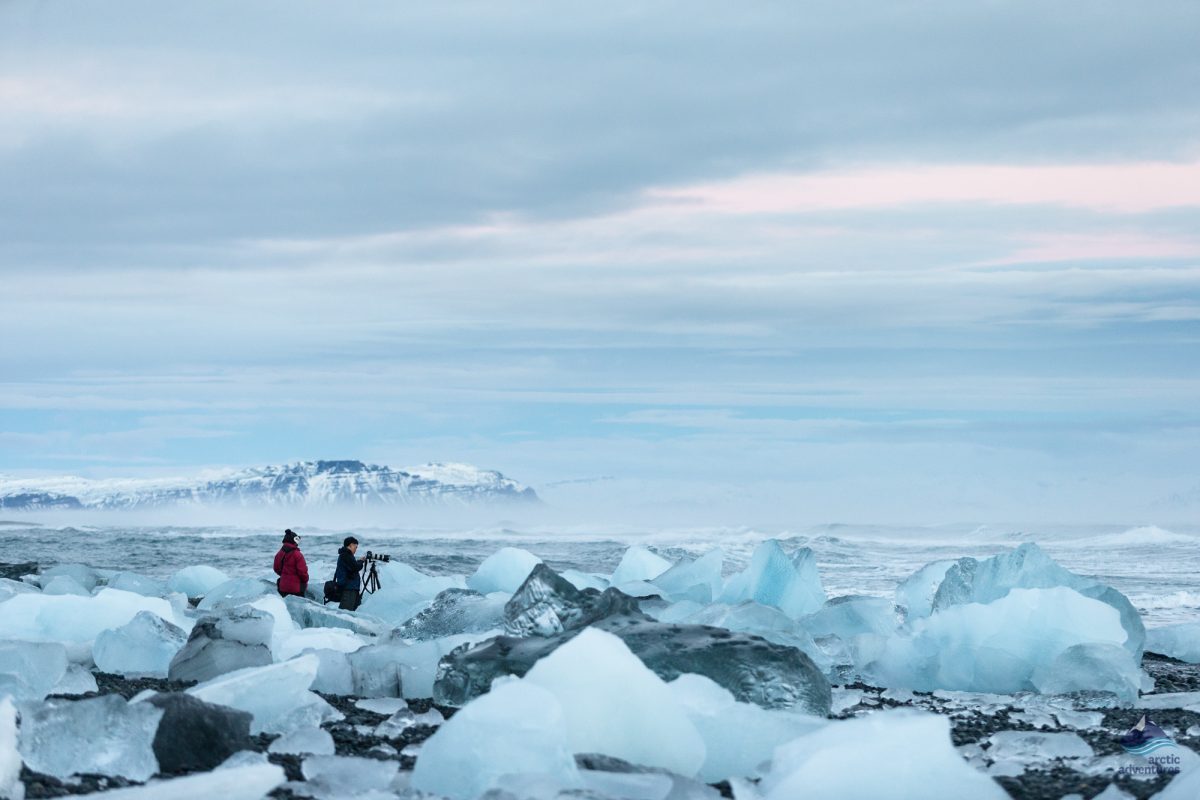
Giornate più lunghe permettono escursioni più estese – come la nostra Escursione Costa Sud e Laguna Glaciale
Ore di luce a marzo
La luce del giorno aumenta notevolmente durante tutto Marzo, rendendolo uno dei mesi più equilibrati dell’anno.
- Il 1° Marzo, l’Islanda riceve circa 10 ore di luce diurna.
- A metà mese, la luce diurna raggiunge circa 12 ore.
- Entro il 31 Marzo, puoi aspettarti oltre 13 ore di luce diurna.
Questo rende visitare l’Islanda a Marzo ideale per viaggi su strada, fotografia e visite turistiche senza le limitazioni di tempo dovute al buio profondo dell’inverno.
Rispetto a Febbraio, alla fine del mese guadagni quasi tre ore extra di luce diurna utilizzabile.
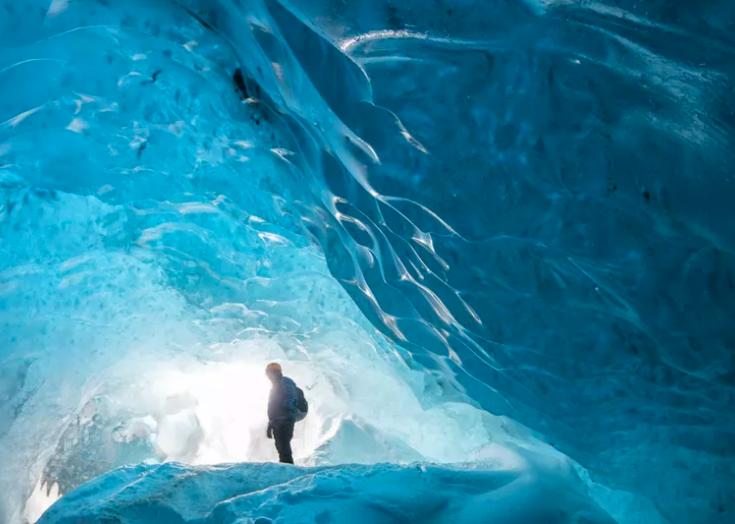
Esplora i ghiacciai islandesi con gli esperti, partecipa al nostro tour di 2 giorni nel Sud dell'Islanda
Le migliori cose da fare in Islanda a marzo
Caccia all'aurora boreale
March remains prime aurora season. Guided tours increase your chances by tracking cloud cover and geomagnetic activity in real time.
Learn how to choose the best tour for you qui.
Grotte di Ghiaccio (Opportunità di fine stagione)
Marzo è spesso l’ultima occasione per visitare le grotte di ghiaccio naturali prima che le temperature più miti della primavera le rendano inaccessibili.
Trekking su Ghiacciaio
Le basse temperature mantengono stabili le condizioni dei ghiacciai per le escursioni guidate.
Circolo D'Oro
Þingvellir National Park, Geysir geothermal area, and Gullfoss waterfall are spectacular with snow-dusted scenery and fewer crowds than summer.
Find a hand-picked selection of Golden Circle tours qui.
Osservazione Balene
Marzo segna l’inizio della stagione di avvistamento delle balene, con tour operativi da Reykjavík – anche in combinazione con una crociera per l’aurora boreale!
Visita Aurora Reykjavík
Aurora Reykjavík è la migliore esperienza al chiuso per l’aurora boreale in Islanda. È l’unico luogo in Islanda dove puoi vivere l’Aurora tutto l’anno – indipendentemente dal meteo – attraverso esposizioni immersive, filmati reali dell’aurora e guide esperte prima di partire per il tuo tour.
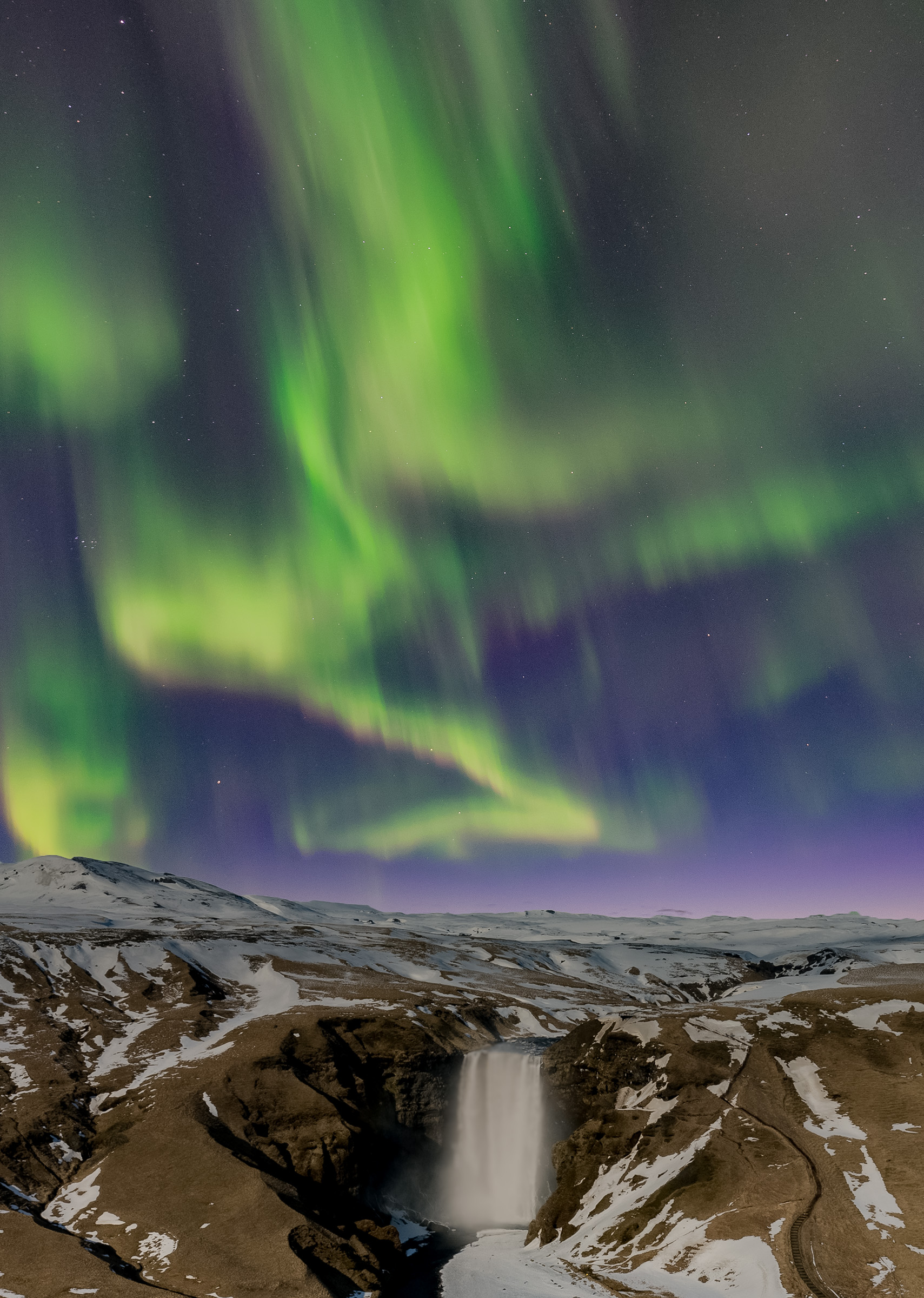
March Northern Lights Over Skógafoss, part of our 3-day Golden Circle and South Coast travel package
Marzo vs Febbraio vs Aprile
Se stai decidendo tra la fine dell’inverno e l’inizio della primavera, ecco un confronto:
Febbraio:
- Luce diurna minima (circa 7–10 ore)
- Ottime possibilità di vedere l’aurora
- Rischio di tempeste più elevato
- Meno turisti
Marzo:
- 10–13+ ore di luce diurna
- Condizioni eccellenti per l’aurora
- Stabilità meteorologica in miglioramento
- Affluenza moderata
Aprile:
- 13–16 ore di luce diurna
- Le possibilità di vedere l’aurora cominciano a diminuire
- Temperature più miti
- Aumento del numero di visitatori
Se l’obiettivo principale sono le aurore boreali, Marzo è migliore di Aprile. Se invece preferisci un clima più mite e giornate più lunghe, Aprile potrebbe essere preferibile.
Cosa mettere in valigia per l’Islanda a marzo
Fare la valigia correttamente è essenziale per stare comodi e pronti.
Ricorda di portare:
- Giacca e pantaloni impermeabili
- Strato intermedio isolante (piumino o pile)
- Strati termici di base (preferibilmente in lana)
- Scarpe da trekking impermeabili
- Cappello, guanti e sciarpa
- Costume da bagno per le piscine geotermali
- Ramponi per strade e sentieri ghiacciati
Vestirsi a strati è fondamentale. Evita il cotone, poiché trattiene l’umidità e aumenta la perdita di calore.
Scopri di più sull’abbigliamento invernale consigliato per l’Islanda qui.
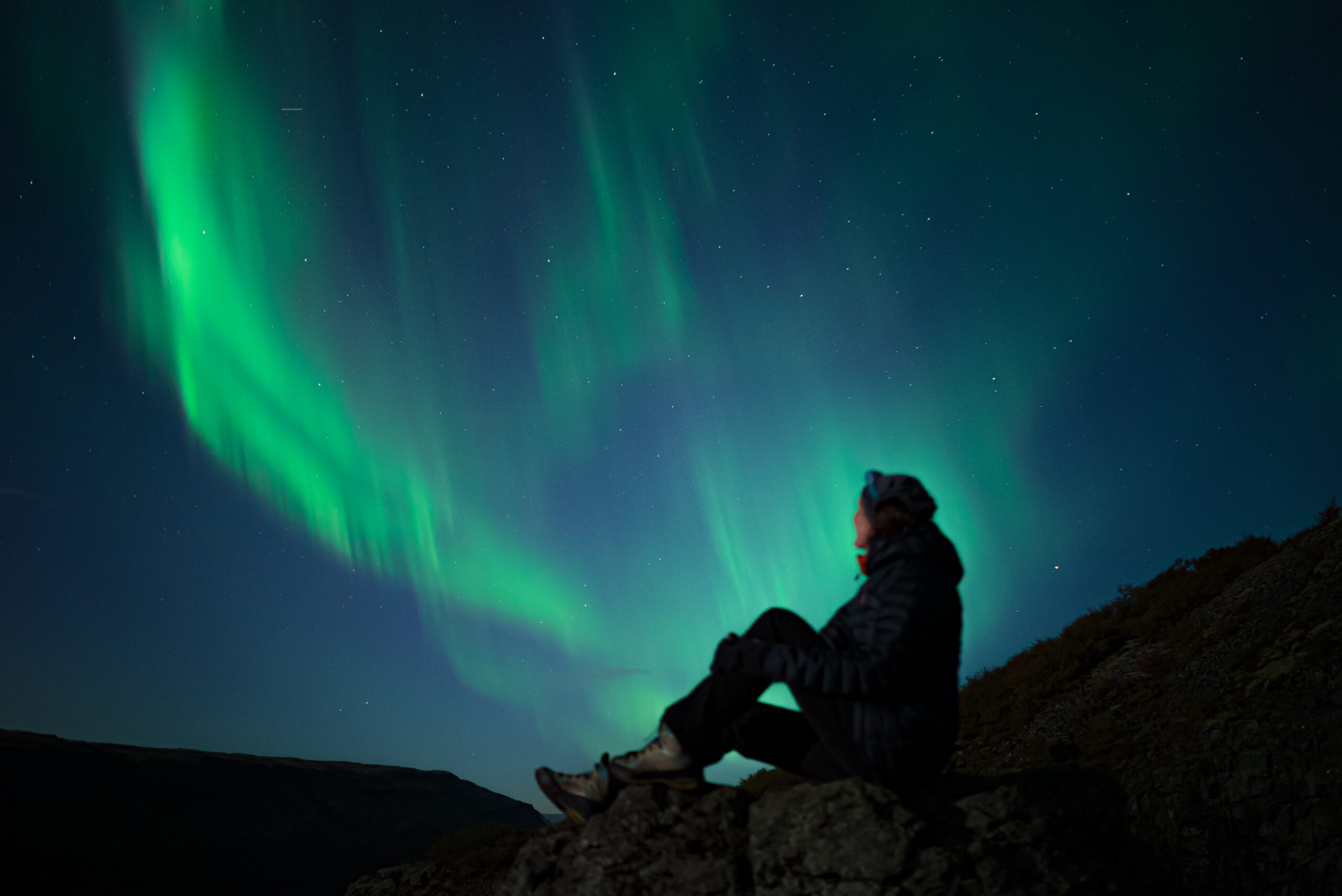
Vestiti a strati e preparati per la tua avventura a Marzo in Islanda!
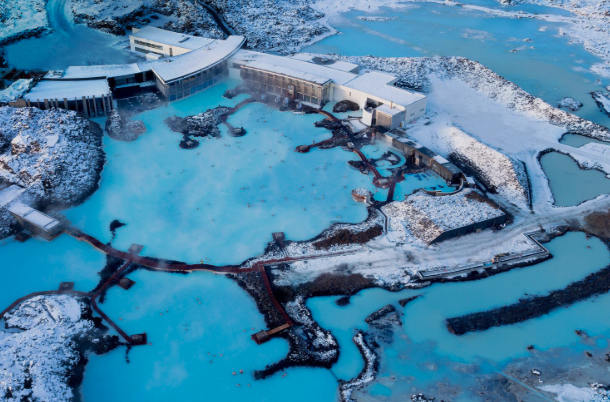
Campi di lava innevati presso la Laguna Blu
Chi dovrebbe visitare l’Islanda a marzo?
Marzo è ideale per:
- Fotografi che desiderano paesaggi innevati e ore dorate più lunghe
- Viaggiatori focalizzati sull’aurora
- Visitatori alla ricerca di meno folla rispetto all’estate
- Viaggiatori attenti al budget
- Famiglie che desiderano un equilibrio tra ore di luce e attrazioni al chiuso
Domande frequenti: Islanda a marzo
Marzo è troppo freddo in Islanda?
No. Le temperature si aggirano intorno allo zero. Con un abbigliamento a strati adeguato, è confortevole per le esplorazioni all’aperto.
Le strade sono sicure a marzo?
Sì, le strade principali sono manutenzionate. Tuttavia, il tempo cambia rapidamente, quindi controlla sempre le condizioni prima di metterti alla guida.
Si può guidare lungo la Ring Road a marzo?
Sì, ma è consigliata esperienza di guida invernale. Le strade dell'entroterra restano chiuse.
Marzo è più economico dell’estate?
Sì. I voli, gli alloggi e molti tour sono generalmente meno costosi rispetto all’alta stagione.
Quando finisce l’inverno in Islanda?
L’inverno è in transizione a marzo, e le vere condizioni primaverili di solito arrivano ad aprile o maggio.
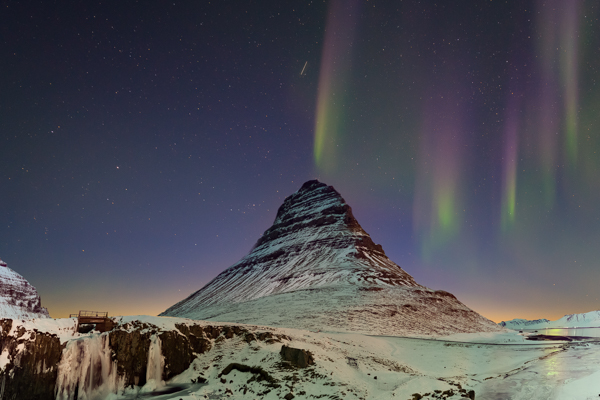
Kirkjufell sulla Penisola di Snæfellsnes, un entusiasmante tour giornaliero da Reykjavík
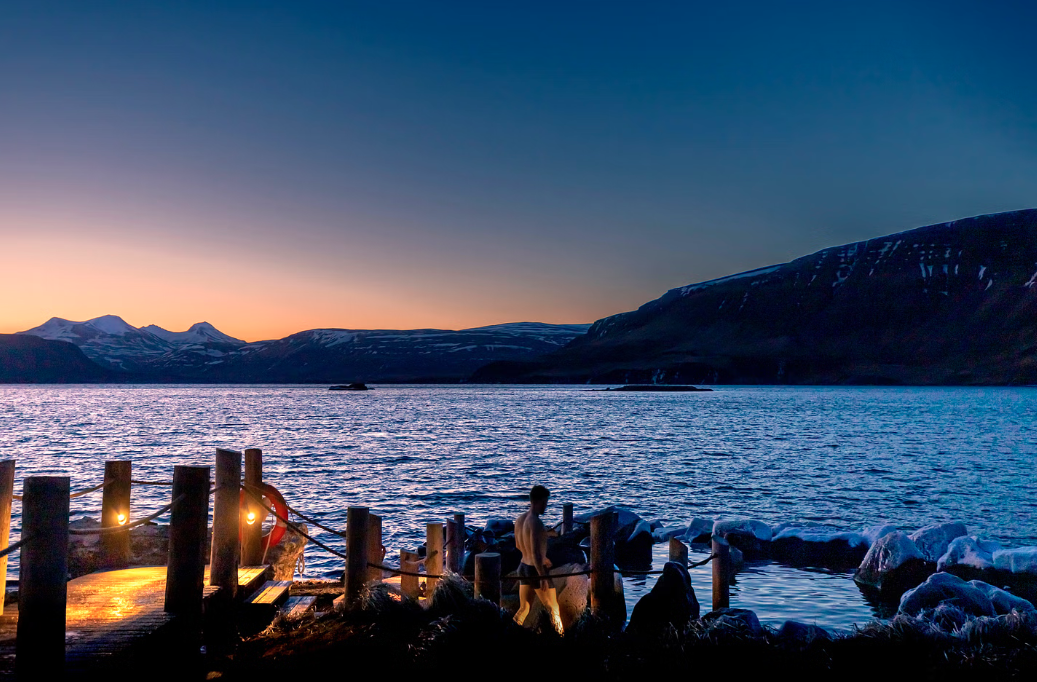
Giornate più lunghe e tramonti splendidi – goditi la luce di marzo che svanisce a Hvammsvík
Considerazioni finali: Marzo è un buon periodo per visitare l’Islanda?
Se vuoi la bellezza invernale, forti aurore boreali, giornate più lunghe e meno folla rispetto all’estate — marzo è un’ottima scelta.
Offre una delle esperienze di viaggio più equilibrate dell’anno: avventura invernale di giorno, caccia all’aurora di notte e luce del giorno in crescita costante nel frattempo.
Per molti viaggiatori, marzo potrebbe essere il mese perfetto per visitare l’Islanda.
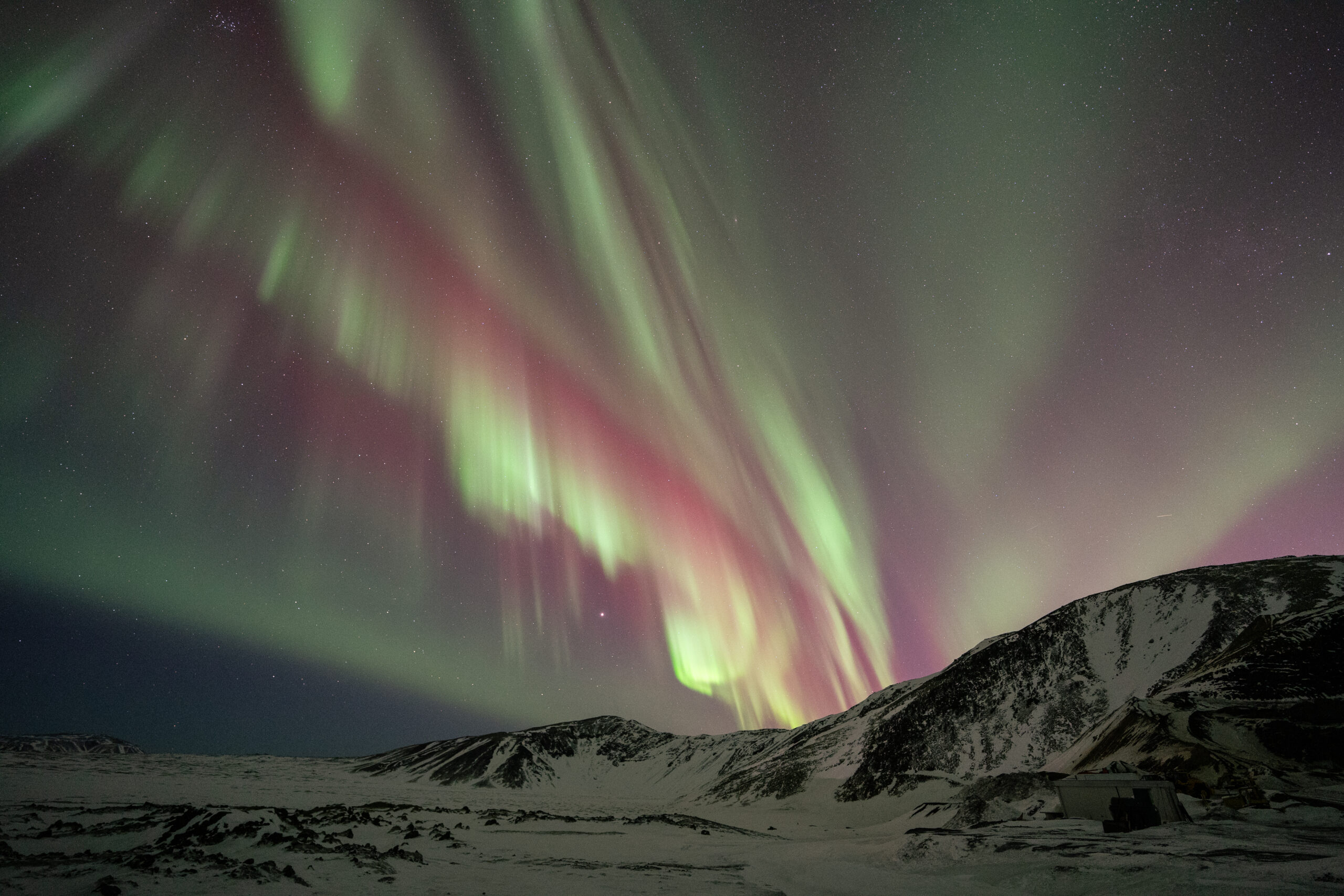
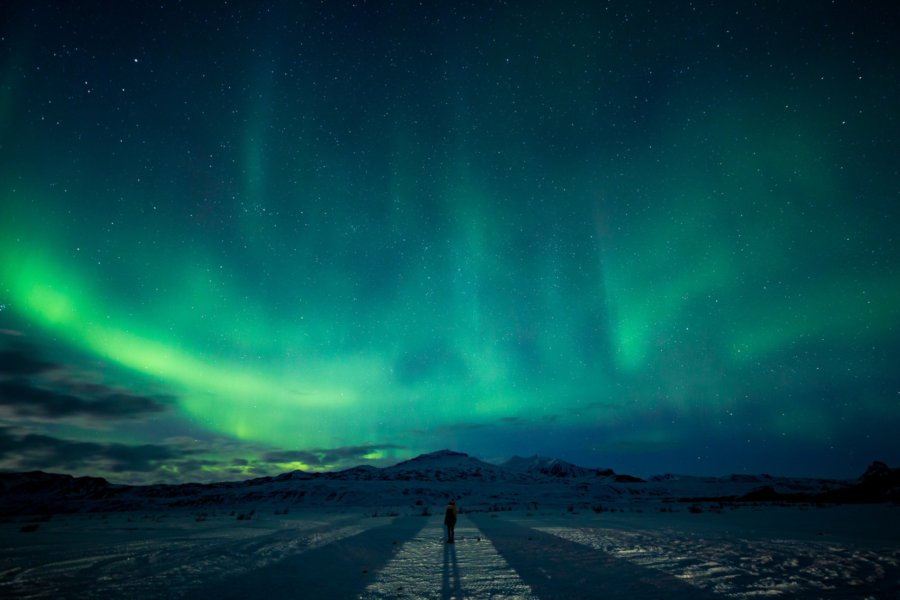
Aurora boreale a Marzo
UNISCITI A NOI NEL MIGLIOR TOUR DELL’AURORA BOREALE IN ISLANDA
I NOSTRI BESTSELLER

NORTHERN LIGHTS SUPER JEEP TOUR
PUNTI SALIENTI:
✓ Tour dell'aurora boreale in super jeep ✓ Free pick-up and drop-off ✓ Foto di qualità gratuite ✓ cioccolata calda ✓ Veicoli riscaldati
ALTISSIMA PERCENTUALE DI SUCCESSO
INGRESSO AD AURORA REYKJAVÍK INCLUSO NEL PREZZO - RISPARMIA 3900 ISK

COSTA SUD E AURORA BOREALE
PUNTI SALIENTI:
✓ OFFERTA 2 PER 1: RISPARMIA OLTRE 2000 ISK ✓ Visit Ghiacciaio Sólheimarjökull ✓ Passeggia per la cittadina di Vík ✓ Cammina sulla spiaggia nera ✓ Vedi le cascate di Skógafoss e Seljalandsfoss ✓ Osserva L' Aurora Boreale danzare MIGLIOR RAPPORTO QUALITÀ PREZZO GARANZIA AURORA BOREALE: SECONDO TENTATIVO GRATUITE SE L'AURORA NON È VISIBILE DURANTE IL TOUR
TOUR DELL' AURORA IN MINIBUS
PUNTI SALIENTI:
✓ Tour dell'aurora boreale in un autobus di piccole dimensioni
✓ Foto gratuite con l'aurora boreale
✓ Homemade hot Chocolate e Dolci
✓ Pick-up incluso
TOUR PIÙ VENDUTO
DOMANDE FREQUENTI SULL’AURORA BOREALE
Quando si può vedere l'aurora in Islanda?
Durante questo lungo periodo, l’Islanda sperimenta abbastanza oscurità perché l’aurora sia visibile di notte.
Tuttavia, le probabilità di osservare l’aurora variano a seconda del periodo dell’anno. Scopri quali mesi sono i migliori per vedere l’aurora qui.
Si può vedere l'aurora boreale con la luna piena?
A che ora compaiono le aurore boreali?
Quanto durano le aurore boreali?
Posso vedere le aurore boreali quando il cielo è nuvoloso?
Le aurore boreali appaiono solo quando fa freddo?
Le aurore boreali sono visibili in tutta l’Islanda?
Le aurore boreali sono davvero multicolore?
Il novilunio è migliore per osservare le aurore boreali?
La luna piena è adatta per fotografare le aurore boreali?
Katarina Raker
SULL’AUTRICE: KATARINA RAKER