
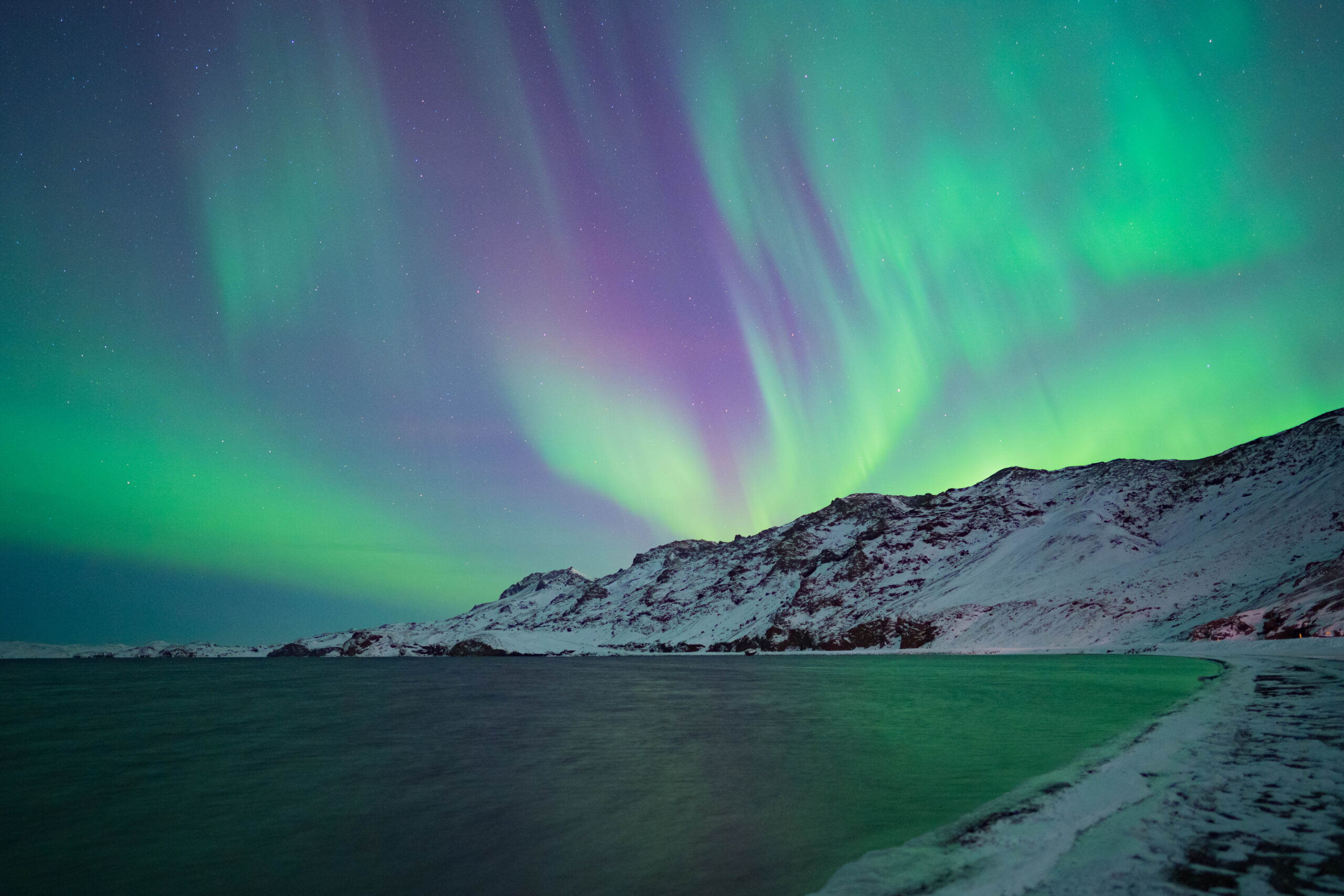
VISITARE L’ISLANDA A FEBBRAIO: TUTTO QUELLO CHE DEVI SAPERE
Febbraio è uno dei mesi più gratificanti per programmare un viaggio in Islanda. Ben immerso nell’inverno, offre un interessante mix di giornate più lunghe per visitare le attrazioni e notti lunghe per ammirare l’aurora, insieme a tradizioni culturali uniche che non vivrai in nessun altro periodo dell’anno.
In questa guida, spieghiamo perché febbraio è un mese ideale per visitare l’Islanda, cosa aspettarsi dalla natura e dalla cultura, e come sfruttare al meglio la tua avventura invernale.
“Il meglio di entrambi i mondi”: luce del giorno per le visite e oscurità per ammirare l’aurora
Esplora i paesaggi iconici dell’Islanda di giorno
Þórri – La stagione di metà inverno in Islanda
Bolludagur – la tradizione islandese del dolce alla crema
Perché febbraio è speciale
L’Islanda a febbraio offre un equilibrio tra gli estremi stagionali: le giornate sono abbastanza lunghe per esplorare, mentre le notti sono ancora abbastanza buie da garantire buone possibilità di osservare l’Aurora Boreale. Questo rende febbraio uno dei periodi preferiti dai viaggiatori in cerca di meraviglie naturali ed esperienze stagionali.
Per approfondire quando e come vedere l’Aurora Boreale in Islanda, consulta la guida dettagliata di Aurora Reykjavík sul momento migliore per osservare l’Aurora Boreale in Islanda, che spiega la visibilità stagionale, le ore di picco e i consigli degli esperti.
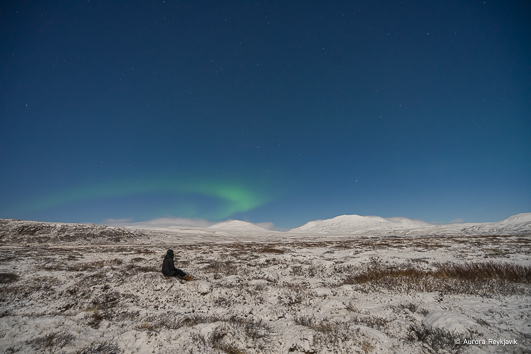
Questo potresti essere tu! Partecipa a un tour dell’aurora boreale per un’esperienza indimenticabile
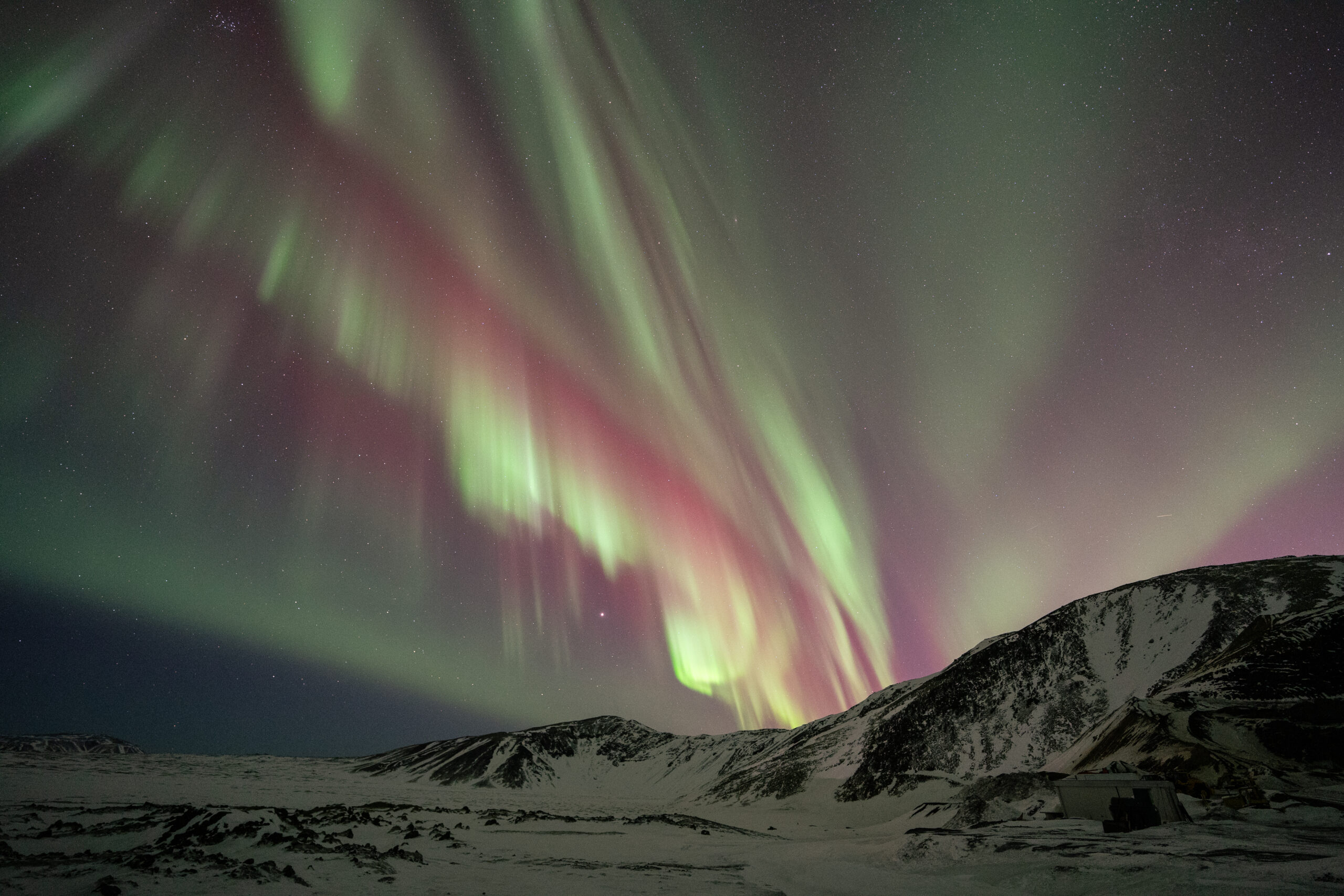
Aurore colorate durante una tempesta solare – scopri di più qui
Aurora e luna piena al Parco Nazionale Þingvellir, Islanda
“Il meglio di entrambi i mondi”: luce del giorno per le visite e oscurità per ammirare l’aurora
Uno dei maggiori vantaggi di visitare l’Islanda a febbraio è il notevole equilibrio tra giorno e notte.
A questo periodo dell’anno, l’Islanda riceve circa 9–10 ore di luce, che offrono ampio tempo per esplorare paesaggi iconici come il Circolo d’Oro e la Costa Sud con calma. Allo stesso tempo, febbraio offre ancora fino a 14 ore di oscurità, creando condizioni eccellenti per osservare l’Aurora Boreale una volta tramontato il sole.
Per creare il tuo itinerario perfetto, considera questi tour:
- Tour combinato Circolo d'Oro & Aurora Boreale – Visita il Circolo d'Oro di giorno e poi parti alla caccia dell’aurora di notte.
- Tour dell’Aurora Boreale in Superjeep – Avventurati nelle zone rurali più remote per migliori condizioni di osservazione dell’aurora.
Esplora i paesaggi iconici dell’Islanda di giorno
Il paesaggio invernale islandese è particolarmente spettacolare a febbraio, con montagne innevate, cascate ghiacciate e ampie pianure che offrono panorami mozzafiato.
Le escursioni diurne più popolari includono:
- Tour del Circolo d'Oro – Visita il Parco Nazionale di Þingvellir, la cascata di Gullfoss e l’area geotermica di Geysir.
- Tour della Costa Sud – Scopri cascate, ghiacciai, spiagge di sabbia nera e panorami costieri.
Questi tour mettono in risalto la variegata geografia dell’Islanda e offrono paesaggi invernali mozzafiato, ideali per fotografia e visite turistiche.
Consiglio degli esperti: aggiungi al tuo itinerario la visita a una spa o laguna geotermale per vivere l’esperienza islandese definitiva. Maggiori informazioni qui.
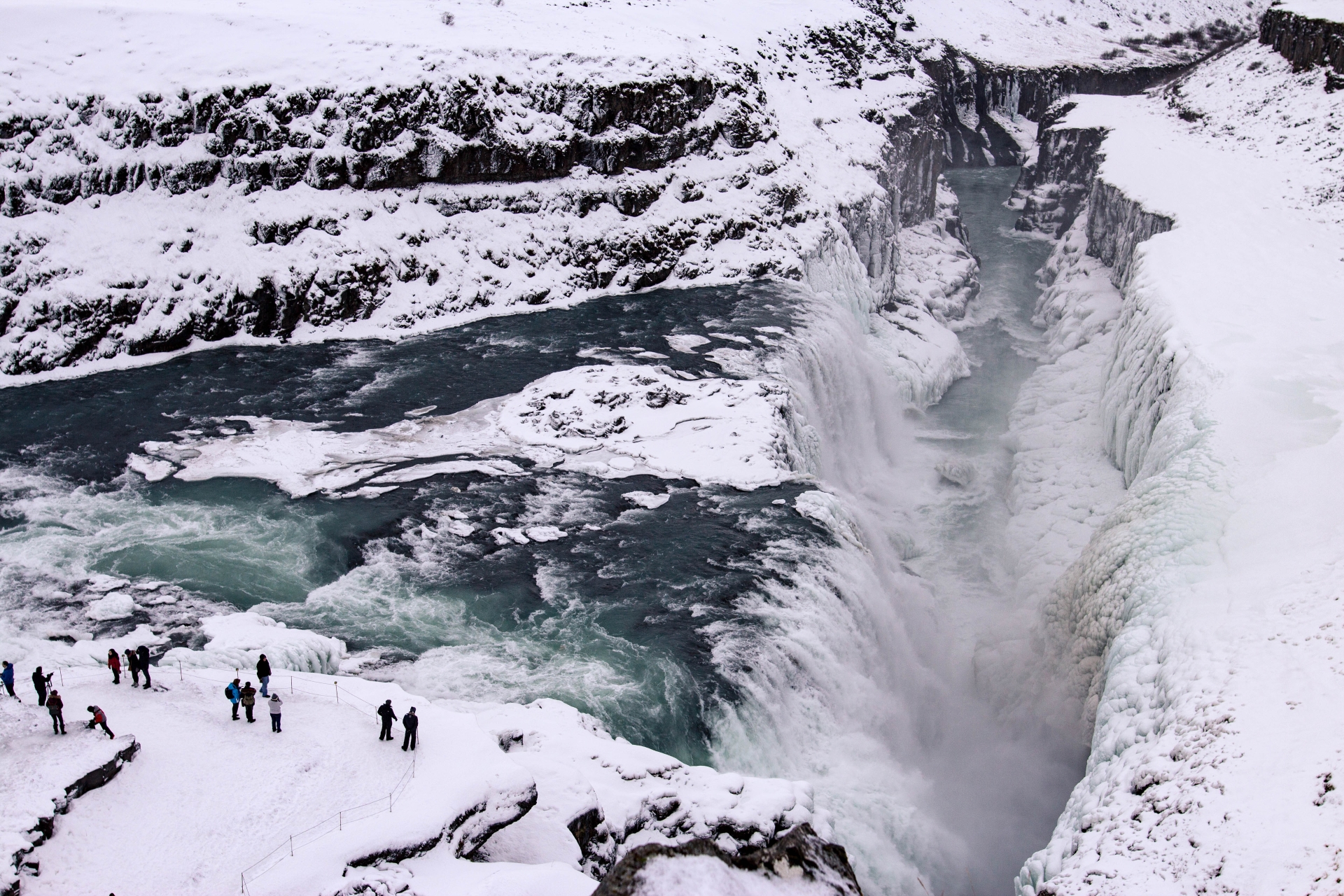
Neve di febbraio a Gullfoss, nel Circolo d'Oro
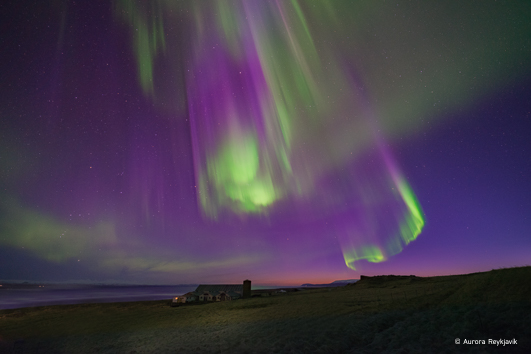
Aurora nell'entroterra islandese
Aurora Boreale a Febbraio
Febbraio rientra comodamente nella stagione dell’Aurora Boreale in Islanda, che generalmente va dalla fine di agosto a metà aprile. La combinazione di notti lunghe e cieli invernali limpidi crea condizioni favorevoli per ammirare l’aurora.
Ma per osservare l’aurora non bastano solo i cieli scuri: comprendere come funziona l’attività aurorale può aiutarti a gestire le aspettative. L’articolo di Aurora Reykjavík Quali sono i principali tipi di Aurora Boreale? spiega le differenze tra le varie forme aurorali e come influenzano ciò che potresti vedere durante il tuo viaggio.
Altre letture utili includono:
- Come fotografare l’aurora boreale, con consigli su impostazioni della fotocamera e tecniche per catturare immagini vivide dell’aurora.
- I 25 luoghi migliori per osservare l’aurora boreale in Islanda, che elenca località in tutto il paese per massimizzare le tue possibilità di avvistamento.
- Luna piena e Aurora Boreale: la luna piena rovinerà la tua esperienza dell'aurora?. Scopri come la luce della luna, la copertura nuvolosa e l’intensità dell’aurora interagiscono.
Þórri — la stagione di metà inverno islandese
Febbraio in Islanda ricade tradizionalmente nella vecchia stagione invernale norrena nota come Þórri, che segna il punto centrale dell’inverno e la resistenza dei mesi più bui. Oggi, Þórri è conosciuto soprattutto attraverso il Þorrablót, raduni di metà inverno in cui gli islandesi celebrano la cultura attraverso il cibo e gli eventi sociali. La cucina riflette metodi di conservazione storici e include tipicamente carni stagionate o fermentate, pesce essiccato e prodotti lattiero-caseari tradizionali, spesso accompagnati da brennivín, il liquore tipico islandese. Pur essendo radicate nella storia, le celebrazioni moderne del Þorrablót spesso adattano queste tradizioni ai gusti contemporanei.
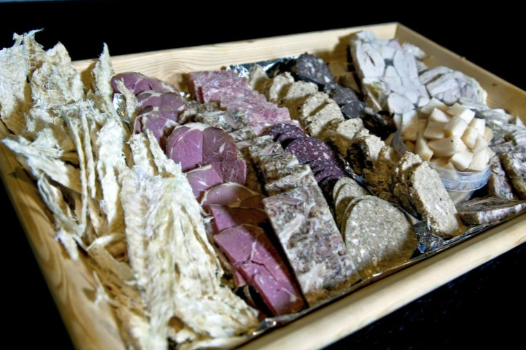
Alcuni dei cibi tradizionali del Þorrablót

Dolci ripieni di crema in esposizione durante il Bolludagur
Bolludagur — la tradizione islandese del dolce alla crema
Un momento divertente durante il febbraio islandese è il Bolludagur, noto anche come Giornata del Dolce alla Crema. Celebrato il lunedì prima della Quaresima, il Bolludagur consiste nel gustare deliziosi dolci ripieni di crema con glassa. Le pasticcerie di tutta l’Islanda preparano speciali bollur (bigné), e sia i locali sia i visitatori si godono questa dolce tradizione, rendendola un’esperienza culturale gustosa da non perdere.
Vantaggi pratici del visitare l’Islanda a febbraio
Oltre alla bellezza paesaggistica e alle tradizioni culturali, febbraio offre vantaggi pratici per i viaggi:
- Meno affollamento rispetto ai mesi estivi, permettendoti un migliore accesso ai luoghi più popolari.
- Costi di viaggio più bassi, poiché alcuni alloggi e tour risultano più convenienti durante l’inverno.
- Condizioni eccellenti per osservare l’aurora, grazie alle notti lunghe e all’attività aurorale frequente.
Che tu stia pianificando una breve pausa o un’esplorazione più lunga, febbraio offre un’esperienza completa dell’inverno islandese.
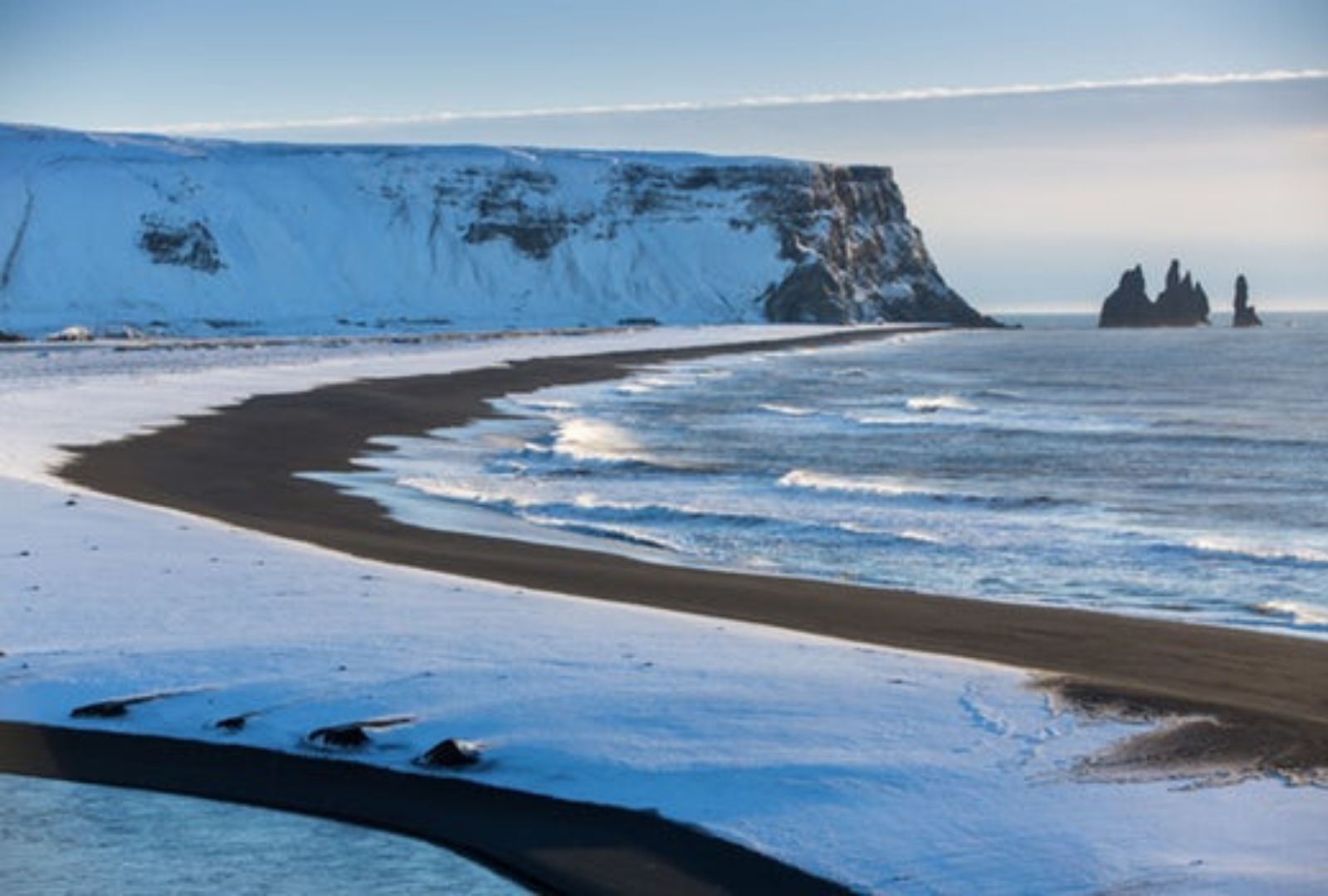
La spiaggia di sabbia nera Reynisfjara
Riflessioni finali – un mese che vale la pena scoprire
Viaggiare in Islanda a febbraio unisce paesaggi invernali spettacolari, celebrazioni culturali come Þórri e Bolludagur, e condizioni eccellenti per osservare l’Aurora Boreale. Dalla luce diurna sufficiente per le visite turistiche alle lunghe notti ideali per la caccia all’aurora, febbraio rappresenta uno dei periodi più equilibrati e gratificanti per visitare l’Islanda.
Per ulteriori ispirazioni e consigli da esperti sulle esperienze dell’aurora, esplora la gamma di articoli e guide sull’Aurora Boreale di Aurora Reykjavík qui.
UNISCITI A NOI NEL MIGLIOR TOUR DELL’AURORA BOREALE IN ISLANDA
I NOSTRI BESTSELLER
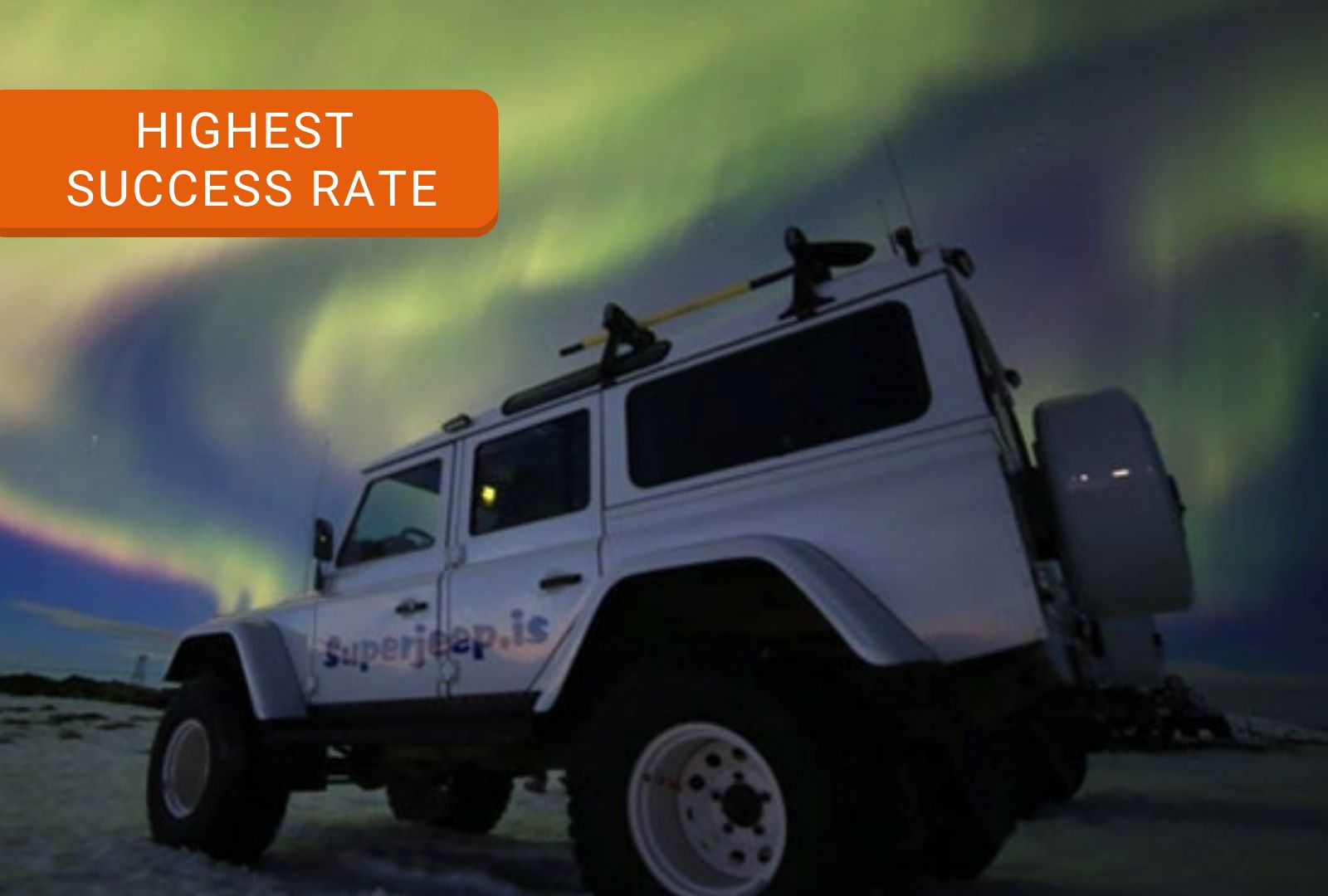
NORTHERN LIGHTS SUPER JEEP TOUR
PUNTI SALIENTI:
✓ Tour dell'aurora boreale in super jeep ✓ Free pick-up and drop-off ✓ Foto di qualità gratuite ✓ cioccolata calda ✓ Veicoli riscaldati
ALTISSIMA PERCENTUALE DI SUCCESSO
INGRESSO AD AURORA REYKJAVÍK INCLUSO NEL PREZZO - RISPARMIA 3900 ISK
COSTA SUD E AURORA BOREALE
PUNTI SALIENTI:
✓ OFFERTA 2 PER 1: RISPARMIA OLTRE 2000 ISK ✓ Visit Ghiacciaio Sólheimarjökull ✓ Passeggia per la cittadina di Vík ✓ Cammina sulla spiaggia nera ✓ Vedi le cascate di Skógafoss e Seljalandsfoss ✓ Osserva L' Aurora Boreale danzare MIGLIOR RAPPORTO QUALITÀ PREZZO GARANZIA AURORA BOREALE: SECONDO TENTATIVO GRATUITE SE L'AURORA NON È VISIBILE DURANTE IL TOUR
TOUR DELL' AURORA IN MINIBUS
PUNTI SALIENTI:
✓ Tour dell'aurora boreale in un autobus di piccole dimensioni
✓ Foto gratuite con l'aurora boreale
✓ Homemade hot Chocolate e Dolci
✓ Pick-up incluso
TOUR PIÙ VENDUTO
DOMANDE FREQUENTI SULL’AURORA BOREALE
Quando si può vedere l'aurora in Islanda?
Durante questo lungo periodo, l’Islanda sperimenta abbastanza oscurità perché l’aurora sia visibile di notte.
Tuttavia, le probabilità di osservare l’aurora variano a seconda del periodo dell’anno. Scopri quali mesi sono i migliori per vedere l’aurora qui.
Si può vedere l'aurora boreale con la luna piena?
A che ora compaiono le aurore boreali?
Quanto durano le aurore boreali?
Posso vedere le aurore boreali quando il cielo è nuvoloso?
Le aurore boreali appaiono solo quando fa freddo?
Le aurore boreali sono visibili in tutta l’Islanda?
Le aurore boreali sono davvero multicolore?
Il novilunio è migliore per osservare le aurore boreali?
La luna piena è adatta per fotografare le aurore boreali?
Katarina Raker