CIRCOLO D'ORO VS COSTA SUD: LA SFIDA DEFINITIVA DEI TOUR GIORNALIERI IN ISLANDA
L'imperdibile Circolo d'Oro
La meravigliosa Costa Sud
Scegli il Tour Perfetto Per Te
L’Islanda è una terra di bellezza mozzafiato, e due dei suoi itinerari panoramici più iconici offrono modi molto diversi di viverla: il Circolo d'Oro e la Costa Sud. Che tu stia pianificando un viaggio breve o decidendo quale tour guidato prenotare, questo confronto ti aiuterà a scegliere l’avventura perfetta.
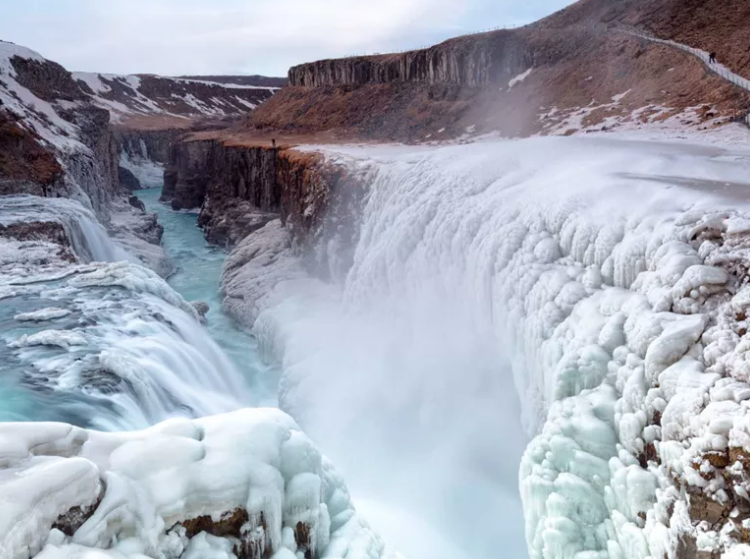
Gullfoss ghiacciata in un giorno d'inverno
Il Circolo d'Oro — L’Islanda Classica
Cosa Vedrai
- Parco Nazionale Þingvellir — Un sito Patrimonio dell’Umanità UNESCO.
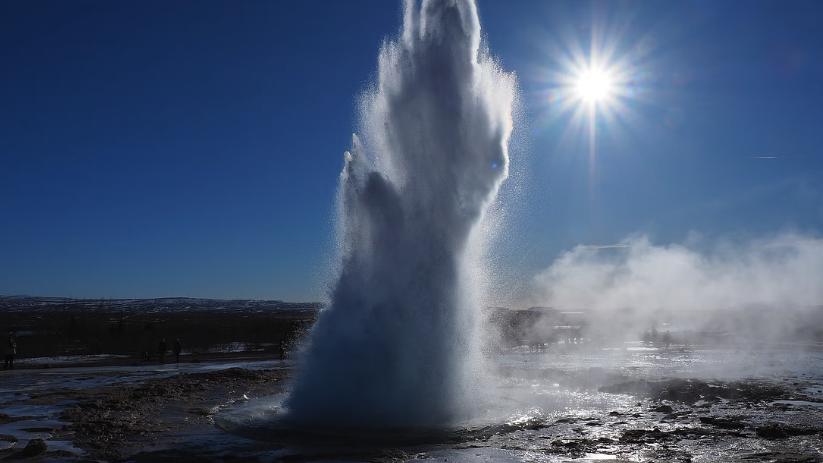
Sede del primo Parlamento moderno e luogo della frattura in cui si incontrano le placche tettoniche eurasiatica e nordamericana. - Area geotermale di Geysir — Casa di Strokkur, il geyser famoso in tutto il mondo che erutta ogni 7–10 minuti.
- Cascata Gullfoss — La Cascata d’Oro, una delle cascate più famose d’Islanda.
Durata Tipica
- 8 ore per un Tour Classico del Circolo d'Oro.
- Fino a 10 ore per un tour del Circolo d'Oro che include una spa geotermale (Scegli tra Laguna Blu, Sky Lagoon, Secret Lagoon o Laguna Laugarás), oppure andare in motoslitta sul ghiacciaio Langjökull.
Perché è Popolare
- Veloce e gratificante: Grandi attrazioni a distanza relativamente ravvicinata.
- Storia + geologia + cascata: Perfetto per chi visita l’Islanda per la prima volta.
- Accessibile tutto l’anno: Le strade sono mantenute anche in inverno.
Punti salienti
- Passeggiate facili e passerelle.
- Ottimi punti per fotografare.
- Adatto a tutte le età e livelli di fitness.
Perfetto Per
✔ Chi visita l’Islanda per la prima volta
✔ Soggiorni brevi
✔ Famiglie e gruppi con interessi diversi
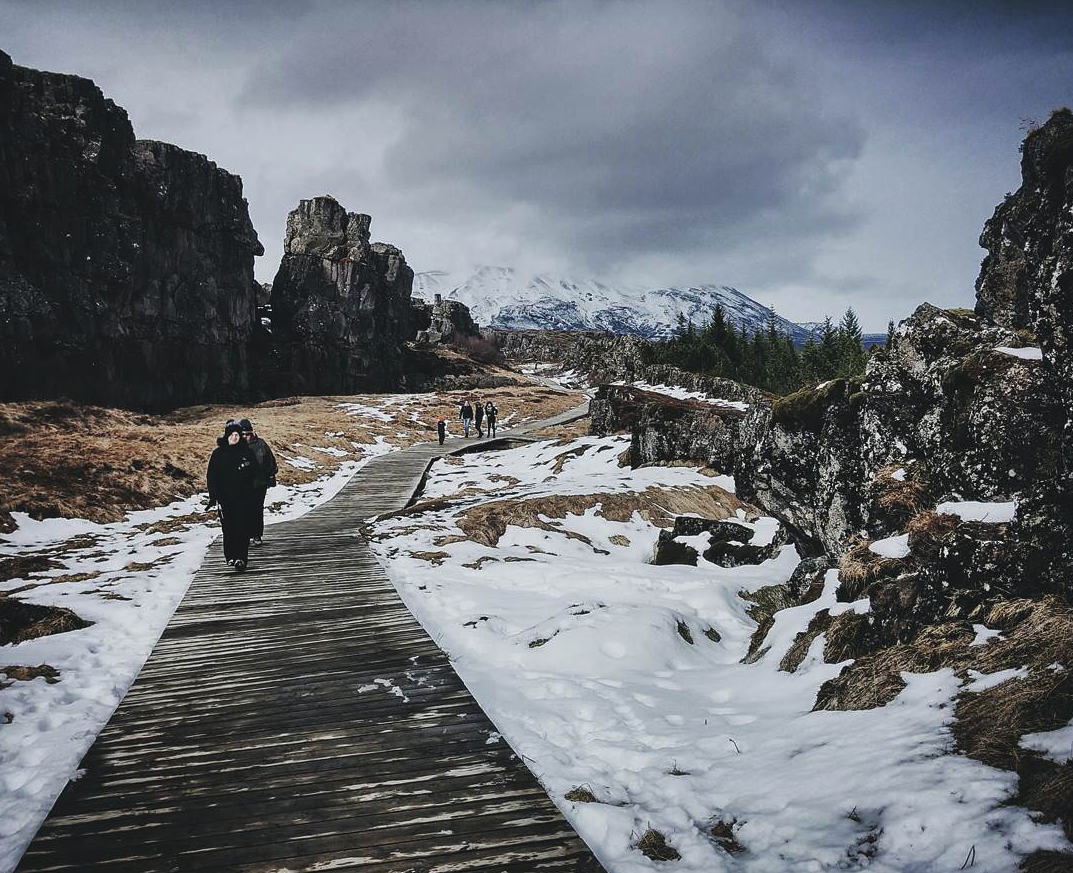
Sentiero tra le placche tettoniche a Þingvellir
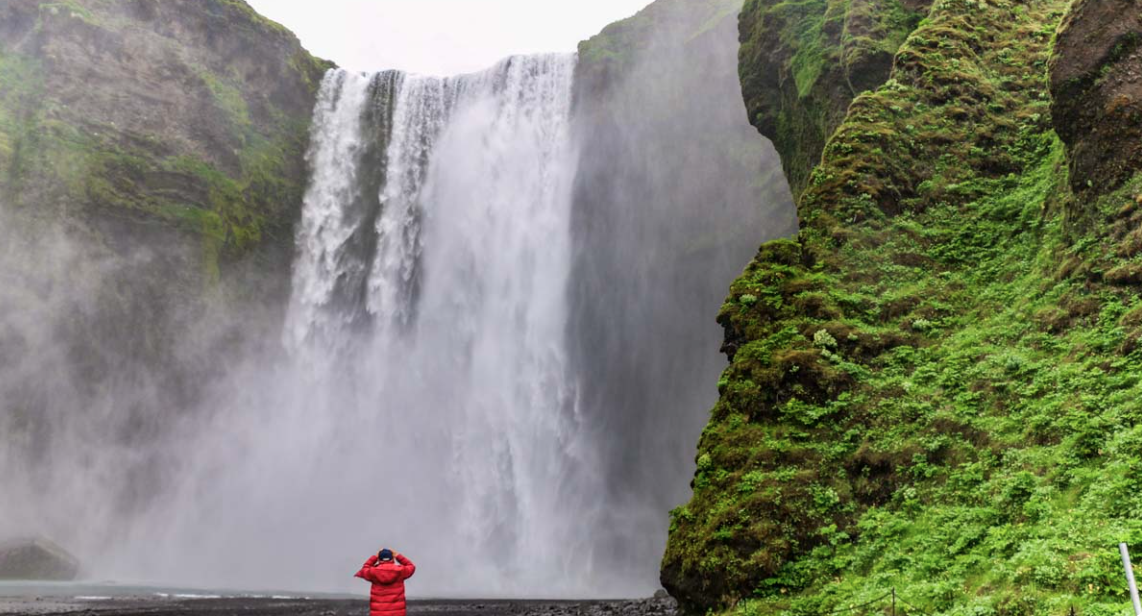
La maestosa Skógafoss
La Costa Sud — Selvaggia e Imponente
Cosa Vedrai
- Seljalandsfoss & Skógafoss — Due delle cascate più iconiche d’Islanda.
- Spiaggia di sabbia nera Reynisfjara — Suggestive colonne di basalto e le impetuose onde dell’Atlantico.
- Vedute di Eyjafjallajökull & Mýrdalsjökull — Maestosi ghiacciai visibili lungo la strada.
Durata Tipica
10 ore per il Tour Classico della Costa Sud.
Fino a 12 ore per un’avventura sulla Costa Sud che include trekking sul ghiacciaio, visita alla Grotta di Ghiaccio naturale di Katla o relax geotermale alla Sky Lagoon.
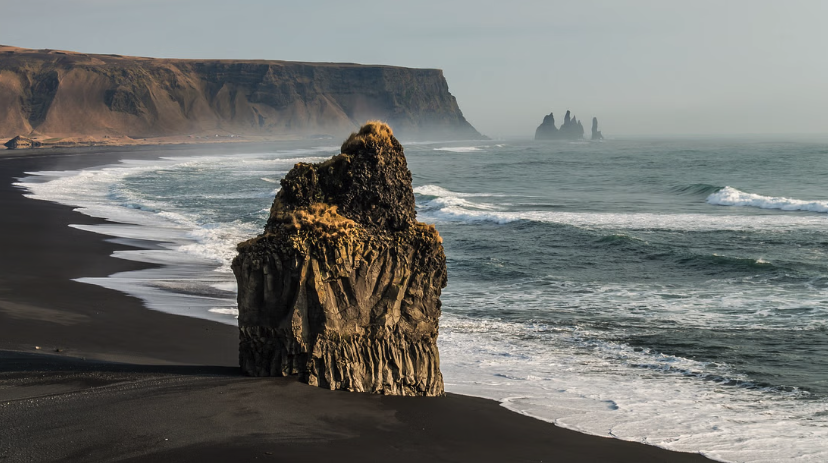
Vista sulla spiaggia di sabbia nera Reynisfjara
Punti salienti
- Passeggiate facili e passerelle.
- Ottimi punti per fotografare.
- Adatto a tutte le età e livelli di fitness.
Perfetto Per
✔ Chi visita l’Islanda per la prima volta
✔ Soggiorni brevi
✔ Famiglie e gruppi con interessi diversi
Perché è Popolare
- Varietà fenomenale: Cascate, coste, ghiacciai — tutto in un unico percorso.
- Paradiso dei fotografi: Paesaggi drammatici senza fine.
- Ancora da esplorare: Arricchisci l’avventura con una passeggiata sul ghiacciaio Sólheimajökull o una visita alla ipnotizzante Grotta Glaciale di Katla
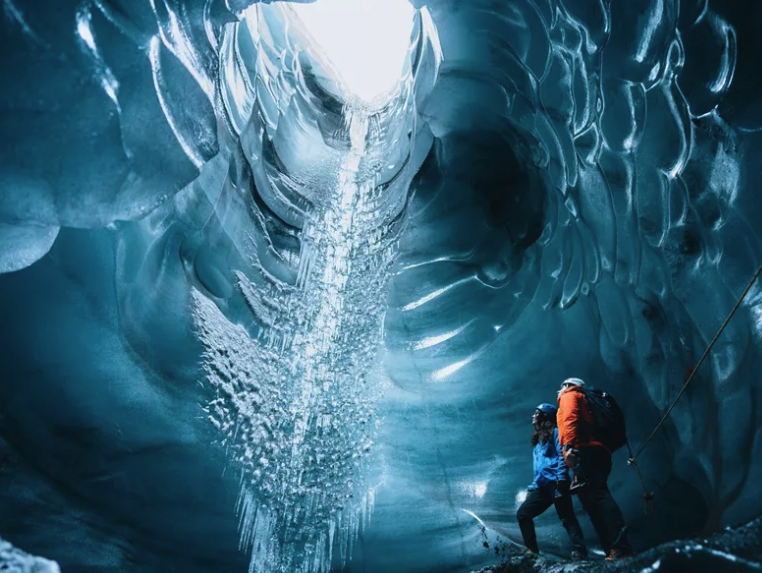
Formazioni di ghiaccio nella Grotta Glaciale di Katla
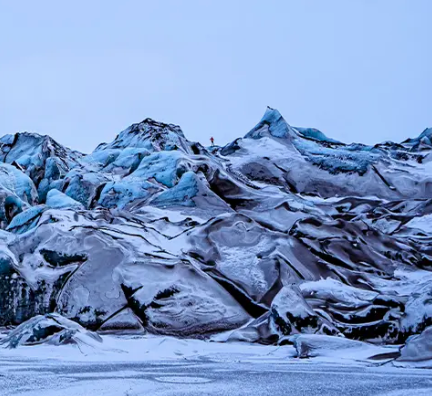
Ghiacciaio Sólheimarjökull
Punti salienti
- Sentieri pedonali verso le cascate e suggestivi paesaggi marini.
- Trekking sul ghiacciaio o esplorazioni di grotte di ghiaccio opzionali in inverno.
- Distanze più lunghe tra le attrazioni (più tempo trascorso in viaggio).
Perfetto Per
✔ Amanti della natura
✔ Appassionati di fotografia
✔ Visitatori con una giornata intera a disposizione
Circolo d'Oro vs Costa Sud - Confronto Veloce
Quando si sceglie tra il Circolo d'Oro e la Costa Sud, la differenza principale riguarda il ritmo, le distanze e il tipo di paesaggio che si desidera vivere.
Il Circolo d'Oro è ampiamente considerato l’opzione più accessibile. L’itinerario rimane relativamente vicino a Reykjavík, con brevi distanze di guida tra le principali attrazioni.
Al contrario, la Costa Sud copre un tratto di strada molto più lungo e generalmente richiede un’intera giornata di viaggio. Pur essendo maggiore il tempo di guida, la ricompensa è una sensazione di vastità e varietà. I paesaggi cambiano drasticamente man mano che ci si sposta lungo la costa.
Il Circolo d'Oro è perfetto per i viaggiatori in cerca di una introduzione completa all’Islanda in un lasso di tempo più breve, mentre la Costa Sud è più adatta a chi desidera un'immersione più profonda nei paesaggi selvaggi e cinematografici dell’Islanda e non teme una giornata più lunga e avventurosa.
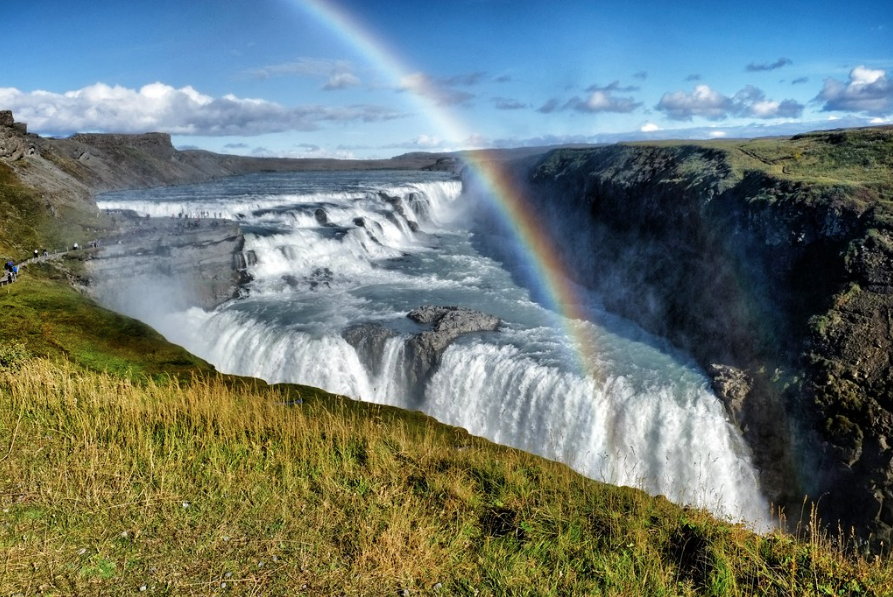
Cascata Gullfoss
Come Scegliere
Se hai poco tempo o visiti l’Islanda per solo uno o due giorni, il Circolo d'Oro è spesso la scelta più pratica. La sua vicinanza a Reykjavík e le distanze di guida più brevi lo rendono facile da inserire in un itinerario ristretto, offrendo comunque una classica esperienza islandese.
Se hai a disposizione una giornata intera e vuoi immergerti nella drammatica bellezza naturale dell’Islanda, la Costa Sud è l’opzione migliore. Il viaggio più lungo ti ricompensa con cascate imponenti, ampie vedute costiere e paesaggi che appaiono più selvaggi e remoti.
Detto ciò, se il tuo programma lo consente, la vera risposta è: SCEGLI ENTRAMBI. Il Circolo d'Oro e la Costa Sud mostrano lati completamente diversi dell’Islanda e insieme offrono un quadro molto più completo del patrimonio naturale e culturale del paese. Molti viaggiatori scoprono che fare entrambi i tour trasforma il loro viaggio da una visita veloce in un'esperienza davvero indimenticabile.
Piuttosto che vederli come alternative, conviene pensare al Circolo d'Oro come alla tua introduzione all’Islanda e alla Costa Sud come all’avventura che segue. Vivere entrambi gli itinerari ti permette di apprezzare la straordinaria diversità dell’Islanda, dalle meraviglie geologiche e storiche ai vasti paesaggi indimenticabili. Il tutto a una distanza relativamente breve da Reykjavík!
Conclusione
Entrambi i tour offrono esperienze memorabili, dipende solo dal tipo di avventura che desideri. Il Circolo d'Oro è la quintessenza dell’introduzione all’Islanda, mentre la Costa Sud è un po’ più selvaggia e drammatica.
Se il tempo lo permette, fare entrambi in giorni separati rivela il pieno spettro delle meraviglie naturali dell’Islanda.
Dai un’occhiata al nostro itinerario perfetto di 2 giorni e scopri come combinare al meglio Circolo d'Oro e Costa Sud per un tour islandese completo.
Oppure scegli la nostra offerta Best of Iceland 3-in-1, un’alternativa economica che ti porterà nei luoghi iconici dell’Islanda: il Circolo d'Oro, la Costa Sud e la caccia all’aurora boreale – tutto in un unico pacchetto!
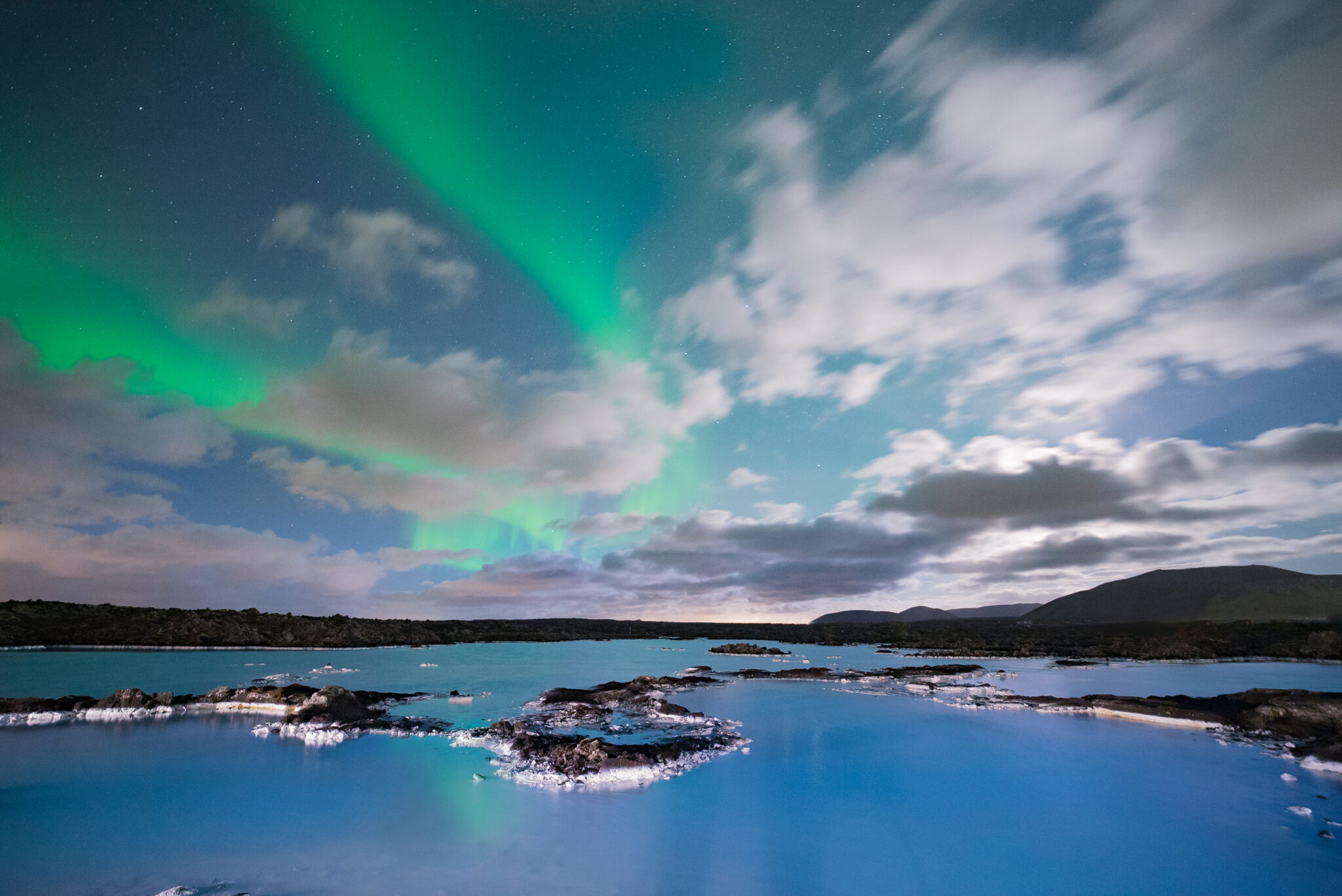
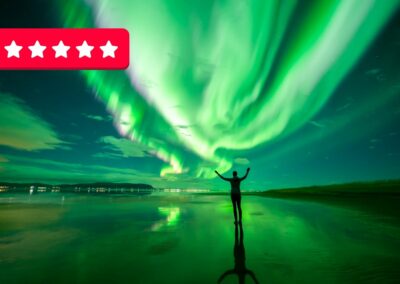
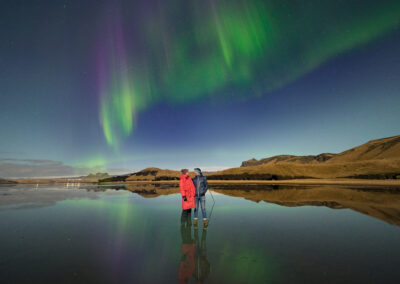
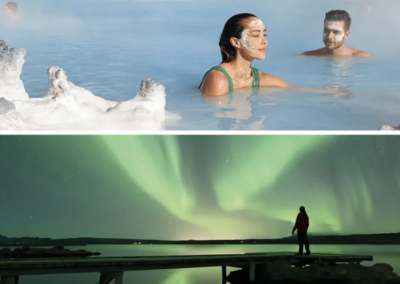
Aurora Boreale sulla Laguna Blu
Unisciti a noi in un Tour per l'Aurora Boreale
Evita lo stress di guidare d’inverno al buio e unisciti a un gruppo di avventurieri con la tua stessa passione per un tour guidato dell’aurora boreale.

FAQ about the Northern Lights
Quando si può vedere l'aurora in Islanda?
Durante questo lungo periodo, l’Islanda sperimenta abbastanza oscurità perché l’aurora sia visibile di notte.
Tuttavia, le probabilità di osservare l’aurora variano a seconda del periodo dell’anno. Scopri quali mesi sono i migliori per vedere l’aurora qui.
Why can't I see any northern lights in the summer ?
Want to know more about light conditions in Iceland? Check the sun graph and learn about twilight and dusk in Iceland.
A che ora compaiono le aurore boreali?
During the winter months, when the hours of light are limited, the northern lights can often appear as early at 7:00pm.
As the exact time of an Aurora display cannot be predicted, keep your eyes at the sky. And remember, patience is key!
Quanto durano le aurore boreali?
Posso vedere le aurore boreali quando il cielo è nuvoloso?
Le aurore boreali appaiono solo quando fa freddo?
Le aurore boreali sono visibili in tutta l’Islanda?
Le aurore boreali sono davvero multicolore?
The northern lights happen in a variety of colours. Green is by far the most common, but the Aurora can also appear in vibrant shades of pink, purple, red, violet and blue.
To the naked eye though, the northern lights can look quite faint, and at times be perceived as white or grey-ish. This is due to limitations in our night vision.
Camera devices instead can capture a more truthful version of the colours, as, in most cases, it possible to adjust the device settings in order to better adapt to the night time conditions.
Find more about how to improve your night vision and learn how to take great Aurora shots qui.
Are the northern lights going to disappear in future?
No, the northern lights are not going anywhere!
The Aurora has been visible in the Arctic for centuries, and that is not going to change any times soon.
What is true is that the solar activity, which is responsabile for the occurrence of the northern lights on our planet, changes over time, following an eleven-year cycle.
During each solar cycle, the Sun goes from a peak to a minimum of activity. During the peak, the so called “solar maximum“, we can expect enhanced activity and, potentially, stronger northern lights visible from unusual latitudes (in the northern hemisphere, this means Auroras being spotted further south than usual). While, during the solar minimum, such unusually strong occurrences become rarer.
Still, at Arctic latitudes the northern lights can be see clearly throughout the whole cycle. And Islanda, being well within the “Aurora belt”, is and will remain the perfect destination for northern lights hunting!
What is the BZ value?
The Bz value is part of the Interplanetary Magnetic Field (IMF), which is the magnetic field carried by the solar wind coming from the Sun.
Why does it matter for the Northern Lights? Earth’s magnetic field points north. If the solar wind’s magnetic field (Bz) points south (a negative Bz), it connects with Earth’s field and lets charged solar particles into the atmosphere. This interaction helps create the northern lights. If instead, Bz is positive (northward), the fields don’t connect well, and fewer particles get in — meaning weaker or no aurora.
Think of Bz like an ON/OFF switch: negative Bz (south) = ON, good chance of Aurora soon. Positive Bz (north) = OFF, Aurora less likely.
Learn more about Bz and how the forecast works qui.
Which are the best forecast apps and websites for Northern Lights hunting?
Chasing the Northern Lights is all about timing, clear skies, and up-to-date aurora forecasts. These tools help you know when and where there’s a good chance of seeing the aurora — so you can plan your night the smart way. For the best results, we recommend using more than one source, as different forecasts interpret data differently.
WEB FORECASTS
- Official AURORA REYKJAVÍK Aurora Forecast 👉 https://aurorareykjavik.is/aurora-forecast/
Our 6-step expert forecast combines geomagnetic activity, cloud cover, and viewing tips — designed for real-time Northern Lights planning. - SpaceWeatherLive
A detailed global space weather site with auroral activity maps and solar parameters. - NOAA Space Weather Prediction Center (SWPC)
The official US space weather forecast model that many aurora apps base their data on.
TOP MOBILE APPS
- My Aurora Forecast – Offers real-time KP index, global aurora maps, push alerts and multi-day forecasts — great for travelers and serious aurora watchers alike.
And don’t forget to unable notifications, so you’ll get alerts when aurora activity spikes.
📍App Store
📍 Google Play
By following this guide, you’ll be well-prepared to experience one of nature’s most magical displays. Whether you’re planning your trip or already in Iceland, the Aurora awaits!