THE “MIDNIGHT SUN” MYTH: CAN YOU SEE THE AURORA IN ICELAND IN THE SUMMER?
What is the midnight sun
Are the northern lights visible in the summer
Aurora Reykjavík – where the northern lights are always on display
What Is the midnight sun in Iceland?
Can You See the Northern Lights During the Midnight Sun?
The Aurora Never Stops – Only Our Ability to See It
Experiencing the Northern Lights at Aurora Reykjavík in Summer
A Guaranteed Aurora Experience During the Midnight Sun
Final Thoughts: Midnight Sun and Northern Lights – Two Sides of Iceland
Iceland is a country defined by extremes of light and darkness. In winter, long nights create perfect conditions for Northern Lights viewing. In summer, the season of the midnight sun, the landscape is bathed in near-constant daylight. This dramatic shift leads many visitors to ask the same question every year: Can you see the Northern Lights in Iceland during summer?
The short answer is no – but the full story is more interesting. Understanding why the aurora isn’t visible during the midnight sun, and how you can still experience it in summer, requires a closer look at both science and storytelling.
What Is the Midnight Sun in Iceland?
The midnight sun occurs in Iceland from late May through early August, when the sun remains above the horizon for most or all day. Even at “night,” the sky never becomes truly dark – instead, it stays bright with a soft twilight glow.
This phenomenon is a result of Iceland’s high latitude, just south of the Arctic Circle. While it creates unforgettable summer experiences for travellers, it also has a direct impact on aurora visibility.
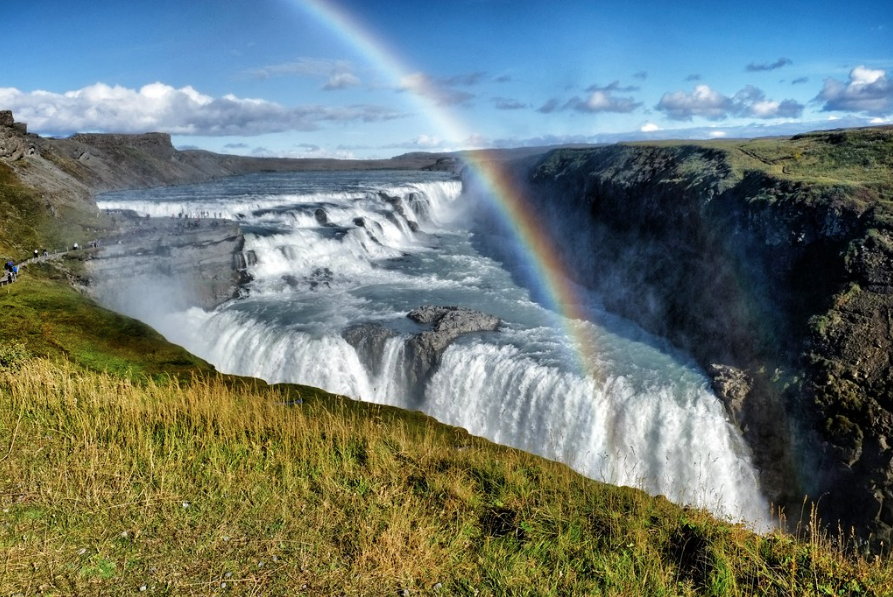
Summer colours at Gullfoss waterfall, in the Golden Circle
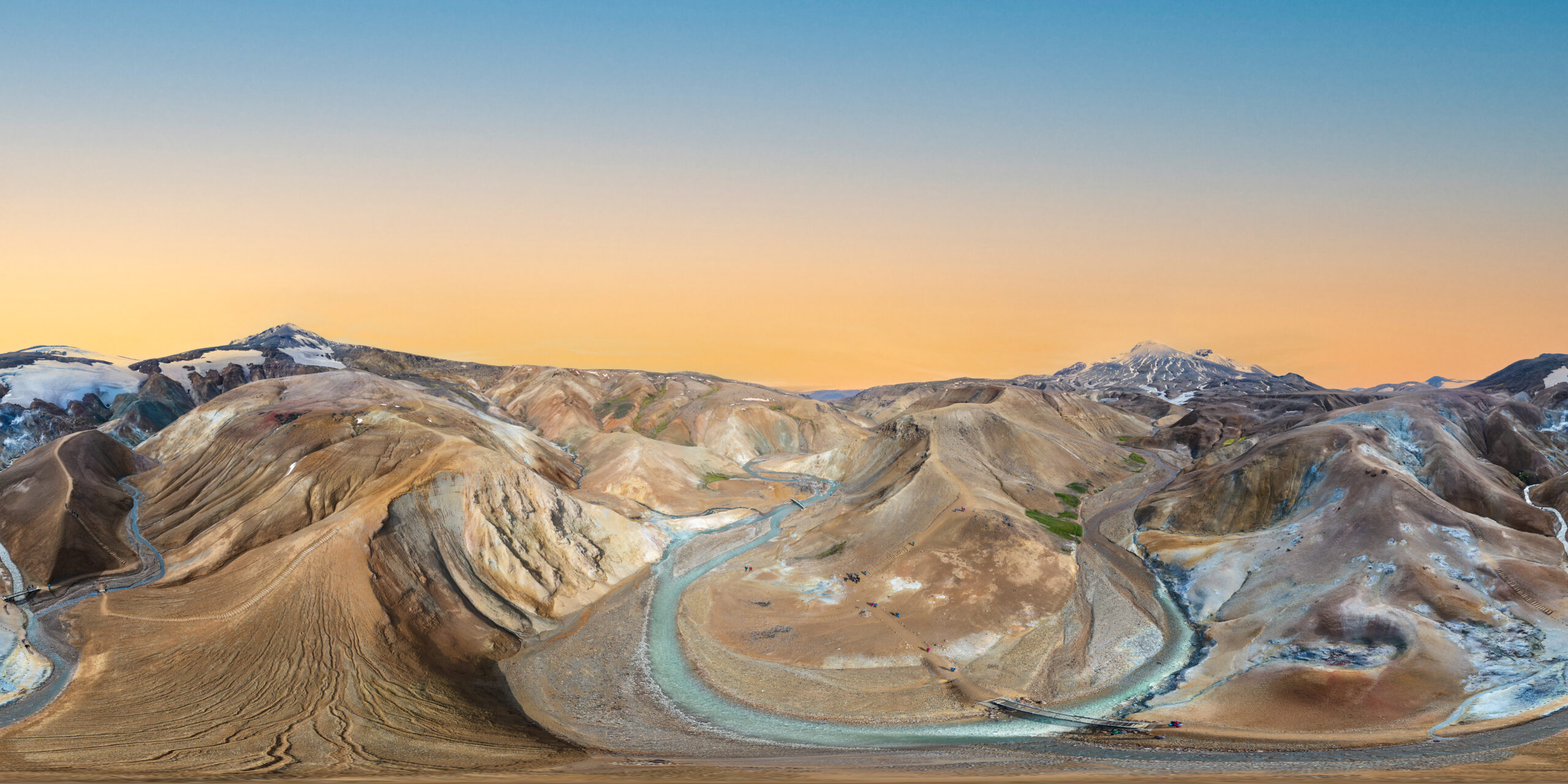
Summer in the Icelandic Highlands
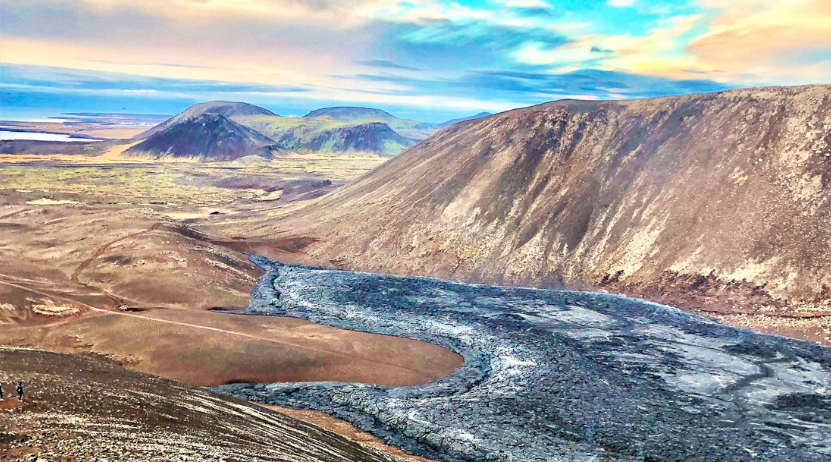
Summer highlight: join an evening hike to the latest eruption sites
Can You See the Northern Lights During the Midnight Sun?
Despite a persistent myth, you cannot see the Aurora Borealis in Iceland during the midnight sun period.
Auroras are caused by charged particles from the Sun interacting with Earth’s magnetic field and atmosphere. This process happens year-round – including in summer. However, auroras are relatively faint light phenomena and require dark skies to be visible from the ground.
During the midnight sun:
- The sky never becomes dark enough
- Aurora light is completely washed out by daylight
- Even strong solar activity will not produce a visible display
This is why the Northern Lights season in Iceland runs from late August to mid-April, when darkness returns.
For a deeper dive into seasonal visibility, explore: Best Time to See the Northern Lights in Iceland
The Aurora Never Stops – Only Our Ability to See It
An important distinction often gets lost: the aurora does not disappear in summer. The same solar processes continue high above Earth’s atmosphere. What changes is our ability to observe it.
It is similar to what happens with stars in the daytime sky – they are still there, but invisible due to sunlight. The midnight sun creates the same effect for the aurora.
However, summer visitors can engage with the Northern Lights, even if outdoor viewing is impossible.
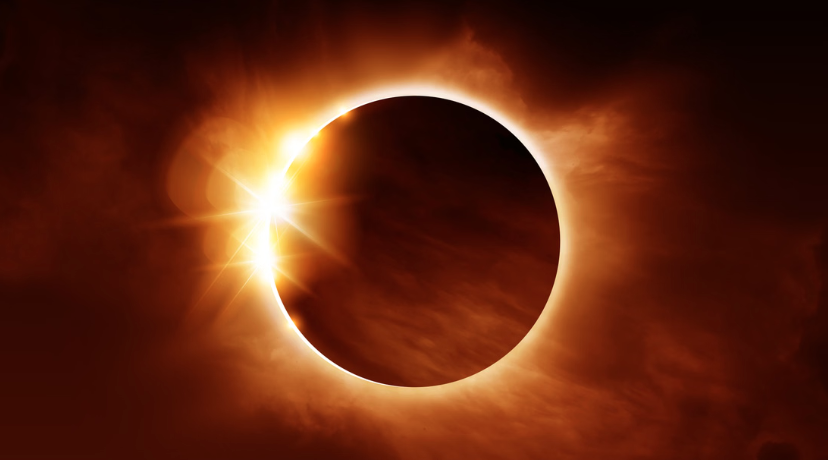
No stars in the summer, but get ready for the August 12th, 2026 total eclipse
Aurora Reykjavík – Iceland’s First and Only Northern Lights Center
Experiencing the Northern Lights at Aurora Reykjavík in Summer
For travellers visiting Iceland during the midnight sun, Aurora Reykjavík – The Northern Lights Center offers the most complete aurora experience available outside the winter season.
Located in Reykjavík’s Grandi harbour area, the museum is designed to bridge the gap between science, nature, and human experience – making the Northern Lights accessible year-round.
Immersive Aurora Films and Visual Displays
At the heart of Aurora Reykjavík is a high-definition cinema experience featuring aurora footage from across Iceland, professionally captured by our team of experts and award-winning photographers. This 30-minute film showcases a wide range of auroral forms, colours, and intensities (from subtle arcs to full-sky storms), exactly as they appear under dark winter skies.
For visitors experiencing the midnight sun, this is often the first time they see what the aurora truly looks like in motion.
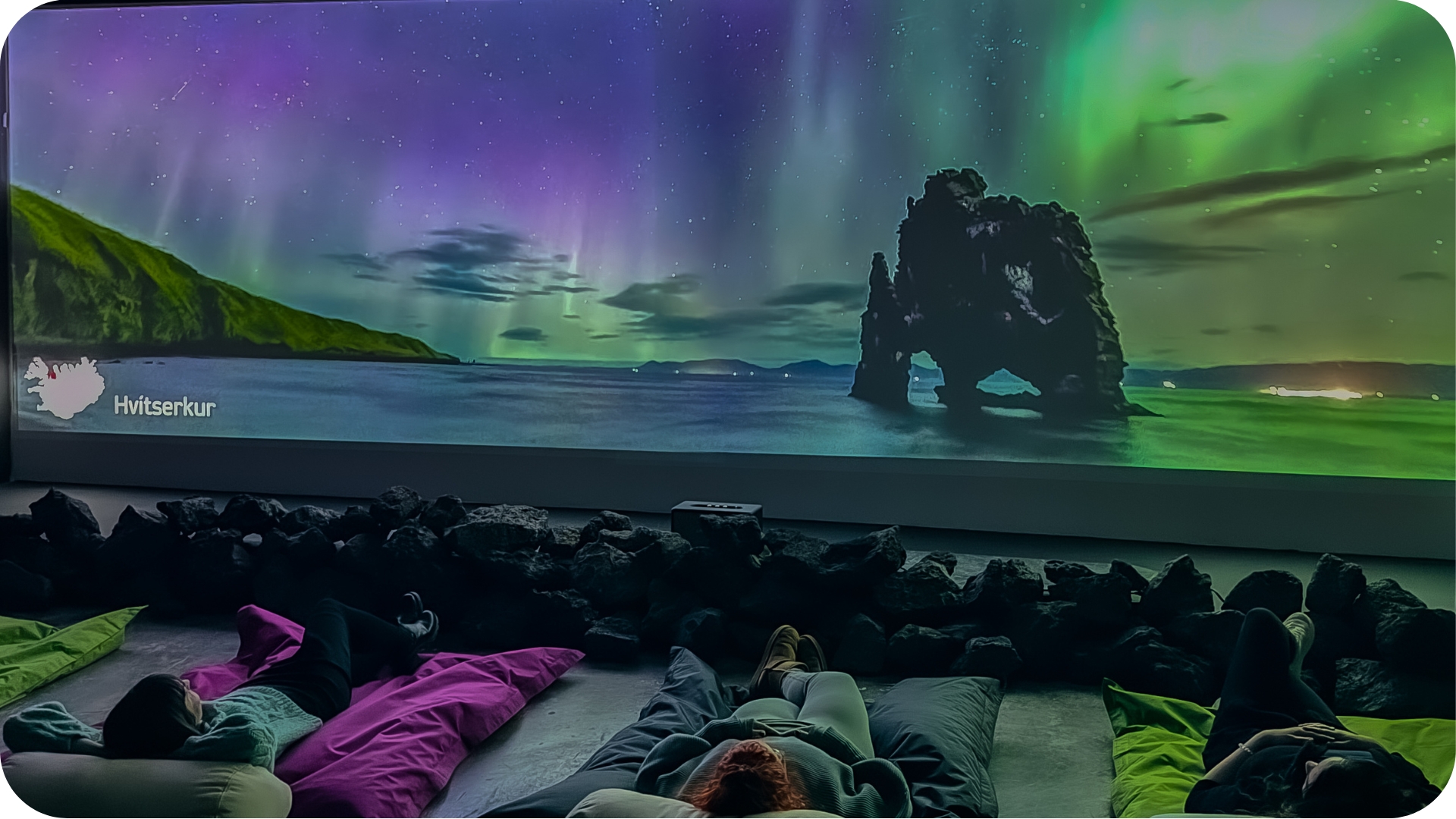
Get comfy and enjoy the northern lights…no matter the season!
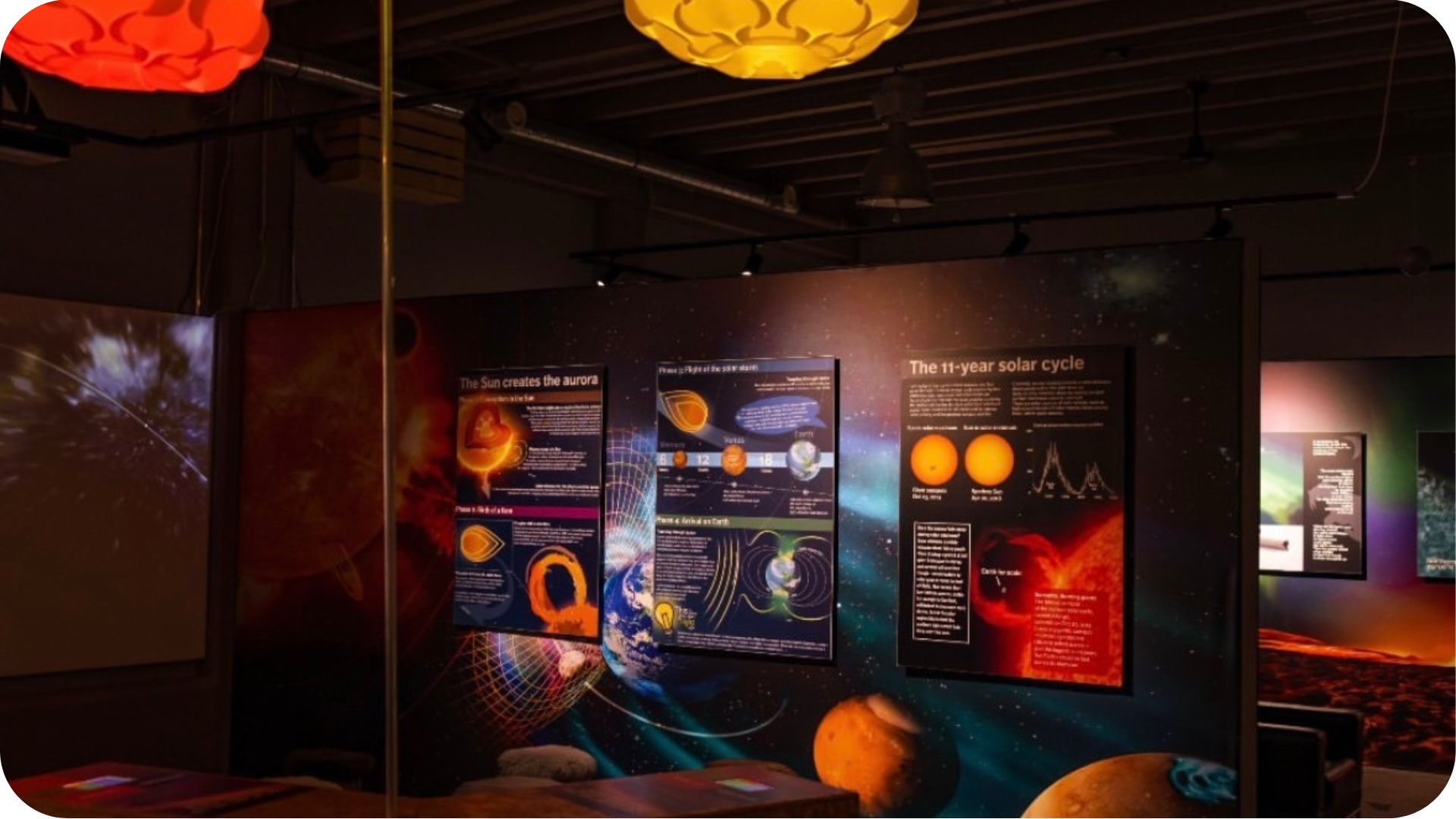
Learn about the northern lights in an interactive environment
Interactive Exhibits: Science, History, and Myth
The museum’s interactive displays explain:
- How auroras form
- Why Iceland is one of the best places on Earth to see them
- The way solar activity, magnetic storms, and Earth’s atmosphere interact
- How Northern Lights have been interpreted in Icelandic folklore and global cultures
This context is especially valuable for summer visitors planning a future winter trip, as it builds realistic expectations about visibility and conditions.
More background reading about the phenomenon is available here.
Virtual Reality: Standing Beneath the Aurora
Aurora Reykjavík also offers a virtual reality experience that places visitors beneath active Northern Lights displays using real footage filmed across Iceland. The experience is world’s first VR entirely dedicated to the Aurora. Feel the scale, motion, and atmosphere of standing under a dark winter sky, as you observe the northern lights as they move overhead.
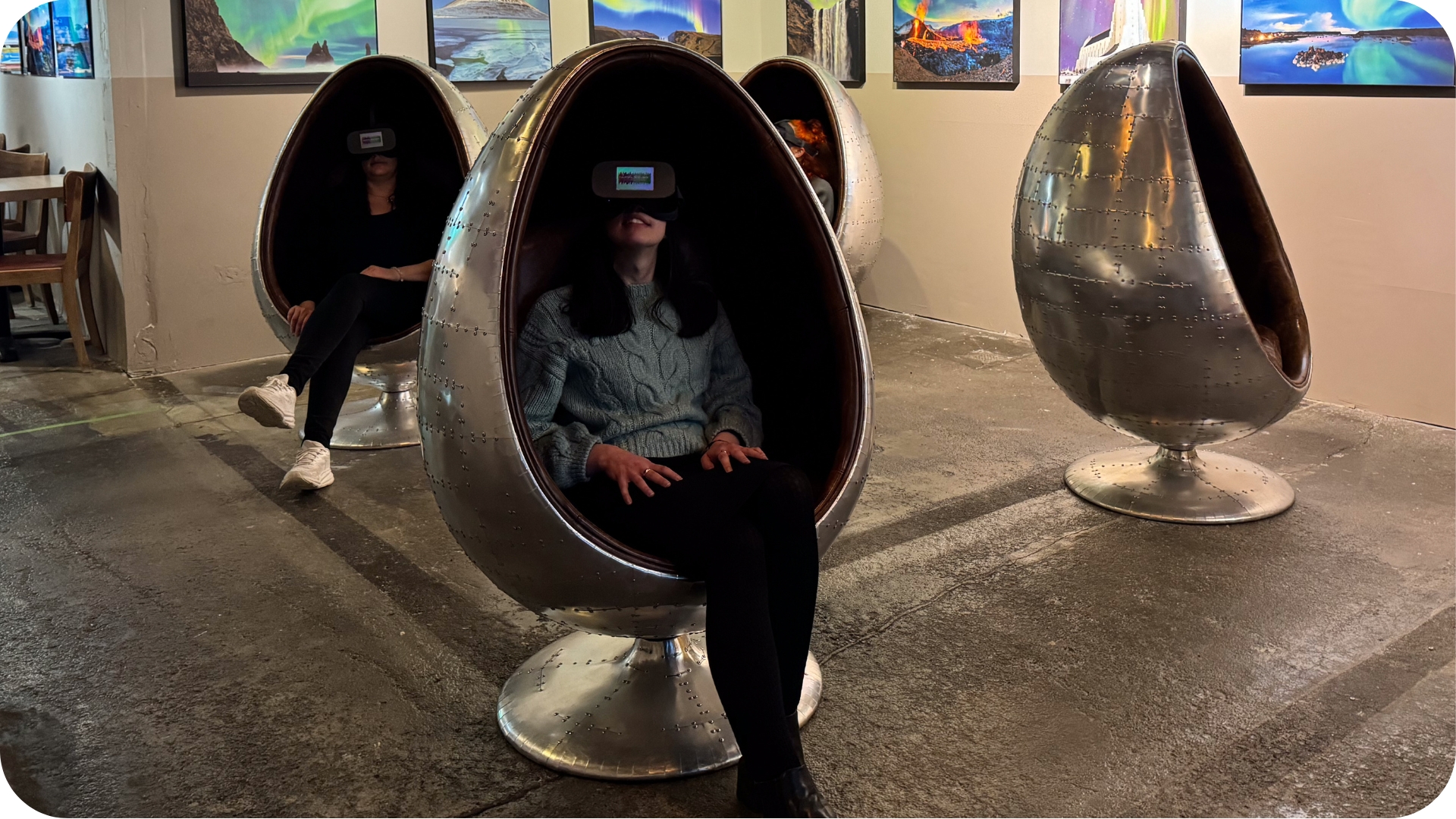
World’s first northern lights VR experience
For those visiting during the midnight sun, this provides a rare and realistic sense of what seeing the Northern Lights in nature actually feels like – something not possible outdoors at that time of year.
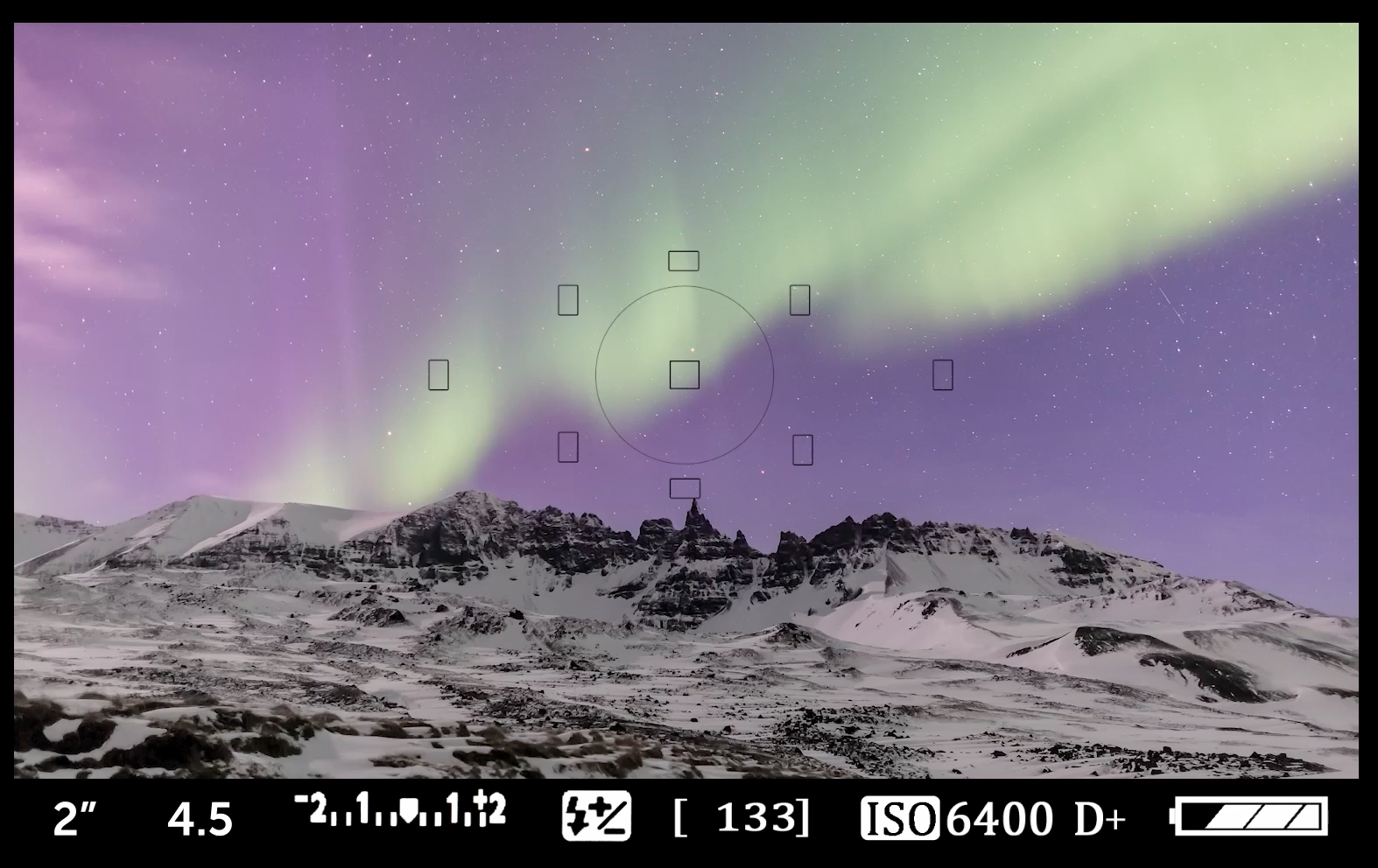
Our experts will set up your camera for the Aurora hunt
Northern Lights Photography and Simulation
Aurora Reykjavík also focuses on photography education. Visitors can explore:
- A Northern Lights photo simulator
- Camera settings used by professional aurora photographers
- Common mistakes beginners make when photographing auroras
This makes the museum particularly useful for travellers returning in winter or those interested in astrophotography.
Related reading: Can You See the Northern Lights with the Naked Eye?
A Guaranteed Aurora Experience During the Midnight Sun
Unlike outdoor aurora tours, which depend on darkness, weather, and solar activity, Aurora Reykjavík offers a guaranteed experience. There is no waiting for clouds to clear and no concern about the time of year.
For summer visitors, it provides:
- A meaningful connection to one of Iceland’s most iconic natural phenomena
- Clear explanations of why auroras cannot be seen during the midnight sun
- A deeper appreciation for the contrast between Iceland’s seasons of light and darkness
Further Reading: Northern Lights Planning and Myths
If you want to explore related topics, these articles provide useful context:
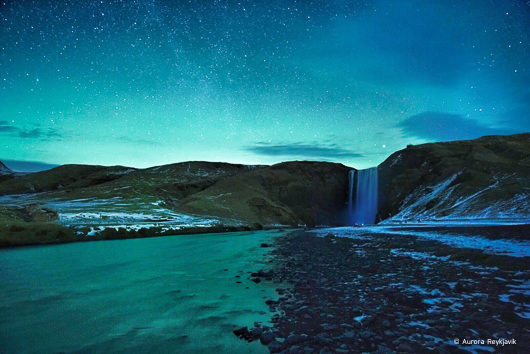
Northern Lights glowing over Skógafoss,
on the South Coast
Final Thoughts: Midnight Sun and Northern Lights – Two Sides of Iceland
The midnight sun and the Aurora Borealis represent opposite ends of Iceland’s natural light cycle. While they never appear together in the sky, each tells an important part of the same story.
If you visit Iceland in summer, the aurora may remain invisible outdoors – but it is far from absent. At Aurora Reykjavík, the Northern Lights are brought into focus through science, imagery, and experience, offering insight and inspiration long before darkness returns.
JOIN US ON ICELAND'S BEST NORTHERN LIGHTS TOUR
OUR BESTSELLER
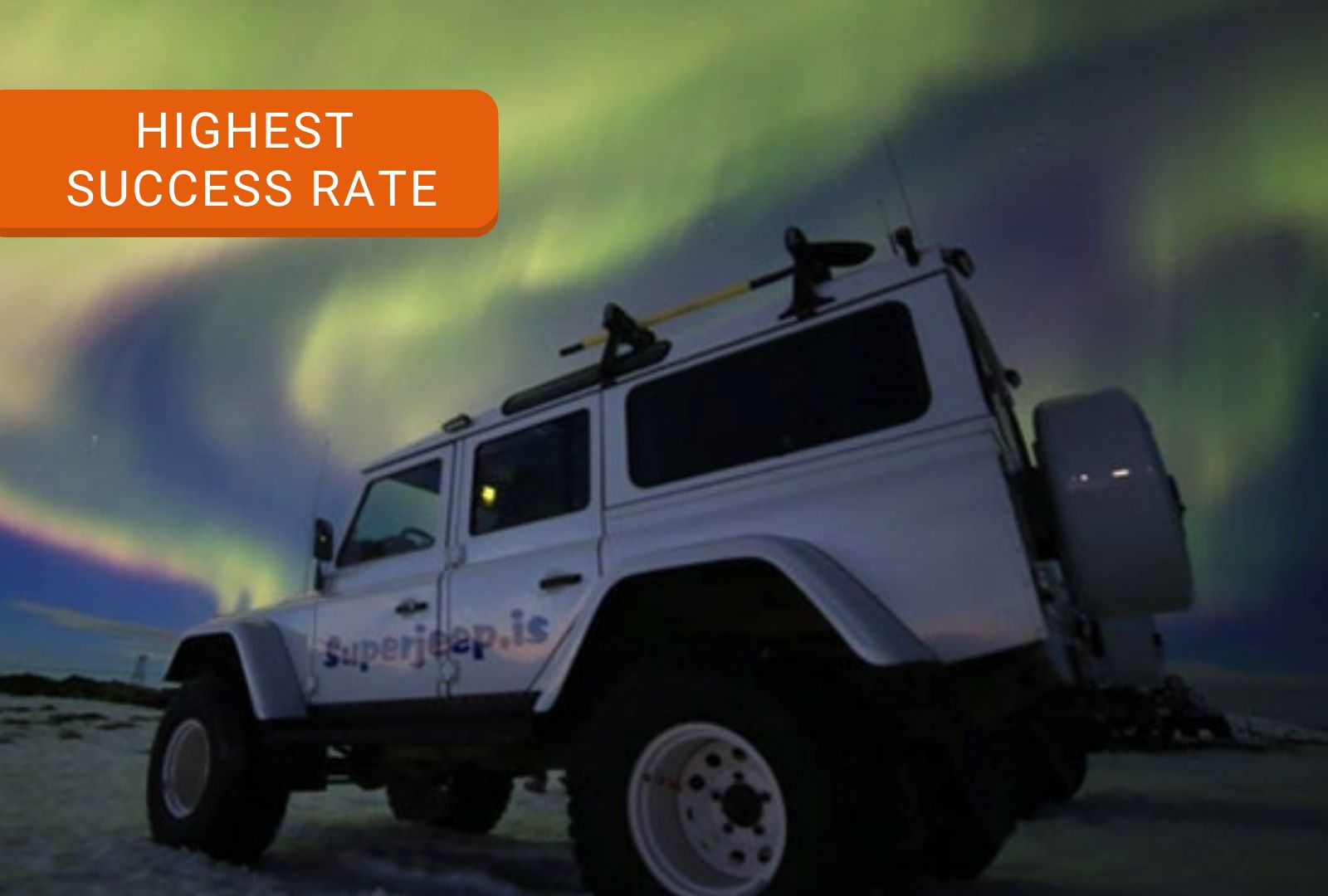
NORTHERN LIGHTS SUPER JEEP TOUR
POINTS FORTS:
✓ Guided premium Northern Lights tour in a super jeep ✓ Free pick-up and drop-off ✓ Free quality photos ✓ Homemade hot chocolate ✓ Warm vehicles on location
HIGHEST SUCCESS RATE
FREE ADMISSION TO AURORA REYKJAVÍK – SAVE 3900 ISK
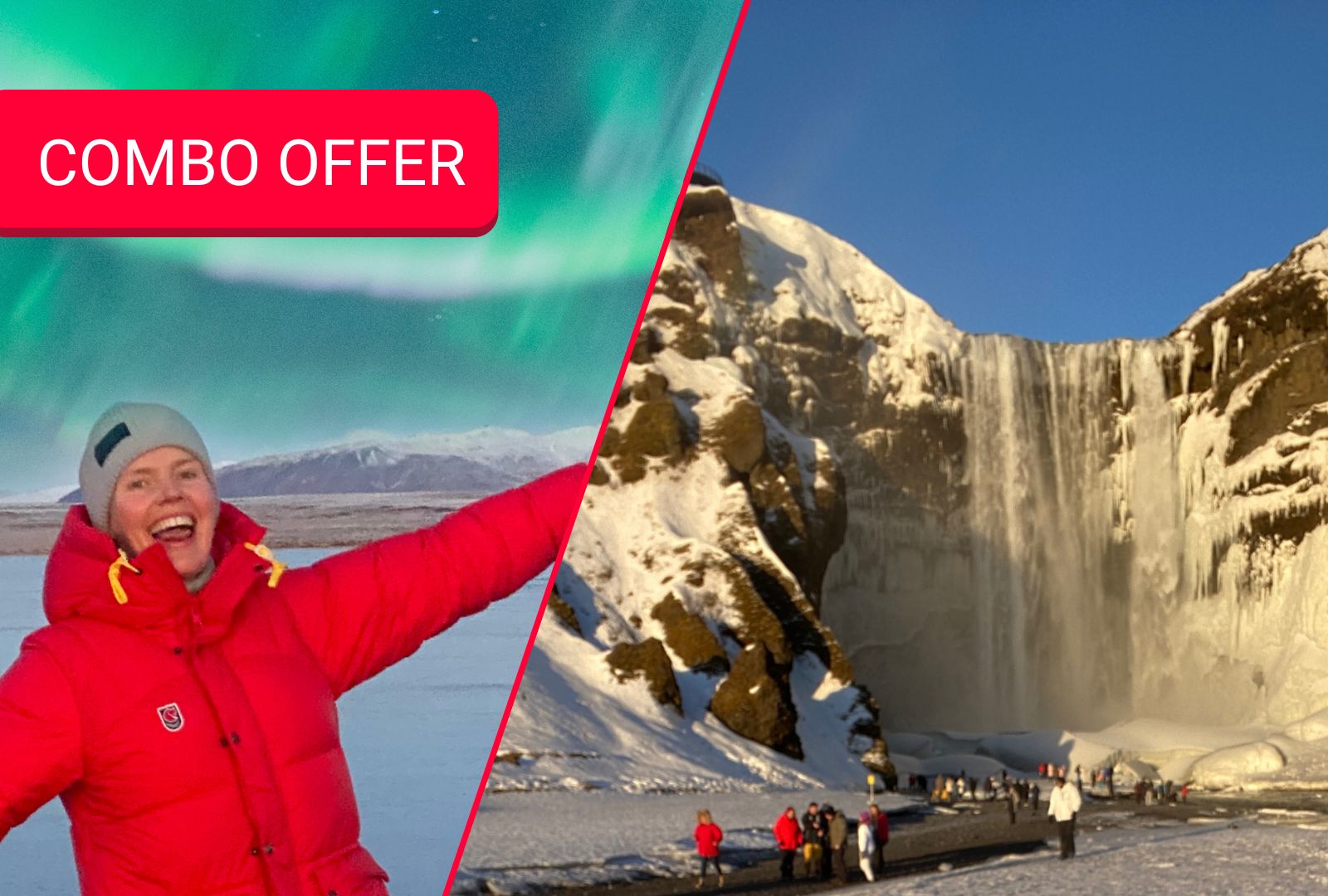
NORTHERN LIGHTS & SOUTH SHORE
POINTS FORTS:
✓ 2IN1 OFFER: SAVE OVER ISK 2000 ✓ Visit Glacier Sólheimarjökull ✓ Stroll around the town Vík ✓ Walk at the . ✓ See the majestic waterfalls Skógafoss and Seljalandsfoss ✓ Witness the Northern Lights dance BEST VALUE FOR MONEY NORTHERN LIGHTS GUARANTEE: FREE RETRY IF NO LIGHTS ARE SEEN
EXCURSION EN PETIT GROUPE DES AURORES BORÉALES
POINTS FORTS:
✓ Northern Lights Tour in a small bus
✓ Free photos of you under the Northern Lights
✓ Homemade hot Chocolate et Pastries
✓ Prise en charge et retour gratuits
MOST POPULAR TOUR