
TOTAL SOLAR ECLIPSE 2026 IN ICELAND – EVERYTHING YOU NEED TO KNOW
What is a solar eclipse?
Why Iceland is a special place to experience the 2026 eclipse
How to make the best out of this exceptional event
When and Where to See the Solar Eclipse in Iceland
Why Iceland Is a Special Place to Experience an Eclipse
Solar Eclipse Tour in Iceland 2026 – Snæfellsnes Peninsula
Solar Eclipse Super jeep tour in Iceland – Flexible Itinerary, into the wilderness
Solar Eclipse 2026 – 6-day Adventure Around Iceland


Science of a solar Eclipse, courtesy of timeanddate.com
WHAT IS A SOLAR ECLIPSE?
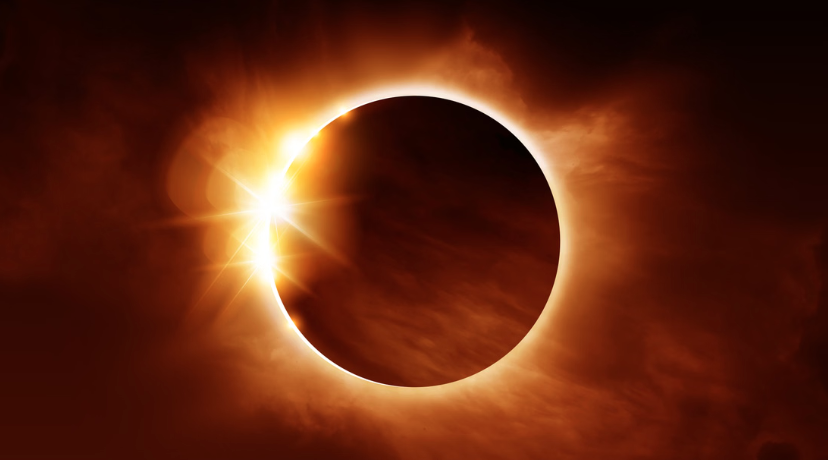
During a total solar eclipse, the Moon fully covers the Sun, allowing the delicate glow of the solar corona to become visible. The surrounding light softens, shadows sharpen, and the atmosphere briefly feels closer to dusk than daytime.
Check out more information, including visibility maps, and local timings here.
WHEN AND WHERE TO SEE THE SOLAR ECLIPSE IN ICELAND
- Date: Wednesday, August 12, 2026
- Time: The eclipse will begin in the afternoon, with totality occurring in the early evening, at 17:48 local time
- Visibility: Iceland is within the path of totality, meaning the Sun will be completely covered for a short time
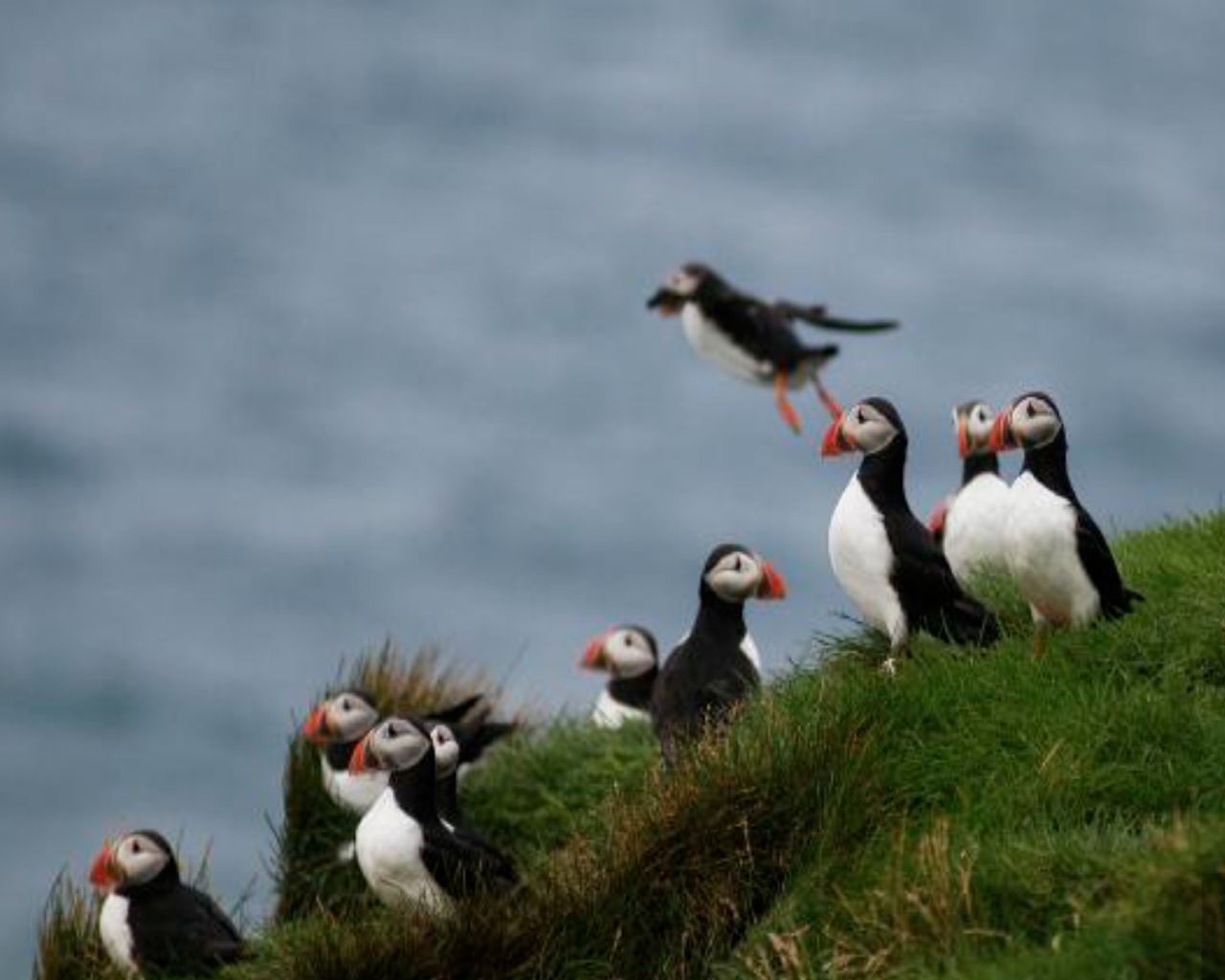
Puffin watching and a total eclipse? Only in Iceland, on August 12th, 2026
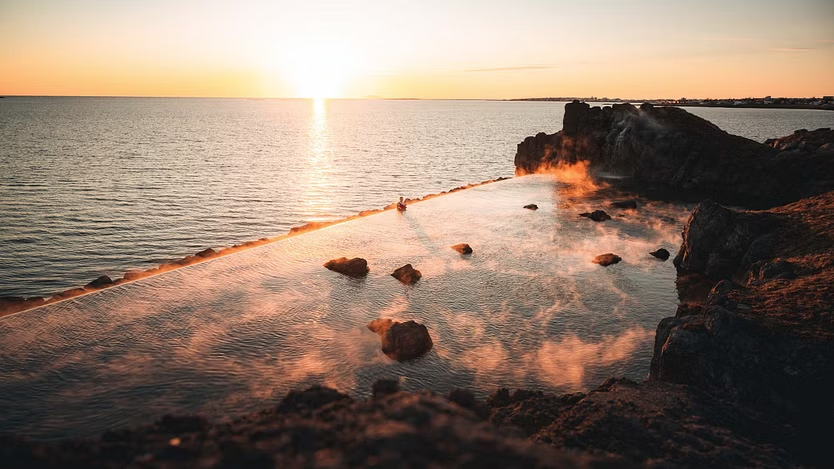
Watch the eclipse in the west of Iceland from one of Iceland´s best geothermal baths
SOME OF THE MOST PROMISING VIEWING AREAS INCLUDE:
- Snæfellsnes Peninsula, known for its open views and striking natural scenery
- West Iceland and the Reykjanes Peninsula
- Reykjavík, which will also experience totality, though for a shorter duration
WHY ICELAND IS A SPECIAL PLACE TO EXPERIENCE AN ECLIPSE
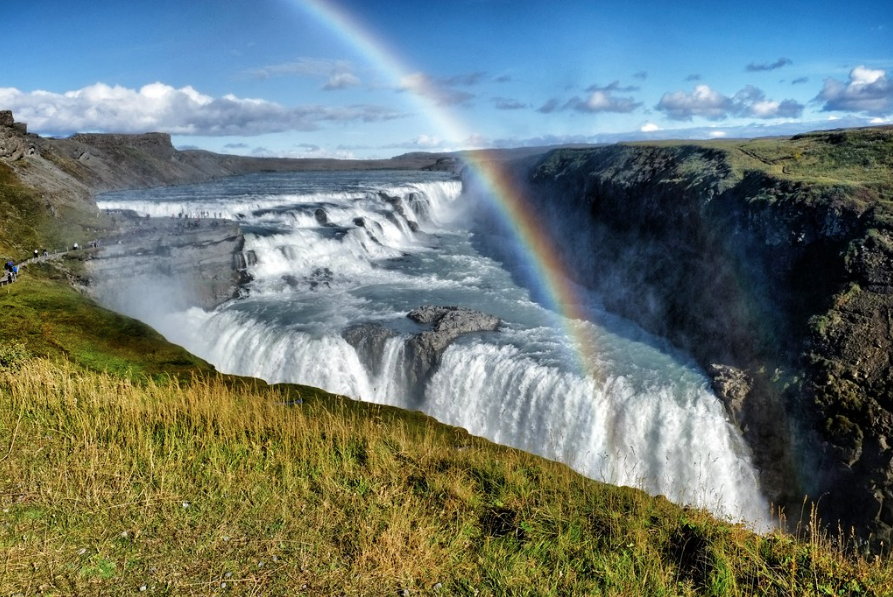
The majestic Gullfoss in the Golden Circle
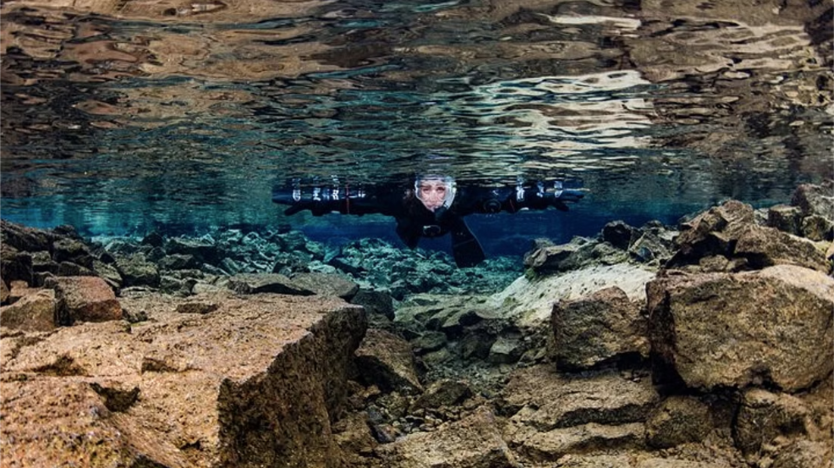
Snorkel in the rift between Europe and North America, for a perfect Icelandic experience
Combined with the country’s strong connection to natural phenomena and dramatic scenery, Iceland stands out as one of the most memorable places to witness the 2026 eclipse.
SOLAR ECLIPSE TOUR IN ICELAND 2026 – SNÆFELLSNES PENINSULA
Snæfellsnes Peninsula, where wide horizons and multiple viewing options make it easier to adapt to changing weather, is by far one of the prime 2026 eclipse viewing destinations.
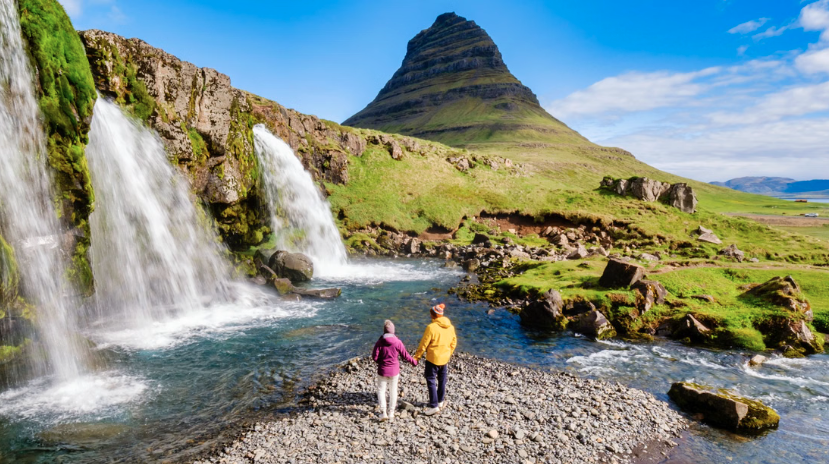
Kirkjufell on Snæfellsnes Peninsula
This tour is designed to combine the eclipse with exploration of one of Iceland’s most diverse landscapes.
As this is a rare event, interest is expected to be high, and early planning is advised.
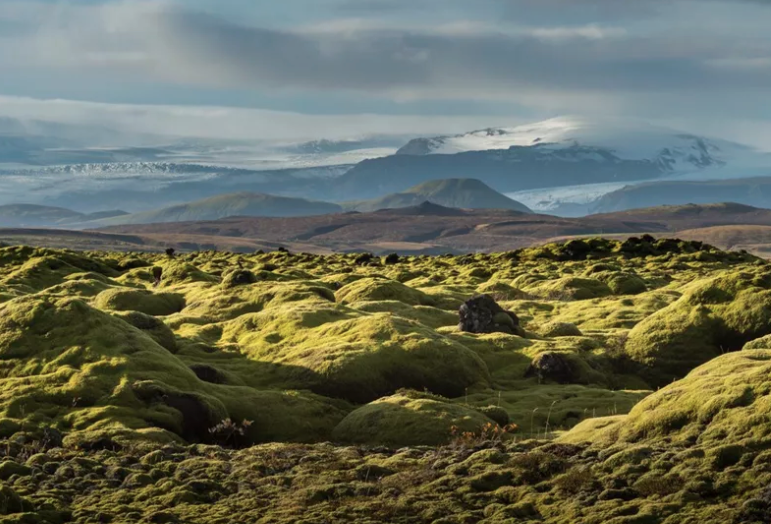
Travel off the beaten path on this flexible Eclipse tour
EXPERIENCE THE 2026 TOTAL ECLIPSE BY SUPER JEEP
For a more adventurous eclipse experience, the Solar Eclipse Jeep Tour offers a dynamic way to witness totality on August 12, 2026.
Travel from Reykjavík in a comfortable Super Jeep with an expert local guide.
With a flexible route that adapts to weather and cloud cover, this small-group tour maximizes your chances of seeing the eclipse from a dramatic and uncrowded setting.
Enjoy the panoramic scenery and a celebratory atmosphere as the sky goes dark.
As this is a one-time only, small group tour, early planning is advised.
SOLAR ECLIPSE 2026: A 6-DAY ADVENTURE AROUND ICELAND
For travelers wanting to combine the celestial spectacle with Iceland’s stunning natural diversity, the Solar Eclipse 2026 Around Iceland in 6 Days tour offers a perfect blend of extraordinary nature and adventure.
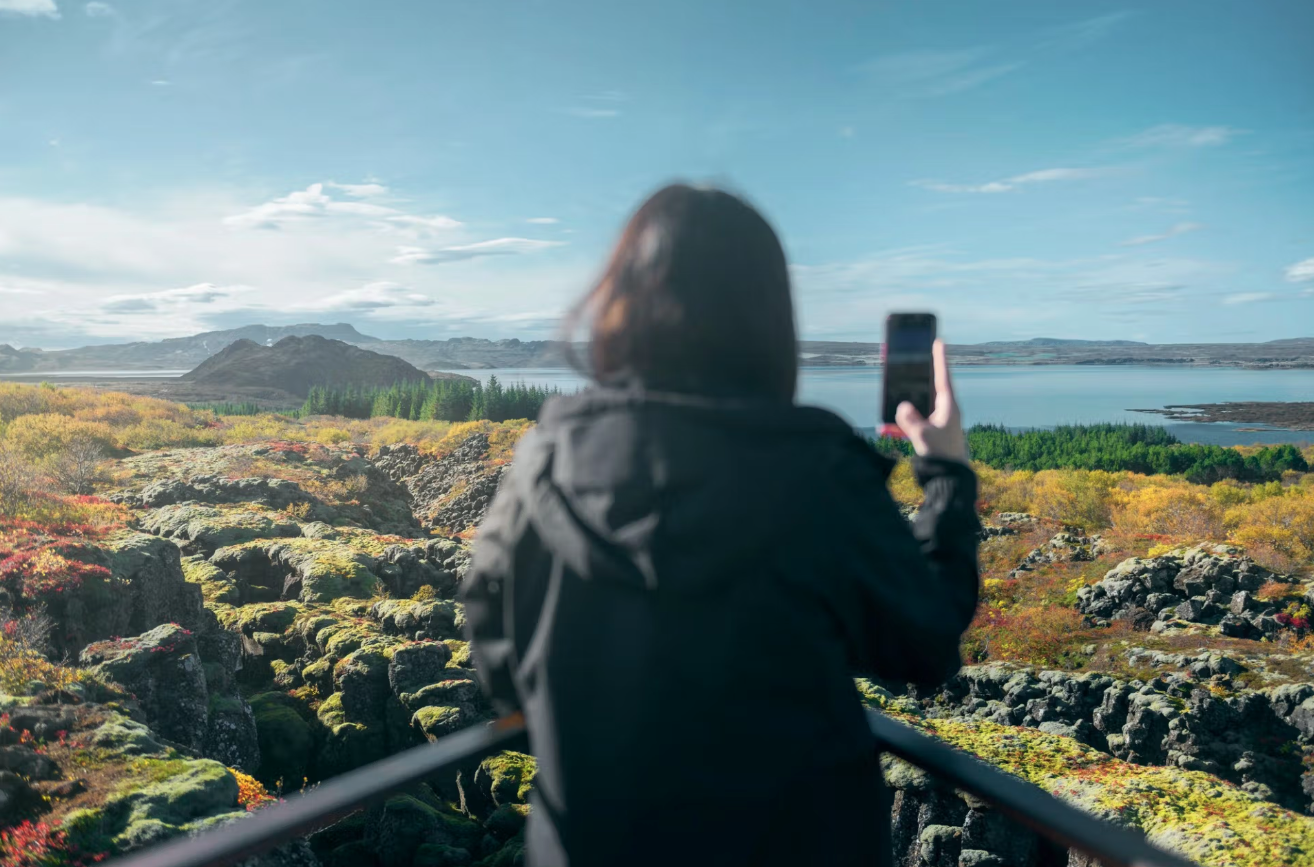
Explore the best of Iceland (and see the eclipse) on this 6-day itinerary
Spots are limited, book your 6-day Solar Eclipse adventure across Iceland now.
TIPS FOR ENJOYING THE SOLAR ECLIPSE IN ICELAND
- Use solar eclipse glasses when observing the Sun
- Dress in layers to stay comfortable in changing weather
- Consider combining your eclipse trip with other guided experiences
You can explore Aurora Reykjavik’s full range of tours and activities here: https://aurorareykjavik.is/tours-and-activities/
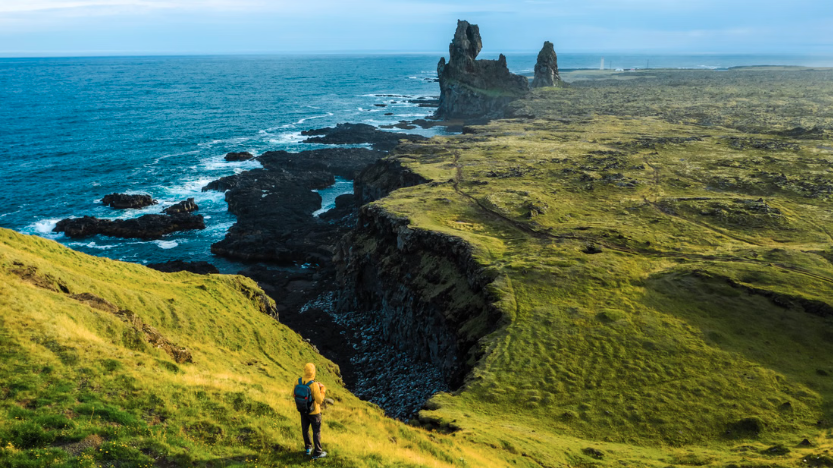
Majestic cliffs in West Iceland
FINAL THOUGHTS – A MOMENT WORTH THE JOURNEY
Whether watched from a quiet coastal viewpoint, a geothermal pool, or as part of a guided experience in Snæfellsnes, it offers a powerful reminder of the rhythms of nature and our place within them.
With thoughtful planning, this short moment of darkness can become one of the most memorable highlights of a journey to Iceland.
EXPLORE MORE AT AURORA REYKJAVÍK
- Visit our Northern Lights Center to learn everything about the aurora.
- Discover the best Northern Lights photography tips for your next adventure.
- Find out the best months to see the aurora borealis in our guide.
JOIN US ON ICELAND'S BEST NORTHERN LIGHTS TOUR
OUR BESTSELLER
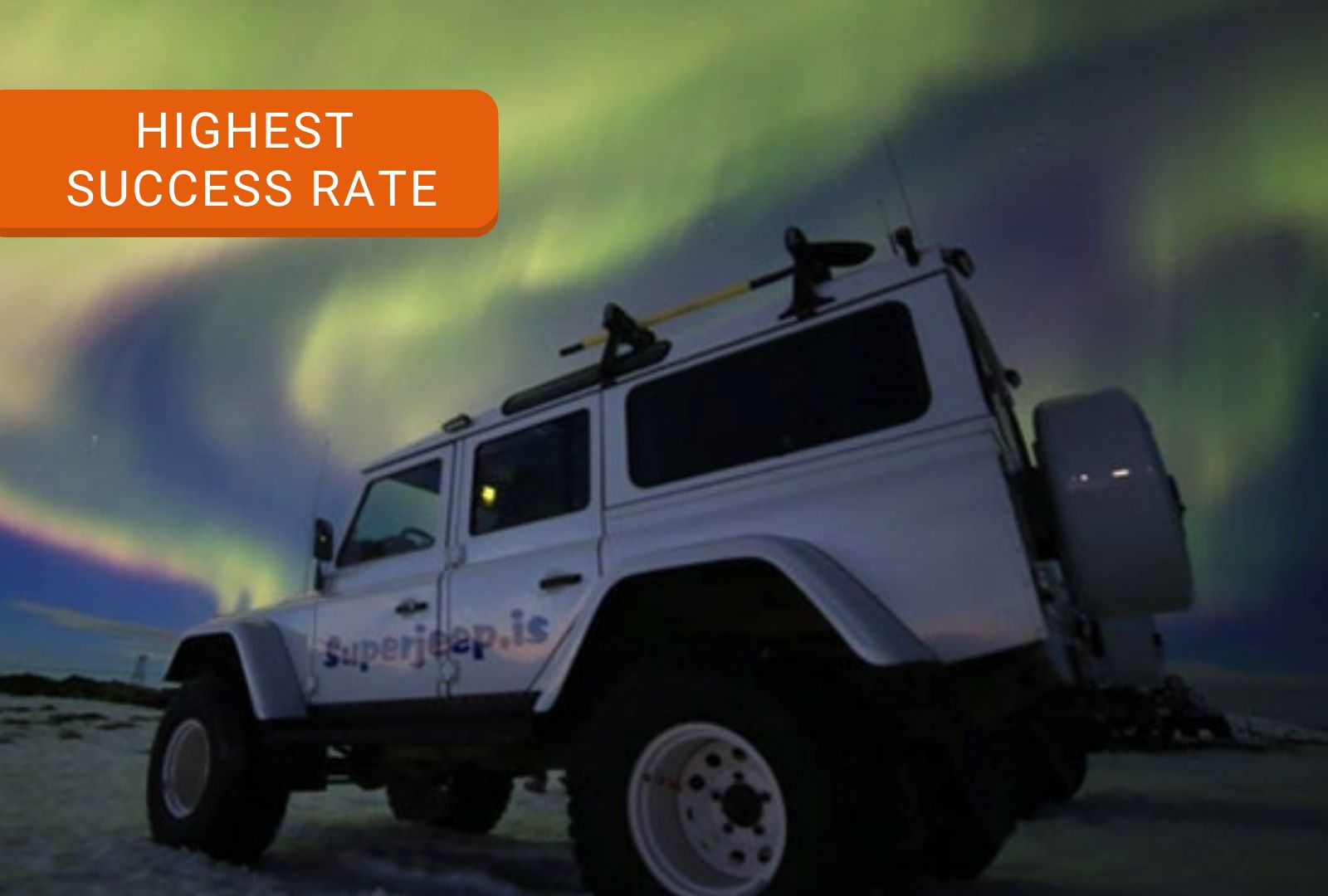
NORTHERN LIGHTS SUPER JEEP TOUR
HIGHLIGHTS:
✓ Premium-Tour mit einem Superjeep
✓ Kostenlose Abholung an Ihrer Unterkunft
✓ Professionelle Fotos
✓ Selbstgemachte heisse Schokolade
✓ Beheizte Jeeps in denen Sie sich jederzeit aufwärmen können
Höchste Erfolgsrate
Gratis: Museums-Eintritt ins Nordlichtmusem
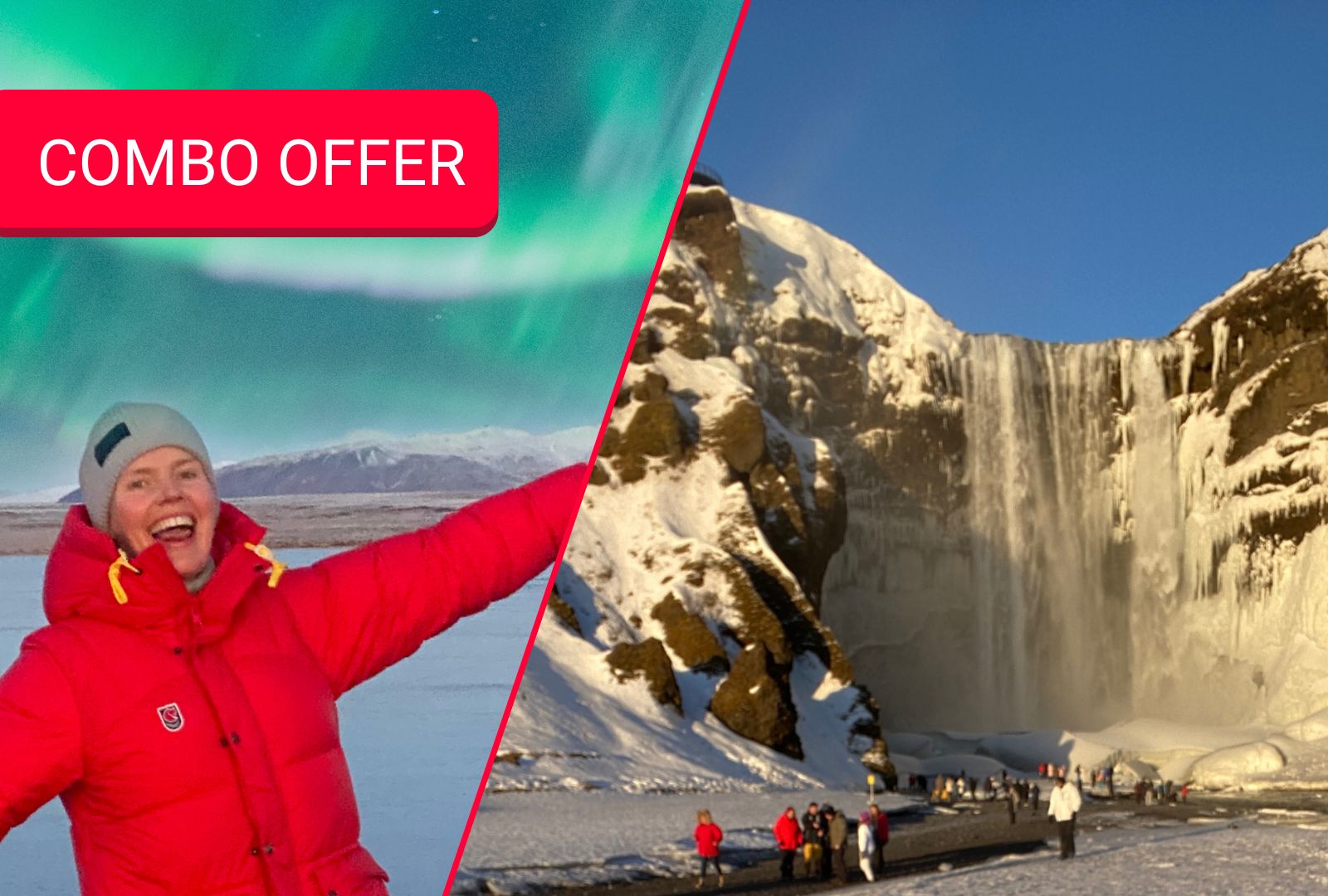
Nordlicht-Tour und Südküste
HIGHLIGHTS:
✓ 2IN1 Angebot: Sparen Sie über ISK 2000
✓ Besuchen Sie den Sólheimarjökull Gletscher
✓ Entdecken Sie die berühmte Stadt Vík
✓ Spazieren Sie am schwarzen Sandstrand Reynisfjara
✓ Erleben Sie die majestätischen Wasserfälle Skógafoss und Seljalandsfoss
✓ Kommen Sie mit uns Nordlicht-Tour am Abend
BESTES PREIS-LEISTUNGS-VERHÄLTNIS
NORDLICHT-GARANTIE: KOSTENLOSER ZWEITER VERSUCH, WENN KEINE LICHTER ZU SEHEN WAREN
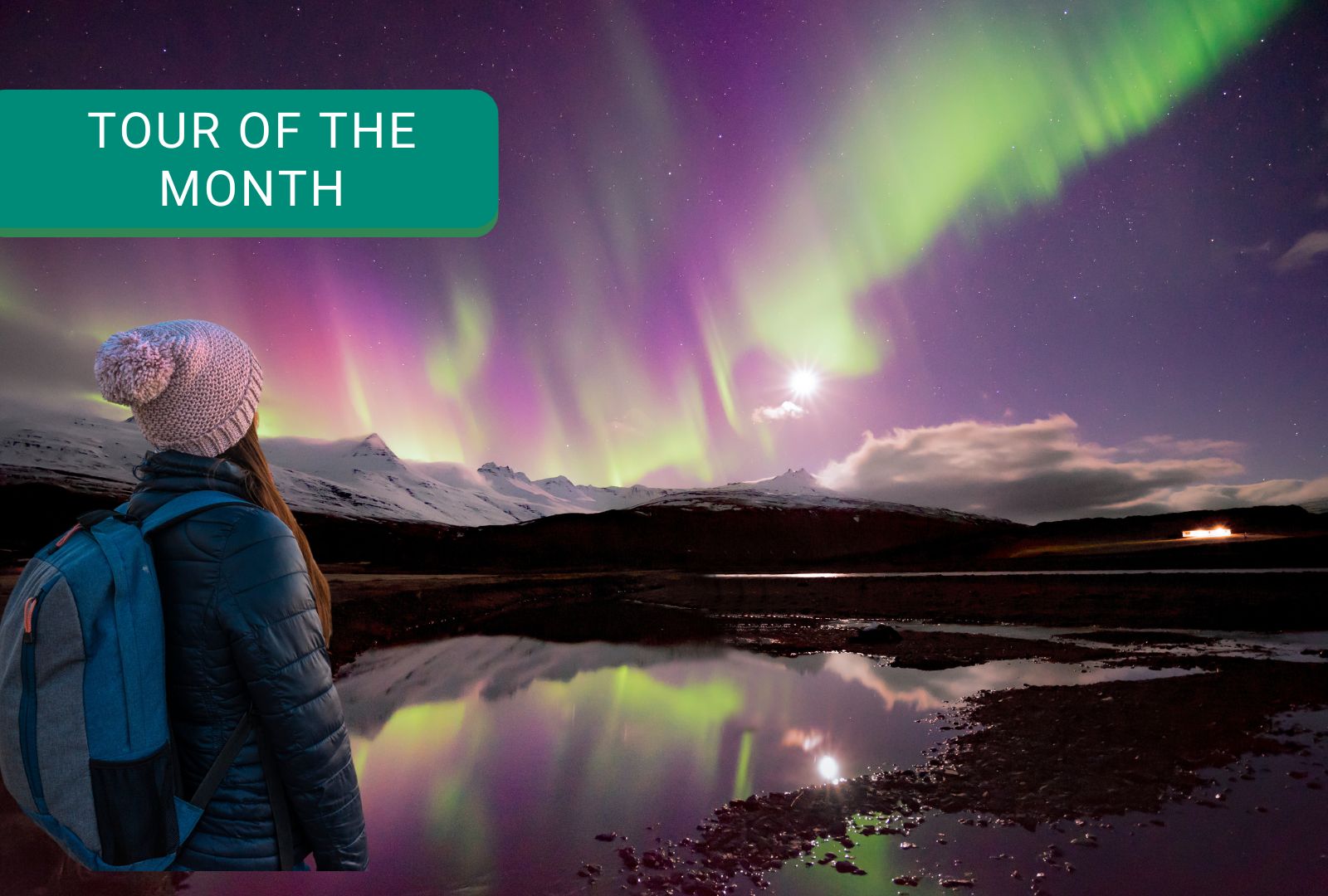
Nordlicht-Minibus-Tour
HIGHLIGHTS:
Geführte Nordlicht-Tour im Minibus (max 19 Teilnehmer)
✓ Fotos von Ihnen unter dem Nordlicht
✓ Homemade hot Chocolate und Pastries
✓ Abholung an oder nahe Ihrer Unterkunft
Unser Bestseller
FAQ ABOUT THE NORTHERN LIGHTS
When can I see northern lights in Iceland ?
During this long period, Iceland experiences sufficient darkness for the Aurora to be visible at night.
However, chances of experiencing the northern lights vary depending on the time of year. Find out which months are the best for seeing the Aurora here.
Can you see the Northern Lights during a full moon?
What time do the northern lights show up?
During the winter months, when the hours of light are limited, the northern lights can often appear as early at 7:00pm.
As the exact time of an Aurora display cannot be predicted, keep your eyes at the sky. And remember, patience is key!
How long do the northern lights last?
Can I see the northern lights when it is cloudy?
Do the northern lights only appear when it is cold?
Are the northern lights visible all over Iceland?
Are the northern lights really colourful?
Is a new moon better for aurora viewing?
Is the full moon good for aurora photography?